
Reviewed · KENYA & TANZANIA SAFARIS
11 Days Guided Group Safari in Kenya And Tanzania
The big draw here is the sheer range of Africa’s famous wildlife country in 11 busy days. You move from the rolling grasslands of Maasai Mara to Kilimanjaro country, then across the border to Ngorongoro and Serengeti. Lions, elephants, rhinos, hippos, flamingos, and huge herds are all possible highlights.
I like the six major parks and the sensible mix of Kenya and Tanzania. I also like that park fees, most meals, drinking water, and the right vehicles for each country are included. The tradeoff is a lot of road time, simple camps, and a few logistical weak spots, including a serious driving complaint that should not be brushed aside.
Key points before you book
- Six major wildlife areas: Maasai Mara, Lake Nakuru, Amboseli, Lake Manyara, Ngorongoro, and Serengeti.
- Two safari vehicles: A hatch-roof van is used in Kenya, while Tanzania uses a 4×4 Land Cruiser.
- Small maximum group: The vehicle can carry up to eight people, which matters on long game-drive days.
- Big scenery moments: You’ll see the Great Rift Valley viewpoint, Kilimanjaro if weather allows, Olduvai Gorge, and Ngorongoro Crater.
- Budget-style lodging: Expect camps and budget hotels rather than polished safari lodges.
- Important safety concern: A driving complaint described speeding, tailgating, and texting. Confirm driver standards before departure.
What $2,400 buys you on this Kenya and Tanzania safari
At $2,400 per person, this is not a luxury safari. It is a broad, budget-minded circuit that packs a great deal into 11 days. You are paying for access to some of East Africa’s best wildlife areas, not for private lodges, long stays in one park, or elegant meals every night.
The price includes park entrance fees, parking fees, a Kenyan safari van with a hatch roof, and a Tanzanian 4×4 Land Cruiser. You also receive eight dinners, ten breakfasts, and nine lunches, plus drinking water with the meals listed in the daily plan. That is meaningful value because park fees can quickly make up a large part of a safari budget.
You should still budget for drinks other than water, personal items, insurance, your Nairobi accommodation, and the Olduvai Gorge visit. Dinner is also on your own on nights in Arusha. The itinerary includes a visit to Olduvai Gorge, but the gorge visit itself is listed as an extra cost, so ask for the current fee before you go.
The accommodation is practical. Several nights are in fixed tents or camps with beds and bedding. Other nights use budget hotels with private, self-contained rooms. This works for people who care more about being near the parks than about room design, room service, or a swimming pool.
More Group Joining Safaris in Nairobi
- Nairobi National Park Game Drive With Free Pick Up Group Joining
★ 4.5 · 9 reviews - 12 Days Kenya Tanzania wildlife Joining Tour
★ 4.0 · 5 reviews - Early Morning Group Joining Game Drive In Nairobi National Park
★ 4.0 · 4 reviews
Days 1 and 2: Maasai Mara delivers the classic safari start
Your first morning begins with hotel pickup in Nairobi between 7:00 and 8:00, depending on where you are staying. The route heads toward Maasai Mara with a stop at a Great Rift Valley viewpoint and lunch in Narok.
That viewpoint gives the opening drive some purpose. You are not simply watching road traffic for hours. You get a first look at the huge geological trench that cuts across this part of East Africa, then continue toward the reserve.
The first game drive begins after arrival. Your driver-guide helps identify animals and explains their daily behavior, though the exact guide’s name is not provided in the tour details. Day one ends with dinner and a camp night.
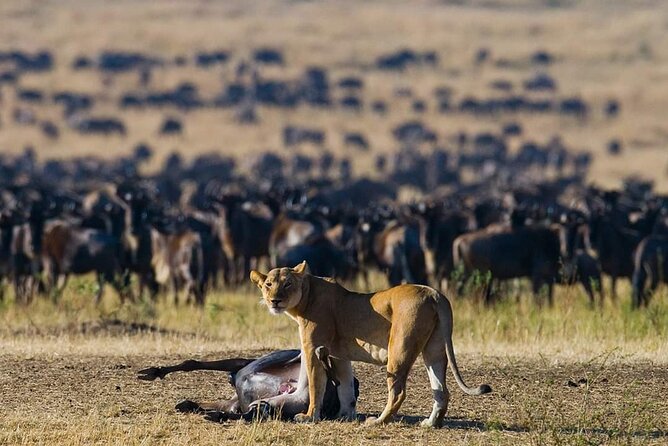
Day two is the first full wildlife day, and it is one of the strongest parts of the trip. Maasai Mara is known for rolling grassland, a broad network of roads and tracks, and close viewing opportunities. You can spend much of the day moving between sightings rather than rushing through a single short drive.
Lunch is taken near a hippo pool, where you may see hippos and crocodiles. That is a memorable setting, but keep your attention on the instructions from your guide. Wildlife viewing near water requires care and distance.
There is an optional Maasai village visit for an extra charge. The itinerary does not state the price or exact format, so ask what is included before paying. You return to Miti Mingi Eco Camp for the night.
The drawback is the schedule. The first two days are long, and the trip does not allow much time to settle into the area. If your main goal is the Maasai Mara, you may prefer a longer stay here. If your goal is variety, the quick move onward makes sense.
Days 3 and 4: Lake Nakuru adds rhinos and birdlife
Day three takes you from the Mara region toward Lake Nakuru National Park. This is another long transfer day, with lunch along the highway and views toward Mount Longonot and Lake Naivasha.
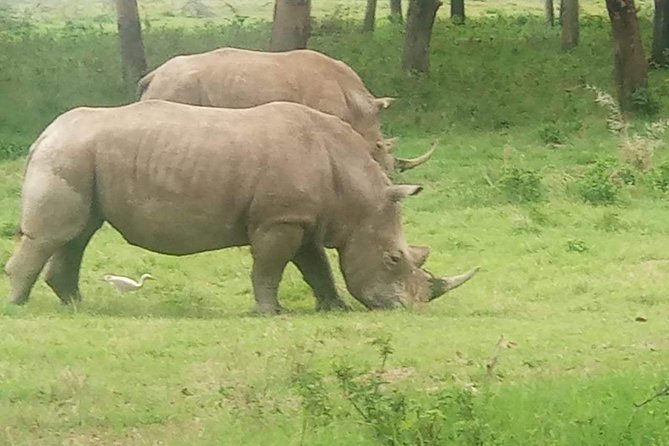
Lake Nakuru gives the itinerary a useful change of pace. The park is known for birdlife, including flamingos, and for a white rhino conservation area. Cape buffalo and waterbuck may be seen close to the shoreline.
Do not book this safari expecting flamingos to cover every inch of the lake. Bird numbers and water conditions change. The reliable reason to visit is the combination of wetland birdlife, rhino protection, and a different setting from the open grasslands of Maasai Mara.
You spend the night in a budget hotel with self-contained rooms. That is a small but welcome change from tented accommodation. On day four, you take a morning game drive in Nakuru before continuing toward Amboseli National Park.
This transfer is one of the itinerary’s tiring stretches. You get another park, but you also spend much of the day moving between destinations. Pack snacks that do not spoil, keep water handy, and use the drive time to rest.
Days 4 and 5: Amboseli brings elephants and Kilimanjaro
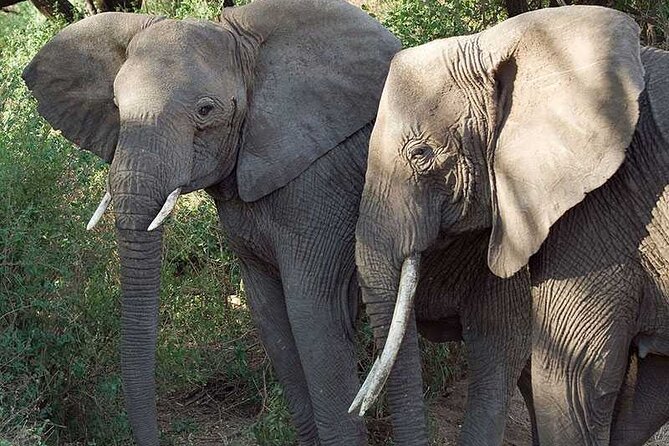
Amboseli is one of the most visually rewarding stops. The park has swampy areas where elephants and hippos gather, with plains game, antelopes, and birds in the surrounding country.
The park is especially appealing if elephants are high on your list. Water draws animals into the same general area, which can make sightings feel concentrated rather than scattered across a huge open plain.
Mount Kilimanjaro may appear beyond the park when weather conditions are favorable. The wording matters. The mountain is not guaranteed to be visible, so do not treat the famous peak as a promised backdrop. Still, when clouds clear, the combination of elephants and Africa’s highest mountain is hard to beat.
Day five is a full game-drive day with a picnic lunch. You return to camp afterward. This is a good place to accept the simple style of the trip. The point is to spend daylight outside looking for animals, not to return to a luxury lodge for a long afternoon.
More safaris that cross into Tanzania:
- Ultimate 12 Days Private Safari Tour in Kenya and Tanzania
★ 5.0 · 60 reviews - 12 Days Best Of Kenya and Tanzania Safari – Luxury
★ 5.0 · 36 reviews - 12 Days Kenya and Tanzania Budget Private Safari from Nairobi
★ 5.0 · 28 reviews - Shuttle Bus from Wilson and Jomo Kenyatta Airport Nairobi to Arusha and Moshi
★ 4.5 · 18 reviews
Day 6: Crossing from Kenya to Tanzania
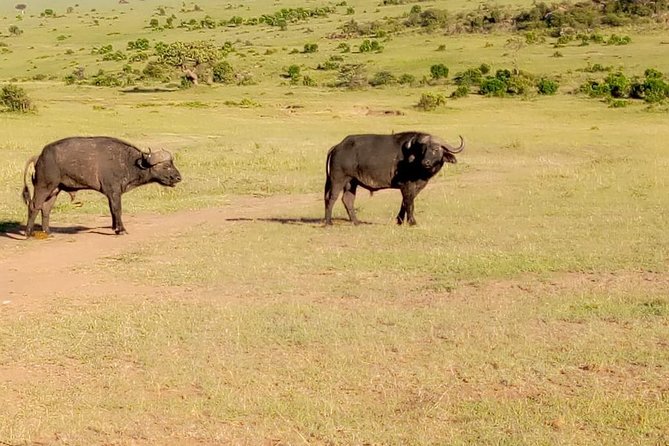
After breakfast, you head toward Arusha through the Namanga border crossing. You complete immigration formalities, then board a shuttle bus to Arusha and arrive in the afternoon.
This is not a safari day in the usual sense. It is a transit day, and border crossings can be slow or tiring. Keep your passport, required travel documents, and personal essentials easy to reach. The itinerary does not list visa requirements, so check those independently before departure.
A manager from Drones Africa Safaris picks you up at the Arusha bus stop and takes you to the hotel. Accommodation is on a bed-and-breakfast basis, and dinner is your own responsibility.
This split between Kenyan and Tanzanian transport is worth understanding. Kenya uses the safari van with a hatch roof. Tanzania uses a 4×4 Land Cruiser. The different vehicles reflect local operating arrangements, but you should expect to change vehicles and possibly reorganize your luggage.
Day 7: Lake Manyara offers a smaller, varied park experience
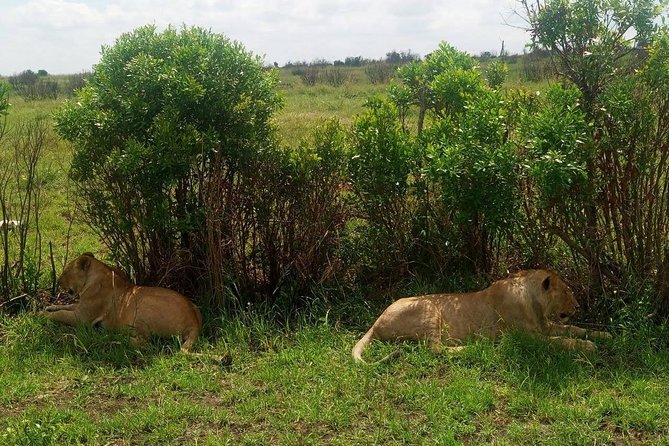
After breakfast in Arusha, you leave for Lake Manyara with lunch along the way. The park is known for tree-climbing lions and large flocks of flamingos.
Both features are famous, but neither should be treated as a guarantee. Wildlife behavior and bird numbers change from day to day. The park still earns its place on this route because it adds forest, lake country, and a different feel from the wide plains of the Serengeti.
You take a game drive before dinner and spend the night in fixed tents. This is another full day with driving, so the safari rhythm is clear: early starts, long roads, game drives, camp meals, and little spare time.
Day 8: Ngorongoro Crater packs a lot into one day
The Ngorongoro day begins with a descent of about 2,000 feet, or 670 meters, to the crater floor. The full day is spent in the crater area, with a picnic lunch at Ngoitoktok Springs.
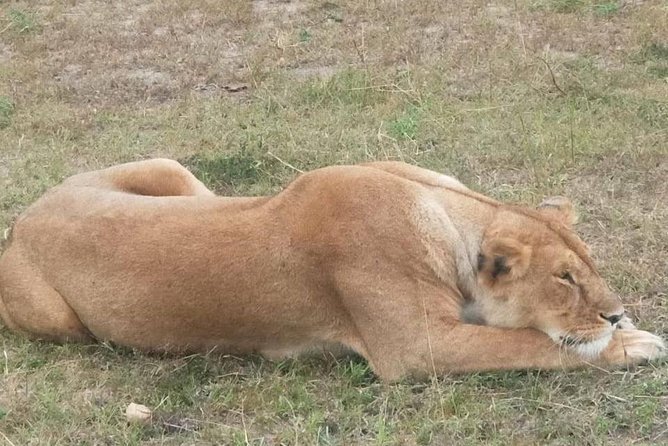
The crater is the itinerary’s most concentrated wildlife stop. The enclosed setting supports lions, black-maned lions, rhinos, buffalo, elephants, and many grazing animals. You have a strong chance to see several kinds of animals in one day, although no safari can promise a particular sighting.
A crater day can also feel crowded and structured because many vehicles use the same routes. That is the cost of visiting such a famous place. Still, the unusual geography and range of animals make it a worthwhile trade.
You spend the night at a campsite. The contrast is part of the appeal: a major natural attraction followed by a basic camp rather than a high-end lodge.
Day 9: Olduvai Gorge and the Serengeti
After breakfast and a final game drive, you travel toward Serengeti through Olduvai Gorge. Lunch is at the gorge museum, followed by a visit to sites linked with the discovery of prehistoric human remains by archaeologist Dr. L. S. B. Leakey.
Olduvai adds a human-history and archaeology stop to a trip otherwise focused on wildlife. But remember that the gorge visit is not included in the listed price. Confirm the cost before you arrive.
The afternoon continues into Serengeti National Park with a game drive. You spend the night at Seronera camp, a useful base in one of the park’s central areas.
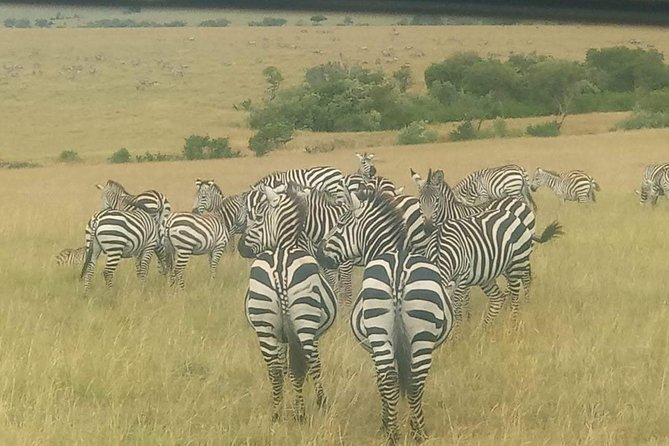
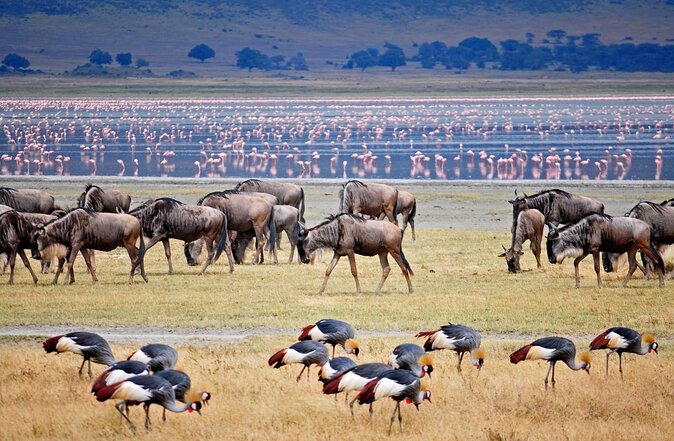
Serengeti is the grand wildlife finale. The park is associated with lions, zebras, elephants, and many other animals. Your drive on day nine is only an introduction, followed by another game drive on day ten before leaving.
The limitation is time. One afternoon and one final morning cannot show the whole park. The Serengeti is vast, and animal sightings vary by route and season. This itinerary gives you a taste of its scale rather than a slow, specialist safari.
Days 10 and 11: Returning to Arusha and Nairobi
Day ten starts with a final Serengeti game drive. Afterward, you leave the park, eat lunch along the route, and continue to Arusha for the night.
You stay at a budget hotel, with breakfast and lunch included but dinner on your own. This is another long day, and the early-evening arrival may leave you ready for a quiet meal rather than more sightseeing.
On day eleven, breakfast is followed by a transfer to a shuttle bus back to Nairobi. The journey takes about eight hours. Your Nairobi accommodation is not included, so plan an extra night if your onward flight does not match the bus schedule.
This final transfer is important when booking flights. Do not schedule a tight international departure on the same day unless you have confirmed the arrival time and allowed plenty of room for delays.
Small groups help, but transport standards matter
The maximum group size is eight. That is a reasonable number for a safari vehicle, especially on full-day drives. You have fewer people competing for window space and a better chance of hearing the guide.
The vehicles are designed for wildlife viewing. Kenya uses a safari van with a hatch roof, and Tanzania uses a 4×4 Land Cruiser. The roof opening should help with upward views and photography, while the Land Cruiser is suited to rough park roads.
Still, the most important transport issue is safety. A serious complaint described a driver speeding more than 25 miles above the limit, tailgating a petroleum truck, texting while driving, and refusing to stop when asked. The complaint also raised concerns about transfer arrangements and hotel reservations.
The provider apologized and said the conduct was not its service standard. That response is useful, but I would still ask direct questions before booking: How are drivers selected? What happens if a driver uses a phone behind the wheel? Who is the emergency contact during the Kenya to Tanzania transfer? These are reasonable questions on a long road trip.
Who should book this safari?
I would consider this trip if you want a first safari with a broad route and a controlled budget. It suits you if seeing several famous parks matters more than staying in one place, and if you are comfortable with simple camps, budget hotels, picnic lunches, and long transfers.
It also works well for people who want both Kenya and Tanzania without arranging separate operators. The combination of Maasai Mara, Amboseli, Ngorongoro, and Serengeti gives you a strong sample of East Africa’s main wildlife areas.
I would think twice if you want luxury, slow mornings, private guiding, or a deep focus on one park. The schedule is packed, and several days involve many hours on the road.
The driving complaint is the biggest factor in my decision. I would ask for written confirmation of safety procedures and driver conduct before paying. If the answers are clear and satisfactory, the itinerary offers substantial wildlife value for the money. If they are vague, choose a safari company with stronger documented transport standards.
FAQ
How long is the safari?
The experience lasts approximately 11 days, beginning in Nairobi and ending with a shuttle transfer back to Nairobi.
What parks and wildlife areas are included?
The route includes Maasai Mara National Reserve, Lake Nakuru National Park, Amboseli National Park, Lake Manyara National Park, Ngorongoro Conservation Area, and Serengeti National Park.
What is included in the price?
The listed inclusions are park entrance fees, parking fees, a safari van with a hatch roof in Kenya, a 4×4 Land Cruiser in Tanzania, eight dinners, ten breakfasts, and nine lunches.
Are drinks included?
Drinking water is included with the listed meals. Alcoholic drinks, soft drinks, and other beverages are not included.
Is accommodation in Nairobi included?
No. Accommodation in Nairobi is not included. The final day ends with a shuttle bus transfer back to Nairobi.
Is the Olduvai Gorge visit included?
No. The Olduvai Gorge visit is listed as an extra cost, even though the route passes through the area and includes a museum lunch stop.
How many people can join the tour?
The maximum group size is eight travelers.
Should you book it?
Book this safari if you want maximum park variety at a mid-range price and can accept simple lodging and long drives. The wildlife route is strong, the two-country format saves planning work, and the included park fees and meals improve the value.
Before booking, confirm the driver safety policy, the hotel arrangements, the Olduvai Gorge charge, and your Nairobi plans. Those checks matter more here than chasing a slightly cheaper price. Free cancellation is available up to 24 hours before the start time, but the practical decision should come earlier: make sure the operator’s transport standards match the ambition of the itinerary.
Just added around Nairobi
- Visit kibera Slum the chocolate city★ 4.8 · 3 reviews
- Day Tour to Nairobi national park, Elephants, and Giraffe Center★ 3.5 · 8 reviews
- Explore local Market matatu ride & Make Kenyan Cuisines with a home cook★ 5.0 · 8 reviews
- Kibera Slum Tour with a Local★ 5.0 · 15 reviews
- Urban Forest Tour in Nairobi★ 5.0 · 7 reviews
- Vegans special safari★ 4.5 · 4 reviews
- Private Mini Safari Tour in Nairobi★ 5.0 · 6 reviews
- Private Kenyan Cooking Class in Nairobi with a Local★ 5.0 · 3 reviews
Kenya & Tanzania Safaris, compared.
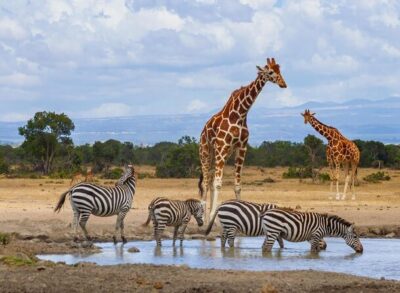
Ultimate 12 Days Private Safari Tour in Kenya and Tanzania
Read our review →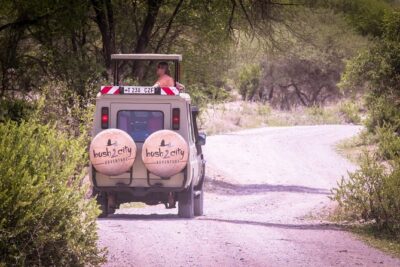
12 Days Best Of Kenya and Tanzania Safari – Luxury
Read our review →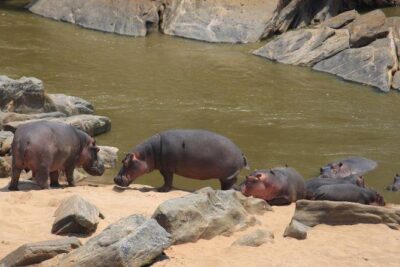
12 Days Kenya and Tanzania Budget Private Safari from Nairobi
Read our review →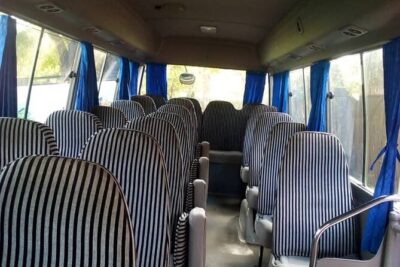
Shuttle Bus from Wilson and Jomo Kenyatta Airport Nairobi to Arusha and Moshi
Read our review →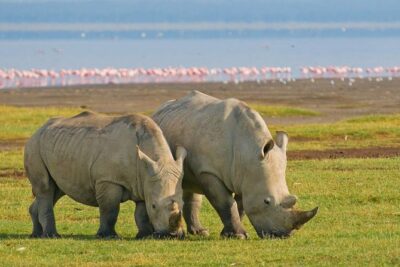
12 days Kenya and Tanzania safari private lodge from Nairobi
Read our review →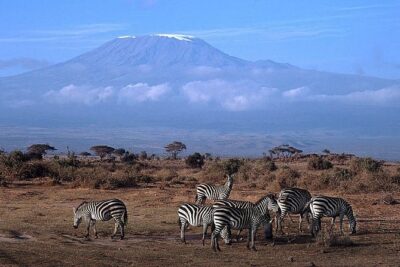
15 Days Classic Kenya & Tanzania + Zanzibar Beach Holiday
Read our review →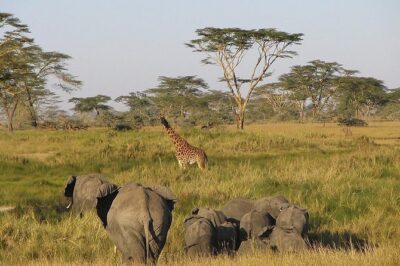
8 Days Best of Kenya and Tanzania Safari from Nairobi
Read our review →
14-Day Serengeti Maasai Mara Amboseli Tarangire Zanzibar
Read our review →Browse the lists this tour appears in