
Reviewed · KENYA & TANZANIA SAFARIS
13 Days Best of Kenya and Tanzania BudgetSafari
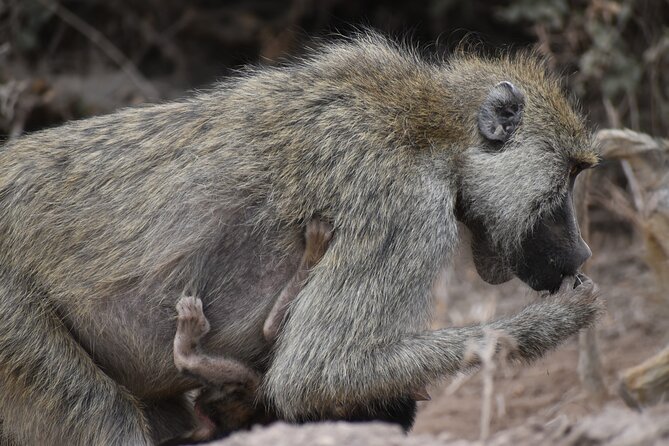
The big draw here is the sheer sweep of the route. In 13 days, you move from Kenya’s Maasai Mara and rhino country to Amboseli beneath Mount Kilimanjaro, then across Tanzania for Serengeti plains, Ngorongoro Crater, Lake Manyara, and Tarangire. I like the way this trip puts the Big Five within reach across several very different parks, rather than relying on one reserve.
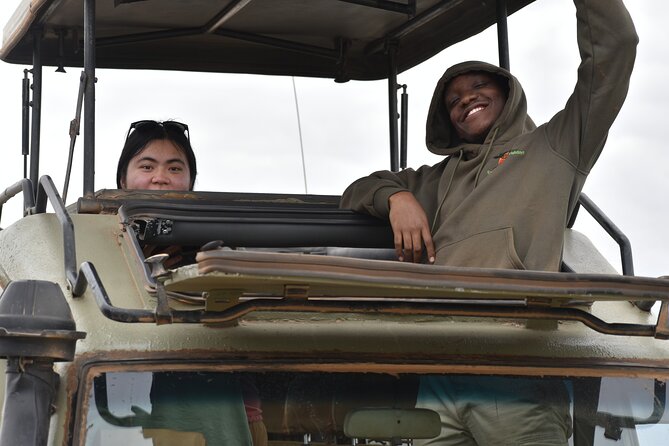
I also like the small maximum group of seven and the practical price of $3,895 per person. That gives you a better chance at a window seat and keeps the trip far more personal than a large coach safari. Guides named Zack and Sammy have been praised for finding wildlife and adapting when rain changed the day’s plans.
The tradeoff is a demanding schedule. Several days involve long road transfers, basic campsites, border formalities, and a mix of vehicles. One past guest also described a three-hour delay while a safari truck was repaired, while another ended the trip early after feeling unsafe during the Tanzania portion. You should book this as a value-focused expedition, not a polished luxury holiday.
Key points to know before booking
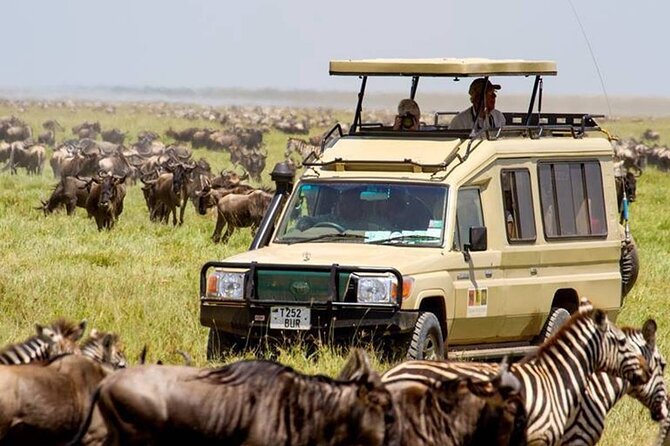
- Seven major wildlife areas: Maasai Mara, Lake Nakuru, Amboseli, Lake Manyara, Serengeti, Ngorongoro Crater, and Tarangire all appear in one route.
- Two countries, one border crossing: You leave Kenya at Namanga, collect your visas, and continue to Arusha by shuttle.
- Camping is part of the bargain: Several nights are at campsites, with earlier accommodation described as budget hotel or tented camp.
- Kilimanjaro views depend on weather: Amboseli gives you the best chance to see the mountain, but clouds can hide the peak.
- Meals are mostly covered: Breakfast is included 11 times, with lunches and dinners listed as included, but drinks and tips cost extra.
- A few days are long: Most scheduled days run about eight hours, and wildlife drives are combined with substantial road travel.
Why this route works for a first East Africa safari
This itinerary gives you a useful introduction to two famous safari countries without requiring you to arrange separate operators. Kenya supplies the classic Maasai Mara experience, the flamingo and rhino setting of Lake Nakuru, and the elephant country of Amboseli. Tanzania then adds the Serengeti, the Ngorongoro Crater, Lake Manyara, and Tarangire.
That variety matters. Wildlife viewing changes with the terrain, season, and water supply. A lion on the Mara plains is a different sight from an elephant herd around Amboseli’s swamps or a rhino near Lake Nakuru.
You should also understand the pace. This is not a trip where you unpack for several nights and settle into one lodge. You’ll often have breakfast, take a game drive, cover a long stretch of road, and arrive at the next camp in time for dinner. The reward is a broad look at the region. The cost is less rest.
The operator lists a maximum of seven people, which is a strong point. A smaller group can make loading into the vehicle easier and may help the guide respond to what you want to see. Still, ask how your specific departure will be operated, especially for the Kenya to Tanzania transfer. The itinerary includes a shuttle from Namanga to Arusha, so not every part of the trip is in the same safari vehicle.
More safaris that cross into Tanzania:
- Ultimate 12 Days Private Safari Tour in Kenya and Tanzania
★ 5.0 · 60 reviews - 12 Days Best Of Kenya and Tanzania Safari – Luxury
★ 5.0 · 36 reviews - 12 Days Kenya and Tanzania Budget Private Safari from Nairobi
★ 5.0 · 28 reviews
Days 1 and 2: Maasai Mara and the search for big cats
Your first morning begins with a 7:30 pickup in Nairobi. The route heads toward the Maasai Mara, with a stop at the Great Rift Valley viewpoint and lunch around Narok. The viewpoint gives you a quick geographical introduction before the trip turns toward open savannah.
On arrival, you begin a game drive. The first afternoon is useful for getting your bearings and seeing how your guide reads the roads, tracks, and animal movements. The Mara is known for broad grasslands, rolling hills, and a strong network of tracks that allows vehicles to reach wildlife at close range.
The second day is the main Mara day, with morning and afternoon game viewing and a picnic lunch near a hippo pool. You may see hippos and crocodiles there, but keep your expectations sensible. Wildlife is never scheduled, and a Big Five label means the park is a strong place to search, not that every animal is guaranteed.
Accommodation here is described as camp tents with showers, flush toilets, and mosquito nets. That is basic, but it gives you a little more comfort than a completely rough camp. The itinerary also lists a Maasai market and offers a Maasai village visit for $10 per person. That village visit is optional and costs extra, so confirm what is actually included before setting out.
Day 3: Leaving the Mara for Lake Nakuru
Day three starts with an early pre-breakfast game drive, a smart use of the morning when animals can be active. After breakfast, you leave the Mara for the Lake Nakuru area, stopping for lunch along the way.
This is a transfer day, not a full second park day. You may see Mount Longonot and Lake Naivasha from the highway, but the schedule does not promise a visit to either. That distinction matters if you are comparing this package with a slower Kenya itinerary.
You spend the night in a budget hotel. After two nights in the Mara, this change can be welcome, especially if you value a proper room and a quieter evening. At the same time, the long road day means you should not expect much free time.
Day 4: Rhinos, birds, and the road to Amboseli
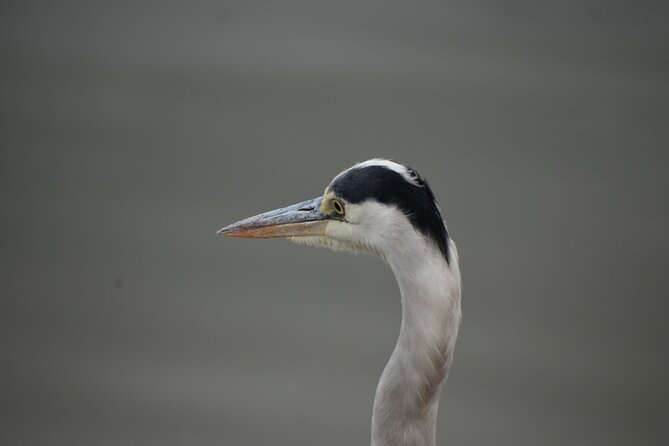
After breakfast, you take a game drive in Lake Nakuru National Park. The park is especially known for birdlife, including flamingoes, and it has a rhino sanctuary. Cape buffalo and waterbuck may be seen close to the shoreline.
Lake Nakuru adds something the Mara does not: a stronger focus on birds and rhino conservation. If you enjoy photography, the lake edge can offer a different set of subjects from the big cats and open plains of the Mara.
After lunch, the route continues to Amboseli. This is another long day, with wildlife viewing combined with a major transfer. You’ll spend the night at camp, so pack your day bag carefully and keep essentials easy to reach rather than buried in your main luggage.
More Budget Safaris in Nairobi:
- 9 days, 8 nights budget Kenya and Tanzania safari
★ 5.0 · 4 reviews - 5 Days Masai Mara, Lake Nakuru & Naivasha Budget Joining Safari
★ 5.0 · 229 reviews - 3 Day Masai Mara Budget Joining Safari on 4×4 – Daily Departures
★ 5.0 · 105 reviews - Small Group Budget Tour to Hells Gate National Park and Lake Naivasha Boat Ride
★ 5.0 · 85 reviews
Day 5: Elephants and Mount Kilimanjaro in Amboseli
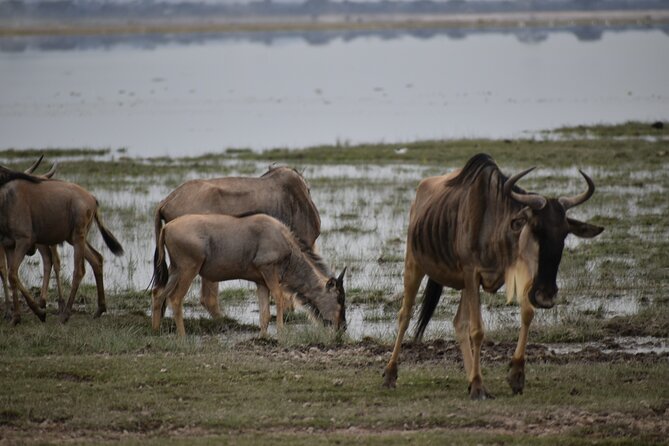
Amboseli gets a full day, which is one of the better choices in the schedule. The park has swamp areas where elephants and hippos gather, along with plains animals, antelopes, and many birds.
The famous image here is an elephant herd with Mount Kilimanjaro behind it. The itinerary is clear that the peak is visible only if weather conditions allow. Do not treat the mountain view as guaranteed. Clouds may cover it, especially when you most want a photograph.
You receive a picnic lunch and return to camp afterward. Past feedback about Kenya departures described guides Sammy and Zack adjusting plans during rain and still finding memorable sightings, including elephants in mist. That is useful context: a flexible guide matters more than a rigid promise of perfect weather.
Day 6: Crossing from Kenya into Tanzania
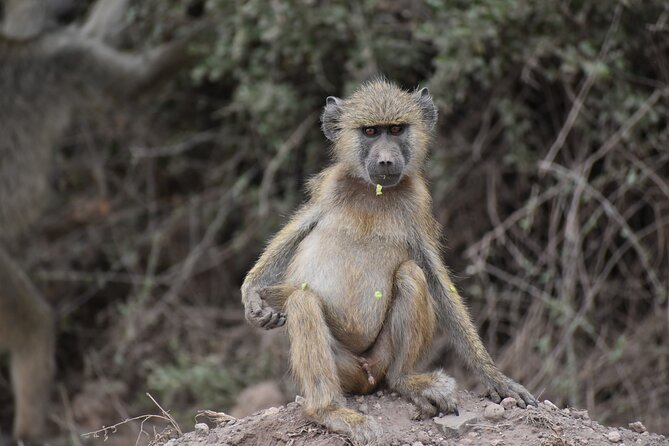
The morning includes a final Amboseli game drive before you travel to the Namanga border. Here, you handle visas and board a shuttle to Arusha. You then check into the Arusha Tourist Inn on a bed-and-breakfast basis.
This is a practical transition day, but it can feel less smooth than the safari days. You are changing countries, vehicles, and possibly staff. Your passport name, number, expiry date, and country are required for everyone at booking, and visa costs are not included.
The Tanzania portion begins with a different rhythm. Keep your passport, money, medication, and small valuables with you during the transfer. The package lists private transport overall, but the Namanga to Arusha leg is specifically described as a shuttle.
Day 7: Lake Manyara and the first Tanzanian game drive
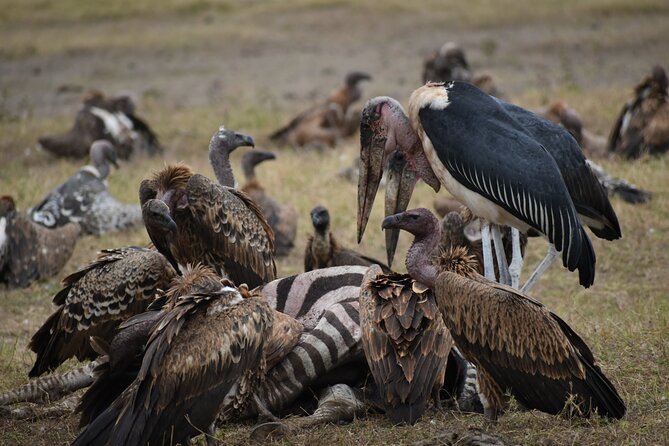
After breakfast, you drive to Lake Manyara National Park for an afternoon game drive. This is a shorter wildlife stop than the Serengeti or Ngorongoro, but it breaks up the route and adds another habitat to the trip.
You spend the night at a campsite. The basic accommodation is important to factor into the price. Camping can put you closer to the feel of the bush, but it also means fewer comforts than a lodge and less protection from weather. The operator says the trip runs in all weather, so bring clothing that handles rain as well as warm, dusty days.
Days 8 and 9: Olduvai Gorge and the Serengeti
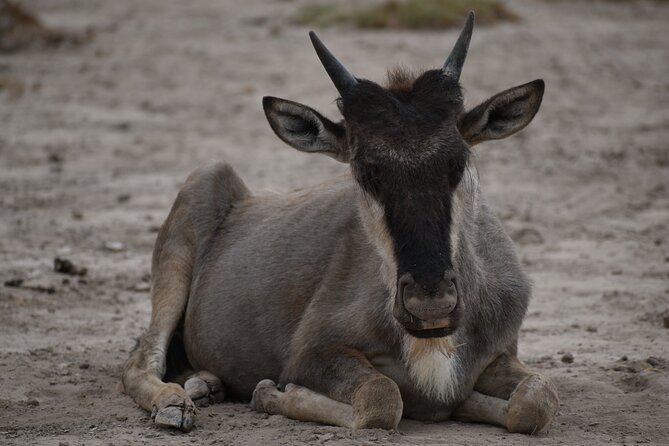
Day eight takes you toward the Serengeti, passing Olduvai Gorge. The site is linked with fossil discoveries by the Leakey family, including human and animal ancestors dating back almost two million years. This stop gives the route some archaeological context, not just animal viewing.
You continue into the Serengeti and camp there. The listed meals are included, while admission is described differently from several other parks, so confirm the exact fee arrangement with the operator before departure.
Day nine is the trip’s main Serengeti day. Morning and afternoon game drives give you two chances to search for animals missed earlier. Lions, cheetahs, and other predators are possible highlights, and one past account specifically described lions resting on rocky kopjes and cheetahs sprinting across the plains.
Two nights in the Serengeti are valuable. The park is large, and one drive cannot show you much of it. Camping here is also one of the more memorable parts of the trip for people who enjoy a close-to-nature setting, though you should be comfortable with simple facilities and the possibility of weather interruptions.
Day 10: Down into Ngorongoro Crater
After breakfast, a four-wheel-drive vehicle takes you roughly 2,000 feet down into Ngorongoro Crater. You have a picnic lunch in the crater before ascending to camp.
The crater is compact compared with the Serengeti, but its enclosed setting can make wildlife easier to find in a single day. The schedule gives you about six hours, so this is a focused visit rather than an overnight stay on the crater floor.
The climb back out and the onward camp night add more movement. Still, this is one of the route’s essential days. If your main goal is to see a wide range of animals without spending every day on long open-road searches, Ngorongoro helps balance the itinerary.
Days 11 and 12: Tarangire’s elephants and baobabs
Day eleven takes you to Tarangire National Park, where you camp for the night. The following day includes a final game drive before returning to Arusha.
Tarangire is known for large elephant numbers, baobab trees, and possible tree-climbing lions. It also has more than 550 bird species, making it a particularly good addition for anyone who enjoys birdwatching. The swamps support many breeding birds, and yellow-collared lovebirds may be seen in trees near the Tarangire River.
The itinerary gives Tarangire less time than the Serengeti, but it is not simply a spare final stop. Its trees, river, and swamp areas create a different visual setting. You might find the final game drive especially rewarding if you prefer elephants and birds to another long search across open plains.
That night is back at a hotel in Arusha. After several campsite nights, the change gives you a chance to repack and prepare for the final transfer.
Day 13: Returning toward Nairobi
After breakfast, you depart by shuttle toward Nairobi or your next destination. The listed duration is about four hours, and transport on this final leg is not included in the package description.
Confirm your ending arrangements before booking flights or connecting transport. The activity says it ends back at the meeting point, but the final day also describes departure to Nairobi or another destination. That wording deserves a clear answer from the operator, especially if you need an airport transfer at a fixed time.
What $3,895 buys you
At $3,895 per person, this is not a bargain-basement outing, but the route covers two countries and seven wildlife areas over 13 days. Lunches, dinners, 11 breakfasts, parking fees, guided game drives, and transport are listed as included. That can make the cost reasonable compared with arranging park fees, vehicles, accommodation, meals, and a border crossing on your own.
The price makes the most sense if you accept budget camping. It does not describe a lodge-to-lodge safari with private rooms every night. Alcoholic drinks, visas, tips, gratuities, and the optional $10 Maasai village visit are extra.
The strongest value comes from the route and the number of game-drive days. The weakest point is the amount of road time and the possibility of mechanical or organizational delays. One account described waiting three hours for a safari truck repair, so leave some breathing room around onward flights and avoid scheduling an important connection immediately after the tour.
Who should book this safari?
I would consider this trip if you want a broad first look at Kenya and Tanzania, care more about wildlife than luxury, and can handle early mornings, long drives, campsites, and changing vehicles.
It suits couples who want an adventurous shared trip, families with older children who can manage the pace, and solo visitors who like the safety of a small group. Children must be accompanied by an adult, and all participants should have moderate physical fitness.
I would be more cautious if you need a fixed hotel standard, dislike camping, or want a quiet, slow safari. I would also ask detailed questions about the Tanzania handoff, vehicle condition, guide assignment, and exact border arrangements. One published account described feeling unsafe and leaving four days early, so a clear pre-trip conversation is sensible rather than an afterthought.
The experience carries a 4.6 rating from nine published ratings, with strong praise for wildlife sightings, flexible guides, camping, and value. It also has specific warnings about a vehicle delay and one serious complaint about organization and safety. Those mixed signals point to the right conclusion: this can be an exciting, good-value safari, but you should choose it for adventure and flexibility, not for hotel-style certainty.
Final call: a strong wildlife route with a budget edge
I would book this tour if seeing the Mara, Serengeti, Ngorongoro, and Amboseli in one trip is your priority. The combination of big cats, elephants, rhinos, Kilimanjaro views, crater wildlife, and bird-rich parks is hard to match in 13 days.
Before paying, confirm the campsite standards, the vehicle used in each country, who will guide your departure, what happens at the Namanga border, and where the final shuttle leaves you. If those answers are clear and you are comfortable with basic accommodation, the route offers substantial value. If you want comfort and control at every step, spend more on a slower private safari.
FAQ
Where does the safari start?
The safari starts in Nairobi, Kenya, with pickup offered from a Nairobi hotel. The listed start time is 7:30 am.
How long does the safari last?
The experience lasts approximately 13 days. Most scheduled days run about eight hours, while days in Ngorongoro, Tarangire, and the final transfer are listed at about six, six, and four hours.
What parks and reserves are included?
The route includes Maasai Mara National Reserve, Lake Nakuru National Park, Amboseli National Park, Lake Manyara National Park, Serengeti National Park, Ngorongoro Crater, and Tarangire National Park.
Is transportation included?
Private transportation and guided game drives are listed as included. The Kenya to Tanzania crossing uses a shuttle from Namanga to Arusha, and the final shuttle to Nairobi or another destination is listed separately.
Are meals included?
Lunches and dinners are listed as included, along with 11 breakfasts. Alcoholic drinks are not included but can be purchased.
Is camping part of the trip?
Yes. Several nights are at campsites, and the Maasai Mara accommodation is described as camp tents with showers, flush toilets, and mosquito nets. A budget hotel is used at Lake Nakuru, and the Arusha Tourist Inn is listed for one night.
Can I cancel for a full refund?
You can cancel for a full refund if you do so at least 24 hours before the experience start time. Cancellations or changes made less than 24 hours before the start are not accepted for a refund.
Just added around Nairobi
- Visit kibera Slum the chocolate city★ 4.8 · 3 reviews
- Day Tour to Nairobi national park, Elephants, and Giraffe Center★ 3.5 · 8 reviews
- Explore local Market matatu ride & Make Kenyan Cuisines with a home cook★ 5.0 · 8 reviews
- Kibera Slum Tour with a Local★ 5.0 · 15 reviews
- Urban Forest Tour in Nairobi★ 5.0 · 7 reviews
- Vegans special safari★ 4.5 · 4 reviews
- Private Mini Safari Tour in Nairobi★ 5.0 · 6 reviews
- Private Kenyan Cooking Class in Nairobi with a Local★ 5.0 · 3 reviews
Kenya & Tanzania Safaris, compared.
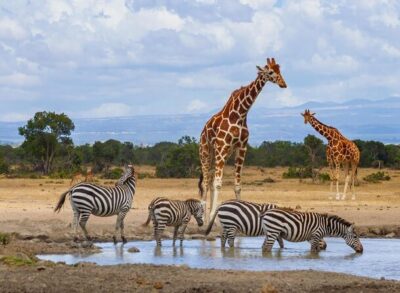
Ultimate 12 Days Private Safari Tour in Kenya and Tanzania
Read our review →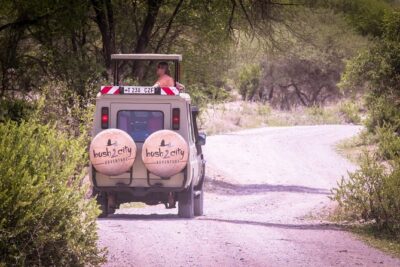
12 Days Best Of Kenya and Tanzania Safari – Luxury
Read our review →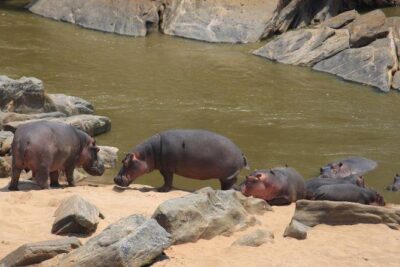
12 Days Kenya and Tanzania Budget Private Safari from Nairobi
Read our review →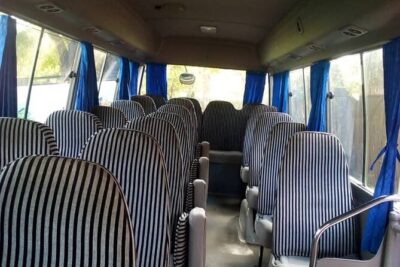
Shuttle Bus from Wilson and Jomo Kenyatta Airport Nairobi to Arusha and Moshi
Read our review →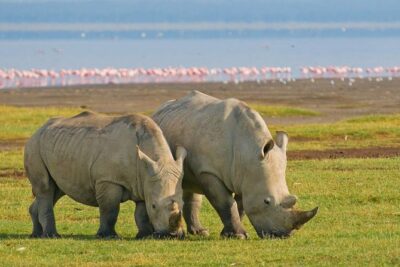
12 days Kenya and Tanzania safari private lodge from Nairobi
Read our review →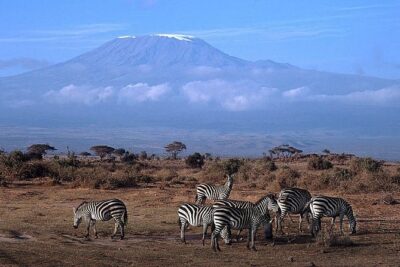
15 Days Classic Kenya & Tanzania + Zanzibar Beach Holiday
Read our review →
8 Days Best of Kenya and Tanzania Safari from Nairobi
Read our review →
14-Day Serengeti Maasai Mara Amboseli Tarangire Zanzibar
Read our review →Browse the lists this tour appears in