
Reviewed · 7-DAY EXPERIENCES
7 Days Masai Mara / Lake Nakuru / Lake Naivasha / Amboseli
Maasai Mara is the star here, but the real appeal is the four-stop sweep of Kenya. In one week, you get big-cat country, rhino habitat, a lake walk with zebras and giraffes, and Amboseli’s elephant country with Mount Kilimanjaro behind it. That is a lot of Kenya for seven days.
I like the early game drives, when cool air and low light give you the best chance at lions, leopards, cheetahs, and hyenas. I also like the practical setup: meals, accommodation, Nairobi pickup, and transfers are handled for you, while the group is capped at 20.
The tradeoff is pace. You cover long distances between parks, and the route leaves little room for rest. Park admission is shown separately for the daily stops, so confirm exactly what is included in your quoted price before paying. Weather, minimum group size, and a strict nonrefundable policy also matter.
Key points to know before booking
- Three full days in Maasai Mara: You get an afternoon drive, two more game-drive periods, and a full day with a picnic lunch and hippo pool visit.
- A useful mix of wildlife: Maasai Mara offers big cats and plains animals, Nakuru adds rhinos and birds, Naivasha brings a guided island walk, and Amboseli is known for elephants and Kilimanjaro views.
- Six nights with meals included: Six breakfasts, six lunches, and six dinners are part of the package, along with lodge or tented accommodation.
- A small-group format: The maximum is 20 people, which is more manageable than a large coach but not the same as a private safari.
- A demanding travel schedule: The route links Nairobi, Maasai Mara, Nakuru, Naivasha, and Amboseli in six nights, so expect early starts and substantial time on the road.
- A possible Mombasa connection: After returning to Nairobi on Day 7, you can optionally continue by train or bus to Mombasa.
Why this seven-day route works
This trip is built around variety. If you have only a week in Kenya, it gives you several different settings rather than spending the whole time in one reserve. Maasai Mara supplies the classic safari scenes. Lake Nakuru shifts the focus toward rhinos and birds. Lake Naivasha offers a slower walking experience. Amboseli finishes the trip with elephants and a famous mountain backdrop.
That variety is valuable because no wildlife park can promise every animal on every drive. A leopard can stay hidden, flamingos can move, and clouds can cover Kilimanjaro. By visiting several areas, you give yourself more chances for memorable sightings.
The route is also fairly direct in concept, though not always easy in practice. You leave Nairobi for the Mara, move east through the Rift Valley lakes, then continue toward Amboseli before returning to Nairobi. You are not constantly packing for short one-night hops, since Maasai Mara receives three nights. That is a sensible choice.
Still, this is not a relaxed lodge holiday. Day 4 links Maasai Mara with Lake Nakuru, Day 6 links Naivasha with Amboseli, and Day 7 sends you back to Nairobi. If you dislike long drives or early breakfasts, the schedule may feel heavy.
A few more Masai Mara trips worth comparing
- 7 Day Maasai Mara, Lake Nakuru, Lake Naivasha and Amboseli Safari
★ 4.5 · 38 reviews - Samburu/ Aberdare/ Lake Nakuru/ Masai Mara 7 Days Safari
★ 5.0 · 37 reviews - 7 Days Masai Mara-Lk. Nakuru-Lk. Naivasha-Amboseli group Safari
★ 5.0 · 30 reviews
Days 1 to 3: giving Maasai Mara the time it deserves
Your first morning starts at 6:30, with a transfer from your Nairobi hotel to the operator’s office for a safari briefing. You then head toward Maasai Mara through the Great Rift Valley. Lunch is served on arrival at the private campsite, followed by an afternoon game drive at 3:30.
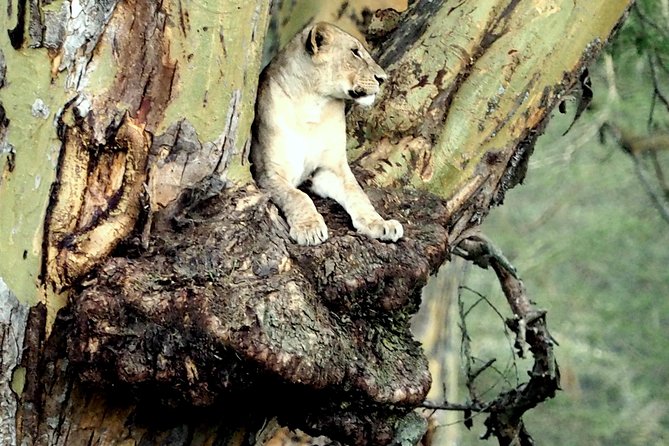
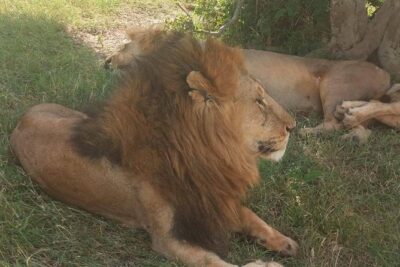
That first drive is a good introduction because the Mara is known for open plains and a strong chance of seeing large mammals. The stated search list includes black-maned lions, elephants, leopards, cheetahs, buffalo, and other plains animals. You may not see all of them, but the route gives you several drives in which to look.
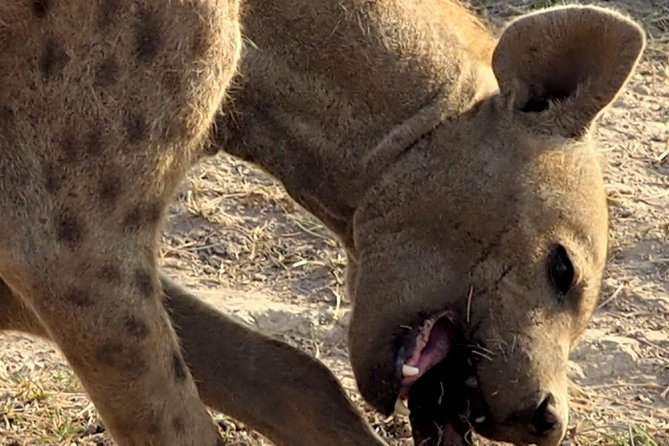
The next morning starts early. After breakfast and tea or coffee, you head out while the air is cool. This is the most sensible time to look for predators, particularly lions, leopards, cheetahs, and hyenas. Wildlife is unpredictable, but early departures are important on safari because animals are often more active before the heat of the day.
You return to camp for lunch, then leave again at 3:30 for an afternoon drive. The plan calls for exploring a different part of the reserve, which helps prevent the day from becoming a repeat of the first. If the sky cooperates, the Mara sunset becomes part of the experience.
Day 3 is the most rewarding Mara day on paper. After breakfast, you take a full-day drive with a picnic lunch. The schedule includes the Mara River hippo pool, where you can leave the vehicle, sit on rocks, and watch hippos and crocodiles. A short walk with a warden is also listed.
That river stop adds something important. Most safari viewing happens from inside the vehicle, so the chance to sit near the water and take a short supervised walk gives the day a different rhythm. Follow the guide’s instructions closely. Hippos and crocodiles are wild animals, not photo props.
Three nights in Maasai Mara is one of the strongest parts of the schedule. You have an arrival drive, a full morning and afternoon the next day, then a full day. That is much better than rushing through the reserve for one night.
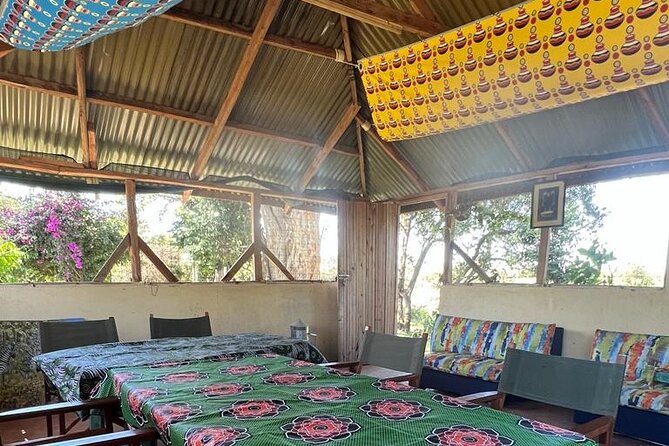
The accommodation is described as a private campsite, with lodge or tented stays included across the trip. The exact property can affect comfort, room design, and distance from the reserve, so ask for the names of the camps and lodges before booking. Past trip arrangements have included comfortable tents and lodges, and meals are repeatedly described as a strong part of the service.
Day 4: Maasai Mara to Lake Nakuru for rhinos and birds
You leave Maasai Mara after breakfast at 7:00 and travel toward Lake Nakuru, arriving in time for lunch. After eating, you take a drive around the lake in search of rhinos, flamingos, waterbuck, buffalo, and other wildlife.
Lake Nakuru changes the feel of the safari. The Mara is about broad grassland and predators. Nakuru brings water, woodland, and birdlife into the picture. Rhinos are the main reason to visit, and the drive gives you a good chance to look for both black and white rhinos, though the schedule itself only specifically promises rhinos in general.
The flamingos are another draw. Their numbers and locations can change, so do not treat the famous bird spectacle as guaranteed on a particular day. Even so, the lake adds a strong bird-watching element to a trip otherwise centered on large mammals.
After the drive, you check into a hotel with a private shower and toilet. The overnight is at Lake Elementaita, rather than directly at Lake Nakuru. That distinction matters if you are picturing a room right beside the park. You still remain in the Rift Valley lake region, but ask how far the accommodation is from the day’s viewing area.
Day 4 is also one of the longer transfer days. You leave one major reserve and reach another in time for lunch and an afternoon drive. It makes efficient use of the week, but it is not the day for an unhurried morning.
Day 5: Lake Naivasha and the walk on Crescent Island
An optional early walk is offered along the shores of Lake Elementaita. Since it is optional, confirm whether it carries an additional charge or depends on local conditions. After breakfast, you make the short drive to Lake Naivasha and reach your lakeside hotel for a free morning.
That pause is welcome. After several game drives and a long transfer, a few hours at leisure lets you slow down. The schedule does not promise a full day of organized activity, so this is a good chance to rest, read, or enjoy the lake setting.
After lunch at 2:00, you take a one-hour boat ride along the lake toward Crescent Island. The boat trip is not just transport. It gives you a view of the water and the shoreline before the walking portion begins.
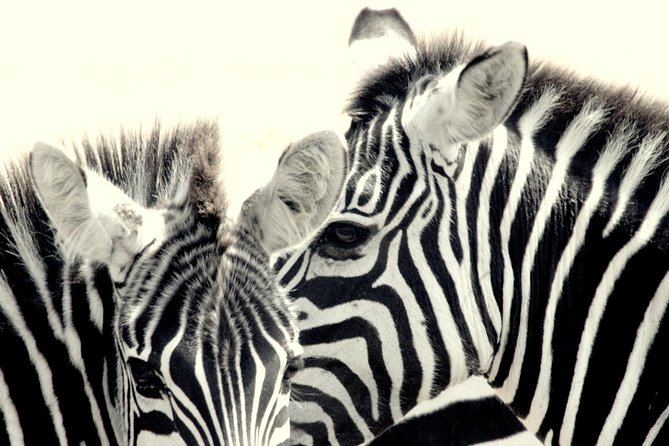
On Crescent Island, a guide leads you on foot through the game sanctuary. The listed animals include giraffes, zebras, hippos, vervet monkeys, bushbucks, long-tailed mongooses, bat-eared foxes, and many birds, including Goliath herons, bee-eaters, eagle owls, long-tailed cormorants, fish eagles, pelicans, and kingfishers.
This is a valuable change from vehicle-based viewing. Walking can make you notice tracks, calls, and smaller creatures that are easy to miss from a safari van. It also gives you a closer sense of the distance between you and the animals, so stay with the guide and follow all instructions.
The Crescent Island outing may become one of the most distinctive parts of the week. You are not simply driving past a lake and taking a few photographs. You are combining a boat ride, a guided walk, wildlife, and birding in one afternoon.
The drawback is timing. You arrive at Naivasha in the morning, have lunch, and then begin the boat trip at 2:00. The day is not empty, but it is lighter on traditional game-drive time than the Mara and Amboseli days.
Same corner of Kenya, a completely different kind of day:
- 3 Days Masai Mara Group Joining
★ 5.0 · 486 reviews - From Nairobi: 3 Days, 2 Nights Maasai Mara Group Safari
★ 4.5 · 394 reviews - 5 Days Masai Mara, Lake Nakuru & Naivasha Budget Joining Safari
★ 5.0 · 229 reviews - 3 Days Gamedrive Safari In Masai Mara From Nairobi
★ 5.0 · 207 reviews
Day 6: the long road to Amboseli
After breakfast, you leave at 6:00 and drive through Nairobi and the Athi Plains toward Emali. A hot lunch comes before the final stretch to Amboseli National Park. You then take a full afternoon game drive.
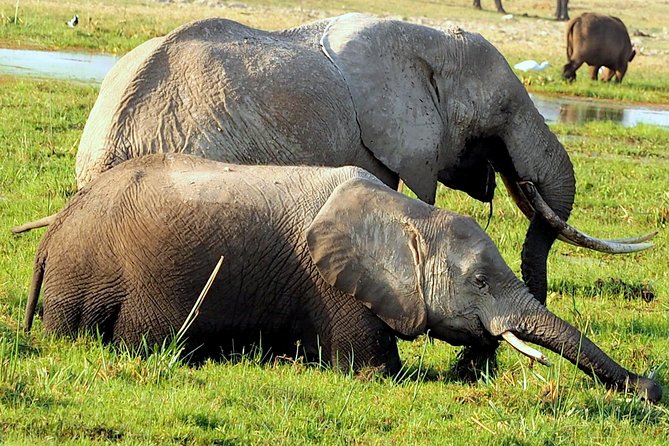
This is another demanding transfer day. The reward is a completely different setting and a chance to see elephants, giraffes, zebras, lions, cheetahs, hyenas, bat-eared foxes, and many bird species. Amboseli is especially associated with elephants, so keep your expectations focused on the character of the park rather than trying to repeat the Mara experience.
The trip ends with an early morning drive on Day 7, when Mount Kilimanjaro may appear in the background. The view depends on weather and visibility, so it is best treated as a possibility, not a promise. On a clear morning, though, the combination of elephants and the mountain is a powerful final scene.
You return for a late breakfast, then drive back to Nairobi, arriving around 4:00. An optional train or bus to Mombasa is mentioned afterward. If you plan to continue to the coast, allow enough time for any schedule changes and confirm the actual departure details before relying on this connection.
Guides, vehicles, and the group size
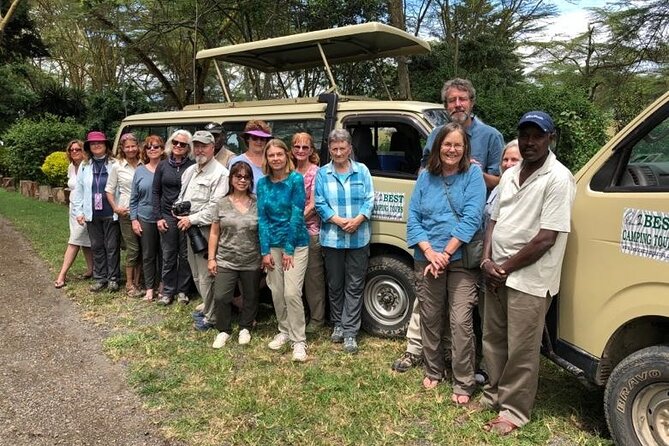
Your driver-guide will shape the safari more than almost anything else. The operator has received praise for guides named Abdallah, Raf, and Robert, who were described as patient, informative, helpful, and good at identifying birds and animals. Those names come from individual trips, so you should not assume one of them will lead your departure.
The best guides do more than point at animals. They explain behavior, help you understand what you are seeing, and manage the vehicle safely around other safari vehicles. Ask before departure who your guide will be, what kind of vehicle is used, and how seating is arranged.
The maximum group size is 20. That keeps the trip smaller than a large coach tour, but 20 is still a full vehicle if everyone joins the same drive. If you want more control over stops, photography, and departure times, ask about a private upgrade.
Pickup is offered, and the trip starts with a transfer to the operator’s Nairobi office for briefing. Door-to-door transfers are included in the general description, but confirm the exact pickup area if your accommodation is outside central Nairobi.
Meals and accommodation: practical comfort, not just a bed
Six breakfasts, six lunches, and six dinners are included. That is useful on a safari route, where finding a meal between parks can be difficult and time-consuming. It also makes the listed price easier to assess because you are not starting every day with another food decision.
The meals are described as tasty and well arranged, with particular appreciation for camp cooking. Dietary needs are not explained in the supplied information, so tell the operator about restrictions before booking and ask for confirmation.
Accommodation may be in lodges or tents. The experience is not presented as bare-bones camping only. Past arrangements included comfortable tents, private showers and toilets at the Lake Nakuru area hotel, and lodge stays described as comfortable by families and couples.
Still, properties can differ widely. Ask for the planned accommodation names, whether bathrooms are private at each stop, and how much time you spend at a permanent lodge versus a tented camp. The answer will tell you more about the comfort level than the general word safari.
Is $1,940.79 a fair price?
At $1,940.79 per person, this is a serious purchase, but it includes seven days of transport, six nights, three meals a day across six days, game drives in four major destinations, a boat ride and guided walk at Crescent Island, and Nairobi pickup. Those inclusions give the price real value if you want one operator to handle the complicated parts.
The route also packs in experiences that would be expensive and awkward to arrange independently: park transfers, early drives, meals between remote areas, the Naivasha boat outing, and the final Amboseli return to Nairobi.
The main pricing question is park admission. Each daily stop is marked with admission not included, while the general inclusions list only parking fees as an extra. That wording is not perfectly clear. Ask for a written breakdown showing park fees, boat charges, guided walking fees, parking, and any other compulsory costs.
I would also compare the accommodation category and vehicle type before deciding. The price may be good for a small-group safari with solid lodges and a capable guide, but it means less if the group reaches 20 and the camps are basic. The operator’s strong service reputation, including attentive coordination by Imraan and Shifana, adds reassurance, but you still deserve precise details before paying.
Who should book this safari?
I would choose this trip if you want a first Kenyan safari with a broad itinerary and do not want to plan every transfer yourself. It suits couples, families, and small groups who want wildlife, meals, and accommodation bundled together.
Families have used the operator for multigenerational trips, including children and older adults. Still, the early starts and long drives mean you should discuss the pace with your group first. A seven-day route covering four destinations is exciting, but it is not gentle.
This is also a good fit if you want more than the Big Five. The birdlife at Nakuru and Naivasha, the walking experience on Crescent Island, the hippo pool, and the changing scenery give the trip more texture than a simple park-to-park drive.
I would look elsewhere if you want a private, slow safari with long afternoons at one camp. I would also avoid booking until the park fees and accommodation names are clear.
Should you book it?
Book this safari if variety is your priority. The three Maasai Mara nights, Lake Nakuru rhinos, Naivasha boat and walking visit, and Amboseli elephants create a strong first look at Kenya. The included meals, transfers, and lodging reduce the planning burden, while the group limit of 20 keeps the format reasonably contained.
Before committing, get three answers in writing: the exact accommodations, the full list of extra park and activity fees, and the expected group and vehicle arrangement. Remember that the booking is nonrefundable and cannot be changed, except when the operator cancels for poor weather or an insufficient minimum group. If those conditions work for you, this is a well-packed safari with plenty of wildlife and very little wasted time.
FAQ
How long is the safari?
The safari lasts approximately seven days and begins and ends in Nairobi.
Which destinations are included?
The route includes Maasai Mara National Reserve, Lake Nakuru, Lake Naivasha, Crescent Island, and Amboseli National Park.
Are meals included?
Yes. Six breakfasts, six lunches, and six dinners are included.
Is accommodation included?
Yes. Lodge or tented accommodation is included, with a private shower and toilet specified for the hotel used after the Lake Nakuru visit.
How large is the group?
The maximum group size is 20 participants.
Is pickup from Nairobi available?
Yes. Pickup is offered, with a transfer from your Nairobi hotel to the operator’s office for the initial safari briefing.
Can I continue to Mombasa after the safari?
An optional train or bus connection to Mombasa is listed after your return to Nairobi on Day 7. Confirm the current departure details before booking onward travel.
Just added around Masai Mara
- 3 days Maasai Mara safari from Nairobi★ 5.0 · 3 reviews
- 4 Days Tour Landcruiser in Masai Mara and Lake Nakuru★ 5.0 · 10 reviews
- 3 days maasai mara migration safari★ 4.5 · 7 reviews
- 4 Days Safari to Lake Nakuru N/P and Maasai Mara N/R★ 5.0 · 18 reviews
- Maasai Mara Day Trip★ 5.0 · 15 reviews
- Wildebeest Migration in Masai Mara and Sightseeing 4 Days Tour★ 4.5 · 6 reviews
- 3 Days Unforgettable Masai Mara Safari Tour★ 5.0 · 6 reviews
- Private Transfer from Nairobi Airport or city To Maasai Mara By Road★ 5.0 · 3 reviews
7-Day Experiences, compared.
7 Day Maasai Mara, Lake Nakuru, Lake Naivasha and Amboseli Safari
Read our review →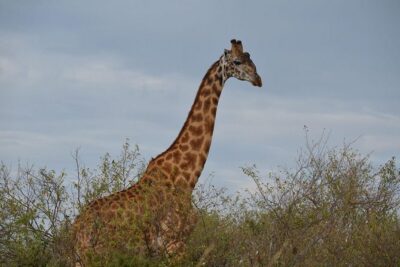
Samburu/ Aberdare/ Lake Nakuru/ Masai Mara 7 Days Safari
Read our review →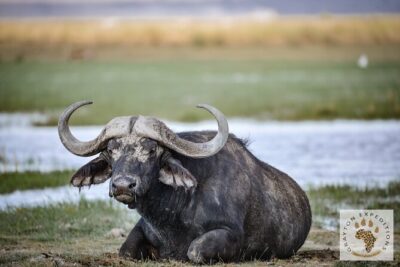
7 Days Masai Mara-Lk. Nakuru-Lk. Naivasha-Amboseli group Safari
Read our review →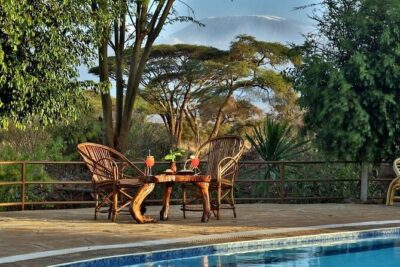
Private 7 Days Kenya Safari Amboseli, Naivasha, Nakuru, Mara
Read our review →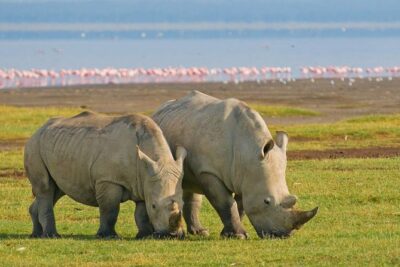
7 days Group Safari Masai Mara Lake Nakuru Hells gate & Amboseli
Read our review →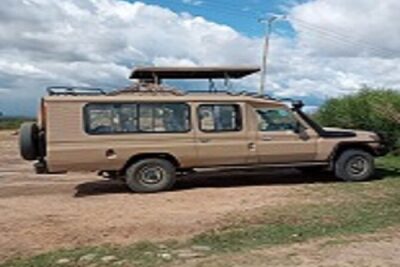
7 Days Masai Mara, Lake Naivasha, Nakuru, Amboseli
Read our review →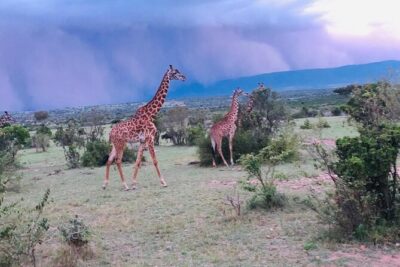
7 Days maasai mara – lake nakuru – lake naivasha- amboseli safari.
Read our review →Browse the lists this tour appears in