
Reviewed · COFFEE & TEA FARM TOURS
Riara tea farm tour with lunch and tea tasting from Nairobi
Riara tea farm offers something many Nairobi day trips miss: a direct look at how a familiar drink is grown, picked, and prepared. You leave the city for Limuru’s cool tea country, meet the farm manager, taste fresh Kenyan tea, and sit down to lunch on a Kenyan-owned farm.
I like the private transport and the personal family connection to the farm. I also like that lunch, tea tasting, admission, and hotel transfers are covered in the price. The main drawback is time: this is advertised as a five-hour outing, but roughly three hours are spent at the farm and the rest on the road, so the Nairobi stops may be brief or viewed from the vehicle.
Key points to know before booking
- Riara is a Kenyan-owned tea farm: The family story gives the visit a local point of view rather than a large commercial estate tour.
- The farm visit lasts about three hours: You have time for a farm walk, tea explanation, tasting, lunch, and optional tea shopping.
- Private means your group travels alone: Pickup, transport, guide service, and drop-off are included.
- The drive takes you through Limuru: Expect a change from Nairobi streets to a cooler tea-growing area about an hour from the city.
- Lunch is included: The standard meal is a barbecue, with vegetarian and vegan options available if requested at booking.
- The price is $150 per person: That is a stronger value for a small private group than for a solo visitor, since transport and meals are included.
From Nairobi streets to Limuru tea country
The day begins with pickup from your hotel or residence in Nairobi. The drive to Limuru takes about an hour, and that road time is part of the experience. You get a look at Nairobi as a working city, with people moving through neighborhoods, shopping areas, and business districts before the scenery changes.
The route includes views of the Nairobi National Museum, one of the city’s places where nature, culture, history, and art come together. The tour also passes a large Nairobi art gallery, Two Rivers Mall, and Village Market in Gigiri. These sights help you understand the city’s mix of public culture, modern shopping, and everyday life.
I would not book this tour mainly for those city stops. They are useful for orientation, but the schedule does not promise long visits or admission to each place. Think of them as points of interest along the drive, not a separate Nairobi sightseeing tour.
Two Rivers Mall is presented as one of the largest shopping malls in East and Central Africa. Village Market is one of Nairobi’s older shopping centers, located in the Gigiri area. If you have already toured Nairobi, these drive-by sights may feel secondary. If this is your first morning in the city, they add context without requiring another full excursion.
More Coffee & Tea Farm Tours in Nairobi:
- Nairobi Coffee Farm and Factory Tour
★ 5.0 · 87 reviews - Nairobi: Coffee Factory and Farm Tour with Transfer
★ 4.5 · 60 reviews - Nairobi to Kiambethu Tea Farm Tour
★ 5.0 · 51 reviews
Why Riara Farm feels different from a standard plantation visit
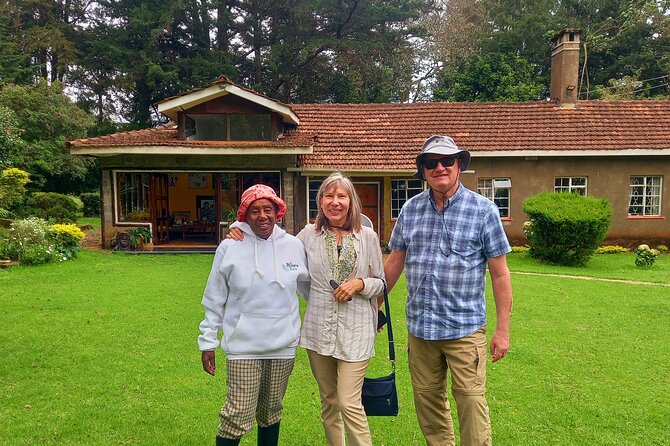
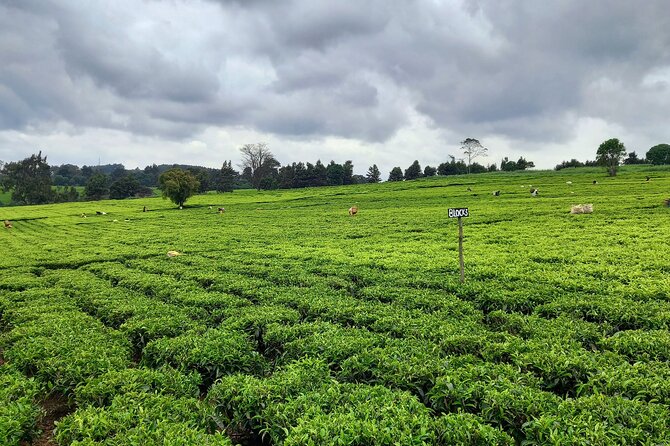
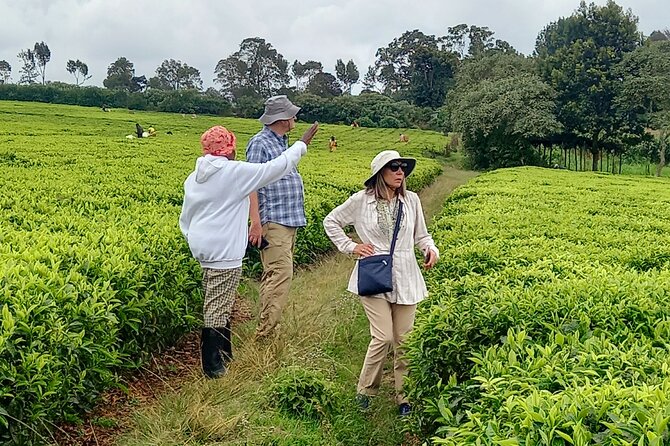
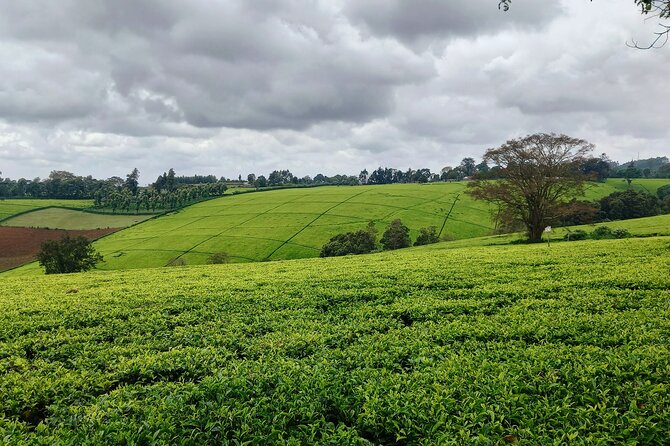
Limuru is one of Kenya’s tea-growing areas, and Riara tea farm is located there. The tour is built around a visit to a Kenyan-owned farm, with the farm’s story tied to the history of Kenya through the family that owns it.
That detail matters. A large tea estate can show you scale and machinery, but a family-owned farm can offer a more personal explanation of land, tea growing, and local ownership. The information provided does not promise a factory tour or a full industrial processing visit, so you should book this for the farm setting and the personal account of tea production.
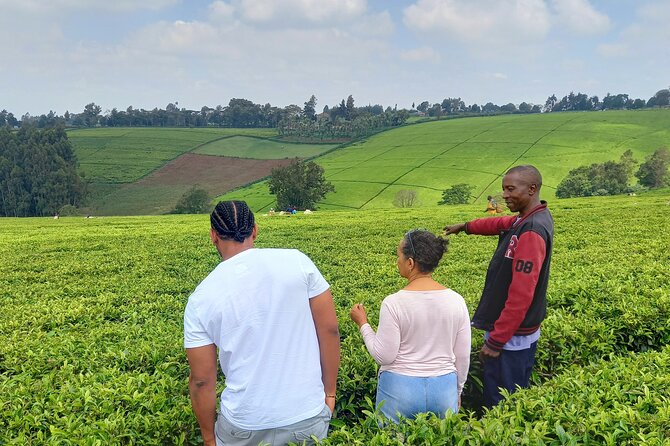
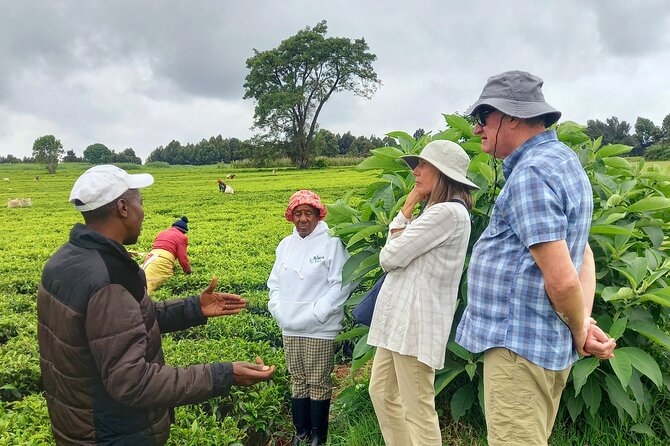
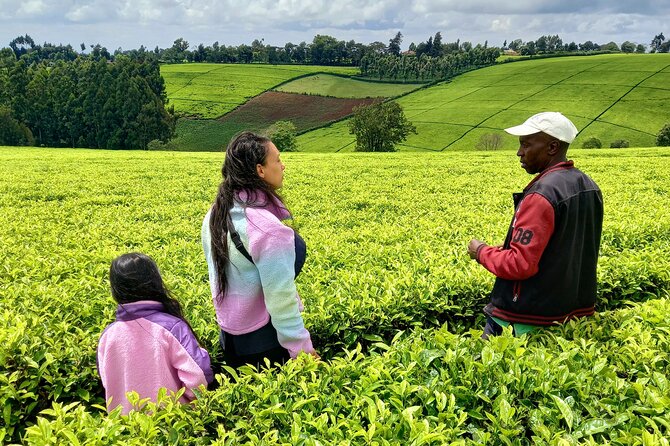
On arrival, the farm manager welcomes you and leads the tour. You learn about the tea-growing process and how tea is made in Kenya. The exact route through the fields and the amount of processing equipment on display can vary, but the main focus is clear: seeing the crop where it grows and understanding the work behind the cup.
The setting also gives you a break from Nairobi’s traffic and noise. The tour description places special emphasis on fresh air and quiet surroundings. That makes the farm portion a good fit if you want a calm half-day outside the city without committing to a long safari or an overnight trip.
What you do during the three-hour farm visit
The farm portion is scheduled for about three hours. That is enough time for the main activities to feel connected rather than rushed.
You begin with the farm tour and an explanation of tea growing in Kenya. The farm manager provides the interpretation, so the quality of the experience depends partly on the conversation and your questions. If you want to understand picking, cultivation, or processing, ask directly. The supplied details confirm that the full tea-growing process is discussed, but they do not list every stage or promise a factory demonstration.
Tea tasting follows the farm visit. You can expect fresh Kenyan tea served at the farm, with time to notice how it compares with the tea you normally drink. This is a simple pleasure, but it gives the visit a clear focus. You are not only looking at tea bushes. You are tasting the product in the place where it is grown.
Lunch comes after the farm tour. The standard meal is a barbecue, and vegan and vegetarian choices can be arranged if you state your needs while booking. That advance notice is important. The tour does not promise that every dietary choice will be available without warning.
You also have the option to buy tea before leaving. This is not required, and the tour price does not depend on making a purchase. It can be a practical way to take home something connected directly to the farm, but bring your own budget and avoid treating the shopping opportunity as part of the admission cost.
The personal guide element
Eric Munene is the experience provider, and Eric is named as a guide in the tour feedback. That same feedback also refers to Grace and her father as part of one memorable farm visit. The exact guide lineup may depend on the date, but you can expect a guide-led private outing rather than a large bus tour.
This matters because the farm visit works best as a conversation. A private group can ask questions about Kenyan tea, the farm’s ownership, and the family connection without trying to speak over a crowd. The tour also leaves room for the guide and farm manager to shape the explanation around your interests.
The guide and driver are separate roles in the description. Both are praised in the supplied comments, but the driver’s name is not provided. Hotel pickup and drop-off remove the need to arrange a taxi to Limuru, which is one of the stronger practical benefits of booking a private tour.
More food tours in Nairobi:
- Coffee farm tour, coffee roasting and tasting experience
★ 5.0 · 20 reviews - Purple Tea Farm Tour from Nairobi City – Specialty Tea Tasting
★ 4.5 · 12 reviews - Nairobi Food Tour – Street Food Experience Lunch
★ 4.5 · 9 reviews - Nairobi: 1 Hour Gastronomic and Street Food tour of Nairobi
★ 5.0 · 6 reviews
What $150 gets you
The cost is $150 per person. Included are private transportation, hotel pickup and drop-off, the guide, farm admission, lunch, and all listed fees and taxes. Tips and gratuities are not included.
I see the price as reasonable for a small group that values convenience. You are paying for a private vehicle, a guide, the roughly two-hour round trip between Nairobi and Limuru, a three-hour farm experience, admission, a meal, and tea tasting. Organizing those pieces separately would take time and might not provide the same access to a Kenyan-owned farm.
The value changes if you are traveling alone. A solo visitor pays the full per-person rate, while a private group can share the cost of transport and guiding. Group discounts are offered, so ask about the current rate if several people are booking together.
This is not the cheapest way to see tea country. It is priced as a private, organized outing with food and transfers included. If you only want a quick photograph of tea fields, it may be more than you need. If you want a guided visit without handling transport, it makes more sense.
How the city stops affect the day
The route includes several Nairobi sights, but the farm is the main destination. You may see the National Museum, a large art gallery, Two Rivers Mall, and Village Market in Gigiri during the drive.
These stops give the outing a wider frame. You see the city’s cultural institutions, commercial centers, and daily movement before reaching a rural tea-growing area. That contrast is useful, especially if you have just arrived in Kenya and want to understand how quickly Nairobi changes as you move away from the center.
The trade-off is limited time. The tour lasts about five hours, and the listed schedule assigns three hours to Limuru. The remaining time covers pickup, driving, and drop-off. There is no clear promise of extended stops, museum entry, gallery admission, or shopping time at the malls.
If you want a full National Museum visit, an art tour, or a proper shopping afternoon, plan those separately. If you are happy seeing these places along the route, they add interest without taking the focus away from the farm.
Who will enjoy this tea tour most
I would recommend Riara tea farm to several types of visitors:
- You want a half-day outing from Nairobi rather than a full-day safari.
- You are interested in Kenyan agriculture and local ownership.
- You prefer a private vehicle to a shared group bus.
- You enjoy food and tasting experiences as part of a tour.
- You want an easy hotel pickup and return.
- You have already seen some of Nairobi and want fresh air outside the city.
It also suits visitors who like a slower, more personal activity. The farm is not presented as a high-speed attraction. The pleasure comes from the setting, the explanation, the tea, and the meal.
I would be more cautious if you expect a large industrial tea factory, a long hike, or a full day in the countryside. Those features are not promised. The tour is short, and the main farm experience takes about three hours.
Families and mixed-age groups may appreciate the private format, since the schedule is not built around a large group’s pace. Most people can participate, according to the supplied tour information, but no detailed accessibility information is provided. If mobility or access is a concern, ask before booking.
Practical planning for the day
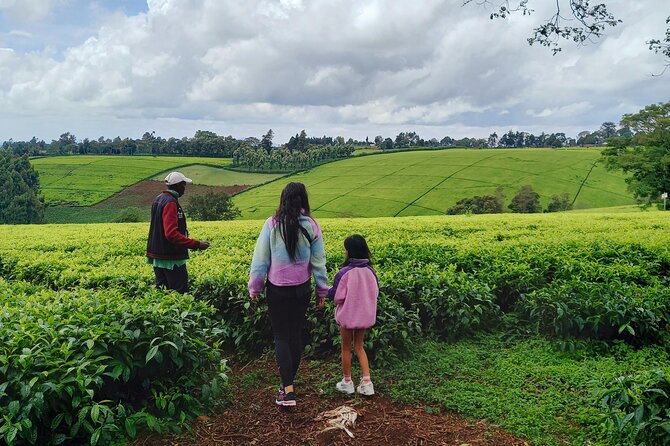
Wear comfortable clothing suitable for walking around a farm. The information provided does not specify the exact walking conditions, so sensible footwear is a better choice than dress shoes.
Bring room for a small tea purchase if you want one. Tea buying is optional, but the farm offers the chance before departure.
Tell the provider about vegetarian or vegan dietary needs when you book. The usual lunch is a barbecue, and alternatives can be offered when requested in advance.
The tour confirms at booking, and most people can take part. Since the outing is private, only your group participates. That gives you more control over questions and conversation than a standard shared excursion.
Free cancellation is available if you cancel at least 24 hours before the start time. Cancellations made within 24 hours are not refunded, and late changes are not accepted. The cutoff follows local time.
Should you book Riara tea farm?
Book this tour if you want a personal look at Kenyan tea growing, a quiet break from Nairobi, and a private day with lunch included. The Kenyan ownership, family connection, farm manager’s explanation, and tea tasting give the visit more purpose than a simple scenic drive.
The best value comes when two or more people share the private outing. You also gain more from it if you care about where food and drink come from, rather than simply wanting another city attraction.
Skip it if your priority is a long safari, a factory production line, or a full Nairobi museum and shopping itinerary. The schedule is compact, and the city sights are mainly part of the route. For a calm, food-centered look at Limuru tea country with transport taken care of, Riara is a strong choice.
FAQ
How long does the Riara tea farm tour take?
The experience lasts about five hours in total. About three hours are allocated to the Limuru farm visit, with the remaining time used for pickup, travel, and return to Nairobi.
Is hotel pickup and drop-off included?
Yes. Private transportation, hotel pickup, and drop-off at your Nairobi hotel or residence are included.
What is included in the $150 price?
The price includes private transportation, all listed fees and taxes, admission to the tea farm, lunch, tea tasting, hotel transfers, and a guide. Tips and gratuities are not included.
What food is served at lunch?
The standard lunch is a barbecue. Vegetarian and vegan options can be offered if you provide your dietary requirements when booking.
Is the tour private?
Yes. Only your group participates in the private tour or activity.
Can I buy tea at Riara farm?
Yes. You are given the option to purchase tea before leaving the farm. Buying tea is optional.
What is the cancellation policy?
You can receive a full refund if you cancel at least 24 hours before the experience starts. Cancellations or changes made within 24 hours are not accepted for a refund.
Just added around Nairobi
- Visit kibera Slum the chocolate city★ 4.8 · 3 reviews
- Day Tour to Nairobi national park, Elephants, and Giraffe Center★ 3.5 · 8 reviews
- Explore local Market matatu ride & Make Kenyan Cuisines with a home cook★ 5.0 · 8 reviews
- Kibera Slum Tour with a Local★ 5.0 · 15 reviews
- Urban Forest Tour in Nairobi★ 5.0 · 7 reviews
- Vegans special safari★ 4.5 · 4 reviews
- Private Mini Safari Tour in Nairobi★ 5.0 · 6 reviews
- Private Kenyan Cooking Class in Nairobi with a Local★ 5.0 · 3 reviews
Coffee & Tea Farm Tours, compared.
Nairobi: Coffee Factory and Farm Tour with Transfer
Read our review →
Coffee Farm Village & Factory Half Day Tour with Pick-Up
Read our review →
Private Day Trip to Kiambethu Tea Farm in Limuru from Nairobi
Read our review →
Nairobi: Tea Farm Day Trip with Lunch at kiambethu
Read our review →Browse the lists this tour appears in