
Reviewed · MOUNT KENYA TREKS
Mt. Kenya hike: 5 Days Hike to Lenana Peak Via Sirimon route
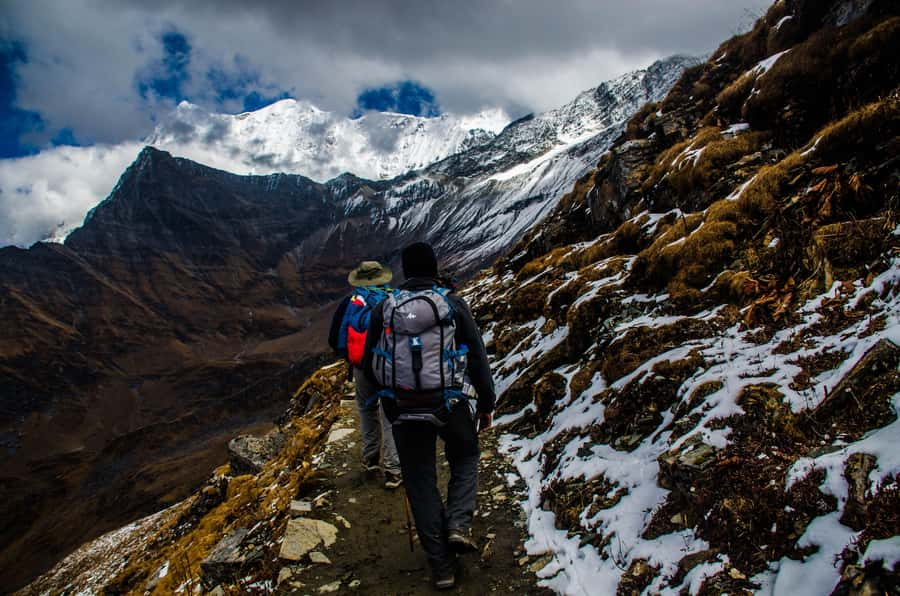
Point Lenana is the prize here: a pre-dawn climb through the cold and darkness for a sunrise at 4,985 meters. On a clear morning, you may see Mount Kilimanjaro from Mount Kenya, which is a fine reward for tired legs. I like the Sirimon up, Chogoria down plan because it gives you changing scenery and avoids repeating the same trail.
I also like the built-in acclimatization day at Shipton’s Camp and the chance to visit Mau Mau caves, which adds a human story to a mountain trip. Guides such as Ken bring a friendly touch, and the porter support plus three generous meals a day make this more manageable. The catch is simple: this is a demanding climb, not a casual hike, and the cold at night can be severe.
Key points at a glance
- Sunrise at 4,985 meters: Start around midnight to reach Point Lenana as the sky brightens.
- Two contrasting routes: Go up through Sirimon and return through the dramatic Gorges Valley on Chogoria.
- A proper acclimatization day: Spend Day 3 at Shipton’s Camp before the summit push.
- Mau Mau history: Visit caves connected with Kenya’s struggle for independence.
- Camping with support: Tents, porters, meals, water, a sleeping mat, and rescue insurance are included.
- Serious mountain conditions: Bring warm clothing and your own sleeping bag and climbing gear.
What the $1,000 price really covers
This five-day trip costs $1,000 per person. That is a substantial price, but it covers the costly essentials of a high-altitude trek: Mount Kenya park entry fees, tent accommodation, an English-speaking guide, porters, meals, water, airport transfers, rescue insurance, and a sleeping mat.
You receive three litres of water per person per day, along with breakfast, lunch, and dinner. The food is described as plentiful, with portions large enough to keep hungry hikers going. That matters on a mountain where each day involves several hours of walking.
The price does not include a sleeping bag, personal items, drinks such as beer or wine, or climbing gear. You need to budget for those separately. The optional jeep transfer from Mintos Camp to the park gate also costs extra, shared among the group. That option may be worth considering if your legs are worn out after the summit day, but it changes the final cost.
For a solo hiker who wants a guided group experience, the package offers good coverage. You are not paying only for a guide and a route. You are also paying for logistics, porters, food, permits, and a rescue arrangement. Still, the value depends on arriving prepared with suitable cold-weather gear and a sleeping bag. Buying or renting missing equipment can add up quickly.
More Hiking Trips in Nairobi
- NAIROBI:Ngong Hills Day Hike,Group Tour
★ 4.9 · 26 reviews - Private Half Day Hike to Ngong Hills from Nairobi
★ 5.0 · 20 reviews - 4-Day Mount Kenya Trekking with Pick Up
★ 5.0 · 14 reviews
Day 1: Nairobi to Old Moses Camp
The trip begins with an early private pickup from your hotel. You are taken to Nairobi CBD, then join a public shuttle to Nanyuki Town before continuing to Sirimon Park Gate.
This combination of private and public transport keeps the package from relying entirely on private vehicles, but it also means Day 1 begins early and includes several travel stages. Keep your day bag organized, with water, warm layers, snacks, and anything you need during the transfer.
At Sirimon Gate, you complete park entry formalities and begin walking through forest and heathland. The ascent is gradual, taking about four to five hours to reach Old Moses Camp at 3,330 meters. Lunch is served along the route, then dinner follows at camp.
Old Moses is a sensible first night because it gives you a measured start rather than sending you straight into the higher alpine zone. Even so, you are already gaining altitude. Walk steadily, drink the supplied water, and do not treat this first section as a race.
The night is spent in tents. Accommodation is practical rather than luxurious, and the sleeping mat is included, but your sleeping bag is not. Make sure your sleeping system is suited to very cold mountain nights.
Day 2: Mackinder’s Valley to Shipton’s Camp
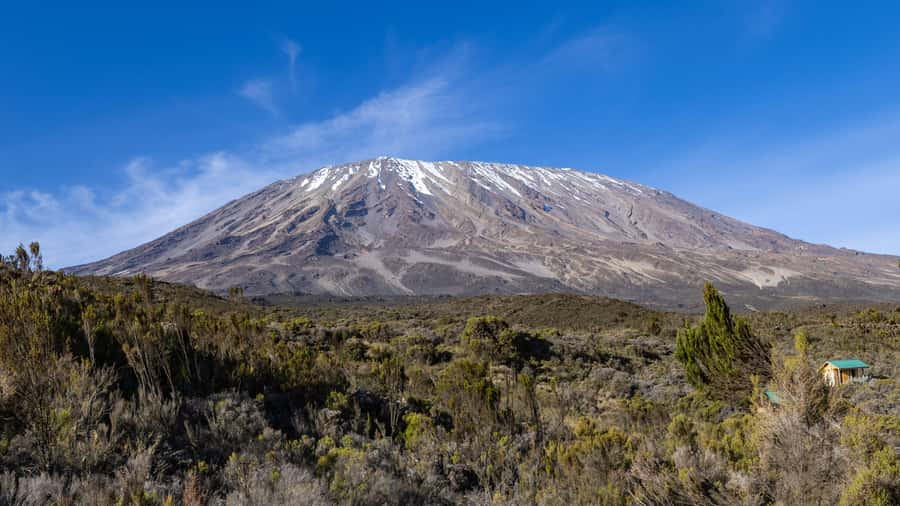
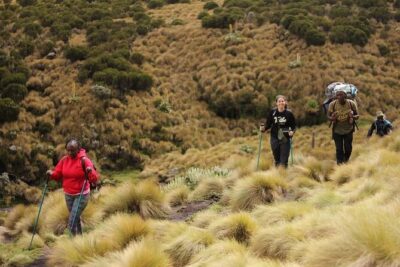
Day 2 is longer and tougher. After breakfast, you continue through Mackinder’s Valley toward Shipton’s Camp, reaching 4,200 meters after roughly six to seven hours of walking.
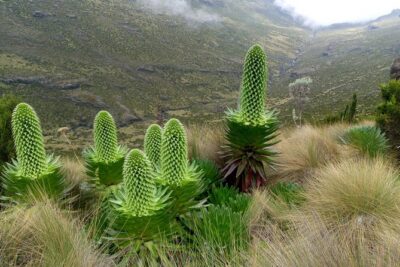
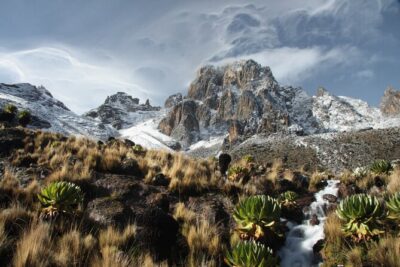
This section is one of the trip’s major scenic rewards. Mount Kenya’s vegetation changes as you climb, and the route brings you into a high mountain setting with unusual alpine plants and possible wildlife sightings. The surroundings become more exposed and remote than the lower forest.
Lunch is eaten along the way, with dinner and a tent night at Shipton’s Camp. At this height, the practical side of the trip becomes more important. Cold, fatigue, and altitude can affect your appetite and sleep, so use the evening to rest rather than burn energy unnecessarily.
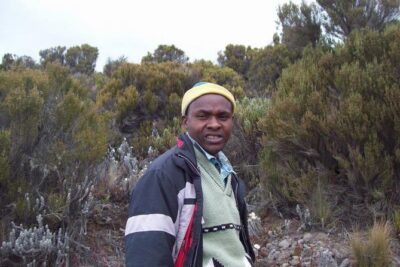
The guides and porters are central to the experience here. A helpful guide such as Ken can make a long day feel more manageable, especially when the route becomes tiring. Porters carry equipment and supplies, allowing you to focus on walking with a lighter personal load.
Day 3: Why the Shipton’s Camp rest day matters
The third day is not a wasted day. It is an acclimatization day at Shipton’s Camp, designed to help your body adjust before the summit attempt.
You can take short walks toward Hausberg Col or Kami Tarn. These optional outings let you move at altitude without committing to another full trekking day. The aim is to gain experience at higher elevation, return to camp, eat, and rest.
I particularly like this part of the schedule. A five-day Mount Kenya trip is still compact, so an extra day at altitude gives you a better chance of approaching the summit with some reserve. It does not remove the risk of altitude problems, and it does not guarantee success, but it is more sensible than rushing from the lower slopes directly to Point Lenana.
All meals and the overnight stay are provided at Shipton’s Camp. Use the day to check gloves, headlamp, water, clothing, and pack layout. The summit departure comes around midnight, so preparing before dinner is much better than sorting equipment while half asleep.
More Mount Kenya treks:
- Climbing Mount Kenya 5 Days Via Chogoria Route
★ 5.0 · 44 reviews - Conquer Mt Kenya in 4 Days Sirimon to Chogoria Route Adventure
★ 5.0 · 16 reviews - Mt Kenya: Full-day hiking tour from Nairobi
★ 4.2 · 10 reviews - 5 Days Mount Kenya Climbing Via Chogoria Sirimone Route
★ 5.0 · 7 reviews
Day 4: The midnight climb to Point Lenana
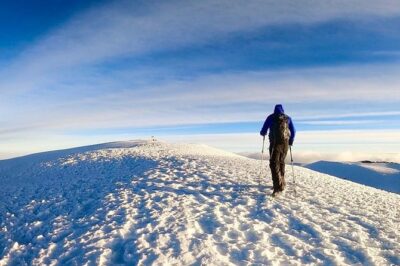
Summit day begins around midnight. You leave Shipton’s Camp in darkness and climb toward Point Lenana, the highest point reached on this itinerary at 4,985 meters.
The early start is difficult. You will be walking in very cold conditions, often tired from the previous days, and the thin air makes each section feel longer. This is where the trip’s difficulty becomes clear. The route is not described as a technical climbing route, but it is physically demanding and can be rough underfoot.
The goal is to arrive at sunrise. Point Lenana provides wide views across Mount Kenya, and on clear mornings Mount Kilimanjaro may also be visible. The timing is carefully chosen because dawn gives the summit its most memorable light, but it also means you need serious warm clothing, gloves, and a reliable sleeping bag for the nights at camp.
After time at the summit, you descend by the Chogoria Route to Mintos Camp at 4,250 meters. Breakfast comes after the descent from Point Lenana, with lunch later in the day. Dinner and another tent night follow at Mintos.
This is a long, tiring day, and the descent does not feel easy simply because you have finished the climb. Your knees and feet may be under more strain on the way down. Pace yourself, eat even if your appetite is low, and listen carefully to your guide.
Day 5: Gorges Valley and the Chogoria exit
After breakfast at Mintos Camp, you descend through the Gorges Valley toward Chogoria Gate. This side of the mountain is known for dramatic scenery, waterfalls, and moorlands, giving the return journey a different character from the Sirimon ascent.
That change is a major strength of the itinerary. You see new ground instead of retracing the route, and the Chogoria side provides a strong final chapter after the summit. The descent continues to Chogoria Town, where you connect with a public shuttle back to Nairobi and should arrive in the late afternoon.
An optional jeep transfer from Mintos Camp to the park gate is available at extra cost, shared among participants. This can reduce the walking on the final section, but it is not included in the $1,000 price. Ask about the arrangement before the trip if you think you may want it.
The return to Nairobi is not a quick mountain exit. It combines the descent, the transfer to Chogoria Town, and the public shuttle. Keep your final day flexible and avoid booking an important evening commitment.
The Mau Mau caves and the human side of the mountain
The mountain is not only about altitude and views. The Mau Mau caves add an important piece of Kenyan history to the route.
These caves are associated with the Mau Mau struggle against British colonial rule. Visiting them gives the journey a human dimension and reminds you that Mount Kenya has meaning beyond recreation. The caves are one of the details that can make this trek feel more connected to Kenya rather than simply a high-altitude endurance test.
The available schedule does not assign a precise day or time for the cave visit, so treat it as part of the wider experience rather than a timed standalone stop. Ask your guide when the visit will fit into the route.
Food, water, tents, and porter support
The package includes three meals each day, starting with lunch and ending with lunch across the full program. The portions are notably generous, which is welcome after six-hour trekking days and the midnight summit start.
Water is supplied at three litres per person per day. That gives you a clear daily allowance, but you should still carry a suitable bottle or hydration system. Do not assume that drinks, alcohol, or personal snacks are included.
You sleep in tents, with a sleeping mat provided. A sleeping bag is not included, so this is one of the first items to arrange. The cold is not a minor detail. Nights and evenings at altitude can be extremely cold, and warm clothing is essential.
Porters carry gear and supplies, helping keep your personal pack lighter. That support is one reason this package can work for people who are fit but do not want to manage every item of camp equipment themselves. You still need to carry your own day-to-day essentials and stay responsible for your personal effects.
How hard is the five-day route?
You should treat this as a strenuous mountain trek. Daily walking ranges from about four to seven hours before the summit day, and the summit begins around midnight. Altitude, cold, uneven ground, and accumulated fatigue all add to the challenge.
The German hiker who reviewed the trip described the route as extremely tiring, with difficult sections underfoot and very cold nights. That is useful advice, not a reason to avoid the trip. It simply means you should not book it expecting an easy scenic walk.
The acclimatization day helps, but it cannot replace preparation. You will be better suited to this route if you are comfortable with long uphill walks, can manage several consecutive days outdoors, and are willing to move slowly at altitude.
The friendly side of the guiding team matters too. Ken is singled out for being funny and helpful, and the guides are described as kind and supportive. A good mood does not make the climb easier, but it can make a hard day feel less lonely.
Who should book this Mount Kenya trek?
This hike suits you if you want a guided attempt at Point Lenana without arranging every permit, meal, transfer, porter, and camp detail yourself. It also suits solo hikers who want to join a group rather than organize a private expedition.
You should book it if the idea of a sunrise summit appeals to you and you accept that the summit morning will be cold, early, and exhausting. The Sirimon ascent and Chogoria descent are especially appealing if you want varied scenery and a less crowded feel than some other routes.
Think twice if you dislike tents, cannot tolerate cold nights, or want a relaxed walking holiday. The package includes support, but no guided Mount Kenya summit plan can make altitude and weather irrelevant.
Booking is flexible, with free cancellation up to 24 hours before departure and an option to reserve now and pay later. Pickup is included from your hotel, and you should wait at reception or the gate shortly before the scheduled time.
Should you book it?
Book this five-day trek if you want a serious but supported Mount Kenya experience, and if you are ready to bring warm gear, a sleeping bag, and patience for the altitude. The best features are the sunrise at Point Lenana, the two-route design, the acclimatization day, the Mau Mau caves, and the strong practical support from guides and porters.
I would not choose it for a casual first mountain walk. But if you prepare properly and respect the difficulty, the $1,000 price covers a useful amount of logistics and support. The summit may hurt, but the sunrise and the changing route can make the effort worthwhile.
FAQ
How long is the Mount Kenya hike?
The experience lasts five days, including transport from Nairobi, the trek to Point Lenana, the descent through Chogoria, and the return to Nairobi.
Which route does the hike use?
You climb through the Sirimon Route and descend through the Chogoria Route.
What is the highest point reached?
The trek reaches Point Lenana at 4,985 meters, the third-highest peak on Mount Kenya.
What time does the summit climb begin?
The summit departure from Shipton’s Camp is scheduled for around midnight so you can reach Point Lenana at sunrise.
Is there an acclimatization day?
Yes. Day 3 is spent acclimatizing at Shipton’s Camp, with optional short hikes toward Hausberg Col or Kami Tarn.
Are meals included?
Yes. Three meals per day are included, starting with lunch and ending with lunch. The package also provides three litres of water per person per day.
Is a sleeping bag included?
No. A sleeping bag is not included, so you need to bring or arrange one yourself. Climbing gear and personal effects are also excluded.
Can I cancel the booking?
You can cancel up to 24 hours in advance for a full refund. You can also reserve now and pay later.
More 5-Day Experiences in Nairobi
- 5 Days Magical Kenya Safari Private Tour
★ 5.0 · 44 reviews - 5-Day Private Tour in Kenya’s Best Game Parks
★ 4.5 · 9 reviews - 5 Days Mt. Kenya Sirimon route out Chogoria Route with Peak Circuit
★ 5.0 · 4 reviews - 5 Days of Kenyan Magic: A Whirlwind Safari Adventure
★ 5.0 · 3 reviews
Just added around Nairobi
- Visit kibera Slum the chocolate city★ 4.8 · 3 reviews
- Day Tour to Nairobi national park, Elephants, and Giraffe Center★ 3.5 · 8 reviews
- Explore local Market matatu ride & Make Kenyan Cuisines with a home cook★ 5.0 · 8 reviews
- Kibera Slum Tour with a Local★ 5.0 · 15 reviews
- Urban Forest Tour in Nairobi★ 5.0 · 7 reviews
- Vegans special safari★ 4.5 · 4 reviews
- Private Mini Safari Tour in Nairobi★ 5.0 · 6 reviews
- Private Kenyan Cooking Class in Nairobi with a Local★ 5.0 · 3 reviews
Mount Kenya Treks, compared.
4 Days Mt Kenya Climb, Chogoria Route up and out Sirimon route
Read our review →
5 Days Mount Kenya Climbing Via Chogoria Sirimone Route
Read our review →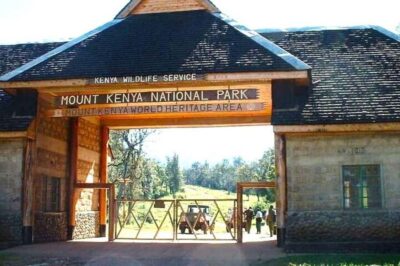
Browse the lists this tour appears in