
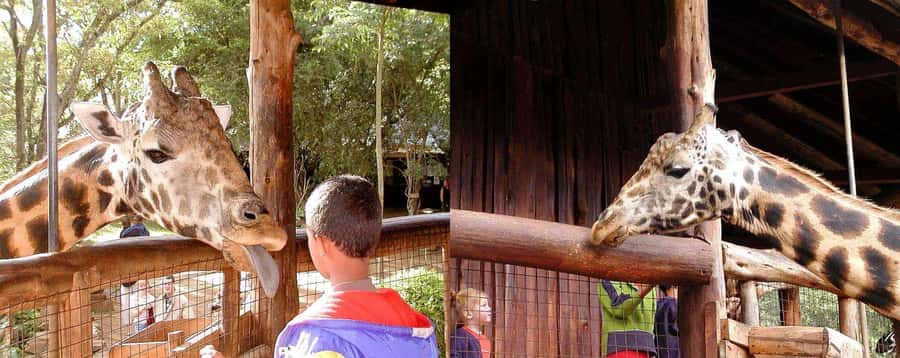
Reviewed · GIRAFFE CENTRE VISITS
Nairobi: Sheldrick Elephant Orphanage and Giraffe Center
Nairobi’s best wildlife experiences fit neatly into one busy morning: you can watch milk-fed elephant calves tumble around their keepers, feed a Rothschild giraffe from a raised platform, and finish with a look at handmade Kenyan beads. The elephant orphanage is the emotional center, while the giraffe visit gives you the close-up photo moment.
I like two things right away. First, hotel pickup and private transport remove the hassle of crossing Nairobi between three separate stops. Second, a good guide, especially Meshack, can help you reach the best viewing place and keep the day moving. The main drawback is time: the standard schedule gives each major animal stop about an hour, which can feel short.
Key points to know before you go
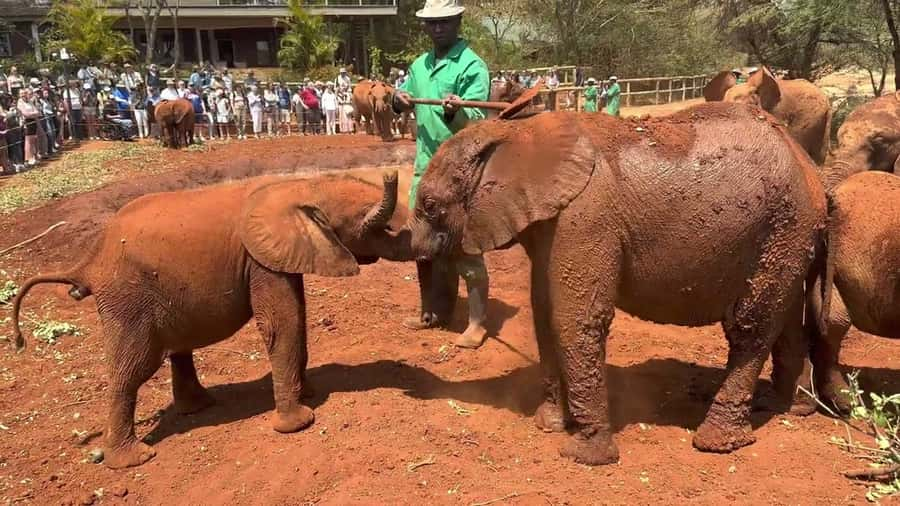
- Baby elephants with individual stories: You hear how the David Sheldrick Wildlife Trust rescues and cares for orphaned elephants.
- Rothschild giraffes at eye level: The Giraffe Centre lets you feed these tall, endangered giraffes from its raised platform.
- Kazuri Beads adds a human side: You see bead and leather work being made, then have time to browse.
- Meshack earns repeated praise: He is known for punctual pickup, useful explanations, strong photo positions, and flexible help.
- The $90 price covers the main admissions: Hotel transport, guide, water, and entrance fees to the elephant orphanage and Giraffe Centre are included.
- Allow for an extra park charge: Kenya Wildlife Services entrance is not included, so any Nairobi National Park add-on costs extra.
A compact Nairobi day built around conservation
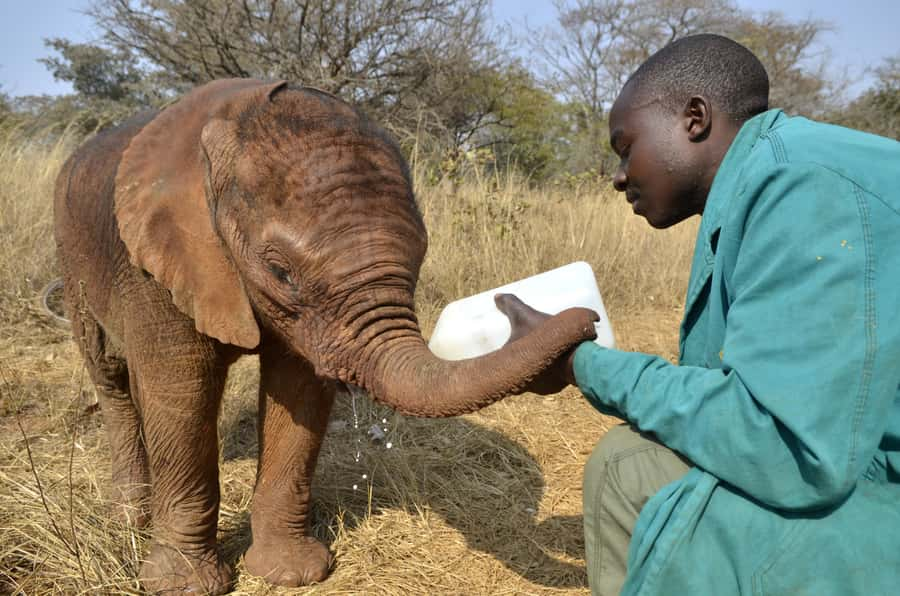
This is a practical introduction to Nairobi, not a full safari. In roughly six hours, you visit two major animal centers and a bead workshop, with pickup and drop-off in Nairobi. That makes it a strong choice if you have one free day in the city, a long stop between flights, or children who need a varied schedule.
The route also gives you three different kinds of experience. At the Sheldrick Wildlife Trust, you learn about rescue and rehabilitation. At the Giraffe Centre, the emphasis is direct contact and feeding. At Kazuri Beads, you see local craft production and have a chance to buy something made in Kenya rather than a generic airport souvenir.
The advertised price is $90 per person. That is not the cheapest way to reach the sites if you arrange your own taxi and admissions, but it covers private transportation, hotel pickup and return, a professional English-speaking guide, drinking water, and the two main entrance fees. The value rests largely on the guide and timing. If Meshack is assigned to your outing, expect help with where to stand, how to frame photographs, and how to adjust the pace.
More giraffe centre visits around Nairobi:
- Nairobi: National Park & Optional Elephants & Giraffe Center
★ 4.8 · 874 reviews - Elephant Orphanage and Giraffe Center Tour with Options
★ 4.5 · 457 reviews - Nairobi National Park, Elephant Orphanage and Giraffe Centre
★ 4.6 · 365 reviews
Starting from Nairobi at about 9:30
Pickup is scheduled from your Nairobi hotel at about 9:30 in the morning. The exact drive time can vary, but the planned arrival at the elephant orphanage is around 10:30. That early start matters because both animal centers can become crowded, and several people have specifically valued being among the first through the gate or being placed near the front.
Your guide handles the day’s transport in a private vehicle, rather than sending you between sites on your own. That is useful in Nairobi, where a simple map distance does not always tell you how long a road journey will take. The tour includes a safety briefing and sightseeing during the drive, so the transfer is part of the guided experience rather than dead time.
If you have mobility concerns, say so when booking. The activity is listed as wheelchair accessible, and the guide has helped people with mobility issues. Still, animal-center surfaces, viewing areas, and vehicle access can vary, so clear communication is sensible.
Meeting the rescued elephants at the Sheldrick Wildlife Trust
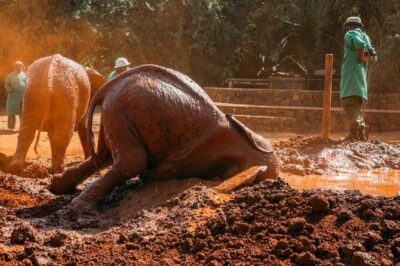
The elephant visit is the strongest reason to book this outing. The David Sheldrick Wildlife Trust is known for rescuing orphaned baby elephants and working toward their rehabilitation. The visit centers on the young elephants’ feeding session, where you watch them take milk, play, and move about under the care of their keepers.
The scene is lively without being a circus. Tiny elephants may be sleepy one moment and boisterous the next, and the keepers explain the needs of the animals in their care. You learn about the individual calves, why they were rescued, and the wider work involving elephant and rhino conservation.
That personal detail is what makes the stop more than a quick animal photo. An orphaned elephant is not simply a cute attraction. The talk gives you a clearer idea of the dangers facing wildlife and the long work required to raise and protect a young animal. I would plan to listen closely, not just watch for the perfect picture.
Your position matters here. A guide who knows the site can help you find a better viewing place, especially when the area is crowded. Meshack is repeatedly praised for getting people close to the front and for pointing out the best spots to see the feeding. That help can make a real difference because the session is shared with other visitors.
The schedule places the elephant stop from about 10:30 until 12:30, including the guided visit and feeding. In practice, the actual viewing time may feel closer to an hour depending on entry and the day’s flow. One important criticism is that this was not enough time for some people, especially at both the elephant and giraffe centers. If the elephants are your main reason for coming, ask your guide at the start how much time is available and make this your priority.
Do not expect a hands-on session with the calves. The supplied details emphasize watching the elephants being fed and learning from the keepers. You get close views, but the experience is built around responsible care rather than petting baby animals.
Feeding Rothschild giraffes at the Giraffe Centre
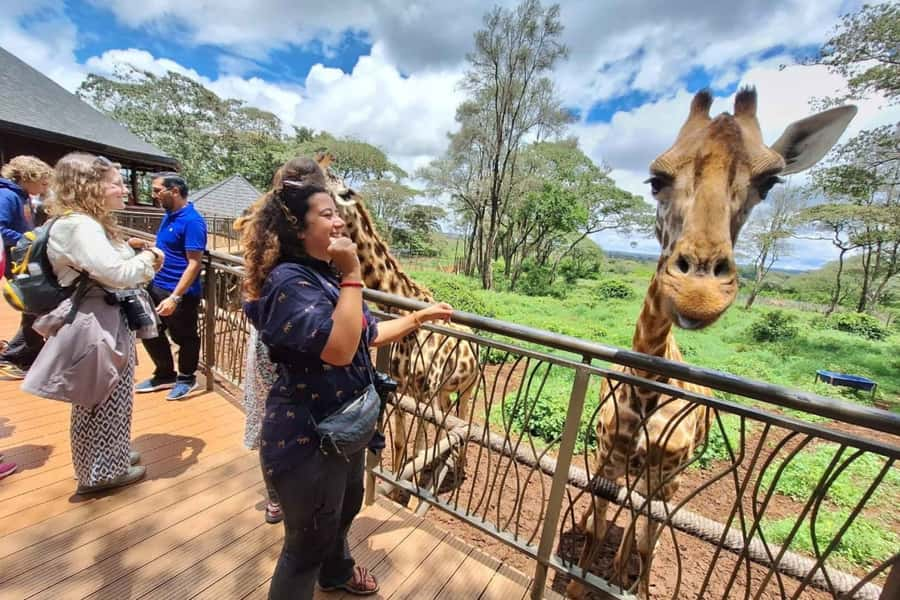
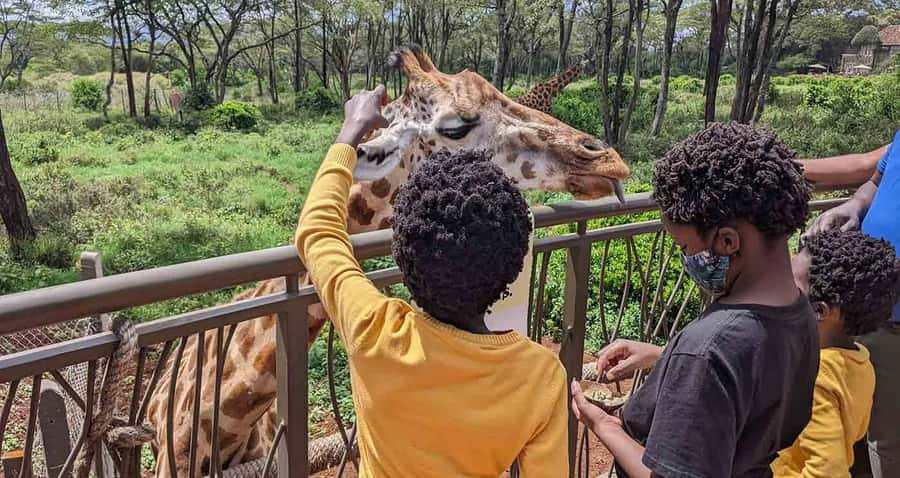
The Giraffe Centre follows at about 12:30. Here, the focus shifts from rescued elephants to the conservation of Rothschild’s giraffes, a threatened giraffe population. A raised platform brings you level with the animals, which makes the feeding experience feel far more personal than viewing giraffes from a safari vehicle.
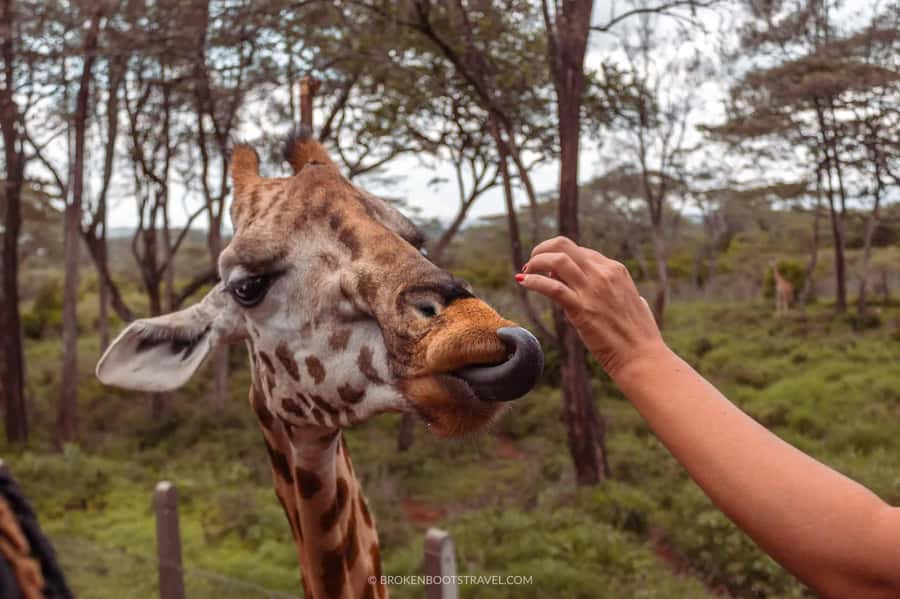
You receive food and have the chance to feed the giraffes directly. Their long, dark tongues are part of the fun, and you should be ready for a close encounter rather than a distant photograph. The center also provides information about giraffe protection, so the stop has an educational side as well as its obvious appeal.
I like the contrast between the two animal visits. At Sheldrick, you watch a carefully managed rescue program and hear difficult stories about orphaning. At the Giraffe Centre, you take part in a simple feeding encounter while learning why conservation work is needed. Together, the stops give you a more rounded picture of Kenyan wildlife protection.
Your guide may also help with photographs and arrange for additional explanations from the center’s staff. This is useful if you are traveling alone or want pictures of yourself rather than only pictures of giraffes. The platform can become crowded, so a guide who watches the flow can help you avoid wasting your limited time.
The planned visit runs for about an hour. That is enough for feeding and a short guided look, but not for a slow, unhurried visit. If you want both extended animal time and a long lunch, this schedule may feel tight. If you prefer a focused half-day with several different stops, the pace works well.
More elephant orphanage visits in Nairobi:
- From Nairobi: Elephant Orphanage and Giraffe Center Day Trip
★ 4.5 · 235 reviews - Elephant Orphanage & Giraffe Centre Tour
★ 4.5 · 225 reviews - Nairobi: Elephant Sanctuary and Giraffe Center Day Tour
★ 4.8 · 148 reviews - Half day tour to Elephant orphanage & Giraffe Centre Nairobi
★ 5.0 · 130 reviews
Seeing Kenyan craft at Kazuri Beads
Kazuri Beads gives the outing a welcome cultural turn. At the workshop, you can see how beads and leather goods are made, and you may have time to browse the finished work. The visit has more value when you pay attention to the making process rather than treating it as a quick shopping stop.
The craft demonstration shows the human work behind the products. Handmade beads take time, and the workshop visit gives you a chance to support local production directly. Singing by the women workers has also been part of the experience described by past visitors, adding a lively element to the stop.
This is the least predictable part of the day in terms of how long you may want to stay. If you enjoy craft and plan to buy gifts, you will want more time. If your main aim is elephants and giraffes, it may feel like an extra stop. Tell your guide what matters most, especially if the animal centers have taken longer than planned.
What a good guide adds to the day
Transport alone does not explain the strong value of this trip. The guide shapes the experience. Meshack is the name most often connected with this outing, and the useful details are practical rather than flashy: punctual hotel pickup, clear communication, local suggestions, help with photo positions, and patience when the schedule needs adjusting.
He has also taken people to lunch spots and offered dinner suggestions, though food is not included in the tour price. That can be helpful if you do not know Nairobi well, but treat lunch as an extra cost and confirm the plan before you stop.
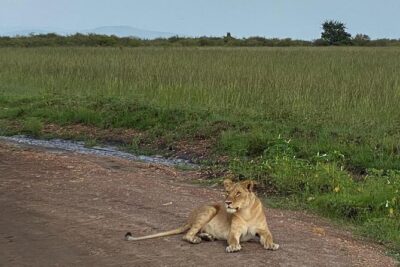
Some outings have included extra time driving through Nairobi National Park, with sightings such as black rhino. That is not part of the stated core itinerary, so do not book this tour expecting a game drive. If you are offered a park add-on, ask about the route, available time, and Kenya Wildlife Services fee. The park entrance charge is separate and must be paid through the relevant website according to the tour information.
A small group is promised, while some bookings have felt almost private because only two people were present. That gives you a better chance to ask questions and adjust the pace. The group size can affect how much time you spend at each stop, so it is worth confirming the day’s arrangement if personal attention is important to you.
Is $90 a fair price?
For a self-directed visit, you could potentially spend less by arranging your own transport. That option trades money for planning, navigation, and the risk of losing time between sites. The $90 package includes hotel pickup and drop-off, private transportation, an English-speaking guide, water, and admission to both the David Sheldrick elephant orphanage and the Giraffe Centre.
The value is strongest for first-time visitors, families, solo travelers who want help with photographs, and anyone with only one free day in Nairobi. It is also useful if you would rather not work out separate tickets and transport in a busy city.
The value is weaker if you already have a driver, know Nairobi well, or want to spend several hours at one center. The standard plan moves quickly. You also pay separately for food and drinks, and Kenya Wildlife Services admission is not covered. Ask for the full cost before adding Nairobi National Park.
Timing, comfort, and practical advice
The advertised schedule is approximately:
- 9:30 am: Pickup from your Nairobi hotel
- 10:30 am: Arrival and guided visit at the elephant orphanage
- 12:30 pm: Giraffe Centre visit
- 2:00 pm: Depart for Nairobi
- 3:00 pm: Return to your hotel
The full activity is listed as six hours, though the sample schedule runs closer to five and a half hours. Traffic and the exact hotel location can affect the finish time, so avoid booking a tight onward connection.
Wear comfortable clothing and shoes suitable for walking between viewing areas. Bring your camera, but keep it secondary to listening during the keeper’s talk. Water is included, while lunch and other drinks are not.
The experience is conducted in English. Free cancellation is available up to 24 hours before the activity for a full refund, and you can reserve now and pay later. These terms help if your Nairobi plans are still shifting, but confirm the starting time when you check availability.
Who should book this Nairobi outing?
I would recommend it most strongly to families, first-time visitors, couples, solo visitors, and anyone who wants wildlife and culture in one half-day. Children are likely to enjoy the giraffe feeding and the young elephants, while adults get useful background on conservation and local craft.
It also suits people who care about seeing the animals with some context. The elephant stop is not just a photo opportunity, and the giraffe center explains the work behind protecting Rothschild’s giraffes. The Kazuri visit then connects the day to Kenyan artisans.
I would hesitate if your top priority is a long safari or a slow, quiet visit. This is a city-based conservation outing, not a substitute for time in a national park. You may be able to add a short park drive, but that brings another fee and can make an already full schedule feel rushed.
Should you book it?
Book this tour if you want three distinct Nairobi experiences in one organized day and value a guide who can handle transport, timing, and photo spots. The elephant orphanage is the highlight, the giraffe feeding is the most playful stop, and Kazuri Beads keeps the outing from becoming wildlife-only.
Before paying, confirm your pickup time, the amount of time planned at each center, and whether any Nairobi National Park visit is an optional addition. If you accept the brisk pace and separate park fee, the $90 package offers a convenient and well-rounded introduction to Nairobi.
FAQ
How long does the Nairobi elephant and giraffe tour last?
The activity is listed as six hours. The sample schedule begins with a 9:30 am hotel pickup and returns to Nairobi at about 3:00 pm.
What is included in the $90 price?
The price includes hotel pickup and drop-off, private transportation, a professional English-speaking guide, a small-group tour, bottled drinking water, and entrance fees for the David Sheldrick elephant orphanage and Giraffe Centre.
Is food included?
No. Food and drinks are not included. A guide may suggest a restaurant, but lunch is an additional expense.
Is Nairobi National Park included?
No. Kenya Wildlife Services entrance is excluded. Some outings may offer a short park drive, but any park admission must be paid separately.
Can I feed the giraffes?
Yes. The Giraffe Centre visit includes the opportunity to feed and interact with Rothschild’s giraffes.
Will I be able to touch the baby elephants?
The visit focuses on watching the orphaned elephants being fed, learning their stories, and hearing about the conservation work. The provided information does not promise hands-on contact with the calves.
Is the tour wheelchair accessible?
Yes. The activity is listed as wheelchair accessible. It is still wise to tell the operator about your mobility needs when booking so the day can be planned appropriately.
Just added around Nairobi
- Visit kibera Slum the chocolate city★ 4.8 · 3 reviews
- Day Tour to Nairobi national park, Elephants, and Giraffe Center★ 3.5 · 8 reviews
- Explore local Market matatu ride & Make Kenyan Cuisines with a home cook★ 5.0 · 8 reviews
- Kibera Slum Tour with a Local★ 5.0 · 15 reviews
- Urban Forest Tour in Nairobi★ 5.0 · 7 reviews
- Vegans special safari★ 4.5 · 4 reviews
- Private Mini Safari Tour in Nairobi★ 5.0 · 6 reviews
- Private Kenyan Cooking Class in Nairobi with a Local★ 5.0 · 3 reviews
Giraffe Centre Visits, compared.
Nairobi: National Park & Optional Elephants & Giraffe Center
Read our review →
Elephant Orphanage and Giraffe Center Tour with Options
Read our review →
Nairobi National Park, Elephant Orphanage and Giraffe Centre
Read our review →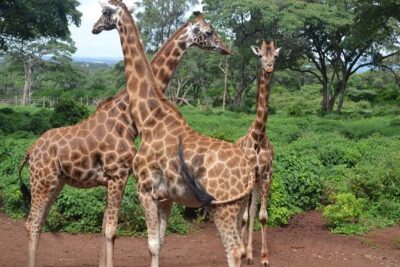
Tour: Giraffe Center and Nairobi National Park
Read our review →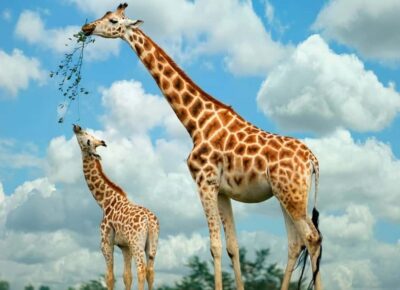
From Nairobi: Elephant Orphanage and Giraffe Center Day Trip
Read our review →
Day tour to Giraffe Center and Karen Blixen Museum
Read our review →Browse the lists this tour appears in