
Reviewed · WILDEBEEST MIGRATION SAFARIS
Great Wildebeest Migration Safari in Masai Mara
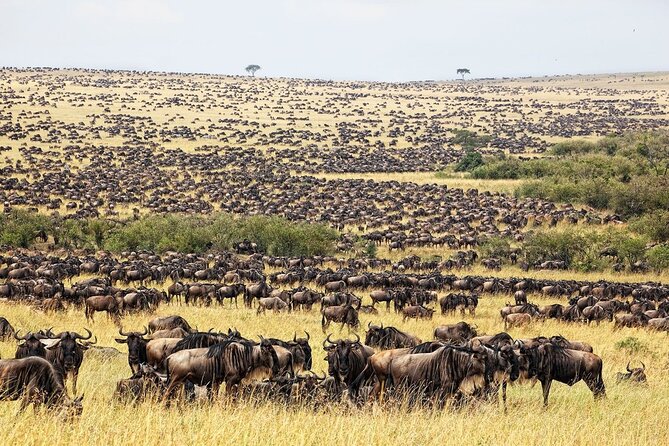
Millions of wildebeest, zebra, and antelope move from Tanzania into Kenya between July and September, and this four-day safari puts you in Masai Mara during the season when the action can be most dramatic. The prize sighting is a Mara River crossing, where crocodiles wait below and big cats patrol nearby. The migration is never guaranteed, but the wider wildlife experience is excellent even when the herds are elsewhere.
I like the generous time in the reserve, including two full days on the plains, and I like the private format, which lets your group work with the guide rather than follow a large bus. The company also provides binoculars, meals, WiFi, and private transport. The main drawback is cost: the $1,430 price excludes an $80-per-person, per-day park and conservation fee, and the route from Mombasa involves long road travel.
Key points to know before you book
- The Mara River is the main target: Day three includes a visit to the river and time to walk beside it.
- Two full safari days matter: Day two and day three allow far more wildlife viewing than a quick overnight stop.
- The migration runs from July to September: Timing helps, but no safari operator can promise a river crossing.
- Private 4×4 transport keeps the trip flexible: Only your group takes part, with a driver-guide leading the game drives.
- Eric or Erick may be part of the guiding team: Past safari details praise Eric for his animal knowledge and care with guests.
- A Maasai village visit adds a cultural stop: You can see traditional homes, learn how fire is made, and join a warrior dance.
Why the wildebeest migration is worth planning around
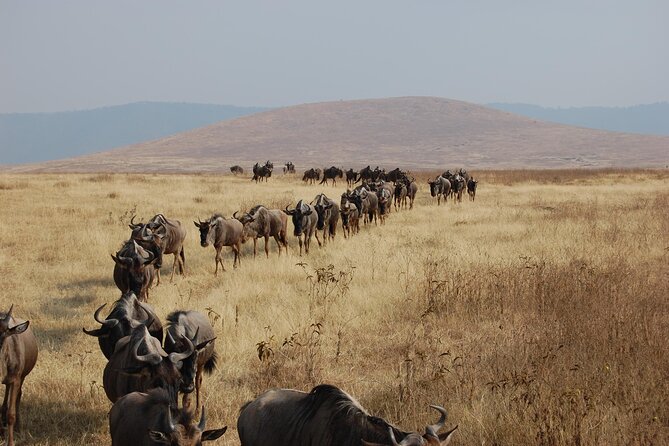
The Great Wildebeest Migration is not one single event on one fixed date. It is a long movement of animals between Tanzania’s Serengeti and Kenya’s Masai Mara, shaped by rain, grass, and river levels.
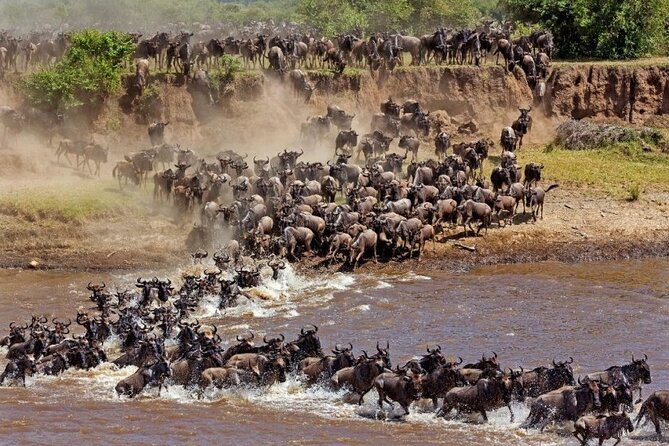
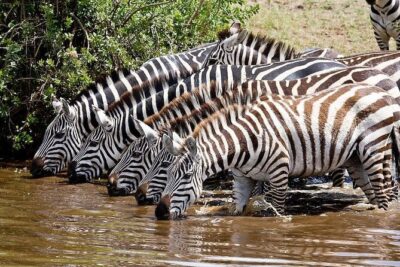
The most famous scene is a river crossing. Herds gather, hesitate, and sometimes rush into the water in a noisy wave. Crocodiles may wait in the river, while lions, cheetahs, and other predators watch for an easy meal. That is the picture many people have in mind when they book this safari.
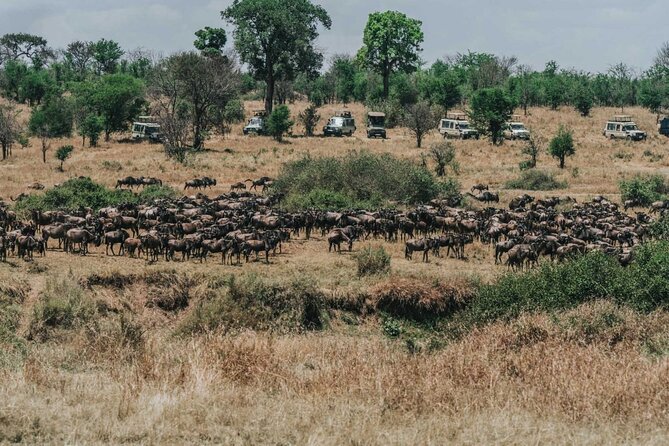
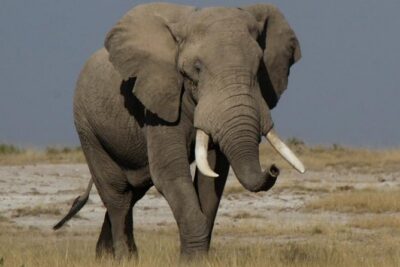
Still, you should set your expectations correctly. A crossing can happen outside your viewing area, occur before you arrive, or fail to happen during your visit. The safari remains worthwhile because Masai Mara supports large numbers of resident animals, including elephants, buffaloes, giraffes, impalas, hippos, topi, elands, zebras, and the big cats.
I would choose this trip for the chance to spend time in the right region during migration season, not for a guaranteed postcard moment. The more flexible your expectations, the more you will appreciate the quieter sightings too.
More migration safaris in the Mara:
- 3 Day Maasai Mara & Migration safari
★ 4.5 · 28 reviews - 3-day Masai Mara Safari Tour to see the big five and wildebeest migration
★ 5.0 · 11 reviews - 3 days Masai Mara wildebeest Migration Budget Safari
★ 4.5 · 8 reviews
Day one: the Rift Valley and an evening in Masai Mara
The first day includes a stop at a Rift Valley viewpoint and a visit to what is described as Kenya’s first and smallest Catholic church. These are brief roadside sights rather than the main event, but they break up the drive and give you a first look at Kenya beyond the reserve.
The road journey is a serious part of this trip. The supplied plan gives the first day about eight hours for the route and later lists a two-hour evening game drive. You should be ready for a full day of movement, with the exact timing affected by your pickup point, traffic, road conditions, and time spent at stops.
After reaching Masai Mara, you check into a camp or lodge, eat lunch, and take an afternoon rest. That pause is welcome. Safari days start early and can be tiring, especially after a long road transfer.
The evening game drive is a smart first look at the reserve. You may see wildebeest in large numbers, along with animals beginning their evening activity. It is also a useful time to learn how your driver-guide scans the plains and positions the vehicle.
The location information names Mombasa, while the final day describes a drive to Nairobi and drop-off at a Nairobi hotel or airport. Because those details do not spell out the precise pickup route, confirm your collection point and first-day schedule before paying. Pickup is offered, but the exact meeting arrangement should be clear.
Day two: a full day among big cats and grazing herds
Day two is the first major wildlife day. After an early breakfast, you leave with a packed lunch and spend about ten hours in the reserve.
This full-day format gives you something a short game drive cannot: time. You can search different parts of the plains, stop for wildlife sightings, and spend longer watching animal behavior instead of rushing from one sighting to the next. Your guide can also respond to reports of predators or a moving herd.
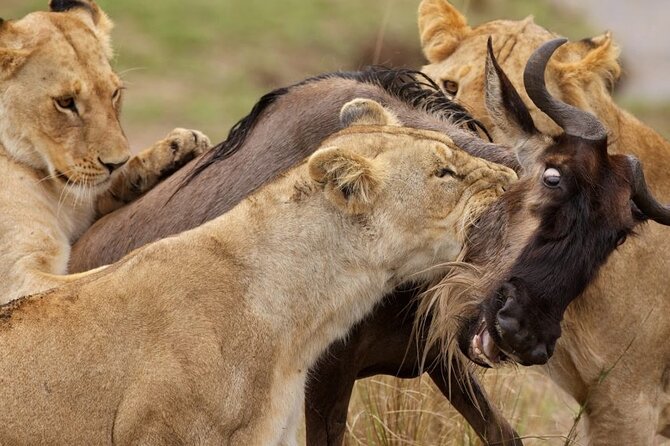
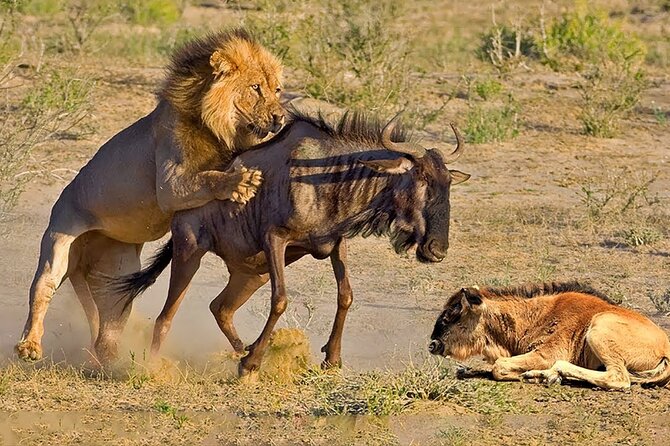
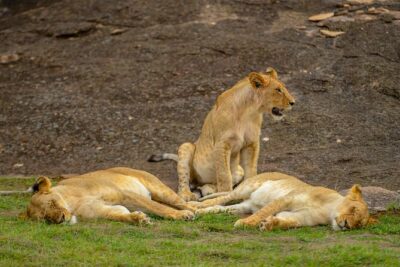
The main targets include lions, leopards, cheetahs, and serval cats. The plan specifically mentions watching for hunts, though you should remember that a kill is rare and unpredictable. Seeing a lion resting, a cheetah scanning the grass, or a leopard high in a tree can be just as rewarding.
The wider animal list is strong. You may see elephants, buffaloes, wildebeest, zebras, elands, topi, giraffes, impalas, and hippos. During the migration period, the scale of the herds becomes part of the experience. Even when no river crossing is underway, the sight of animals spread across the open plains can be impressive.
Lunch is taken in the bush as a packed meal. That saves a return trip to camp and keeps the day focused on the reserve. Bring patience and accept that safari viewing comes in bursts. One hour may feel quiet, followed by several sightings in quick succession.
Day three: sunrise, the Mara River, and an optional balloon ride
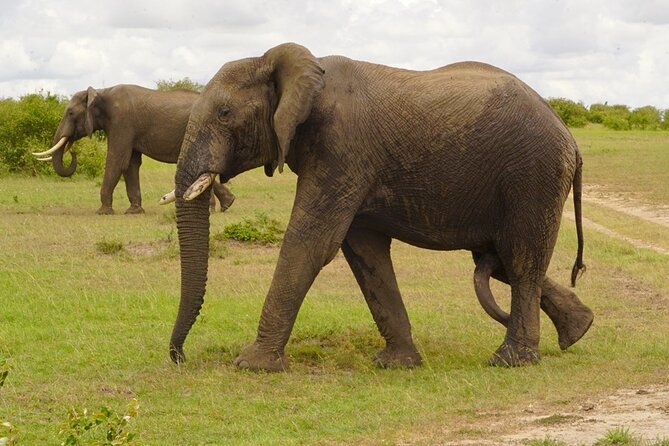
Day three repeats the full-day approach, but with an earlier start. You leave with packed breakfast and lunch, and the plan includes a picnic breakfast around sunrise when weather allows.
An early start gives you the chance to see the reserve when the day is fresh. It also creates more time for searching before returning to camp in the evening. The schedule again allows about ten hours in the wild, which is one of the strongest features of the trip.
The day includes a visit to the Mara River, sometimes called the river of death because of the dangers faced by animals crossing it. You can walk by the river, but this is not a promise that you will watch a crossing. River activity depends on the herds, the season, and the exact place where your guide takes you.
Keep your expectations flexible here. The river itself is a worthwhile part of the route, but a crossing may not happen while you are present. The nearby animals and the chance to understand the crossing route can still make the visit meaningful.
There is also an optional hot-air balloon safari very early in the morning. The supplied details do not state its extra price, so ask for the current cost before deciding. Since it takes about two hours and occurs before the regular game drive, confirm how it fits with breakfast and the day’s departure time.
A few more Masai Mara trips worth comparing
- 3 Days Masai Mara Group Joining
★ 5.0 · 486 reviews - From Nairobi: 3 Days, 2 Nights Maasai Mara Group Safari
★ 4.5 · 394 reviews - 5 Days Masai Mara, Lake Nakuru & Naivasha Budget Joining Safari
★ 5.0 · 229 reviews - 3 Days Gamedrive Safari In Masai Mara From Nairobi
★ 5.0 · 207 reviews
Day four: a Maasai village and the road to Nairobi
After breakfast, you have time to relax and check out around midmorning. The final cultural stop is a Maasai village, where you can join a dance with Maasai warriors and learn about daily life.
The visit includes traditional manyatta houses, natural fire-making, and an explanation of how people manage their lives alongside wild animals. This is more than a quick photo stop if you take the time to ask questions and listen. It also gives the safari a human dimension after several days focused on animals.
Cultural visits should be approached with respect. Join in when invited, ask before taking close photographs, and remember that the village is a lived community, not just a performance space.
Afterward, the drive to Nairobi takes about five hours, with arrival in the evening. Drop-off is available at a Nairobi hotel or airport. If you are connecting to a flight, do not schedule it too tightly. The road journey is long, and the stated duration is approximate.
What the private 4×4 setup means for you
This is a private tour, so only your group takes part. That matters on safari. You do not need to match the pace or interests of a large mixed group, and you can ask the driver-guide to spend more time at a sighting that interests you.
The operator describes a fleet of custom-built, four-wheel-drive safari vehicles and 24-hour backup support. That suggests a company set up for regular safari work, though the precise vehicle model and seating layout are not specified. Ask how many people your vehicle holds and whether every passenger has a window seat.
Binoculars are included, which is useful for distant animals and birds. WiFi is also listed on board, though service in remote areas can vary, so treat it as a convenience rather than a reason to book.
The guide is central to the experience. Eric, also written as Erick in the supplied information, is praised for explaining the Big Five and helping people feel comfortable. Another name, James, is associated with careful planning and service. You may not receive either guide, so ask who is assigned to your departure. A good guide should explain animal behavior, not just point out species.
Food, accommodation, and the true cost
Breakfast is included three times, lunch four times, and dinner three times. The schedule uses camp or lodge meals when you are there and packed or takeaway food during full-day drives.
That arrangement suits the itinerary. You will not waste prime wildlife hours returning to camp for lunch on days two and three. Picnic breakfast and lunch also make the long game-drive days possible.
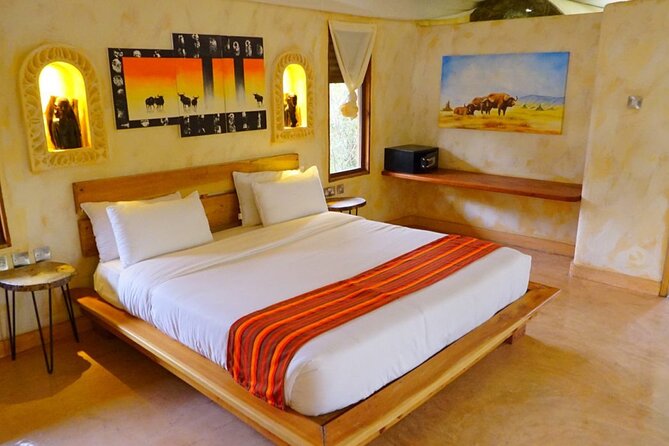
The exact camp or lodge is not named, so you should ask what accommodation level is included, whether rooms are private, and what facilities are available. The difference between a basic tented camp and a more comfortable lodge can be substantial, and the price should be judged against that detail.
At $1,430 per person, the tour is not a budget safari. It includes private transportation, meals, binoculars, WiFi, the driver-guide service, and four days of organized travel. Those inclusions can make the price reasonable for a private trip, especially if you value direct transport and a flexible schedule.
The important extra is the park entry and conservation fee of $80 per person per day. Because the itinerary includes several days in Masai Mara, this can add a large amount to the final bill. Ask how many park days are charged and request a complete total before booking.
Who will get the most from this safari
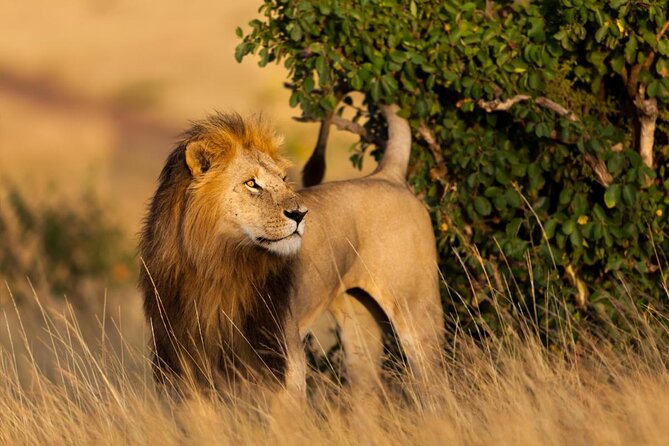
I would recommend this trip to someone who wants the migration as the main theme but also wants time for ordinary Masai Mara wildlife. The two full days in the reserve are a major advantage over a rushed migration stop.
It also suits people who prefer private transport, want to ask questions, and do not mind long road journeys. The included pickup and Nairobi drop-off can be useful if your Kenya plans connect those places, but clarify the Mombasa arrangement first.
Families and first-time safari visitors may appreciate the private format and included binoculars. Most people can participate, and service animals are allowed according to the tour information.
I would hesitate if you want a short, low-cost excursion, a fixed guarantee of seeing a river crossing, or a precisely named lodge before booking. The $80 daily park fee also needs to fit your budget.
Booking details that deserve a quick check
Confirmation is provided at booking, and cancellation is free if you cancel at least 24 hours before the experience start time. Cancellations made later, along with changes made less than 24 hours before the start, are not accepted for a refund.
The listed start time is 12:00 am, which may simply reflect a system setting rather than the real pickup hour. Confirm the actual departure time, pickup location, route from Mombasa, accommodation, guide name, and balloon price directly with Divulge Adventures.
Should you book the Great Wildebeest Migration Safari?
Book it if you want a private, wildlife-heavy four-day trip with two long days in Masai Mara, a chance at the migration, a Mara River visit, and a Maasai cultural stop. The company’s hands-on approach, custom 4×4 vehicles, and reported care from guides such as Eric and James add confidence.
Do not book it expecting a guaranteed crocodile attack or river crossing. Those moments depend on nature, not the itinerary. Also budget for the separate park fee and confirm the Mombasa to Nairobi transport details.
For a serious first safari, I like the balance here: plenty of time in the reserve, room for big-cat sightings, and enough cultural context to keep the trip from becoming only a checklist of animals. The best reason to book is not a promise of one spectacular scene. It is the chance to spend several well-planned days in the right part of Kenya when the herds may be moving through.
FAQ
When does the wildebeest migration take place?
The migration period for this experience is July through September. The exact timing of herds and river crossings can vary.
Is park entry included in the $1,430 price?
No. Park entry and conservation fees are listed separately at $80 per person per day.
Is this a private tour?
Yes. Only your group participates in the activity.
What meals are included?
The tour includes three breakfasts, four lunches, and three dinners. Packed or picnic meals are used during the full-day game drives.
Is the hot-air balloon safari included?
No clear price or inclusion is provided for the optional hot-air balloon safari. Ask Divulge Adventures about its cost and availability.
Where does the tour end?
The final day includes an approximately five-hour drive to Nairobi, with drop-off at a Nairobi hotel or airport. Confirm the exact pickup and return arrangements because the location information also names Mombasa.
Just added around Masai Mara
- 3 days Maasai Mara safari from Nairobi★ 5.0 · 3 reviews
- 4 Days Tour Landcruiser in Masai Mara and Lake Nakuru★ 5.0 · 10 reviews
- 3 days maasai mara migration safari★ 4.5 · 7 reviews
- 4 Days Safari to Lake Nakuru N/P and Maasai Mara N/R★ 5.0 · 18 reviews
- Maasai Mara Day Trip★ 5.0 · 15 reviews
- Wildebeest Migration in Masai Mara and Sightseeing 4 Days Tour★ 4.5 · 6 reviews
- 3 Days Unforgettable Masai Mara Safari Tour★ 5.0 · 6 reviews
- Private Transfer from Nairobi Airport or city To Maasai Mara By Road★ 5.0 · 3 reviews
Wildebeest Migration Safaris, compared.
3-day Masai Mara Safari Tour to see the big five and wildebeest migration
Read our review →3 days Masai Mara wildebeest Migration Budget Safari
Read our review →
8 Days / 7 Nights 2021 / 2022 Wildebeest Migration Safari – Maasai Mara Reserve
Read our review →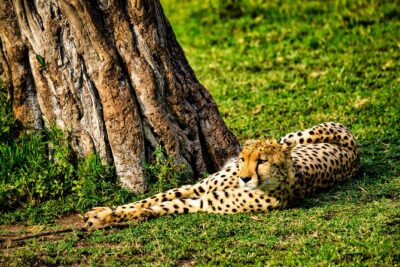
Wildebeest Migration in Masai Mara and Sightseeing 4 Days Tour
Read our review →Browse the lists this tour appears in