
Reviewed · DHOW & SUNSET CRUISES
Watamu: Sunset Mangrove Canoe Tour with Coconut Drink
Watamu’s best sunset may come from a simple dugout canoe, not a crowded beach. You walk across tidal mudflats, watch tiny crabs scatter, then ride into the mangroves as birds settle and the sky turns soft pink behind Green Island. The village welcome afterward gives the outing a human touch.
I like the traditional canoe ride, pushed along by a local boatman with a pole, and the chance to see mudskippers, oysters, and as many as 65 bird species. I also like the contact with Giriama village life, especially the fresh coconut or palm wine at the end.
The main catch is logistics at low tide. The mudflat walk can be long and muddy, and transport from Watamu is not included. In one case, the transfer cost more than the $20 tour itself, so settle that price before leaving your hotel.
Key points to know before booking
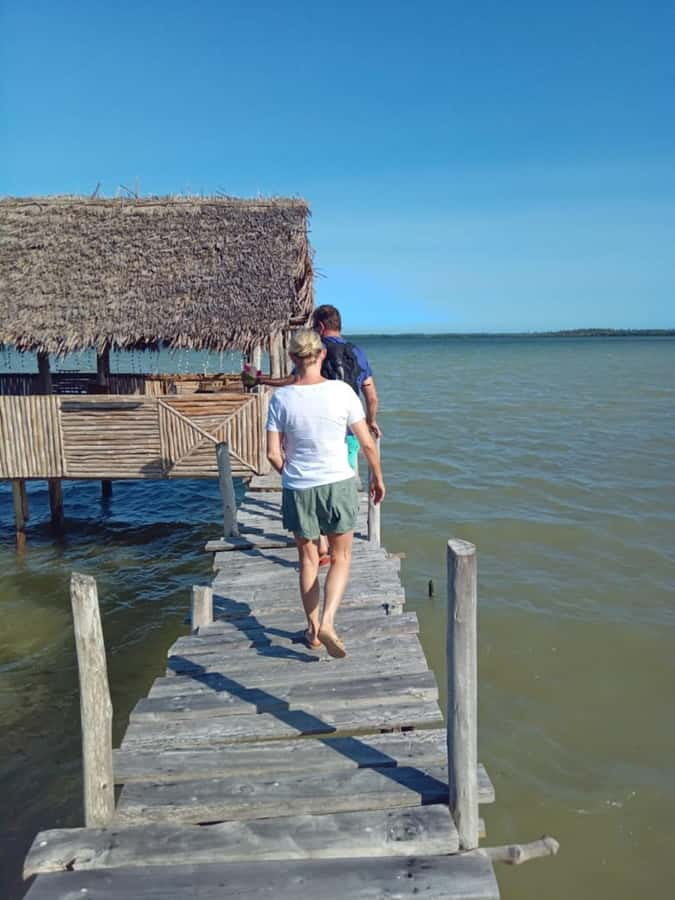
- The canoe launch changes with the tide: Low tide means a longer walk across exposed mud; high tide lets you board nearer the meeting point.
- The wildlife is small but special: Look for mudskippers, frogfish, oysters on mangrove roots, crabs, and water birds.
- The sunset is the main finale: The canoe route is timed to watch the sun drop behind Green Island.
- The village visit adds real local contact: You finish with a coconut picked from the palm or a glass of palm wine.
- The tour costs $20 per person: That is strong value if transport is cheap, but an added pickup fee can change the calculation.
- The boardwalk is temporarily closed: From February 2026, the boardwalk is under maintenance and cannot be used.
Walking into Mida Creek at low tide
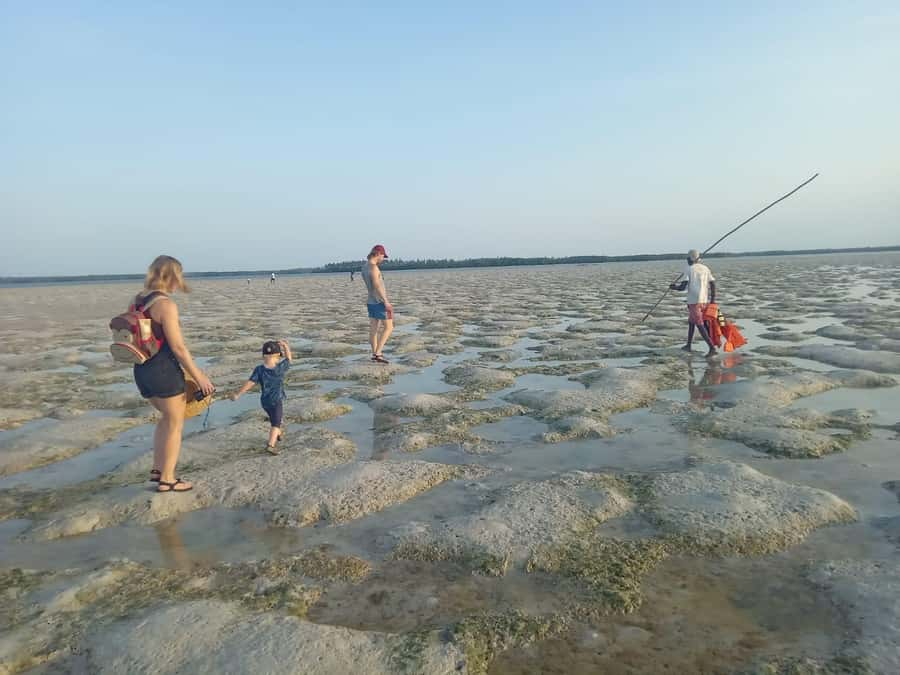
The experience begins on foot, and the tide decides how much walking you do. At low tide, water pulls away from the creek and leaves broad mudflats exposed. Thousands of small crabs move away from your steps, making the crossing more entertaining than it sounds.
The mudflats have a spare, almost otherworldly look. You are not walking through a polished park. You are crossing soft tidal ground to reach the canoe, so comfortable shoes are essential. Expect mud, uneven footing, and a slower pace.
This is also the point where you should think honestly about your fitness. The activity is not suitable for people with mobility impairments, and low tide adds the most physical work. If you want the easiest version, request high tide when booking. You will walk less and reach the canoe from a point closer to the meeting area.
The boardwalk deserves a special note. The activity normally includes a walk through the mangroves on a boardwalk, but the notice says it is under maintenance and temporarily inaccessible from February 2026. Ask for the current route before you book. At the moment, you should not assume that the boardwalk portion will be available.
More dhow and sunset cruises on the coast:
- Dhow Adventure to Wasini Island & Kisite Marine Park
★ 4.6 · 337 reviews - PILLI PIPA DHOW, the genuine product, snorkeling tour to Kisite Marine Park
★ 4.5 · 217 reviews - Diani: Sunset Canoe Tour along the River with Mangroves
★ 4.8 · 65 reviews
Pushing a dugout canoe through the mangroves
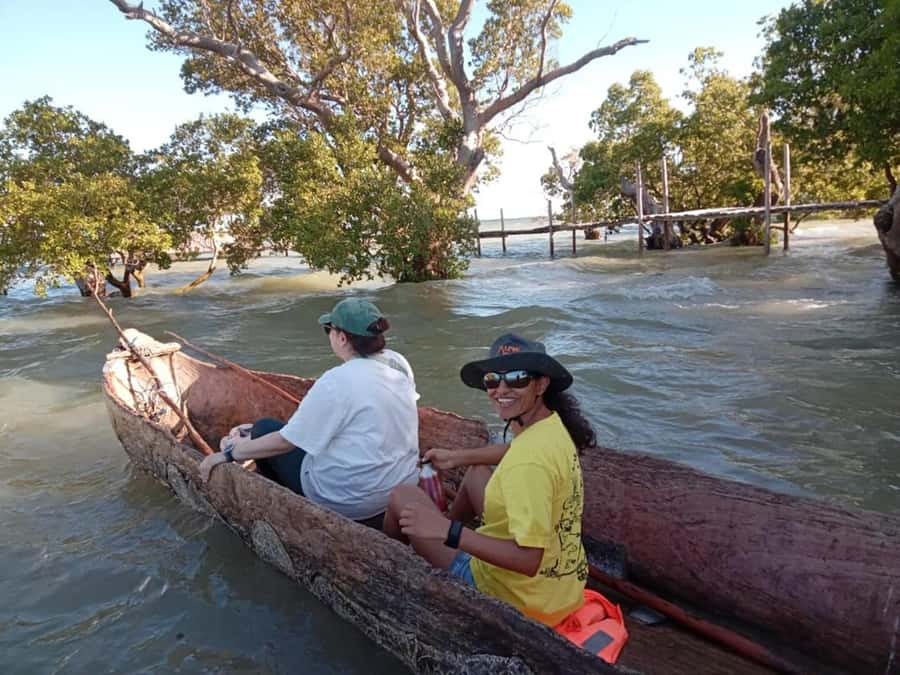
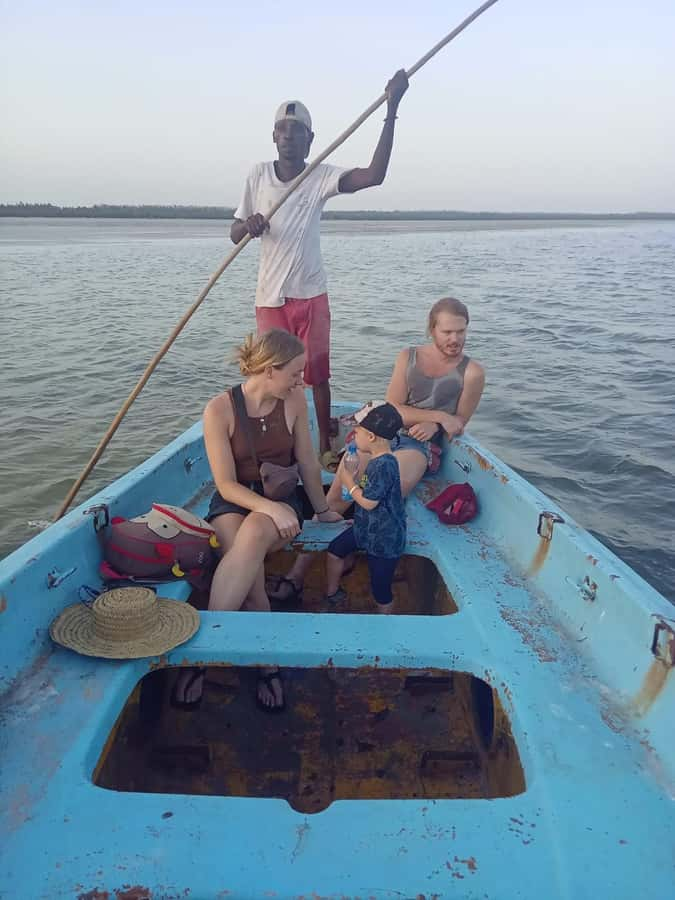
Once you reach the water, you board a traditional dugout canoe. This is not a fast motorboat trip. A local boatman moves the canoe with a pole, much as fishermen in the area do. The pace is quiet, which is exactly what makes the setting work.
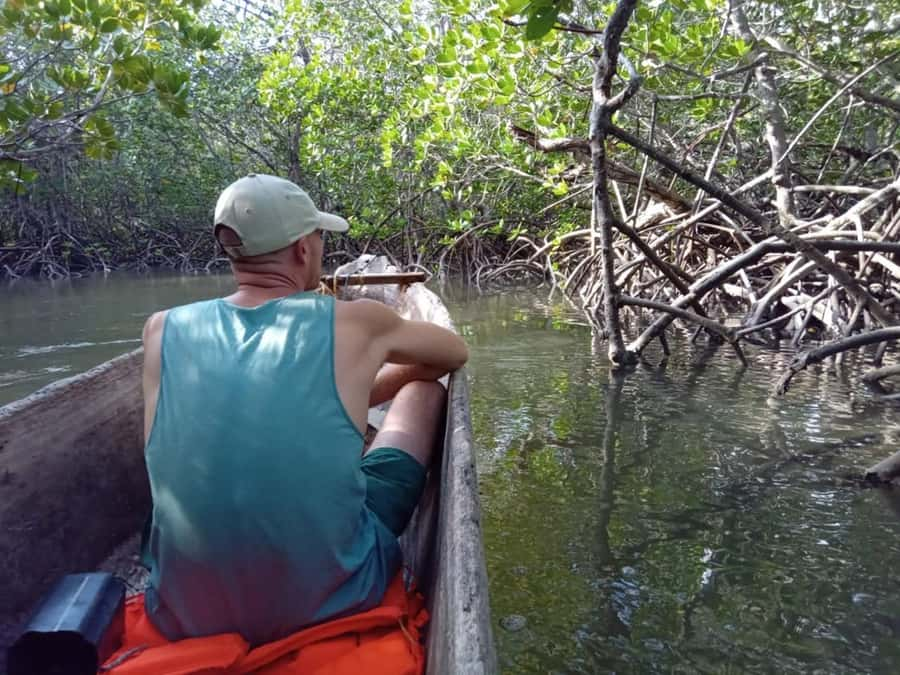
You slip between mangrove roots and narrow creek channels. The trees are not just scenery. Their tangled roots hold the shoreline together, shelter young sea life, and create feeding areas for birds. The guide can point out oysters attached to the roots and explain how the forest supports the creek.
The canoe also gives you a good angle on creatures that are easy to miss from land. Mudskippers, sometimes called frogfish in the tour description, are amphibious fish that move across wet mud and shallow edges. They look a little comical, but they are perfectly suited to this tidal world.
Bring binoculars if you have them. The area is said to support about 65 bird species, though no wildlife outing can promise a particular sighting. Flamingos have been seen close to the canoe, but you should treat them as a lucky bonus rather than the purpose of the trip.
The guide’s explanation matters here. Harrison and John have been singled out for showing visitors both the village and surrounding wildlife, and the experience includes information about mangrove restoration. That turns the canoe ride into more than a sunset photo stop. You begin to understand why these trees matter to the people who live beside them.
Sunset behind Green Island
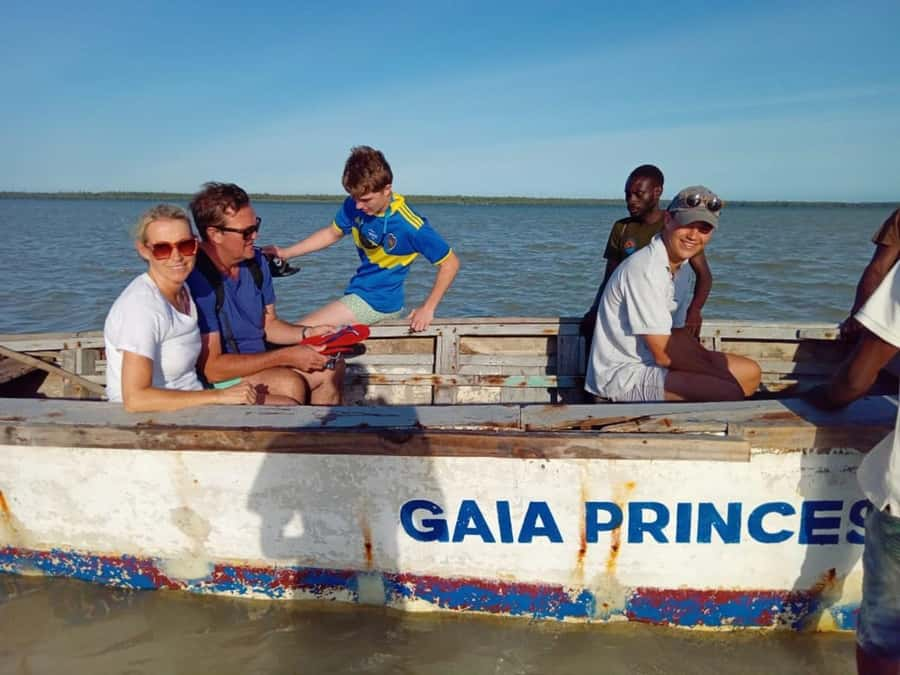
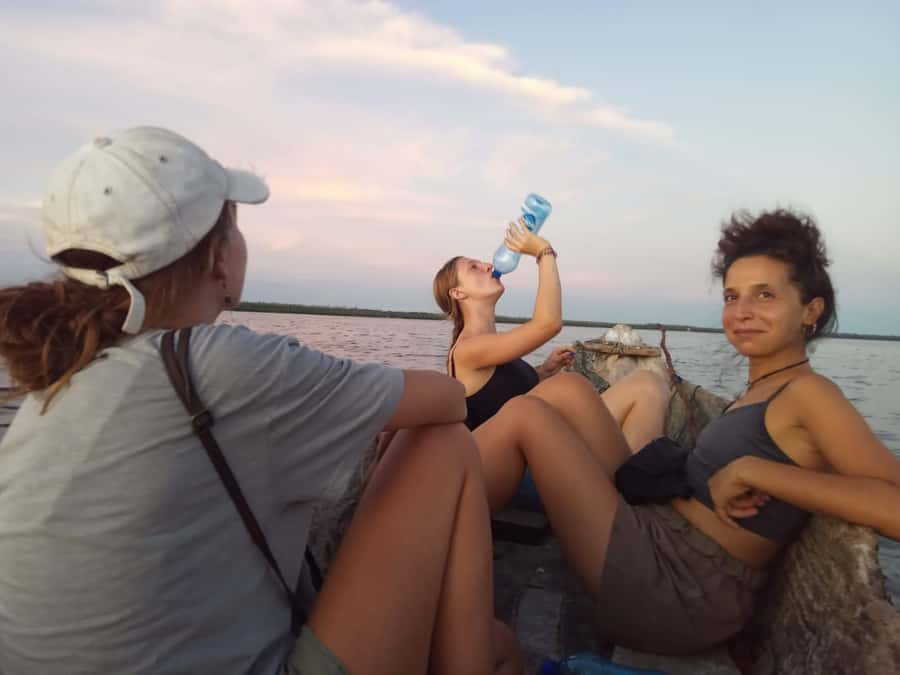
The timing is built around the sunset. As the afternoon fades, light catches each ripple on the creek and the mangrove channels take on pastel color. The canoe becomes a calm viewing platform, with no need for a grand speech or elaborate setup.
The sun is expected to disappear behind Green Island before you turn back. This is the most scenic part of the outing, but it is also the least predictable. Clouds, tide, and the season will shape the view. You should book this for the quiet setting and the chance of a fine sunset, not for a guaranteed postcard sky.
The standard start is around 4:00 PM if no tide preference is given. That timing is meant to allow the canoe ride and sunset to fit into the same outing. The advertised duration is 210 minutes, or three and a half hours, but your time on site can feel different if the transfer is separate or the tide changes the walking route.
One practical point: this is not a full meal experience. Some local food may be available as an optional addition, but meals are not included in the stated price. Bring water, especially if you choose the longer low-tide walk.
A coconut, palm wine, and Giriama village life
After the sunset, you return to a Giriama village. The final drink is simple: a coconut picked from a palm or a glass of palm wine. That small stop gives the outing a pleasant ending and lets you meet people away from the main hotel strip.
The village visit can be the most meaningful part for you if you enjoy local contact more than polished sightseeing. You may hear about everyday village life, mangroves, and efforts to plant younger trees. The experience has also included a chance to learn about local food and traditional uses of plants.
Palm wine is alcoholic, so choose the coconut drink if you do not drink or if you still have a long transfer back to Watamu. Neither drink should be confused with a full refreshment service. This is a local welcome, not a restaurant stop.
I would allow time to talk rather than rushing through this part. The guides, including Harrison and John, are described as willing to explain village life and answer questions. That personal exchange is a key reason to choose this outing over a basic boat trip.
More canoe and kayak trips near Kenya:
- Diani Beach: Kongo River Sunset Experience in a canoe
★ 4.4 · 31 reviews - Watamu Marine Park & Sudi Island Mangrove Forest Canoe Ride.With sea food lunch
★ 4.5 · 31 reviews - Diani: Sunset Cruise along Kongo River on Wooden Canoe boat
★ 4.6 · 20 reviews - Sunset Canoe Tour on a River within the Mangroves
★ 4.5 · 12 reviews
What the $20 price really covers
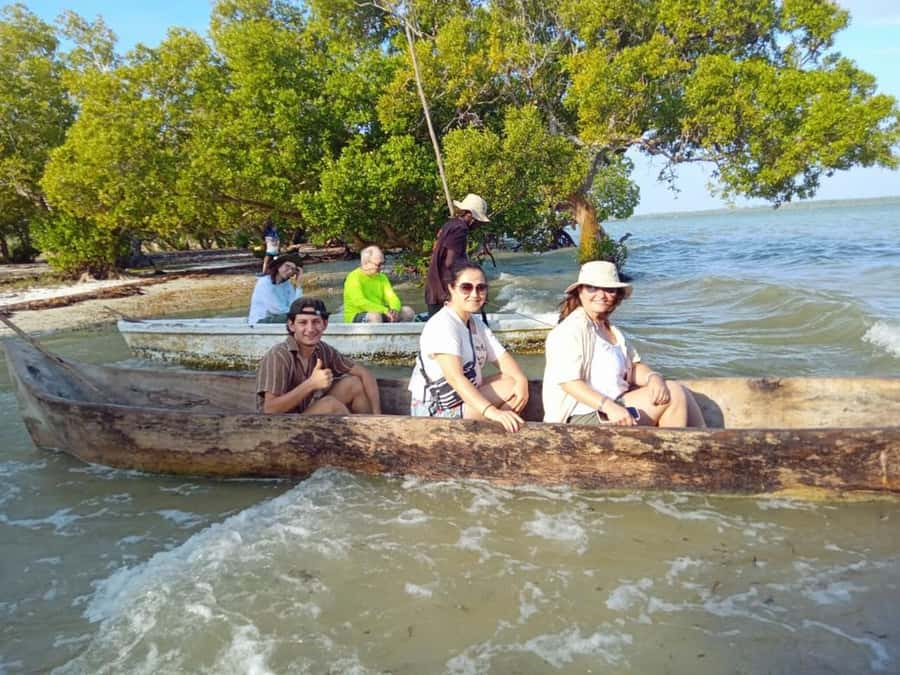
At $20 per person, the activity is inexpensive for a three-and-a-half-hour nature and cultural outing. The price covers the walking route, canoe ride, wildlife viewing, sunset stop, village visit, and coconut or palm wine. If you are already near the meeting point, that is good value.
The calculation changes when you add transport. Pickup can be arranged by car, tuk-tuk, or motorcycle for an extra fee based on distance. Transport from Watamu is not included, and the start point is at a village at the far end of the bay, not at the Shark Crab Restaurant area associated with another Mida Creek outing.
That distinction matters. One visitor paid an agreed tuk-tuk fare after a pickup problem, then faced a request for more money on return. I would confirm three things in writing or clearly by message: the exact starting point, the one-way and return transfer cost, and whether the quoted fare covers the whole vehicle or each person.
The transfer may cost more than the tour. That does not automatically make the activity poor value, but it means the $20 headline price is only part of your budget. If you are staying close by or can share a tuk-tuk, the outing becomes much more attractive.
Tide choice: low water or high water
You are asked to state your preferred tide when booking. This is not a minor preference.
Choose low tide if you want the mudflat experience. You will see crabs, exposed tidal ground, and a closer look at the creek’s changing edge. The setting can feel striking and unusual, but the walk is longer, muddier, and more demanding.
Choose high tide if you prefer less walking. The canoe can enter closer to the meeting point, which is easier on your legs and shoes. You may lose some of the exposed-mud wildlife, but you still get the mangrove ride, bird watching, sunset, and village stop.
If you do not state a preference, the activity is generally arranged around 4:00 PM to catch the sunset. That may not match the ideal tide for your interests. I would contact the provider before booking if the mudflat walk is important to you, or if you want to avoid it.
The tide also affects the feel of the trip. Low tide gives you more walking and more time reading the creek from ground level. High tide puts the focus on the canoe. Neither option is automatically better.
Timing, transport, and the boardwalk change
The live guide speaks Swahili and English. That is useful for practical instructions and for questions about birds, mangroves, village life, and restoration work. The exact group size is not stated, so do not book expecting a private canoe unless that is confirmed separately.
Pickup is available for an added charge, using a car, tuk-tuk, or motorcycle. Since pickup arrangements have caused confusion, agree on the price before the vehicle arrives. Also confirm the meeting point, especially because this route starts from a small village at the end of the bay.
The activity notice says the boardwalk is under maintenance from February 2026 and temporarily inaccessible. This could alter the opening walk, particularly if you expected a raised path through the trees. Ask what route is operating on your date.
Cancellation is flexible: you can cancel up to 24 hours ahead for a full refund, and you can reserve now and pay later. Those terms are useful if your Watamu plans depend on weather, tide, or transport.
What to bring for mud, sun, and insects
Pack lightly, but bring the right things. A camera is worthwhile for the crabs, canoe, birdlife, mangrove roots, and sunset. Binoculars help with distant birds, while insect repellent is sensible near wet forest.
Wear clothes that can handle a splash or mud mark. Comfortable shoes are important, especially at low tide, when the mudflat crossing can be long. Sunscreen and a bottle of water are basic needs, not optional extras in the afternoon heat.
You may want to keep your phone and camera protected from water and mud. The activity information does not specify waterproof storage, so use your own small dry bag or sealed pouch if you have one.
Do not plan this as a formal dinner outing. Meals are not included, although local food may sometimes be available as an optional extra. If you need more than a coconut or palm wine after the canoe ride, arrange food separately.
Who will enjoy this Watamu outing
I would recommend this experience to you if you want a quiet, locally guided activity and are happy with basic conditions. It suits people who enjoy wildlife details, village contact, slow boat rides, and scenery that is shaped by the tide.
It is especially good for travelers who have already had enough beach time. The mangrove creek shows another side of Coast Province, one built around fishing, tidal movement, and trees that protect the water’s edge.
I would be more cautious if you want a polished, tightly managed excursion. The transfer is separate, the launch point is remote from Watamu, the boardwalk is currently closed, and the low-tide route can be muddy. The activity also depends on nature, so bird numbers and sunset quality will vary.
The mixed score of 3.6 from eight ratings reflects that split. The strongest experiences praise the local welcome, the guides, the mangrove explanations, the lack of crowds, and the sunset. The weakest experience centers on a missed pickup, extra charges, and a shorter-than-expected outing. Those are avoidable concerns if you confirm transport and tide details before setting off.
Should you book the Mida Creek canoe tour?
Book it if the $20 price is only one part of a clearly agreed plan, you enjoy simple local experiences, and you want a peaceful canoe ride rather than a fast wildlife cruise. The combination of mudflats, mangrove ecology, village life, and sunset gives you more variety than the price suggests.
I would choose high tide for an easier outing and low tide for the fuller mudflat experience. Either way, confirm the route because the boardwalk is under maintenance from February 2026. Ask for the exact transfer cost, start point, expected duration, and whether Harrison or John will guide your group.
Skip it if you have limited mobility, dislike mud, need guaranteed wildlife sightings, or do not want to arrange separate transportation. For everyone else, this can be a rewarding half-day around Watamu, provided you approach it as a modest community-led nature trip rather than a slick resort excursion.
FAQ
How long does the tour last?
The stated duration is 210 minutes, or about three and a half hours. Transport to and from the starting point is separate and may add time.
How much does the tour cost?
The listed price is $20 per person. Transportation to the starting point is not included and costs extra based on distance.
Is hotel pickup included?
Pickup can be arranged for an additional charge by car, tuk-tuk, or motorcycle. Confirm the price and meeting point before the tour.
What languages does the guide speak?
The live guide speaks Swahili and English.
Can I choose low tide or high tide?
Yes. You should tell the provider your preference when booking. Low tide includes a longer mudflat walk, while high tide allows you to board closer to the meeting point.
What happens at low tide?
You cross exposed mudflats on foot, with the chance to see small crabs and other tidal wildlife before reaching the canoe.
What wildlife might I see?
The route can include birds, mudskippers or frogfish, oysters on mangrove roots, and small crabs. The creek is described as having about 65 bird species.
Is the boardwalk open?
The boardwalk is under maintenance and temporarily inaccessible from February 2026. Ask about the operating route before your visit.
Is food included?
Meals are not included. The experience includes a coconut drink or palm wine in the Giriama village, and optional local food may be available.
Can I cancel the booking?
You can cancel up to 24 hours in advance for a full refund. Reserve-now, pay-later booking is also available.
Just added around Kenya
- Watamu: Learn Kenyan Cusine with Jonathan★ 4.1 · 8 reviews
- WATAMU: MALINDI: SARDEGNA ISLAND & MALINDI MARINE PARK★ 4.5 · 9 reviews
- Visit kibera Slum the chocolate city★ 4.8 · 3 reviews
- Tsavo East National Park: 2-Day Tour from Mombasa★ 3.9 · 5 reviews
- Lake Nakuru Day Trip Safari – & Optional Lake Naivasha Boat★ 5.0 · 5 reviews
- Lake Nakuru NP Half-Day Safari★ 4.0 · 4 reviews
- Tsavo East and Tsavo West Sanctuary Safari★ 5.0 · 3 reviews
- Agro-Tourism Tea Workshop in Nandi Hills★ 5.0 · 3 reviews
Dhow & Sunset Cruises, compared.
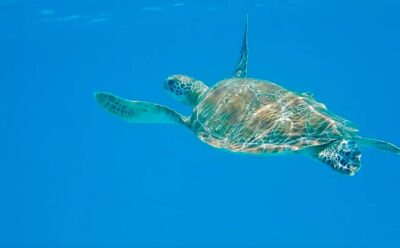
Dhow Adventure to Wasini Island & Kisite Marine Park
Read our review →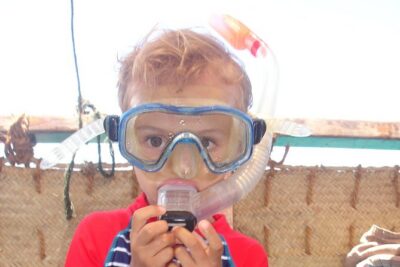
PILLI PIPA DHOW, the genuine product, snorkeling tour to Kisite Marine Park
Read our review →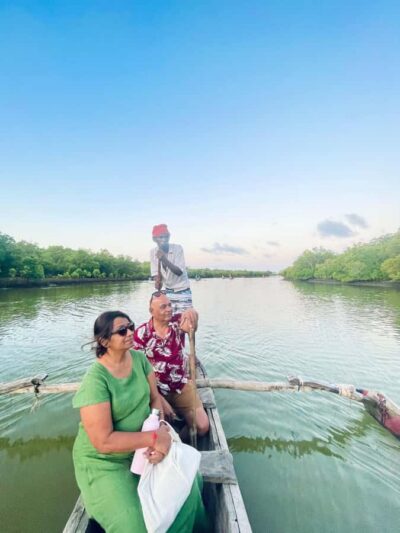
Sunset Canoe Tour along the River with Mangroves
Read our review →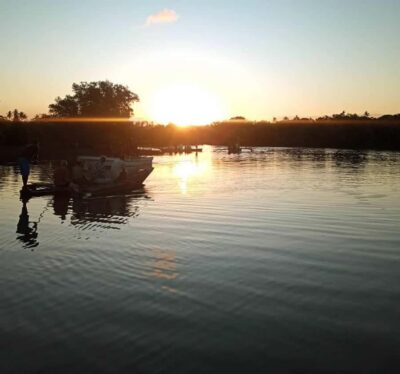
Watamu Marine Park & Sudi Island Mangrove Forest Canoe Ride.With sea food lunch
Read our review →
Sunset Cruise along Kongo River on Wooden Canoe boat
Read our review →
Kisite Marine Park Dhow & Snorkeling with Lunch
Read our review →
Sunset Canoe Tour on a River within the Mangroves
Read our review →Browse the lists this tour appears in