
Reviewed · COFFEE & TEA FARM TOURS
Day Tour to Fairview Coffee Estate From Nairobi
Fairview Coffee Estate gives you a clear look at how Kenyan coffee moves from plant to cup, all within reach of Nairobi. You walk through working coffee fields, hear about cultivation and processing, then sit down for a guided tasting with the highlands around you. I especially like the hands-on coffee education and the quiet garden break with coffee, cookies, and milk included.
I also like the small-group format, limited to 15 people, and the way the experience connects farming with Kenya’s economy and daily culture. Guides such as Elvis, Calvin, James, and Faith have been singled out for warm, careful service. The main catch is cost and timing: the $50 tour price does not include the $30 estate admission, and the listed travel times suggest you should allow closer to five hours than four.
Key things to know before you go
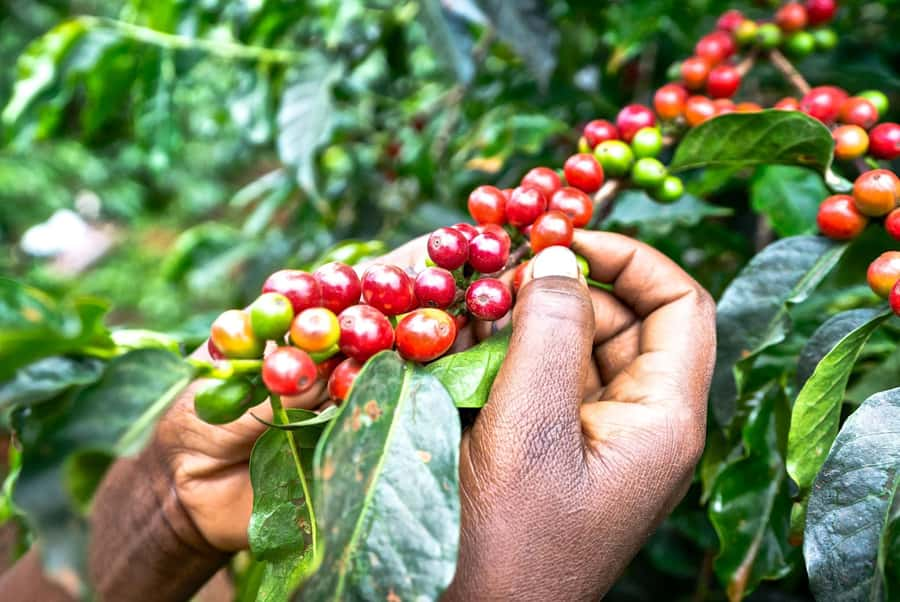
- The coffee tasting is the heart of the visit: Learn to notice aroma, acidity, and body in Kenyan Arabica.
- Fairview is in Kiambu: The estate offers a calm change from Nairobi without requiring a full safari-day commitment.
- The $50 price is not the full cost: Add $30 for admission, plus any lunch, drinks, or packaged coffee.
- You travel in a small group: The maximum group size is 15, which gives you a better chance to hear the guide and ask questions.
- The estate visit lasts about three hours: The drive from Nairobi is listed as one hour each way, though the total advertised duration is four hours.
- Coffee purchases are optional: The on-site shop sells packaged coffee and souvenirs, but these are not part of the tour price.
Why Fairview makes a good Nairobi side trip
Nairobi is a useful base for seeing Kenya, but city sightseeing does not tell you much about one of the country’s best-known exports. Fairview helps fill that gap. You see coffee plants in the ground, learn how the crop is handled, and taste the finished drink in the same setting.
That connection matters. A coffee tasting alone can feel like a pleasant snack stop. A plantation walk alone can be attractive but vague. Here, the guide links the two. You learn why cultivation, harvesting, processing, roasting, and brewing all affect what ends up in your cup.
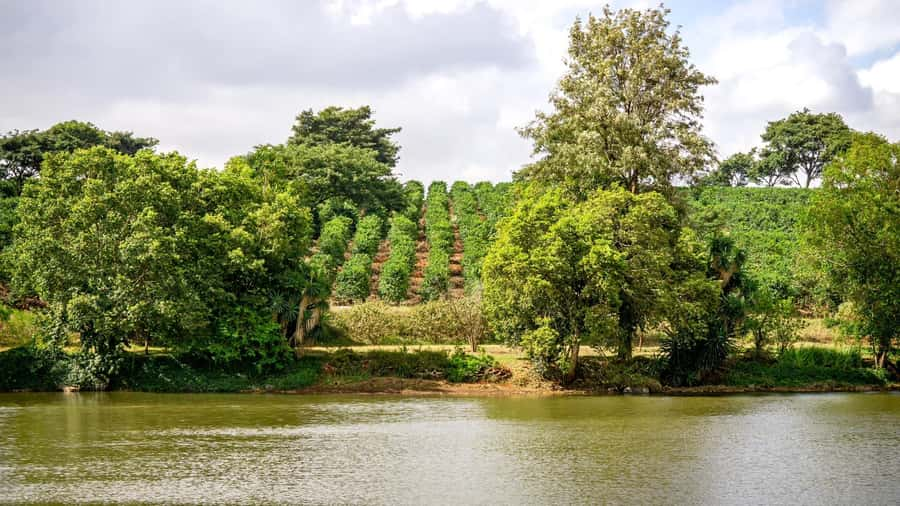
The setting also changes the pace of the day. Fairview sits in Kiambu, in Central Kenya’s highlands, where rolling hills and greenery replace the city’s traffic and buildings. You hear birds and leaves rather than constant road noise. It is not a safari, and you should not book it expecting wildlife, but it is a peaceful rural outing with a useful subject.
More Coffee & Tea Farm Tours in Nairobi:
- Nairobi Coffee Farm and Factory Tour
★ 5.0 · 87 reviews - Nairobi: Coffee Factory and Farm Tour with Transfer
★ 4.5 · 60 reviews - Nairobi to Kiambethu Tea Farm Tour
★ 5.0 · 51 reviews
The drive from Nairobi to Kiambu
Pickup is provided within Nairobi County in a well-maintained vehicle, with drop-off included at the end. The drive is listed as about one hour each way. Traffic can affect any Nairobi departure, so the stated timing should be treated as a guide rather than a guarantee.
The road transfer gives you a simple transition from city to countryside. You do not need to arrange a separate taxi to the estate, and bottled water is included. An English-speaking guide accompanies the trip, and the smaller group size should make the ride and estate explanations more personal than a large coach excursion.
There is one timing point worth taking seriously. The experience is sold as four hours, but the schedule describes one hour to Fairview, three hours at the estate, and one hour back. That adds up to roughly five hours. One past booking also expected a longer day and found the actual outing shorter than an all-day description suggested. I would plan for about half a day, keep your afternoon flexible, and confirm the pickup time before setting another appointment.
Walking through Fairview’s coffee fields
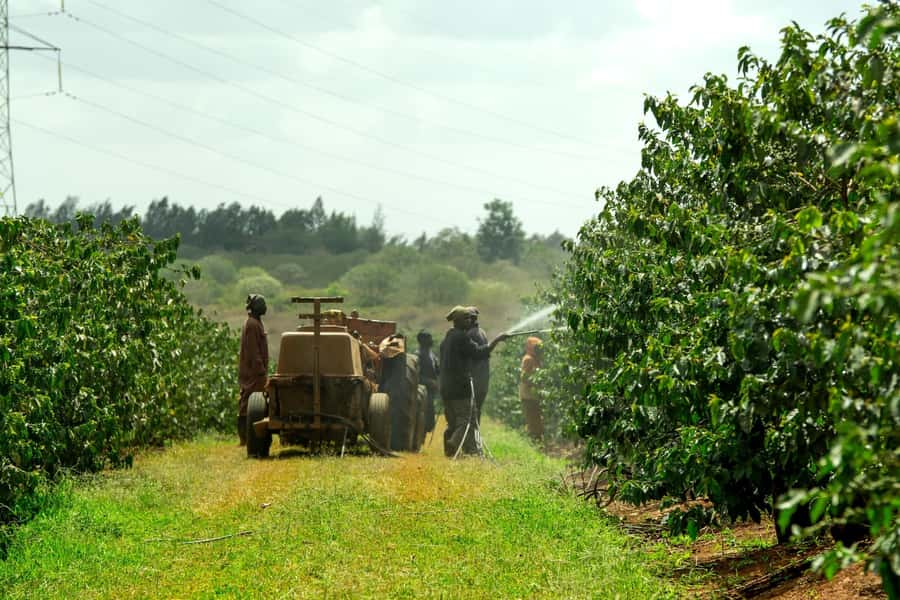
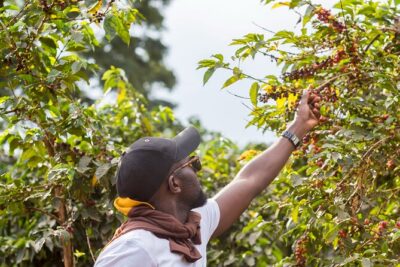
The estate visit begins with a guided look at coffee cultivation. You learn how coffee is grown, harvested, and processed, from seed to cup. The focus is not just on the finished beverage. It is on the work and decisions behind it.
That makes this stop useful even if you already drink good coffee. You get a better sense of why beans from different places taste different and how farming methods can affect quality. The guide also explains sustainable practices at the estate and the role coffee plays in Kenya’s economy and culture.
The plantation walk is scenic, but it is also an outdoor activity. Wear comfortable shoes and bring your passport or ID card, which is listed as required. A hat or sun protection may also be sensible, though the supplied information does not specify the estate’s weather conditions or walking surface.
The guides seem to be one of the strongest parts of this experience. Elvis is praised for making the day special, while James is noted for his clear explanations and strong interest in coffee growing. Calvin is described as friendly and attentive, and Faith is remembered for taking extra care with service. Those details matter because a coffee estate can be either fascinating or flat depending on how well the guide explains what you are seeing.
Understanding the farm’s working methods
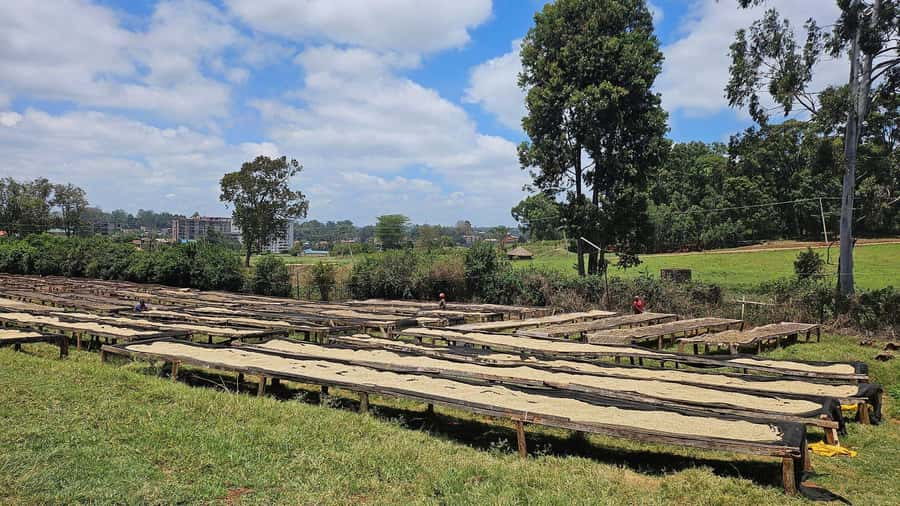
Fairview is not presented as a quick photo stop. The visit gives you time to discuss the coffee process and the estate’s efforts to farm responsibly. You can ask about planting, harvesting, processing, and the role of local workers in keeping the property productive.
This is where the tour gains depth. Coffee production is often hidden from the person drinking it. At Fairview, the work becomes visible. You see the growing environment, hear about the people involved, and then taste the result. That sequence makes the coffee lesson easier to remember.
The tour is also described as interactive. That does not mean you should expect a long practical workshop at every stage, but the guide makes an effort to include the whole group. This is helpful if you are new to coffee tasting or if you do not know the usual terms. You do not need expert knowledge to take part.
The estate is also suitable for visitors using wheelchairs, as the activity is listed as wheelchair accessible. Still, the exact access conditions for each plantation path or garden area are not described, so it is wise to confirm any specific mobility needs when booking.
A few more Nairobi trips worth comparing
- Nairobi National Park Half-Day Tour; Free Wi-Fi connection
★ 5.0 · 878 reviews - Nairobi: National Park & Optional Elephants & Giraffe Center
★ 4.8 · 874 reviews - NAI NAMI: Nairobi Storytelling Tour with Street Children
★ 5.0 · 792 reviews - Nairobi National Park Half-Day Game Drive
★ 4.5 · 738 reviews
Coffee tasting in the garden
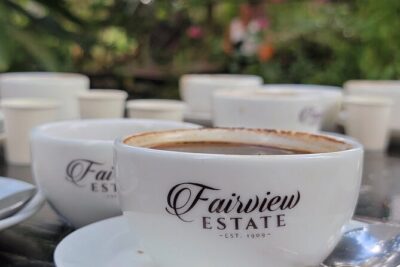
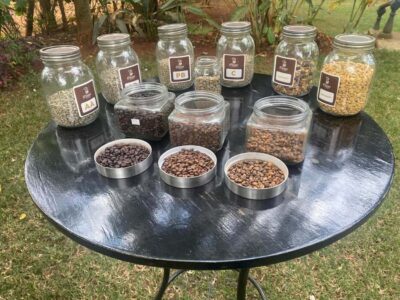
The tasting is the most distinctive part of the visit. You sample freshly brewed Kenyan coffee and learn about coffee cupping, including aroma, acidity, and body. Those words can sound technical, but the guide’s role is to help you notice simple differences between cups.
Start with the smell. Then take a sip and consider whether the coffee feels bright, smooth, light, or full in your mouth. You are not being tested. The point is to pay attention and understand why two coffees can taste different even when both are simply called coffee.
The tasting also gives you context for Kenya’s Arabica beans. The experience focuses on flavor and production rather than turning the session into a sales pitch. You can purchase packaged coffee at the estate shop afterward, but buying a bag is optional.
Coffee, cookies, and milk are included in the garden. This is a small detail, but it improves the rhythm of the visit. After walking and listening, you have a relaxed place to sit and enjoy what you have learned. The garden setting adds to the sense that this is a farm visit, not just a lecture in a room.
Lunch, drinks, and the extra costs
The advertised tour price is $50 per person, but admission to Fairview Coffee Estate costs an additional $30 per person. That puts the basic combined cost at $80 before lunch, drinks, packaged coffee, or souvenirs.
At that total, the value depends on what you want from the outing. For a coffee lover, the guided plantation visit and tasting may justify the price, especially with private transport from Nairobi included. For someone who only wants a scenic countryside drive and a cup of coffee, the extra admission may feel high.
Lunch and drinks are available to purchase on the way back. The description also refers to a farm-to-table meal using local ingredients, but lunch is not included, so you should budget separately. The timing of the meal is not fully fixed in the supplied schedule. Ask your guide how the return stop will work if you need food at a particular hour.
The on-site shop sells specialty coffee and souvenirs. This is a practical place to buy coffee for home because you have just learned how it is grown and tasted it in context. Prices and baggage details are not provided, so check those before making a large purchase.
Small groups and guide quality
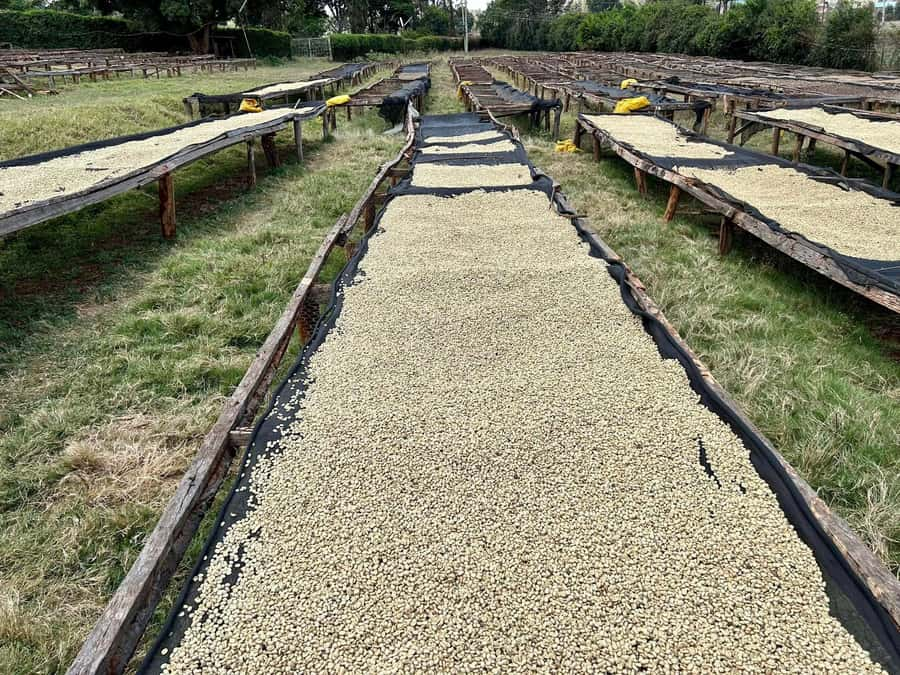
The group limit is 15 people. That is large enough to create a social outing, but small enough for a guide to keep the walk manageable and answer questions. It also helps during the tasting, where a crowded room can make it hard to hear or compare the coffee.
The English-language guiding has received especially strong praise. James is known for explaining cultivation with real enthusiasm. Elvis is highlighted as an excellent guide, while Calvin’s patient driving and attention to guests add value before and after the estate visit. Faith is also remembered for going beyond basic duties.
One visitor who spoke limited English found the guide willing to slow down and explain carefully. That is encouraging, though the official language for the tour is English. If you need another language, this experience does not list one.
The guide makes a difference here more than at many standard sightseeing stops. The plants may look pleasant on their own, but the story of how they are grown and processed gives the walk its purpose.
Who will enjoy this outing most
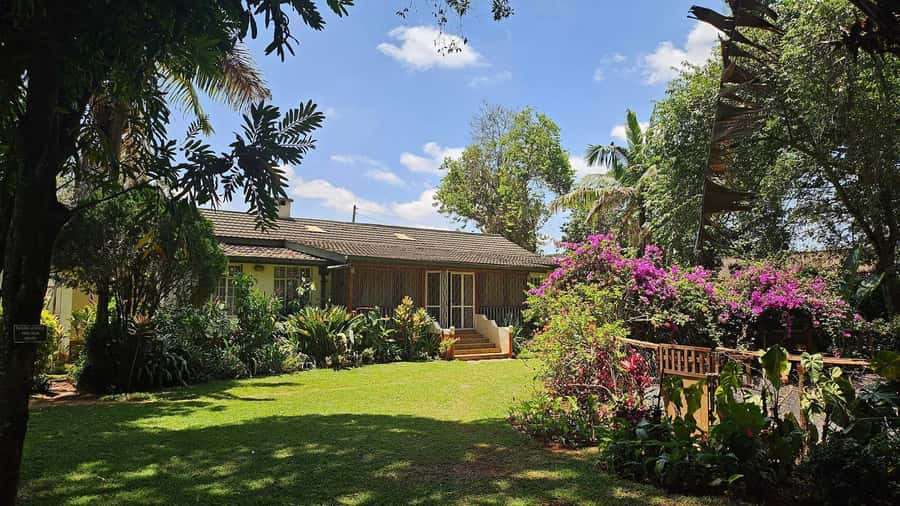
I would recommend Fairview to you if you fall into one of these groups:
- You drink coffee regularly and want to understand Kenyan production.
- You want a countryside break from Nairobi without committing to a full-day wildlife trip.
- You prefer a small group and a live guide over an independent estate visit.
- You enjoy food and drink experiences that include some background and instruction.
- You want to buy Kenyan coffee after tasting and learning about it first.
It is also a good fit for people who appreciate a slower afternoon. The estate portion lasts about three hours, giving you time for the plantation walk, explanations, tasting, garden break, shopping, and photographs.
I would think twice if your main goal is a full day of sightseeing. This is a focused coffee outing, not a broad Central Kenya tour. You also need to accept the separate admission charge and optional food costs. If you are not interested in coffee, the plantation lesson may feel longer than the scenic setting deserves.
Practical details that affect your day
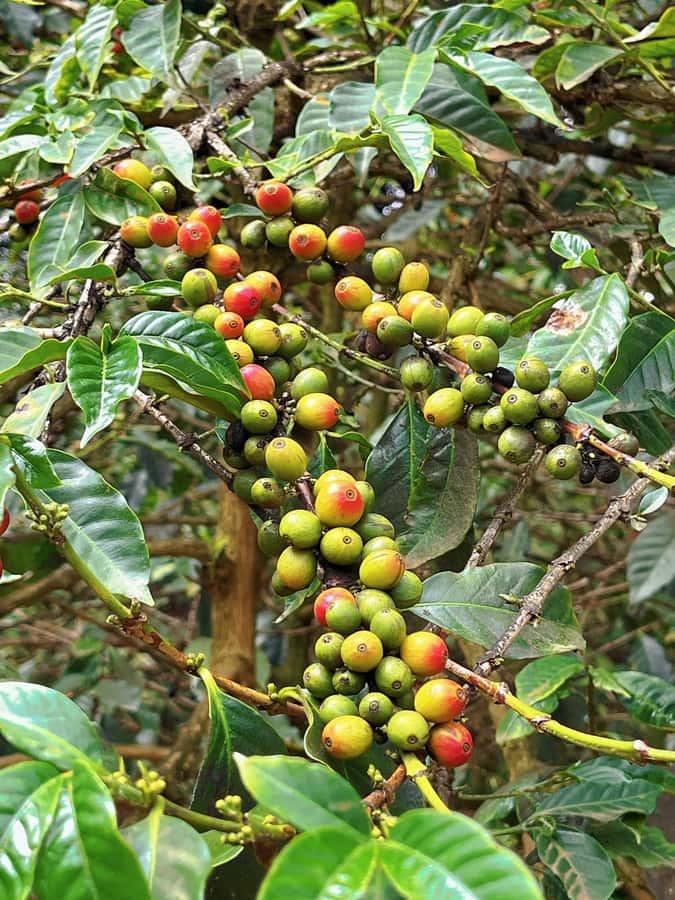
Bring a passport or ID card. Transportation, pickup, drop-off, bottled water, and English guiding are included. Coffee, cookies, and milk in the garden are also included.
Wear shoes suitable for walking around an estate. Keep some room in your schedule because the drive is listed as one hour in each direction, while the headline duration says four hours. The group is capped at 15, and the activity is listed as wheelchair accessible.
You can cancel up to 24 hours in advance for a full refund, and you can reserve now while paying later. Starting times depend on availability, so check the departure options that match your Nairobi plans.
The overall rating is 4.9 from eight ratings, with strong praise focused on guide service, clear coffee explanations, sustainable farm practices, and the calm pace of the estate. Those are the qualities I would value most here. The one repeated practical concern is the mismatch between the advertised duration and the time suggested by the transport schedule.
Should you book the Fairview Coffee Estate tour?
Book it if you want a well-organized introduction to Kenyan coffee, with transport from Nairobi and a real plantation visit rather than a simple café tasting. The guide quality appears to be a major strength, and the combination of field walk, coffee cupping, garden refreshments, and shop makes the experience feel complete.
Before paying, remember that the $50 price does not include the $30 estate admission. Add lunch, drinks, and coffee purchases if you want them. I would also allow roughly five hours, not assume the trip will fit neatly into four.
For coffee fans, this is an easy recommendation. For everyone else, it depends on whether a quiet highland farm visit sounds worth the added cost. If it does, Fairview offers a pleasant and informative change from Nairobi, with enough substance to make the drive worthwhile.
FAQ
Where is Fairview Coffee Estate?
Fairview Coffee Estate is in Kiambu, in Central Kenya, and the tour provides transport from Nairobi County.
How long does the tour take?
The activity is advertised as four hours. The schedule lists about one hour of travel each way and three hours at the estate, so you should allow roughly five hours in practice.
What is included in the $50 price?
The price includes transportation in a well-maintained vehicle, pickup and drop-off, an English-speaking guide, bottled water, and coffee, cookies, and milk in the garden.
Is the Fairview entrance fee included?
No. Admission to Fairview Coffee Estate costs an additional $30 per person.
Is lunch included?
No. Lunch and drinks are available to purchase on the way back.
What happens at the estate?
You walk through the coffee plantations, learn about cultivation and processing, hear about sustainable farming, take part in a coffee tasting, and have free time for photographs and shopping.
Is coffee tasting included?
Yes. The experience includes coffee tasting, along with coffee, cookies, and milk in the garden.
Can I buy coffee at Fairview?
Yes. Packaged coffee and souvenirs are available for purchase at the estate shop, but they are not included in the tour price.
Is the tour wheelchair accessible?
Yes, the activity is listed as wheelchair accessible. The information does not describe access conditions for every plantation path, so you should confirm any specific requirements when booking.
What should I bring?
Bring your passport or ID card. Comfortable clothing and shoes are sensible for the plantation walk, though only the passport or ID card is specifically required.
Just added around Nairobi
- Visit kibera Slum the chocolate city★ 4.8 · 3 reviews
- Day Tour to Nairobi national park, Elephants, and Giraffe Center★ 3.5 · 8 reviews
- Explore local Market matatu ride & Make Kenyan Cuisines with a home cook★ 5.0 · 8 reviews
- Kibera Slum Tour with a Local★ 5.0 · 15 reviews
- Urban Forest Tour in Nairobi★ 5.0 · 7 reviews
- Vegans special safari★ 4.5 · 4 reviews
- Private Mini Safari Tour in Nairobi★ 5.0 · 6 reviews
- Private Kenyan Cooking Class in Nairobi with a Local★ 5.0 · 3 reviews
Coffee & Tea Farm Tours, compared.
Nairobi: Coffee Factory and Farm Tour with Transfer
Read our review →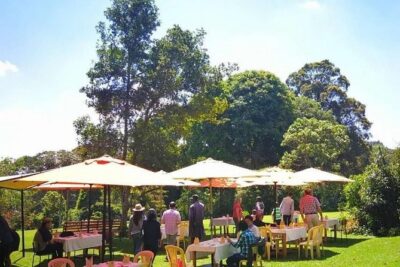
Coffee Farm Village & Factory Half Day Tour with Pick-Up
Read our review →
Private Day Trip to Kiambethu Tea Farm in Limuru from Nairobi
Read our review →
Nairobi: Tea Farm Day Trip with Lunch at kiambethu
Read our review →Browse the lists this tour appears in