
Reviewed · TOURS
NAI NAMI: Nairobi Storytelling Tour with Street Children
The most unusual thing about this Nairobi walk is who leads it. Former street children guide you through the places where they once slept, worked, and survived. Guides such as Typhoon, Priest, Quick, King, and Tsunami bring the city to life through personal stories, not just dates and landmarks.
I like the small group of eight or fewer, which gives you room to ask honest questions. I also like that your $45 supports a project giving disadvantaged young people work and income. The main consideration is that this is an emotional, crowded city walk, not a polished sightseeing circuit.
- Former street children lead the walk, sharing personal stories tied to Nairobi’s streets.
- The route connects major city sights with real-life memories, including the National Archives, Memorial Park, railway station, and Kariokor.
- Safety is built into the experience, with several guides often keeping the group together through busy streets.
- A Kenyan lunch and soft drinks are included, adding a simple local meal at the end.
- Practical rules matter, including good shoes, modest valuables, and a passport copy or original passport.
- The tour lasts about two and a half hours and begins and ends at Bata Shop by the Hilton Hotel.
Why this Nairobi walk feels different

Many city walks explain Nairobi from the outside. Nai Nami gives you a more personal view, led by men who once lived on the streets and now earn money by telling their own stories.
That difference matters. You are not simply passing a market or railway line while someone recites background information. You are hearing how a particular place fitted into someone’s life. The National Archives, for example, is also connected to the guides’ years on the street. The railway area becomes a place to discuss cold nights and survival. Kariokor was once a home base.
The tone can be serious, but it is not presented as a misery tour. The purpose is to show how the guides changed direction and now help create work for other disadvantaged young people. You get a city walk, but you also see a small social enterprise in action.
I would choose this experience early in a Nairobi stay if you want the city to make sense beyond its postcard sights. It gives you context for the people, streets, and crowded central areas you may otherwise pass without understanding.
Meeting at the Hilton and entering downtown Nairobi

The meeting point is in front of Bata Shop on Watalii Lane, beside the Hilton Hotel in Nairobi’s central business district. The spot is close to the Kenyatta International Convention Centre, so it is a useful place to reach if you are already in the city center.
The tour starts on foot and ends at the same meeting point. There is no hotel pickup or drop-off, so plan your own way to and from the Hilton. The location is near public transportation, but the supplied details do not specify which service you should take or how long the journey will be from your hotel.
Once the group sets off, the guides help you move through the city. Several guides may take part, rather than one person doing all the talking. Names associated with the tours include Typhoon, Priest, Quick, King, and Tsunami. Your exact guide team can vary.
That group approach is useful on busy streets. One guide can tell a story while another helps the group cross or keeps an eye on the surroundings. Still, you should look after your phone, wallet, and passport yourself. A friendly escort is not a reason to relax normal city precautions.
A few more Nairobi trips worth comparing
- Nairobi National Park Half-Day Tour; Free Wi-Fi connection
★ 5.0 · 878 reviews - Nairobi: National Park & Optional Elephants & Giraffe Center
★ 4.8 · 874 reviews - Nairobi National Park Half-Day Game Drive
★ 4.5 · 738 reviews
The National Archives and the start of the personal stories
The National Archives is one of the first notable points on the route. It is also where the guides connect the public city to their own past.
This is a strong opening because it quickly explains what makes Nai Nami different. The building is not treated only as a place to see. The surrounding streets carry memories of the guides’ time living without stable shelter, family support, or regular income.
You can ask questions here, but remember that the stories are personal. Some parts may be difficult to hear, especially if you are sensitive to accounts of childhood poverty and street survival. The tour works best when you listen respectfully instead of treating the guides’ lives as entertainment.
Memorial Park and the city’s painful memory
The walk continues toward Memorial Park, a place associated with a tragic event in Nairobi. The supplied tour details do not name the event, so your guide provides the context on the day.
This stop adds another layer to the walk. You are learning about both public tragedy and private hardship, with the city streets linking the two. The guides’ own experiences keep the conversation grounded in ordinary places rather than turning the tour into a museum lecture.
You also get a chance to photograph a large statue. Photography rules are important here, though. The tour instructions say not to bring a camera because taking pictures in town is not allowed, while a phone is fine. Follow the guide’s direction about when and where you can use it, and do not photograph people or sensitive locations without permission.
Crossing the railway area and hearing about cold nights

The railway station area is one of the more sobering parts of the route. Here, the guides explain how they managed during cold nights on the streets.
This kind of storytelling gives the city a human scale. A railway line is usually just something to cross on the way to another sight. On this tour, it becomes a setting tied to weather, sleep, safety, and the daily choices required to get through another night.
You should expect a working part of the city, not a quiet attraction. Good shoes are essential, and sandals or high heels are specifically discouraged. Wear something comfortable enough for two and a half hours of walking on urban streets.
Same corner of Kenya, a completely different kind of day:
- Nairobi: Historic and Modern Highlights Walking Tour
★ 4.8 · 703 reviews - Safari Tour; Nairobi National Park
★ 4.5 · 594 reviews - Elephant Orphanage and Giraffe Center Tour with Options
★ 4.5 · 457 reviews - Nairobi National Park 5-hour Guided Game Drive Free Pick up
★ 4.5 · 367 reviews
Kariokor market and the old home base

Kariokor, with its large market area, was once a home base for the guides when they lived on the streets. This is one of the clearest examples of the route turning ordinary Nairobi places into personal landmarks.
The market setting also helps you understand how street life connects with commerce. The guides can explain how they knew the area and how they managed day to day. Your experience is less about browsing stalls as a shopper and more about hearing what the neighborhood meant to them.
Crowds and close quarters are part of the setting. Keep your valuables out of sight and avoid flashy jewelry. The practical advice is simple: carry only what you need, keep your pockets secure, and stay close to the group.
Jeevanjee Gardens and the return through Midtown

On the way back, the group passes Jeevanjee Gardens. The return route gives you a change of setting after the railway and market areas, while the guides continue connecting city spaces to their lives and work today.
The walk may also pass through parts of uptown, downtown, midtown, and Riverside, depending on the exact route used that day. One account describes the group moving from uptown through downtown and onward before finishing with lunch. The route is therefore more than a tight loop around one attraction.
Do not expect a formal architectural tour of every building. The main subject is the guides’ experience of Nairobi. If you want a detailed survey of monuments, colonial-era buildings, or museum collections, choose a conventional city tour instead.
Lunch gives the morning a satisfying finish

Local lunch and soft drinks are included in the $45 price. The meal is not an add-on you have to arrange afterward, and it gives the group a chance to sit together after the walk.
The food is described as Kenyan cuisine, with specific dishes varying. That makes it a useful chance to try a local meal without choosing a restaurant yourself. The lunch also provides a calmer ending to a route that can feel emotionally heavy.
I would not book this solely as a food tour. The meal is part of the experience, not its main event. But it improves the value and gives you time to talk with the guides in a less hurried setting.
What $45 buys you

At $45 per person, the tour is not the cheapest way to walk around Nairobi. You are paying for a personal guide, a small group, lunch, soft drinks, and a social project designed to provide income and a future for disadvantaged young people.
The small group is important. With a maximum of eight people, the guides can respond to questions and keep the walk personal. The price also supports a model that replaces passive charity with paid storytelling and work.
That said, the value depends on what you want. If you mainly want landmark photographs, the price may feel high for a two-and-a-half-hour walk. If you want direct contact with local guides and a frank account of street life, the cost is easier to justify.
I also appreciate that the experience does not promise a sanitized version of Nairobi. You see crowded central streets and places tied to hardship. The trade-off is that comfort and polish are not the selling points.
Safety, photography, and what to carry
The strongest practical advice is to arrive prepared. Wear closed, comfortable shoes and avoid high heels or sandals. Carry a copy of your passport’s main page and the page showing your visa stamp, or carry your original passport.
Do not bring flashy jewelry or unnecessary valuables. A phone is acceptable, but a separate camera is not recommended because photography in town is restricted. Keep your phone secure when you are not using it.
The tour has a minimum age of 14, and most people can take part. The supplied information does not give detailed accessibility guidance, so anyone with mobility concerns should ask Nai Nami before booking. The route includes urban walking and crossing busy areas.
The guides are often praised for helping the group feel safe and welcome. That support is useful, but it does not remove the need for ordinary care in a crowded city. Stay with the group, follow instructions, and keep your belongings close.
Who should book this experience
I would recommend Nai Nami to you if you want a personal, serious look at Nairobi and are comfortable listening to difficult stories. It suits curious adults, older teenagers aged 14 and above, and people who prefer meeting local people over ticking off a long list of sights.
It is especially suitable if you value responsible tourism. Your booking gives former street children paid work and helps the project support young people from disadvantaged areas. The tour lets you contribute through a service, rather than handing out money on the street.
You may not enjoy it if you want a relaxed sightseeing walk with constant photo stops. The subject matter can be painful, and the city center can feel intense. This is also not the best choice for anyone unwilling to follow photography and security instructions.
The experience is strongest when you bring questions and humility. You do not need special background knowledge, but you should be ready to hear the guides describe poverty without looking away or turning their stories into a spectacle.
Booking details worth knowing
The tour is usually booked about 28 days ahead, so I would reserve early if your Nairobi dates are fixed. Confirmation is provided at booking, and the ticket is mobile.
Free cancellation is available if you cancel at least 24 hours before the local start time. Cancellations or changes made within 24 hours are not refunded or accepted.
The tour starts and ends at the Hilton meeting point. Since no hotel transfer is included, leave enough time to reach central Nairobi before the start. The group limit is eight, and the duration is approximately two hours and thirty minutes.
Should you book Nai Nami?
Book it if you want to understand Nairobi through the lived experience of former street children, not only through official sights. The strongest parts are the personal stories at the National Archives, railway area, and Kariokor, along with the sense that your payment supports real employment.
Skip it if you want a light, highly polished city tour or a photography-focused outing. For the right kind of visitor, though, Nai Nami offers a direct and memorable way to meet Nairobi, with lunch, a small group, and guides who know the streets from personal experience.
FAQ
Where does the Nai Nami tour start?
The tour starts in front of Bata Shop on Watalii Lane by the Hilton Hotel in Nairobi’s central business district.
Where does the tour end?
The activity ends back at the same meeting point by the Hilton Hotel.
How long does the tour last?
The walking tour lasts approximately two hours and thirty minutes.
How much does the tour cost?
The listed price is $45 per person.
What is included in the price?
The price includes a personal guide, local lunch, and soft drinks.
Is hotel pickup included?
No. Hotel pickup and drop-off are not included. You must make your own way to the meeting point.
What should I wear?
Wear good walking shoes. Sandals and high heels are not recommended.
Do I need to bring my passport?
You should carry a copy of your passport’s main page and the page showing your visa stamp, or bring your original passport.
What is the cancellation policy?
You can cancel at least 24 hours before the local start time for a full refund. Cancellations or changes made less than 24 hours before the start are not accepted and are not refunded.
Just added around Nairobi
- Visit kibera Slum the chocolate city★ 4.8 · 3 reviews
- Day Tour to Nairobi national park, Elephants, and Giraffe Center★ 3.5 · 8 reviews
- Explore local Market matatu ride & Make Kenyan Cuisines with a home cook★ 5.0 · 8 reviews
- Kibera Slum Tour with a Local★ 5.0 · 15 reviews
- Urban Forest Tour in Nairobi★ 5.0 · 7 reviews
- Vegans special safari★ 4.5 · 4 reviews
- Private Mini Safari Tour in Nairobi★ 5.0 · 6 reviews
- Private Kenyan Cooking Class in Nairobi with a Local★ 5.0 · 3 reviews
Tours, compared.

Nairobi National Park Half-Day Tour; Free Wi-Fi connection
Read our review →
Nairobi: Historic and Modern Highlights Walking Tour
Read our review →

Elephant Orphanage and Giraffe Center Tour with Options
Read our review →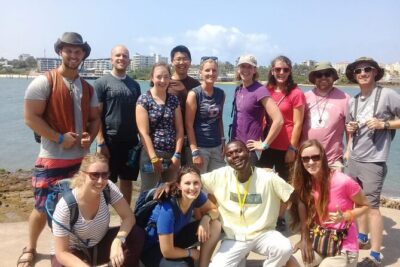
Walking Tour Through Old Town Mombasa and Fort Jesus
Read our review →
Nairobi: Day Tour to Amboseli National Park & Maasai Village
Read our review →
Tour: Giraffe Center and Nairobi National Park
Read our review →