
Reviewed · COFFEE & TEA FARM TOURS
Excursion to Kiambethu Tea Farm
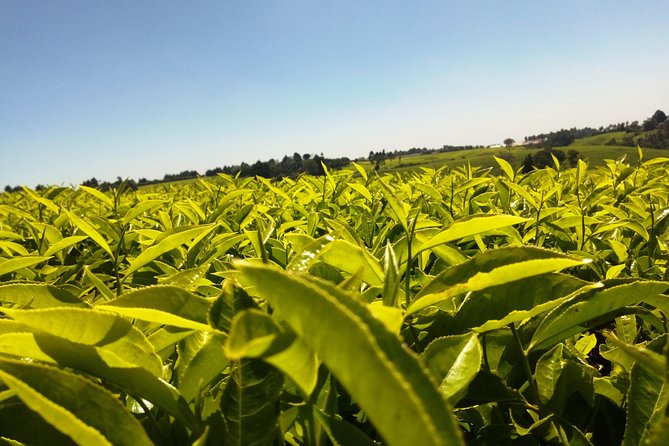
Kiambethu Farm gives you a different view of Kenya. Instead of spending the day on a game drive, you walk through tea fields, learn how the crop fits into local life, and follow a forest path where you might spot colobus monkeys and birds. It is a calm, green day outside Nairobi, with a proper farm lunch at its center.
I like the door-to-door transport, since a nine-hour outing is much easier when you do not have to arrange taxis or navigate the route yourself. I also like the small-group format, with no more than 15 people, and the chance to eat food made with farm-fresh ingredients. The main drawback is the price: at $140 per person, this is not a cheap half-day escape, especially if your main goal is simply to see tea fields.
Key points to know before booking
- Kenya’s first tea plantation: Kiambethu Farm was established in 1910, giving the visit a clear sense of place and purpose.
- A full day from Nairobi: The experience lasts about nine hours, including round-trip hotel transfers.
- Tea, forest, and wildlife: You tour the fields, taste African tea, walk through the forest, and keep watch for colobus monkeys and birds.
- Lunch is part of the experience: A three-course buffet uses farm-fresh ingredients and is included in the price.
- Small private groups: The activity is private to your booking, with groups limited to 15 people.
- A guide can shape the day: Obed is named as one particularly punctual and pleasant driver-guide, though guide availability is not guaranteed.
Why Kiambethu Farm makes a good Nairobi day trip
Nairobi has plenty of city sights, but its surrounding countryside offers a useful change of pace. Kiambethu Farm lets you see an agricultural side of Kenya that can be missed when an itinerary focuses only on wildlife, museums, and city landmarks.
The farm dates to 1910 and is described as Kenya’s first tea plantation. That detail matters because this is not simply a photo stop among neatly planted rows. The visit connects the crop to the country’s farming story, daily work, and food traditions.
You can expect a guided walk through the tea farm, followed by time in the forest and a meal. The day is not built around a long list of rushed stops. One main place gets the attention, which suits you if you prefer to understand a setting rather than collect quick photographs from a car.
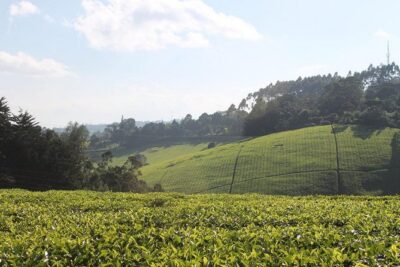
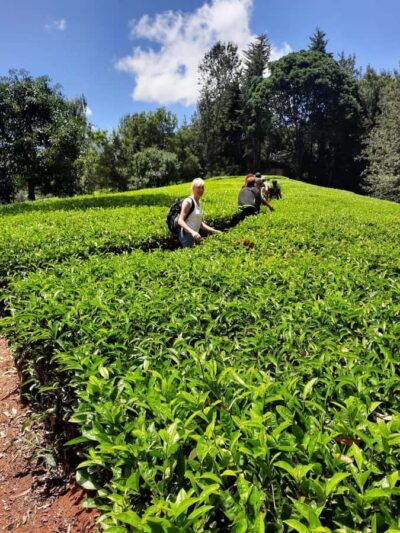
The setting also gives the day some variety. Tea fields can feel orderly and open, while the forest walk brings shade, plants, birds, and the possibility of seeing colobus monkeys. Sightings are not guaranteed, so you should treat the animals as a bonus rather than the main reason to book.
More Coffee & Tea Farm Tours in Nairobi:
- Nairobi Coffee Farm and Factory Tour
★ 5.0 · 87 reviews - Nairobi: Coffee Factory and Farm Tour with Transfer
★ 4.5 · 60 reviews - Nairobi to Kiambethu Tea Farm Tour
★ 5.0 · 51 reviews
From Nairobi to the farm: why the transfers matter
Pickup begins around 9:00 a.m., with hotel pickup and drop-off included. That is a practical benefit in Nairobi, where arranging transport for a full-day rural outing can add cost, time, and uncertainty.
The excursion lasts about nine hours, so plan for most of your day to be committed. You will not be squeezing this between a morning museum visit and an evening restaurant reservation. It works best as a dedicated day away from the city.
Your driver-guide handles the route and remains part of the experience. One guide named Obed received especially warm praise for being punctual, pleasant, and good company during the journey to and from the farm. He was also praised for helping make the drive interesting through conversation. You cannot assume that Obed will be assigned to your booking, but you can see why the guide matters here. The drive is part of a long day, not just a transfer between two points.
The trip is also available as a private activity, meaning only your group participates. The general group limit is no more than 15 people. That gives you more room to ask questions and set a comfortable pace than a large coach tour would, though the experience may feel less intimate if your booking includes a bigger family or friend group.
Walking through Kenya’s first tea plantation
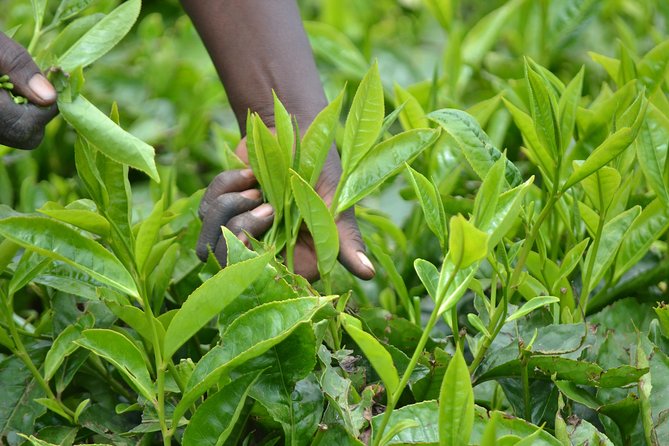
At Kiambethu, the tea farm is the main attraction. A guide leads you through the fields and explains the crop and the farm. You get to see the plant in the ground before tasting it in a cup, which makes the tea stop feel more connected and useful.
The farm is historically important, but do not expect a formal museum tour based on the information available. The emphasis is on seeing the farm garden and tea fields, hearing about the place, and experiencing the setting directly.
This is a good choice for you if you enjoy seeing how food and drink are produced. The visit offers a simple lesson: tea begins as a leaf, grows as part of a working farm, and reaches the table through local preparation and hospitality.
The experience also gives you a chance to see how local people live and carry out everyday activities. That part is described broadly, so the exact encounters and explanations can vary. It is best to approach it with curiosity and respect, rather than expecting a staged cultural show or a detailed village tour.
Wear smart casual clothing, as requested for the experience. You should also choose clothes and shoes that are comfortable for walking through fields and forest. The supplied information does not specify trail conditions, so practical footwear is sensible without assuming a strenuous hike.
Forest paths, birds, and colobus monkeys
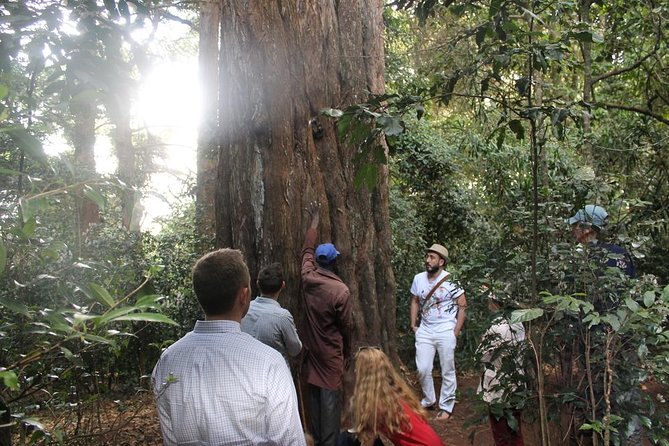
After the farm visit, the experience includes a forest walk. This adds a welcome change from the planted tea fields and lets you look beyond the crop itself.
Keep an eye out for colobus monkeys and birds. The farm description specifically highlights rear monkey species, which appears to refer to the colobus monkeys associated with the forest. Sightings depend on the animals, weather, and timing, so no responsible booking should treat them as guaranteed.
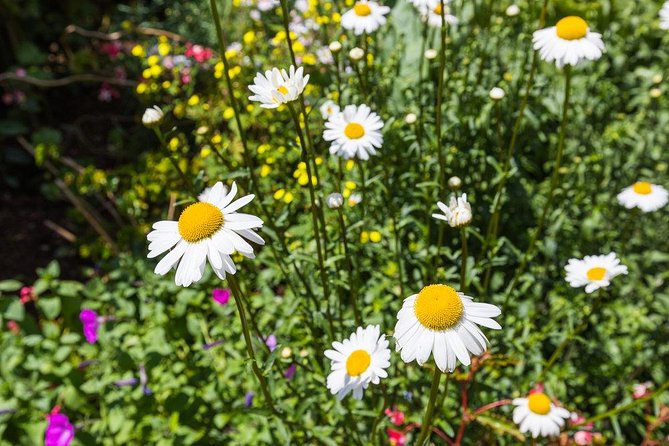
The forest portion also includes learning about indigenous plants. That is valuable because it broadens the visit beyond tea production. You get to consider the plants that belong to the area, how they fit the local environment, and how the farm setting includes more than its cultivated rows.
I would book this walk for its mix of nature and observation, not as a replacement for a dedicated wildlife safari. The outing may give you a memorable monkey sighting, but its core purpose is the farm, the tea, and the meal. If you want a full day focused on large animals, this is not the right excursion.
A few more Nairobi trips worth comparing
- Nairobi National Park Half-Day Tour; Free Wi-Fi connection
★ 5.0 · 878 reviews - Nairobi: National Park & Optional Elephants & Giraffe Center
★ 4.8 · 874 reviews - NAI NAMI: Nairobi Storytelling Tour with Street Children
★ 5.0 · 792 reviews - Nairobi National Park Half-Day Game Drive
★ 4.5 · 738 reviews
African tea tasting and the farm lunch
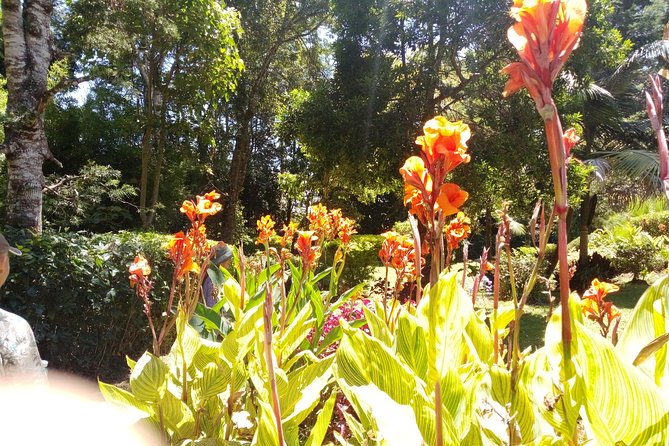
Tea tasting gives the day a clear finish. After seeing the plant in the field, you can taste African tea and connect the explanation to a familiar drink. It is a small but important detail: the visit is not only visual.
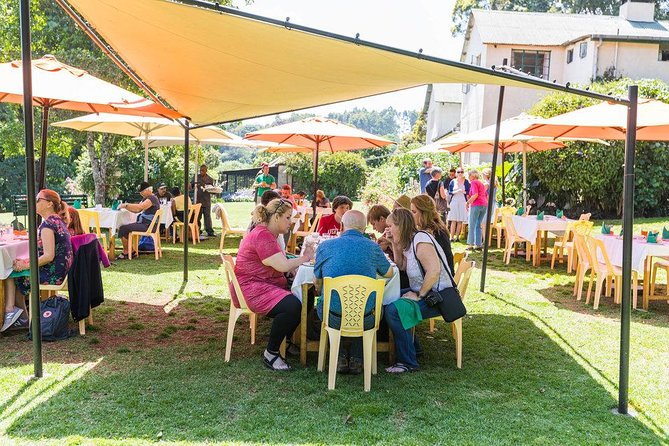
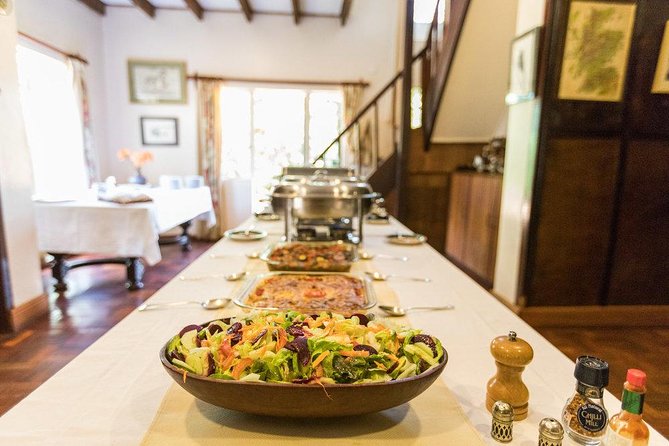
Lunch is included and described as a three-course buffet with farm-fresh ingredients. A meal like this changes the rhythm of the outing. Instead of stopping for a quick packaged lunch, you have time to sit down, eat, and enjoy the farm as a place of hospitality.
One previous account singled out the luncheon as fantastic, and that matches the basic appeal of the format. The food is not an extra purchase or an afterthought. It is built into the day and helps explain the $140 price.
Still, keep the value in perspective. The cost covers transport, a driver-guide, a professional guide, entrance, tea or coffee, and lunch. The stated entrance fee is $35 per person, which is included. If you would otherwise need to arrange private transport from Nairobi and pay separately for a quality meal, the total begins to look more reasonable.
If you are a budget-minded visitor, however, the price may feel high for one farm visit. The best value comes when you appreciate the complete package: transport, guided access, a quiet rural setting, a forest walk, and lunch. It is less compelling if you only want a quick look at tea plants.
What the nine-hour schedule feels like
The long duration is both a strength and a limitation. The advantage is that the day does not have to be rushed. You have time for the farm, garden, forest, tea tasting, lunch, and the drive back to Nairobi.
The limitation is that this is a full commitment. Families with young children should think about how they handle a long day, even though children are welcome when accompanied by an adult. Most people can participate, but the information does not provide a detailed accessibility description, so you should ask the provider about walking surfaces or mobility concerns before booking.
The private format helps. Your group can enjoy the day without being combined with unrelated people, and a smaller group makes it easier to hear the guide during the farm and forest portions. Group discounts are available, which may improve the price for families or larger parties.
The farm is closed every Monday, Christmas Day, and New Year’s Day. Check the date carefully before making plans, especially during the holiday period.
How this compares with a typical Nairobi outing
Kiambethu Farm is best understood as a slow countryside day, not a packed sightseeing circuit. You are not moving from one famous landmark to another. Instead, you spend meaningful time in one setting and get several experiences from it.
I like that balance. The tea fields provide the main subject, the forest adds nature, the plants add local context, and lunch gives the day a social center. The guide and driver can tie those parts together, particularly if you enjoy asking questions during the ride and walk.
The outing will suit you if you want:
- A break from Nairobi’s traffic and urban pace
- A farming experience rather than a standard city tour
- A small private group
- A guided forest walk with possible monkey and bird sightings
- A meal and tea tasting included in one booking
- A full-day activity with pickup and drop-off
You may want something else if you prefer independent travel, a shorter outing, or guaranteed wildlife viewing. The farm is the focus, and the animal sightings are opportunistic.
Booking, cancellation, and useful planning details
Confirmation is provided when you book, and the activity accepts mobile tickets. Pickup is offered from Nairobi hotels, with the start time set for 9:00 a.m. Since the experience is often booked well in advance, planning early is sensible if your dates are fixed.
Free cancellation is available when you cancel at least 24 hours before the start time. Cancellations or changes made inside that 24-hour window are not refunded or accepted. The cut-off follows local time, so do not wait until the last moment if your plans are uncertain.
Souvenir photographs are not included, though they may be available to purchase. Lunch, tea or coffee, entrance, and the driver-guide and professional guide are included.
For your day, I would keep the plan simple: wear smart casual clothing, use comfortable shoes, bring your mobile ticket, and allow the entire nine-hour window. You should also tell the provider about children in your group, since children must be accompanied by an adult.
Should you book Kiambethu Tea Farm?
Book this excursion if you want a peaceful, guided day that combines Kenyan tea, a forest walk, and a proper farm lunch. It is a strong choice for couples, families, and small groups who value door-to-door transport and do not want to arrange the countryside visit themselves.
The $140 price is easiest to justify when you use the full package. You are paying for a private day, transportation, guides, a $35 entrance fee, tea or coffee, and a three-course buffet lunch. It is not the cheapest way to leave Nairobi, but it offers more than a simple farm admission.
Skip it if your priority is a low-cost outing, a short activity, or guaranteed animal viewing. For everyone else, especially those curious about how Kenya’s tea reaches the cup, Kiambethu Farm offers a thoughtful change from the usual Nairobi schedule.
FAQ
How long does the Kiambethu Tea Farm excursion last?
The experience lasts approximately nine hours, including the visit to the farm and round-trip transportation from Nairobi.
What time does the tour start?
The stated start time is 9:00 a.m.
Is hotel pickup and drop-off included?
Yes. Hotel pickup and drop-off from Nairobi are included.
Is lunch included?
Yes. The experience includes a three-course buffet lunch, along with coffee and/or tea.
Can children join the excursion?
Yes. Children may participate, but they must be accompanied by an adult.
When is Kiambethu Farm closed?
The farm is closed every Monday, Christmas Day, and New Year’s Day.
Just added around Nairobi
- Visit kibera Slum the chocolate city★ 4.8 · 3 reviews
- Day Tour to Nairobi national park, Elephants, and Giraffe Center★ 3.5 · 8 reviews
- Explore local Market matatu ride & Make Kenyan Cuisines with a home cook★ 5.0 · 8 reviews
- Kibera Slum Tour with a Local★ 5.0 · 15 reviews
- Urban Forest Tour in Nairobi★ 5.0 · 7 reviews
- Vegans special safari★ 4.5 · 4 reviews
- Private Mini Safari Tour in Nairobi★ 5.0 · 6 reviews
- Private Kenyan Cooking Class in Nairobi with a Local★ 5.0 · 3 reviews
Coffee & Tea Farm Tours, compared.

Nairobi: Coffee Factory and Farm Tour with Transfer
Read our review →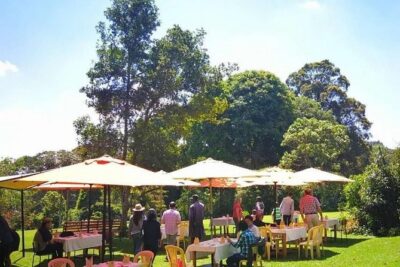
Coffee Farm Village & Factory Half Day Tour with Pick-Up
Read our review →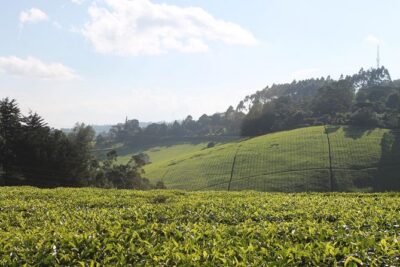
Private Day Trip to Kiambethu Tea Farm in Limuru from Nairobi
Read our review →
Nairobi: Tea Farm Day Trip with Lunch at kiambethu
Read our review →Browse the lists this tour appears in