
Reviewed · MAASAI VILLAGE VISITS
Masai village Cultural afternoon Experience
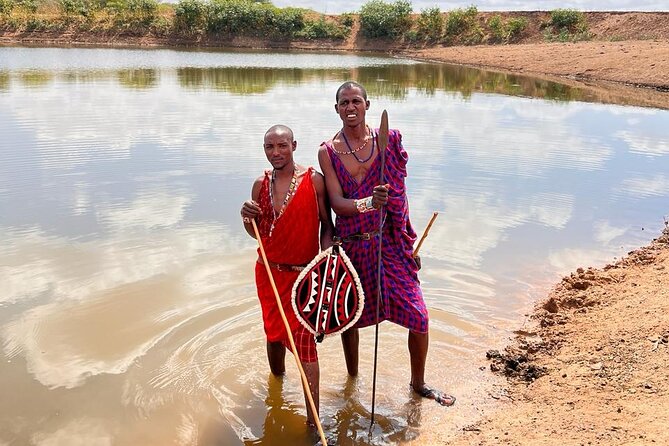
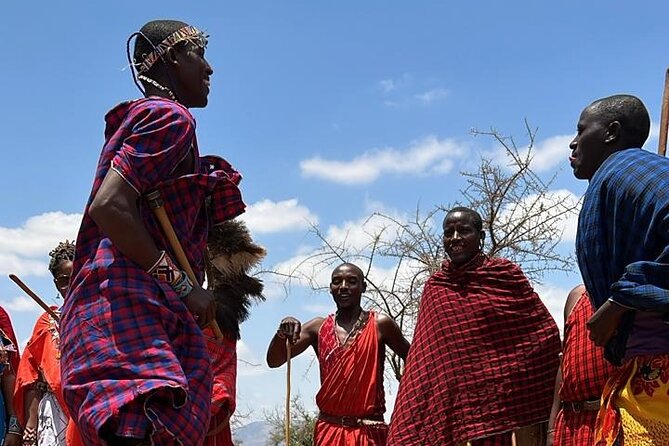
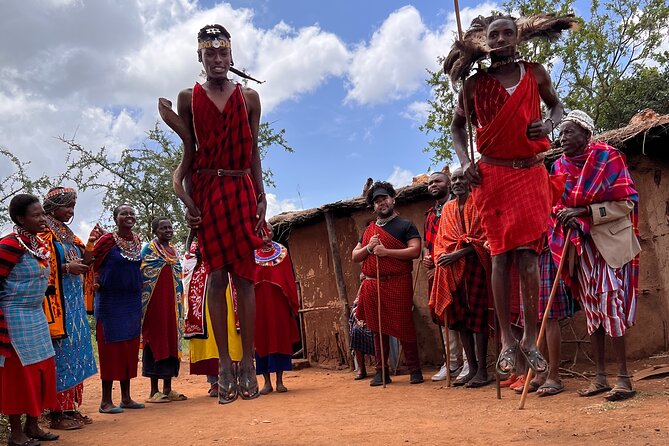
The most interesting part of this Maasai cultural afternoon is the chance to watch everyday skills rather than simply pose for a staged dance. You can see how food is prepared, how necklaces and wristbands are woven, how goats are milked, and how a small mud house is arranged inside. A welcome from Maasai warriors and a traditional war dance add ceremony to the visit.
I like two things here. First, the activities give you something to do and ask about, instead of leaving you to watch from the edge. Second, part of the tour money supports the community you visit. The main drawback is the long road time from Nairobi and the fact that lunch costs extra, so this is not a quick city outing.
Key things to know before you go
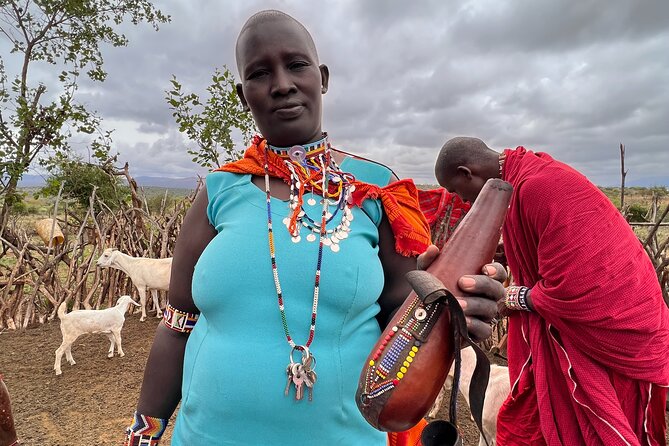
- A hands-on village visit: Watch food preparation, cooking, beadwork, and goat milking.
- A private outing: Your group travels with a driver-guide rather than joining a large shared party.
- A two-hour journey: The village is about two hours from Nairobi, making the drive a major part of the afternoon.
- Maasai hospitality and entertainment: Expect a welcome by community members, live entertainment, and a war dance.
- Friday market option: Bisil Cattle Market mainly operates on Fridays, so the market portion depends on your day.
- A $120 package: Hotel pickup, drop-off, guiding, fees, and a coffee and lunch break stop are included, but your meal and drinks are not.
Why this afternoon feels different from a standard Nairobi tour
Many cultural outings reduce a community to a quick photo stop. This one offers more useful contact. You are shown practical work: preparing food, cooking, making necklaces and wristbands, and milking goats. Those details help you see how family life, craft, food, and livestock connect.
The visit also includes a look inside a small mud house. That is one of the most telling parts of the afternoon. From outside, the structure may seem simple. Inside, you get a closer sense of how space is used in a traditional home. The experience is not about grand buildings or museum displays. It is about seeing how daily life is organized with limited materials.
The Maasai have lived for centuries across parts of Kenya and Tanzania, traditionally moving with their cattle and smaller livestock. Much of their former grazing area now forms part of Kenya’s national parks. A village visit gives you a human connection to a community often seen only from a safari vehicle.
Still, keep your expectations sensible. This is an arranged cultural meeting, not a sudden encounter in the countryside. The welcome, demonstrations, entertainment, and market visit are planned parts of the day. That does not make them worthless. It simply means you should approach the afternoon as a community-hosted cultural program, with respect for the people who are sharing their time and customs.
More Maasai Village Visits in Nairobi
- Masai village Day Tour Experience
★ 5.0 · 284 reviews - Maasai Village Experience Day Tour
★ 5.0 · 72 reviews - From Nairobi: Maasai Village Experience Day Tour
★ 4.9 · 70 reviews
The two-hour road from Nairobi to Kajiado County
Pickup is offered from your hotel, and the listed start time is 12:00 pm. The trip to the village takes about two hours, so the drive is not a minor transfer. It shapes the pace of the whole outing.
Your route takes you away from Nairobi toward Kajiado County. The meeting information also refers to the Kajiado County Press and Rift Valley Observer head office area. Since exact pickup arrangements can matter in Nairobi traffic, confirm the hotel pickup details when you book.
I like the afternoon start for one practical reason: you do not need to give up your entire morning. It also leaves room for a coffee and lunch break stop on the way. That break is included as a stop, but the actual lunch and drinks are not included in the $120 price.
The drive may feel long if you want a short activity near central Nairobi. It makes more sense if you want a private half-day outside the city and are willing to trade road time for contact with a rural community. Children can take part, but they must be accompanied by an adult.
Cooking, beadwork, and goat milking at the village
The main village visit lasts about four hours. That is enough time for the demonstrations to feel like the center of the day rather than a rushed add-on.
You can watch Maasai women prepare food and cook. The value here is in the process. Food preparation gives you a direct look at household work, tools, ingredients, and routines. Ask questions through your guide, especially if you want to understand who does which task and how these practices fit into village life.
Beadwork is another major part of the visit. You can see necklaces and wristbands being made, and the activity helps explain why these objects are more than simple souvenirs. Their colors, patterns, and use are tied to Maasai identity and craft traditions. If you buy something, treat it as a direct connection to the people hosting you, not just a cheap item to fill space in your luggage.
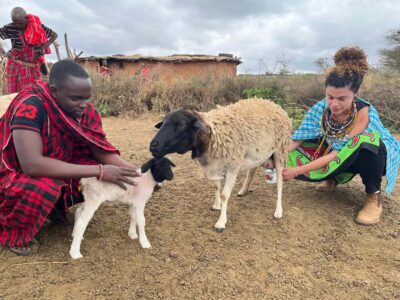
Goat milking adds another practical lesson. The Maasai are closely connected to cattle and other livestock, so seeing goats handled and milked gives the afternoon a useful link to food and animal care. You are not merely hearing that livestock matters. You are seeing one small part of the work involved.
The program also includes live entertainment. A welcome by Maasai warriors and a war dance have been especially memorable parts of the visit for many people. Enjoy the performance, but do not mistake it for the entire culture. The cooking, beadwork, house visit, and livestock lesson are just as important.
Inside the small mud house
The chance to enter a traditional mud house is one of the strongest parts of the visit. It shifts your view from an outside display to the private shape of domestic life.
The information provided for the tour describes the houses as small and mud-thatched. One detailed account points out that a house can contain several functions in a surprisingly tight space. You may find the interior more revealing than the outside, because it shows how people make a home with very little room.
This stop is also a good reminder to be a respectful observer. Do not rush in, handle objects without permission, or treat the house as a backdrop. Let your guide explain what you are seeing, and follow the community’s directions.
The visit should suit anyone who wants cultural context alongside a safari. It also works for families, provided an adult stays with each child. Children may connect especially well with the cooking, craft, animal, and performance portions because they are concrete and easy to follow.
Same corner of Kenya, a completely different kind of day:
- Nairobi National Park Half-Day Tour; Free Wi-Fi connection
★ 5.0 · 878 reviews - Nairobi: National Park & Optional Elephants & Giraffe Center
★ 4.8 · 874 reviews - NAI NAMI: Nairobi Storytelling Tour with Street Children
★ 5.0 · 792 reviews - Nairobi National Park Half-Day Game Drive
★ 4.5 · 738 reviews
Bisil Cattle Market on Friday
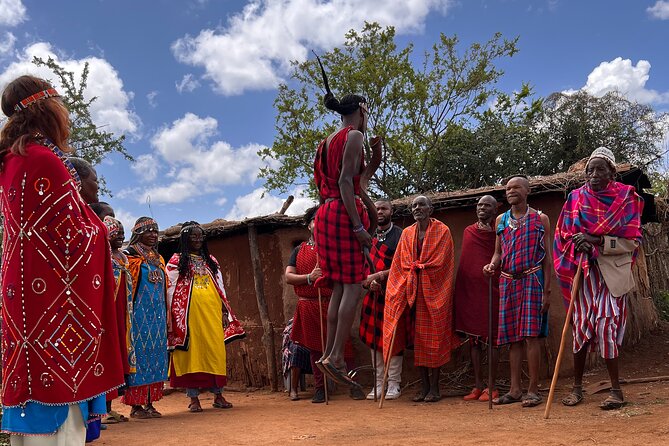
The second listed stop is Bisil Cattle Market, about 30 minutes. The market mainly operates on Fridays, so the day of your booking matters.
When open, the market adds an economic side to the cultural visit. In the village, you are seeing household skills and community life. At Bisil, you can see livestock trading and the shopping town connected with it. That combination gives you a broader picture of how cattle and goats relate not only to food and tradition, but also to commerce.
Do not assume the market will be the same every day. The schedule specifically points to Friday, so ask about the market if your visit falls on another day. The tour can still include the village program, but the cattle-market portion may not have the same activity.
Thirty minutes is a short stop. You will get a taste of the market rather than a full morning to study every part of it. That is a fair trade in a half-day program, especially since the main village visit takes about four hours.
What the $120 price covers
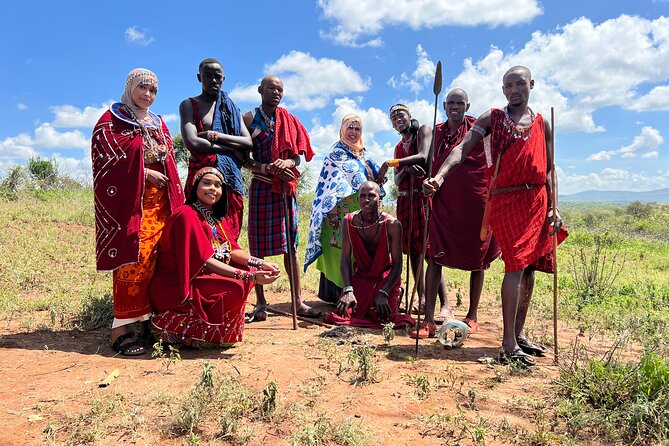
At $120 per person, this is not the cheapest way to spend an afternoon near Nairobi. The value depends on how much you use the private format and the included transport.
The package includes:
- Hotel pickup and drop-off
- A driver-guide
- A private tour for your group
- Admission fees
- A coffee and lunch break stop
- Live entertainment
- Taxes and other listed fees
Lunch and drinks are not included. That distinction matters because the tour is long, starts around midday, and includes a meal break. Budget separately for food and water.
For a solo visitor, $120 may feel steep compared with a simple city attraction. For a small private group, the price can make more sense because you are paying for transport out of Nairobi, a dedicated driver-guide, village activities, market access when available, and a private schedule. Group discounts are offered, so ask about them if several people are booking together.
Another part of the value is the stated community contribution. Part of the tour money goes toward supporting the community visited. That does not answer every question about how funds are used, but it is a worthwhile feature to consider when comparing cultural visits.
A private format with a human guide

This is a private tour, so only your group participates. That gives you more room to ask questions, set a comfortable pace, and pay attention to the parts that interest you most.
The guide is important because the afternoon includes several different elements: the road trip, the village welcome, practical demonstrations, entertainment, the house visit, and perhaps the cattle market. A good guide can help keep the program clear and help you understand what you are seeing without turning every moment into a lecture.
One guide named in the feedback is Moses, also written as Mwose. He was described as accommodating and well informed about the visit. If he is assigned to your group, you can expect a guide who has received strong personal praise. Guide assignments can change, so do not assume he will always lead every booking.
A private tour also gives you a chance to be more thoughtful. You can ask your guide how to greet people, when photographs are appropriate, and how to buy beadwork respectfully. Those small questions can make the meeting feel less like a performance arranged for outsiders.
Timing, comfort, and practical limits

The full outing lasts about five to six hours. With roughly two hours to reach the village, four hours at the main stop, and a 30-minute market visit, the schedule is full. Add pickup, the return drive, and the break, and you should keep the rest of your day open.
The 12:00 pm start means the experience takes place through the afternoon. Hotel pickup and drop-off remove some of the stress of arranging transport yourself, which is useful in a city where traffic can make timing unpredictable.
The tour is marked as suitable for most people, and children are allowed with an adult. No special accessibility details are provided, so ask the provider directly if you need specific assistance with transport, walking, or village access.
Bring a little patience for the road and a flexible attitude about timing. The market is mainly a Friday feature, and community activities may follow a natural pace rather than a strict museum timetable. That is part of the appeal, but it also means you should not expect every minute to run like a city sightseeing bus.
Free cancellation is available if you cancel at least 24 hours before the start time. Cancellations or changes made within 24 hours are not refunded or accepted, and the cut-off uses local time.
Who should book this Maasai village afternoon
I would choose this outing if you want more than wildlife viewing in Kenya. It gives you contact with a Maasai community and covers several different parts of life: food, domestic space, craft, livestock, performance, and trade.
It is a good match for:
- Families who want an activity children can see and follow
- Small groups that want a private outing
- Visitors with one free afternoon outside Nairobi
- People interested in craft and daily work, not only ceremonies
- Anyone planning a safari who wants human context around Maasai culture
I would hesitate if you dislike long drives, want a low-cost activity close to central Nairobi, or need lunch and drinks included. I would also check the date carefully if Bisil Cattle Market is a priority, since it mainly operates on Fridays.
Should you book it?
Book this Maasai village cultural afternoon if the chance to learn directly from a community matters more to you than a short transfer time. The strongest parts are the hands-on demonstrations, the interior of the mud house, the warm welcome, and the chance to combine village life with a cattle-market visit.
At $120 per person, the tour earns its price through private transport, a dedicated guide, included fees, and a long village program. It is less compelling if you only want a quick performance or a nearby Nairobi attraction. Plan for your own lunch and drinks, confirm the pickup details, and choose Friday if the Bisil market is important to you.
FAQ
Where does the Maasai village experience take place?
The experience takes place in Kajiado County, Kenya, outside Nairobi. The village is about two hours from Nairobi.
What time does the tour start?
The listed start time is 12:00 pm.
How long does the whole experience last?
The tour lasts approximately five to six hours.
Is hotel pickup included?
Yes. Hotel pickup and drop-off are included.
Is this a private tour?
Yes. Only your group participates in the private tour or activity.
What activities take place in the village?
You can learn how women prepare food and cook, watch necklaces and wristbands being made, see how goats are milked, visit a mud house, and enjoy live entertainment.
Is the Bisil Cattle Market open every day?
The market mainly operates on Fridays. The listed market visit lasts about 30 minutes.
Is lunch included in the price?
No. A coffee and lunch break stop is included, but lunch, food, and drinks are not included.
Can children join the tour?
Yes. Children can participate, but they must be accompanied by an adult.
Can I cancel for a full refund?
Yes, if you cancel at least 24 hours before the experience start time. Cancellations made less than 24 hours before the start time are not refunded.
Just added around Nairobi
- Visit kibera Slum the chocolate city★ 4.8 · 3 reviews
- Day Tour to Nairobi national park, Elephants, and Giraffe Center★ 3.5 · 8 reviews
- Explore local Market matatu ride & Make Kenyan Cuisines with a home cook★ 5.0 · 8 reviews
- Kibera Slum Tour with a Local★ 5.0 · 15 reviews
- Urban Forest Tour in Nairobi★ 5.0 · 7 reviews
- Vegans special safari★ 4.5 · 4 reviews
- Private Mini Safari Tour in Nairobi★ 5.0 · 6 reviews
- Private Kenyan Cooking Class in Nairobi with a Local★ 5.0 · 3 reviews
Maasai Village Visits, compared.

Nairobi: Day Tour to Amboseli National Park & Maasai Village
Read our review →

From Nairobi: Maasai Village Experience Day Tour
Read our review →
Day Trip: Amboseli National Park & Maasai Village – Nairobi
Read our review →
Nairobi: Day Trip to Maasai Mara Reserve & Maasai village
Read our review →
3days/2nights group joining Masai Mara with Masai Village Visit
Read our review →
Maasai Village Visit with Traditional Dance Show
Read our review →Browse the lists this tour appears in