
Reviewed · MAASAI VILLAGE VISITS
Masai village day tour.
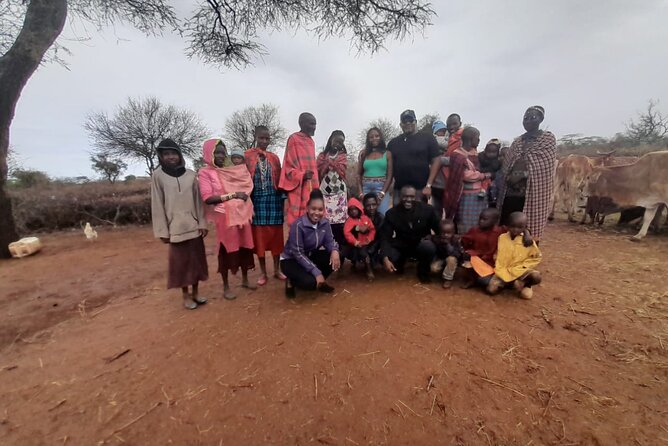
A visit to a Maasai village gives you a close look at daily life beyond Nairobi’s parks and museums. You may be welcomed with singing and dancing, step inside traditional homes, see how fire is made, and learn where village children go to school. On a Monday or Friday, the trip can also include the lively livestock market at Bisil.
I like the direct contact with local families, especially the chance to ask questions rather than simply watch a staged performance. I also like the practical setup: hotel pickup, a 6:00 am start, bottled water, and a six-hour schedule. Guide Alex is praised for his humor, patience, and careful timing.
The main catch is cost clarity. The advertised price is $60 per person, but the Maasai village entry fee of $30 per person is extra. Lunch, drinks, and a Bisil entrance fee are also not included, so your final cost will be higher than the headline price.
Key points to know before booking
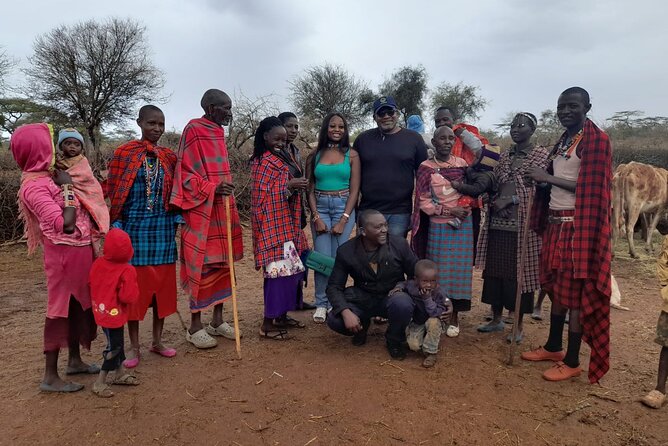
- Bisil market days: Visit on Monday or Friday to see livestock trading, Maasai beadwork, herbs, and clothing.
- Traditional home visit: The village portion can include homes, fire-making, local dress, and lessons about community life.
- Guide Alex: Several descriptions single out Alex for his energy, kindness, humor, and organized service.
- Early pickup: The tour begins at 6:00 am and includes hotel or port pickup and return.
- Extra entrance fee: Budget another $30 per person for village entry, plus any Bisil charge.
- Group size: The vehicle or activity may include up to 30 people, so the experience may not feel private.
Meeting Maasai families outside Nairobi
The appeal here is simple: you are not only looking at Maasai dress in a gift shop or hearing a short cultural talk. You are taken to a village setting where the visit can cover ordinary parts of life, including homes, fire-making, beadwork, clothing, and schooling.
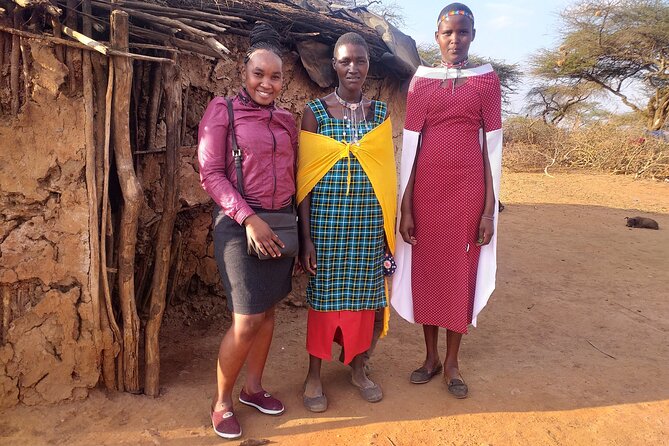
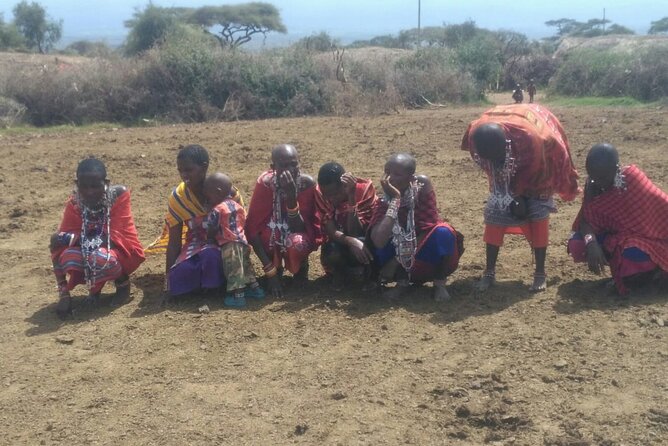
The welcome may include traditional singing and dancing. You may also be invited to wear Maasai clothing for part of the visit. That can be fun, but it is worth keeping the right attitude. You are joining a carefully arranged cultural encounter, not dropping into an unplanned family gathering. Listen, ask polite questions, and buy crafts only if you truly want them.
The strongest part of the visit is the chance to see how several pieces fit together. A home visit means more when your guide explains how it is built. Fire-making becomes more useful when connected to cooking and daily work. Beadwork and clothing mean more when you understand that they are traded and worn, not made only for tourists.
You should also expect children to be present. The visit may include a look at where children go to school, and families may gather to welcome you. Be warm and respectful, but ask before taking close-up photographs. The supplied information does not set out a formal photography policy, so it is best to seek permission rather than assume.
More Maasai Village Visits in Nairobi
- Masai village Day Tour Experience
★ 5.0 · 284 reviews - Maasai Village Experience Day Tour
★ 5.0 · 72 reviews - From Nairobi: Maasai Village Experience Day Tour
★ 4.9 · 70 reviews
What happens during the six-hour outing

The day begins at 6:00 am, with pickup from your hotel or port. That early departure matters because the village visit is outside Nairobi and the experience is designed as a half-day outing rather than a short city stop.
Transport is included in the price, as is return service. The exact driving time is not provided, so I would not plan another tightly timed activity immediately afterward. A six-hour estimate can also shift with road conditions, market traffic, or the pace of your group.
At the village, your guide helps explain what you are seeing. The available details point to a visit that may include:
- A welcome with song and dance
- Traditional homes
- Fire-making
- Local clothing and dressing
- Maasai beadwork
- Herbs and other goods
- Information about schooling and family life
The order may vary. This is not a museum with fixed displays and printed signs, so your guide matters greatly. Alex is repeatedly named as a friendly and energetic guide who made groups feel comfortable, stayed patient, and kept the day organized. If he is leading your departure, you can expect a lively presentation rather than a silent transfer from Nairobi.
One small warning: bottled water is included in the tour details, but one person reported not receiving it. I would still bring your own water, especially because it takes little room and removes any doubt.
Bisil market on Monday or Friday
The best way to make this trip more varied is to schedule it for Monday or Friday. Those are the stated market days at Bisil, when the area becomes a trading point for livestock and Maasai goods.
The livestock market is likely to be the most memorable part for anyone interested in local commerce. Instead of seeing Maasai culture only through a village welcome, you get a view of buying and selling in progress. Animals are brought for sale, and beadwork, herbs, and traditional attire are traded alongside them.
This is also where you may find souvenirs. Beadwork is the obvious choice, but you might also see clothing or other small items. Take time to look before buying. A calm conversation with the seller is more rewarding than treating the market as a quick shopping stop.
There is an important practical detail here: the activity information refers to an entrance fee for Bisil but does not state the amount. Ask for the current fee before departure. Since the village entry fee is already separate, this is one more charge to include in your budget.
If your dates are flexible, I would choose Monday or Friday. If they are not, the village visit still provides the central cultural experience, but you will miss the added market activity.
Is $60 a fair price?
At $60 per person, the tour is reasonably priced for a six-hour outing with pickup and return, but the headline figure does not cover everything. Add the $30 Maasai village entry fee, and you are at $90 before lunch, drinks, or any Bisil entrance charge.
That total can still make sense if you value convenience. You do not have to arrange transport from Nairobi, find the village yourself, or work out how to combine the village with Bisil. Bottled water is included, and the group format can keep the base price lower than a private day.
The value depends on what you want. If you are looking for a polished luxury excursion, this is not described that way. If you want a straightforward cultural visit with transport and a guide, the package is more appealing.
Group size is capped at 30 people. That is a useful limit, but it is not a small private group. With a full departure, some parts of the welcome or market visit may feel less personal. Ask about the expected group size if having plenty of time for questions is important to you.
Lunch is not included. Bring money for food and drinks, but do not assume a particular restaurant or meal stop because none is specified. Alcoholic drinks can be purchased, but they are also excluded from the price.
Same corner of Kenya, a completely different kind of day:
- Nairobi National Park Half-Day Tour; Free Wi-Fi connection
★ 5.0 · 878 reviews - Nairobi: National Park & Optional Elephants & Giraffe Center
★ 4.8 · 874 reviews - NAI NAMI: Nairobi Storytelling Tour with Street Children
★ 5.0 · 792 reviews - Nairobi National Park Half-Day Game Drive
★ 4.5 · 738 reviews
Why the guide can shape the whole day
Cultural visits rely heavily on explanation. Without a good guide, you may see a house, a fire, or a piece of beadwork without understanding its place in local life.
Alex receives the most consistent praise in the supplied material. He is described as energetic, humorous, patient, kind, and professional. Those qualities matter here because the day includes questions, group movement, and unfamiliar customs. A guide who makes people feel welcome can prevent the visit from becoming stiff or awkward.
The guide also handles the practical side. Pickup was described as punctual, and the return trip was organized. That is especially useful when you are leaving Nairobi early and spending several hours outside the city.
Still, guide availability can change, so do not assume Alex will lead every departure. The provider is Camping tours and safaris, and the tour allows up to 30 people. If you specifically want Alex, ask when booking rather than treating his name as a guarantee.
Respectful ways to approach the visit
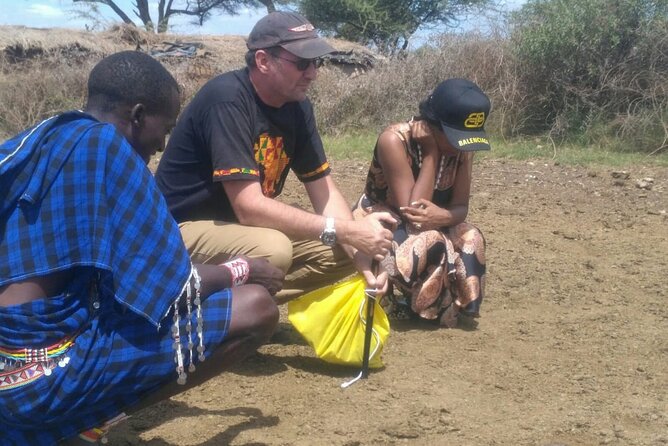
A village tour works best when you treat it as an exchange, not a photo stop. Ask questions about the parts of life being shown. Pay attention when someone explains a home, a school, a craft, or a custom.
The Maasai are a Nilotic people living across parts of Kenya and northern Tanzania. Their clothing, beadwork, and customs are widely recognized, partly because many Maasai communities live near major game parks. That visibility can make the culture seem familiar before you have learned anything about the people themselves.
Try not to reduce the visit to red clothing, dancing, and souvenirs. Those may be important parts of the welcome, but the more useful questions concern work, family, schooling, trade, and daily routines. The village visit is at its best when you look beyond the most photographed details.
Buying beadwork or another craft can support local sellers, but there is no need to purchase something simply because you were welcomed warmly. If you do buy, ask what the item is made for and who made it. That turns a souvenir into a small connection with the place.
Who should book this Maasai experience?
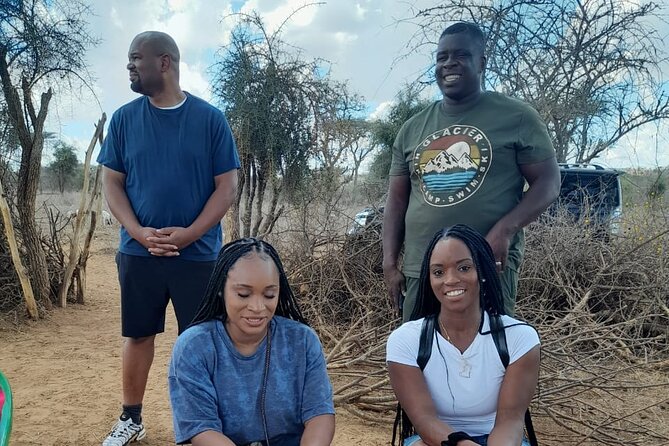
I would recommend this tour to anyone staying in Nairobi who wants a cultural outing rather than another wildlife drive. It suits first-time visitors who want an introduction to Maasai customs, families with children who can manage an early start, and curious people who enjoy asking questions.
It is also a good fit if you like a planned day. Pickup, return transport, a guide, and a defined six-hour schedule remove much of the guesswork.
You may want another option if you dislike group activities, need a late start, or want a detailed meal plan included. The 6:00 am departure is firm, lunch is extra, and a group can include as many as 30 people.
For the fullest version of the outing, choose Monday or Friday. The Bisil market adds trade, livestock, herbs, clothing, and shopping to the village visit. On other days, the village itself remains the main reason to go.
Booking details and cancellation
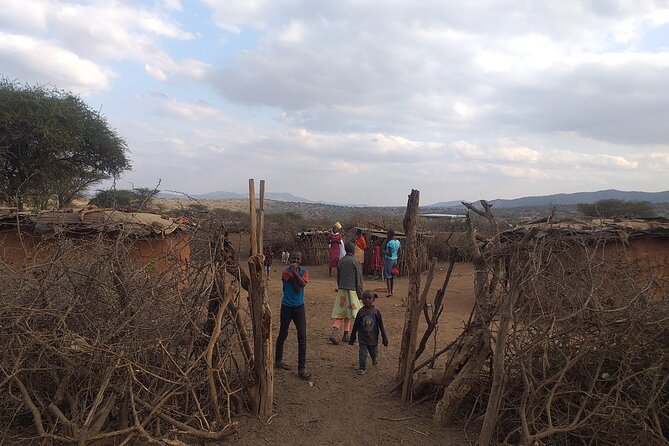
Confirmation is provided when you book. Hotel and port pickup are offered, and the tour is near public transportation. Most people can participate, but children must be accompanied by an adult.
Free cancellation is available up to 24 hours before the start time for a full refund. Changes or cancellations made within 24 hours are not accepted for a refund, and the cut-off follows local time.
Should you book it?
Book this tour if you want a convenient introduction to Maasai life, appreciate a friendly guide, and can handle the extra entrance fee. The strongest combination is a Monday or Friday departure, when the village visit can be paired with Bisil market.
Before paying, confirm the total cost, ask about the guide, and check whether the day includes the market. Bring water in case the supplied bottle is missed, carry money for lunch, and leave room in your schedule after the six-hour estimate.
I would skip it if you want a private, highly customized cultural visit or a fully inclusive price. For a practical half-day from Nairobi, though, the chance to see homes, fire-making, clothing, crafts, and local trade makes this a worthwhile choice.
FAQ
Where does the Maasai village day tour start?
The tour starts with pickup in Nairobi at 6:00 am. Hotel and port pickup and drop-off are included.
How long does the tour last?
The experience lasts approximately six hours.
What is included in the price?
Hotel or port pickup and drop-off and a bottle of mineral water are included.
How much does the tour cost?
The listed price is $60 per person.
Is the Maasai village entry fee included?
No. The Maasai village entry fee is listed separately at $30 per person.
Is lunch included?
No. Lunch is not included.
Can I visit Bisil market during the tour?
You can see the Bisil market if the tour takes place on a Monday or Friday, which are the stated market days.
What can I see at Bisil market?
The market may include livestock for sale, Maasai beadwork, herbs, traditional attire, and souvenirs.
Are alcoholic drinks included?
No. Alcoholic drinks are available to purchase but are not included.
How many people can join the tour?
The activity has a maximum of 30 participants.
Can children take the tour?
Yes, but children must be accompanied by an adult.
Can I cancel for a full refund?
Yes. You can cancel at least 24 hours before the local start time for a full refund. Cancellations or changes made less than 24 hours before the tour are not accepted for a refund.
Just added around Nairobi
- Visit kibera Slum the chocolate city★ 4.8 · 3 reviews
- Day Tour to Nairobi national park, Elephants, and Giraffe Center★ 3.5 · 8 reviews
- Kibera Slum Tour with a Local★ 5.0 · 15 reviews
- Explore local Market matatu ride & Make Kenyan Cuisines with a home cook★ 5.0 · 8 reviews
- Urban Forest Tour in Nairobi★ 5.0 · 7 reviews
- Vegans special safari★ 4.5 · 4 reviews
- Private Mini Safari Tour in Nairobi★ 5.0 · 6 reviews
- Private Kenyan Cooking Class in Nairobi with a Local★ 5.0 · 3 reviews
Maasai Village Visits, compared.

Nairobi: Day Tour to Amboseli National Park & Maasai Village
Read our review →

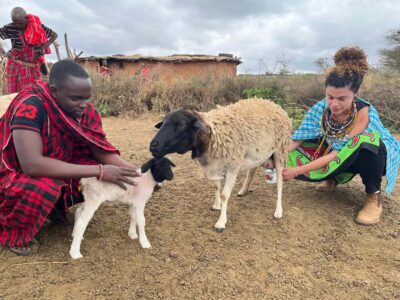
From Nairobi: Maasai Village Experience Day Tour
Read our review →
Day Trip: Amboseli National Park & Maasai Village – Nairobi
Read our review →
Nairobi: Day Trip to Maasai Mara Reserve & Maasai village
Read our review →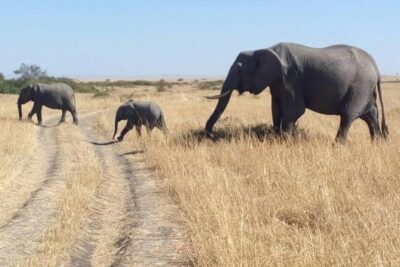
3days/2nights group joining Masai Mara with Masai Village Visit
Read our review →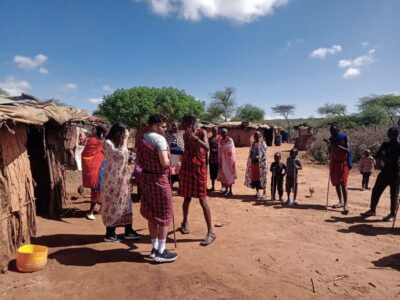
Maasai Village Visit with Traditional Dance Show
Read our review →Browse the lists this tour appears in