
Reviewed · ELEPHANT ORPHANAGE VISITS
From Nairobi: David Sheldrick Elephant Orphanage Tour
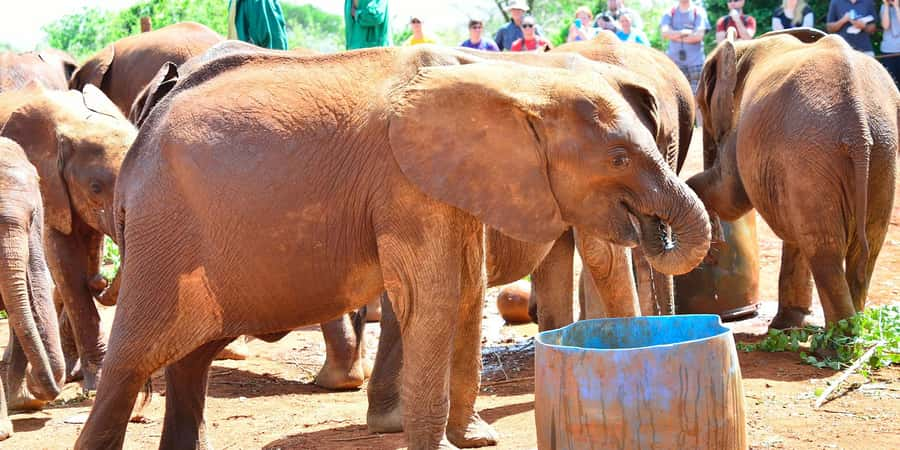
The most touching part comes fast: baby elephants trot from the bush, grab giant milk bottles with their trunks, and finish by splashing in water and leaning into their keepers. I like the close view of the feeding and the clear stories about wells, poaching, and human conflict that orphaned each animal.
I also like the simple hotel pickup and small group, which can make Nairobi’s traffic less tiring. The main caution is cost: the $69 tour price does not cover the required Nairobi National Park access charge, and shopping stops have annoyed some people. Confirm the current extra fee before you book.
Key points at a glance
- 11 AM is the crucial time: The orphanage presentation runs for one hour, with younger elephants fed first and older calves afterward.
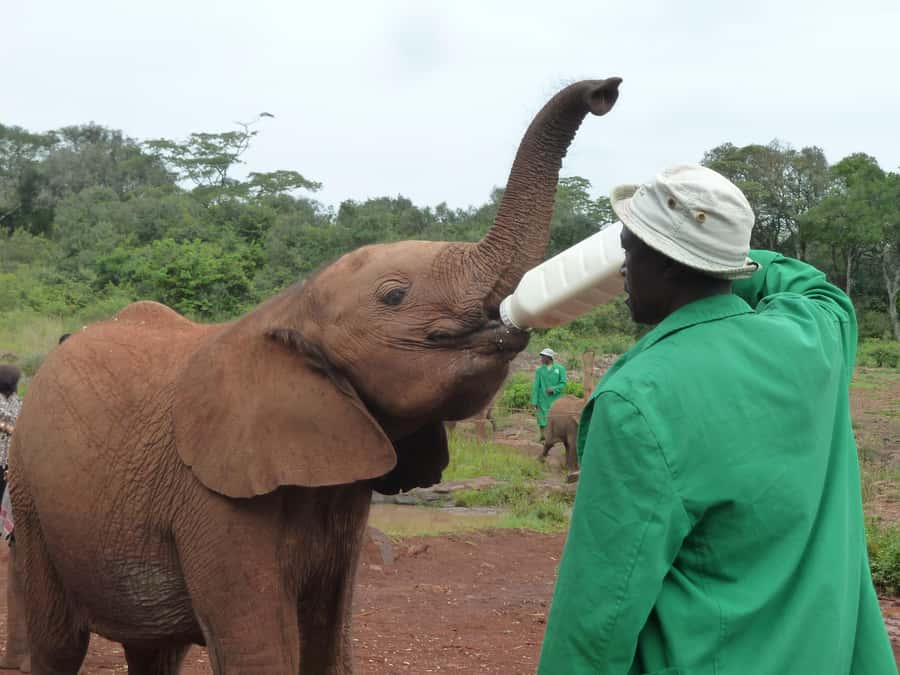
- Milk bottles are the star of the show: Some two- and three-year-olds hold their own bottles in their trunks while drinking.
- You learn each elephant’s story: Keepers explain when the animals arrived, how they were rescued, and how they are progressing.
- Hotel pickup keeps the morning simple: Pickup is scheduled for 9:30 AM from homes or hotels within Nairobi.
- Budget beyond the advertised price: A mandatory Nairobi National Park charge is extra, with conflicting amounts reported, so ask for the current total.
- Small groups help: The van is limited to eight participants, and English guiding is provided.
Why the 11 AM feeding matters
This is not an all-day safari. The main event is a focused one-hour visit to the David Sheldrick Wildlife Trust, timed around the daily elephant feeding.
That timing matters. The orphanage opens its viewing area for a set presentation, and arriving late means losing part of the only scheduled session. The tour leaves Nairobi at about 9:30 AM, allowing for the drive and Nairobi traffic before the 11 AM start.
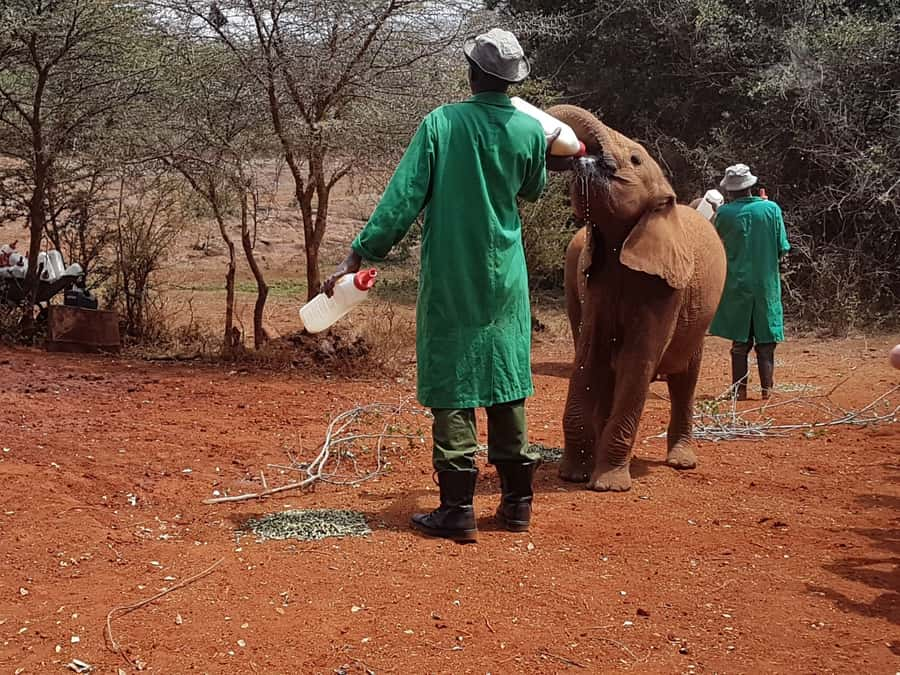
You enter an open viewing area surrounded by a rope fence. The youngest elephants come out from the bush with their keepers waiting beside large milk bottles. For the first 10 to 15 minutes, the action is simple and absorbing: bottles disappear into trunks, milk gets slurped and gargled, and the calves finish by playing with water or nudging their keepers.
This is a close encounter, but it is still controlled. The keepers guide the animals, and the rope keeps the viewing area clear. You may get a chance to gently pet an elephant when one comes near, though the main point is to watch and listen rather than treat the orphanage like a petting zoo.
The youngest group then heads back into the bush. Next come the two- and three-year-olds. Some can manage their own bottles, while others still need help from the keepers. Watching a calf grip a huge bottle with its trunk, close its eyes, and drink several gallons is the kind of small detail that makes this short visit memorable.
More elephant orphanage visits in Nairobi:
- Elephant Orphanage and Giraffe Center Tour with Options
★ 4.5 · 457 reviews - Nairobi National Park, Elephant Orphanage and Giraffe Centre
★ 4.6 · 365 reviews - From Nairobi: Elephant Orphanage and Giraffe Center Day Trip
★ 4.5 · 235 reviews
The rescue stories behind the bottles
The feeding is cute, but the short talk gives it weight. You hear how old each elephant was when it arrived, where it was found, and what caused its orphaning when that information is known.
The main causes described here are elephant poaching, calves falling into wells, and conflict between people and wildlife. That context helps you see why the animals need more than food. They arrive young, vulnerable, and unable to survive alone.
The care program is built around rehabilitation. The goal is not simply to keep orphaned elephants comfortable in a permanent enclosure. The trust works toward preparing them for a return to the wild, making the keepers’ role more meaningful than basic feeding.
The program also includes an orphaned baby rhino before the elephant groups. That adds another reminder that wildlife rescue is not limited to one species. The presentation is short, so you will not receive a long lecture, but the information is enough to connect each animal in front of you with a wider conservation problem.
I like this balance. You get the emotional appeal of seeing a baby elephant, but you also hear why the animal is there and what the caretakers hope will happen next.
What the viewing area is really like
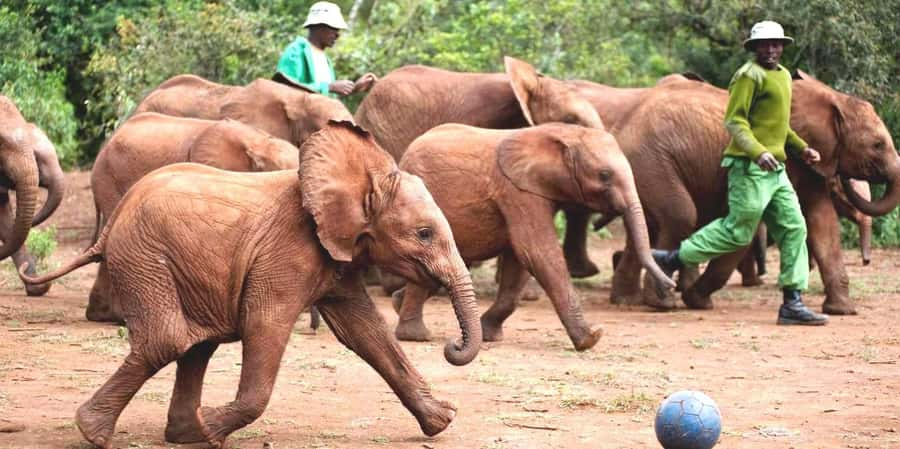
The setting is an open space with a rope fence around it, not a glass viewing room or a large zoo enclosure. The elephants come out from the bush, feed near the keepers, play for a while, and then return.
That arrangement gives you a better sense of the animals as young creatures in care rather than performers on a stage. The keepers introduce the elephants and share their background while the animals move around them.
Your position matters. A guide who gets you into a good viewing spot can make a difference, especially when the calves cluster near the milk bottles. Stephen, one guide named in visitor feedback, was praised for getting his group there on time and leading them to a strong place to watch.
You should bring patience as well as a camera. The feeding itself is the highlight, but the best moments may last only a few seconds: a trunk curled around a bottle, a calf splashing in water, or an elephant leaning toward a familiar keeper.
Photography is allowed during the viewing, but you should keep your attention on the presentation too. The keeper’s explanation is what turns a pleasant animal encounter into a useful conservation visit.
Getting there from Nairobi
Pickup is scheduled for 9:30 AM from your Nairobi hotel or home. The drive is listed as about two hours, though the exact journey depends on traffic. Nairobi can slow down sharply, so leaving on time is important.
The stated itinerary includes a van ride to the David Sheldrick Wildlife Trust, the guided visit, and return transport to Nairobi. The small group size, limited to eight people, is a practical advantage. You are not dealing with a large coach or a crowd of dozens.
The downside is that the drive can take up much of the outing. The orphanage presentation lasts one hour, but the full morning is longer once pickup, entry procedures, traffic, and the return trip are included. Treat this as a half-day commitment rather than a one-hour activity.
There is another point worth watching. Some drivers have included stops at arts and crafts centers or shops on the way to and from the orphanage. These stops are not part of the stated visit, and some people found them time-consuming or unwanted.
If you have no interest in shopping, say so clearly at pickup. One guide, Martin, was asked to skip extra stops and eventually did so, though the request reportedly met some resistance. A polite but direct explanation can protect your limited morning, especially if you have other Nairobi plans.
A few more Nairobi trips worth comparing
- Nairobi National Park Half-Day Tour; Free Wi-Fi connection
★ 5.0 · 878 reviews - Nairobi: National Park & Optional Elephants & Giraffe Center
★ 4.8 · 874 reviews - NAI NAMI: Nairobi Storytelling Tour with Street Children
★ 5.0 · 792 reviews - Nairobi National Park Half-Day Game Drive
★ 4.5 · 738 reviews
The extra Nairobi National Park charge
The advertised tour price is $69 per person. That covers hotel pickup and drop-off, the orphanage entry ticket, and the entry fees listed for the elephant visit.
The important catch is the separate Nairobi National Park access charge. The supplied tour details say you must pay an additional $85 per person to reach the orphanage through the park. One recent account instead described a required $45 conservation donation paid in cash.
Because those figures do not match, you should not assume the $69 is the final cost. Ask the operator for the current mandatory charge, the payment method, and whether it is included in your booking before you commit.
At $69 plus the higher quoted access fee, the total becomes a significant outlay for a one-hour presentation. At the lower figure, it is still not a cheap quick stop. But the price supports a specialized conservation program, and the hotel transport can be worthwhile if you do not want to arrange Nairobi transport and park entry yourself.
You may be able to reserve directly with the wildlife trust for less, according to one account that cited a $43 entry price. That option requires you to handle your own transport, timing, and any park access requirements. The tour is mainly selling convenience and coordination, not a bargain ticket.
For a first visit to Nairobi, that convenience has real value. You do not need to negotiate a taxi, find the entrance, or work out how to reach the 11 AM presentation. For a cost-conscious independent visitor who already has transport, booking directly may make more sense.
Is the optional Giraffe Centre worthwhile?
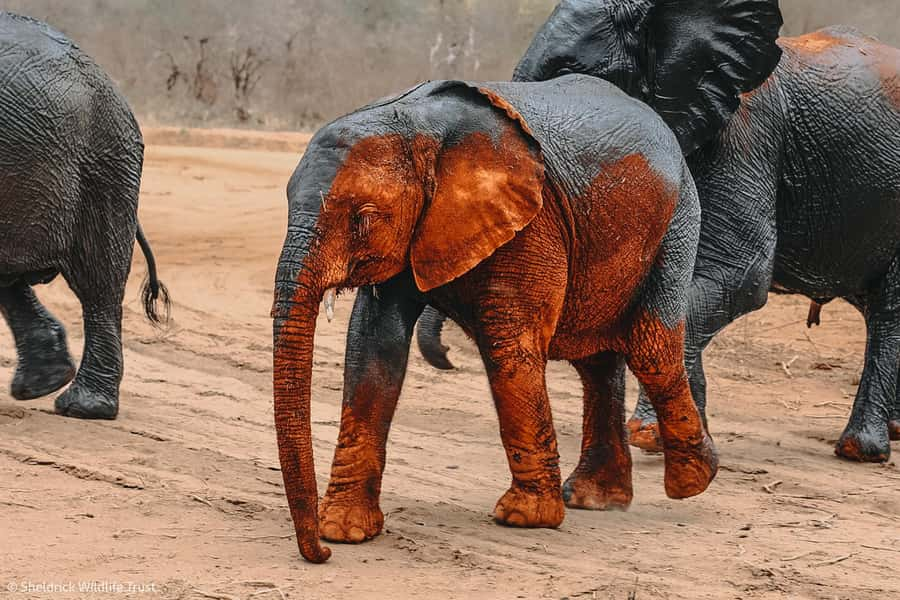
The tour offers an optional visit to the Giraffe Centre for an additional $25 per person. This is not part of the core elephant visit.
Adding it can turn the outing into a fuller wildlife morning, but it also makes the schedule longer and raises the total cost. If your priority is specifically the 11 AM elephant feeding, keep the plan focused and confirm how the extra stop affects timing.
The giraffe visit may suit you if you want to combine two well-known Nairobi wildlife attractions in one outing. It is less suitable if you have limited time or prefer not to add another stop after the elephant presentation.
Who will enjoy this tour most?
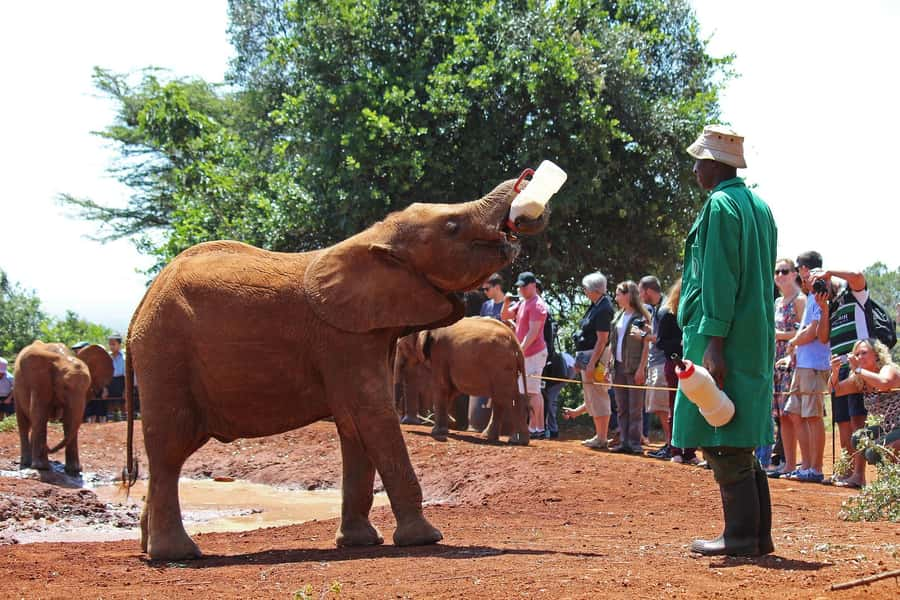
Families often find the bottle feeding easy to understand and memorable. Children can see the elephants close up while also learning why the calves need care. The setting is more focused than a full safari, which can be helpful for younger visitors with limited patience.
It also suits anyone with only a short stay in Nairobi who wants one clear wildlife activity without planning every transfer. Hotel pickup, a live English-speaking guide, and a group capped at eight simplify the morning.
You may especially appreciate it if you want conservation context rather than only animal photographs. The stories of wells, poaching, and human-wildlife conflict give the visit substance.
I would be more cautious if you dislike fixed schedules, long drives, or possible shopping stops. You also need to be comfortable with the total price after the separate park charge is added. The advertised one-hour duration describes the presentation, not the full transport time.
The activity is wheelchair accessible, and guiding is provided in English. Free cancellation is available up to 24 hours before departure, and you can reserve now and pay later, which helps if your Nairobi schedule is still changing.
How the guiding affects the day
A good driver-guide can make this outing far easier. Nairobi traffic, park access, and the strict 11 AM presentation leave little room for a missed turn or a late departure.
Stephen received particularly strong praise for being prompt, polite, patient, informative, and a careful driver. He also handled park entry and payment procedures professionally. That kind of practical help matters more here than a long stream of commentary.
The guide is also your best contact for managing the day’s pace. If you want only the orphanage and no shopping stops, say that at the start. If you need a quick coffee or souvenir stop, mention it early rather than hoping the schedule will create an opening.
The tour is advertised as a small group, with no more than eight people. That does not guarantee a private visit, but it should make hotel pickup, questions, and communication easier than on a large bus.
My take on the $69 value
The emotional high point is strong, but you should price the complete outing, not just the headline rate.
You are paying for transport from your Nairobi hotel, a guide, coordination with the orphanage, and entry handling. That is useful if you are new to the city or want someone else to manage the details. The small group is another plus.
The price becomes harder to justify if you already have a reliable driver and can arrange direct admission. In that case, the operator’s convenience fee may feel large, particularly once the mandatory park or conservation charge is added.
There is no need to pretend the visit is cheap. It is a special and carefully timed conservation encounter, not a casual stop. I would pay the premium when dependable pickup and a simple plan matter more than saving every dollar.
Should you book this elephant orphanage tour?
Book it if you want a short, well-organized introduction to elephant rescue, value hotel pickup, and are willing to confirm the extra access cost first. The feeding is genuinely engaging, and the keepers’ stories give the visit more meaning than a quick photo stop.
Skip it or arrange the visit independently if you already have Nairobi transport, want the lowest possible price, or dislike shopping detours. Either way, protect the 11 AM feeding time, ask for the complete price in writing, and make clear that you want the orphanage visit to remain the focus.
FAQ
How long does the elephant orphanage visit last?
The guided presentation at the David Sheldrick Wildlife Trust runs from about 11 AM to 12 PM. The complete outing is longer because it includes pickup, driving, park access, and the return to Nairobi.
What time is hotel pickup?
Pickup from a hotel or home within Nairobi is scheduled for 9:30 AM.
Are Nairobi National Park fees included in the $69 price?
No. The tour information says a mandatory extra charge is required to access the orphanage through Nairobi National Park. The supplied information gives conflicting amounts, $85 and $45, so confirm the current fee before booking.
Is lunch included?
No. Lunch is not included, but it is available for purchase.
Can I add the Giraffe Centre?
Yes. The Giraffe Centre is offered as an optional visit for an additional $25 per person.
Is the tour suitable for wheelchair users?
Yes. The activity is listed as wheelchair accessible. It is conducted in English, with a live guide, and the small group is limited to eight participants.
Just added around Nairobi
- Visit kibera Slum the chocolate city★ 4.8 · 3 reviews
- Day Tour to Nairobi national park, Elephants, and Giraffe Center★ 3.5 · 8 reviews
- Explore local Market matatu ride & Make Kenyan Cuisines with a home cook★ 5.0 · 8 reviews
- Kibera Slum Tour with a Local★ 5.0 · 15 reviews
- Urban Forest Tour in Nairobi★ 5.0 · 7 reviews
- Vegans special safari★ 4.5 · 4 reviews
- Private Mini Safari Tour in Nairobi★ 5.0 · 6 reviews
- Private Kenyan Cooking Class in Nairobi with a Local★ 5.0 · 3 reviews
Elephant Orphanage Visits, compared.
Elephant Orphanage and Giraffe Center Tour with Options
Read our review →
Nairobi National Park, Elephant Orphanage and Giraffe Centre
Read our review →
From Nairobi: Elephant Orphanage and Giraffe Center Day Trip
Read our review →
Nairobi: Elephant Sanctuary and Giraffe Center Day Tour
Read our review →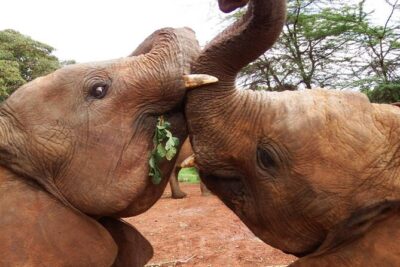
Half day tour to Elephant orphanage & Giraffe Centre Nairobi
Read our review →
Nairobi: National Park, Elephant Orphanage & Giraffe Center
Read our review →
Giraffe Centre, Elephant Orphanage, and Bomas of Kenya Day Tour from Nairobi
Read our review →Browse the lists this tour appears in