
Reviewed · WILDEBEEST MIGRATION SAFARIS
3 days Masai Mara wildebeest Migration Budget Safari
The main draw here is simple: three days in the Masai Mara gives you a real chance to see Kenya’s famous wildlife rather than rushing in for a single afternoon. You travel through the Great Rift Valley, stay two nights near the reserve, and spend a long second day looking for predators and migrating herds.
I like the full-day game drive on day two and the chance to have a guide such as James, Jose, Joe, Martin, or Onesmos behind the wheel. I also like the practical price, $297.44 per person, with meals, bottled water, transport, and airport transfers included. The catch is important: park fees are not included, and accommodation can change, so confirm the camp and total cost before paying.
Key points at a glance
- The second day gives you 11 hours in the reserve, the best part of the schedule for patient wildlife watching.
- The Great Rift Valley drive adds scenery and a sense of place before you reach the Mara plains.
- Guides are a major strength, with James, Jose, Joe, and Onesmos praised for animal spotting, driving, and good humor.
- Enkorok Tented Camp may be used, with comfortable tents, hot showers, clean rooms, good food, and helpful staff reported for this option.
- Park fees, drinks, Maasai village visits, and balloon safaris cost extra, so the headline price is not the final price.
- The group limit is listed as 100 people, though the exact vehicle size is not given. Ask before booking if a small safari vehicle matters to you.
Reaching the Mara from Nairobi through the Rift Valley
Your safari begins at 8:00 a.m. from Pioneer House on Kenyatta Avenue in Nairobi. The first road trip takes you through the Great Rift Valley toward the Masai Mara National Reserve, a long transfer that is part of the experience but also a tiring start to a short trip.
The Rift Valley route gives you a useful change of scene. Nairobi’s city streets give way to open country, then to the broad grasslands associated with the Mara and the Serengeti system. The reserve is famous for the annual wildebeest movement, but the wildlife is not limited to migration season. Resident giraffes, buffalo, eland, impala, zebra, topi, and gazelles live here year-round.
The arrival day includes lunch at the camp or lodge, time to rest, and an afternoon game drive. The schedule lists about three hours for the first stop, so you should think of day one as a travel day with a valuable first look at the reserve, not as a full safari day.
That distinction matters. If you have only three days, road time takes up a fair share of the trip. The reward is that you avoid the higher cost of a longer safari or a domestic flight, but you need to be comfortable with a substantial overland journey.
More 3-Day Safaris in Masai Mara
- 3 Days Masai Mara Group Joining
★ 5.0 · 486 reviews - From Nairobi: 3 Days, 2 Nights Maasai Mara Group Safari
★ 4.5 · 394 reviews - 3 Days Gamedrive Safari In Masai Mara From Nairobi
★ 5.0 · 207 reviews
Day one: first wildlife sightings after lunch
After arriving near the reserve, you have lunch and time to settle in before heading out for the afternoon game run. This is often when the trip begins to feel real. The open plains, acacia trees, and scattered herds are a sharp change from Nairobi.
The Masai Mara is particularly good for seeing large mammals in open country. Impala and zebra are common targets for the first drive, while giraffes and buffalo may appear farther off. Lions can sometimes be found resting after a night of hunting, and your driver’s skill in reading animal behavior can make a major difference.
The experience depends heavily on your guide. James is praised for finding animals and keeping the mood friendly. Jose is also singled out for his driving and helpful approach. These details are worth noting because a safari vehicle is not just a ride from one sight to the next. A good driver knows where to look, positions the vehicle carefully, and keeps watch while you are scanning the grass.
You return to camp for the night. The exact camp should be confirmed before booking. Enkorok Tented Camp is one accommodation option connected with this safari, and it has been described as comfortable, clean, and well run, with hot showers, good meals, and friendly staff. Still, one past booking problem involved a camp being changed without the accommodation information being updated, so get the name of your actual camp in writing.
Day two: the day that makes the safari worthwhile
Day two is the heart of the trip. After breakfast, you spend about 11 hours on extensive game drives in and around the reserve. That is a long day, but it gives you the best chance to see animals at different points in their daily routines.
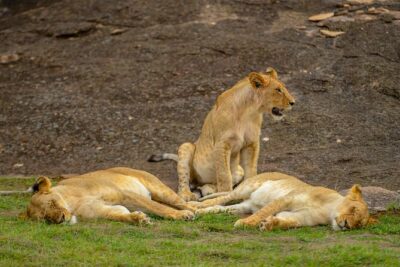
The Mara is known for its big cats. Lions may be resting in the shade or moving across the plains, while cheetahs need a sharper eye because they can blend into the grass. Leopards are harder to find, often staying near trees and thick cover. Your guide’s ability to share information by radio or by watching other vehicles is not specified, so do not assume a particular system. What is clear is that the named guides have been praised for animal spotting, patience, and driving skill.
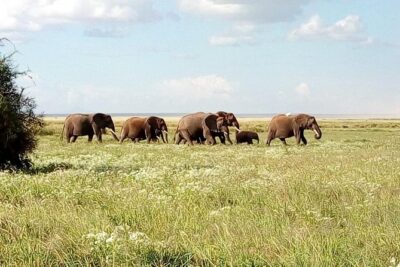
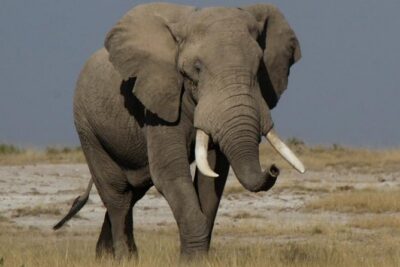
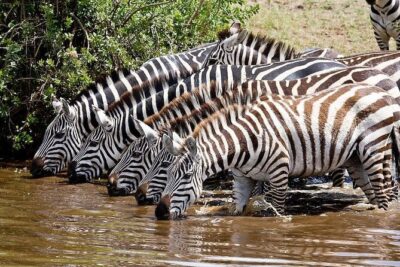
This is also the day for the Big Five: lion, elephant, leopard, buffalo, and rhino. Seeing all five is never guaranteed, and the reserve’s size means you may spend time driving between sightings. That is part of the safari. The slower stretches give you time to watch antelope, topi, zebra, wildebeest, and gazelles rather than treating each animal as a quick photo stop.
One family outing had a particularly active focus on cheetahs and rhinos, while another group saw the Big Five and much more with Onesmos as guide. Those accounts point to the main practical advantage of spending a full day in the Mara: you are not depending on one lucky sighting. You have hours to search, stop, watch, and try again.
Lunch is included, as are breakfast and dinner. The meal plan is a strong part of the value for a budget safari because food costs can quickly add up in a remote reserve area. Drinks are more limited. Soft drinks and alcohol are not included, so bring extra money if you want them.
Wildebeest migration and the limits of the promise
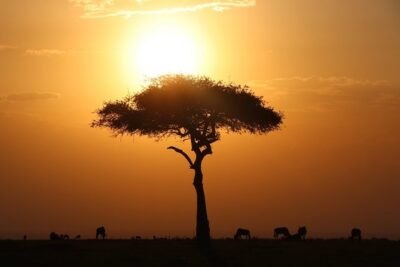
The trip is marketed around the great wildebeest migration, one of East Africa’s major wildlife spectacles. The Masai Mara is part of the wider Serengeti plains, and large herds move through this ecosystem.
Timing is crucial. The information provided does not give fixed migration dates or promise a river crossing. You should therefore treat the migration as a reason to choose the Mara, not as a guaranteed event on your exact three-day departure. Even outside the main movement, you can still see wildebeest and other grazing animals, but the huge herds may not be present.
Ask the operator which dates are considered strongest for migration sightings and what happens if park conditions or animal movements change. Wildlife follows its own schedule, not the tour calendar. A realistic attitude will help you enjoy the smaller moments too, such as a lone giraffe, a group of gazelles, or a predator resting under an acacia tree.
More migration safaris in the Mara:
- 3 Day Maasai Mara & Migration safari
★ 4.5 · 28 reviews - 3-day Masai Mara Safari Tour to see the big five and wildebeest migration
★ 5.0 · 11 reviews - 3 days maasai mara migration safari
★ 4.5 · 7 reviews - 8 Days / 7 Nights 2021 / 2022 Wildebeest Migration Safari – Maasai Mara Reserve
★ 5.0 · 7 reviews
Day three: Maasai culture and the road back
After breakfast on day three, you may have the option to visit a Maasai village. The visit includes singing and dancing and offers a look at homes, social structure, and daily life. It is not included in the tour price, so you need to budget separately if you choose it.
This can add a useful cultural element to a wildlife-focused trip, but it is optional and should be treated as a separate paid activity. Ask for the price and exact details before agreeing. If you prefer more time in the reserve, confirm whether the village visit replaces game-drive time.
The final drive back to Nairobi takes up the rest of the day, with the itinerary allowing about two hours for the reserve stop before departure. Lunch is included, and the activity ends back at the Pioneer House meeting point. Airport transfers are also included, which may help if your Nairobi arrival or departure fits the schedule, but confirm the pickup arrangement because the published starting point is a city meeting location.
What the guides add to the experience
The most consistently praised part of this safari is the guiding. James is described as friendly, patient, respectful, and good at finding animals. Joe is praised for handling the Mara roads and positioning the vehicle for strong views. Onesmos is noted for his information, humor, and success finding the Big Five. Jose is also described as helpful and cheerful.
That is useful information when comparing budget safaris. A low price is less attractive if the driver rushes sightings or cannot answer basic questions about the animals. Here, the named guides appear to be a major reason the safari works well.
The operator’s coordinator, Martin, is also described as responsive during trip planning and helpful with logistics. That matters because accommodation options and pickup arrangements can affect the whole experience.
Still, guide assignments are not guaranteed in the supplied details. Ask who is scheduled for your departure, whether the guide is also the driver, and how many people will share the vehicle. The maximum group size is listed as 100, but that does not tell you the number of people in one safari vehicle.
Camp comfort and the accommodation question
This is a budget safari, but budget does not always mean rough. Enkorok Tented Camp has been described as comfortable, clean, and surprisingly well equipped, with hot showers, good food, and capable staff. For two nights near the Mara, that can be more than enough.
The key issue is confirmation. Accommodation has apparently changed in at least one case, and an outdated camp photo caused confusion. Before booking, ask for:
- The exact camp name
- Whether the room is a private tent or shared accommodation
- The number of nights included
- The meal plan
- Whether hot showers and other listed facilities are available at your camp
Do not assume that every departure uses Enkorok. The details mention different accommodation options, and the final camp may depend on availability.
Is $297.44 a good value?
At $297.44 per person, this is an attractive starting price for three days in one of Kenya’s best-known reserves. You receive ground transport in a safari vehicle, game drives, bottled water, government taxes, airport transfers, two breakfasts, three lunches, two dinners, and two nights of camp accommodation according to the supplied inclusions.
The main cost to add is the park fee. Since park fees are specifically excluded, ask for the current amount before you book. That charge can make a large difference to the final total. You should also set aside money for tips, drinks, a Maasai village visit, and any optional balloon safari.
The price makes the most sense for you if you want a short, road-based safari and do not need luxury lodging. It is less suitable if you want a private vehicle, a guaranteed small group, premium accommodation, or a flight from Nairobi to save road time. None of those upgrades is included.
Free cancellation is available if you cancel at least 24 hours before the start time. Cancellations or changes inside that window are not accepted for a refund.
Who should choose this safari?
I would consider this trip a good fit for first-time safari visitors, families who want a short introduction to Kenya, and budget-minded people who care more about time in the reserve than polished accommodation.
It also suits anyone who enjoys long road journeys and wants the Rift Valley included in the experience. The full day on day two is a real plus for wildlife watching.
I would hesitate if you dislike early starts, long drives, uncertain wildlife sightings, or changing camp arrangements. You should also think twice if a small group is essential, since the stated maximum of 100 people does not reveal the size of your vehicle.
Should you book the Masai Mara safari?
Book it if you want a reasonably priced three-day introduction to the Mara, especially if you can confirm the park fee, camp, vehicle size, and guide before departure. The long second day, included meals, and strong guide record give it real value.
I would not book without clarifying the final price and accommodation. The migration is not guaranteed on every date, and the village visit and drinks cost extra. If those points are clear, this safari offers a practical way to reach the Masai Mara, spend meaningful time looking for the Big Five, and return to Nairobi without paying for a longer luxury program.
FAQ
Where does the safari start?
It starts at 8:00 a.m. from Pioneer House on Kenyatta Avenue in Nairobi, Kenya.
Where does the safari end?
The activity ends back at the starting meeting point at Pioneer House.
How long is the safari?
The safari lasts approximately three days and includes two nights at camp.
Are park fees included?
No. Park fees are not included in the advertised price.
Are meals included?
Yes. The package includes two breakfasts, three lunches, and two dinners.
Is bottled water included?
Yes. Bottled water is provided during the safari.
Is the Maasai village visit included?
No. The village visit is optional and is not included in the tour price.
Can I cancel for a full refund?
Yes, if you cancel at least 24 hours before the experience start time. Cancellations or changes made less than 24 hours before the start time are not refunded or accepted.
More Budget Safaris in Masai Mara
- 5 Days Masai Mara, Lake Nakuru & Naivasha Budget Joining Safari
★ 5.0 · 229 reviews - 3 Day Masai Mara Budget Joining Safari on 4×4 – Daily Departures
★ 5.0 · 105 reviews - 3 days 2 nights budget group safari to Maasai Mara National Reserve
★ 4.5 · 58 reviews - 3 Days Masai Mara Budget Safari
★ 5.0 · 48 reviews
Just added around Masai Mara
- 3 days Maasai Mara safari from Nairobi★ 5.0 · 3 reviews
- 4 Days Tour Landcruiser in Masai Mara and Lake Nakuru★ 5.0 · 10 reviews
- 3 days maasai mara migration safari★ 4.5 · 7 reviews
- 4 Days Safari to Lake Nakuru N/P and Maasai Mara N/R★ 5.0 · 18 reviews
- Maasai Mara Day Trip★ 5.0 · 15 reviews
- Wildebeest Migration in Masai Mara and Sightseeing 4 Days Tour★ 4.5 · 6 reviews
- 3 Days Unforgettable Masai Mara Safari Tour★ 5.0 · 6 reviews
- Private Transfer from Nairobi Airport or city To Maasai Mara By Road★ 5.0 · 3 reviews
Wildebeest Migration Safaris, compared.
3-day Masai Mara Safari Tour to see the big five and wildebeest migration
Read our review →
8 Days / 7 Nights 2021 / 2022 Wildebeest Migration Safari – Maasai Mara Reserve
Read our review →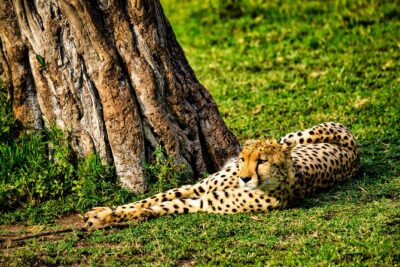
Wildebeest Migration in Masai Mara and Sightseeing 4 Days Tour
Read our review →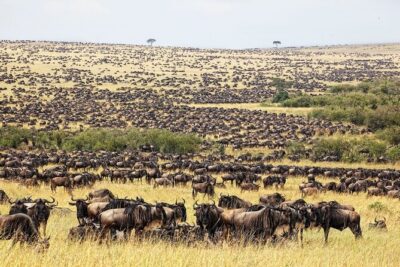
Great Wildebeest Migration Safari in Masai Mara
Read our review →Browse the lists this tour appears in