
Reviewed · MAASAI VILLAGE VISITS
From Nairobi: Maasai Village Experience Day Tour
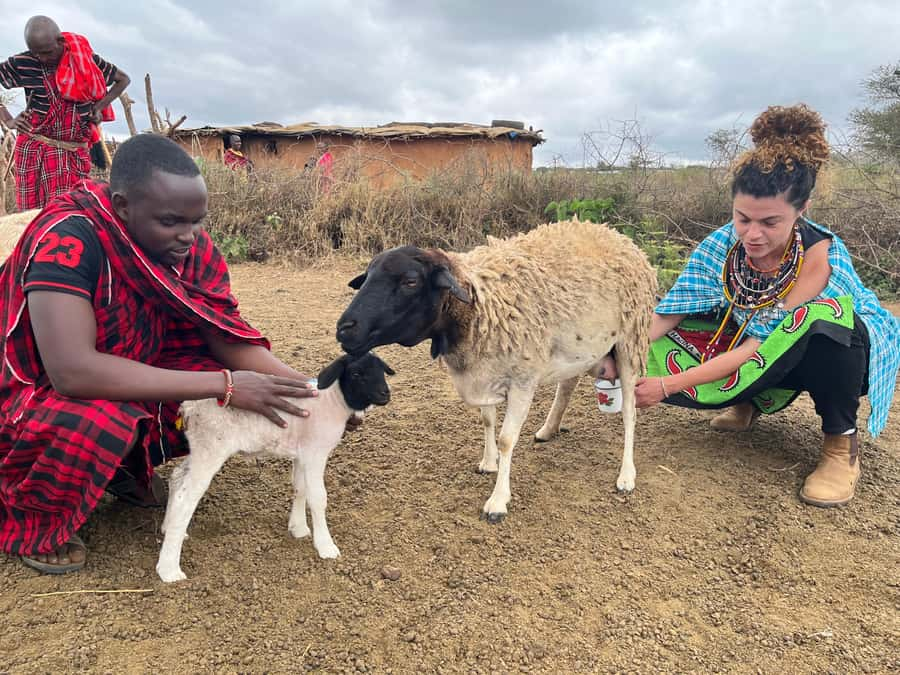
A fire made with sticks, ugali cooked in a manyatta, goats to milk, beads to shape, and songs to learn: this is a hands-on Maasai experience, not a quick photo stop beside a Nairobi highway. You spend about two hours in one village, with the long drive helping explain how city life gives way to rural Kenya.
I like the limited tourist traffic and the clear effort to pay each participating villager directly through M-Pesa. I also like the human touch from guides such as Simon, Dennis, Sharon, and Jacqii, who explain the journey and help you take part without turning every moment into a show.
The tradeoff is plain: you spend about five hours on the road for roughly two hours in the village. There are no toilets there, professional cameras are discouraged, and the trip is not suitable for wheelchair users, babies under one, or people prone to motion sickness.
Key Points Before You Book
- About 2.5 hours each way: The village is far enough from Nairobi to feel rural, but the road time makes this a full day.
- Real participation: You can cook ugali, make beadwork, light a fire, milk a goat or sheep, herd goats, dance, sing, and try traditional dress.
- Small-scale visits: The company says only its clients visit this particular village, with visits tied to confirmed bookings.
- Monday and Friday market option: On those days, the route can include Kenya’s second-biggest livestock market and a women-run food kiosk.
- School visit by request: You may visit a local primary school and meet learners.
- Transparent community payment: Attendance is recorded, and participating villagers are paid individually after the visit.
Why the Long Road to Bissil Matters
The tour leaves Nairobi for Bissil, a town in central Kenya, and takes about 2.5 hours each way. That sounds like a lot for an eight-hour outing, and it is. Still, the distance is part of the point.
Near Nairobi and the major safari parks, Maasai cultural stops can be scheduled one after another. This trip takes you away from those high-traffic routes. The drive lets you watch the climate, local work, buildings, and daily routines change as the city fades behind you.
Your guide stays with you on the road and at the village. Simon, Dennis, Sharon, and Jacqii have each received strong praise for friendly conversation, clear explanations, and careful handling of the day. That matters here because the experience is not a museum tour with signs telling you what to think. You will want to ask questions about language, family life, livestock, traditions, and the pressures brought by tourism.
The vehicle includes bottled water and Wi-Fi. Pickup and drop-off are included within three miles of Nairobi City, and you should wait in your hotel lobby with your internet connection active until the driver guide confirms arrival.
More Maasai Village Visits in Nairobi
- Masai village Day Tour Experience
★ 5.0 · 284 reviews - Maasai Village Experience Day Tour
★ 5.0 · 72 reviews - Masai Village Cultural Day Tour from Nairobi
★ 4.5 · 17 reviews
Entering the Village for Two Hours
Once you arrive, your guide explains what will happen before the activities begin. The village visit lasts about two hours, so the pace is active rather than leisurely.
You may be invited into a manyatta to help cook ugali, a firm maize dish central to Kenyan meals. This is more useful than simply watching a demonstration because you handle the ingredients and see how cooking fits into household life.
You can also try lighting a fire in the traditional way. It may take patience, and that is part of the lesson. A modern lighter gives you a flame in seconds. Starting one with basic materials shows how much skill everyday tasks can require.
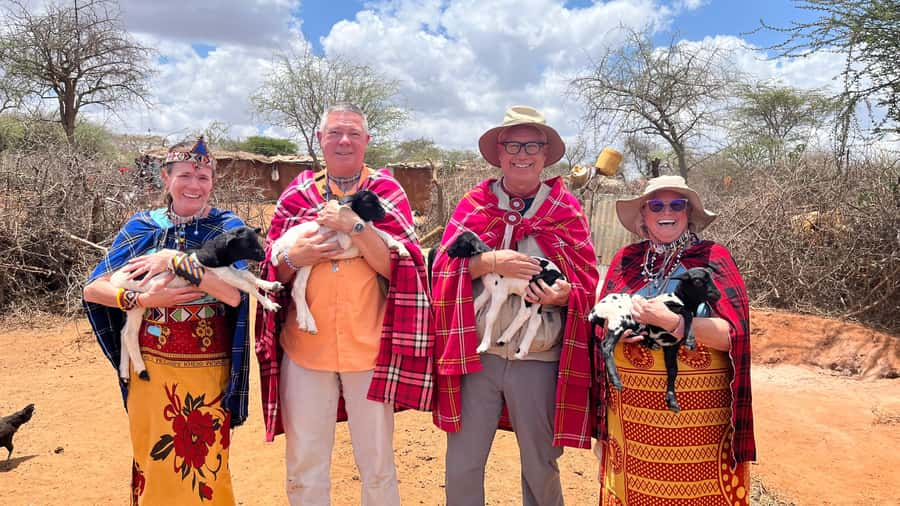
Livestock activities give the visit another practical layer. You might milk a goat or sheep, help herd goats, or handle the animals under local guidance. These are simple actions, but they connect the conversation about Maasai life to work that supports the household.
The exact order can change. Weather, animals, village routines, and the size of your group all affect the flow. One visitor had to take shelter in a hut when bees appeared, a useful reminder that this is a working village rather than a stage built for visitors.
Beads, Clothing, Songs, and Jumping
Beadwork is one of the more personal activities. You can learn how Maasai women create traditional jewelry and make a small item such as a ring. The work requires patience and attention, and it gives you a better sense of the skill behind the colorful pieces displayed for sale later.
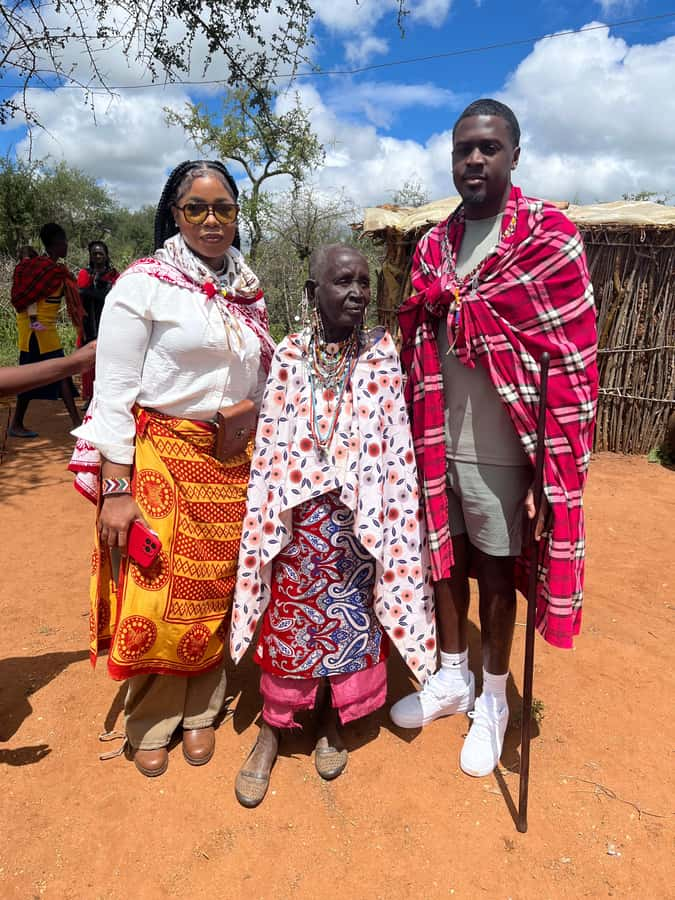
You may also be dressed in traditional Maasai clothing. That can be fun, but treat it respectfully. Ask before taking photos, follow your guide’s direction, and remember that local clothing carries meaning beyond its value as a costume.
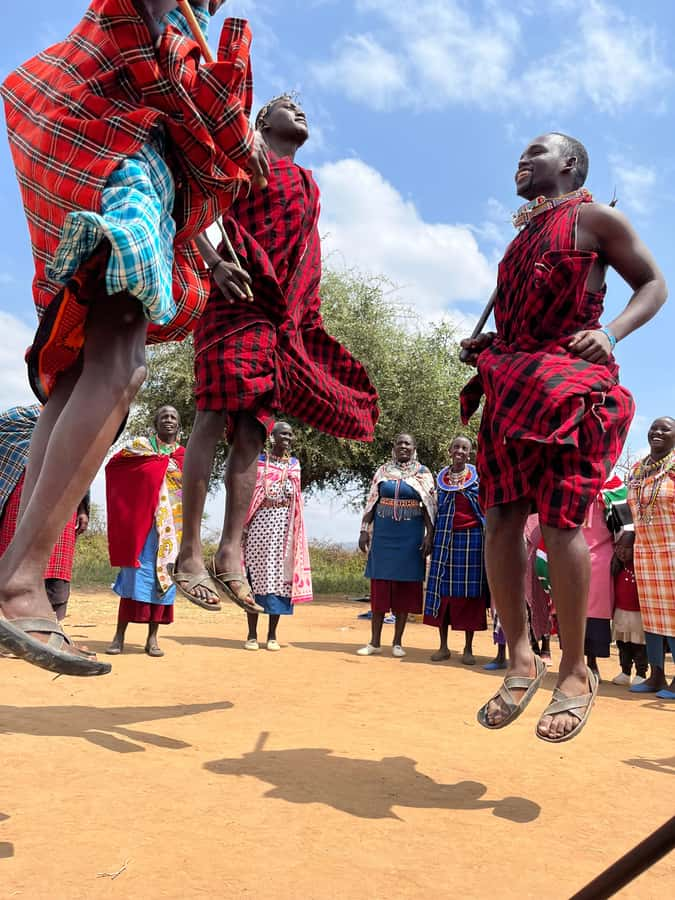
Song and dance bring the group together near the end of the visit. You may join a traditional dance, sing, jump, and learn the rhythm from the people hosting you. This is one of the most joyful parts of the day, but it works best when you join in rather than stand back with a phone raised.
Professional cameras are discouraged to limit commercial use of images and publicity. Casual photos or videos may be possible, but ask first and accept a no without pushing. The operator also asks you to consider how any publicity helps the community.
Monday and Friday at the Livestock Market
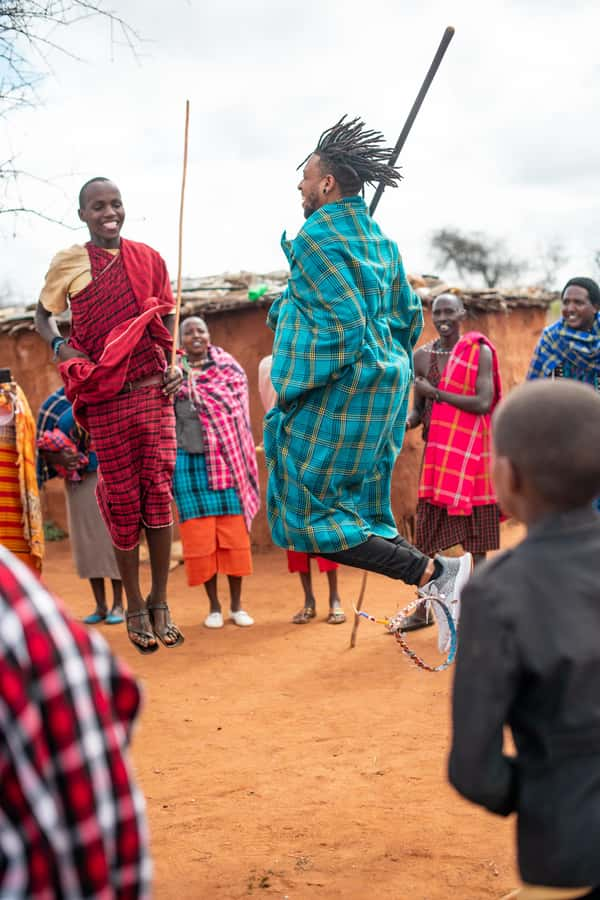
Book for a Monday or Friday and the route may include a livestock market near Bissil. Livestock reportedly comes from as far away as Tanzania, making this a useful window into regional trade rather than a stop designed only for sightseeing.
The market is described as the second biggest in Kenya. Expect a working place where animals are bought and sold, not a polished attraction. Your guide can explain what you are seeing, but the experience may feel crowded, noisy, dusty, or unfamiliar.
You can also enter a makeshift kiosk run by women who serve food to livestock traders. This adds an everyday human detail that many organized excursions skip. Food is not included, so carry money if you want to eat, and remember that stops depend on the day and the route.
The market is not part of the stated itinerary every day. If it matters to you, choose Monday or Friday and confirm the plan when booking.
Same corner of Kenya, a completely different kind of day:
- Nairobi National Park Half-Day Tour; Free Wi-Fi connection
★ 5.0 · 878 reviews - Nairobi: National Park & Optional Elephants & Giraffe Center
★ 4.8 · 874 reviews - NAI NAMI: Nairobi Storytelling Tour with Street Children
★ 5.0 · 792 reviews - Nairobi National Park Half-Day Game Drive
★ 4.5 · 738 reviews
A School Visit That Needs Planning
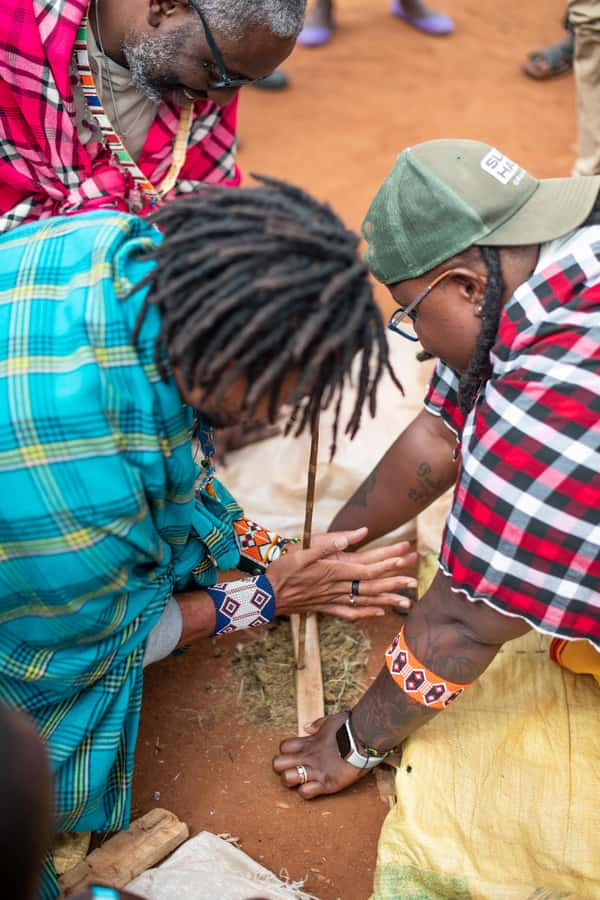
The local primary school is visited on request, not automatically. If you want to include it, ask ahead of time so the operator can arrange the stop.
A school visit gives you a different view of the area. Instead of focusing only on traditional activities, you see children learning and meet the people working to educate the next generation. The presence of visitors may also encourage the learners, but your role should remain respectful and guided by the school and tour team.
Do not assume that gifts, photographs, or donations are expected. Donation is optional, and you can ask the guide what would be useful before handing anything over.
Community Payments and Ethical Questions
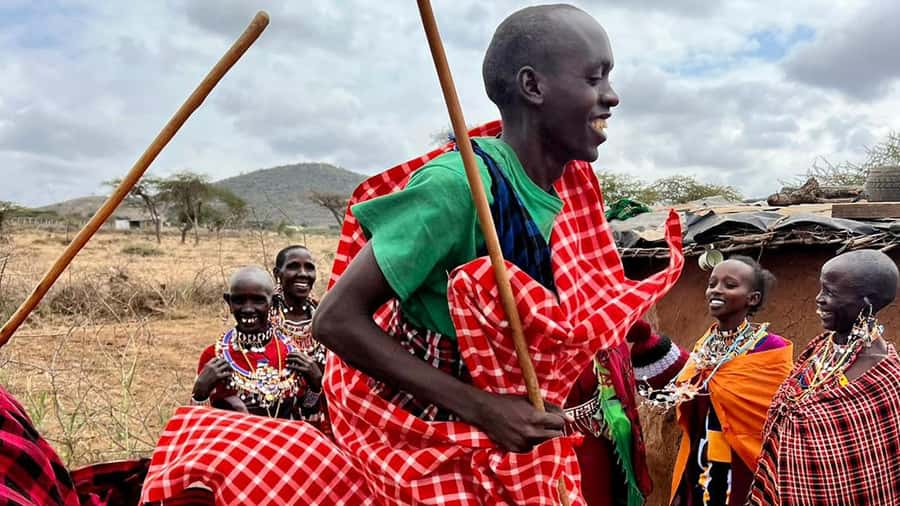
The tour openly invites questions about tourism and the treatment of Maasai communities. That is a good sign, because cultural visits deserve more than a claim of authenticity.
The operator says it keeps a record of which villagers participate, then pays each person after the visit through M-Pesa. The stated aim is to pay individuals who turn up, rather than handing one lump sum to a middleman or rewarding only the people most visible to visitors.
You can ask how the payment works, how many people share the money, and what happens when someone is absent. You can also ask about donations and purchases. Handmade items are displayed after the activities, but buying is optional and there should be no pressure to spend.
No short visit can show you all of Maasai society. You are seeing one community for about two hours, through a tour arranged by an outside company. The best approach is to stay curious, avoid treating one family’s routine as universal, and let local people explain what applies to them.
The $117 Question: Is the Day Worth It?
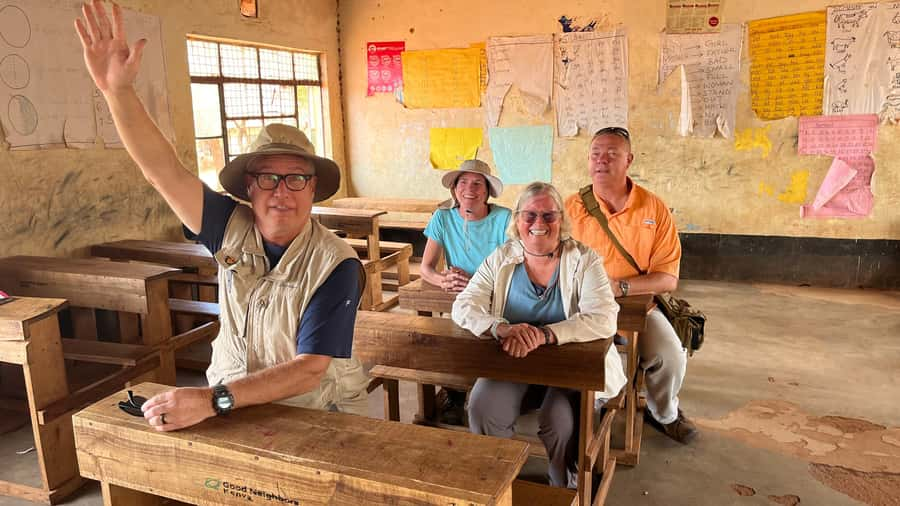
At $117 per person, the price is not low for an eight-hour outing. You are paying for private transport from Nairobi, a guide, entry to the village, bottled water, Wi-Fi, and the coordination needed to bring you to a remote community.
The value improves if you want active participation rather than a short cultural stop. You get several activities in one day: cooking, fire-making, beadwork, livestock care, clothing, music, and conversation. Monday or Friday can add the livestock market, and a school visit may be arranged.
The cost is harder to justify if you dislike long drives or expect a full day inside the village. The actual village time is about two hours, with the rest split among driving, breaks, and possible stops.
For solo visitors, the price can still make sense because the outing may run as a private or very small group experience. Several bookings have been handled with only one participant, which allows more direct questions and a flexible pace. Families can also find value in the setup: one family of six had car seats and booster seats accommodated, though you should discuss those needs in advance.
Food and drinks are not included. Bring money for lunch or a roadside stop, especially since the return drive can be long.
What to Bring for a Comfortable Day
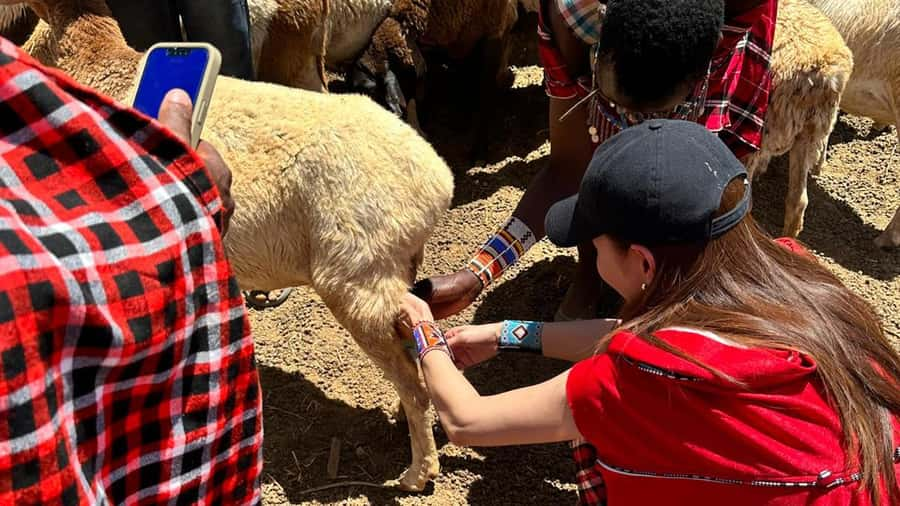
Wear comfortable shoes and clothes that can get dirty. You may sit near a cooking fire, walk on uneven ground, work with animals, and take part in outdoor activities.
Pack a sun hat and sunscreen. Bottled water is supplied, but an extra drink or snack may be useful during the long drive. If you plan to buy beadwork or eat at the livestock market, carry cash.
Leave drones and professional camera equipment at home. Smoking in the vehicle, alcohol, drugs, nudity, and see-through clothing are not allowed. Pets are also not permitted.
The tour is not suitable for wheelchair users, visually impaired people, people with motion sickness, or babies under one. The road time is the main concern for anyone who finds long vehicle journeys difficult.
Timing, Pickup, and Cancellation
The tour lasts about eight hours and includes hotel pickup and drop-off within a three-mile radius of Nairobi City. Sunday departures may begin as early as 7 a.m., so confirm the pickup time the day before.
You can cancel up to 24 hours before departure for a full refund. The reserve-now, pay-later option helps if your Nairobi plans are still shifting.
English and Swahili are available for the live guiding. Keep your phone connected to the internet until the driver guide confirms arrival, and wait in the hotel lobby rather than outside on an uncertain street corner.
Who Will Enjoy This Maasai Day Most?
I would choose this tour if you want to talk with local people and take part in ordinary tasks, not simply watch a performance. It suits curious adults, solo visitors, couples, and families with older children who can manage a long day and outdoor activities.
It is also a good choice if you have already seen Maasai dancing at a safari lodge and want something with more time for questions. Guides such as Sharon, Simon, and Dennis add value because the road gives you time to discuss Kenya, Maasai culture, and the practical side of the visit.
I would skip it if your Nairobi schedule is tight, you want a polished attraction close to the city, or you cannot handle a 2.5-hour drive each way. The village has no toilets, and the day may involve dust, sun, animals, and an unpredictable moment or two.
Should You Book This Experience?
Book it if the idea of cooking ugali, making beads, milking livestock, starting a fire, and dancing with a small community sounds more appealing than taking posed photos at a busy cultural stop. The direct payment system, limited visits, and openness about tourism give you useful reasons to ask questions and judge the arrangement for yourself.
Skip it if the long drive outweighs your interest in the village. For the right person, the road is the price of getting farther from the city and closer to daily rural life. For everyone else, eight hours may be too much time for two hours of village activities.
FAQ
How long does the Maasai village tour last?
The full experience lasts about eight hours, including travel between Nairobi and the village.
How long is the drive from Nairobi?
The drive takes about 2.5 hours each way.
Where does the tour go?
The village experience takes place near Bissil in central Kenya.
Is hotel pickup included?
Yes. Pickup and drop-off are included within a three-mile radius of Nairobi City.
What activities can I do in the village?
You can cook ugali, make beadwork, light a fire traditionally, milk a goat or sheep, herd goats, wear traditional clothing, sing, dance, and jump with the Maasai community.
Can I visit a local school?
Yes, but the school visit is available on request.
When can I visit the livestock market?
The market stop is available when you book for Monday or Friday. It is described as the second biggest livestock market in Kenya.
Is food included?
No. Food and drinks are not included, although bottled water is provided.
What languages does the guide speak?
The live guide service is available in English and Swahili.
Is the tour suitable for children or wheelchair users?
The experience is not suitable for wheelchair users, visually impaired people, people with motion sickness, or babies under one year old. A family booking had car seats and booster seats accommodated, so ask about your own children’s needs before booking.
Just added around Nairobi
- Visit kibera Slum the chocolate city★ 4.8 · 3 reviews
- Day Tour to Nairobi national park, Elephants, and Giraffe Center★ 3.5 · 8 reviews
- Explore local Market matatu ride & Make Kenyan Cuisines with a home cook★ 5.0 · 8 reviews
- Kibera Slum Tour with a Local★ 5.0 · 15 reviews
- Urban Forest Tour in Nairobi★ 5.0 · 7 reviews
- Vegans special safari★ 4.5 · 4 reviews
- Private Mini Safari Tour in Nairobi★ 5.0 · 6 reviews
- Private Kenyan Cooking Class in Nairobi with a Local★ 5.0 · 3 reviews
Maasai Village Visits, compared.

Nairobi: Day Tour to Amboseli National Park & Maasai Village
Read our review →


Day Trip: Amboseli National Park & Maasai Village – Nairobi
Read our review →
Nairobi: Day Trip to Maasai Mara Reserve & Maasai village
Read our review →
3days/2nights group joining Masai Mara with Masai Village Visit
Read our review →
Maasai Village Visit with Traditional Dance Show
Read our review →
Browse the lists this tour appears in