
Reviewed · MAASAI VILLAGE VISITS
HALF DAY TOUR MASAI VILLAGE FROM NAIROBI WITH PICKUP&DROPOFF
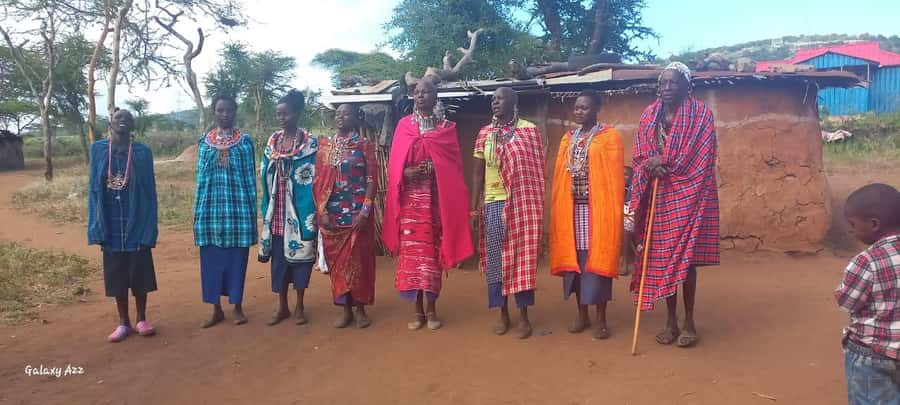
A Maasai manyatta is more than a cluster of round huts. It is a working settlement, protected by a thorn fence and shaped around cattle, family life, ceremonies, and shared customs. This visit gives you a direct look at traditional construction, beadwork, music, dance, and daily routines in Bisil, outside Nairobi.
I like two things in particular: the village connection offered by a guide such as Alfred, who is a member of the community, and the generous four-hour visit in Bisil. You also get time for a dance presentation, questions, photos, and shopping rather than a quick roadside stop. The main consideration is cost: at $445 per person, plus a $30 entry fee, this is a major outlay for a six-hour outing.
Key points to know before booking
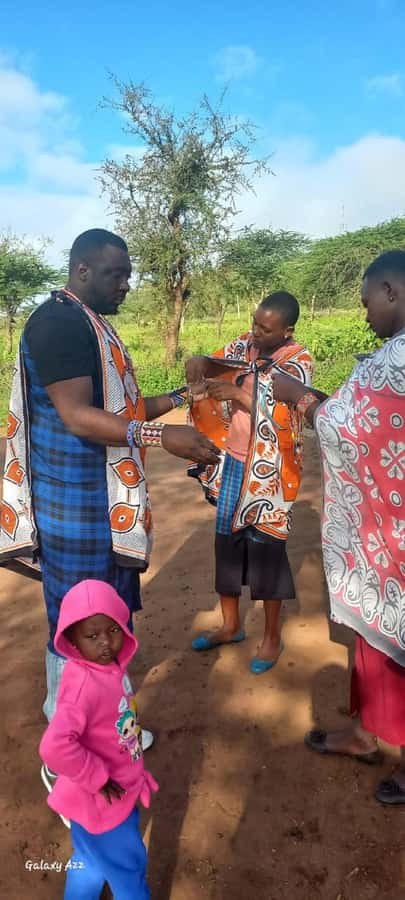
- A real manyatta setting: See circular huts made from mud, sticks, grass, and cow dung, arranged behind a thorn fence.
- Four hours in Bisil: The village visit includes a guided tour, free time, photos, music, dance, and an arts and crafts market.
- A guide with local ties: Alfred is identified as a guide and member of the village, which can make questions about customs easier to discuss.
- Cattle shape village life: Herding, milking, protection of livestock, and social customs all connect to the central role of cattle.
- Pickup across Nairobi: Collection is available in Kilimani, Lavington, Kileleshwa, Westlands, Embakasi, Karen, Parklands, and Syokimau.
- Budget for the entrance fee: Transport, a guide, and bottled water are included, but entry costs $30 per person.
Seeing a Maasai manyatta in Bisil

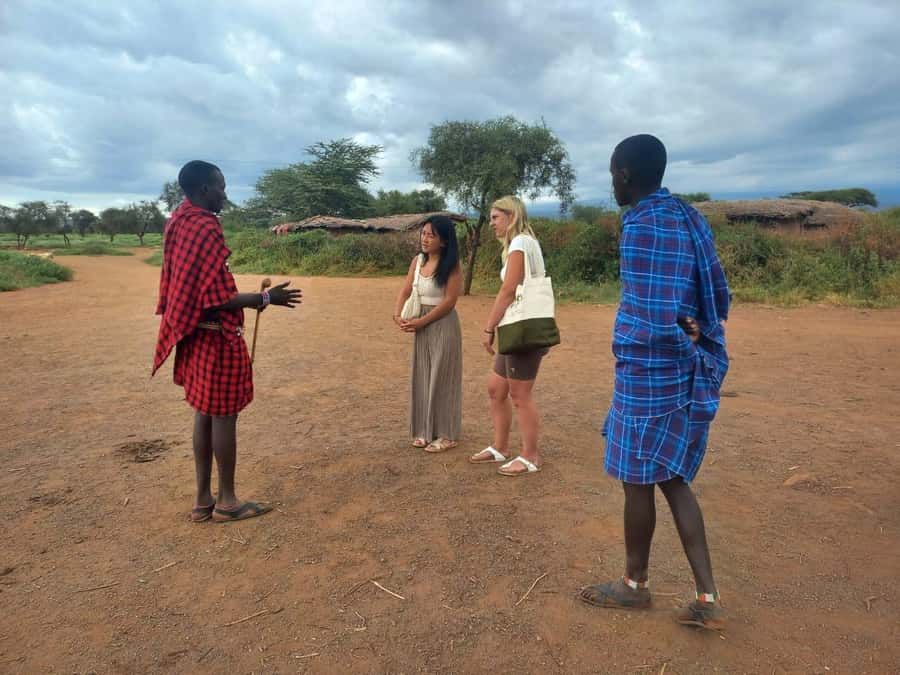
The heart of this outing is the manyatta in Bisil. You will see a group of small, rounded huts built from natural materials. Mud, sticks, grass, and cow dung are used together, creating walls that help insulate the huts from changing weather.
The circular arrangement matters. The settlement is surrounded by a tall thorn fence designed to help protect cattle from predators such as lions. That fence is not just a decorative border for photographs. It reflects the practical needs of a community where livestock remains central to work, security, food, status, and family life.
I find this kind of visit more useful than simply seeing a costumed dance in a city venue. The huts, enclosure, cattle traditions, beadwork, and ceremonies fit together in one place. You can ask how the settlement works and then connect the answer to what you are looking at.
Do keep your expectations sensible. This is a cultural visit, not a full rural homestay or an extended community project. The available details promise a guided visit, dance, shopping, photos, and free time. They do not promise overnight accommodation, a meal, or participation in private ceremonies.
More Maasai Village Visits in Nairobi
- Masai village Day Tour Experience
★ 5.0 · 284 reviews - Maasai Village Experience Day Tour
★ 5.0 · 72 reviews - From Nairobi: Maasai Village Experience Day Tour
★ 4.9 · 70 reviews
What the four-hour village visit includes
The Bisil portion lasts about four hours, which gives the visit room to develop. You are not limited to a quick introduction followed by a rushed photograph. The schedule includes a safety briefing, a guided tour, free time, a photo stop, traditional dance, and an arts and crafts market.
The safety briefing should help set the tone and explain how to move through the settlement respectfully. Listen carefully at the start. A village is a living community, not a museum display, and simple guidance about where to stand or when to take photographs can make the encounter more comfortable for everyone.
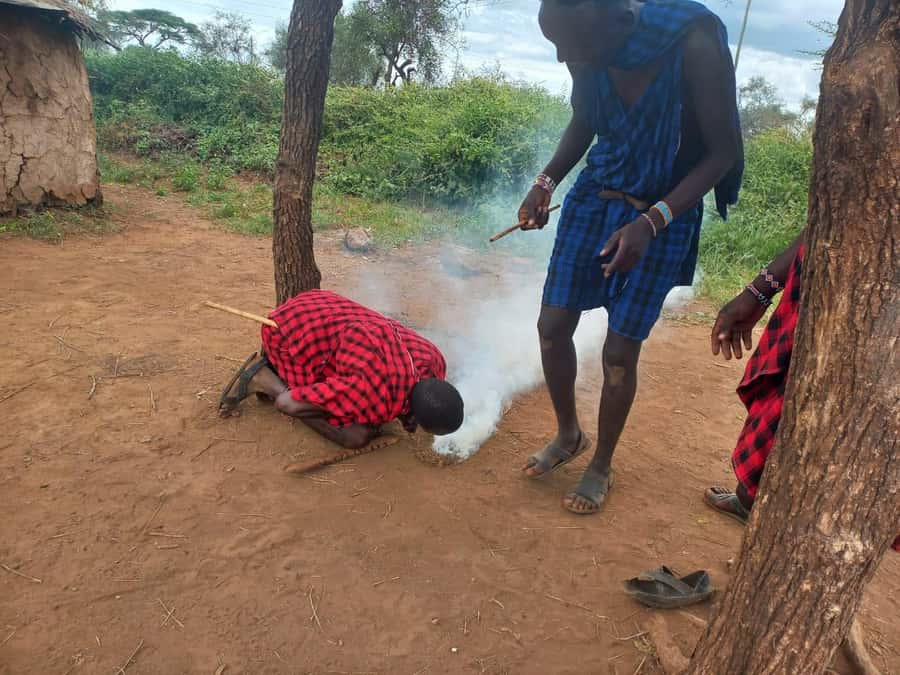
The guided walk focuses on the physical layout and customs of the manyatta. Expect the huts and thorn fence to be major points of interest. You can also ask about cattle herding, milking, traditional ceremonies, music, clothing, and beadwork.
The schedule also lists sunrise. Since the tour lasts six hours and starting times depend on availability, the exact role of sunrise is not clear from the supplied information. Confirm the departure time if an early start matters to you.
Meeting the guide and asking better questions
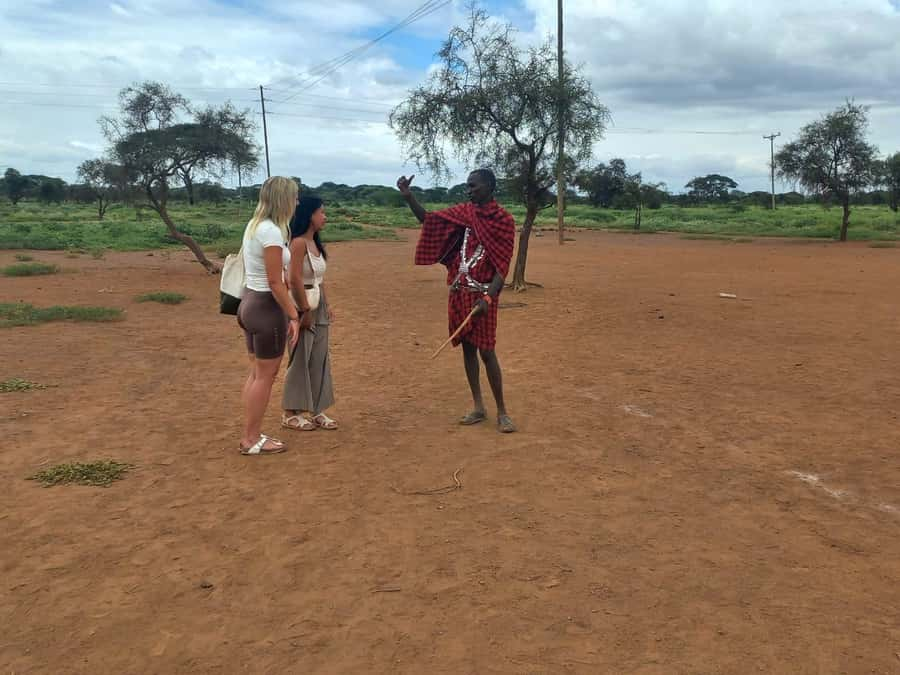
A guide can make or break a cultural visit. A guide named Alfred is connected with the village and is described as a member of the community. That local link is useful because you can ask about customs in a setting where the answers relate to what you see around you.
Questions about cattle are a good place to start. The Maasai community described here revolves around cattle herding, so ask how livestock fits into daily work and social life. You can also ask about the purpose of the thorn fence, how the huts are made, the meaning of beadwork, and the place of music and dance in ceremonies.
English is the tour language. One member of the community is noted as speaking English well, which can help you understand explanations about Maasai life without relying only on a short performance. The tour includes a live English-speaking guide, but the exact guide assigned to every departure is not guaranteed in the information provided.
A driver named William is also connected with the outing. He is described as punctual, helpful, and easy to communicate with. Since pickup and drop-off are included, a reliable driver matters, especially when you are coordinating a half-day plan around other Nairobi activities.
Traditional dance, music, and ceremony

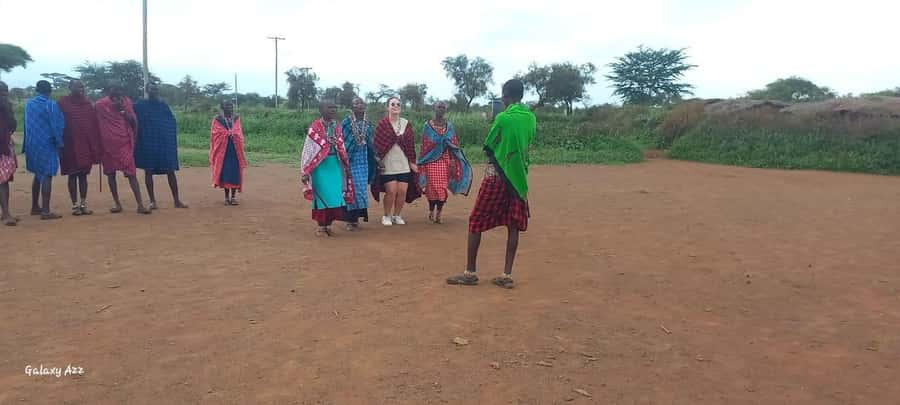
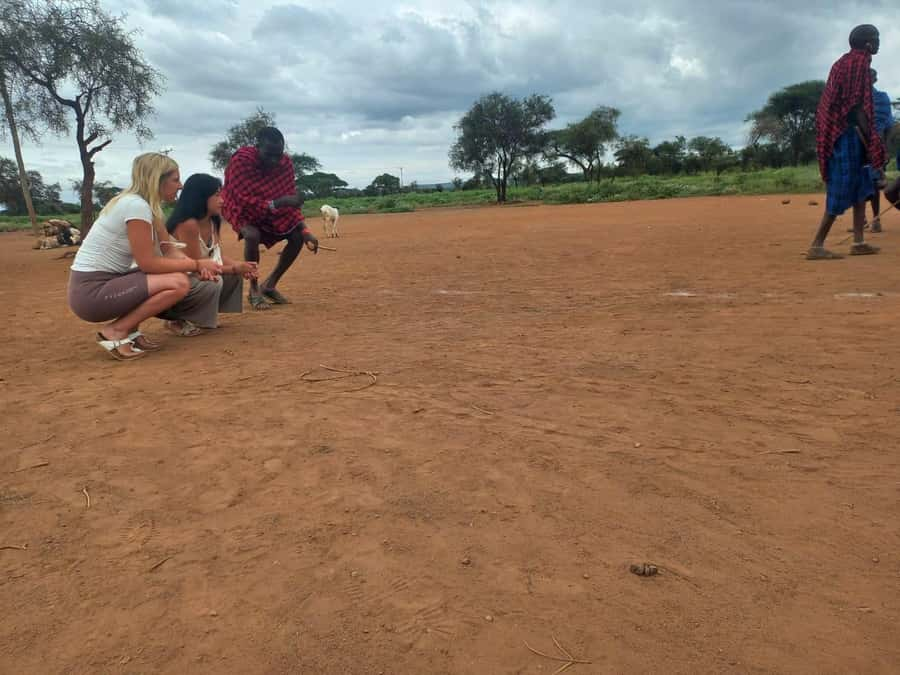
Music and dance are a major part of the scheduled visit. You can expect a traditional dance presentation during the village stop, along with an introduction to the role of ceremony and performance in Maasai culture.
Treat the performance as a chance to observe and ask questions, not simply as a stage show. The dance is linked to community traditions and spiritual beliefs, according to the description of the visit. Your guide can help explain what you are seeing and how it fits into wider social life.
You will also have time for photos. Take them thoughtfully. Ask before photographing people at close range, children, or anything connected with a private ritual. The information does not set out a formal photography policy, so a polite question is the safest approach.
The visit may feel less polished than a theater production, and that is part of its appeal. You are going to a village setting to see cultural activities in context. At the same time, the dance is still arranged for visitors, so it is fair to view it as a presentation rather than an unplanned glimpse into ordinary life.
Same corner of Kenya, a completely different kind of day:
- Nairobi National Park Half-Day Tour; Free Wi-Fi connection
★ 5.0 · 878 reviews - Nairobi: National Park & Optional Elephants & Giraffe Center
★ 4.8 · 874 reviews - NAI NAMI: Nairobi Storytelling Tour with Street Children
★ 5.0 · 792 reviews - Nairobi National Park Half-Day Game Drive
★ 4.5 · 738 reviews
Beadwork and the arts market
The arts and crafts market gives you a chance to look at Maasai beadwork and other items. Beaded jewelry and colorful designs are closely associated with Maasai clothing and identity, so the market adds a visual and practical side to the visit.
Buying is optional. The information specifically indicates that you are not forced to purchase beads. That matters because cultural shopping can quickly become uncomfortable when sales pressure takes over. You can browse, ask about an item, and decide for yourself.
I suggest setting a spending limit before you arrive. The entry fee is already $30 per person, and the tour price is high, so craft purchases should be a personal choice rather than an unexpected part of the budget. If you buy something, ask what it is made from and how it is used. That turns a souvenir into a more meaningful reminder of the visit.
The market may be one of the best places to continue a conversation with your guide. Beadwork, colors, clothing, and ceremonies are not separate subjects. Ask how they connect, while remembering that one short visit cannot explain every part of Maasai culture.
The $445 price and what you receive
The price is $445 per person, which places this tour in the expensive category for a six-hour outing. You also pay a $30 entry fee per person, making the stated total at least $475 per person before any optional shopping.
Included in the price are transport by car, a guide, and a bottle of water. Pickup and return are available from several Nairobi areas, including Kilimani, Lavington, Kileleshwa, Westlands, Embakasi, Karen, Parklands, and Syokimau.
How do you judge that value? If you mainly want a low-cost cultural stop, this is not the obvious choice. The added expense may make sense if you value private transport, a guide who can answer questions in English, a long village visit, and the convenience of door-to-door service from your Nairobi area.
The tour also saves you from arranging transport and finding a community visit independently. That convenience has a price. Before booking, compare the cost with your wider Kenya plans and decide how important a focused Maasai cultural visit is to you.
The six-hour schedule and Nairobi pickup
The total duration is six hours. The detailed program gives about four hours to Bisil, leaving the remaining time for pickup, transport, and return. Exact departure times depend on availability, so check the start time before you commit to other plans.
Pickup areas include central and western Nairobi districts as well as Embakasi and Syokimau. Drop-off options include Kilimani, Kileleshwa, Embakasi, Westlands, Karen, Syokimau, Parklands, and Lavington.
You should select the pickup point that matches where you are staying. The more precise you are at booking, the less confusion you create for the driver. Keep your phone available on the morning of the tour in case the operator needs to coordinate the meeting point.
The vehicle is described simply as a car. No vehicle size or group size is specified, so do not assume a large coach, a private car, or a certain amount of luggage space unless the operator confirms it. The activity is listed as wheelchair accessible, but you should still discuss your exact mobility needs before departure because the village setting may include uneven ground.
Who will enjoy this Maasai visit
I would recommend this outing to you if you want a focused introduction to Maasai settlement design and customs without committing to a multi-day safari or rural stay. It suits visitors who value conversation, cultural context, and time to look around.
It is also a good fit if you are staying in Nairobi and want a single activity with pickup and drop-off. The multiple Nairobi collection points make it easier to fit into a city itinerary.
Families and first-time visitors to Kenya may appreciate the clear structure. You receive transport, a guide, water, a safety briefing, a tour, a dance presentation, free time, and a market visit in one package.
You may want to think twice if your main goal is wildlife viewing. Although the thorn fence is designed to protect livestock from predators such as lions, this is not a game drive and no animal sightings are promised.
You may also prefer another option if your budget is tight. The $445 price, plus the $30 entry charge, is difficult to justify for a short visit unless the cultural focus and convenience are exactly what you want.
How to make the visit more respectful
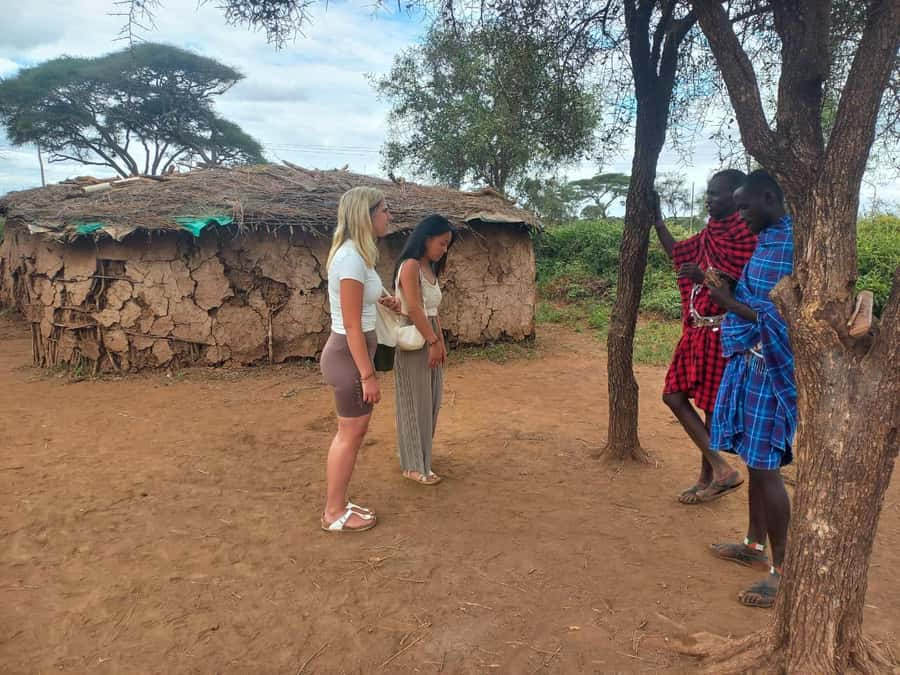
Go with curiosity, not a checklist. The huts and dance are visually striking, but the people you meet are not part of a display. Listen to explanations, ask permission for close photographs, and allow the guide to set boundaries around private areas or ceremonies.
Use your free time for questions rather than rushing straight to the market. Ask about cattle, hut construction, music, dance, clothing, beadwork, and the reason for the thorn fence. These subjects help you understand the settlement as a working community.
Shopping is optional, and you should not feel obliged to buy. If you do purchase beads, choose something because you value it, not because you feel pressured.
Bring patience. A community visit may not follow the exact rhythm of a museum tour. The point is to spend time in a setting where daily life, tradition, and visitor presentation meet, while keeping a respectful distance.
Cancellation and practical booking details
You can cancel up to 24 hours before the activity for a full refund. You can also reserve now and pay later, which is useful if your Nairobi schedule is still changing.
The tour is conducted in English, and the live guide is included. Bottled water is provided, but the entrance fee is separate. The activity is listed as wheelchair accessible, though you should confirm how the village terrain fits your needs.
Check availability for the starting time and make sure your chosen pickup and drop-off areas are correct. Since the visit includes a market, bring a payment method you are comfortable using, but remember that buying crafts is not required.
Should you book this Maasai village tour?
Book it if you want a concentrated cultural visit with four hours in a manyatta, local context from an English-speaking guide, traditional dance, and simple Nairobi pickup. The village layout, cattle-centered life, thorn fence, hut construction, and beadwork give you plenty to see and discuss.
Skip it if you are looking for a budget outing, a wildlife safari, or a long stay with a Maasai family. At $445 per person, plus the $30 entry fee, this tour needs to match your priorities.
For the right visitor, the strongest reason to book is the chance to ask questions in a community setting rather than only watch a short performance. If Alfred is your guide, his connection to the village may add useful context. If William is driving, his reported punctuality and helpful approach can make the pickup and return easier. Just confirm staff availability, the start time, and the total cost before paying.
FAQ
Where does the Maasai village visit take place?
The village visit takes place in Bisil, in central Kenya.
How long does the activity last?
The full activity lasts six hours. The scheduled portion in Bisil lasts about four hours.
What is included in the price?
Transport by car, a guide, and one bottle of water are included.
Is the entrance fee included?
No. The entrance fee is $30 per person and is paid separately.
Which Nairobi areas offer pickup?
Pickup is available from Kilimani, Lavington, Kileleshwa, Westlands, Embakasi, Karen, Parklands, and Syokimau.
What language is the tour conducted in?
The tour is conducted in English with a live English-speaking guide.
Can I cancel the booking?
Yes. You can cancel up to 24 hours in advance for a full refund. You can also reserve now and pay later.
More Half-Day Tours in Nairobi
- Half-Day Nairobi National Park Safari from Nairobi with Free Pickup
★ 4.5 · 264 reviews - Nairobi National Park Full or Half-Day Tour with Guide
★ 4.7 · 217 reviews - Half Day Guided Tour in Nairobi National Park With 4*4 Vehicle
★ 4.5 · 178 reviews - Half day tour to Elephant orphanage & Giraffe Centre Nairobi
★ 5.0 · 130 reviews
Just added around Nairobi
- Visit kibera Slum the chocolate city★ 4.8 · 3 reviews
- Day Tour to Nairobi national park, Elephants, and Giraffe Center★ 3.5 · 8 reviews
- Explore local Market matatu ride & Make Kenyan Cuisines with a home cook★ 5.0 · 8 reviews
- Kibera Slum Tour with a Local★ 5.0 · 15 reviews
- Urban Forest Tour in Nairobi★ 5.0 · 7 reviews
- Vegans special safari★ 4.5 · 4 reviews
- Private Mini Safari Tour in Nairobi★ 5.0 · 6 reviews
- Private Kenyan Cooking Class in Nairobi with a Local★ 5.0 · 3 reviews
Maasai Village Visits, compared.
Nairobi: Day Tour to Amboseli National Park & Maasai Village
Read our review →
From Nairobi: Maasai Village Experience Day Tour
Read our review →
Day Trip: Amboseli National Park & Maasai Village – Nairobi
Read our review →
Nairobi: Day Trip to Maasai Mara Reserve & Maasai village
Read our review →
3days/2nights group joining Masai Mara with Masai Village Visit
Read our review →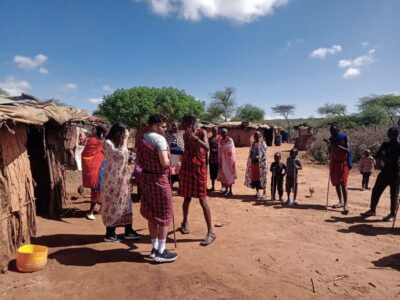
Maasai Village Visit with Traditional Dance Show
Read our review →Browse the lists this tour appears in