
Reviewed · MAASAI VILLAGE VISITS
Maasai Village: Cultural Experience of The Maasai Tradition
The most memorable part of this six-hour outing is its hands-on approach. You do not simply watch a Maasai welcome dance, take a few photos, and leave. You learn to make a fire without matches, cook ugali with local women, try beadwork, and step inside a traditional manyatta built from mud, sticks, and cow dung.
I like the small group of up to 10 people, which gives you room to ask questions and speak with the people hosting you. I also like the scenic drive from Nairobi into open savanna country, with a guide explaining Kenya’s cultures and ecosystems along the way. The main caution is that the visit may feel smaller and more commercial than the phrase Maasai village suggests, and the required $30 admission fee per person comes on top of the advertised price.
Key points to know
- Hands-on traditions: Try fire-making, ugali cooking, and Maasai beadwork rather than only watching demonstrations.
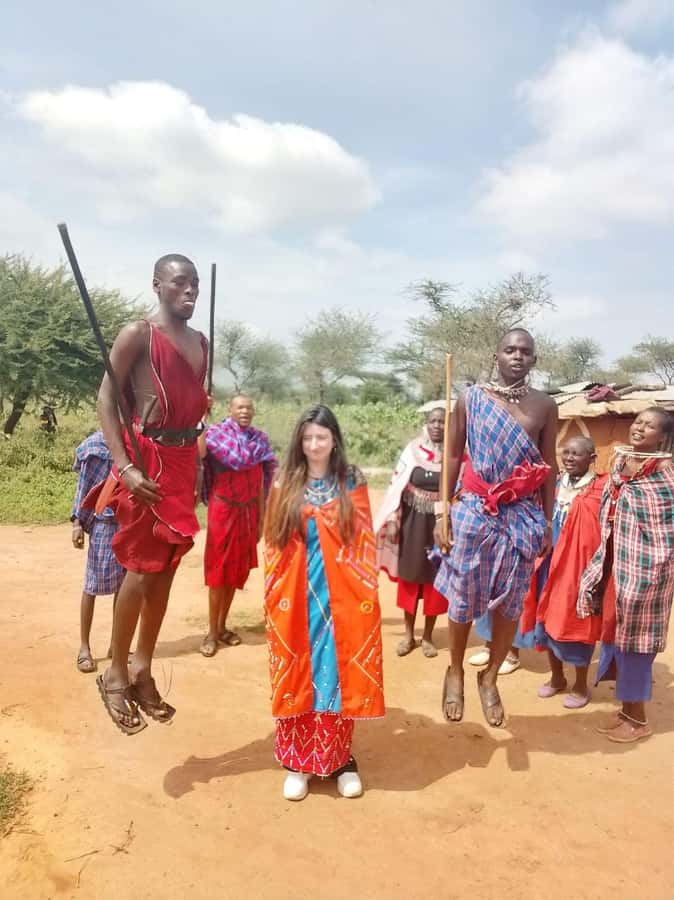
- A lively welcome: Expect songs, jumping dances, and stories from Maasai warriors and women.
- Small-group setting: The group is limited to 10 people, which suits questions and personal conversation.
- Extra cost: The $55 tour price does not include the separate $30 admission fee per person.
- Long drive, changing scenery: The road from Nairobi leads through city edges, open country, and savanna views.
- Authenticity varies: The setting may be a small family compound with only a few huts, not a large village community.
From Nairobi streets to open Kenyan country
This is a six-hour outing from Nairobi, but the road journey is an important part of the day. You leave the city behind and watch Kenya change from urban streets to broad open country and savanna. Your English-speaking driver and guide provide commentary about local cultures and ecosystems as you go.
One practical point matters here: the drive can take a sizeable portion of the day. A detailed account of the outing described about two hours on the road each way, so you should not think of this as six hours spent entirely inside the village. The changing views help, but you will want comfortable shoes, sun protection, and patience for the transfer.
Pickup is available from any location within Nairobi. After booking, you provide your address and receive a pickup time and exact meeting point. That is useful if you are staying in a hotel, apartment, or another Nairobi address, since you do not have to arrange your own way to a central departure point.
The tour includes bottled water and hotel drop-off afterward. Meals and extra drinks are not included, so bring water and plan around the fact that the listed cultural activities are not a full lunch stop.
More Maasai Village Visits in Nairobi
- Masai village Day Tour Experience
★ 5.0 · 284 reviews - Maasai Village Experience Day Tour
★ 5.0 · 72 reviews - From Nairobi: Maasai Village Experience Day Tour
★ 4.9 · 70 reviews
A welcome of songs, jumping, and Maasai stories
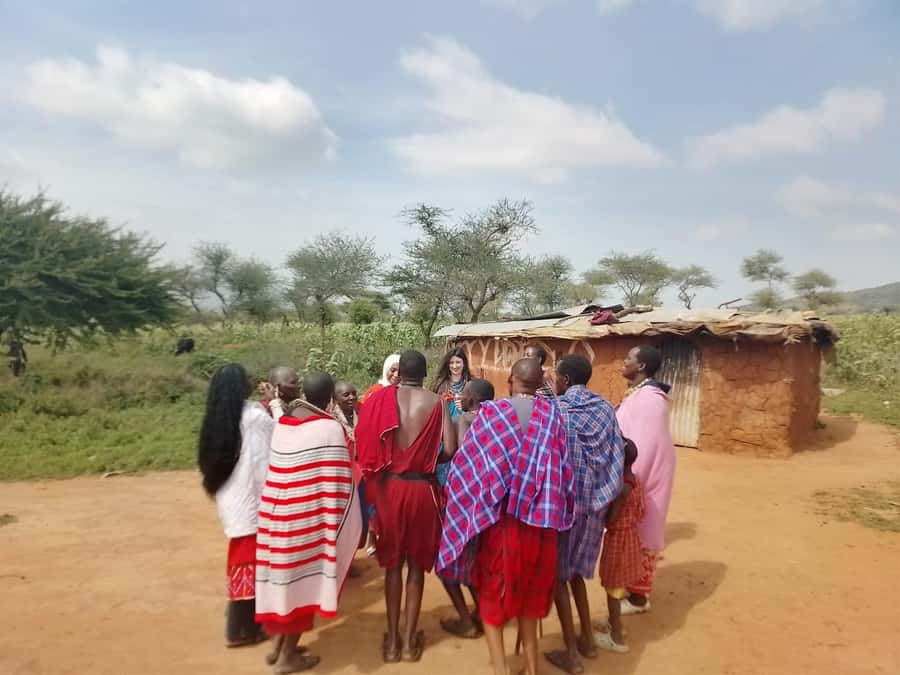
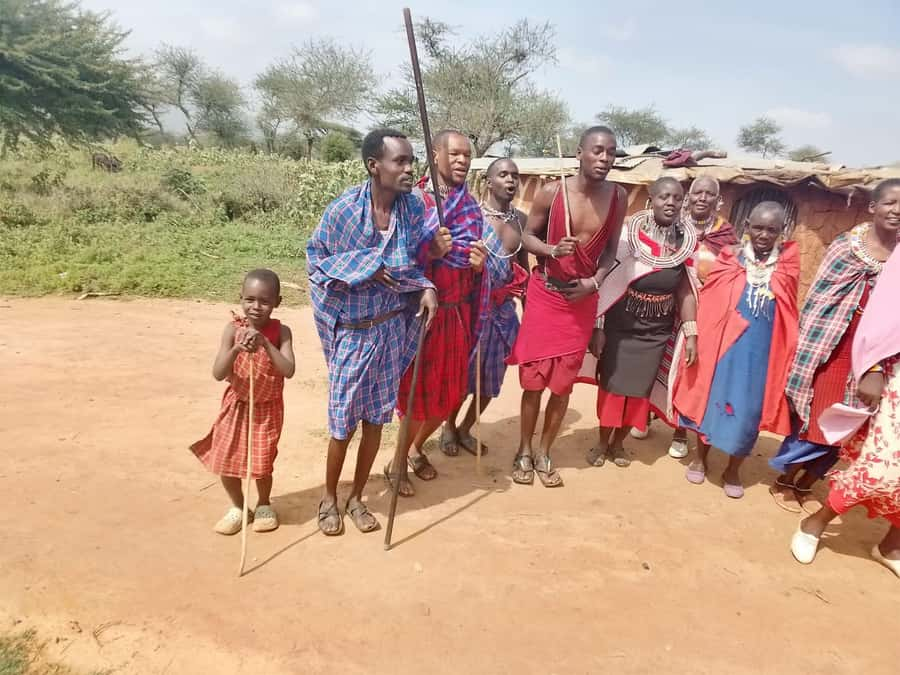
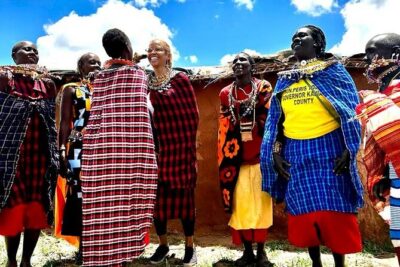
On arrival, the welcome is energetic. Maasai warriors and women perform songs and a jumping dance, offering an immediate introduction to a public part of Maasai culture. The performance is lively and photogenic, but it is also a good moment to remember that you are entering a cultural exchange, not a theater show.
Ask before photographing people, and listen to the guide’s directions. Photography is part of the outing, but respectful pictures depend on personal permission and good manners. The experience is described as social, so you should be ready to talk, respond, and take part rather than stand quietly at the edge.
The stories are just as important as the dance. You hear about customs, beliefs, family life, and the daily responsibilities that shape the community. The value here comes from having a local person explain what you are seeing. A hut, a piece of jewelry, or a livestock activity means more when you understand its place in Maasai life.
Guides Ben and Jen have been singled out for being friendly, accommodating, and attentive to the group. The guide can make a large difference on an experience like this, since good explanations and thoughtful introductions help keep the visit from becoming a quick photo stop.
Making fire without matches
One of the strongest parts of the program is the fire-making demonstration. You learn how Maasai people create a fire using traditional methods rather than matches. Then you get a chance to try it yourself.
This activity gives you a better sense of the skill involved in a task that modern visitors usually take for granted. It is also a useful break from passive sightseeing. You can see the process, handle the materials, and discover that producing a flame takes more patience and technique than it appears to from a distance.
The pace may vary depending on the group and the conditions, but the point is not to master the method in a few minutes. It is to understand how traditional skills fit into daily life. If you enjoy practical demonstrations, this is likely to be one of the day’s highlights.
Cooking ugali with local women
You also join local women to prepare ugali, a staple Kenyan dish. Ugali is made from maize flour and is a common part of meals in Kenya, so this activity connects the visit to ordinary food rather than only ceremonial traditions.
Cooking together creates a natural chance to ask questions and exchange a few words. You are not just being shown a finished dish. You take part in the preparation under guidance from the women hosting you.
Do not book this expecting a full included meal. Food and extra drinks are listed as additional expenses, so the cooking activity is best understood as a cultural lesson and participation opportunity. If you need a substantial lunch, plan ahead.
This is one of the more personal parts of the day because food often explains family life, work, and hospitality better than a formal talk can. You may find the activity especially rewarding if you like learning through ordinary tasks rather than only through speeches.
Same corner of Kenya, a completely different kind of day:
- Nairobi National Park Half-Day Tour; Free Wi-Fi connection
★ 5.0 · 878 reviews - Nairobi: National Park & Optional Elephants & Giraffe Center
★ 4.8 · 874 reviews - NAI NAMI: Nairobi Storytelling Tour with Street Children
★ 5.0 · 792 reviews - Nairobi National Park Half-Day Game Drive
★ 4.5 · 738 reviews
Beadwork, identity, and buying directly
Maasai beadwork is closely linked to identity, and the tour gives you a chance to try making your own piece. You learn about the care involved in creating patterned jewelry and see how beadwork forms part of clothing, presentation, and community expression.
The activity is suited to visitors who enjoy a slower, creative stop. It also provides a better way to understand the jewelry than simply seeing it displayed for sale. You handle the materials and gain some appreciation for the work behind a finished necklace or bracelet.
You can buy handmade jewelry, with proceeds going directly to the village. That purchase is optional, and you should set your own budget before arriving. Buying something can be a useful way to support the people hosting you, but you should never feel obliged to purchase.
The most respectful approach is to ask about the maker, the meaning of the design, and how the money is used. The experience also allows optional donations or gifts, so you can decide whether and how you want to contribute without treating charity as part of the admission price.
Inside a traditional manyatta
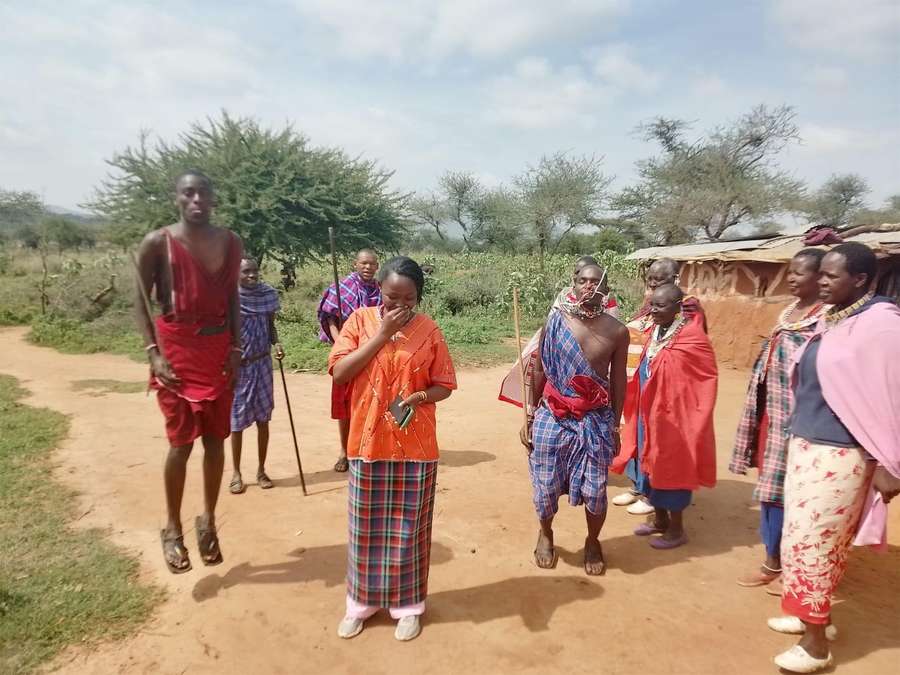
A manyatta is a traditional Maasai hut made from mud, sticks, and cow dung. Entering one gives you a close look at a type of home that can seem very different from modern urban housing in Nairobi.
Inside, your guide explains how these homes are built, how families are organized, and how daily tasks are managed. The hut is not merely an unusual structure for photographs. It shows how materials available locally can be used to create shelter and support family life.
The space may be basic and compact. That is part of the point, but it also means you should be prepared for uneven ground, limited room, and a visit that involves standing and walking. The tour information gives conflicting signals about accessibility: it is marked as wheelchair accessible in one place, yet it is also listed as unsuitable for wheelchair users and people with mobility impairments. If you use a wheelchair or have difficulty walking, confirm the exact conditions before paying.
A livestock market on select days
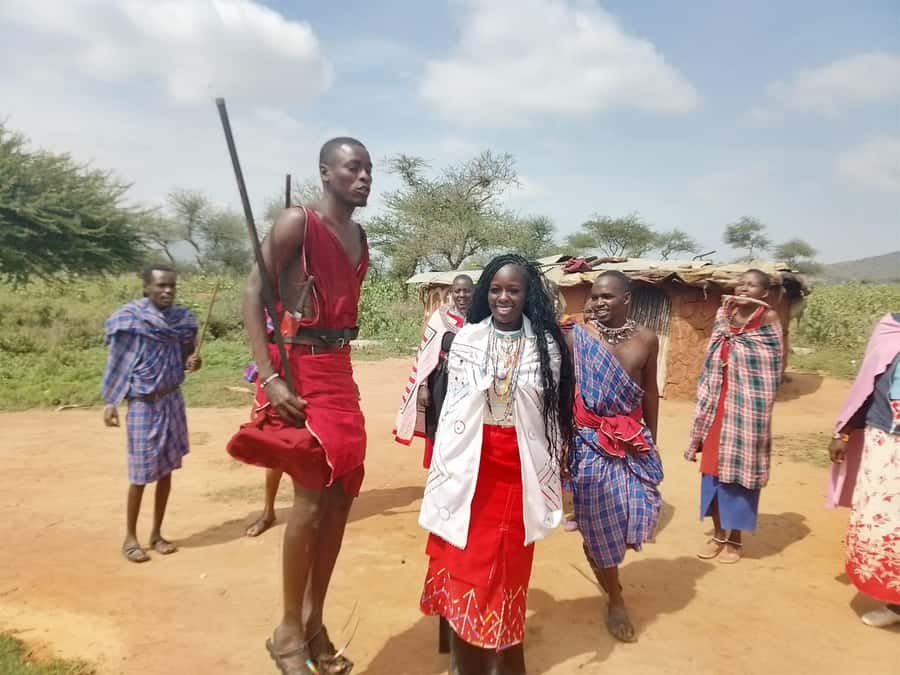
On some days, the outing includes a stop at one of Kenya’s largest livestock markets. This is not guaranteed every day, so you should not book solely for this part of the program.
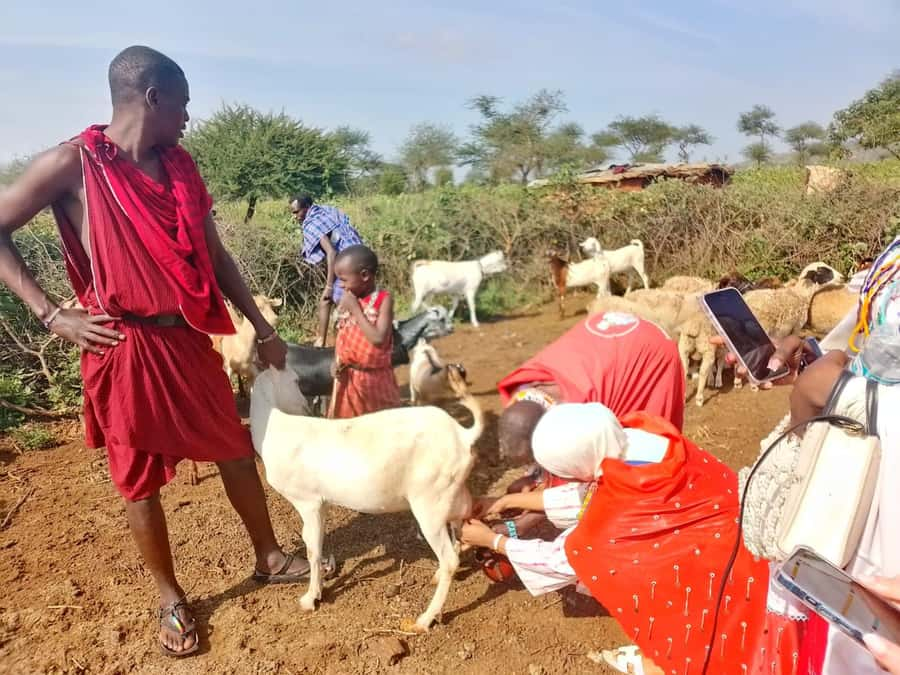
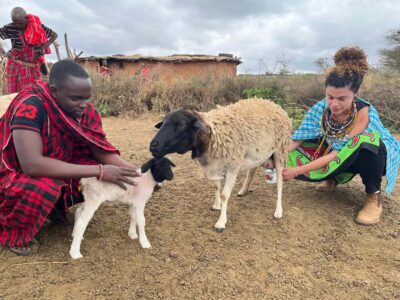
When available, the market offers a practical look at the economic side of Maasai life. Cattle, goats, and sheep are traded, and the setting shows how livestock connects commerce, household needs, and social relationships. It adds useful context to what you learn at the village, where cattle care is discussed as part of everyday life.
A market visit can also change the rhythm of the day. Instead of a quiet family compound, you may encounter a more active public setting with trading and movement. Ask your guide whether the market is operating on your date if this is important to you.
How authentic will the visit feel?
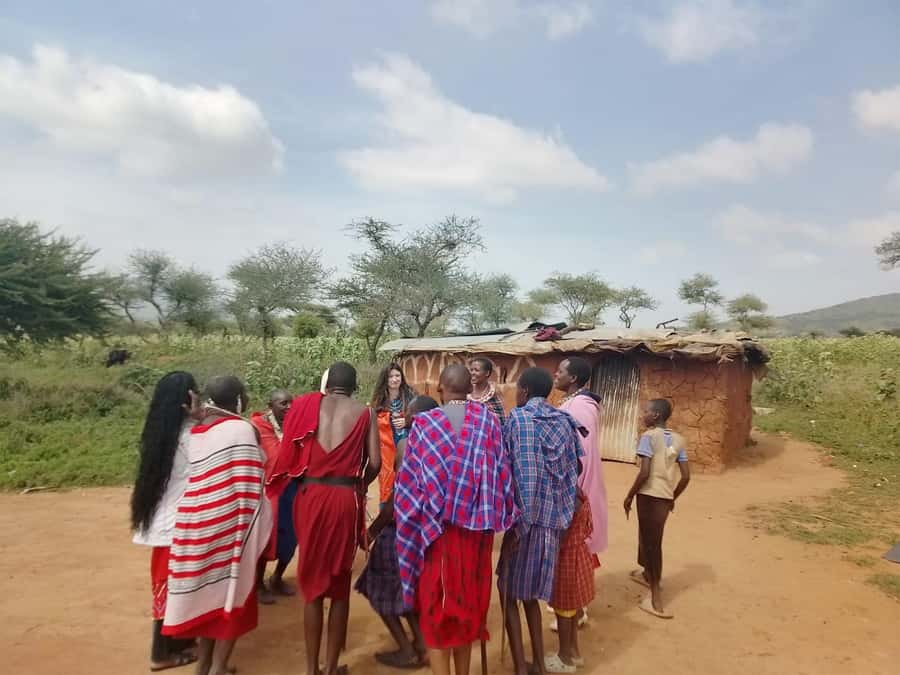
This is the key question. The experience is presented as a visit to a secluded Maasai village away from mass tourism, but the exact setting may not match every person’s idea of a village.
One account described the destination as a small family group with only a couple of huts rather than a larger community. Another assessment found the experience very commercialized. Those concerns are fair to consider, particularly because you pay a separate $30 admission fee per person and may also be encouraged to buy jewelry or make a donation.
At the same time, the activities themselves can still be meaningful. Fire-making, cooking, beadwork, songs, stories, and the manyatta visit provide direct contact with traditions. A small family compound may offer more personal conversation than a large staged attraction, but it may also feel less like a complete community visit.
I would set your expectations carefully. This is a guided cultural encounter arranged for visitors, not an unplanned visit to daily Maasai life. If you want respectful access, structured teaching, and the chance to support local hosts, it can work well. If you expect to spend the day living alongside a large village community with no commercial element, you may be disappointed.
What the $55 price really covers
The advertised price is $55 per person. It includes Nairobi pickup and drop-off, bottled water, the English-guided outing, and the cultural activities. The separate $30 admission fee per person makes the basic cost $85 before any personal spending, food, extra drinks, jewelry, or donations.
That is not a bargain half-day excursion, especially when a large share of the six hours may be spent driving. The value depends on what you want from the day. For a first introduction to Maasai traditions, the combination of transportation, guide, activities, and small-group access may be practical. For a short photo stop, it is expensive.
The fee structure should be clear before you book. A previous account also felt that the overall cost was high when the drive and entrance charge were considered together. I would treat the $30 payment as a real part of the price, not an incidental extra.
The small group helps justify some of the cost. With no more than 10 participants, you have a better chance to try each activity and ask questions than you would in a large coach group. Still, compare the total cost with your own interest in hands-on cultural learning.
Who will enjoy this day?

I would recommend it most to people who:
- Want a structured introduction to Maasai customs near Nairobi
- Prefer participating in activities to simply taking photographs
- Enjoy meeting local hosts and asking questions
- Have enough time for a long road transfer
- Are comfortable with a social, interactive visit
- Understand that tourism and community support are part of the arrangement
It may not suit you if you dislike staged welcomes, shopping opportunities, or organized cultural demonstrations. It is also a weak choice if you have limited mobility unless the provider confirms that the specific site can accommodate you.
Bring comfortable shoes, a sun hat, sunscreen, and a camera. High-heeled shoes and bare feet are not allowed. Since photography is expected, ask for permission and follow the guide’s advice rather than assuming every moment is yours to record.
The tour is offered in English, and the booking terms allow cancellation up to 24 hours before departure for a full refund. You can also reserve now and pay later, which helps if your Nairobi plans may change.
Should you book the Maasai village experience?
Book it if you want a hands-on cultural day and accept that the visit is arranged for tourists. The fire-making, ugali cooking, beadwork, manyatta visit, and songs give you several ways to engage with Maasai traditions, while the small group and guides such as Ben and Jen can make the day feel personal.
Think twice if you expect a large, untouched village or if the extra $30 fee makes the total price uncomfortable. The setting may be a small family compound, and the experience can feel commercial to some people. My advice is to book with realistic expectations, confirm the admission charge and accessibility details, and treat the visit as a respectful cultural introduction rather than a window into every part of Maasai life.
FAQ
How long does the Maasai village experience last?
The experience lasts six hours, including the journey from Nairobi and the cultural activities.
What is included in the price?
The $55 price includes pickup and drop-off within Nairobi, bottled water, an English-guided visit, and hands-on activities such as cooking, beadwork, and fire-making.
Is there an additional admission fee?
Yes. An admission fee of $30 per person is not included in the advertised tour price.
Does the tour include hotel pickup?
Yes. Pickup is available from any location within Nairobi. You provide your address after booking and receive a confirmed pickup time and exact pickup point.
What activities can I try at the Maasai village?
You can try making a fire without matches, cooking ugali with local women, creating Maasai beadwork, and entering a traditional manyatta. You can also watch songs and jumping dances and hear stories about Maasai customs.
Is the livestock market visited on every tour?
No. The livestock market is included only on select days.
Is the experience suitable for wheelchair users?
The information is inconsistent. It is marked as wheelchair accessible in one section but also listed as unsuitable for wheelchair users and people with mobility impairments. Confirm the conditions directly before booking if this applies to you.
What should I bring?
Bring comfortable shoes, a sun hat, sunscreen, a camera, and water. High-heeled shoes and bare feet are not allowed.
Just added around Nairobi
- Visit kibera Slum the chocolate city★ 4.8 · 3 reviews
- Day Tour to Nairobi national park, Elephants, and Giraffe Center★ 3.5 · 8 reviews
- Explore local Market matatu ride & Make Kenyan Cuisines with a home cook★ 5.0 · 8 reviews
- Kibera Slum Tour with a Local★ 5.0 · 15 reviews
- Urban Forest Tour in Nairobi★ 5.0 · 7 reviews
- Vegans special safari★ 4.5 · 4 reviews
- Private Mini Safari Tour in Nairobi★ 5.0 · 6 reviews
- Private Kenyan Cooking Class in Nairobi with a Local★ 5.0 · 3 reviews
Maasai Village Visits, compared.

Nairobi: Day Tour to Amboseli National Park & Maasai Village
Read our review →
From Nairobi: Maasai Village Experience Day Tour
Read our review →
Day Trip: Amboseli National Park & Maasai Village – Nairobi
Read our review →
Nairobi: Day Trip to Maasai Mara Reserve & Maasai village
Read our review →
3days/2nights group joining Masai Mara with Masai Village Visit
Read our review →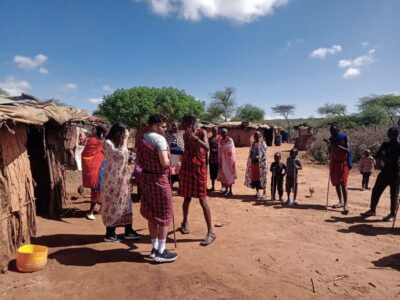
Maasai Village Visit with Traditional Dance Show
Read our review →Browse the lists this tour appears in