
Reviewed · MAASAI VILLAGE VISITS
Nairobi: Masai Village Day Tour with Local Guide
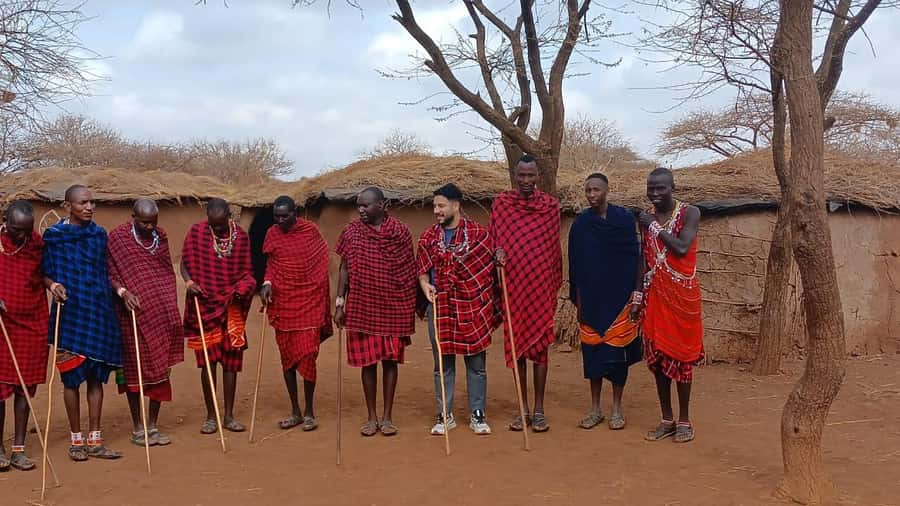
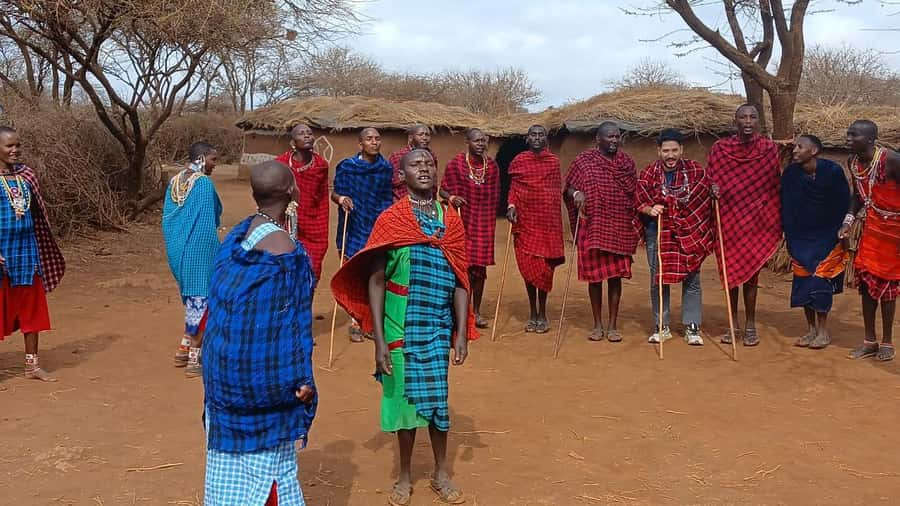
The most memorable part of this day is the direct contact with Masai traditions. You are not simply looking at scenery from a vehicle. At the village, you can learn dances, try making fire, dress in Masai clothing, and ask about daily customs with a local guide at hand.
I like the private vehicle and the personal attention that comes with it. I also like the practical activities, especially fire-making and the chance to learn about traditional hunting skills rather than only hearing a short cultural talk.
The main drawback is the road time. The transfer is listed at about six hours, so this is a long day for a village visit. Add the $30 entry charge, meals, and drinks to the $50 booking price before deciding if the experience fits your schedule and budget.
Key points to know before booking
- Tasha and Surfic guide the visit: The named guides lead a private outing with English support.
- Hands-on activities are part of the visit: You may learn traditional dances, try making fire, dress in Masai clothing, and explore hunting skills.
- The total basic cost is $80 per person: That combines the $50 tour price with the separate $30 village entry fee, before food and drinks.
- The day includes a long transfer: Allow for roughly six hours of travel, plus about six hours in and around the Kajiado area.
- The vehicle is private and air-conditioned: Hotel pickup and drop-off, bottled water, and a driver-guide are included.
- Cultural respect matters: Ask before taking photographs, since some parts of the visit may restrict photography.
Why this Masai village visit is different
Many day trips from Nairobi are built around wildlife viewing. This one puts community life and cultural practice at the center. The purpose is to see how Masai customs are expressed through dance, clothing, craft, ceremony, fire-making, and knowledge of the land.
That matters because culture is easier to understand when you can take part in a simple activity. Learning a dance step or watching fire being made gives you a more useful sense of skill and tradition than a quick stop for photographs. You also have a chance to ask questions about the relationship between the Masai people, the land, and wildlife.
The experience is not presented as a museum display. It takes place in a traditional village, with a local guide helping explain what you see. That makes the visit more personal, but it also means you should arrive with patience and respect. This is a community visit, not a staged show built only for fast sightseeing.
I would choose this tour if you want cultural contact and conversation. I would not choose it if your main goal is a safari, a short city excursion, or a tightly timed activity with very little driving.
More Maasai Village Visits in Nairobi
- Masai village Day Tour Experience
★ 5.0 · 284 reviews - Maasai Village Experience Day Tour
★ 5.0 · 72 reviews - From Nairobi: Maasai Village Experience Day Tour
★ 4.9 · 70 reviews
Leaving Nairobi for Kajiado
The day begins with hotel pickup in Nairobi. You travel in an air-conditioned vehicle with bottled water and a driver-guide, and the group is private rather than shared with strangers. For many people, that private setup will make the long ride easier, since you can keep the day focused on your own questions and pace.
The transfer is listed at about six hours. That is the single most important practical detail here. A tour described as a day trip can still feel demanding when much of the day is spent on the road. I would avoid placing another major activity on the same evening.
The route takes you toward Kajiado, where the village visit takes place. The provided schedule allows about two hours in Kajiado for guided sightseeing, walking, and a class, followed by another four hours of visiting, guiding, sightseeing, and classes. The exact order of these activities is not specified, so ask the operator about departure time and the planned balance between driving and village activities.
Wear shoes that can handle walking. A hat, sunscreen, and water are sensible because parts of the visit take place outside, and the tour specifically advises protection from the sun. Bottled water is included, but carrying extra water is still recommended.
Meeting the village and local guides
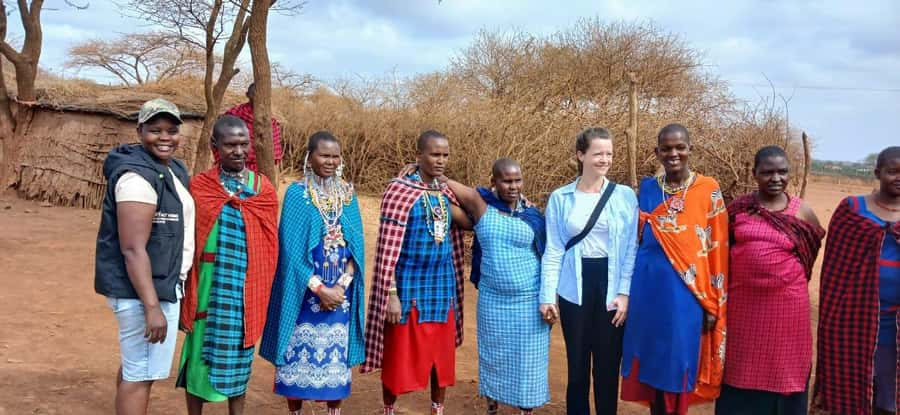
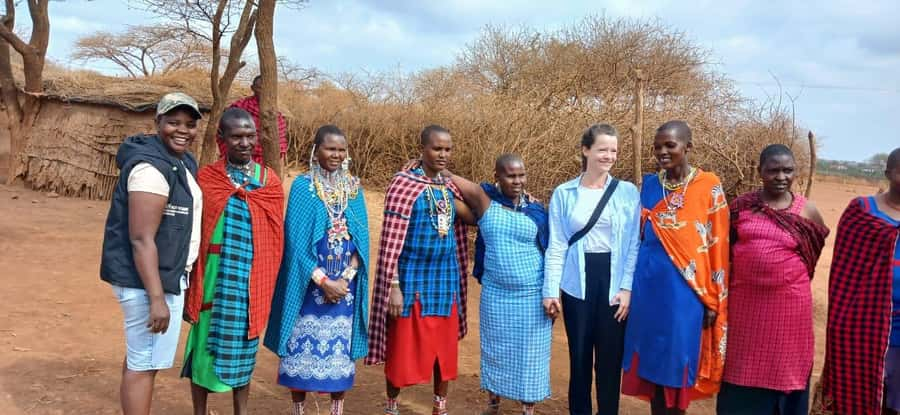
At the village, Tasha and Surfic are the named guides associated with this experience. They help make the visit more than a quick look around. You can ask about customs, daily routines, ceremonies, and the ways Masai knowledge is passed along.
The English-language guiding is useful for visitors who want context rather than a silent walk. The key value is not just translation. It is having someone explain why a practice matters and how it connects to Masai identity.
You should be ready for a visit that includes both observation and participation. The activities can include traditional dancing, an authentic ceremony, fire-making, and lessons connected with hunting. The exact mix may depend on the day, so treat the schedule as a guide rather than a promise that every activity will happen in the same order.
The cultural setting calls for good manners. Listen before joining in, follow instructions, and ask permission before photographing people or particular areas. Photography may be restricted in some places. A camera is welcome, but it should not be the first thing you reach for.
Learning through dance, clothing, and fire
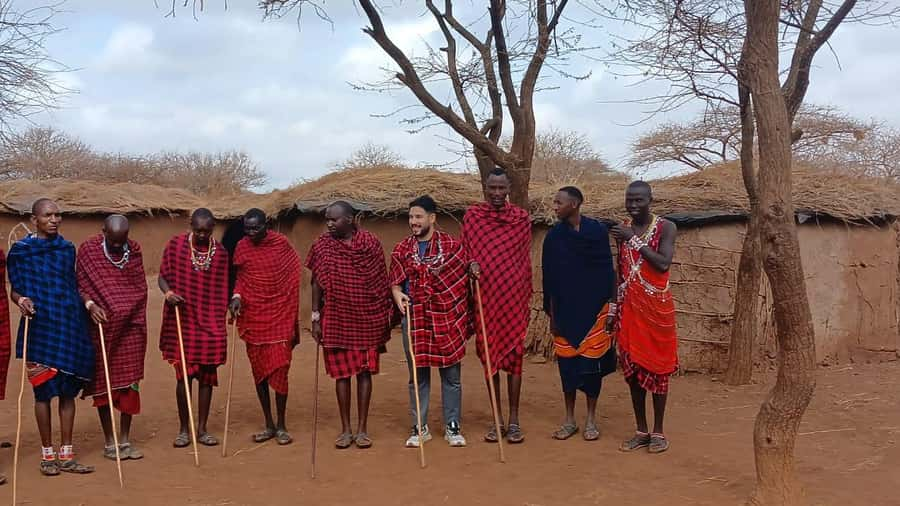
The hands-on part is the strongest reason to book this outing. You may be invited to learn traditional dances, and you can get a better sense of the energy and coordination involved when you try the movements yourself.
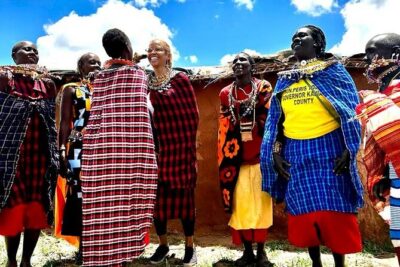
You may also get to dress like a Masai person during the visit. This can be fun, but it is worth treating it as a cultural activity rather than a costume photo opportunity. Let the local guides explain what you are wearing and how it is used.
Fire-making is another memorable lesson. It gives you a direct look at a practical skill and shows why indigenous knowledge is tied to close observation of natural materials and the local setting. The activity is simple in appearance, yet difficult to perform without instruction.
The visit may also include an introduction to hunting skills. The available information does not spell out the exact method or length of this lesson, so I would not book the tour expecting a full technical workshop. Think of it as a short, practical window into traditional knowledge.
These activities are valuable because they give you something to do, not just something to photograph. They also create natural moments for questions. If you are curious about food, family life, ceremonies, work, or the role of wildlife, ask the guide rather than guessing from what you see.
Same corner of Kenya, a completely different kind of day:
- Nairobi National Park Half-Day Tour; Free Wi-Fi connection
★ 5.0 · 878 reviews - Nairobi: National Park & Optional Elephants & Giraffe Center
★ 4.8 · 874 reviews - NAI NAMI: Nairobi Storytelling Tour with Street Children
★ 5.0 · 792 reviews - Nairobi National Park Half-Day Game Drive
★ 4.5 · 738 reviews
The role of ceremony and community customs
Ceremony is listed as part of the cultural experience. The exact ceremony is not named, and that is a reason to keep your expectations flexible. You may see a custom explained by the community rather than a formal performance timed solely around your arrival.
That distinction matters. A respectful cultural visit should leave room for local control. You are entering a community setting, so the guide’s instructions should shape what you do and where you go.
The tour aims to show how Masai people relate to the land and coexist with wildlife. I like that this adds a wider frame to the visit. You are not only learning isolated facts about clothing or dance. You are also hearing about a way of life connected to place, animals, and inherited knowledge.
Still, one day cannot explain every part of Masai society. This is an introduction, not a complete education. Come ready to learn, but do not expect a single visit to represent every Masai community or tradition.
A private tour for a more flexible day
The private group format is a real advantage. With your own vehicle and driver-guide, you can ask more questions and avoid the compromises of a large coach group. The available feedback also describes a van used only by the booking party, which is useful if you value space and privacy during a long transfer.
Private does not mean the day will be fast. The road distance still controls much of the schedule. It simply means the time in the vehicle is shared with your own party, and the guide can focus on your interests.
Families and small groups may appreciate that arrangement, though the activity is not recommended for pregnant women, people with back problems, people with mobility impairments, or wheelchair users. The walking and road travel are the main concerns.
The tour is conducted in English. If you want detailed discussion, prepare a few questions in advance. Good questions can turn a short explanation into a more useful conversation about customs, ceremonies, local knowledge, and wildlife.
What the $50 price really covers
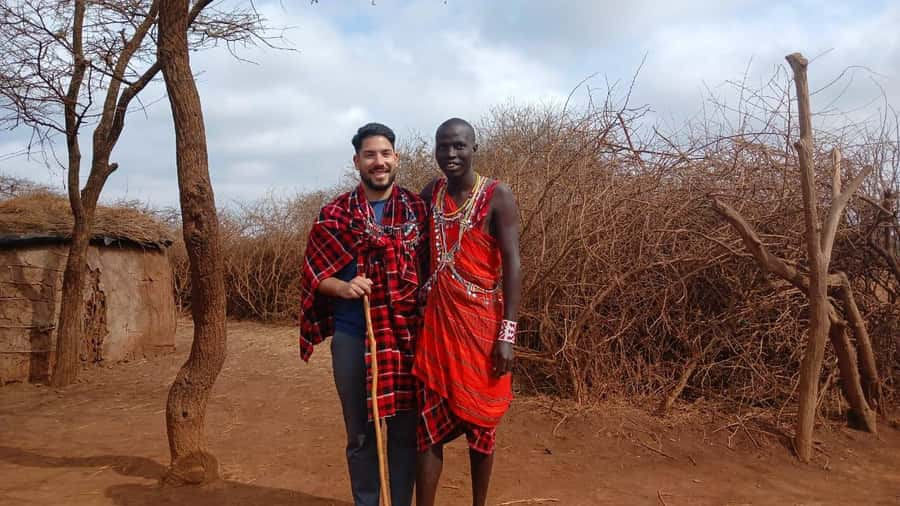
The advertised price is $50 per person, but the village entry fee adds $30 per person. That brings the basic cost to $80 before meals and drinks.
For that amount, you receive hotel pickup and drop-off, an air-conditioned vehicle, a driver-guide, bottled water, and the village experience with its cultural activities. The value depends heavily on how much you want personal contact and hands-on learning.
I think the price is fair for a private day with transport from Nairobi, especially for a small group that wants its own vehicle. The separate entry fee should not surprise you, though. It is large enough to include in your first budget calculation, not treat as a minor extra.
Meals and drinks are not included. Carry water and plan for food as needed, since the provided details do not specify meal arrangements. If you prefer a day with every expense bundled in, this tour may feel less convenient.
Free cancellation is available up to 24 hours before the activity for a full refund, and you can reserve now and pay later. Those terms help if your Nairobi schedule is still changing.
Who will get the most from this day
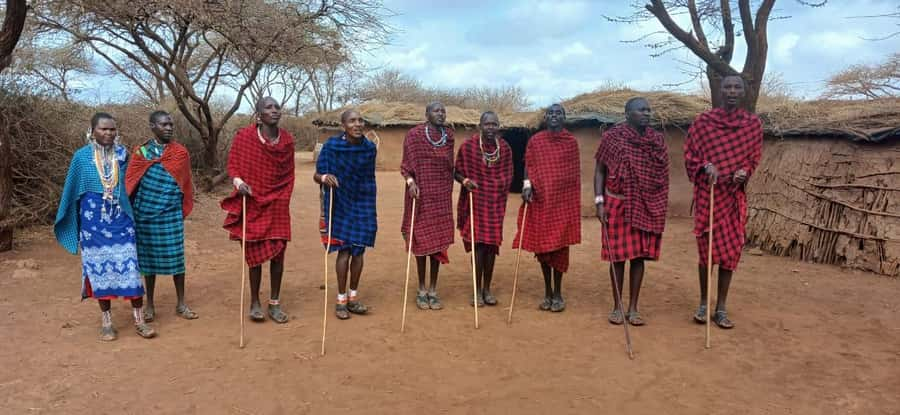
I would recommend this outing to you if you want to:
- Meet a local guide and ask direct questions
- Learn through dance, fire-making, clothing, and practical demonstrations
- Visit a Masai community instead of spending the whole day on wildlife viewing
- Travel privately from your Nairobi hotel
- Accept a long transfer in exchange for a focused cultural visit
I would be cautious about booking it if you have limited time in Nairobi. The transfer is long, and the day may feel tiring if you are hoping for a short half-day activity.
It is also not a good fit if walking is difficult or if you need wheelchair access. Comfortable shoes are required, and the tour advises against booking for people with mobility impairments, back problems, or pregnancy.
Photography-minded visitors should also adjust their habits. You can bring a camera, but ask before taking pictures and accept that some areas or activities may be off limits. The best memory may come from taking part rather than collecting images.
Practical advice for a respectful visit
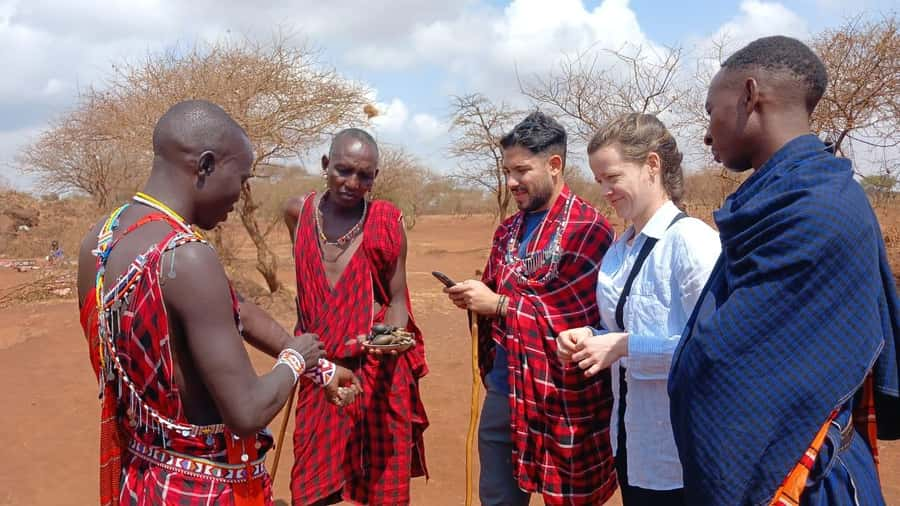
Before pickup, wear light, comfortable clothing and walking shoes. Bring a hat, sunscreen, a camera if you wish, and extra water. Smoking, alcohol, drugs, and littering are not allowed.
Your behavior will shape the quality of the visit. Ask permission before photographing people, do not interrupt ceremonies, and follow the guide’s directions during dancing, fire-making, or hunting lessons.
Try to learn a few names and ask open questions. A question about how a skill is taught, why a ceremony matters, or how people use local knowledge will usually lead to a better exchange than asking only for a photo.
The handmade beaded rings offered as souvenirs are a small but memorable touch. If you receive or buy one, remember that the value is not only decorative. It represents work by local makers and gives you a more direct connection to the community visit.
Should you book the Nairobi Masai village tour?
Book it if you want an active cultural day with a private vehicle, English-speaking guidance, and practical activities. Tasha and Surfic are named as the local guides, and the chance to dance, dress in Masai clothing, make fire, and learn about hunting gives the visit more substance than a simple village stop.
Think twice if six hours of transfer sounds excessive or if you need a short, easy excursion. At $50 plus the $30 entry fee, meals, and drinks, the cost is reasonable for a private experience but not an all-inclusive bargain.
My call: this is a good choice for curious visitors who value conversation and participation over speed. Build in the full day, budget $80 before food, wear proper shoes, and arrive ready to follow local guidance. That approach gives you the best chance of leaving with understanding, not just photographs.
FAQ
How long does the tour last?
The activity lasts one day. The transfer is listed at about six hours, with about two hours of guided activities in Kajiado and another four hours of visiting, sightseeing, and classes.
What is included in the price?
The $50 price includes hotel pickup and drop-off, a driver-guide, bottled water, and transport in an air-conditioned vehicle.
Is the Maasai Village entry fee included?
No. The village entry fee is an additional $30 per person.
Are meals and drinks included?
No. Meals and drinks are not included. Bottled water is provided.
What language is the tour offered in?
The live tour guide language is English.
Is this a private tour?
Yes. The activity is arranged for a private group.
Can I take photographs during the visit?
You can bring a camera, but photography may be restricted in certain areas. Ask for permission before taking photographs.
Just added around Nairobi
- Visit kibera Slum the chocolate city★ 4.8 · 3 reviews
- Day Tour to Nairobi national park, Elephants, and Giraffe Center★ 3.5 · 8 reviews
- Explore local Market matatu ride & Make Kenyan Cuisines with a home cook★ 5.0 · 8 reviews
- Kibera Slum Tour with a Local★ 5.0 · 15 reviews
- Urban Forest Tour in Nairobi★ 5.0 · 7 reviews
- Vegans special safari★ 4.5 · 4 reviews
- Private Mini Safari Tour in Nairobi★ 5.0 · 6 reviews
- Private Kenyan Cooking Class in Nairobi with a Local★ 5.0 · 3 reviews
Maasai Village Visits, compared.

Nairobi: Day Tour to Amboseli National Park & Maasai Village
Read our review →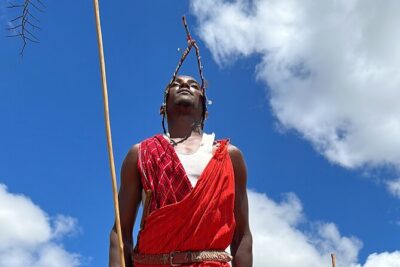
From Nairobi: Maasai Village Experience Day Tour
Read our review →
Day Trip: Amboseli National Park & Maasai Village – Nairobi
Read our review →
Nairobi: Day Trip to Maasai Mara Reserve & Maasai village
Read our review →
3days/2nights group joining Masai Mara with Masai Village Visit
Read our review →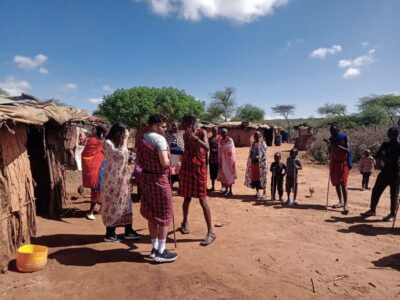
Maasai Village Visit with Traditional Dance Show
Read our review →Browse the lists this tour appears in