
Reviewed · COFFEE & TEA FARM TOURS
Coffee Farm Tour (Fairview)
Fairview turns a morning or afternoon in Nairobi into a farm-to-cup lesson. After a roughly 20-minute drive from the city, you walk through a working coffee estate, follow the crop from flower to ripe cherry, and learn how those beans become the brewed Kenyan coffee in your cup. I like the close setting near Nairobi and the private format, which lets you ask questions without keeping pace with a large group.
I also like the reliable hotel pickup. Guide Alex Kamau is repeatedly singled out for being punctual, friendly, and reassuring behind the wheel, and some visitors have added a Nairobi walking tour with him afterward. The main drawback is the extra $30 entrance fee, which is not included in the advertised $63.92 price, so check the final cost before booking.
Key points to know before booking
- A working coffee farm near Nairobi: Fairview is close enough for a short drive rather than a full-day excursion outside the city.
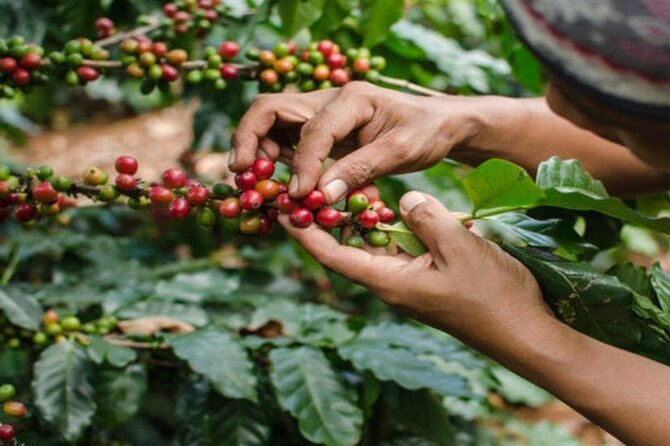
- Coffee from flower to finished drink: The tour explains cultivation, cherry growth, processing, and tasting in one visit.
- Private transport and guiding: Your group travels alone, with hotel pickup, drop-off, and a farm guide included.
- At least two estate coffees: You taste Fairview brands and can compare their different profiles.
- Guide Alex Kamau gets practical praise: Punctual pickups, safe driving, and useful information about Kenya are part of his appeal.
- Budget for the entrance fee: The listed tour price is $63.92 per person, while the $30 farm fee is separate.
A short drive from Nairobi to Fairview
The outing begins with pickup from your hotel in Nairobi. The drive to the farm takes about 20 minutes, according to the tour details, so this is an easy add-on to a city stay rather than a distant agricultural expedition.
That short transfer matters. You spend less time in a vehicle and more time at the estate, while still seeing a different side of Kenya’s central highlands. Guide Alex Kamau has been praised for arriving on time and sharing useful facts about Kenya during the drive, which helps turn the transfer into part of the experience rather than dead time.
The tour is offered in two daily windows: 10:00 a.m. to noon and 2:00 p.m. to 4:00 p.m. The overall booking duration is about five and a half hours, so allow extra time around the scheduled farm visit for pickup, drop-off, and transport. Confirm the exact pickup time when you book, especially if you have a flight, restaurant reservation, or another Nairobi activity later.
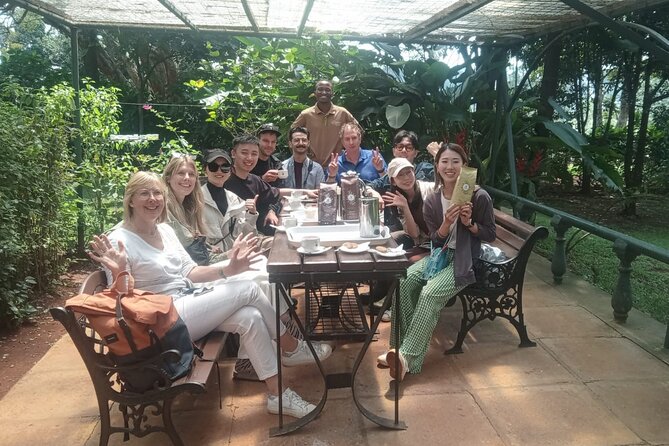
Because the activity is private, only your own group participates. That is useful if you want to stop for questions, spend longer examining a coffee plant, or move at a pace that suits your group. It also makes this a better fit for families, couples, and small groups than for solo visitors seeking the lowest possible price.
More Coffee & Tea Farm Tours in Nairobi:
- Nairobi Coffee Farm and Factory Tour
★ 5.0 · 87 reviews - Nairobi: Coffee Factory and Farm Tour with Transfer
★ 4.5 · 60 reviews - Nairobi to Kiambethu Tea Farm Tour
★ 5.0 · 51 reviews
Seeing coffee before it becomes a bean
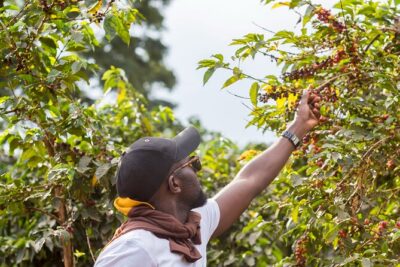
The first lesson is cultivation. You walk through the growing process, beginning with the coffee plant’s flowers and following the crop toward mature coffee cherries.
This is the part that gives the tasting real context. Coffee often reaches you as a sealed bag of roasted beans, with little sense of the plant behind it. At Fairview, you get to connect the final drink with the flowers, cherries, and farm work that come before roasting and brewing.
The tour description focuses on the full cycle, from tender buds to ripened cherries. You should expect an outdoor farm walk rather than a purely indoor presentation. Wear shoes suitable for walking around a working estate, and bring a light layer if Nairobi’s weather is cool or changeable.
The information provided does not specify the exact harvest season or which sections of the farm you will visit on a particular date. That means the plants may look different depending on the time of year. You might see flowering plants, developing fruit, or ripe cherries, but the precise stage is not guaranteed.
Still, the basic lesson remains useful at any time. You learn that coffee is an agricultural product first, not simply a beverage with a fancy label. That distinction makes the later tasting more meaningful.
Following the beans through processing
After cultivation comes processing. The guide explains how raw coffee beans are changed into the aromatic product used for brewing.
The tour does not list every processing method or promise a specific machine demonstration, so you should not book it expecting a detailed technical workshop. Instead, think of this as a clear introduction to the stages between picking and drinking. You learn what happens after the coffee cherries leave the plant and why processing affects the final cup.
That farm-to-cup sequence is one of the strongest reasons to choose Fairview. A coffee tasting on its own can tell you what you like. A farm visit explains why the coffee tastes different in the first place.
The private format helps here. If a term or step is unclear, you can ask the guide to explain it in plain language. The tour is conducted in English, according to the available information, so English-speaking visitors can follow the presentation directly.
Tasting Fairview’s estate coffees
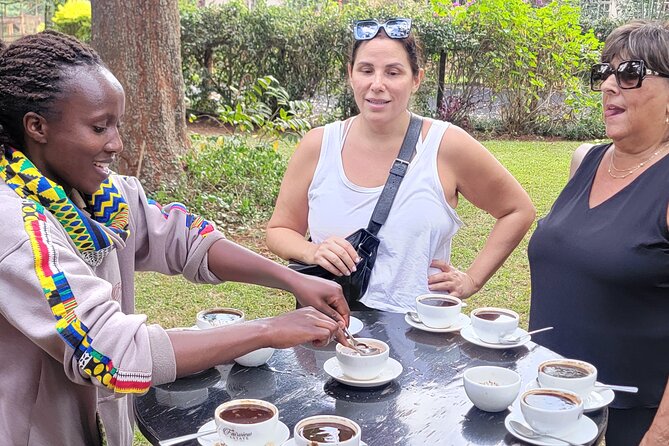
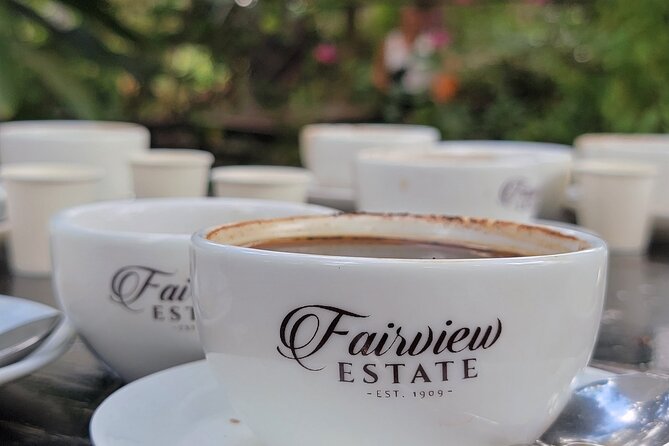
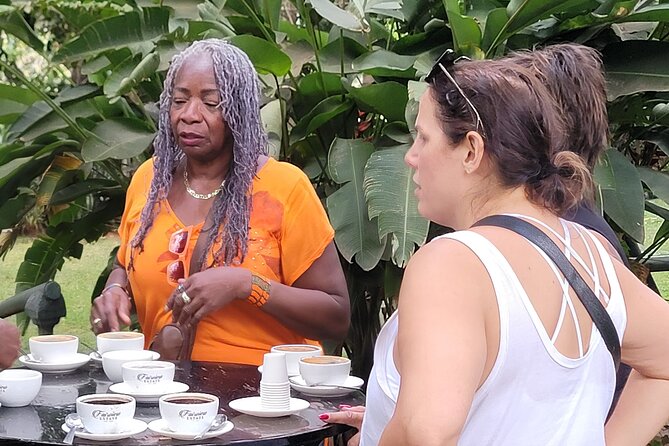
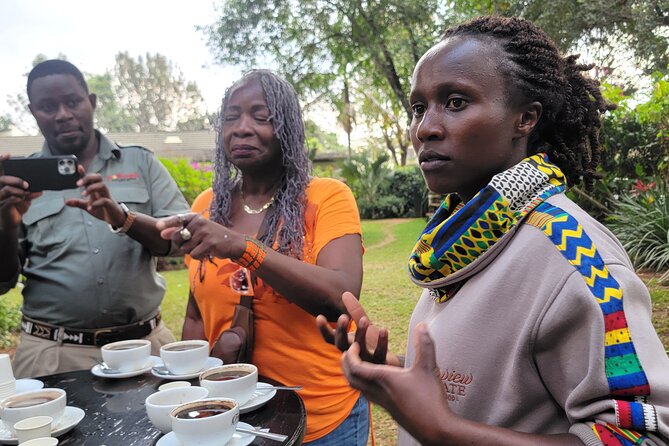
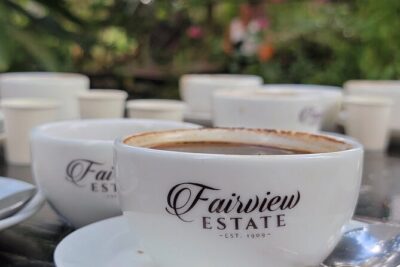
The visit ends with coffee tasting. You sample at least a couple of Fairview’s brands, brewed from coffee grown on the estate.
This is not presented as a large professional cupping session with a long list of samples. It is a simpler chance to taste the finished product after seeing how it is produced. That makes the format friendly for people who enjoy coffee but do not know much about roasting or tasting terms.
Pay attention to the differences between the brands. You may find one coffee more appealing than another, and the tasting gives you a chance to identify a favorite before buying coffee to take home. One person found a new favorite during the visit, which is a good reminder that the value is not only educational. You may also leave with a clearer idea of which Kenyan coffee style suits your taste.
The tour promises pure brewed Kenyan coffee and at least a couple of Fairview products. It does not specify the exact brands, brewing method, roast level, or serving size, so do not expect a fixed tasting menu. The selection may vary.
For coffee drinkers, this final cup is the natural payoff. For people who rarely drink coffee, it still gives the farm visit a clear ending, although the agricultural and cultural parts may be more important to you than the tasting itself.
A few more Nairobi trips worth comparing
- Nairobi National Park Half-Day Tour; Free Wi-Fi connection
★ 5.0 · 878 reviews - Nairobi: National Park & Optional Elephants & Giraffe Center
★ 4.8 · 874 reviews - NAI NAMI: Nairobi Storytelling Tour with Street Children
★ 5.0 · 792 reviews - Nairobi National Park Half-Day Game Drive
★ 4.5 · 738 reviews
What the private format adds
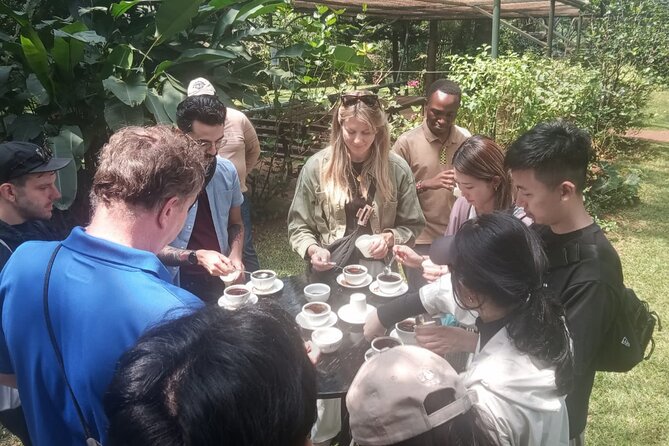
A private tour gives you control over the conversation. You do not have to wait for a large group to finish taking photographs or listen to questions that do not interest you.
It also provides a more personal start and finish. Hotel pickup and drop-off are included, along with bottled mineral water. That simplifies the day, particularly if you are staying in Nairobi without a rental car.
The transport service receives strong practical praise. Alex is described as punctual, pleasant, and safe, and he has shared local facts during the drive. Those details matter more than flashy commentary when you are arranging a half-day outing in an unfamiliar city.
There is also some flexibility in how you use your time with him. Some visitors have arranged an additional Nairobi city-center walking tour after the coffee visit. That is not listed as part of this coffee experience, so treat it as a possible separate arrangement rather than an included feature. If you are interested, ask the provider about it before relying on the plan.
A private tour can cost more than joining a large shared group, but here the price includes transport and a dedicated tour setup. For a couple or small group that values convenience, the added cost may make sense. Solo visitors should compare the total price carefully, since the $63.92 charge is per person and the farm entrance fee is extra.
Working out the real cost
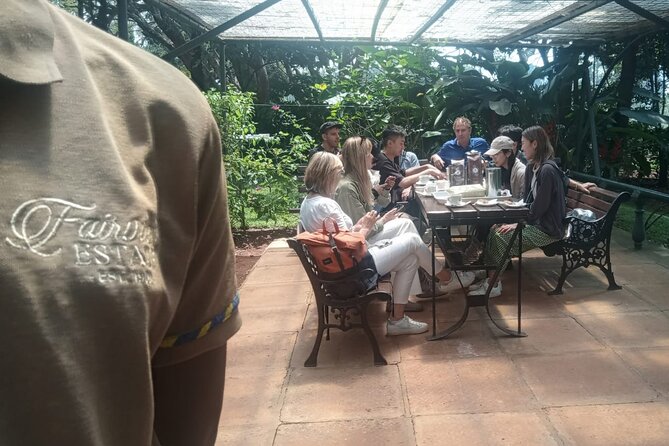
The advertised price is $63.92 per person. On top of that, you must pay a $30 farm entrance fee, which is specifically excluded from the tour price.
That means you should budget at least $93.92 in listed charges before considering anything else. The supplied information does not clearly state whether the $30 entrance fee is charged per person or per group, so confirm that detail before payment. This is the most important price question to settle.
For that cost, you receive hotel pickup and drop-off, a professional farm guide, private participation, bottled water, the farm visit, coffee education, and tasting. The value is strongest if you want a convenient, focused outing without arranging your own transport.
It is less compelling if you only want a quick cup of coffee or a cheap tasting. You are paying for the setting, the farm walk, the guide, and the transport as much as for the drink itself. The experience makes more sense when you treat it as a half-day introduction to Kenyan coffee production.
The tour is commonly booked about 11 days ahead, so reserving early is sensible if your Nairobi dates are fixed. Confirmation is provided when you book, and free cancellation is available up to 24 hours before the start time. Changes or cancellations made inside that 24-hour window are not accepted for a refund, with cut-off times based on local time.
Choosing the right time and pace
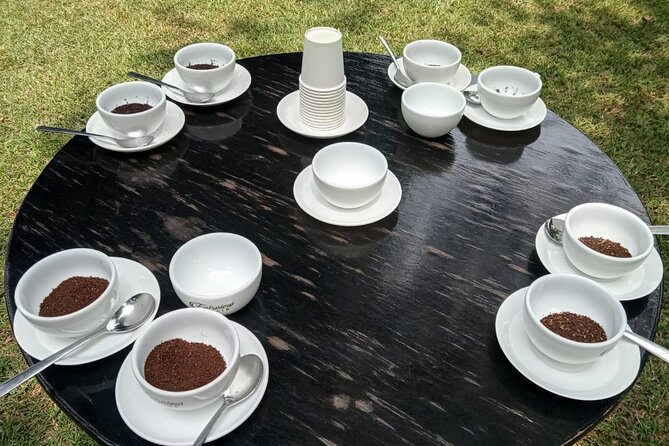
The morning and afternoon departures give you useful flexibility. The 10:00 a.m. to noon option leaves the rest of the day open for Nairobi sightseeing, while the 2:00 p.m. to 4:00 p.m. option can fit after a morning city activity.
Remember that the stated farm program lasts two hours, while the complete booking is listed at about five and a half hours. The difference likely covers pickup, transport, and return, but you should allow a generous buffer. Nairobi traffic can affect any road transfer, even when the farm is only about 20 minutes away under normal conditions.
The tour works well as a standalone half-day plan. It can also pair with city sightseeing, especially if you arrange the schedule carefully. Avoid booking a tight connection afterward, since the return time may shift with traffic or pickup timing.
Bring drinking water if you prefer more than the included bottle, and dress for an outdoor visit. The provided information confirms bottled water but does not specify shade, seating, or indoor facilities, so practical comfort may vary during the farm walk.
Who will enjoy Fairview most
I would recommend this experience to you if you:
- Drink coffee and want to understand how Kenyan beans are produced.
- Have a short Nairobi stay and want an outing close to the city.
- Prefer private transport over finding your own way to a farm.
- Enjoy guided walks with room for questions.
- Want to combine a coffee visit with other Nairobi plans.
- Are traveling with a small group and value a personal pace.
It is also a good choice for people who want a gentle introduction to agriculture rather than a highly technical coffee course. The program covers the full chain in an accessible way, from plant to processing to brewed coffee.
You may want to skip it if you are looking only for a quick tasting, dislike outdoor walking, or need a firmly fixed finish time. The extra entrance fee also weakens the value for budget-focused visitors. Since the coffee tasting includes at least a couple of Fairview brands rather than a large selection, serious coffee professionals may want a more specialized experience.
What the strongest parts of the experience are
The best feature is the combination of easy access and real farm context. You do not need to spend a full day reaching a remote growing area, yet you still see coffee plants and learn how the crop develops.
The second strength is the transport service. A punctual pickup can make a big difference in Nairobi, and Alex Kamau’s friendly manner and local information add something useful to the drive. The sense of safety described in the available feedback is especially valuable if you are new to the city.
The tasting works because it comes after the explanation. By the time you drink the coffee, you have seen the crop and heard about processing, so the cup feels connected to a place rather than being an isolated sample.
The weaknesses are straightforward: the entry fee is extra, the total timing is longer than the two-hour farm program, and the tasting details are not fully specified. None of these issues makes the tour a poor choice, but you should know what you are paying for.
Should you book this coffee farm tour?
Book it if you want a convenient, private introduction to Kenyan coffee within easy reach of Nairobi. The farm walk, processing lesson, and tasting form a sensible half-day experience, and reliable pickup with a guide such as Alex Kamau removes much of the planning work.
Before paying, ask how the $30 entrance fee is charged and confirm your pickup and return times. If the final price fits your budget, Fairview is a good match for coffee drinkers, curious first-time visitors to Kenya, and anyone who wants a break from city streets without traveling far.
FAQ
Where is the coffee farm?
The Fairview coffee farm is near Nairobi, in Kenya’s central highlands, about a 20-minute drive from the heart of Nairobi according to the tour details.
How long does the experience last?
The complete experience lasts approximately five and a half hours. The guided farm visit itself is offered in two-hour time slots, from 10:00 a.m. to noon or from 2:00 p.m. to 4:00 p.m.
Is hotel pickup included?
Yes. Hotel pickup and drop-off are included, along with general pickup and drop-off service.
Is the tour private?
Yes. Only your group participates in the activity.
What is included in the price?
The package includes a professional farm guide, pickup and drop-off, hotel transportation, and bottled mineral water. The farm entrance fee is not included.
How much does the tour cost?
The listed price is $63.92 per person. You must also pay a separate $30 farm entrance fee. The available information does not clarify whether that fee is per person or per group, so confirm before booking.
Is the tour conducted in English?
Yes. The tour is conducted in English.
Can I cancel for a full refund?
Yes, if you cancel at least 24 hours before the experience start time. Cancellations or changes made less than 24 hours before the start time are not accepted for a refund.
Just added around Nairobi
- Visit kibera Slum the chocolate city★ 4.8 · 3 reviews
- Day Tour to Nairobi national park, Elephants, and Giraffe Center★ 3.5 · 8 reviews
- Explore local Market matatu ride & Make Kenyan Cuisines with a home cook★ 5.0 · 8 reviews
- Kibera Slum Tour with a Local★ 5.0 · 15 reviews
- Urban Forest Tour in Nairobi★ 5.0 · 7 reviews
- Vegans special safari★ 4.5 · 4 reviews
- Private Mini Safari Tour in Nairobi★ 5.0 · 6 reviews
- Private Kenyan Cooking Class in Nairobi with a Local★ 5.0 · 3 reviews
Coffee & Tea Farm Tours, compared.
Nairobi: Coffee Factory and Farm Tour with Transfer
Read our review →
Coffee Farm Village & Factory Half Day Tour with Pick-Up
Read our review →
Private Day Trip to Kiambethu Tea Farm in Limuru from Nairobi
Read our review →
Nairobi: Tea Farm Day Trip with Lunch at kiambethu
Read our review →Browse the lists this tour appears in