
Reviewed · COFFEE & TEA FARM TOURS
From Nairobi: Kiambethu Tea Farm Tour & Lunch
Kiambethu Tea Farm gives you a useful change of pace from Nairobi’s busy streets: a tea estate, old forest, and country lunch in one half-day outing. You learn how tea became one of Kenya’s main exports, then walk among indigenous trees where colobus monkeys may appear above you.
I like the gentle rhythm of the day and the fact that lunch is part of the experience, not an afterthought. I also like the small-group limit of 15, plus hotel transfers that spare you the trouble of arranging transport. The main drawback is value: at $160 per person, this is costly for a six-hour trip, especially if you have already planned Kenya’s major wildlife parks.
Key points at a glance
- Tea history with a real farm setting: Learn how tea production shaped Kenya while sitting at the estate’s main house.
- Forest walk with colobus monkeys: The indigenous forest adds wildlife interest beyond the tea fields.
- Fresh three-course lunch: Locally sourced ingredients, soft drinks, tea, and coffee are included.
- Simple Nairobi pickup: Collection begins around 9:30 am, with return to your accommodation included.
- Small English-speaking group: No more than 15 people, guided by staff familiar with African wildlife and culture.
- A calm alternative to a safari day: Best for a slower cultural outing, not for major game viewing.
Leaving Nairobi at 9:30 am
The day begins with pickup from your Nairobi hotel or accommodation. The listed meeting point is Haile Selassie Avenue, although hotel pickup is included, so confirm the exact arrangement when booking.
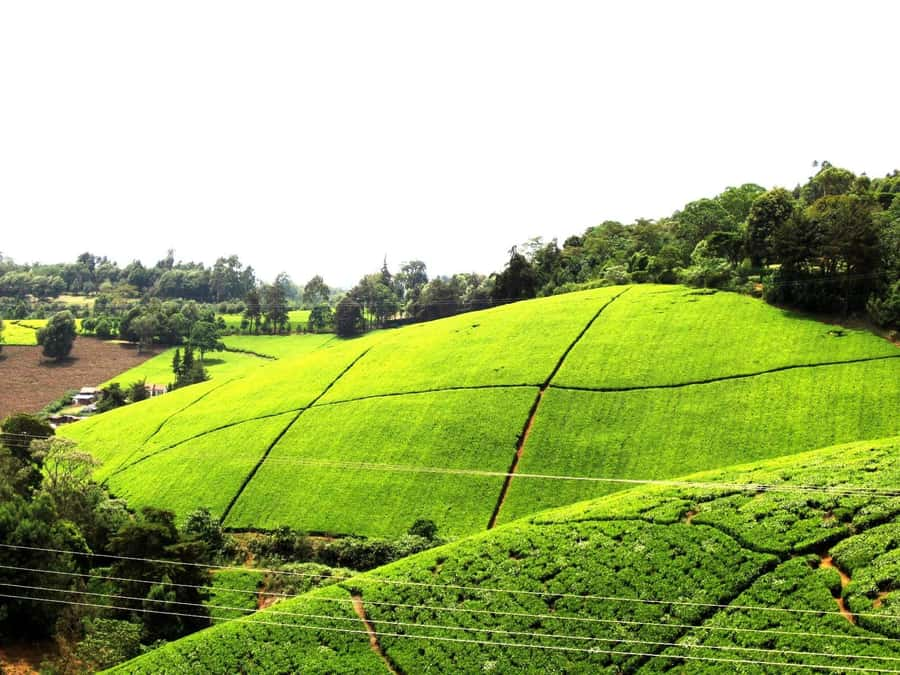
The drive takes about two hours each way. That means the vehicle portion uses a large share of the six-hour schedule, but the trip also gives you a scenic change from the city to the central Kenyan countryside. You arrive at Kiambethu’s main house at about 11 am.
This timing works well if you want a morning outing without leaving Nairobi before dawn. It also leaves enough of the afternoon free after your return. On the other hand, the long drive makes the price harder to justify if you are judging the tour only by time spent at the farm.
The driver matters here. Francis is specifically singled out as a particularly good driver, so if he is assigned to your trip, expect a pleasant ride. Do not count on a long history lesson in the van, though. The strongest interpretation of the farm and tea trade comes after arrival, from the guide at Kiambethu.
More Coffee & Tea Farm Tours in Nairobi:
- Nairobi Coffee Farm and Factory Tour
★ 5.0 · 87 reviews - Nairobi: Coffee Factory and Farm Tour with Transfer
★ 4.5 · 60 reviews - Nairobi to Kiambethu Tea Farm Tour
★ 5.0 · 51 reviews
Tea and biscuits at the main house
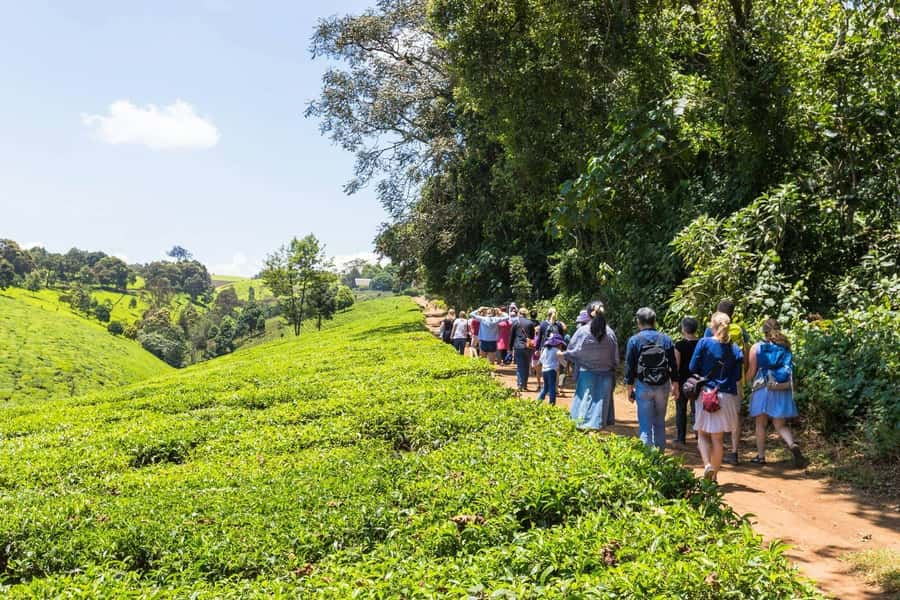
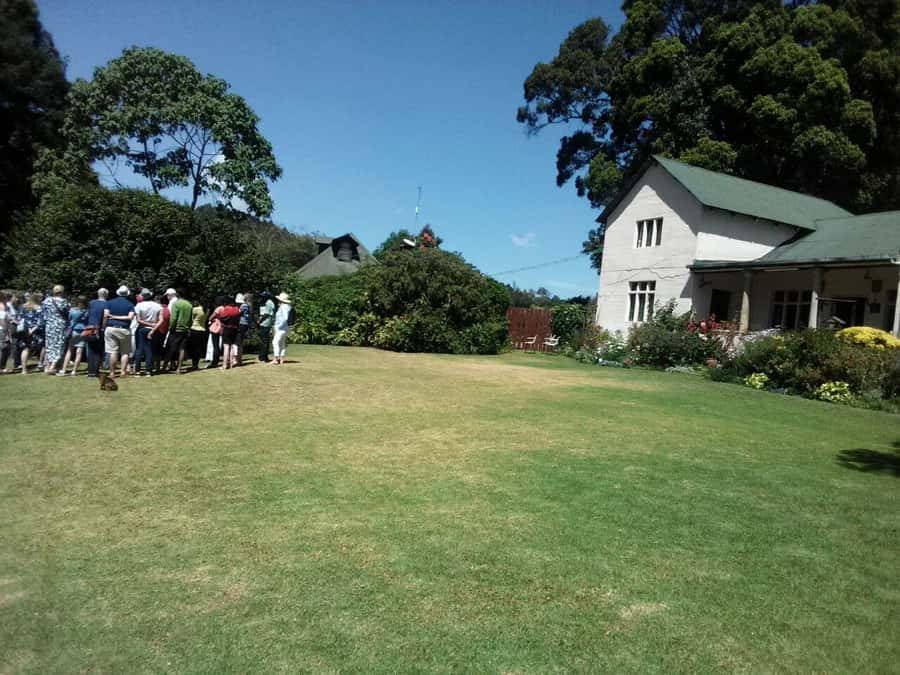
Your visit begins with homemade biscuits and tea at the main house. This is a small welcome, but it sets the tone nicely. You are not rushed straight into a long walk or crowded into a formal lecture. You settle in with a warm drink while the guide introduces the farm and explains how tea is made.
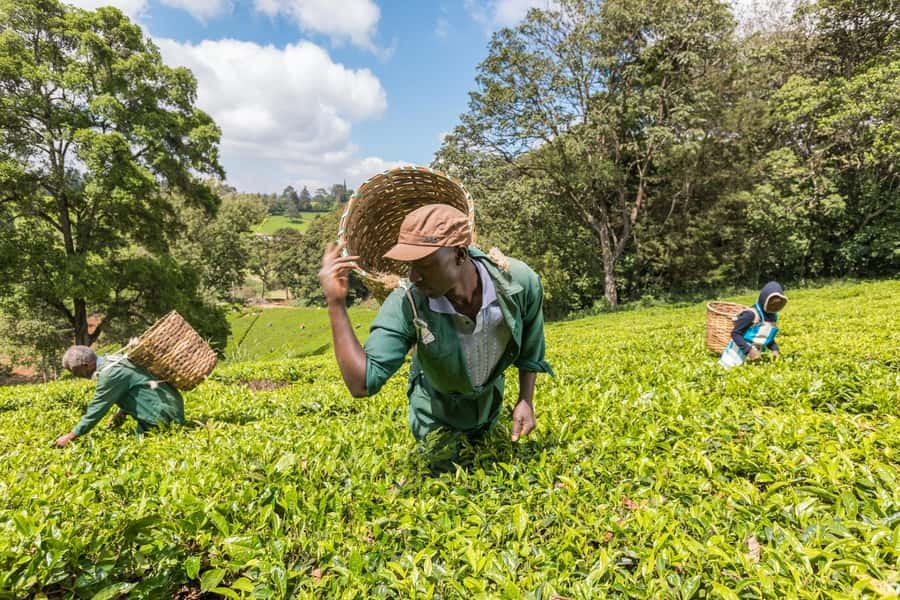
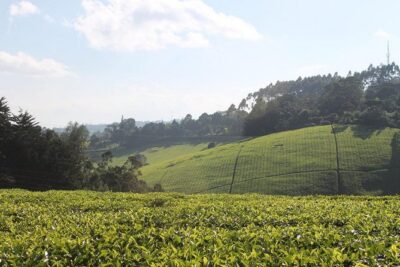
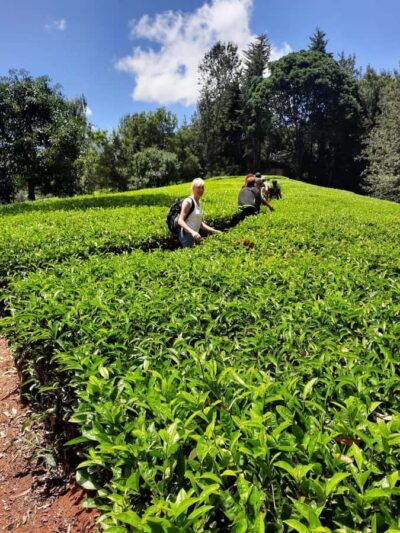
This opening is valuable because it gives the later sights some context. A tea plantation can look like a wall of green plants if you do not know what you are seeing. The talk connects the rows of tea to Kenya’s agricultural economy and explains how tea grew into one of the country’s largest export crops.
The guide also covers the farm itself and the tea-making process. The supplied details do not promise that you will see a full working factory, so do not book this expecting a complete production tour with every stage shown on site. Think of it as a guided introduction to tea, farming, and local history, followed by a walk through the estate.
Tea is served again later with lunch, along with coffee. If you enjoy learning through food and place rather than through a museum display, this format should suit you.
Gardens around Kiambethu’s main house
After the introductory tea, you stroll through the gardens around the main house. This is an easy part of the outing, with time to take in the setting before entering the forest.
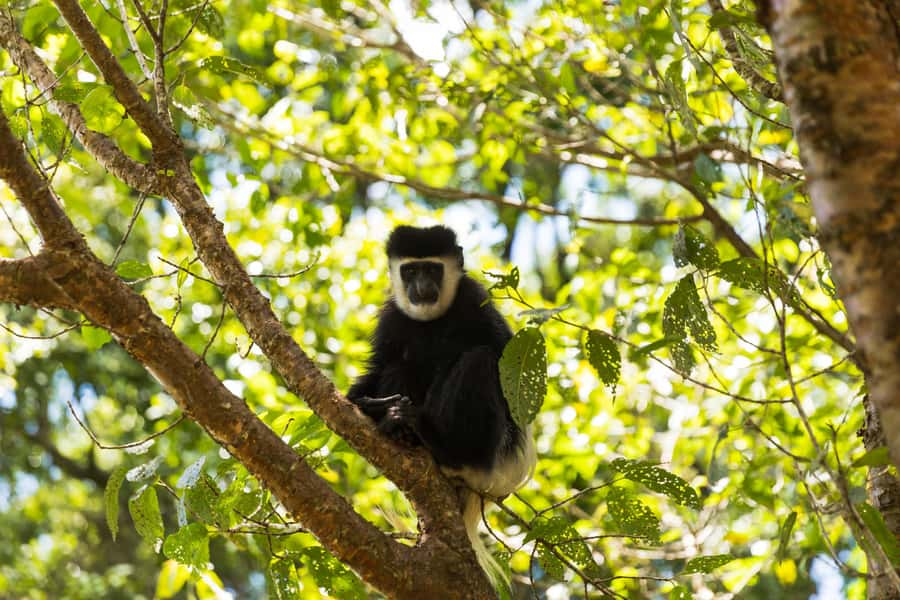
The gardens also offer one of the day’s best chances to see the resident colobus monkeys. Wildlife is never guaranteed, and this is not a national park safari, but the possibility adds a pleasant surprise to an otherwise agricultural visit. Keep your eyes raised into the trees and listen for movement above the paths.
The colobus sighting is important when judging what this tour offers. You are not coming for a long list of animals or dramatic game drives. You are coming for a close look at a farm environment where nature remains part of the setting. That makes the experience appealing for families, first-time visitors to Kenya, and anyone who wants a quieter day between larger excursions.
The gardens are also a good place to take photographs, but the activity is not built around photography instruction or extended free time. Your guide controls the pace, and the whole visit has to fit around lunch and the return drive.
Walking through the indigenous forest
The forest walk is the most distinctive part of the outing. You leave the cultivated tea area and enter a well-preserved indigenous forest with a guide who knows African wildlife and culture.
That shift gives the tour more depth. You are not simply looking at a crop and eating lunch. You are seeing two sides of the property: land shaped for farming and a forest that has been kept in its natural form. The guide can help you notice the connection between the farm, local ecology, and Kenya’s past.
Expect a guided stroll rather than a demanding hike. The information provided does not give a trail length, elevation, or difficulty rating, so ask before booking if you need precise walking details. Wear sensible shoes and bring protection from the sun, since the itinerary includes both open plantation areas and woodland.
Colobus monkeys are the headline wildlife possibility, but the forest walk should not be treated like a guaranteed animal encounter. The strongest reason to do it is the setting and the interpretation. You get a better sense of the land than you would from staying at the main house alone.
The guide’s role is especially important here. English is the tour language, and the staff are described as experts in African wildlife and culture. That makes this more useful than an unguided stroll, particularly if you want explanations rather than simply a pleasant walk.
A few more Nairobi trips worth comparing
- Nairobi National Park Half-Day Tour; Free Wi-Fi connection
★ 5.0 · 878 reviews - Nairobi: National Park & Optional Elephants & Giraffe Center
★ 4.8 · 874 reviews - NAI NAMI: Nairobi Storytelling Tour with Street Children
★ 5.0 · 792 reviews - Nairobi National Park Half-Day Game Drive
★ 4.5 · 738 reviews
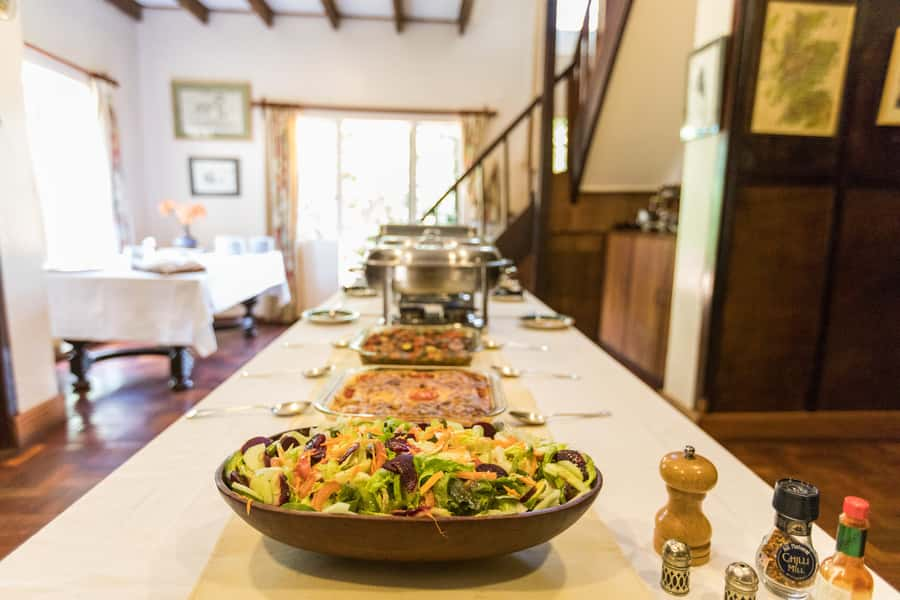
A three-course lunch made with local produce
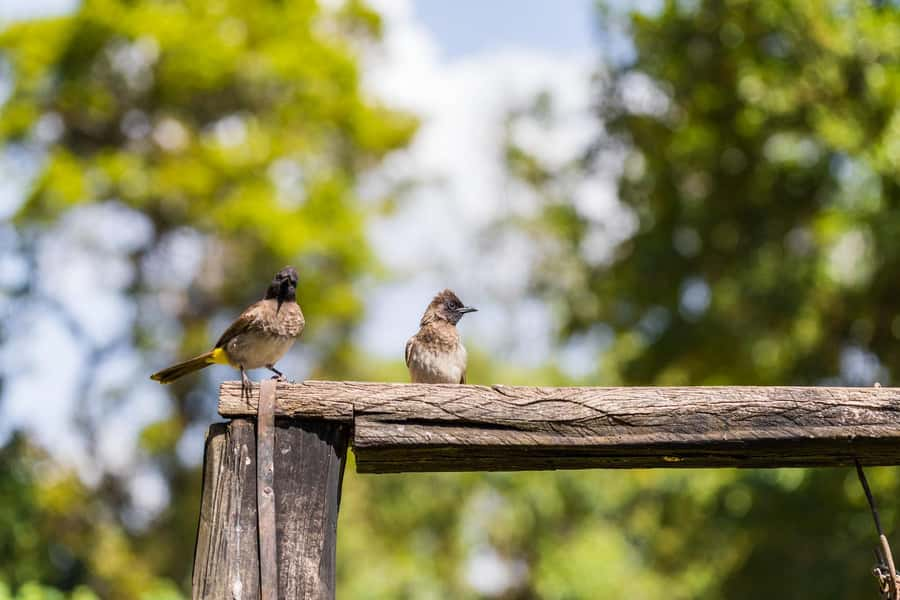
The tour ends with a relaxed three-course lunch at Kiambethu Estate. The meal is made with freshly sourced, locally produced ingredients. Soft drinks, tea, and coffee are included.
This is one of the strongest reasons to consider the tour. Lunch turns a short farm visit into a complete country outing. You are not forced to search for a restaurant after the walk, and you get to taste the setting in a direct way.
The exact menu is not provided, so do not book based on a particular dish. The useful promise is freshness and a meal built around available local produce. If you have dietary restrictions, ask in advance because the published details do not explain what substitutions are possible.
The pace also matters. After the forest walk, a seated meal gives you time to talk with your group, finish your tea, and enjoy the grounds without rushing from one stop to the next. For some people, this relaxed finish will be the day’s highlight. For others, especially those focused on wildlife, three courses may feel like too much time spent away from the main attraction.
What the $160 price really buys
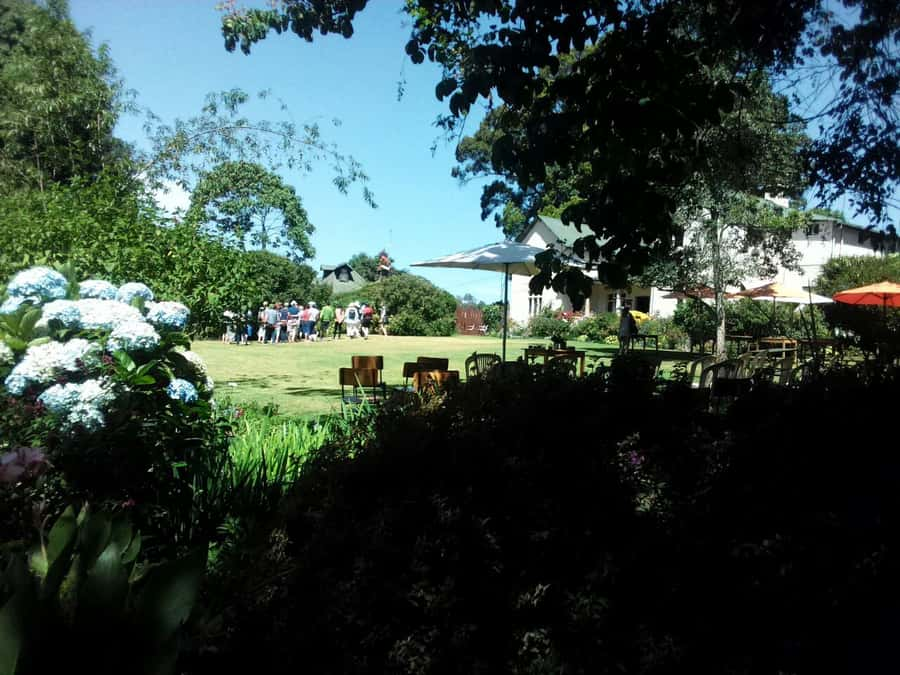
At $160 per person, this is not a bargain transfer to a nearby farm. You are paying for hotel pickup and drop-off, transport, entrance, an English-speaking guide, tea and biscuits, lunch, soft drinks, tea, and coffee.
The price makes more sense if you value convenience. You do not have to arrange a driver, negotiate a fare, find the estate, or organize lunch. A small group of no more than 15 also gives the outing a more personal feel than a large coach trip.
The price is harder to defend if your priority is wildlife. Kenya offers famous safari destinations, and a visitor who has already seen Maasai Mara, Amboseli, Lake Nakuru, and Mombasa may find a tea farm less dramatic. One low-scoring assessment made exactly this point, describing the farm as poor value beside Kenya’s bigger attractions.
That criticism is fair, but it also identifies the right comparison. Kiambethu is not competing with a full safari. It is a cultural and food experience close enough to Nairobi for a half-day. If you have a free morning and have already scheduled the major parks, it can fill the gap nicely. If this $160 would replace a more important wildlife outing, spend the money there instead.
Who will enjoy this six-hour outing
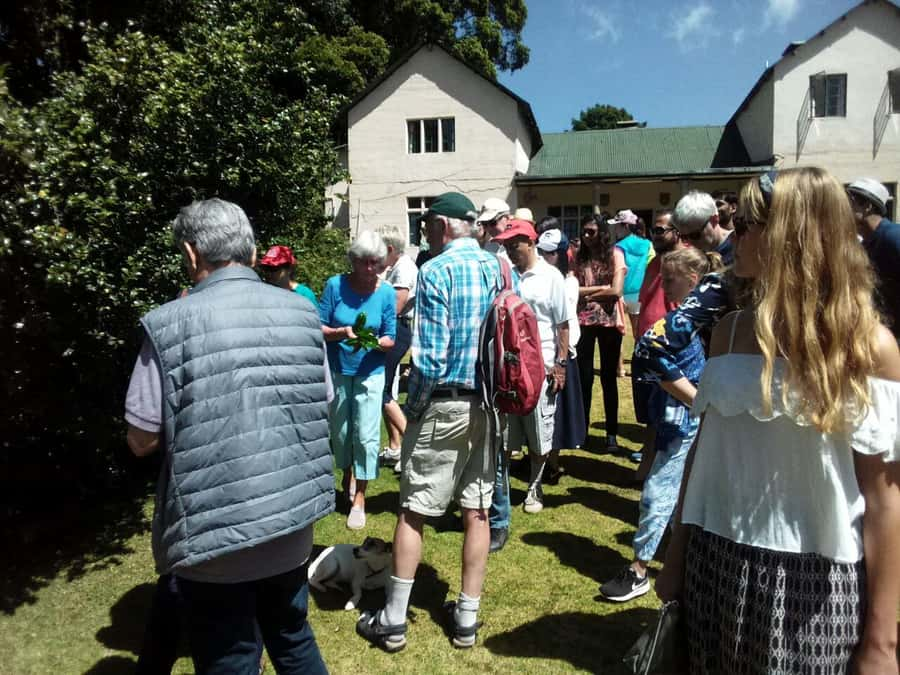
I would recommend Kiambethu Tea Farm most strongly to people who want variety in a Kenya itinerary. It suits you if you enjoy local food, rural scenery, farming stories, and gentle walks. The included meal makes it especially appealing if you prefer a planned day rather than piecing together transport and lunch yourself.
It also works well for visitors staying in Nairobi who do not have time for a full safari outside the city. The departure at about 9:30 am is manageable, and the return keeps the outing within one day.
Families may like the combination of tea, gardens, forest, monkeys, and lunch. The small group size helps keep the experience from feeling anonymous, although the walking conditions and meal arrangements should be checked directly if anyone in your party has special needs.
You may want to skip it if you are looking for adrenaline, extensive wildlife viewing, or a packed schedule. There is no promise of a long animal list, and the forest encounter may be quiet. The charm is in the slower pace, not in constant activity.
Practical details before you book
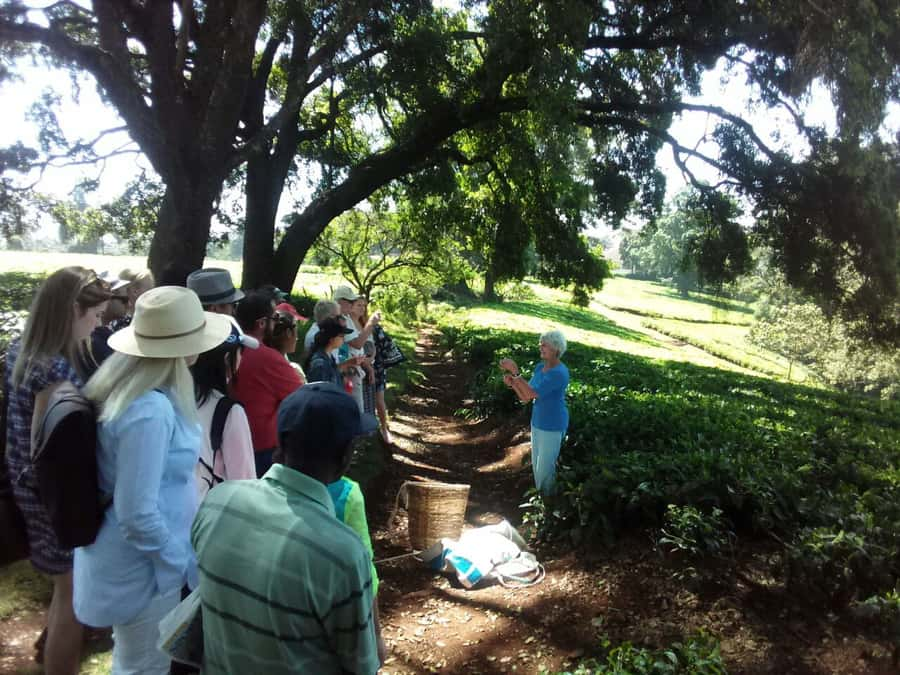
The tour lasts six hours, with pickup around 9:30 am and arrival at Kiambethu at about 11 am. The return is to your Nairobi accommodation or the stated Haile Selassie Avenue area, depending on the confirmed pickup arrangement.
The group is limited to 15 people, and the live guide speaks English. Entrance fees, lunch, afternoon tea, and transport are included. Personal purchases and tips are not included, so carry some money if you want to tip the guide or driver.
Free cancellation is available up to 24 hours before departure for a full refund. You can also reserve now and pay later, which helps if your Nairobi schedule is still changing.
Bring comfortable walking shoes and a light layer for the forest. The information provided does not give a weather forecast, trail length, or menu, so ask the operator about those points if they matter to you.
Should you book Kiambethu Tea Farm?
Book it if you want a peaceful, well-organized day that mixes Kenya’s tea story, an indigenous forest, possible colobus sightings, and a proper lunch. The praised elements are clear: the outing is educational, the driver can make the long transfer pleasant, and the food and setting give the day a satisfying shape.
Skip it if $160 feels too steep for a farm visit or if you have limited time in Kenya and have not yet booked the country’s major wildlife parks. Kiambethu is best understood as a cultural side trip from Nairobi, not a substitute for safari. With that expectation, it can be a thoughtful and enjoyable addition to a busy Kenya itinerary.
FAQ
Where does the Kiambethu Tea Farm tour begin?
Pickup is provided from your Nairobi hotel or accommodation. Haile Selassie Avenue is listed as the pickup location, so confirm the exact meeting arrangement when you book.
What time does pickup take place?
Pickup is scheduled for about 9:30 am. You arrive at Kiambethu Tea Estate around 11 am.
How long does the activity last?
The complete experience lasts six hours, including transportation from Nairobi, the farm visit, and the return journey.
Is lunch included?
Yes. A three-course lunch made with locally sourced produce is included, along with soft drinks, tea, and coffee.
Can I see colobus monkeys?
Colobus monkeys live around the gardens and forest, and the tour includes opportunities to spot them. Sightings are possible but are not guaranteed.
What language is the tour conducted in?
The live tour guide speaks English. The guides are described as experts in African wildlife and culture.
Are tips included in the price?
No. Tips are not included, so you should budget separately if you want to tip the guide or driver.
Just added around Nairobi
- Visit kibera Slum the chocolate city★ 4.8 · 3 reviews
- Day Tour to Nairobi national park, Elephants, and Giraffe Center★ 3.5 · 8 reviews
- Explore local Market matatu ride & Make Kenyan Cuisines with a home cook★ 5.0 · 8 reviews
- Kibera Slum Tour with a Local★ 5.0 · 15 reviews
- Urban Forest Tour in Nairobi★ 5.0 · 7 reviews
- Vegans special safari★ 4.5 · 4 reviews
- Private Mini Safari Tour in Nairobi★ 5.0 · 6 reviews
- Private Kenyan Cooking Class in Nairobi with a Local★ 5.0 · 3 reviews
Coffee & Tea Farm Tours, compared.
Nairobi: Coffee Factory and Farm Tour with Transfer
Read our review →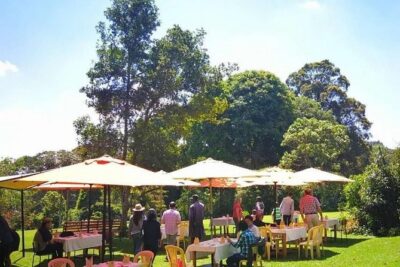
Coffee Farm Village & Factory Half Day Tour with Pick-Up
Read our review →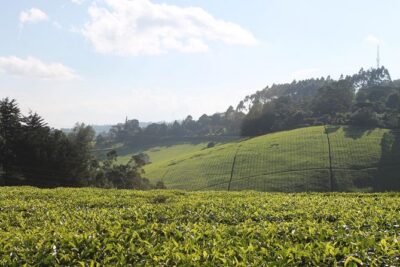
Private Day Trip to Kiambethu Tea Farm in Limuru from Nairobi
Read our review →
Nairobi: Tea Farm Day Trip with Lunch at kiambethu
Read our review →Browse the lists this tour appears in