
Reviewed · MAASAI VILLAGE VISITS
From Nairobi: Maasai village and cultural experience
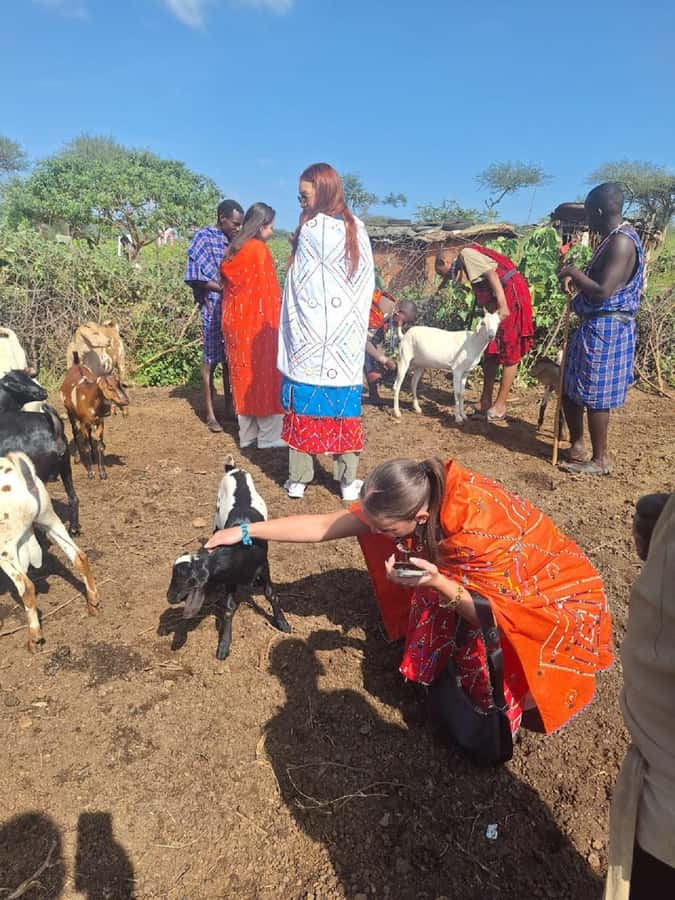
The most memorable part of this outing is the move from city streets to a Maasai manyatta, where you see homes, hear songs, and meet people who keep old customs part of daily life. The famous adumu, or jumping dance, gives the welcome plenty of energy, but the quieter moments matter just as much.
I like the chance to learn how mud-thatched houses are built, and I like that the visit includes time with Maasai women and their beadwork. The main thing to watch is the final cost: the $50 tour price does not include the $30 per-person entry and Maasai guide fee, and food is also extra.
Key points to know before you go
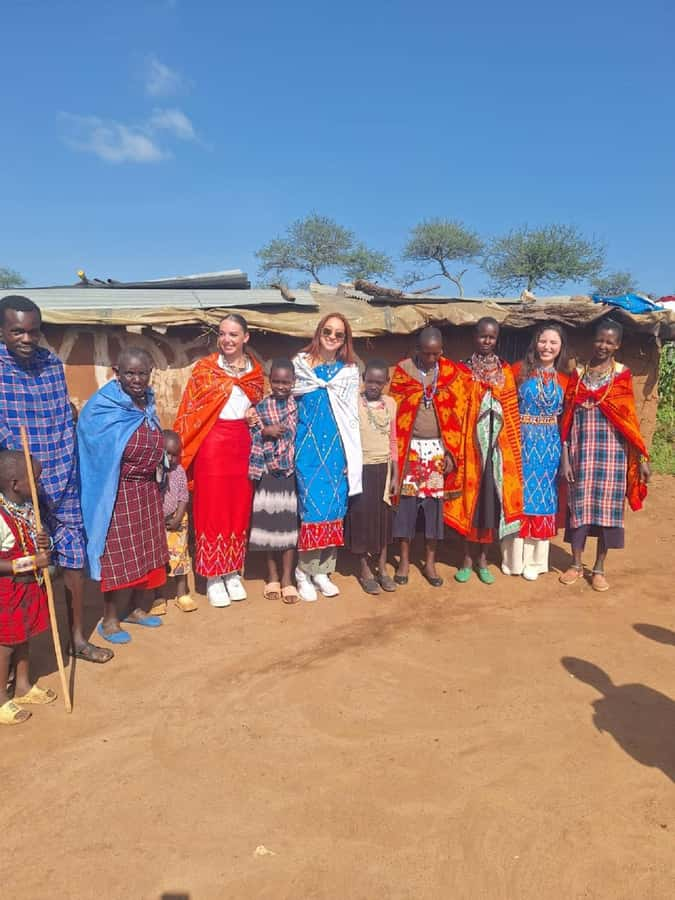
- A real manyatta visit: Walk through Maasai homesteads and see how the houses are made.
- Adumu and traditional songs: The welcome includes singing, dancing, and the well-known jumping display.
- Fire without modern tools: Maasai warriors demonstrate a traditional way to start a fire.
- Beadwork with meaning: Maasai women show jewelry whose colors carry cultural importance.
- A half-day from Nairobi: Plan on 5 to 6 hours, including the drive to Bisil and back.
- Budget beyond the headline price: Add $30 per person for entry and the Maasai guide, plus any food or drinks.
From Nairobi to Bisil, the city gives way
This is a half-day cultural outing from Nairobi, not a game drive. Your driver-guide collects you from your selected pickup point, including a hotel or airport pickup, then takes you toward Kajiado and Bisil in central Kenya.
The drive is part of the experience. You leave the city behind and travel toward a Maasai community, with scenic views along the way and an off-road section near the village. I would keep your schedule open around the full 5 to 6 hours. Traffic, the pickup point, and time spent at the manyatta can all affect the day.
Transport is in an air-conditioned vehicle, and bottled water is included. That matters in central Kenya, especially when you are walking between homesteads and spending time outside. The tour is offered privately or in a small group, so you can choose between more personal attention and a potentially lower-key shared outing.
More Maasai Village Visits in Nairobi
- Masai village Day Tour Experience
★ 5.0 · 284 reviews - Maasai Village Experience Day Tour
★ 5.0 · 72 reviews - From Nairobi: Maasai Village Experience Day Tour
★ 4.9 · 70 reviews
The welcome begins with song and adumu
At the village, you receive a traditional Maasai welcome with songs and dancing. The adumu is the best-known part: Maasai men jump high while performing the dance, creating a lively introduction before the visit settles into conversation and explanation.
I like this opening because it gives you a clear sense that you are entering a community with its own customs, rather than simply stopping for a staged display with no context. Still, you should remember that any arranged cultural visit has a performance element. The useful question is what happens after the welcome. Here, the visit continues through the homesteads, demonstrations, and conversations.
The village chief has been described as explaining the culture in clear English. No personal guide name is provided, so you should confirm your pickup contact and guide details when booking. English is the stated tour language.
Walking through a Maasai manyatta
The central part of the visit is a guided walk through the homesteads. You see the manyatta and learn how the mud-thatched houses are built, rather than only hearing a broad description of Maasai life from inside a vehicle.
This is where the tour gains its value. A house can tell you more than a general speech. Its materials, shape, and construction show how a community uses what is available and adapts its homes to local needs. The experience gives you something concrete to look at while the guide explains customs passed down through generations.
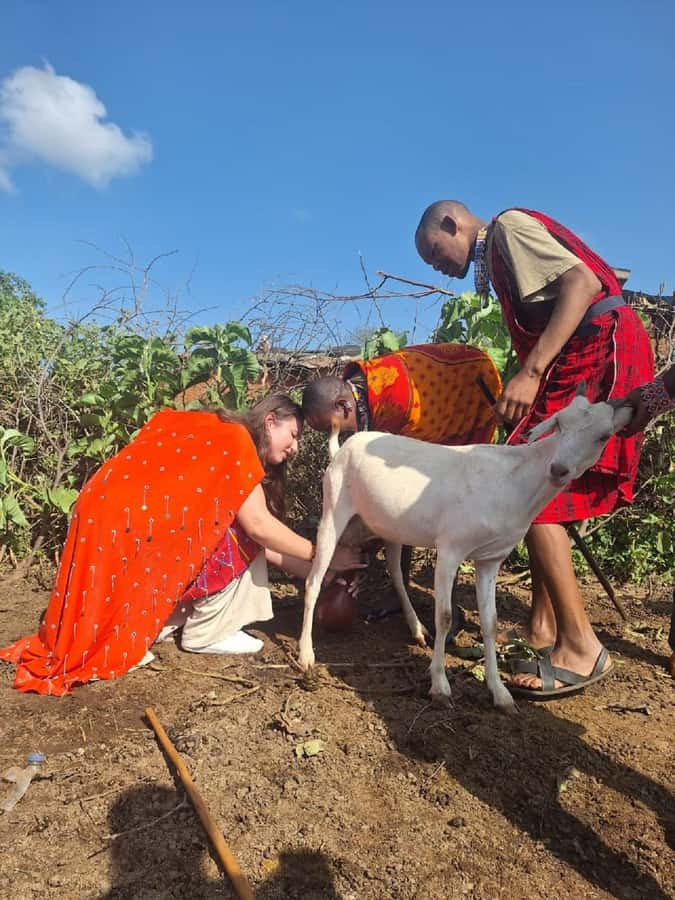
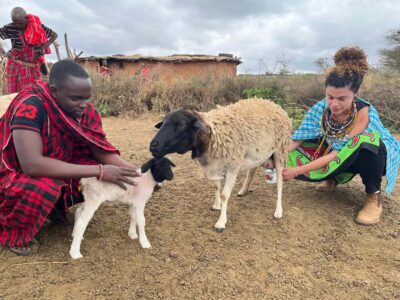
You will also hear about the Maasai relationship with cattle, nature, and community. The material is cultural rather than academic, so expect direct explanations and stories from people connected to the village. If you want a carefully structured museum-style presentation, this may feel informal. If you want to see daily surroundings and ask questions as you go, it is a better fit.
Because the visit includes an off-road adventure and a walk through homesteads, wear practical shoes and bring cash. The activity is listed as wheelchair accessible, but it is sensible to confirm the exact route and village conditions before booking if you use a wheelchair.
Fire-making with traditional methods

The fire-making demonstration is a small feature, but it helps turn an explanation into something you can watch unfold. Maasai warriors show how fire is made using traditional methods, giving you a close look at a practical skill rather than a decorative performance.
I would pay attention to this part and ask questions. How the materials are handled, how the technique works, and why fire remains important can make the demonstration more useful than a quick photo stop. The supplied information does not specify the exact tools or materials, so do not expect a technical workshop unless the guide offers one.
This demonstration also fits the larger theme of the day. The visit is about the connection between people, community, animals, and the natural world. You are not simply looking at objects in a display case. You are seeing skills explained in the setting where they have meaning.
Same corner of Kenya, a completely different kind of day:
- Nairobi National Park Half-Day Tour; Free Wi-Fi connection
★ 5.0 · 878 reviews - Nairobi: National Park & Optional Elephants & Giraffe Center
★ 4.8 · 874 reviews - NAI NAMI: Nairobi Storytelling Tour with Street Children
★ 5.0 · 792 reviews - Nairobi National Park Half-Day Game Drive
★ 4.5 · 738 reviews
Maasai women, beadwork, and the shopping stop
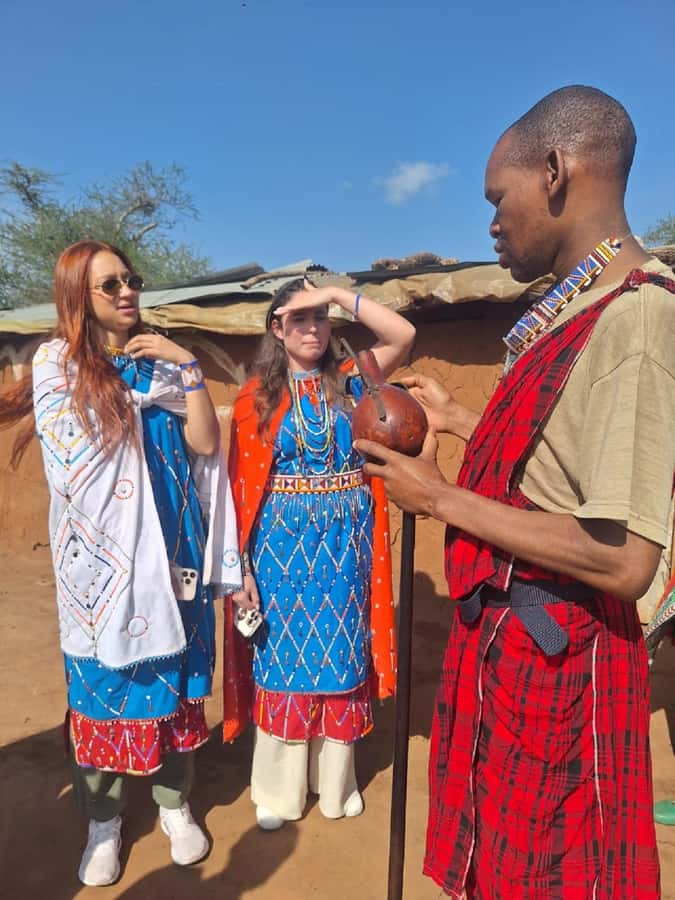
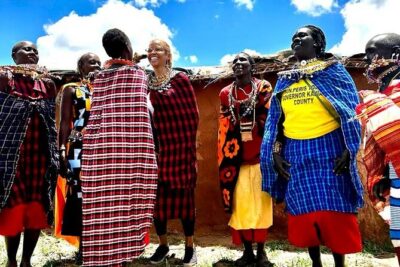
Time with Maasai women focuses on handcrafted beadwork and jewelry. You can browse the pieces and learn that the colors carry meaning within Maasai identity. This is one of the more personal sections of the visit, since the objects are both useful souvenirs and expressions of culture.
The shopping element deserves a practical note. Bring cash, as requested in the tour information. The price of individual jewelry is not stated, so ask before choosing a piece and keep your budget in mind.
I like the idea of buying directly from the makers, but you should do so respectfully. Ask about the meaning of the colors and the work involved. Treat the exchange as part of the cultural visit, not only as a chance to bargain hard for a cheap souvenir. The information provided does not explain how sales income is divided, so ask the guide or the artisans if that matters to your decision.
What the 5 to 6 hours really include
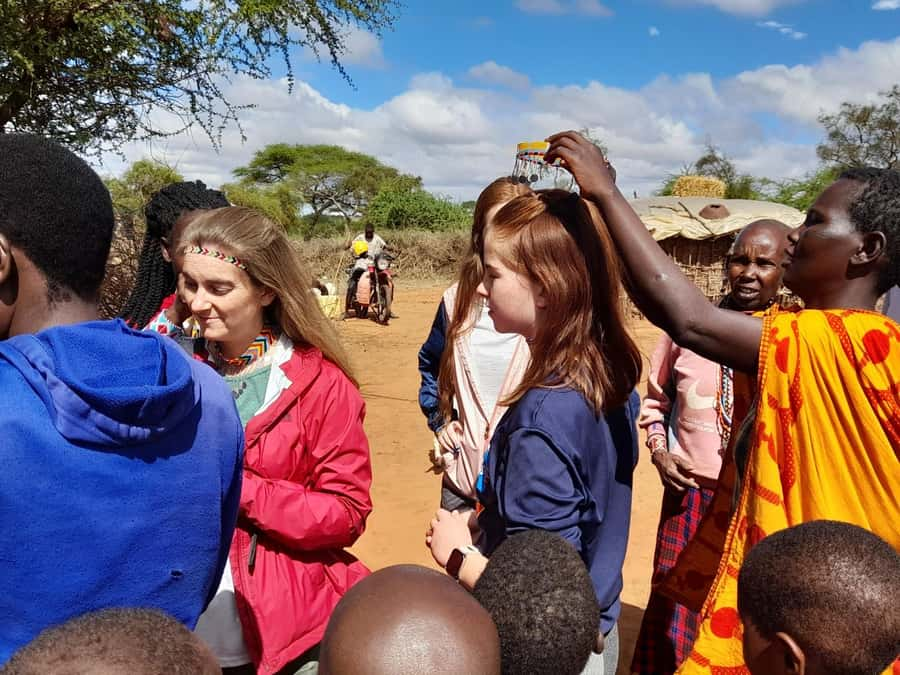
The advertised duration covers the outing from Nairobi and the return. The day includes pickup, the scenic drive toward Bisil, the village visit, guided sightseeing, traditional dance, the manyatta walk, fire-making, beadwork, and the journey back.
That makes it easy to fit into a Nairobi stay, especially if you want a cultural activity without committing to a full safari. It is also long enough to offer more than a quick dance stop. Still, this is not an all-day excursion with a meal and several major sites. Food and drinks are not included, apart from bottled water, and the supplied details do not state that lunch is provided.
You can buy alcoholic drinks, but they are not included. I would keep the day focused on the village and carry cash for any purchases or extra drinks. The activity information does not provide a meal plan, so arrange food separately if you need a full meal during the outing.
The real cost and what you receive
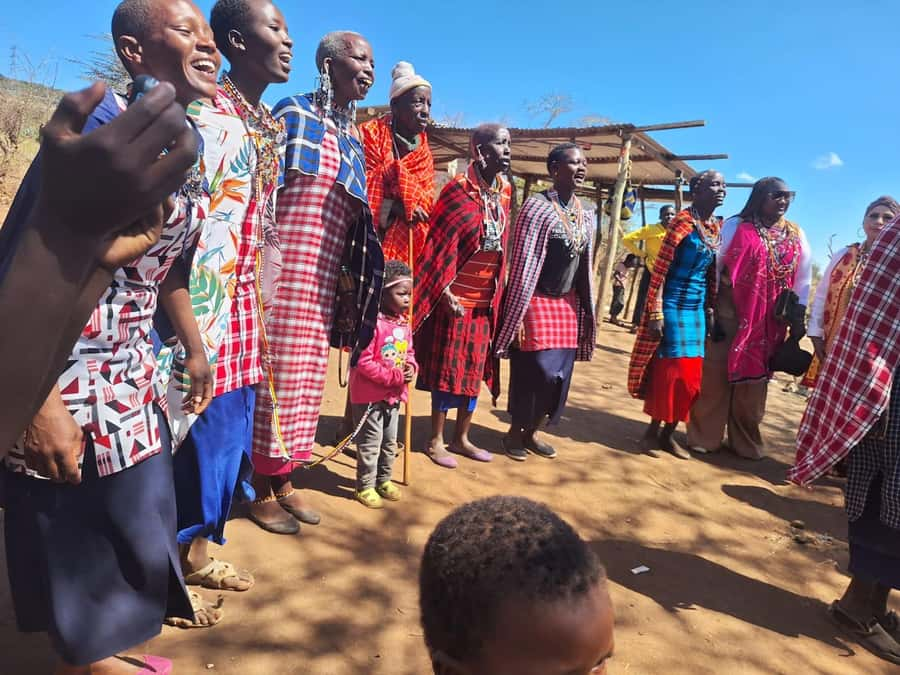
The listed price is $50 per person. That includes the driver-guide, air-conditioned transport, bottled water, and airport pickup, along with the village visit described above.
The important extra is the entry fee and Maasai guide fee of $30 per person. That brings the stated basic cost to at least $80 per person, before food, drinks, or jewelry. This is the number I would use when comparing the tour with other Nairobi cultural activities.
At that price, the outing makes sense if you value a private or small-group ride, direct village access, and several different activities in one half-day. You are paying not only for transport, but also for a local cultural program that includes dancing, house-building explanations, fire-making, and beadwork.
The value is less clear if you only want a short photo stop or a low-cost ride outside Nairobi. In that case, the extra $30 and optional purchases can make the final bill feel higher than the headline price suggests. Ask what the selected booking option includes before you pay.
Who will enjoy this Maasai experience most
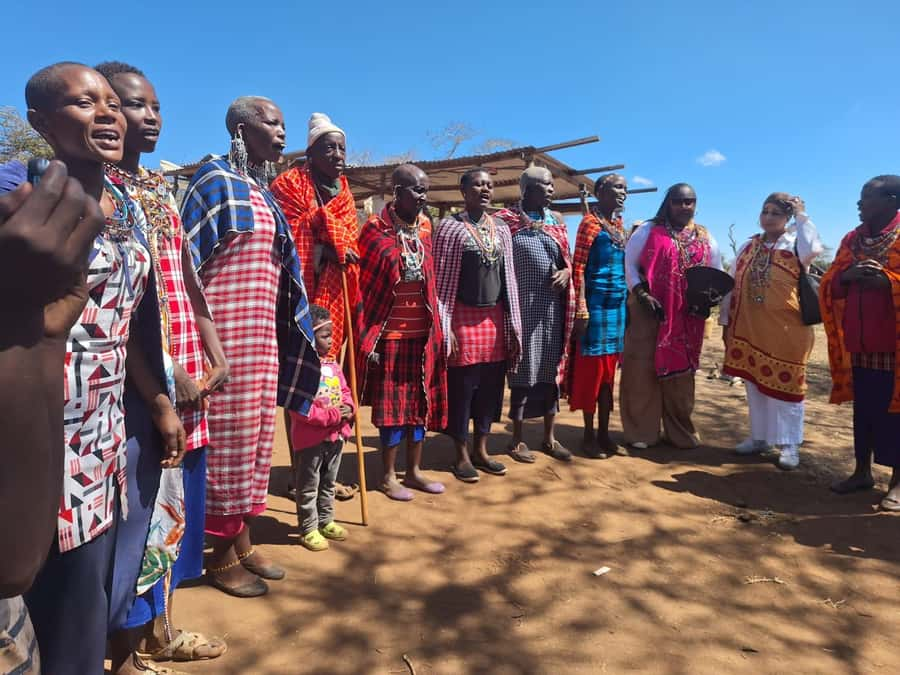
I would recommend this outing to you if you want:
- A cultural visit close enough to Nairobi for a half-day schedule
- A look at Maasai homes and customs in a real village setting
- Direct interaction with a village chief, warriors, and Maasai women
- A private or small-group experience rather than a large coach tour
- A chance to buy handmade beadwork and jewelry
- A guided experience in English
Families, first-time visitors to Kenya, and anyone with only a short Nairobi stay may find the format convenient. The mix of music, movement, demonstrations, and conversation gives the visit several points of interest.
I would be more cautious if you dislike shopping during cultural visits, want a completely unstructured village encounter, or expect a full day of sightseeing. The schedule includes a shopping stop, and the visit is organized around demonstrations and explanations.
Practical tips for a respectful visit
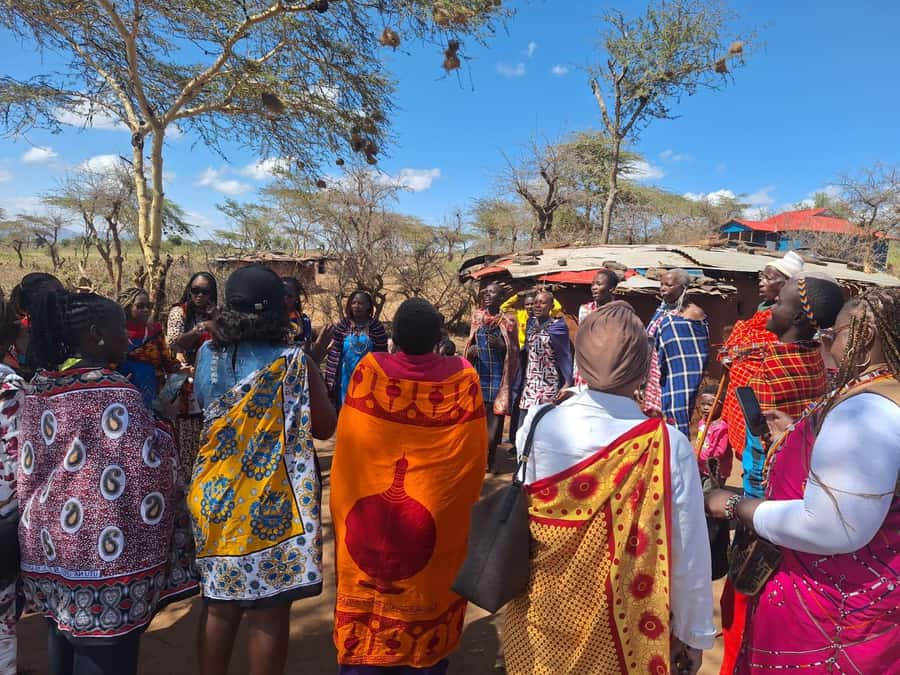
Wear shoes that can handle an off-road section and a walk around the homesteads. Comfortable clothing is useful, and bottled water is supplied, but bring any other personal drinks or snacks you need.
Carry cash. It may be needed for the $30 per-person entry and Maasai guide fee, beadwork, jewelry, or drinks. Since food is not included, check the plan for meals before departure.
Give yourself flexibility around the pickup time. The activity lasts 5 to 6 hours, and the exact start time depends on availability and your selected option. If you are connecting with a flight or another paid activity, leave a generous buffer.
The experience is wheelchair accessible according to the provided information. Because the day includes off-road travel and walking through a manyatta, contact the provider before booking to discuss the route if you have specific mobility needs.
Free cancellation is available up to 24 hours before the activity for a full refund. You can also reserve now and pay later, which helps if your Nairobi plans are still changing.
Should you book it?
I would book this Maasai village experience if you want a compact, guided introduction to Maasai culture with more substance than a dance performance alone. The manyatta walk, house-building explanation, fire-making demonstration, and beadwork visit give the half-day a useful range.
Before booking, calculate the real price as $50 plus the listed $30 per-person entry and Maasai guide fee. Add food, drinks, and any jewelry you plan to buy. If that total works for you, the combination of direct village contact, English explanations, and convenient Nairobi transport makes this a strong choice for a first cultural outing in Kenya.
FAQ
How long does the Maasai village experience last?
The activity lasts 5 to 6 hours, including the journey from Nairobi to the village near Bisil and the return to Nairobi.
Where does the tour go?
The tour travels from Nairobi through the Kajiado and Bisil area in central Kenya, where you visit a Maasai village and manyatta.
Is pickup included?
Yes. The tour includes pickup from the selected starting location, and airport pickup is also included.
What language is the tour conducted in?
The live tour guide speaks English. The village chief has also been described as explaining the experience in English.
What is included in the $50 price?
The price includes a driver-guide, airport pickup, bottled water, and an air-conditioned vehicle. The listed entry fee and Maasai guide fee are not included.
Are there extra costs?
Yes. Entry and the Maasai guide cost $30 per person. Food and drinks are not included, alcoholic drinks are available to purchase, and beadwork or jewelry purchases are optional.
Can I cancel or pay later?
You can cancel up to 24 hours in advance for a full refund. Reserve now and pay later is also available.
Just added around Nairobi
- Visit kibera Slum the chocolate city★ 4.8 · 3 reviews
- Day Tour to Nairobi national park, Elephants, and Giraffe Center★ 3.5 · 8 reviews
- Explore local Market matatu ride & Make Kenyan Cuisines with a home cook★ 5.0 · 8 reviews
- Kibera Slum Tour with a Local★ 5.0 · 15 reviews
- Vegans special safari★ 4.5 · 4 reviews
- Urban Forest Tour in Nairobi★ 5.0 · 7 reviews
- Private Mini Safari Tour in Nairobi★ 5.0 · 6 reviews
- Private Kenyan Cooking Class in Nairobi with a Local★ 5.0 · 3 reviews
Maasai Village Visits, compared.

Nairobi: Day Tour to Amboseli National Park & Maasai Village
Read our review →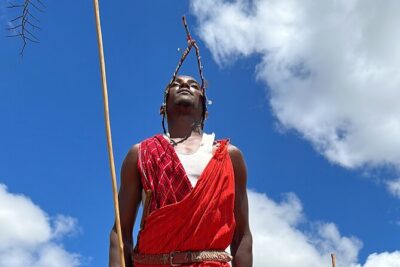
From Nairobi: Maasai Village Experience Day Tour
Read our review →
Day Trip: Amboseli National Park & Maasai Village – Nairobi
Read our review →
Nairobi: Day Trip to Maasai Mara Reserve & Maasai village
Read our review →
3days/2nights group joining Masai Mara with Masai Village Visit
Read our review →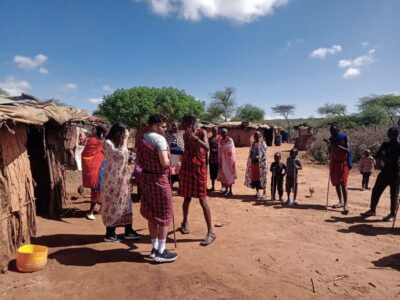
Maasai Village Visit with Traditional Dance Show
Read our review →Browse the lists this tour appears in