
Reviewed · MALINDI & WATAMU TOURS
Gede Ruins & Malindi Tour
Gede’s old coral-stone town is the main event here. Mosques, palaces, and homes from the 13th to 17th centuries sit among thick greenery, giving you a clear sense of how a Swahili settlement once worked. I like the small private group and the mix of archaeology with everyday Malindi life. I also like that the guide can add context, with Juma specifically praised for making the day varied and informative.
The main consideration is time. Six hours covers Gede and Malindi, but neither stop gets a leisurely, all-day treatment. The price is also best for a group of four, since the $159 fee is charged per group rather than per person.
Key points to know before booking
- Gede’s coral architecture is the tour’s strongest sight: You’ll see mosques, town houses, palaces, and other excavated structures from several centuries of Swahili settlement.
- The jungle setting adds atmosphere: Trees and greenery surround the ruins, creating good conditions for photographs and making the site feel removed from modern Malindi.
- Malindi supplies the human side of the day: Expect historic places, city neighborhoods, and a market rather than another formal archaeological site.
- Juma is a guide name worth noting: His work on this route is associated with a varied walk through Gede and Malindi.
- The $159 price covers up to four people: That makes the tour more attractive for families or small groups than for solo visitors.
- Pickup starts at 8:00 a.m.: The listed meeting point is Turtle Bay Villas in Watamu, near Turtle Road and Temple Point Road.
Why Gede Ruins deserves the first two hours
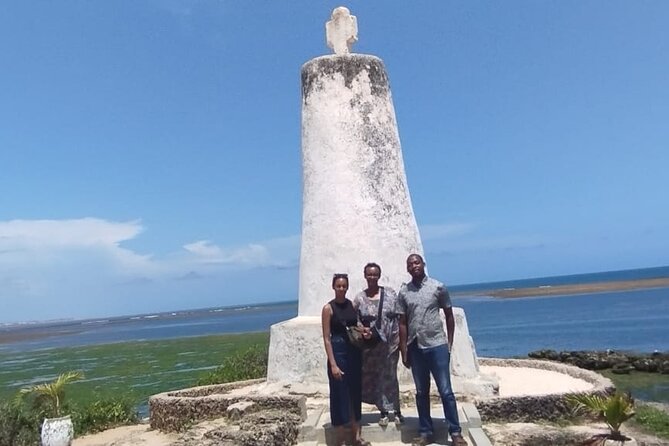
Gede Ruins gives you the kind of setting that makes history easier to picture. Instead of isolated stones in an open field, you find coral-built remains surrounded by green growth. The town includes mosques, palaces, and houses, with excavation revealing a settlement occupied by both Arab and Bantu residents.
That mix matters. Gede was not simply a monument to one culture. Its buildings and artifacts point to contact between Swahili communities and Arab traders, along with the daily routines of people who lived and worked there. Your guide’s explanations are important because bare walls can be hard to read without help. Look for details that show how people used the spaces, traded goods, and organized their town.
The site dates from the 13th through 17th centuries, so you are looking at a long period rather than one short chapter. That gives the ruins a layered feel. A mosque may suggest religious life, while a house or palace helps you think about family, status, and local government.
The coral construction is one of the most interesting features. Coral stone was widely used along this coast, and at Gede it gives the ruins a pale, textured look that contrasts with the surrounding vegetation. You will want to take photographs, but give yourself time to notice the layout too. The relationship between public buildings, homes, and open areas tells you more than a single doorway ever could.
A two-hour visit is a reasonable amount of time for a first look. It should let you walk through the main remains, listen to the guide, and visit the on-site museum without turning the stop into a rushed photo call. Still, the schedule is not designed for a long archaeological study. If you already know Gede well or want extended time for sketches and close inspection, you may want a slower, dedicated visit.
A few more Malindi & Watamu trips worth comparing
- Diani Beach: Glass Boat Cruise to Robinson Island
★ 4.6 · 69 reviews - Safari Kenya with Patrick
★ 4.0 · 45 reviews - Watamu Marine Park & Sudi Island Mangrove Forest Canoe Ride.With sea food lunch
★ 4.5 · 31 reviews
The museum adds the missing everyday details
The museum helps turn Gede from an impressive ruin into a place connected to real people. Artifacts found at the site can show how residents traded, worked, worshipped, and handled ordinary household life. You can expect the museum to add useful background to the stone buildings outside.
This is especially helpful if you are new to Swahili history. The ruins can suggest a large and active town, but objects give you a more direct link to the people who lived there. The Arab and Bantu presence also becomes easier to understand when you see the evidence in the context of trade and settlement.
I would treat the museum as an essential part of the visit, not as an optional indoor stop. The jungle setting may catch your eye first, but the museum provides the clues that help explain what you are seeing. Ask your guide to connect the objects with the structures outside. That simple habit can make the two hours feel much more complete.
What the wooded setting adds to your visit
Gede’s surroundings are not just a backdrop. The ruins sit in a green setting that changes the mood of the visit and creates strong photo opportunities. Walls and arches appear among trees rather than beside a modern road, so the place feels quiet and separated from the coast’s busy resort areas.
That atmosphere comes with a practical tradeoff. The greenery can make paths and surfaces feel less open, and you will want to pay attention as you walk. The supplied information does not specify the condition of every path, so sensible walking shoes are a good idea without assuming a particular surface or level of difficulty.
I like this part of the experience because it joins nature and archaeology without needing a second attraction. You get a cultural site and a scenic setting at the same time. Families may enjoy the sense of discovery, while photographers get more than a series of bare stone walls.
Malindi brings the story into the present

After Gede, the tour spends about three hours in Malindi. This is not simply a quick drive through town. Malindi has a long record of contact between local communities and overseas visitors, including the arrival of Vasco da Gama’s fleet in 1498.
That history gives the town a different feel from Gede. At the ruins, you are reading an older settlement through excavated remains. In Malindi, you can see how history continues through streets, neighborhoods, commerce, and public places. The focus is less on one archaeological site and more on how a coastal town grew through local and foreign connections.
The strongest version of this stop includes a walk through town neighborhoods and the market. That detail matters because it keeps the visit from becoming a list of famous dates. You get a chance to see ordinary urban life and understand Malindi as a lived-in place, not just a stop linked to Vasco da Gama.
The tour information does not name every historic site included in the Malindi portion, so you should ask your guide at the start what the three hours will cover. That is a useful question, especially if you have a particular interest in architecture, early Portuguese contact, markets, or local community life.
There is no separate admission charge listed for the Malindi stop. That keeps the cost simple, though tips and all fees and taxes are not included in the tour price. Since the program is private, you can also use your time more efficiently than you might on a large shared excursion. You will not need to wait for a busload of strangers at each stop.
Same corner of Kenya, a completely different kind of day:
- Safari blue
★ 4.5 · 27 reviews - Diani Beach: Glass-Bottom Boat Cruise to Robinson Island
★ 4.4 · 22 reviews - ROBINSON ISLAND/MARAFA HELL’s KITCHEN
★ 5.0 · 15 reviews - Tour Malindi & Robinson Island & Marafa Hell’s Kitchen
★ 5.0 · 11 reviews
A private vehicle changes the pace
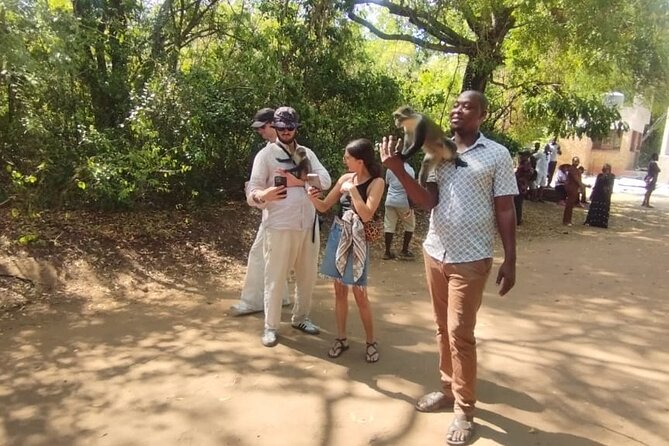
Private transportation is included, and only your group takes part. For up to four people, this is a useful format. You can ask questions as you go, keep the discussion focused on your interests, and avoid the fixed social rhythm of a large group.
The $159 charge is per group, not per person. For four people, that works out to about $39.75 each before tips and any additional fees or taxes. For two people, it becomes about $79.50 each. A solo booking would carry the full group price, so the value is much stronger for a family or small party.
Pickup is offered, with an 8:00 a.m. start at Turtle Bay Villas Watamu, on Turtle Road near Temple Point Road in Watamu. Confirm the exact pickup arrangement when you book, particularly if you are staying somewhere else in the Malindi or Watamu area. The supplied details identify the redemption point, but they do not list a wider range of pickup locations.
Starting in the morning makes sense. You have the cooler part of the day for Gede, then several hours for Malindi. A six-hour tour can still feel full, so arrive ready to leave on time. Delays at the start would reduce the time available for the market and town walk.
What guide Juma adds to the day
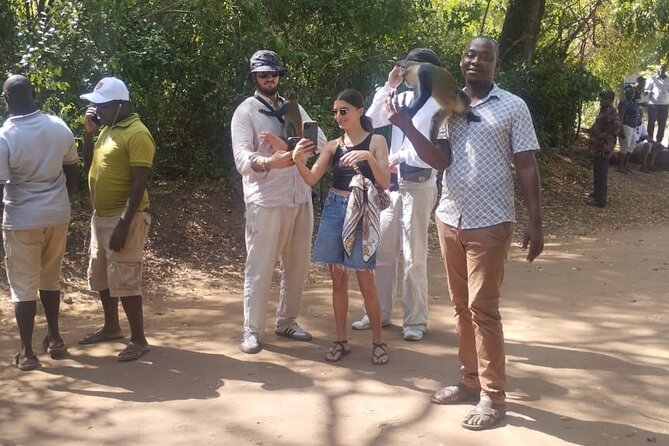
A guide can make or break an archaeological visit. At Gede, you need someone who can explain why the structures matter, how Arab and Bantu residents fit into the settlement, and what the artifacts reveal about trade and daily life. In Malindi, the guide can connect the historic sites with the neighborhoods and market around them.
Juma is specifically associated with this tour, and the strongest description of his work includes a varied route from Gede’s ruins to Malindi’s historic places, neighborhoods, and market. That gives you a useful idea of the day’s character: not just monuments, but also a walk through the town.
I would tell the guide before departure what interests you most. If you care about architecture, ask for more detail on the coral buildings. If you prefer social history, ask about trade, the Arab and Bantu communities, and daily routines. If you are keen on local life, make the market and neighborhood walk a priority.
The name of the exact guide can depend on the date, so Juma should not be treated as guaranteed unless the operator confirms him. Still, asking for him when booking may be worthwhile if guide preference matters to you.
Who will get the most from this tour
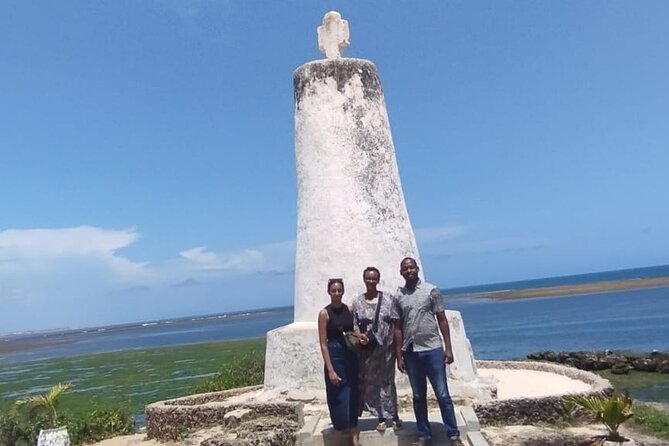
This is a good fit for you if you want history with a local town visit rather than a single isolated monument. Families can benefit from the private format and manageable six-hour length. Couples and small groups will appreciate being able to ask questions and set the tone of the day.
It also suits anyone interested in Swahili culture and coastal trade. Gede offers the older architectural record, while Malindi shows the continuing importance of a coastal town shaped by local and overseas contact.
The tour is less suitable if you want a slow, specialist archaeology program. Two hours at Gede is enough for a solid introduction, but not for detailed study of every structure. It may also feel too broad if your only goal is to photograph the ruins. The Malindi portion takes up roughly half the day, so book this because you want both places.
Most people can take part, and service animals are allowed. The experience is near public transportation, though private transport is already included. The information provided does not specify the vehicle type, walking distance, lunch arrangements, or whether refreshments are supplied, so ask about those points if they affect your planning.
Price, weather, and cancellation details
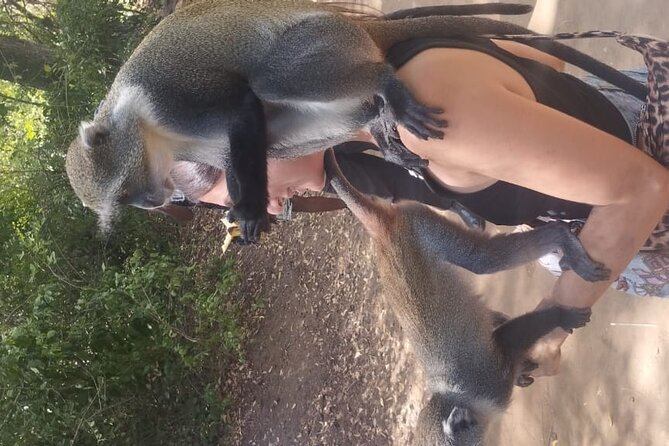
At $159 per group of up to four, the price is fair when you fill the vehicle. You are paying for private transport, a guide-led day, and two different kinds of sightseeing. The value drops for a single person, but the flexibility of a private tour may still matter more than the per-person cost.
Tips are not included, and all fees and taxes are also listed separately. Check what, if anything, may be payable at the time of booking so the final cost does not surprise you.
You can cancel for a full refund up to 24 hours before the 8:00 a.m. start. Cancellations or changes made within 24 hours are not refunded or accepted. The tour requires good weather, and if poor weather forces cancellation, you will be offered another date or a full refund.
Should you book the Gede Ruins and Malindi Tour?
I would book this if you want a compact introduction to coastal Kenya that combines Swahili archaeology, local culture, and present-day Malindi. Gede is the strongest stop, especially for anyone interested in coral architecture, mosques, trade, and the way Arab and Bantu communities shaped the settlement. The museum and wooded setting add real value.
Choose it with a group of up to four to make the $159 fee work in your favor. Ask who your guide will be, confirm pickup from Watamu, and find out how the three Malindi hours will be divided. If Juma is available, his route through the neighborhoods and market may give the town portion extra depth.
Skip it if you want an entire day at Gede or a specialist archaeological tour. For everyone else, this is a well-shaped half-day excursion with enough variety to keep the history from becoming a row of old stones and enough local contact to make Malindi feel like more than a name on a map.
FAQ
How long does the Gede Ruins and Malindi Tour last?
The tour lasts approximately six hours. About two hours are planned for Gede Ruins and about three hours for Malindi, with the remaining time used for transportation and moving between stops.
What time does the tour start?
The listed start time is 8:00 a.m. The ticket redemption point is Turtle Bay Villas Watamu, on Turtle Road near Temple Point Road in Watamu, Kenya.
Is transportation included?
Yes. Private transportation is included, and pickup is offered.
How many people can join the private tour?
The $159 price covers one private group of up to four people. Only your group participates in the activity.
Is admission to Gede Ruins included?
Yes. Admission to Gede Ruins is included. No admission fee is listed for the Malindi portion, while tips and all fees and taxes are not included.
What happens if the weather is poor?
The experience requires good weather. If it is canceled because of poor weather, you will be offered a different date or a full refund. You can also cancel for a full refund up to 24 hours before the start time.
Just added around Malindi & Watamu
- WATAMU: MALINDI: SARDEGNA ISLAND & MALINDI MARINE PARK★ 4.5 · 9 reviews
- Watamu: Sunset Mangrove Canoe Tour with Coconut Drink★ 3.6 · 8 reviews
- Watamu: Learn Kenyan Cusine with Jonathan★ 4.1 · 8 reviews
- Airport Transfers to Watamu and Malindi★ 3.5 · 3 reviews
- Tour Malindi & Robinson Island & Marafa Hell’s Kitchen★ 5.0 · 11 reviews
- ROBINSON ISLAND/MARAFA HELL’s KITCHEN★ 5.0 · 15 reviews
- Magical Storytelling Swahili Dinner in the Bushbaby Treehouse★ 5.0 · 3 reviews
- Airport transfer★ 5.0 · 6 reviews
Malindi & Watamu Tours, compared.


Watamu Marine Park & Sudi Island Mangrove Forest Canoe Ride.With sea food lunch
Read our review →

Tour Malindi & Robinson Island & Marafa Hell’s Kitchen
Read our review →
Browse the lists this tour appears in