
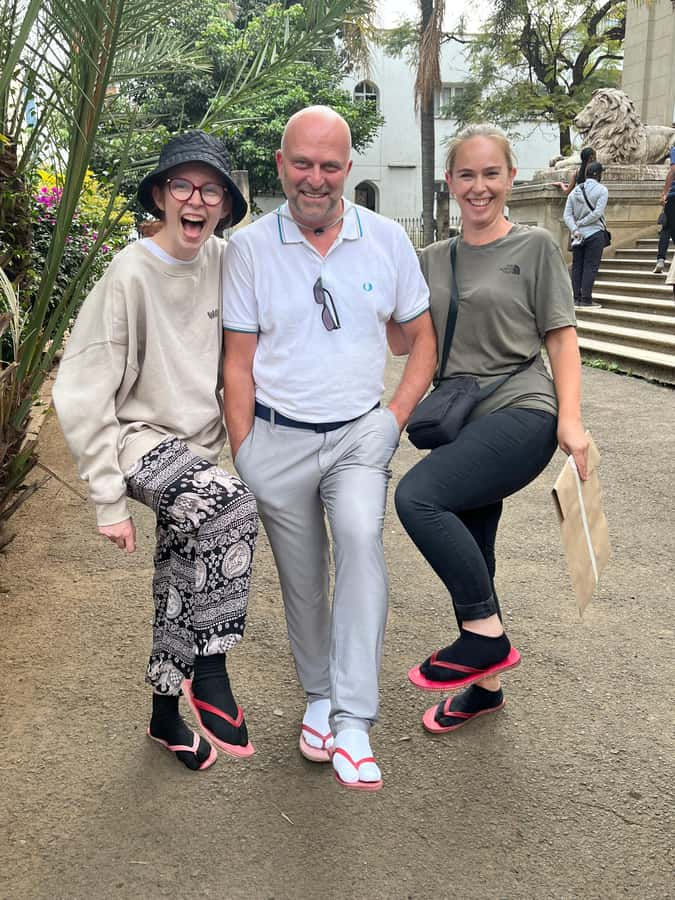
Reviewed · HISTORICAL TOURS
Nairobi: Historic and Modern Highlights Walking Tour
Nairobi reveals itself best at street level, and this tour gets you into that flow quickly. In three hours, you move from Jeevanjee Gardens and City Market to colonial-era buildings, national monuments, modern government sites, and the rooftop of KICC. The fruit salad, simple Swahili lessons, and local shopping advice make it more than a photo stop parade.
I like the way the guides make central Nairobi feel manageable, especially for a first visit. Guides including Jackie, Simon, Jeff, Sharon, Dennis, and Leah are praised for clear explanations, patience, and help with practical matters such as taxis, safe walking routes, and market prices. I also like the 360-degree KICC view, which gives you a useful map of the city after you have walked through it.
The main drawback is pace. This is a lot of Nairobi in three hours, with several stops lasting only a few minutes. You should also know that KICC entry costs extra, pickup can be less predictable than the walking portion, and the tour is not suitable for wheelchair users or people with mobility limitations.
Key points to know before booking

- City Market is the food-and-culture center of the walk: Expect fresh fruit salad, local food talk, shopping, and a look at daily trade.
- The KICC rooftop is the finale: Pay the separate entry fee for broad views over central Nairobi.
- Guides handle the city with care: Jackie, Simon, Jeff, Sharon, Dennis, and Leah have been singled out for patience, safety advice, and useful local knowledge.
- Fixed-price shopping reduces market pressure: The guide points out affordable souvenir stores where you do not need to bargain.
- You learn practical Swahili: The phrases are meant for real interactions, not a formal language lesson.
- Sunday timing matters: Sunday morning can feel quiet, while Sunday afternoon brings more local activity and street photography.
A smart first look at Nairobi for $23
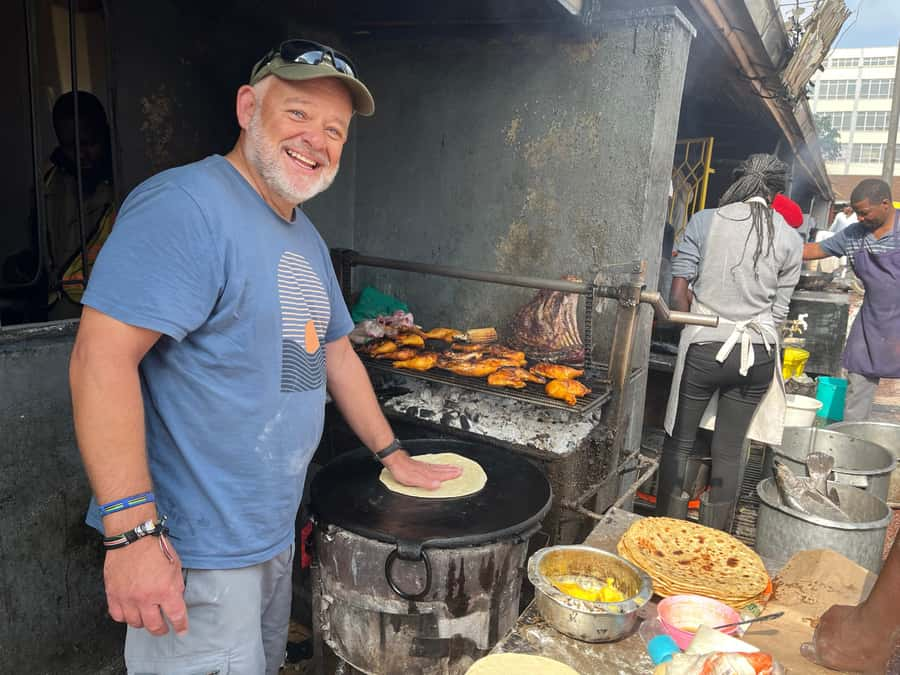
At $23 per person, this is priced as an accessible introduction to Nairobi rather than a full-day cultural program. The value comes from the mix: a guide, bottled water, WiFi hotspot, fruit salad, city orientation, safety support, and help with local purchases are all part of the package. Hotel pickup and drop-off are included only if you select that option, and KICC admission is separate.
I see the tour as especially useful at the beginning of a Kenya trip. You get a feel for the city center before deciding where you want to return on your own. The guide can also explain what services and goods cost, how transactions work, and where a souvenir purchase is less likely to turn into a long negotiation.
The tour is not designed for travelers who want to enter every landmark or spend an hour at each one. Many stops are viewed from outside, and the walking route includes brief pauses at monuments, offices, and historic buildings. Think of it as a guided city orientation with food, conversation, and a rooftop finish.
More Walking Tours in Nairobi
- Nairobi Historical Walking City Tour
★ 5.0 · 258 reviews - Nairobi Walking tour:Explore History Culture and Traditions
★ 4.8 · 222 reviews - Nairobi Downtown Walking Tour
★ 4.7 · 208 reviews
Meeting at Koinange Street
The usual meeting point is outside CJ’s restaurant on Koinange Street, an uptown area described as safe and easy to find. Guides wear a Happy Tribe cap or T-shirt, and restaurant staff can help direct you if needed. If you arrive by Uber, the instructions are to wait outside CJ’s rather than wander around looking for the group.
Hotel pickup is optional. If you book it, wait in your hotel lobby ten minutes before the agreed time and watch for a message from the guide. The company may sometimes arrange and pay for a taxi, including a tip, to get you to the meeting point or back afterward. That arrangement can be useful, but it also means the transport portion may not feel as fixed as the walking route itself.
The walk begins with a short safety briefing. This is a worthwhile five minutes, not wasted time. Nairobi’s central district has busy streets and unfamiliar lanes, so knowing where to walk and how to stay with the group helps you relax.
Jeevanjee Gardens and the first lesson in Nairobi

Jeevanjee Gardens is one of the early stops, with about ten minutes for a guided look. It gives the tour a calmer opening before the streets and market activity take over. Your guide begins putting Nairobi into context, linking the city’s past with the way the center functions today.
You also learn some basic Swahili along the way. Expect useful words and short phrases that you can try with local people, rather than a lengthy classroom session. The language lesson helps break the ice and gives you a small way to participate instead of simply watching the city pass by.
The guides are one of the strongest parts of this experience. Jackie is repeatedly described as warm, patient, and willing to answer questions without rushing. Simon is praised for sharing information even during the drive to the meeting point, while Jeff is noted for clear English and a friendly, careful manner. The exact guide depends on the day, but the pattern is clear: the human side of the tour matters as much as the list of sights.
City Market, fresh fruit, and everyday commerce

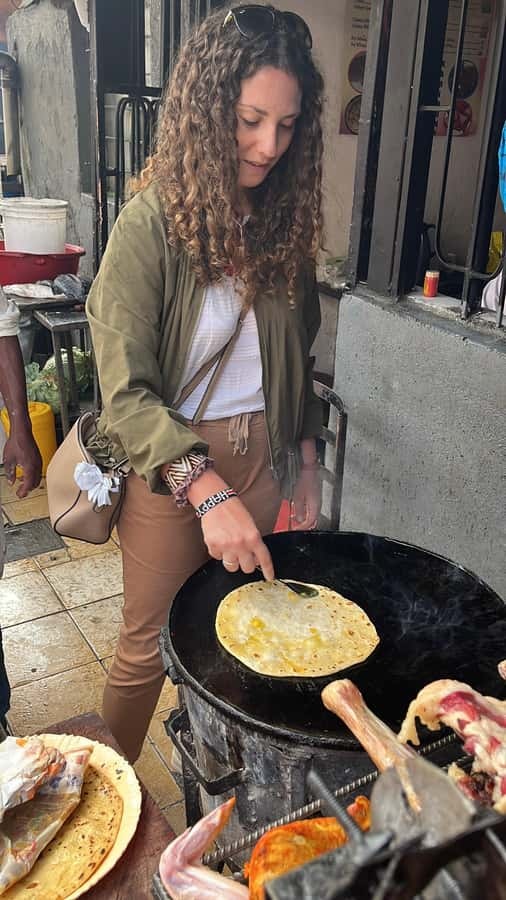
City Market receives the longest stop, roughly half an hour for browsing and a guided visit, followed by time for food and market discussion. This is where the tour feels most connected to ordinary Nairobi life. You see a working marketplace, learn about Kenyan food culture, and get a chance to ask questions while the guide explains what is being sold.
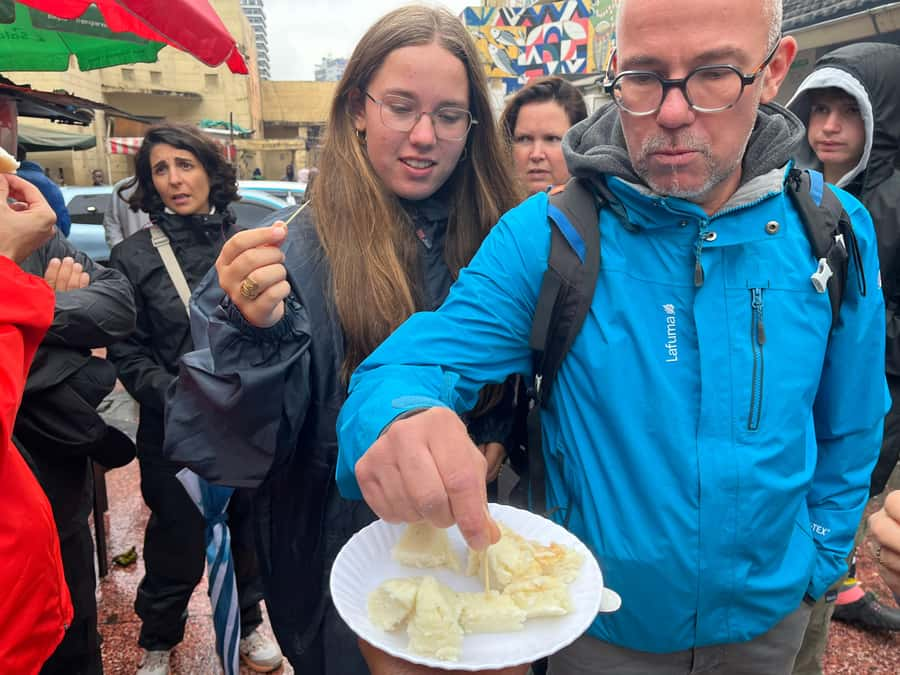
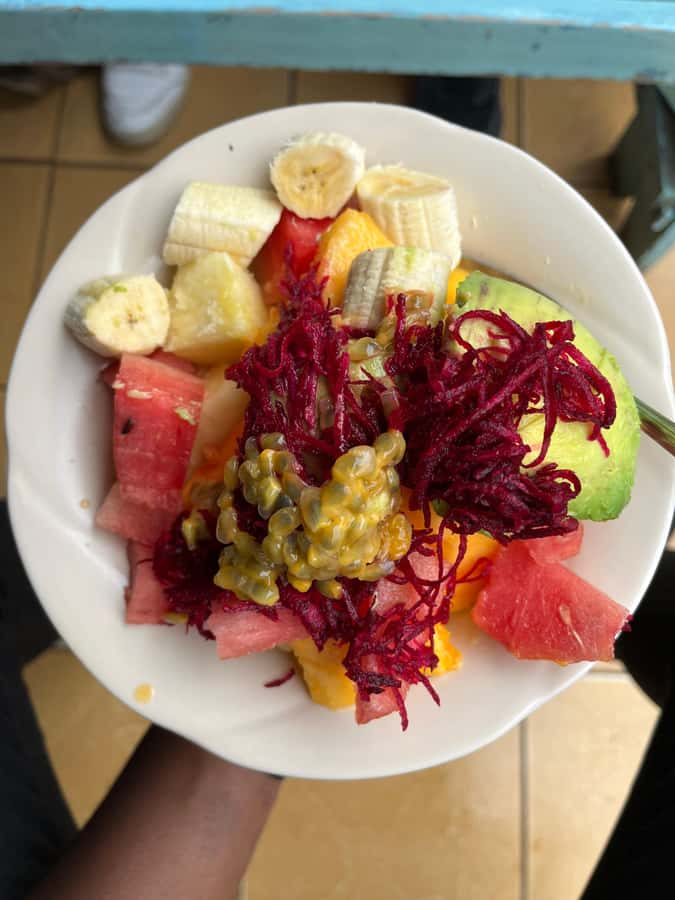
The included snack is a fresh fruit salad. It is a small detail, but it gives the stop a clear purpose. You are not simply being told what Kenyan food is like. You get to taste something while discussing local produce and eating habits. Bottled Dasani water is also supplied.
The description also allows for an optional taste of nyama choma, roasted goat meat, but additional food and drinks are not included. Ask your guide what is available and what will cost extra before ordering. The fruit salad is the safer assumption when planning your budget.
City Market is also the place to think about shopping. The guide can explain bargaining, expected prices, and the difference between a market purchase and a fixed-price store. If you prefer not to negotiate, the route includes affordable souvenir shops with marked prices. That is a real benefit for first-time visitors who want gifts without spending the afternoon guessing what a fair price might be.
A shoe shine from a local vendor and a street-style photograph may also be arranged as part of the experience. These touches are paid for by the company in many cases, along with the fruit, water, and other small activities. They are not grand attractions, but they add a human, slightly playful feel to the walk.
More history walks around Nairobi:
- Full Day Nairobi Cultural and Historical Tour
★ 5.0 · 153 reviews - Nairobi Cultural and Historical City Tour with a Local
★ 5.0 · 67 reviews - Nairobi souvenir Shopping and Historical Half day Tour
★ 5.0 · 61 reviews - Nairobi History and Modern Culture 3 Hours Tour
★ 4.5 · 31 reviews
Jamia Mosque, McMillan Library, and Nairobi’s older center
After the market, the route passes Jamia Mosque and the McMillan Memorial Library. These are brief stops, generally around five minutes each, so you should expect exterior views and an explanation rather than a long interior visit.
The route then moves past Nation Centre and along Kenyatta Avenue. This section helps connect the city’s institutions with its public streets. The tour is not only about historic buildings. It also explains how Nairobi operates now, including the value of goods and services and the way people use the center.
The pace can be a little tight here. If you are a keen photographer, tell your guide early that you would like time for pictures. One advantage of this company is that guides have shown flexibility when a group wants to pause longer, but three hours still places a limit on lingering.
Colonial-era hotels and national figures
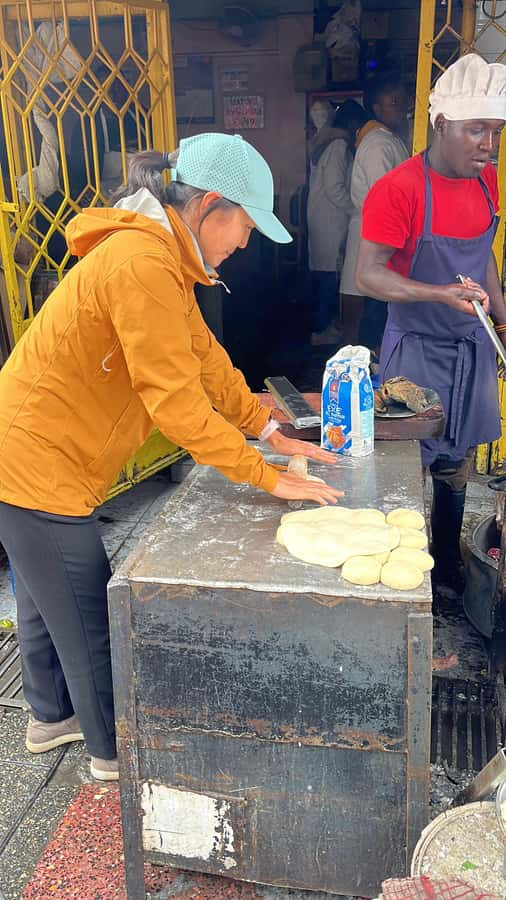
The Sarova Stanley is viewed from the route, followed by the Kimathi Statue. These short stops bring together two different parts of Kenya’s story: an old hotel associated with Nairobi’s early urban development and a monument honoring Dedan Kimathi, a major figure in the country’s independence struggle.
The guide’s explanation is what makes these brief pauses worthwhile. Without context, a statue or grand hotel can become another photograph. With a local guide, you can ask how the site fits into Kenya’s political and social past.
The tour also passes other memorials, including the Galton-Fenzi Memorial later in the walk. Those who enjoy history will get more from this route than someone focused only on modern architecture. The program gives you repeated reminders that Nairobi is not a new city built all at once. Its present-day streets carry layers of colonial administration, independence politics, business, faith, and public life.
A coffee pause near Mama Ngina Street
Near Hilton Hotel and Mama Ngina Street, the group stops at Baus Optical for a shopping and sightseeing pause, then takes a longer break at Java House. The coffee stop lasts about twenty minutes and gives your feet a rest after the market and avenue walking.
This is one of the more flexible parts of the tour. You can ask questions, talk with the guide, and take stock of what you have seen. Coffee and food here are not included, so bring a little extra money if you want something beyond the supplied snack and water.
I would not treat Java House as an essential Kenyan food experience. It is a familiar café stop. Its value is practical: you get a seat, a drink if you want one, and a chance to discuss Nairobi with someone who lives there. Guides such as Sharon and Dennis have been praised for making these conversations feel relaxed and personal.
Supreme Court, Governor’s Office, and the modern capital
The route continues past the Supreme Court building and Nairobi Governor’s Office. These are short viewing stops, but they help you see the center as a working seat of government, not just a collection of old buildings.
The Supreme Court is given only a few minutes, and the Governor’s Office is a quick pass-by. That is enough to mark their place in the city, but not enough for an in-depth political tour. If Kenyan government and recent national affairs are your main interests, use the guide’s knowledge and ask direct questions as you walk.
The group then reaches the Kenyatta International Convention Center. This is the major pause of the final stretch, with about thirty minutes for the visit and views. KICC entry is not included in the $23 price, so confirm the current fee when booking or bring funds for admission.
KICC rooftop views that make the route click
The KICC rooftop is the payoff. From above, the roads, blocks, offices, and landmarks you have just passed begin to make sense. Guides explain the different parts of Nairobi and help you place the central district within the wider city.
You get a cool breeze and broad city views, with a chance to take photographs without the quick stop pressure found at some earlier sites. A few people may find the height uncomfortable, so do not feel obliged to linger at the edge. The rooftop works well as a final stop because it turns the walking tour into a mental map.
From there, the route passes Holy Family Basilica and its clock tower, then the Galton-Fenzi Memorial. These final stops are short, but they complete the blend of religious, civic, and historic sites that defines the tour.
Drop-off is available at KICC, CJ’s, or in Nairobi. If you need to reach another destination, ask about taxi help before the tour ends. Guides have assisted with arranging rides, and that can be especially useful if you are still finding your way around the city.
How the tour handles safety and local contact
Several practical details make this a comfortable introduction for someone unsure about walking central Nairobi alone. The guide explains where it is sensible to walk, helps the group move through the city, and stays available for questions. One guide even assisted a participant with a police matter during a tour, though you should not treat that as a promised service.
The focus is not on frightening you. It is on giving you enough information to make better choices. You learn how to approach market shopping, when to use a taxi, and how local transactions work. That kind of advice can be more useful than a long lecture about safety.
The experience also creates small points of contact with local people. You practice Swahili, meet vendors, receive a shoe shine, and may have a street-style photograph taken. The company says it pays for many of these additions, but ask if anything is optional or costs extra before agreeing.
Timing, weather, and walking effort
The tour lasts three hours, though large groups have sometimes needed longer to cover the full route. A group with three guides may move more smoothly, but a busy day, late pickup, or extra questions can affect the finish time.
Wear comfortable shoes and clothes. You are walking on city streets, standing at several stops, and spending time outdoors. The route is not suitable for wheelchair users or people with mobility impairments.
Sunday deserves special thought. Sunday morning can feel unusually quiet because many shops are closed and the city center has fewer people. That can suit you if you want a calmer walk and fewer interactions. Sunday afternoon is livelier, with young people out for TikTok and Instagram videos, cycling, skating, photography, modeling, and music projects.
The tour is offered in English, Swahili, and Spanish. If your English is limited, the guide may use Google Translate. The company says this works well, but it is still wise to message them soon if you book close to the start time.
Who should book this walking tour?
I would choose this tour for a first day in Nairobi, a short stay, or a stopover when you want more than a drive past the center. It is also a good fit if you feel uncertain about exploring downtown by yourself and want a guide who can explain local habits as you go.
You will get the most from it if you enjoy asking questions and accept that some sites are viewed quickly. History fans, first-time Kenya visitors, casual photographers, and shoppers who dislike hard bargaining should find plenty of value here.
I would look elsewhere if you need an accessible route, want a private museum-style tour, or prefer a slow schedule with long visits inside buildings. The route covers many places, but its strength is the connection between them, not detailed entry into each one.
Should you book it?
Book it if you want a friendly, affordable introduction to Nairobi with practical help built in. The fruit salad, Swahili phrases, fixed-price shopping advice, shoe shine, coffee pause, and KICC rooftop give the three hours variety. The consistently strong guides, especially Jackie, Simon, Jeff, Sharon, Dennis, and Leah, are another reason to consider it.
Skip it if the extra KICC fee bothers you, if you dislike walking in busy city centers, or if your schedule cannot absorb possible pickup delays. For most first-time visitors, though, $23 is a sensible price for a guided look at Nairobi’s past and present, with enough local contact to make the city feel less intimidating.
FAQ
How much does the Nairobi walking tour cost?
The listed price is $23 per person.
How long does the tour last?
The planned duration is three hours. Large groups or delays can sometimes make the experience longer.
Is hotel pickup included?
Hotel pickup and drop-off are included only when you select that option during booking.
Where is the meeting point?
The usual meeting point is outside CJ’s restaurant on Koinange Street in Nairobi. The restaurant staff can help direct you, and the guide wears a Happy Tribe cap or T-shirt.
Is KICC rooftop entry included?
No. Entry to KICC is not included in the tour price.
What food is included?
A fresh fruit salad and bottled Dasani water are included. Additional food and drinks cost extra. Nyama choma may be available as an optional tasting.
Is the tour offered in Spanish?
Yes. Live guides are available in English, Swahili, and Spanish.
What should I wear?
Wear comfortable clothes and comfortable walking shoes.
Is the tour suitable for wheelchair users?
No. The tour is not suitable for wheelchair users or people with mobility impairments.
What happens if I book close to the start time?
Text the company immediately if you book only a few hours or minutes before departure. This helps the guide coordinate your meeting or pickup.
Is Sunday a good day for the tour?
Sunday afternoon is generally livelier. Sunday morning can be quiet because many shops are closed and the center has fewer people.
Just added around Nairobi
- Visit kibera Slum the chocolate city★ 4.8 · 3 reviews
- Day Tour to Nairobi national park, Elephants, and Giraffe Center★ 3.5 · 8 reviews
- Explore local Market matatu ride & Make Kenyan Cuisines with a home cook★ 5.0 · 8 reviews
- Kibera Slum Tour with a Local★ 5.0 · 15 reviews
- Urban Forest Tour in Nairobi★ 5.0 · 7 reviews
- Vegans special safari★ 4.5 · 4 reviews
- Private Mini Safari Tour in Nairobi★ 5.0 · 6 reviews
- Private Kenyan Cooking Class in Nairobi with a Local★ 5.0 · 3 reviews
Historical Tours, compared.

Nairobi Walking tour:Explore History Culture and Traditions
Read our review →

Nairobi Cultural and Historical City Tour with a Local
Read our review →
Nairobi souvenir Shopping and Historical Half day Tour
Read our review →
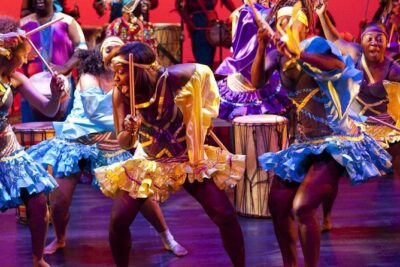
Half-Day Cultural Tour to Bomas of Kenya in Nairobi
Read our review →
Browse the lists this tour appears in