
Reviewed · ELEPHANT ORPHANAGE VISITS
Nairobi: David Sheldrick Elephant Orphanage Visit
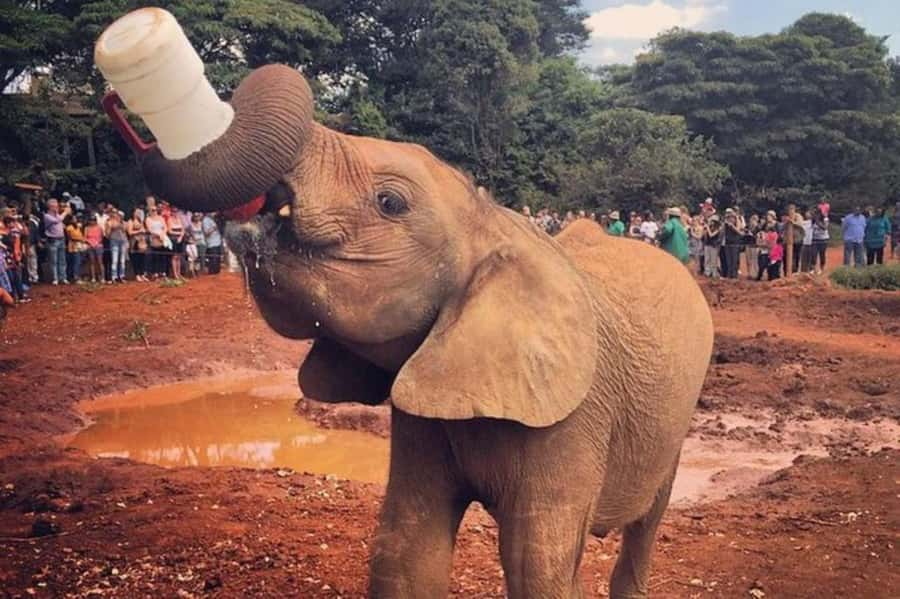
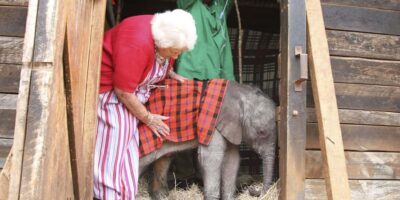
At the David Sheldrick Elephant Orphanage, the main event lasts only one hour, but it is a memorable one. Baby elephants are brought out to feed on specially prepared milk, tumble around, and receive care from their wardens. You watch from behind a rope while the staff explain how these young animals are raised.
I like the close view of feeding time and the chance to hear directly about elephant conservation. I also like the private hotel pickup, which removes the usual Nairobi transport fuss. The main drawback is the extra fee confusion: the tour price is $85, but an additional Nairobi National Park Conservancy fee is listed separately, and one booking had trouble with payment at the entrance.
Key points to know before you go
- The visit runs from 11:00 AM to noon: This is a fixed, one-hour viewing period, not an all-day orphanage visit.
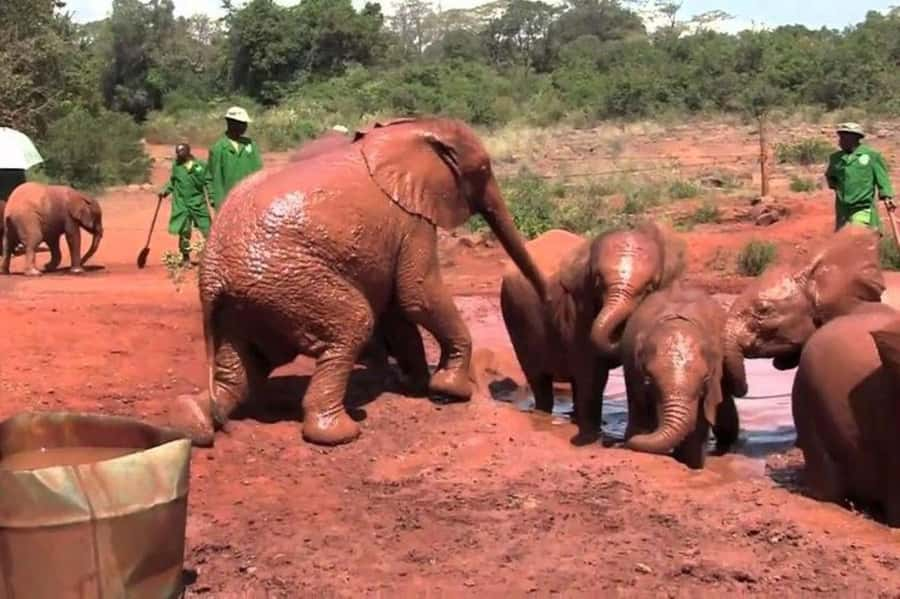
- You watch the wardens feed the elephants: The baby elephants receive formulated milk while you observe from behind a rope.
- Hotel pickup and drop-off are included: Transport begins and ends at your Nairobi hotel or airport meeting point.
- The advertised price may not be the final cost: A separate $80 conservancy fee is listed, so confirm the exact amount before paying.
- Masrack is named as a particularly good guide: Ask if he is available, but do not assume he will lead your trip.
- The tour has mixed service feedback: The orphanage itself receives warm praise, while transport and entrance arrangements need closer checking.
Why the one-hour feeding session matters
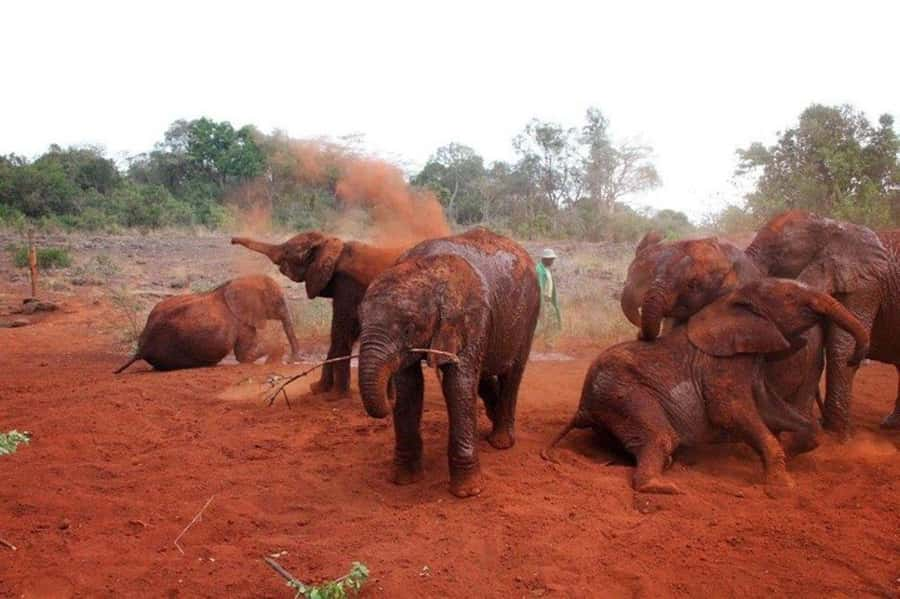
This is not a broad safari and it is not a full-day animal park visit. It is a tightly timed conservation presentation centered on milk-dependent elephant and rhino orphans. The baby elephants come out at the same time each day, giving you a rare chance to see their feeding routine and their young, playful behavior.
The setting is controlled. You remain behind a rope, and the wardens manage the interaction. That matters because the elephants are still vulnerable, and the visit is built around observation rather than a free-for-all photo opportunity.
You may be close enough to see the animals clearly, but the supplied details do not promise that you personally feed an elephant. The wording describes the wardens feeding them with formulated milk, so I would treat this as a watch-and-learn visit, not a hands-on feeding activity.
The short schedule also keeps the encounter focused. You do not spend hours waiting for wildlife to appear. Instead, you arrive for a known feeding period, hear an explanation of the orphanage’s work, and watch the babies play before returning to Nairobi.
More elephant orphanage visits in Nairobi:
- Elephant Orphanage and Giraffe Center Tour with Options
★ 4.5 · 457 reviews - Nairobi National Park, Elephant Orphanage and Giraffe Centre
★ 4.6 · 365 reviews - From Nairobi: Elephant Orphanage and Giraffe Center Day Trip
★ 4.5 · 235 reviews
Reaching the orphanage from Nairobi
The day begins with pickup from your hotel or, according to the meeting information, the airport lobby. The listed transfer takes about 25 minutes, though Nairobi traffic can affect that estimate. Your guide or driver should be waiting in the lobby, so have your booking details ready and make sure your hotel knows a pickup is expected.
The private format is useful here. You are not trying to find a taxi, negotiate with a driver, or work out how to reach the trust on your own. For a first morning in Nairobi, that convenience has real value.
The quality of the transport service can depend on who arrives. One booking described the driver as safe and pleasant but said he functioned mainly as a driver rather than a guide. Another booking gave special praise to Masrack, who was described as an excellent guide. I would ask in advance who will accompany you and whether that person will enter the orphanage and explain the visit.
There was also a timing problem in one case: pickup came at 9:00 AM, leaving more than an hour before entry at 11:00 AM. An early arrival is not necessarily bad, but it can feel wasteful when the actual viewing window is fixed. Ask for a pickup time that gives you a comfortable margin without creating a long wait.
Watching the elephants feed at 11:00 AM
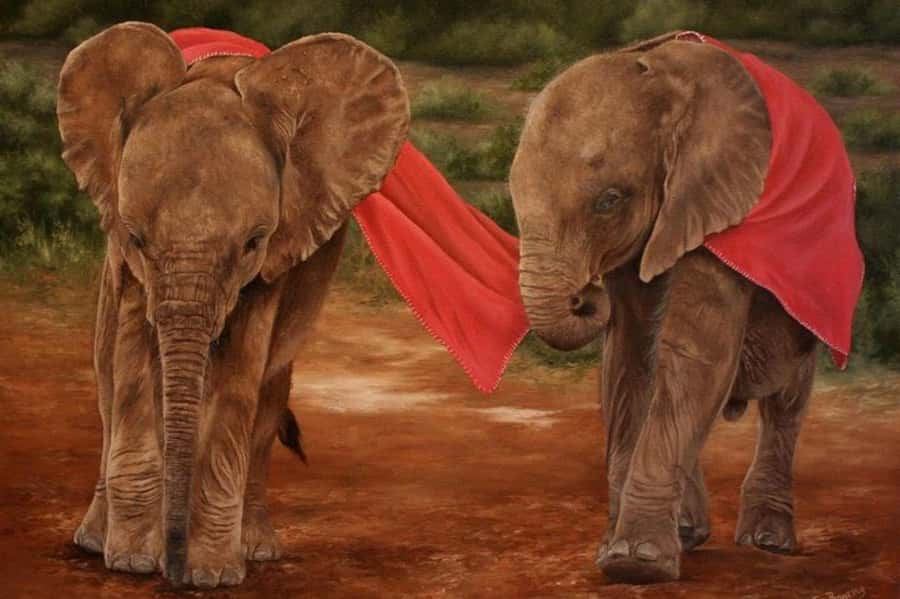
The orphanage opens to visitors for one hour each day, from 11:00 AM to noon. During that period, the baby elephants are brought out to feed and play while the wardens explain their care.
The feeding itself is the heart of the visit. The milk is formulated for young elephants who cannot yet live independently, and the wardens handle the bottles. You can watch the animals line up, drink, and move about under staff supervision.
This is also when you can ask questions. The provided tour details specifically mention the opportunity to ask about the elephants and the orphanage, so prepare a few questions before you arrive. You might ask how the animals came into care, how long they need milk, or what happens as they grow. Only the first part of that information is not guaranteed to be covered in a particular talk, so let the warden guide the discussion.
The baby elephants’ play is just as important as the feeding. You may see them move around, interact with one another, and show the clumsy energy that makes young elephants so appealing. Keep your camera ready, but listen as well. The conservation explanation gives the scene meaning beyond a quick animal photograph.
You should follow the staff’s instructions closely. The animals are young, but they are not pets. Staying behind the rope protects both you and the elephants, and keeping your distance helps the orphanage maintain a calm routine.
What the orphanage adds to the visit
The David Sheldrick Wildlife Trust is described as a world-class conservation organization and a leading authority on raising milk-dependent infant elephant and rhino orphans. The visit gives you a short introduction to that work rather than a full institutional tour.
That distinction is worth keeping in mind. You are not promised access to every part of the facility, private keeper areas, or a long behind-the-scenes program. The advertised format is one hour of viewing, feeding, explanation, and questions.
Still, the limited format has a benefit. The wardens focus on the animals in front of you, and you get a direct look at the daily care routine. For someone with a special interest in elephants, this can be more useful than a general Nairobi sightseeing stop.
I especially like that the experience connects an emotional moment with a conservation message. Baby elephants playing in the mud or reaching for milk are easy to enjoy. The staff talk helps you understand that these are orphaned animals requiring skilled, ongoing care.
A few more Nairobi trips worth comparing
- Nairobi National Park Half-Day Tour; Free Wi-Fi connection
★ 5.0 · 878 reviews - Nairobi: National Park & Optional Elephants & Giraffe Center
★ 4.8 · 874 reviews - NAI NAMI: Nairobi Storytelling Tour with Street Children
★ 5.0 · 792 reviews - Nairobi National Park Half-Day Game Drive
★ 4.5 · 738 reviews
The extra fee needs careful checking

The listed tour price is $85 per person. That covers hotel pickup and drop-off, entry to the orphanage, the chance to watch the feeding, and an informative talk by the wardens.
The value depends on how much you would otherwise pay for private transport and how important this particular visit is to you. If you want to see the orphanage and prefer not to arrange a taxi, the private transfer adds practical value. If you are already staying close by and can organize transport cheaply, the price may feel less attractive.
The important warning is the additional Nairobi National Park Conservancy fee. The supplied information lists $80 as not included. That is almost as much as the tour itself, so it changes the total cost in a major way.
There is a confusing detail here. One booking described being asked to pay $20 per person at the park entrance, even though the booking information indicated the charge was included. The exact fee may depend on the current rules, the entry arrangement, or the type of charge being collected, but the difference is too large to ignore.
Before you pay, ask the operator in writing:
- Is the conservancy fee required for this exact route?
- What is the current amount per person?
- Is it paid to the park, the orphanage, or the tour operator?
- Does the $85 include every required entrance charge?
- Will your driver have the booking number at the gate?
These questions are not minor paperwork. They can prevent an awkward conversation at the entrance and help you compare the real price with other Nairobi options.
The short Nairobi stop afterward

The day’s outline includes about an hour back in Nairobi for a photo stop, lunch, and shopping. Lunch is not included, and the information does not specify the exact restaurant or shopping location.
Treat this part as flexible rather than as a major attraction. The orphanage is the reason to book the tour. The later stop may give you a chance to eat, take a few city photographs, or browse, but you should not expect a carefully planned Nairobi sightseeing circuit unless the operator confirms one.
If you have an airport departure later in the day, clarify the timing. One booking expected to continue through the park and leave by the East Gate before going to the airport, but instead returned to the hotel around 1:00 PM. That does not make the standard visit poor, but it shows that the day’s route may not match every special request.
For a normal hotel return, the schedule is straightforward: pickup, transfer, one-hour orphanage visit, a short Nairobi stop, and drop-off. For airport connections or extra sightseeing, get the plan confirmed before the morning begins.
What to bring and how to prepare
Wear comfortable clothes and shoes suitable for walking. A hat and sunscreen are sensible because the feeding area may leave you exposed to the sun. Bring a camera, but do not let photography distract you from the warden’s instructions.
Advance booking is recommended because the daily visit has a narrow window and limited availability. You cannot simply assume that arriving at another time will work. The one-hour schedule makes a missed entry especially inconvenient.
People with animal allergies should take note of the stated restriction. If you have concerns about dust, animal dander, or close outdoor viewing, ask the operator before booking.
The tour is conducted in English, and the live guide is expected to provide transport and assistance. The wardens lead the conservation talk at the orphanage, so your guide’s role may be more logistical than educational. That is why confirming the guide’s name and duties can improve the experience.
Who will get the most from this visit?
Families often find the baby elephants appealing, though children should understand that the animals are being observed, not treated like zoo pets. The short, fixed viewing period also works well for anyone with limited time in Nairobi.
This is a good choice if you want a focused conservation visit, prefer private transport, and are happy with one main attraction. It suits photographers who want a predictable chance to see young elephants, provided they are comfortable shooting from behind a rope.
It may be less suitable if you expect a full-day safari, extensive Nairobi sightseeing, or a long behind-the-scenes tour. It may also disappoint you if you expect to personally bottle-feed an elephant. The supplied details support watching the wardens feed the animals, not direct visitor feeding.
The mixed service record means I would book with a little care. The orphanage itself is the strongest part of the program, and the transport can be perfectly useful. The weak point is coordination, especially the booking number, entry payment, guide role, and any airport extension.
Should you book the David Sheldrick visit?
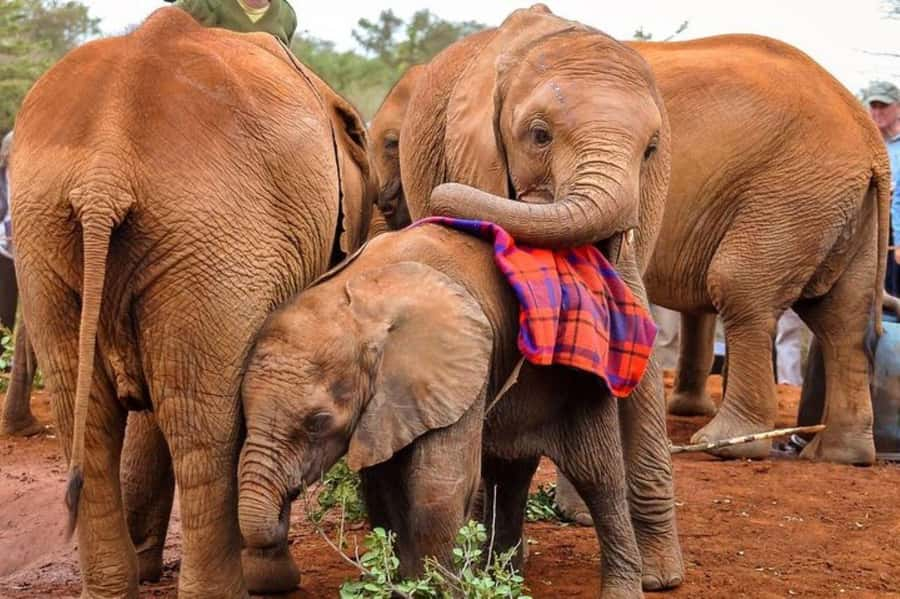
I would book this experience if seeing milk-dependent elephant orphans is high on your Nairobi list and you want hotel transport handled privately. The one-hour feeding session offers a clear purpose, the wardens provide context, and the babies’ play gives you the warm, memorable moment most people hope to find.
I would not book it without confirming the extra conservancy fee and the exact pickup plan. The $85 price can be reasonable for a private transfer and a timed conservation visit, but an added $80 changes the calculation. Ask who your guide will be, confirm whether the guide enters with you, and get the entrance charges in writing.
If those details are settled, this is a short but worthwhile Nairobi outing. Go for the elephants, listen to the wardens, and think of the private vehicle as useful support rather than the main feature.
FAQ
How long does the orphanage visit last?
The visit to the David Sheldrick Wildlife Trust lasts one hour, from 11:00 AM to noon.
What happens during the one-hour visit?
Baby elephants are brought out to feed and play. Wardens feed them formulated milk, explain the orphanage’s conservation work, and answer questions while you watch from behind a rope.
Is hotel transportation included?
Yes. Hotel pickup and drop-off in Nairobi are included. The meeting information also says the guide can meet you in an airport or hotel lobby.
Is lunch included?
No. Lunch is not included in the tour price. The day’s outline includes time in Nairobi for lunch, but you pay for it yourself.
Is the Nairobi National Park fee included?
The provided information lists an $80 Nairobi National Park Conservancy fee as not included. Because one booking also encountered a different amount at the entrance, confirm the current charge and payment arrangement before the tour.
What language is the tour conducted in?
The live tour guide and activity information are in English.
What should I bring?
Bring a hat, camera, sunscreen, and comfortable clothes. You should also follow the wardens’ instructions and respect the animals during the visit.
Just added around Nairobi
- Visit kibera Slum the chocolate city★ 4.8 · 3 reviews
- Day Tour to Nairobi national park, Elephants, and Giraffe Center★ 3.5 · 8 reviews
- Explore local Market matatu ride & Make Kenyan Cuisines with a home cook★ 5.0 · 8 reviews
- Kibera Slum Tour with a Local★ 5.0 · 15 reviews
- Urban Forest Tour in Nairobi★ 5.0 · 7 reviews
- Vegans special safari★ 4.5 · 4 reviews
- Private Mini Safari Tour in Nairobi★ 5.0 · 6 reviews
- Private Kenyan Cooking Class in Nairobi with a Local★ 5.0 · 3 reviews
Elephant Orphanage Visits, compared.
Elephant Orphanage and Giraffe Center Tour with Options
Read our review →
Nairobi National Park, Elephant Orphanage and Giraffe Centre
Read our review →
From Nairobi: Elephant Orphanage and Giraffe Center Day Trip
Read our review →
Nairobi: Elephant Sanctuary and Giraffe Center Day Tour
Read our review →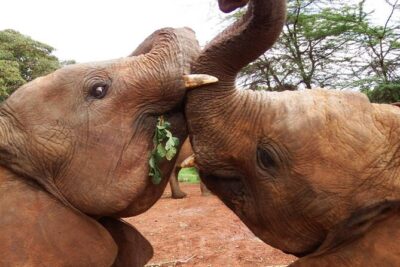
Half day tour to Elephant orphanage & Giraffe Centre Nairobi
Read our review →
Nairobi: National Park, Elephant Orphanage & Giraffe Center
Read our review →
Giraffe Centre, Elephant Orphanage, and Bomas of Kenya Day Tour from Nairobi
Read our review →Browse the lists this tour appears in