
Reviewed · GIRAFFE CENTRE VISITS
Nairobi: Elephant Orphanage, Beads Factory , giraffe center
Nairobi packs three very different experiences into this short outing: orphaned elephants at the Sheldrick Wildlife Trust, giraffes at close range, and a working bead workshop where Maasai women turn clay and beads into jewelry and leather goods. It is a practical way to see several of Nairobi’s major attractions without arranging separate taxis.
I like the easy hotel pickup and drop-off, especially if you are staying in Westlands, Karen, Nairobi, Ngara, Embakasi, or Syokimau. I also like the contrast between wildlife conservation and local craft work. The main catch is the price: the $28 tour fee does not include the attraction charges, and the possible extra cost is much higher than the headline price.
Key points to know before booking
- Three stops in about 4.5 hours: You visit the elephant orphanage, Giraffe Centre, and Kobe Tough Beads & Leather in one morning or daytime outing.
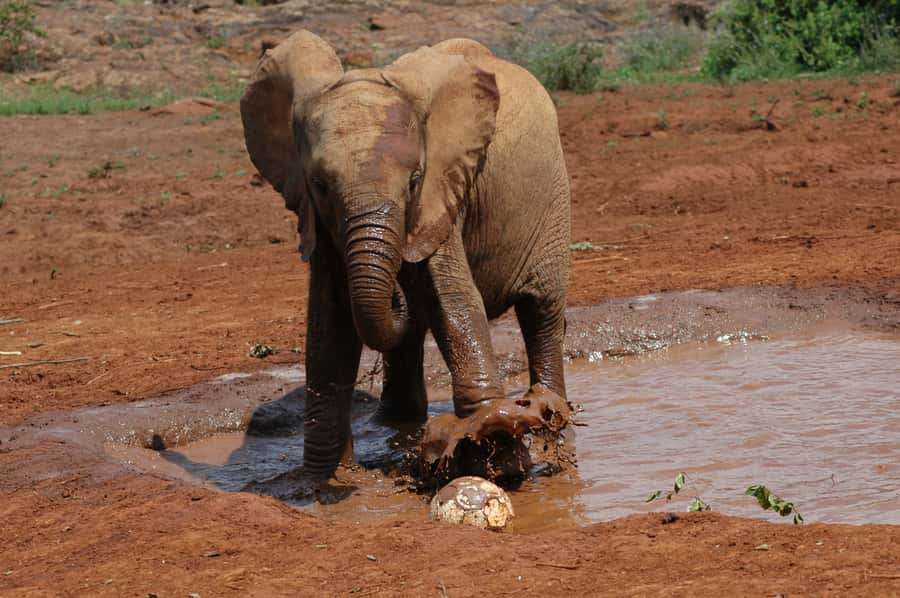
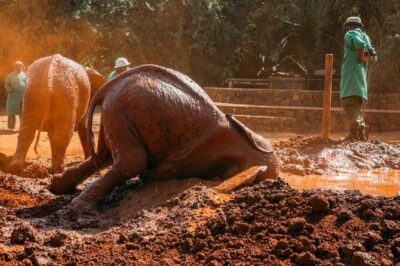
- Elephant feeding is the main event: Watch young elephants feed, play in mud, and hear about rescue and rehabilitation work.
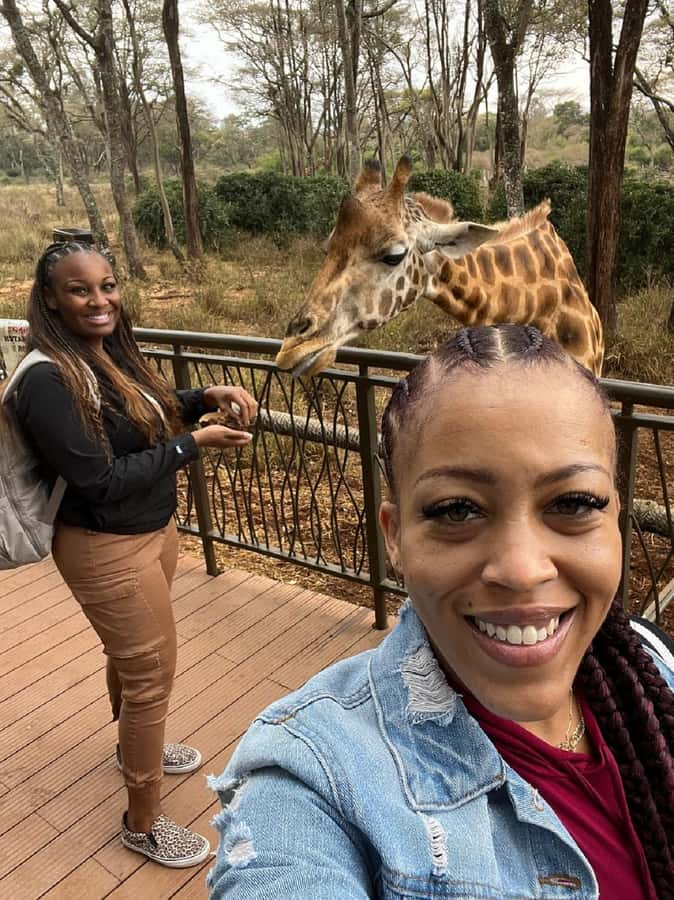
- Giraffe feeding is hands-on: The Giraffe Centre lets you see these animals in a semi-wild setting and feed them.
- The bead workshop supports Maasai women: You see traditional bead skills used for necklaces, belts, bracelets, collars, and other goods.
- The advertised price needs careful reading: Entry fees and an $80 Kenya wildlife conservation charge are separate.
- Guide Douglas may be part of the experience: He received especially warm praise for making the day easy and enjoyable.
Three Nairobi highlights in one short outing
This is not a safari. It is a compact city tour with three focused stops, each lasting about an hour. You spend less time in a vehicle than you would on a full-day trip outside Nairobi, but you also get only a brief look at each place.
The day begins with hotel pickup and ends at your original pickup area. Transport is provided in an air-conditioned tour van or private sedan, depending on the arrangement. Bottled mineral water is included, and there is time for lunch at your own expense.
I see this as a good choice for a first day in Nairobi, a stopover, or anyone who wants organized transport to several popular sites. The schedule is tight enough that you should not expect long, unhurried visits. Still, the mix works well: elephants for conservation, giraffes for close animal contact, and beads for a look at local enterprise.
The tour is available with an English-speaking guide. Guide Douglas has been specifically praised for his work, so if he is assigned to your vehicle, you may be in particularly good hands. The operator also offers free cancellation up to 24 hours before the activity and allows you to reserve now and pay later.
More giraffe centre visits around Nairobi:
- Nairobi: National Park & Optional Elephants & Giraffe Center
★ 4.8 · 874 reviews - Elephant Orphanage and Giraffe Center Tour with Options
★ 4.5 · 457 reviews - Nairobi National Park, Elephant Orphanage and Giraffe Centre
★ 4.6 · 365 reviews
Watching rescued elephants at Sheldrick Wildlife Trust
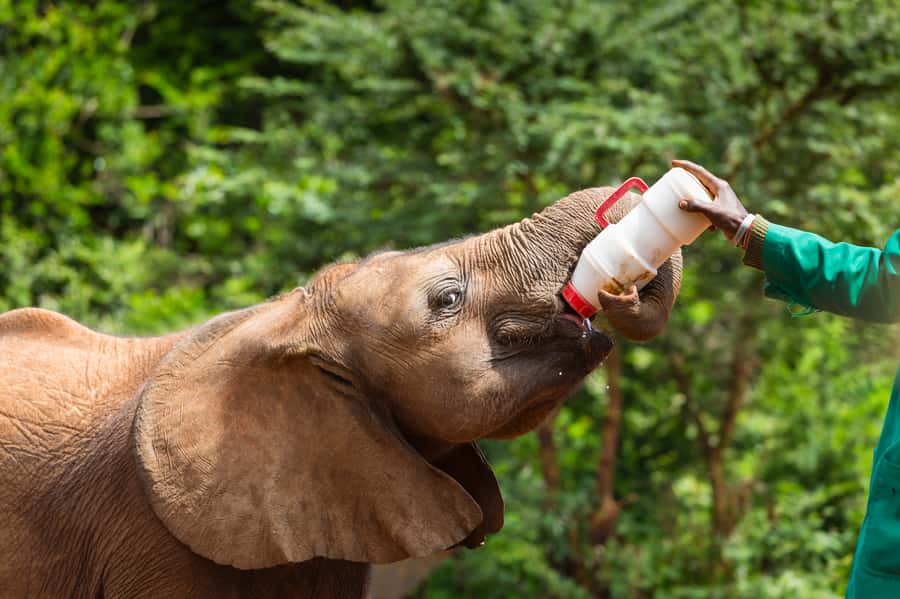
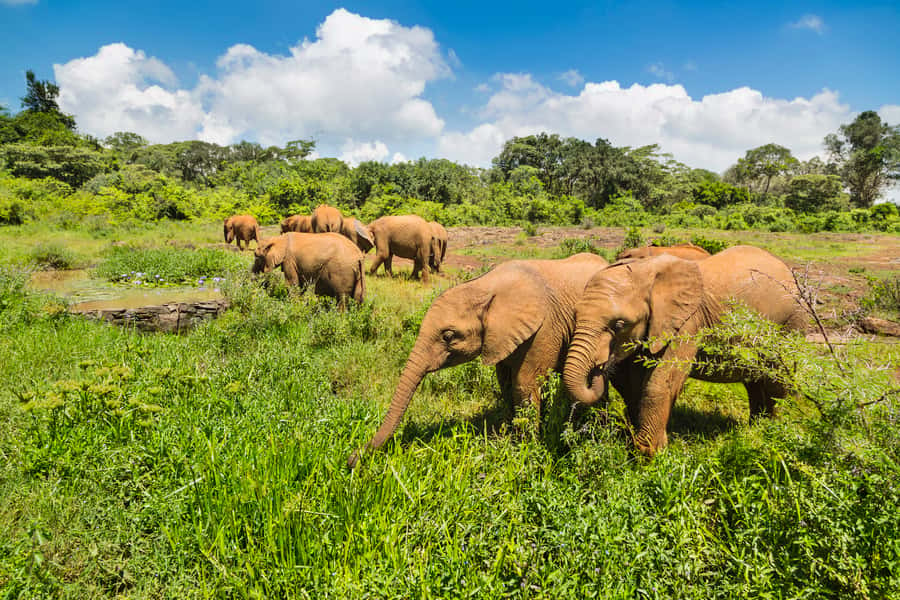
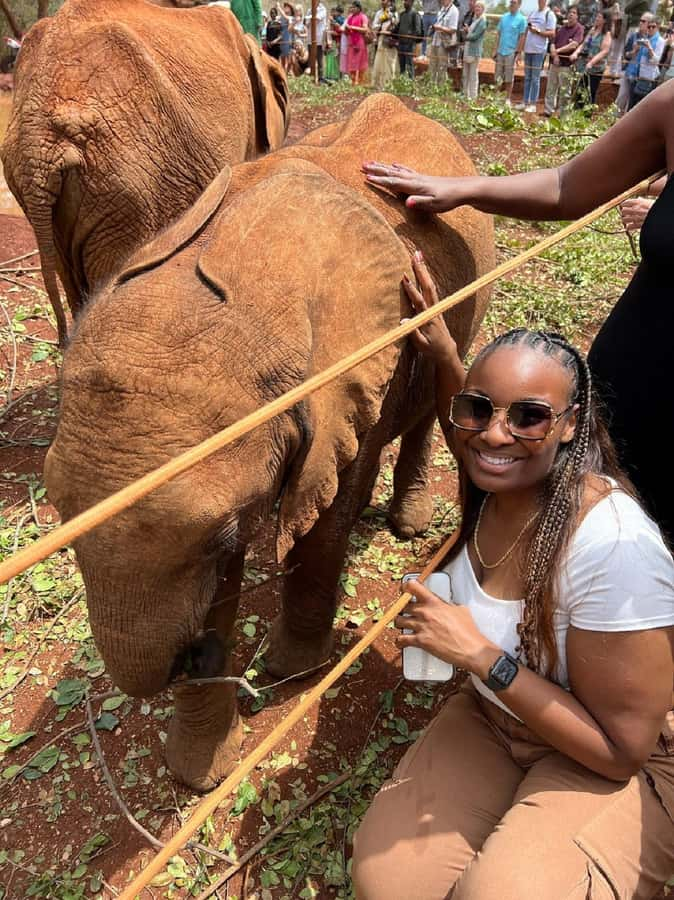
The elephant stop gives you the most direct conservation story of the day. At the Sheldrick Wildlife Trust, you watch orphaned elephants being fed, playing in the mud, and receiving care from the people working to protect them.
The Trust is best known for its elephant rescue and rehabilitation program. The visit is not simply a photo stop. You hear about the work behind the scenes, including the effort to raise young elephants and prepare them for a future beyond human care.
For many people, this will be the emotional center of the outing. Baby elephants are naturally appealing, but the visit also gives useful context about why orphan rescue matters. The attraction connects individual animals with wider conservation work, rather than presenting wildlife as a collection of photo opportunities.
Plan on about one hour here. That is enough to see the feeding session and listen to the talk, but not enough for a long visit around a large wildlife facility. The schedule may also depend on the attraction’s operating times, so check the starting time carefully when booking.
The biggest practical issue is the separate entry cost. The information for this activity lists $20 per person for the elephant orphanage, payable in cash. Bring the correct amount or enough small notes, since arriving without cash could slow down entry.
There is also a listed $80 Kenya wildlife conservation fee, payable by credit card only. The wording does not make fully clear how this charge is applied alongside the individual attraction fees, so confirm the current total before you go. If all listed charges apply, the additional cost could reach $115 per person, making the total about $143 when added to the $28 tour price.
That difference matters. At $28, the transport and guiding look like a strong bargain. Once the separate fees are added, the day becomes a more substantial purchase, though it still may be worthwhile if you want convenience and all three stops.
Feeding giraffes at the Giraffe Centre
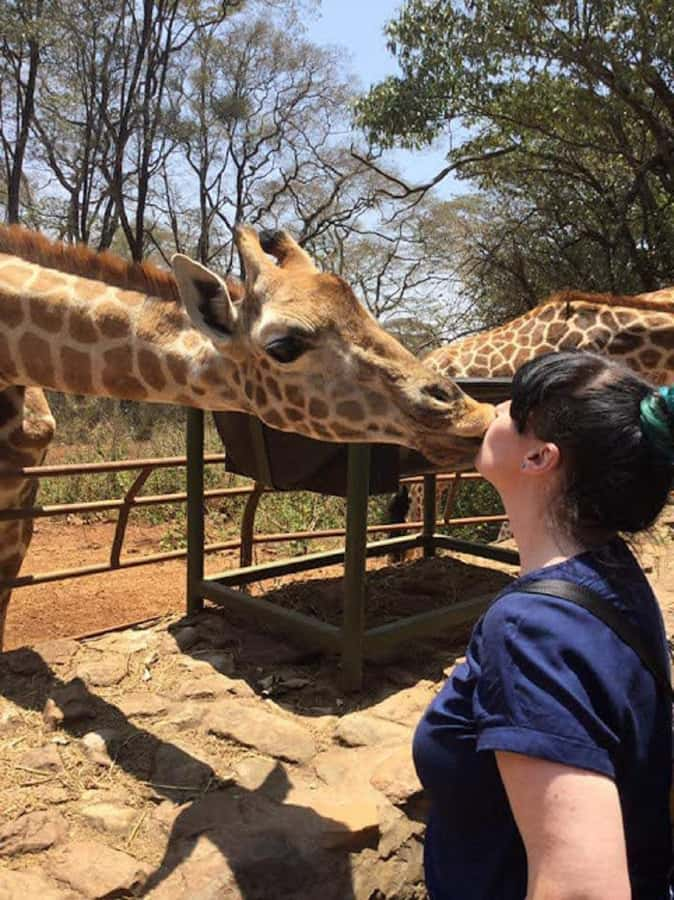
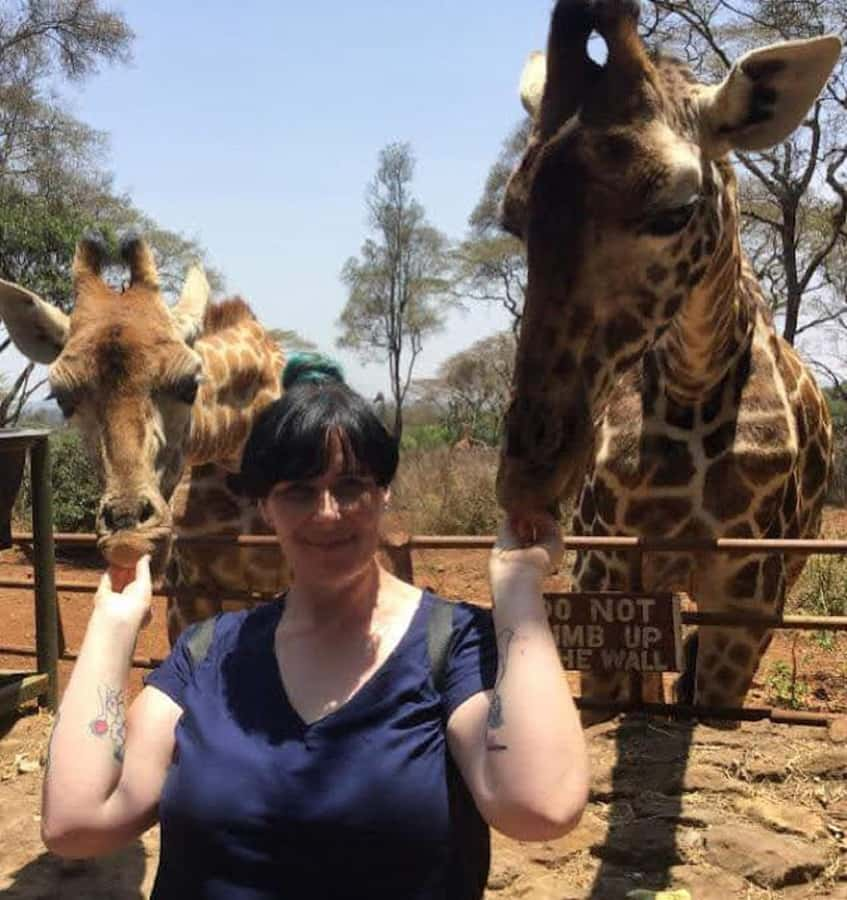
The Giraffe Centre provides a very different animal encounter. Here you see giraffes living in a semi-wild setting, learn about their behavior and physical traits, and get the chance to feed them.
The feeding opportunity is the reason many people choose this stop. You can expect to be close enough to appreciate the animals’ height, long tongues, and calm manner. It is a more interactive visit than simply viewing wildlife from a vehicle.
The center also has an educational purpose. The guide explains giraffe behavior and conservation, giving the visit more substance than a quick picture with an animal. You can ask questions in English and use the hour to combine photographs with the short guided talk.
This stop is especially suitable for families and first-time visitors to Nairobi, although anyone who enjoys wildlife will find it easy to appreciate. The semi-wild setting also helps you remember that these are living animals with their own behavior, not trained performers.
The Giraffe Centre entry fee is listed as $15 per person, payable by credit card. Bring a working card and allow a little patience if the group is paying separately. Since the visit is scheduled for about an hour, you will want to move efficiently between the information, feeding, and photo opportunities.
The word feeding can create high expectations, so keep the experience in proportion. This is a supervised wildlife visit, not an extended animal-care session. You get a close encounter and some conservation information, then move on to the bead workshop.
Meeting Maasai bead makers at Kobe Tough Beads & Leather
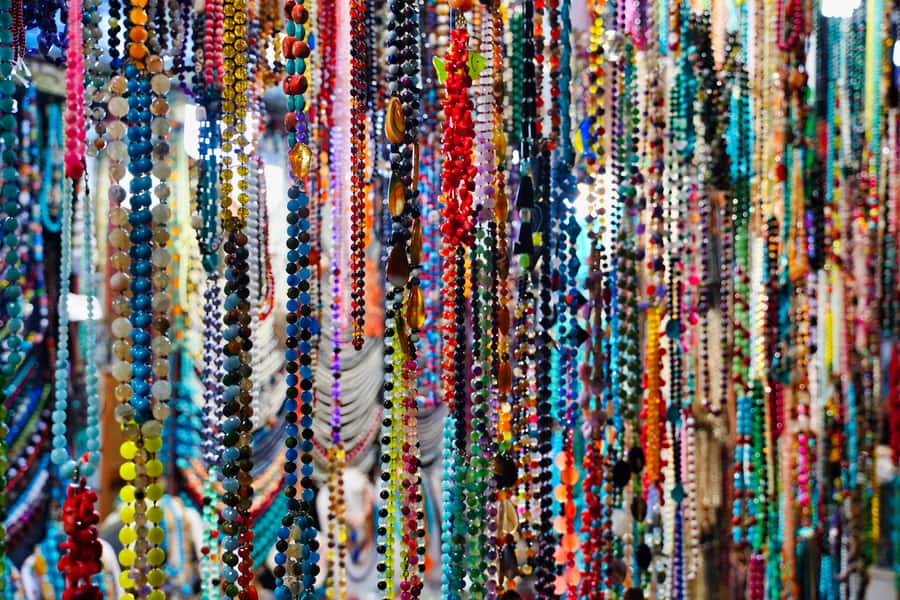
The final stop adds a human and creative side to the day. At Kobe Tough Beads & Leather, you learn about traditional Maasai beading and see how clay beads and other materials become necklaces and other finished goods.
The workshop supports Maasai women by helping them develop traditional bead skills into products that can reach a wider market. Items include belts, bracelets, collars, necklaces, and other beaded pieces. The group also makes Maasai beaded Apple Watch bands under fair-trade principles.
That detail makes the visit more than a standard souvenir stop. You can see how a traditional craft is being adapted for modern customers while keeping the work connected to the women who make it. The workshop also gives you a chance to meet the makers and ask about the process.
The scheduled visit lasts about an hour and includes guided time, free time, and shopping. You are not required to buy anything, but this is the place to purchase a useful souvenir if you want one. A bracelet or belt takes up less room than a large carved object, and buying directly supports the workshop’s work.
The workshop is described as offering free entry, unlike the two wildlife attractions. That makes it a helpful final stop because you can spend as much or as little as you choose after the guided portion.
Keep your expectations realistic. This is a short introduction to Maasai beadwork, not a full craft class. You will learn about the work and meet the women making it, but the information does not promise that you will create a piece yourself.
More elephant orphanage visits in Nairobi:
- From Nairobi: Elephant Orphanage and Giraffe Center Day Trip
★ 4.5 · 235 reviews - Elephant Orphanage & Giraffe Centre Tour
★ 4.5 · 225 reviews - Nairobi: Elephant Sanctuary and Giraffe Center Day Tour
★ 4.8 · 148 reviews - Half day tour to Elephant orphanage & Giraffe Centre Nairobi
★ 5.0 · 130 reviews
What the $28 price really covers
The $28 starting price covers the organized part of the day: hotel pickup and drop-off, air-conditioned transport, an English-speaking guide, bottled water, and free entry to the bead factory. It also gives you a planned route between three Nairobi attractions.
That is useful in a city where arranging separate rides can take time and add cost. You do not have to negotiate a taxi at each stop, work out the order of visits, or find your way back to your hotel.
But the headline price is not the full cost. The listed additional charges are:
- $80 Kenya wildlife conservation fee, payable by credit card only
- $20 elephant orphanage entry, payable in cash
- $15 Giraffe Centre entry, payable by credit card
- Personal expenses and lunch
If every listed fee applies to you, budget up to $115 extra. That would make the possible total about $143 per person before lunch or shopping. Because the fee wording may depend on how the attractions are booked, I would confirm the final amount with the operator before committing.
You should bring both a credit card and cash. This is not optional planning. The conservation and giraffe charges require a card, while the elephant orphanage fee is listed as cash only.
Pickup areas, timing, and the four-and-a-half-hour schedule
The activity lasts 270 minutes, or about four and a half hours. Pickup is available from Westlands, Syokimau, Embakasi, Karen, Ngara, and Nairobi. Drop-off is offered in the same general areas.
You should wait in your hotel lobby 10 minutes before or after the scheduled pickup time. Drivers will wait no longer than 10 minutes after the scheduled time, so be ready early and keep your phone available if possible.
The listed plan gives roughly one hour to each major stop, with driving time between them:
- Sheldrick Wildlife Trust: about one hour
- Giraffe Centre: about one hour
- Kobe Tough Beads & Leather: about one hour
There is also time for transport and lunch at your own expense. The schedule mentions sunrise as part of the visit description, but the exact start time depends on availability. Check the time shown when selecting your date.
A four-and-a-half-hour plan sounds generous until you include hotel pickups, city traffic, entry procedures, and the drive between sites. You should treat this as a focused introduction, not a slow-paced day. If you want long photography sessions or extended shopping, you may feel rushed.
The air-conditioned van or private sedan is a welcome feature, particularly after spending time outdoors. Group size is not stated, so do not assume a private tour unless your booking specifically says so.
Who will enjoy this Nairobi tour most
I would recommend this outing to first-time visitors who want a simple introduction to Nairobi’s wildlife and local crafts. It also suits families, couples, and people with only one free morning or afternoon.
It works well if you value convenience. Hotel transport, a guide, and a ready-made route remove much of the planning work. The English-language format makes the explanations accessible to most international visitors.
This is also a sensible choice for anyone who wants more than animals. The bead workshop adds local economic and cultural context, and it gives you a chance to buy handmade goods directly from the source.
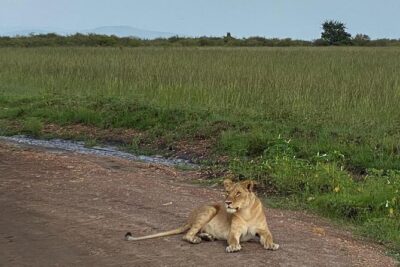
You may want a different plan if your main goal is a full wildlife experience. The elephant and giraffe visits are attraction-based encounters, not a long game drive. You will not spend the day in a national park watching a wide range of species.
The same applies if you dislike shopping stops. The factory visit includes free time and shopping, though you are free not to buy anything. If you prefer a tour focused only on wildlife, look for an option that replaces the workshop with a longer conservation visit.
What to bring and how to prepare
Bring a credit card for the Kenya wildlife conservation fee and Giraffe Centre entry. Bring cash for the elephant orphanage fee, which is listed as $20 per person.
Wear comfortable clothing and shoes suitable for walking around outdoor attractions. The activity includes wildlife viewing, scenic drives, and time outside, so practical clothing will serve you better than anything formal.
Bring your camera, but listen during the conservation talks. The point of the elephant and giraffe stops is not only to collect pictures. The guide’s explanations help connect what you see with the work being done to protect the animals.
If you applied for your Kenyan visa online, you may be able to buy Kenya Wildlife Service tickets on the same platform in advance. The provided guidance says this can help avoid delays on the day of the tour.
You can cancel up to 24 hours in advance for a full refund, and you can reserve now while paying later. Those terms are useful if your Nairobi plans are still changing.
Should you book this experience?
Book it if you want an easy, compact Nairobi day that combines two well-known animal encounters with a meaningful craft visit. The route is efficient, hotel transport is included, and guide Douglas has been praised for making the experience especially enjoyable.
Before booking, calculate the full cost rather than relying on the $28 headline. The extra conservation and entry fees can change this from a cheap city outing into a much more expensive half-day.
I would choose this tour for a first look at Nairobi, a short stay, or a family-friendly introduction to local wildlife. I would skip it if you want a full safari, a private schedule, or several hours at one attraction. For the right visitor, the three-part mix gives you a useful and memorable introduction to the city in a single outing.
FAQ
How long does the tour last?
The activity lasts 270 minutes, or about four and a half hours.
What attractions are included?
You visit the David Sheldrick Wildlife Trust elephant orphanage, the Giraffe Centre, and Kobe Tough Beads & Leather.
Is hotel pickup included?
Yes. Pickup and drop-off are included from listed areas including Westlands, Syokimau, Embakasi, Karen, Ngara, and Nairobi.
What fees are not included?
The listed additional charges are an $80 Kenya wildlife conservation fee, $20 elephant orphanage entry, $15 Giraffe Centre entry, lunch, and personal expenses.
How should I pay the extra entry fees?
The Kenya wildlife conservation fee and Giraffe Centre entry are payable by credit card. The elephant orphanage fee is payable in cash, so bring both a card and cash.
Is the tour wheelchair accessible?
Yes. The activity is listed as wheelchair accessible.
Just added around Kenya
- Watamu: Learn Kenyan Cusine with Jonathan★ 4.1 · 8 reviews
- WATAMU: MALINDI: SARDEGNA ISLAND & MALINDI MARINE PARK★ 4.5 · 9 reviews
- Watamu: Sunset Mangrove Canoe Tour with Coconut Drink★ 3.6 · 8 reviews
- Visit kibera Slum the chocolate city★ 4.8 · 3 reviews
- Tsavo East National Park: 2-Day Tour from Mombasa★ 3.9 · 5 reviews
- Lake Nakuru Day Trip Safari – & Optional Lake Naivasha Boat★ 5.0 · 5 reviews
- Lake Nakuru NP Half-Day Safari★ 4.0 · 4 reviews
- Tsavo East and Tsavo West Sanctuary Safari★ 5.0 · 3 reviews
Giraffe Centre Visits, compared.
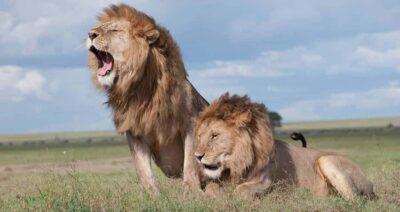
Nairobi: National Park & Optional Elephants & Giraffe Center
Read our review →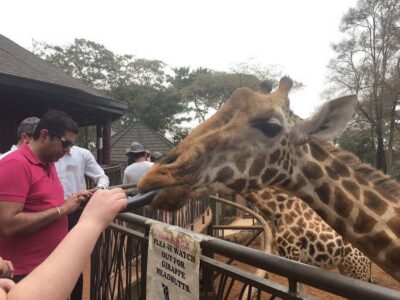
Elephant Orphanage and Giraffe Center Tour with Options
Read our review →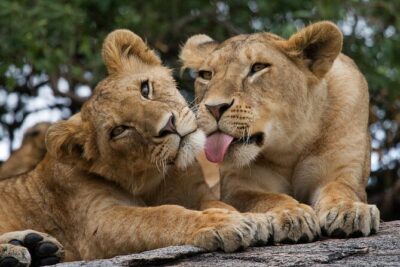
Nairobi National Park, Elephant Orphanage and Giraffe Centre
Read our review →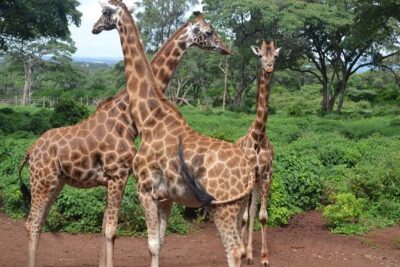
Tour: Giraffe Center and Nairobi National Park
Read our review →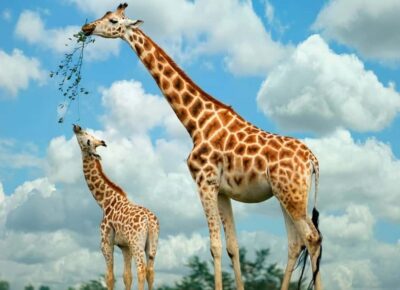
From Nairobi: Elephant Orphanage and Giraffe Center Day Trip
Read our review →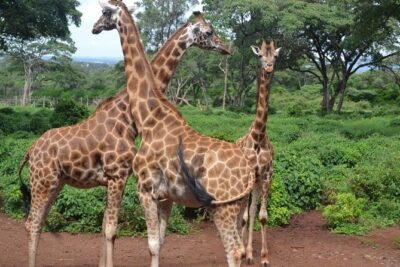
Day tour to Giraffe Center and Karen Blixen Museum
Read our review →Browse the lists this tour appears in