
Reviewed · COFFEE & TEA FARM TOURS
Nairobi: Fairview Coffee Estate Tour with Pickup
Fairview Coffee Estate gives you a hands-on look at Kenyan coffee, not just a quick cup in a café. You walk among SL28 and Ruiru 11 coffee plants, see how cherries are processed, then roast and grind beans over firewood before tasting the result.
I like the mix of farm work and tasting, and I like that the guide explains both the old-fashioned roasting method and the modern wet and dry mills. The main drawback is practical: the $30 entry fee is not included in the advertised $38 price, and one pickup ran 90 minutes late.
Key points at a glance
- Roast your own beans over a traditional jiko: You handle the beans, roasting, grinding, and packing with local guidance.
- See Kenyan coffee from plant to export-ready bean: The tour covers seedlings, soil care, cherry selection, pulping, fermentation, and drying.
- Walk through named coffee varieties: Fairview grows SL28 and Ruiru 11, two varieties you will hear about during the farm walk.
- Taste coffee with a trained cupping host: Different roast levels help you notice how processing changes the cup.
- Enjoy a small local food break: Fruit, pastries, juice, coffee, and Kenyan sweet bites are part of the visit.
- Budget for the separate $30 entry charge: This is the most important price detail to confirm before you go.
Leaving Nairobi for Kiambu’s coffee country

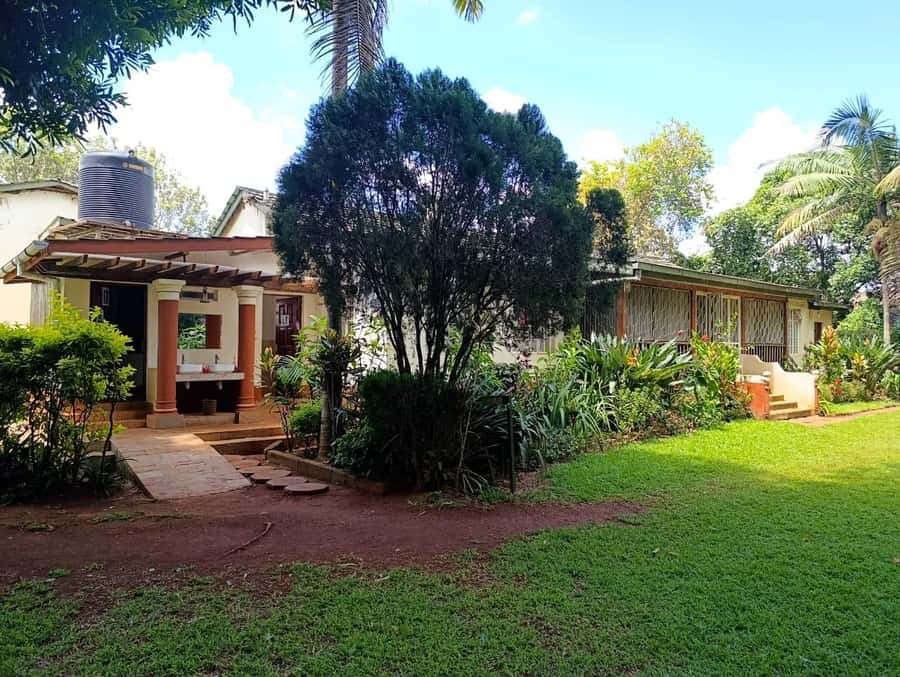
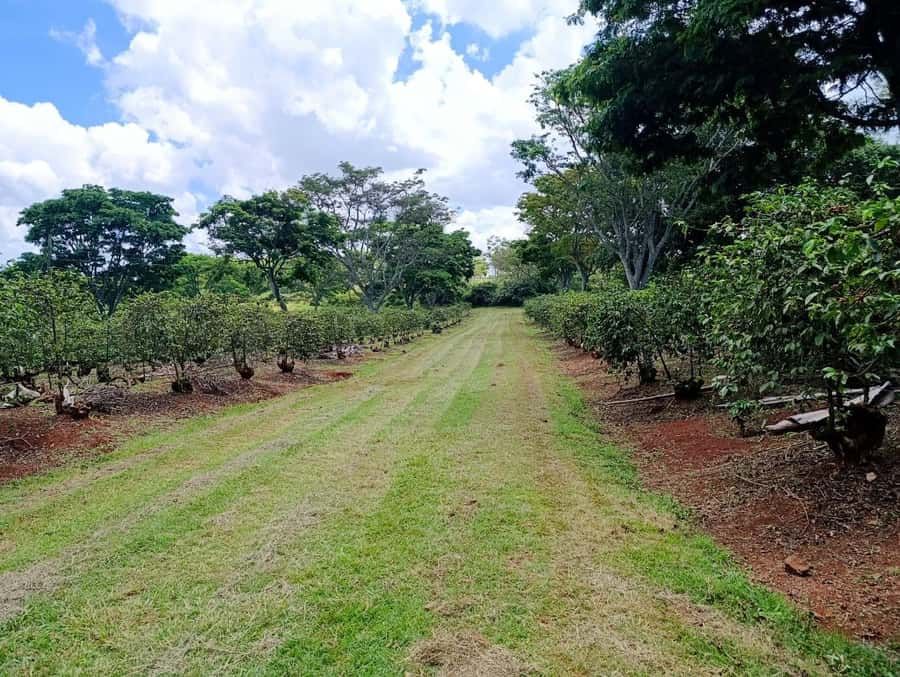
The tour begins with pickup from listed areas including Kilimani, Kileleshwa, Parklands, Nairobi, Syokimau, Westlands, and Loresho. You leave the city for Kiambu, in Kenya’s central highlands, where the air and scenery shift toward farmland and coffee estates.
The full experience takes about four hours. That includes transport, the farm visit, the factory areas, the roasting workshop, tasting, free time, and the return trip. Since pickup is included, this is easier than arranging a taxi to a rural estate yourself.
Pickup timing deserves care. One account records a 90-minute delay, which caused the scheduled group visit to be missed. The alternative was either paying $20 more per person for a private visit or waiting three hours for the next group. That may be an isolated problem, but I would confirm the pickup time and keep the provider’s contact details handy.
More Coffee & Tea Farm Tours in Nairobi:
- Nairobi Coffee Farm and Factory Tour
★ 5.0 · 87 reviews - Nairobi: Coffee Factory and Farm Tour with Transfer
★ 4.5 · 60 reviews - Nairobi to Kiambethu Tea Farm Tour
★ 5.0 · 51 reviews
Your first cup at Fairview Coffee Estate
At the estate, you begin with a Kenyan welcome, a fresh cup of coffee, and local sweet bites. This is a good opening because it gives you a reference point before you learn how the drink is made.
The welcome coffee is not just a free refreshment. It gives you a chance to notice the basic flavor before the tasting becomes more technical. At the end, you can compare what you first drank with beans prepared during the roasting workshop.
You also receive a safety briefing before walking around the property. Paths are described as walkable, but sturdy shoes are a sensible choice. The farm sits at about 1,800 meters, so drink water and take the walk at an easy pace, especially if you have just arrived in Kenya from a lower altitude.
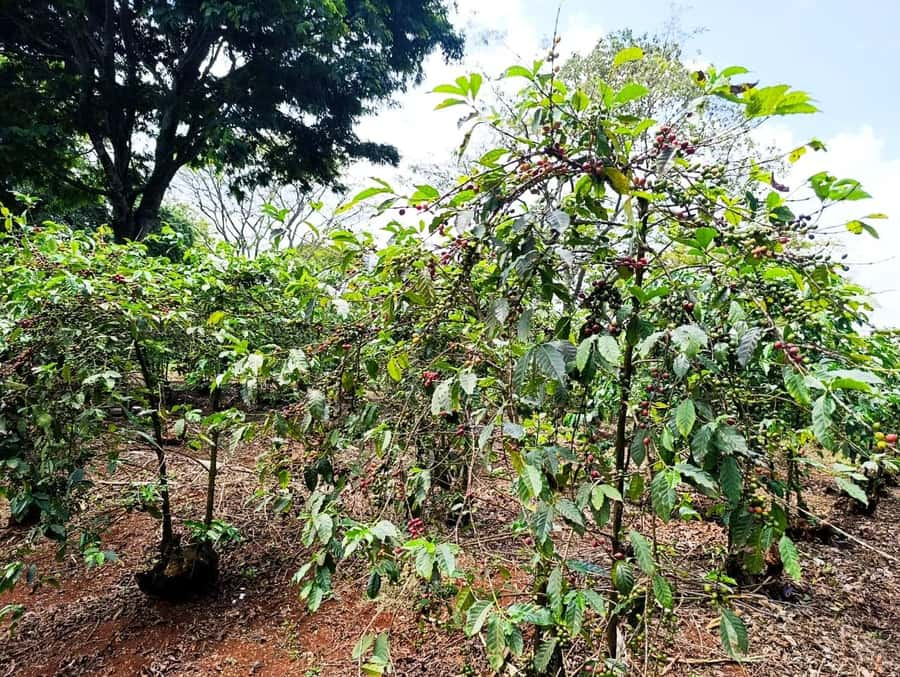
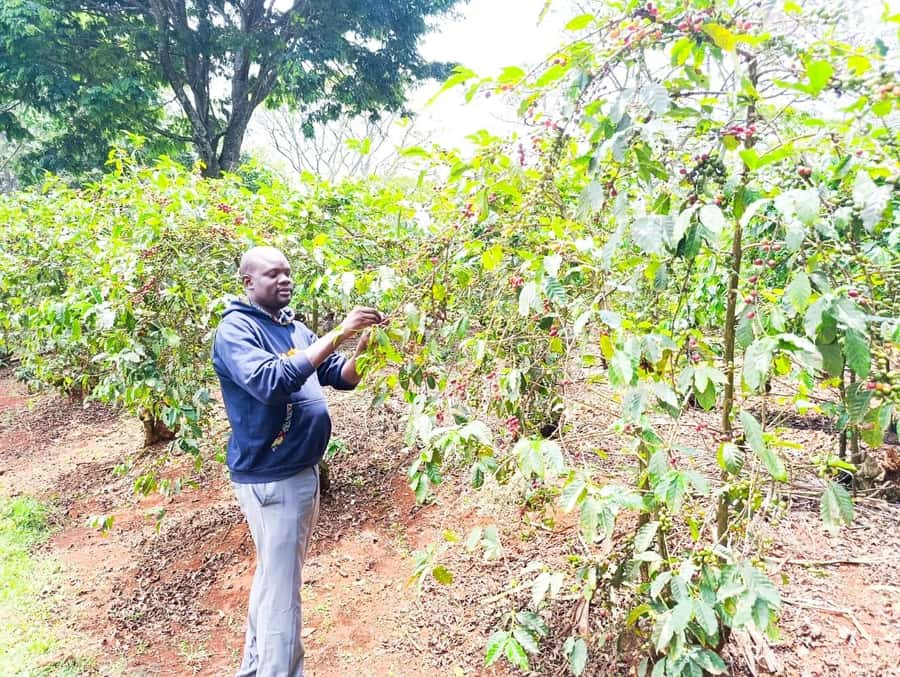
Walking among SL28 and Ruiru 11 coffee plants
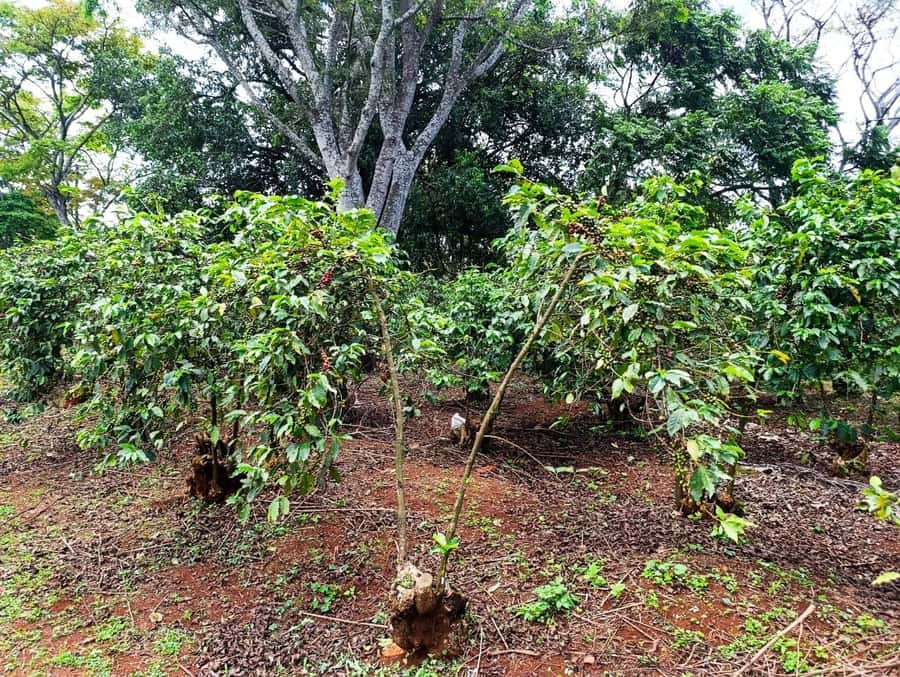
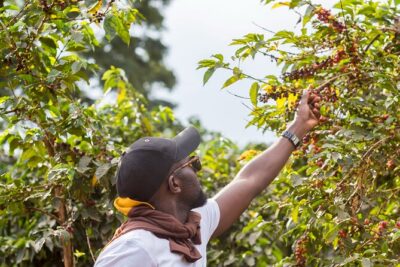
The farm walk explains what happens long before coffee reaches a grinder. You learn about seedling propagation, soil care, and cherry selection. The guide also introduces the SL28 and Ruiru 11 varieties, giving you a clearer idea of why coffee from the same country can still taste quite different from one farm or variety to another.
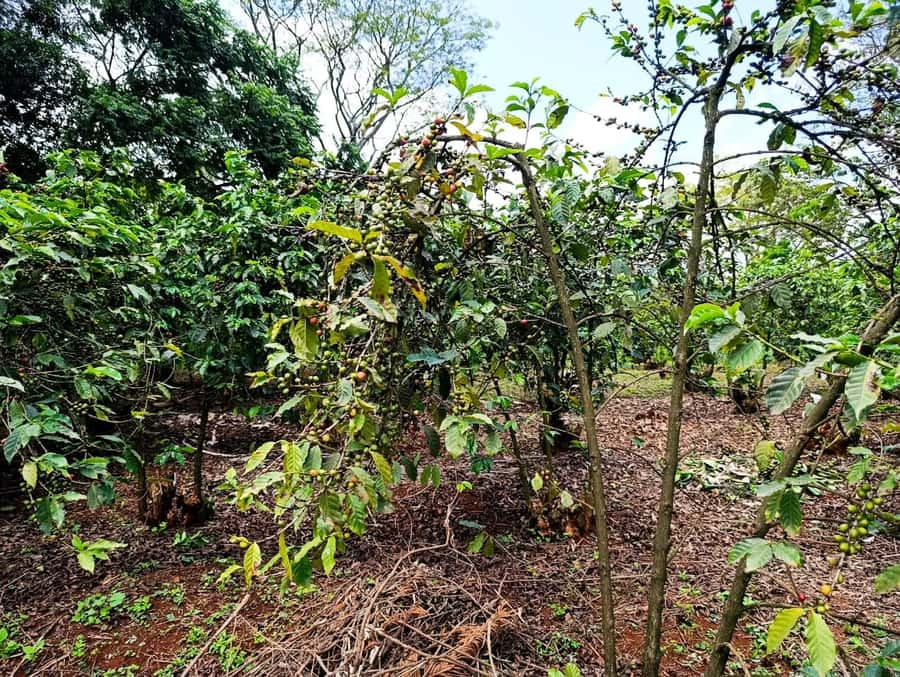
The timing of your visit affects this part of the tour. Harvest seasons are April through June and October through December. If you visit then, you might see ripe cherries on the plants and get some hands-on work with picking or selection.
Outside harvest, the farm walk still covers cultivation, but the rows may not be full of ripe red cherries. That is not a reason to skip the tour, but it is worth knowing if your main goal is to pick coffee fruit yourself.
The guides use jokes and games during the explanations, which helps keep the agricultural material from feeling like a classroom lecture. James is named as one guide who explained the plantation clearly. If you are especially interested in having him lead the visit, ask the operator about guide availability rather than assuming he will be assigned to your group.
Seeing the wet and dry mills
The factory section is where the coffee story becomes more useful. You see how cherries change after picking, first through pulping and fermentation, then through washing and drying on raised beds.
The wet mill deals with the early processing of the fruit. The dry mill handles later steps as the beans are prepared for grading and storage. Seeing both helps you understand why a coffee label tells only part of the story. Variety, soil, picking, fermentation, drying, roasting, and brewing all affect the final taste.
The raised drying beds are a particularly helpful detail. Coffee beans are not simply left in a heap after pulping. They are spread out to dry, with care needed at this stage to protect quality.
This part of the tour is visual and practical, but it is still a working farm visit rather than a polished museum exhibit. Expect an active agricultural setting, not a large interpretive center filled with displays.
A few more Nairobi trips worth comparing
- Nairobi National Park Half-Day Tour; Free Wi-Fi connection
★ 5.0 · 878 reviews - Nairobi: National Park & Optional Elephants & Giraffe Center
★ 4.8 · 874 reviews - NAI NAMI: Nairobi Storytelling Tour with Street Children
★ 5.0 · 792 reviews - Nairobi National Park Half-Day Game Drive
★ 4.5 · 738 reviews
Roasting beans over firewood
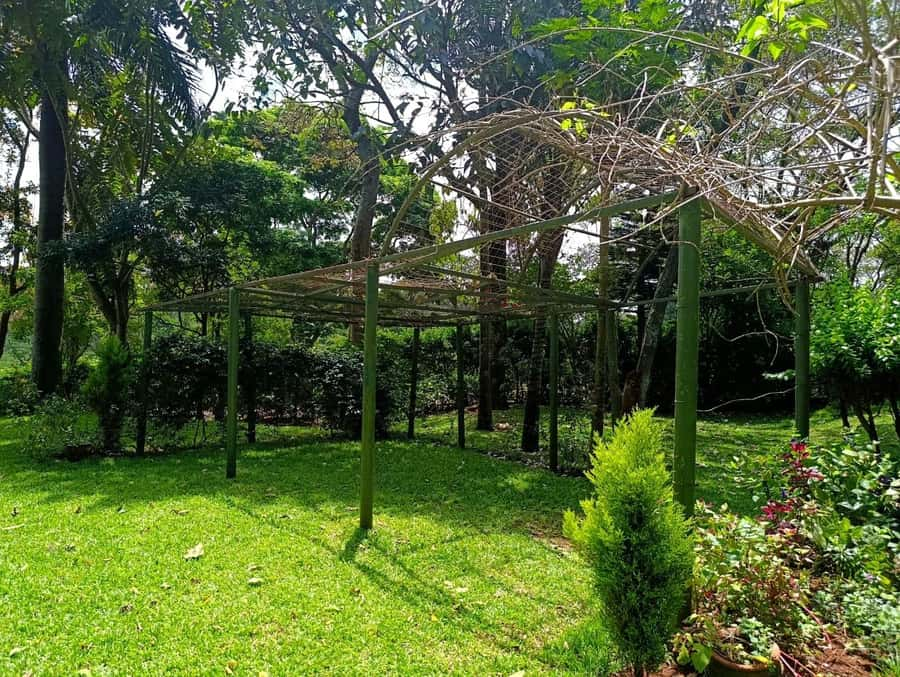
The roasting workshop is the most hands-on portion. In a rustic roasting hut, you use a traditional jiko over firewood to roast your own beans. Under local guidance, you watch the color and smell change, then grind and bag the coffee.
This is a valuable part of the visit because coffee roasting usually happens out of sight. Here, you see how a pale green bean becomes something aromatic and brown enough to brew. You also get a personal connection to the finished cup because you helped prepare it.
The jiko method is traditional and direct. It is not a polished home coffee machine, and that is part of its appeal. The process may feel less exact than a commercial roaster, but it shows the basic decisions that shape roast level.
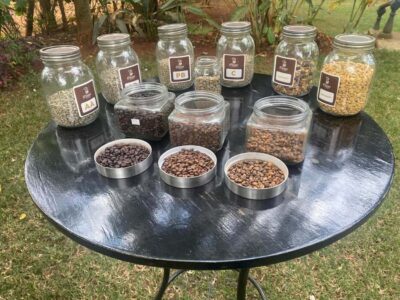
You then sample different roast levels with a certified cupping host. Cupping is the structured tasting method used to compare coffees. You do not need a trained palate to take part. Pay attention to the differences in aroma, body, acidity, and aftertaste, then ask the host to explain what you are noticing.
The terrace break and local snacks
After the technical part, you have time to relax on a scenic terrace. The snack platter includes local fruits, pastries, and fresh juice, along with coffee during the visit.
This pause matters because the tour involves walking, standing, and concentrating on several stages of production. It also gives you an easy place to ask questions that may come to mind after seeing the mills and roasting hut.
The food is a refreshment rather than a full meal. If you are visiting around lunchtime, do not assume the platter will replace lunch. One account described a return stop at a restaurant after the group had gone all day without eating, but the stop resulted in a bill of more than $10 per person and a free meal for the driver. I would arrange any extra food stop clearly in advance and check the bill before paying.
What the $38 price really covers
The advertised price is $38 per person, with pickup and drop-off from Nairobi included. It also covers the guided farm and factory visit, roasting workshop, cupping, tasting, snacks, and refreshments.
But the entry fee is listed separately at $30. That changes the real cost to about $68 per person before personal purchases. This is a major detail, not a minor add-on. If you are comparing this with other Nairobi day activities, use the full amount rather than the headline price.
At that total, the value depends on what you want. For a casual coffee drinker who only wants a short plantation photo stop, it may feel expensive. For someone interested in farming, processing, roasting, and tasting all in one visit, the package offers a lot of activity for a half day.
You also have shopping and free time at the estate. Personal purchases are not included, so coffee or other items bought there cost extra. The chance to take home beans you helped roast can be appealing, but it should be treated as an optional purchase.
Timing, comfort, and accessibility
The estate is at moderate altitude, around 1,800 meters. Bring water, sunscreen, and comfortable shoes. The paths are walkable, but sturdy footwear will make the farm and mill sections easier.
The activity is listed as wheelchair accessible. Since the visit includes outdoor paths, raised drying beds, and several working areas, I would still confirm the exact access arrangements before booking if you use a wheelchair or have limited mobility.
The tour is conducted in English. Pickup and drop-off are available to the listed Nairobi areas, but the exact starting time depends on availability. A four-hour schedule leaves room for the estate visit, though a late pickup can disrupt the planned group timing.
The cancellation policy allows a full refund if you cancel at least 24 hours ahead. You can also reserve now and pay later, which helps if your Nairobi schedule is still changing.
Who will enjoy this coffee tour most
I would recommend Fairview to coffee drinkers who want to understand what is behind their morning cup. The roasting workshop and cupping session make it more than a standard plantation walk.
It also suits couples, families with older children, and anyone looking for a quieter half day outside Nairobi. The farm setting, local snacks, and practical demonstrations offer a change from city sightseeing.
You may want a different activity if you dislike walking, have no interest in coffee production, or need a tightly timed airport connection. The trip involves several stages, and the pickup problem described above shows why you should not place an important flight immediately after it.
The tour is also a good fit for people who enjoy asking questions. The best value comes from learning how each stage affects the cup, not from rushing through the estate for photographs.
Booking tips for a smoother visit
Confirm the full price, including the separate $30 entry fee, before booking. Ask what is covered by the $38 charge and keep extra money for coffee or other purchases.
Choose a harvest-season date if seeing cherries is important to you. April through June and October through December offer the best chance of finding active picking and selection, though the farm visit operates beyond those months.
Wear shoes that can handle uneven paths. Bring water and sunscreen, and do not count the snack platter as a full lunch.
Confirm your pickup location, then allow some flexibility around the stated start time. If your driver is seriously delayed, contact the provider before agreeing to a private upgrade or a long wait.
Finally, keep unscheduled restaurant stops separate from the tour. If you accept a suggested meal stop, ask for the menu and total price first. You can also ask whether the driver receives any arrangement or meal benefit.
FAQ
How long does the Fairview Coffee Estate tour take?
The experience lasts about four hours, including the estate visit and arranged Nairobi pickup and drop-off.
Is pickup from Nairobi included?
Yes. Pickup and drop-off are included from listed areas such as Kilimani, Kileleshwa, Parklands, Syokimau, Westlands, and Loresho.
Is the $30 entry fee included in the $38 tour price?
No. The entry fee is listed separately, so you should budget for the $30 charge in addition to the advertised $38 per person.
What language is the tour conducted in?
The live tour guide speaks English.
What should I bring?
Bring comfortable or sturdy shoes, sunscreen, and water. The farm sits at about 1,800 meters, so staying hydrated is important.
Can I visit during coffee harvest?
Yes. The best stated harvest periods are April through June and October through December. During harvest, you might see ripe cherries and take part in hands-on selection if conditions allow.
Should you book Fairview Coffee Estate?
Book it if you want a practical look at Kenyan coffee, with real farm walking, mill demonstrations, roasting, grinding, and tasting. The strongest parts are the hands-on jiko workshop, the clear farm-to-cup sequence, and the chance to compare roast levels with a trained cupping host.
Approach it with two cautions. Add the separate $30 entry charge to your budget, and build some flexibility into the pickup schedule. With those points understood, Fairview offers a useful and enjoyable half day in Kiambu, especially for anyone who wants more than a souvenir bag of beans and a quick photograph.
Just added around Nairobi
- Visit kibera Slum the chocolate city★ 4.8 · 3 reviews
- Day Tour to Nairobi national park, Elephants, and Giraffe Center★ 3.5 · 8 reviews
- Explore local Market matatu ride & Make Kenyan Cuisines with a home cook★ 5.0 · 8 reviews
- Kibera Slum Tour with a Local★ 5.0 · 15 reviews
- Urban Forest Tour in Nairobi★ 5.0 · 7 reviews
- Vegans special safari★ 4.5 · 4 reviews
- Private Mini Safari Tour in Nairobi★ 5.0 · 6 reviews
- Private Kenyan Cooking Class in Nairobi with a Local★ 5.0 · 3 reviews
Coffee & Tea Farm Tours, compared.

Nairobi: Coffee Factory and Farm Tour with Transfer
Read our review →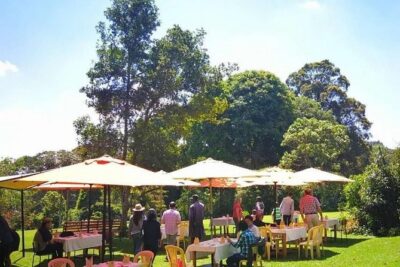
Coffee Farm Village & Factory Half Day Tour with Pick-Up
Read our review →
Private Day Trip to Kiambethu Tea Farm in Limuru from Nairobi
Read our review →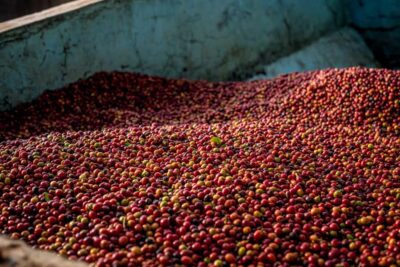
Nairobi: Tea Farm Day Trip with Lunch at kiambethu
Read our review →Browse the lists this tour appears in