
Reviewed · FOOD & DRINK
Swahili Street Food Tour
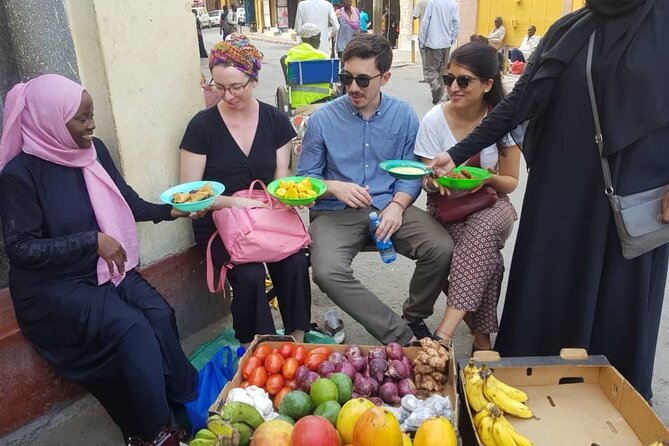
Mombasa’s food story is best read one bite at a time. This four-hour walk begins at Fort Jesus, then heads into Old Town for six stops with local vendors, where you can taste familiar Swahili dishes and learn how food connects with coastal life, trade, and family traditions. The guide adds context about architecture and the city’s past, so this is more than a meal with a map.
I like two things right away: all food and drinks are included, and transport during the experience is covered, so you can focus on tasting rather than counting small expenses. I also like the small maximum of 10 people, which should make it easier to ask questions and keep track of the group in Old Town.
The main consideration is the fixed four-hour format. Six vendors can mean a steady pace, and this is not the right pick if you want a long, unhurried meal at every stop. You also do not enter Fort Jesus, although the guide explains its importance from the meeting point.
Key points at a glance
- Six local food stops: Each departure includes tastings from six different vendors.
- Three time choices: Pick a breakfast, lunch, or evening departure.
- Fort Jesus sets the scene: You begin with an outside explanation of the fort and its place in Mombasa’s past.
- Food, drinks, and transport are included: The $55 price covers the main practical costs during the tour.
- Small group size: The experience accepts no more than 10 people.
- A food tour with cultural context: You explore Swahili history, architecture, markets, vendors, and daily life along with the dishes.
Starting beside Fort Jesus in Mombasa
Your meeting point is the Fort Jesus Museum in Mombasa. The tour does not include entry inside the fort, so treat this first stop as an orientation rather than a museum visit.
That is still a useful way to begin. The guide gives you a short account of the fort’s role and significance before moving into the food walk. It places Old Town in a wider setting, helping you see the streets as part of Mombasa’s coastal story rather than simply a collection of places to eat.
You return to this same meeting point at the end. That makes the route easier to manage if you have another plan afterward, though you should allow the full four hours rather than assuming the walk will finish early.
More food tours in Mombasa:
- Mombasa:Street food Experience
★ 4.7 · 14 reviews - Mombasa Private City Tour & Haller park Sanctuary with sea food luch
★ 3.5 · 12 reviews - Watamu Marine Park & Sudi Island Mangrove Forest Canoe Ride.With sea food lunch
★ 4.5 · 31 reviews
Six vendors across Old Town
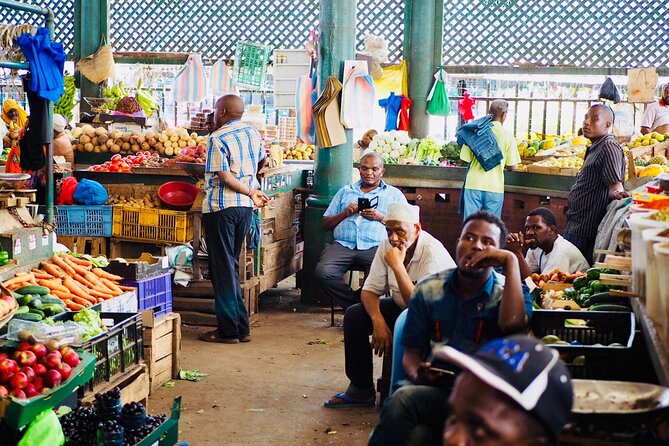
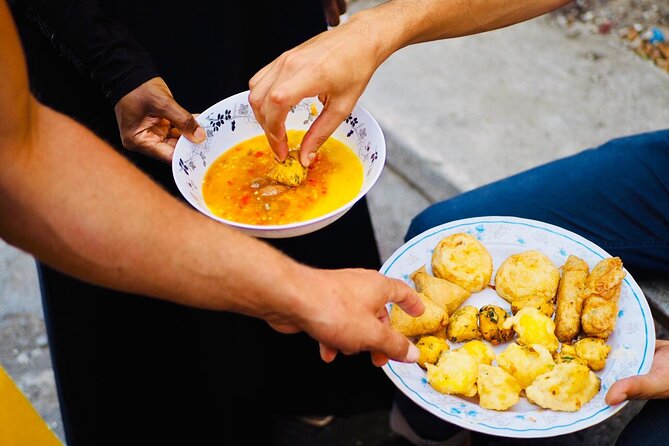
The main part of the experience takes place in Mombasa Old Town. You visit six local vendors and try different delicacies at each stop. The exact food selection is not specified, which is normal for a street food outing and may allow the guide to work with what is available that day.
The useful part is the range. Instead of ordering one dish in a restaurant and calling it a taste of Swahili cooking, you move through several small food settings. You get a better sense of how people buy, prepare, and serve food in the area.
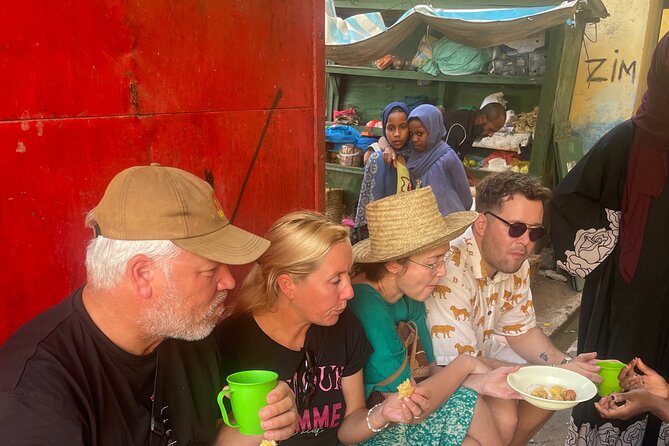
Your guide also introduces the people behind the food. The tour includes contact with local food producers and vendors, which gives the meal a human side. You are not simply presented with finished plates. You can ask about the dishes, ingredients, and customs as the stops unfold.
The pace matters here. Six vendors over four hours leaves room for the food, walking, and explanations, but it does not promise long sitting time at each location. If you like variety and want to sample broadly, that is a strength. If you prefer one large meal with plenty of time at the table, you may find the format busy.
What the Swahili setting adds
Food is only half of this walk. Between tastings, the guide discusses Swahili culture, architecture, history, and everyday life. That broader view makes the tour useful even if you already have a separate plan to see Old Town.
The area’s buildings and streets become part of the lesson. You hear about the way the coastal setting shaped local life and how food traditions fit into that setting. The experience is designed to connect what you eat with the place where it is made and sold.
I especially like this approach for a first day in Mombasa. A food guide can point out details you might otherwise pass without noticing, then give you dishes to remember those places by. The meal becomes a way to get your bearings in Old Town, not just a list of snacks.
The strongest praise for the experience centers on the guide’s explanations. Hawa, also written as Havah in the supplied tour information, is described as covering Mombasa’s past, local culture, buildings, and food with enthusiasm. If she is leading your departure, expect the cultural side to receive serious attention alongside the tasting.
Choosing breakfast, lunch, or evening
You can book one of three time slots: breakfast, lunch, or evening. The best choice depends on how you want the food walk to fit into your day.
A breakfast departure suits you if you want to begin with local food and leave the afternoon open. It may also be the sensible option if you prefer to eat earlier or plan other sightseeing later. The available description does not list a separate breakfast menu, so you should not book expecting a specific dish.
The lunch option is a natural middle-of-the-day choice. It gives you food, walking, and cultural explanation in one block, leaving your evening free. Since the experience runs for about four hours, it is not a quick lunch break. Plan around it.
The evening departure gives the route a different rhythm. You can make food the main event after a day of sightseeing, then finish back at Fort Jesus. The tour information does not promise particular evening dishes or activities, so choose this slot for timing rather than for a guaranteed menu.
Because the food list is not fixed in the details provided, I would ask about current dishes if you have allergies, dietary restrictions, or strong preferences. The experience includes food and drinks, but it does not state that substitutions are available.
A few more Mombasa trips worth comparing
- Walking Tour Through Old Town Mombasa and Fort Jesus
★ 5.0 · 393 reviews - Mombasa City Tour
★ 5.0 · 170 reviews - Mombasa: Tusks, Fort Jesus, Old Town, Beach and City Tour
★ 4.7 · 137 reviews - From Mombasa/Mtwapa/Diani/Tiwi: Tsavo East Full-Day Safari
★ 4.3 · 130 reviews
How the $55 price works in practice
At $55 per person, the tour costs more than simply buying one street snack at a time. The value comes from the package: six food vendors, drinks, a guide, cultural explanations, and transportation during the tour.
You are also paying for the work of organizing the route and linking the stops together. Without a guide, you might find some of the same food, but you would not necessarily know which places to try, how the dishes relate to local life, or how to move between the stops efficiently.
The small group limit improves the value. With no more than 10 people, the experience is more personal than a large food coach outing. You have a better chance to hear the guide and ask about ingredients, buildings, or customs. That matters in a market setting, where a large group can make each stop feel rushed.
The price is easiest to justify if you plan to eat your way through Mombasa anyway. Since food and drinks are included, you can compare the cost with what you would spend on several separate purchases, plus transport and a local guide. If you are a light eater or dislike trying unfamiliar dishes, the price may feel less attractive.
Transportation and the four-hour pace
Transportation during the tour is included. The details do not specify the type of transport or how much of the route is covered by vehicle, so you should expect a combination of moving between food locations and exploring the Old Town area on foot rather than assuming a fully vehicle-based tour.
That distinction is important. A street food walk is active by nature, and Old Town is part of the experience. Wear comfortable shoes and leave room in your schedule. Those are practical suggestions based on the length and format, not promises about the exact route.
The four-hour duration gives the guide time to explain more than just the menu. You can expect a gradual sequence of food stops, local stories, and movement through the area. The tradeoff is that this is a half-day commitment. It will not fit neatly between two short sightseeing appointments.
The tour ends where it begins, at Fort Jesus. That is helpful for planning, especially if you want to meet a driver or continue from a known landmark. The mobile ticket also makes arrival simple, since confirmation is provided when you book and the ticket can be kept on your phone.
What the guide adds to the experience
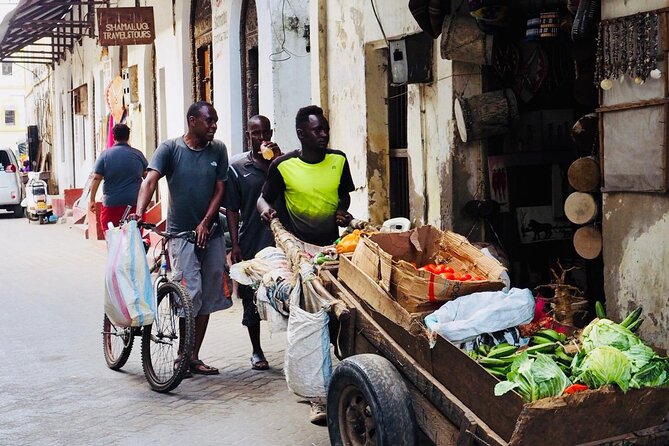
A food tour lives or dies by its guide. Here, the guide is expected to connect the tastes with Mombasa’s culture and built environment, rather than simply point out each vendor.
The strongest details available point to Hawa, or Havah, as a guide who explains Mombasa’s history, culture, architecture, and food. That mix is important. A guide who talks only about dishes would leave out much of what makes Old Town worth visiting, while a history walk with token snacks would miss the point of a food tour.
You should use the stops as chances to ask questions. Ask what makes a dish local, how it is usually eaten, or why a certain food appears at a particular time of day. The tour is built around contact with vendors, so those conversations can add more than a standard restaurant meal.
Guide assignments can change, and the supplied information does not promise that Hawa or Havah will lead every departure. Still, her name is the one connected with the detailed praise, so it is worth checking the current guide when you book if that matters to you.
Who will enjoy this most
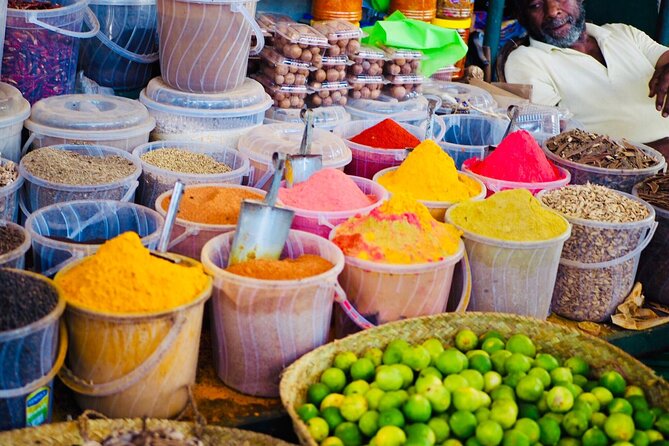
I would recommend this to you if you want an introduction to Mombasa that combines eating with place and people. It suits first-time visitors who want help finding local food, as well as returning visitors who want a more grounded look at Old Town.
It is also a good match for curious eaters who like small portions and several stops. You do not have to build your own food route, calculate the transport, or decide which vendor to trust. The guide handles the structure while you taste.
Families and mixed-age groups may appreciate the fact that most people can participate, and service animals are allowed. The group size is limited, which can make the outing easier to manage than a large organized excursion.
I would be more cautious if you need a fully specified menu, a private group, or a slow restaurant-style meal. The information does not promise a private departure, a particular list of dishes, or special dietary substitutions. Ask before booking if any of those points are essential.
Practical details before you book
The tour costs $55 per person and lasts about four hours. It is booked, on average, about 30 days ahead, so plan early if your Mombasa dates are fixed.
You meet at Fort Jesus Museum, P. O. Box 82412, Mombasa, Kenya. The activity ends back at the meeting point. It is near public transportation, and confirmation arrives at booking.
The experience accepts a maximum of 10 people. That is small enough to support questions without making the tour private. Most people can participate, and service animals are permitted.
Free cancellation is available if you cancel at least 24 hours before the start time. Cancel within 24 hours and you do not receive a refund. Changes made inside that same 24-hour window are not accepted, with cut-off times based on Mombasa local time.
Should you book the Swahili Street Food Tour?
Book it if you want six tastings, local vendors, and a guided look at Mombasa Old Town in one well-organized half-day. The best reasons are the included food and drinks, transport during the tour, small group limit, and the guide’s focus on connecting food with Swahili culture and architecture.
Think twice if you want to enter Fort Jesus, choose every dish in advance, or spend a long time at one restaurant. The fort is explained from outside, and the food selection is not listed in detail.
For most curious eaters, this is a strong way to meet Mombasa through its everyday flavors. Choose your departure based on your schedule, arrive ready for several small tastings, and keep the full four hours free.
FAQ
Where does the Swahili Street Food Tour begin?
The tour begins at Fort Jesus Museum in Mombasa, Kenya.
Does the tour include entry to Fort Jesus?
No. The guide explains the fort’s history and significance from the meeting area, but the tour does not go inside.
How long does the experience last?
The tour lasts approximately four hours.
How many food vendors will I visit?
You visit six different local vendors during the tour.
Can I choose the departure time?
Yes. You can choose from breakfast, lunch, and evening tour slots.
Are food and drinks included in the price?
Yes. The cost of all food and drinks during the tour is included.
How large is the group?
The experience has a maximum of 10 travelers.
What happens if I need to cancel?
You receive a full refund if you cancel at least 24 hours before the start time. Cancellations or changes made within 24 hours are not accepted and are not refunded.
Just added around Mombasa
- 7-Day Private Tour in Kenya National Parks From Nairobi / Mombasa★ 5.0 · 3 reviews
- Fort Jesus Sound and Light show Mombasa★ 4.0 · 17 reviews
- 4 Days Mount Kenya Trekking★ 5.0 · 6 reviews
- Shore Excursion: Full-Day Mombasa City Tour★ 4.5 · 11 reviews
- Private Transfer from Mombasa★ 5.0 · 6 reviews
- Half day city tour of mombasa★ 5.0 · 13 reviews
- PRIVATE: MOMBASA FULL DAY TOUR and EXCURSUION★ 4.5 · 3 reviews
- Mombasa Full Day Tour★ 4.5 · 6 reviews
Food & Drink, compared.

Watamu Marine Park & Sudi Island Mangrove Forest Canoe Ride.With sea food lunch
Read our review →
Coffee farm tour, coffee roasting and tasting experience
Read our review →

Mombasa Private City Tour & Haller park Sanctuary with sea food luch
Read our review →
Purple Tea Farm Tour from Nairobi City – Specialty Tea Tasting
Read our review →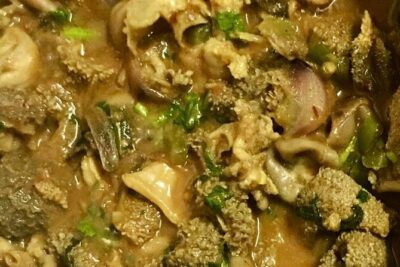
Nairobi Food Tour – Street Food Experience Lunch
Read our review →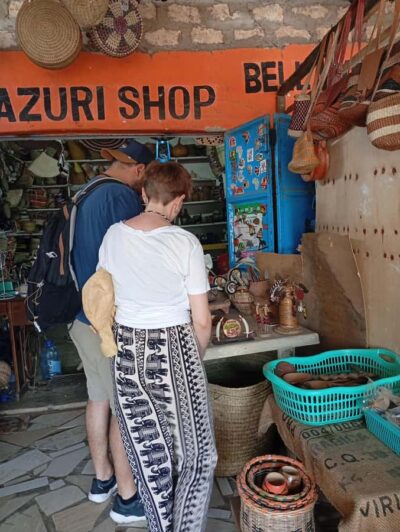
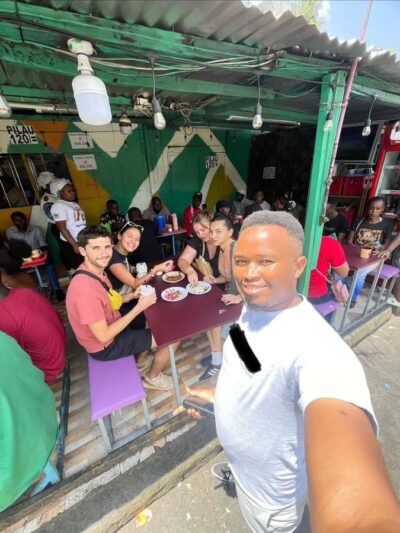
Nairobi: 1 Hour Gastronomic and Street Food tour of Nairobi
Read our review →Browse the lists this tour appears in