
Reviewed · FORT JESUS & OLD TOWN TOURS
Mombasa: Tusks, Fort Jesus, Old Town, Beach and City Tour
Mombasa’s story comes alive in its old streets, markets, and waterfront views. This tour links Fort Jesus, Old Town, and Marikiti Spice Market into one useful half-day outing, then adds the city’s famous elephant tusks and a stop at Mamangina Beach. I like the way it mixes major sights with ordinary city life, rather than keeping you inside museums all day.
I also like the practical touches: hotel pickup and drop-off, bottled water or a soft drink, photography help, and a tuk tuk ride between selected stops. The main consideration is that the Fort Jesus entry fee, meals, and personal purchases are extra, and the market streets can feel intense if you are new to Kenya.
Key points to know before booking
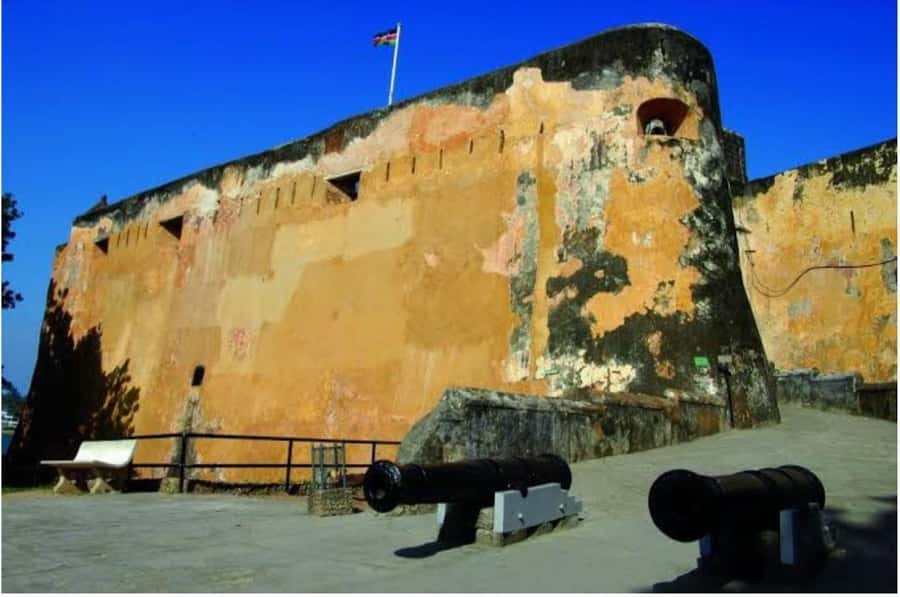
- Fort Jesus gives the tour its historical backbone, with Portuguese construction, Omani Arab connections, museum exhibits, and Indian Ocean views.
- Juma is the guide most often associated with this experience, offering clear explanations, local context, flexible timing, and photo help.
- Marikiti Spice Market is a full sensory stop, with spices, produce, local sweets, vendors, and plenty of movement.
- A tuk tuk ride adds a real Mombasa touch, especially between the market, Pembe za Ndovu, and Mamangina Beach.
- The tour usually takes around four hours, though some outings run longer when the group adds a meal, extra stops, or more time in the old city.
- The $30 price is strong value if you want transport, a guide, tastings, and several central sights in one outing, but remember to budget for Fort Jesus admission and food.
Why this Mombasa tour works well
Mombasa can be confusing on a first visit. The island city has historic quarters, busy markets, colonial-era landmarks, beaches, ferries, and major port activity packed into a relatively small area. This outing gives you a framework for understanding it.
You begin with a pickup from your hotel or agreed meeting point. Pickup details vary by booking, and the guide may meet you in areas such as Nyali or near the train station. The tour then moves through several central sights by car, on foot, and by tuk tuk.
The pace is active. You will walk through narrow lanes, stop to listen, take photographs, look at goods in the market, and spend time at Fort Jesus. It is not a resort-style excursion where you sit back for the day. I would choose it for your first day in Mombasa, especially if you want to learn how the city fits together before exploring on your own.
The experience has earned a 4.7 rating from 137 reviews, with particularly strong praise for the guides. Juma is repeatedly described as friendly, organized, flexible, and passionate about Mombasa. Other guides named in the feedback include Bornface and Kassim, so your guide may vary depending on the date.
More City Tours in Mombasa
- Mombasa City Tour
★ 5.0 · 170 reviews - Mombasa: Private City Tour with Fort Jesus & Haller Park
★ 4.6 · 24 reviews - Mombasa Half Day City Tour
★ 4.5 · 23 reviews
Fort Jesus: the best place to begin the story
Fort Jesus was built by the Portuguese in the late 16th century and is now a UNESCO World Heritage Site. It is the most substantial historical stop on the route, and the visit gives the rest of the city tour more meaning.
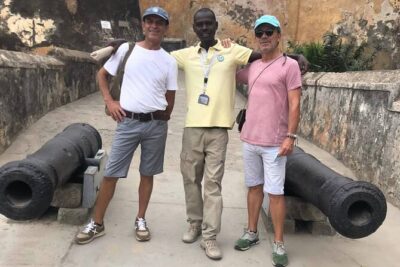
Inside, you can explore museum displays and hear about the Portuguese presence, Omani Arab influence, and the people who shaped the coast. Your guide leads you through the fort and explains the site rather than leaving you to decode the exhibits alone. The views toward the Indian Ocean add another reason to pause.
I would allow yourself time to look beyond the main walls and displays. Fort Jesus is not only a photo stop. Its value is in showing how important Mombasa was as a port and meeting point. The fort’s story connects military power, trade, religion, and the movement of people along the coast.
The entrance fee is not included in the $30 tour price. That is worth checking before you arrive, particularly if you are watching your budget. The guide service and transport still make the stop convenient, but you should treat admission as an additional cost.
Several visitors have found this portion especially useful because the guide explains the site in plain language and answers questions. Juma is praised for spending time on the fort rather than rushing you through it. If history is your main interest, this is the part of the tour that deserves your full attention.
Old Town’s narrow streets and Swahili-Omani details
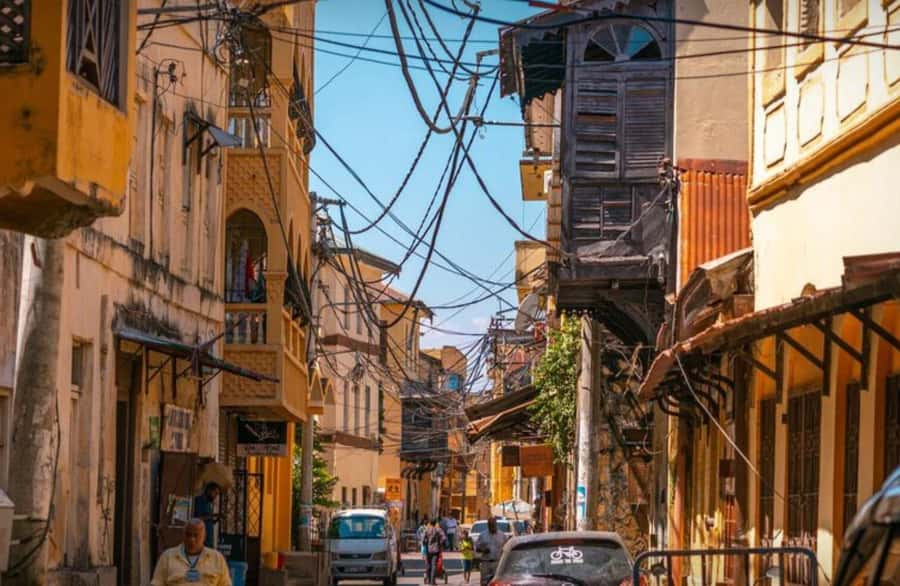
From Fort Jesus, the route continues through Mombasa Old Town. Here, the experience shifts from formal museum history to street-level observation.
You will walk narrow lanes lined with Swahili and Omani-influenced architecture. One named landmark is Mandhry Mosque, and the route may also include antique shops and places selling souvenirs. The old quarter is best experienced slowly, with your eyes up toward carved doors and balconies and your attention on the changing street scenes.
I like this stop because it shows Mombasa as a living city, not just a historic attraction. The architecture gives clues about the coast’s links with Arab traders, Portuguese rulers, and Swahili communities. Your guide can add context about how people live and work in the old quarter today.
The streets can feel crowded and disorienting, especially for a first-time visitor. One useful advantage of going with a guide is that you can focus on what you are seeing instead of worrying about every turn. The market areas may also feel overwhelming if you are not used to persistent selling or close-packed streets.
An antique shop visit is included in some versions of the route. You might find old household objects, decorative pieces, and local souvenirs. Browse freely, but do not feel pressure to buy. Personal purchases are not included, and prices should be discussed before you commit to anything.
Marikiti Spice Market: Mombasa by smell and sound
Marikiti Spice Market brings a different energy. It is known for spices, fresh produce, and local goods, and the tour includes information about the products plus spice tasting.
This is where you get a more direct look at daily trade. You can watch vendors arrange produce, smell sacks of spices, sample local flavors, and ask questions about how ingredients are used. The guide helps turn a quick market walk into a lesson in Swahili food culture.
The market is not polished or arranged for sightseeing. That is part of its appeal, but it also means you should expect noise, crowds, strong smells, and limited personal space. Keep your belongings secure and stay close to the group if the lanes become busy.
Some outings include local sweets, smoothies, or small tastes along the way. Meals are not included, so do not count on the tasting as lunch. If you want a full meal, speak with the guide about the timing and cost. One group even added lunch at a local restaurant, but that should be treated as a flexible extra, not a standard inclusion.
This is also a good place to ask your guide about Swahili customs and ingredients. The spice stop works best when you are curious rather than simply collecting photographs.
More Fort Jesus and Old Town walks in Mombasa:
- Walking Tour Through Old Town Mombasa and Fort Jesus
★ 5.0 · 393 reviews - Visit to Fort Jesus and the Old Town of Mombasa
★ 5.0 · 47 reviews - Fort Jesus Museum Walking Tour in Mombasa
★ 5.0 · 25 reviews - Mombasa Half-Day City Tour with Fort Jesus and Haller Park
★ 5.0 · 23 reviews
Tuk tuk rides add a local change of pace
The included tuk tuk ride runs from the spice market toward the tusks and Mamangina Beach. It is a short but memorable part of the outing, especially after walking through Old Town and the market.
A tuk tuk gives you a closer view of the city than a sealed tour vehicle. You can watch the streets pass by, feel the movement of traffic, and get a sense of how people travel around central Mombasa. The ride is also practical, since it saves your legs between stops.
The itinerary can include a car pickup and return, walking sections, and tuk tuk transport. That mix is one of the tour’s strengths. You are not trapped in a vehicle, but you also do not have to walk every stretch of the route.
If you are carrying shopping from the market, ask the guide where to keep it during the rest of the tour. Some arrangements may include a place to store bags, particularly when meeting near the train station, but this should be confirmed for your booking.
Pembe za Ndovu: Mombasa’s most recognizable photo stop
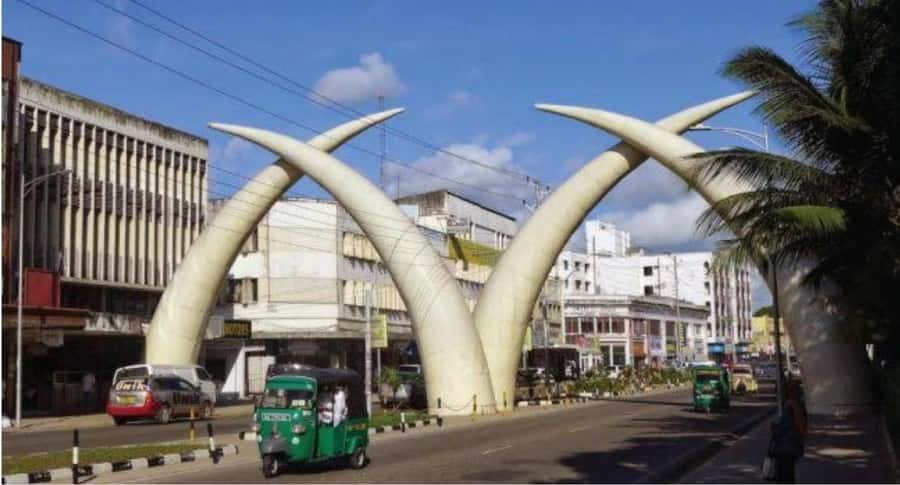
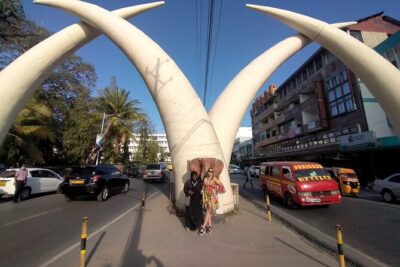
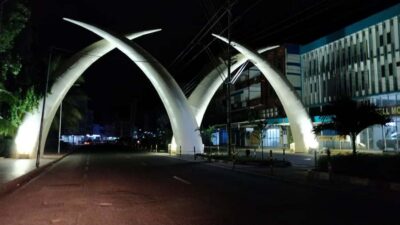
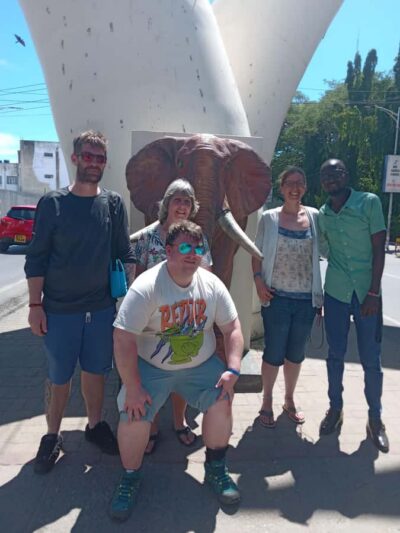
Pembe za Ndovu means elephant tusks, and these large metal arches are among Mombasa’s best-known landmarks. They were erected in 1952 to mark Queen Elizabeth’s visit to the city.
The tusks cross above the road and make an unmistakable city photograph. Your guide can explain their background and help position you for pictures. Photography assistance is included, and this is one of the places where that service is genuinely useful because the road, traffic, and scale of the arches can make framing difficult.
Do not expect a long museum visit here. This is a brief outdoor stop, focused on photographs and the landmark’s meaning. It works well as a visual break after the enclosed lanes of Old Town and the busy spice market.
If you are taking the tour with a partner or small group, ask the guide to take several versions of the photo. Juma in particular is repeatedly praised for making sure people leave with memorable pictures, not just quick snapshots.
Mamangina Beach and the working waterfront
Mamangina Beach closes the city circuit with open air and a view across the water. The beach is known for its cool breeze, and you can watch ferries carrying people across the channel and ships arriving at Mombasa’s port.
This is not presented as a long swimming or sunbathing stop. Think of it as a waterfront viewpoint where you can rest, feel the sea air, and watch the city’s working harbor. The ferries and cargo ships help explain why Mombasa developed as a major coastal port.
I like the contrast. Fort Jesus tells you about the past, the markets show you daily commerce, and Mamangina gives you a view of present-day movement on the water. Depending on the timing, you may have time for a drink or a local snack, but meals and drinks beyond the included bottle or soft drink cost extra.
The waterfront is also a calmer place to ask your guide follow-up questions. If you have been wondering about local transport, the port, or life in Mombasa, this is a natural place to talk without the market noise around you.
What the guides add to the experience
The guide can make or break a city tour, and this experience relies heavily on that personal element. Juma receives the most praise in the supplied feedback. He is described as easygoing, organized, friendly, and well informed about Mombasa’s history and present-day life.
He has also been described as a tourism management student, which helps explain the mix of historical facts and practical local detail. Several outings included flexible timing, extra conversation, or additional stops when the group wanted more.
That flexibility is useful, but it also means the exact day may not follow a strict minute-by-minute schedule. One tour lasted about four hours, while another ran longer than three hours. If you have a train, flight, lunch reservation, or another activity afterward, leave a generous buffer.
English is the listed tour language. If you need another language, this is not the safest choice unless the provider confirms an alternative in advance.
Is $30 good value?
At $30 per person, this is a good deal for a guided introduction to Mombasa. The price includes hotel pickup and drop-off, an English-speaking guide, photography help, bottled water or a soft drink, spice information and tasting, internet, and the tuk tuk ride between several central stops.
You are also getting several types of experience in one outing:
- A UNESCO World Heritage Site
- A guided walk through Old Town
- A local market visit
- Spice tasting
- A city landmark for photographs
- A waterfront stop
- Mixed transport by car, foot, and tuk tuk
The main extra is Fort Jesus admission. Meals, drinks beyond the listed refreshment, and personal shopping are also separate. Even after allowing for those costs, the tour offers good value if you would otherwise need to arrange transport and hire a guide for each stop.
I would not book it solely for a beach day. Mamangina is a scenic waterfront stop, not the main event. Book it for the history, old streets, market life, and guide-led introduction to the city.
Who should book this tour?
I recommend it for first-time visitors staying in Mombasa, Nyali, or nearby areas who want to understand the city in a single outing. It suits couples, solo visitors, and small groups who enjoy walking, local markets, history, and casual conversation.
It is also useful if you have only one free day or want to get your bearings before returning to Old Town on your own. Several guides can adapt the pace, and the experience may become a private or very small-group tour when bookings are light.
You should think twice if you dislike markets, tuk tuk rides, narrow streets, or informal shopping areas. The route is active and sensory. It is not designed around long periods of quiet or air-conditioned comfort.
You can reserve now and pay later, which helps if your schedule is still changing. Cancellation is allowed up to 24 hours before the tour for a full refund. Confirm pickup details, the Fort Jesus admission cost, and the expected duration before the day begins.
Should you book it?
Book this tour if you want a practical first look at Mombasa with history, food culture, street scenes, and waterfront views in one package. The strongest reason to choose it is the guide-led experience, especially if Juma is available. His local context, photo help, and willingness to adjust the route add real value.
Skip it if you want a slow beach afternoon or a tightly timed museum visit. For everyone else, $30 buys a useful introduction to the city, with enough variety to make the half-day feel full without turning it into a checklist.
FAQ
How much does the Mombasa city tour cost?
The tour costs $30 per person.
What places are included?
The route includes Fort Jesus Museum, Mombasa Old Town, Mandhry Mosque, Marikiti Spice Market, Pembe za Ndovu, and Mamangina Beach.
Is Fort Jesus admission included?
No. The entry fee for Fort Jesus Museum is not included in the tour price.
How long does the tour take?
The tour generally takes around four hours, though some outings may last longer than three hours depending on the group and any added stops.
Is hotel pickup and drop-off included?
Yes. Hotel pickup and drop-off are included. Pickup arrangements should be confirmed for your specific accommodation or meeting point.
What language is the tour offered in?
The listed tour language is English.
Can I cancel the booking?
Yes. You can cancel up to 24 hours in advance for a full refund. You can also reserve and pay later, so no payment is required at the time of booking.
Just added around Mombasa
- 7-Day Private Tour in Kenya National Parks From Nairobi / Mombasa★ 5.0 · 3 reviews
- Fort Jesus Sound and Light show Mombasa★ 4.0 · 17 reviews
- 4 Days Mount Kenya Trekking★ 5.0 · 6 reviews
- Swahili Street Food Tour★ 5.0 · 7 reviews
- Private Transfer from Mombasa★ 5.0 · 6 reviews
- Shore Excursion: Full-Day Mombasa City Tour★ 4.5 · 11 reviews
- Mombasa Full Day Tour★ 4.5 · 6 reviews
- Half day city tour of mombasa★ 5.0 · 13 reviews
Fort Jesus & Old Town Tours, compared.
Walking Tour Through Old Town Mombasa and Fort Jesus
Read our review →
Mombasa: Private City Tour with Fort Jesus & Haller Park
Read our review →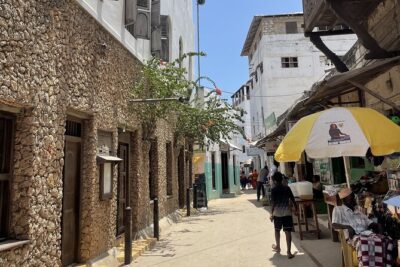
Mombasa Half-Day City Tour with Fort Jesus and Haller Park
Read our review →
Mombasa City Tour,Fortjesus,Oldtown,Tusks and Spice Market.
Read our review →Browse the lists this tour appears in