
Reviewed · NAIROBI TOURS
Maasai Magic – A Day Which You Will Never Forget
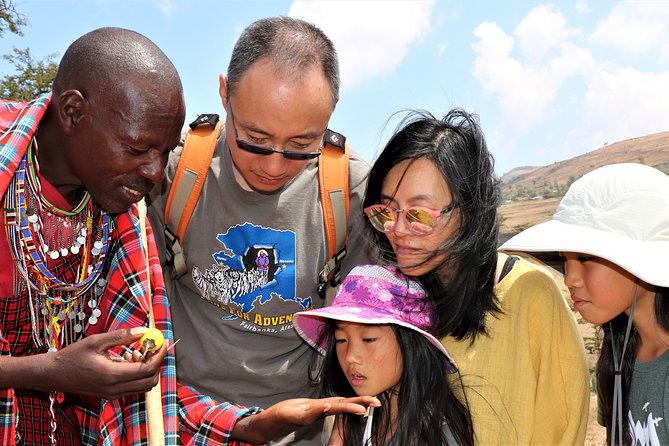
The most meaningful part of Maasai Magic is the time spent with Daniel, Rispa, and Emmanuel, a Maasai family living about an hour outside Nairobi. You are not simply watching a cultural performance. You are invited into a family setting, where conversation, practical work, and stories carry the day.
I like the small group limit of 10, which gives you room to ask questions and take part. I also like that lunch, refreshments, hotel pickup, and drop-off are included, so the $275.20 price is easier to judge from the start. The main consideration is time: seven hours goes quickly, and the drive plus rural setting may feel less comfortable if you want a polished sightseeing tour.
Key points to know before you book
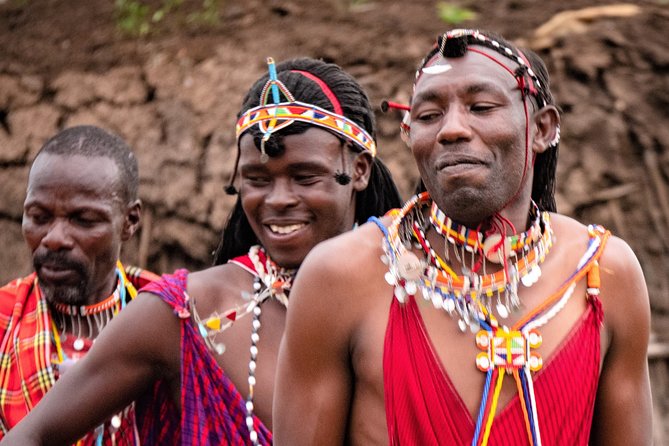
- Meet a real Maasai family: Daniel, Rispa, and Emmanuel provide a personal link to daily life, family customs, and local challenges.
- Learn by doing: You may help herd cattle, try building a manyatta, wear a shuka, and join a welcome song and dance.
- Travel from Nairobi into rural Maasai country: The drive takes you away from the city and toward the Ngong Hills area.
- Ask questions in a small group: With no more than 10 people, the visit feels more like a conversation than a staged bus tour.
- Lunch and refreshments are covered: You do not need to keep calculating extra costs during the day.
- Expect a thoughtful cultural visit, not a quick photo stop: The focus is on people, values, land, water, and family life.
Leaving Nairobi for the Ngong Hills

Your day begins at 9:30 a.m., with pickup available from the Kenya Comfort Suites at the junction of Jakaya Kikwete and Ralph Bunche Roads in Nairobi. Hotel pickup and drop-off are among the practical strengths here. Nairobi traffic can be tiring, and having transport arranged keeps the day simple.
The drive takes you from the city toward the rural Maasai heartland near the Ngong Hills. The journey is part of the change in mood. You leave behind Nairobi’s offices and traffic and begin seeing the setting in which Maasai families manage land, water, livestock, and household life.
The tour lasts about seven hours, so this is best treated as a substantial day outing rather than a short city excursion. You should leave room in your schedule for the return drive and avoid booking a tight afternoon flight or another fixed appointment.
Guides named in the experience include Colin, Solomon, and Carol. Their roles can vary, but the day is designed around helping you meet the family and understand the work of the organization behind the visit. One guest described Carol explaining the organization’s work during the drive, which gives you useful context before reaching the family home.
A few more Nairobi trips worth comparing
- Nairobi National Park Half-Day Tour; Free Wi-Fi connection
★ 5.0 · 878 reviews - Nairobi: National Park & Optional Elephants & Giraffe Center
★ 4.8 · 874 reviews - NAI NAMI: Nairobi Storytelling Tour with Street Children
★ 5.0 · 792 reviews
Meeting Daniel, Rispa, and Emmanuel
The heart of the day is a visit with Daniel and his family. Daniel, Rispa, and their son Emmanuel are the family hosts identified throughout the experience. Their welcome gives you a direct point of contact instead of a broad, impersonal presentation about the Maasai.
That distinction matters. Maasai culture is often presented through short dance displays or souvenir stops. Here, you have time to hear about traditions and family life while also sharing ordinary activities. You can ask questions, compare customs, and listen to personal stories rather than receiving only a memorized speech.
The visit also brings a useful balance. You learn about Maasai values, but the family can learn about you, too. One particularly appealing part of the exchange is this two-way curiosity. It makes the meeting feel less like a performance and more like a human conversation.
You should still approach the visit with respect. This is a family home and community setting, not a theme park. Ask before taking photographs, listen carefully, and accept that some parts of daily life may be unfamiliar. The experience works best when you arrive ready to participate without expecting the family to act out every detail for your camera.
Learning what land, water, and cattle mean
An elder leads a walk and explains how the Maasai manage the land. This is one of the strongest educational parts of the day because it connects cultural values with practical survival.
You learn why land and water matter so much, and how natural resources shape everyday decisions. The tour also introduces native herbs used for medicinal remedies. That subject offers a window into local knowledge, although the experience should not be treated as medical advice or a substitute for professional healthcare.
Cattle receive special attention. They are described as the Maasai’s most sacred and treasured possession, so helping with the herd is more than a pleasant farm activity. It shows how livestock connect to family identity, work, wealth, and tradition.
The setting near the Ngong Hills adds meaning to this discussion. You are not hearing abstract facts in a lecture room. You are looking at the land and learning how people use and protect it. If you enjoy understanding a place through the way people live there, this part may be more rewarding than a standard sightseeing stop.
Joining the welcome song and wearing a shuka
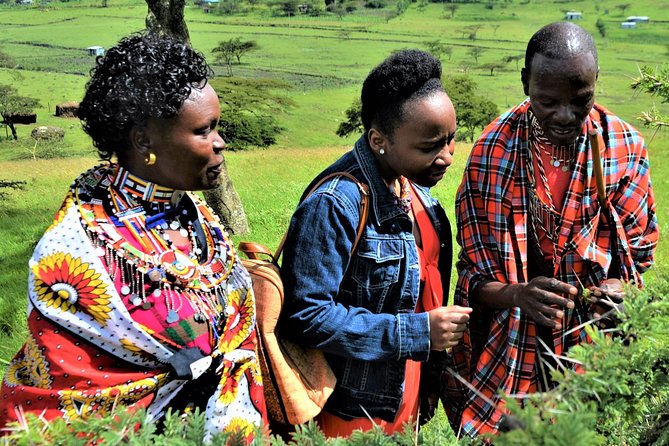
A warm song and dance welcome takes place at the village. You may be invited to join in, so do not expect to remain an observer all day. The activity is social and participatory, with a lighthearted side that helps break down the awkwardness of meeting a new family.
The wife of a village elder may also dress you in a traditional Maasai shuka, sometimes called an African blanket. This is a memorable way to learn how clothing fits into the welcome, but treat it as a borrowed cultural item rather than a costume prop. Listen to the explanation and follow the family’s lead.
This section may be especially enjoyable if you like hands-on cultural activities. It is less suitable if you prefer quiet museum-style learning or feel uncomfortable taking part in song, dance, or clothing demonstrations. You are not forced into a performance, but the day clearly expects an open and friendly attitude.
Rain may occasionally affect the plans. On one outing, the group was prepared with gumboots, and the wet weather did not prevent the visit from going ahead. That detail is worth remembering: the rural setting can be muddy or wet, so practical footwear and clothing are sensible choices.
Same corner of Kenya, a completely different kind of day:
- Nairobi National Park Half-Day Game Drive
★ 4.5 · 738 reviews - Nairobi: Historic and Modern Highlights Walking Tour
★ 4.8 · 703 reviews - Safari Tour; Nairobi National Park
★ 4.5 · 594 reviews - Elephant Orphanage and Giraffe Center Tour with Options
★ 4.5 · 457 reviews
Helping to build a new manyatta
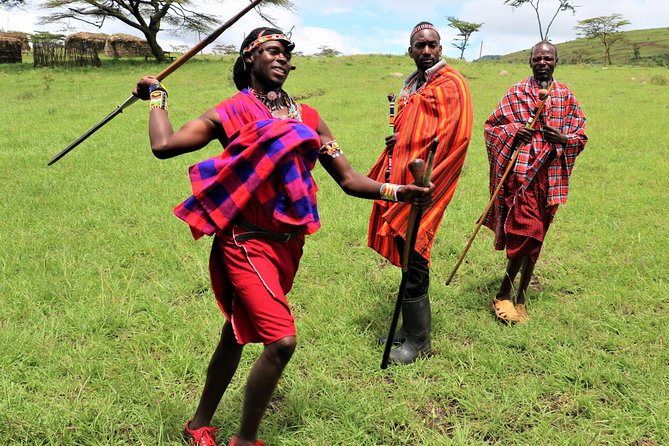
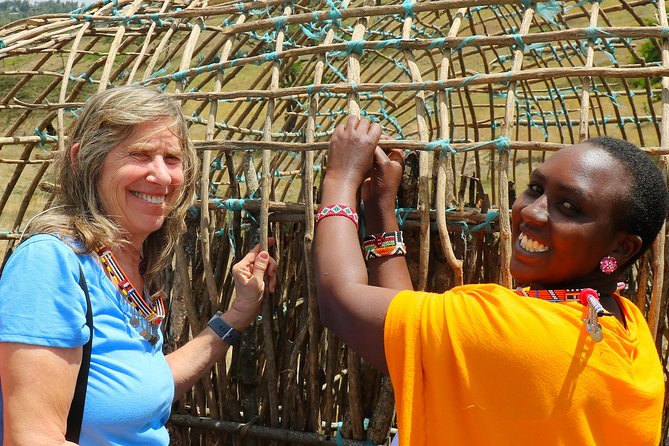
One of the most unusual activities is helping the women build a new manyatta. A manyatta is a Maasai settlement or homestead, and learning how one is constructed gives you a practical look at community life.
This is more useful than simply seeing a finished home. You get a sense of the labor involved and the skills passed between generations. The activity also places women’s work in view, an important part of the day because the women in the community are presented as central to family life and future prospects.
Do not expect a construction workshop with a fixed timetable. The visit is shaped by the family and the work taking place. Your role may be modest, but that is part of the point. You are taking part in an existing way of life, not arriving to complete a staged challenge.
For me, this is the sort of detail that gives the experience staying power. You may remember the song and the shuka, but helping with a real household task can make the community’s work feel more immediate and understandable.
Sharing lunch and making time for conversation
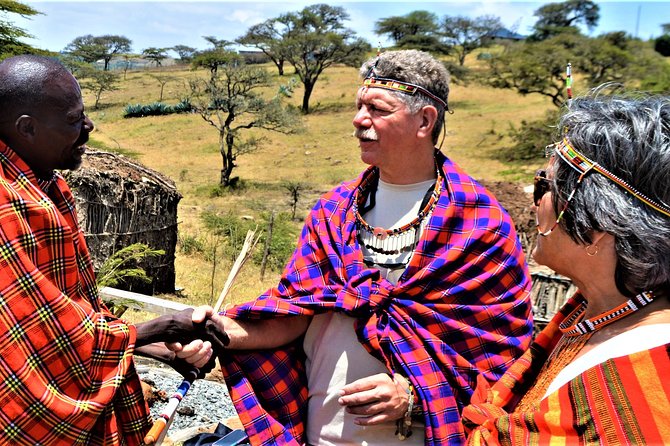
Lunch and refreshments are included in the price. That is convenient, but the greater value is the chance to sit down and continue talking after the morning’s activities.
Meals can soften the formal edges of a tour. You have time to ask follow-up questions about family, customs, work, and community life. The food itself is not described in detail, so you should not book this expecting a particular menu or a fine-dining experience. Think of lunch as part of the visit and a useful pause in a seven-hour rural day.
The included meal also makes the cost easier to assess. At $275.20 per person, this is not a cheap Nairobi excursion. You are paying for arranged transport, a small group, guiding, a family visit, practical activities, lunch, and refreshments. If you only want a quick view of the Ngong Hills, the price will feel high.
If you value direct cultural contact and want a carefully arranged day outside the city, the calculation looks better. There are no lunch add-ons to chase, and the small group makes personal conversation more realistic. The value is in access and time, not in the number of sights checked off a list.
What the small group changes
The maximum group size is 10 people. That is large enough to create a friendly shared experience, but small enough for questions and participation to remain manageable.
A smaller group matters most during the family visit. You are less likely to be standing at the back of a crowd while someone speaks to the front row. You also have a better chance of hearing explanations about herbs, water, cattle, and household customs.
Small groups do not guarantee a private visit, and the experience can still feel busy if everyone asks questions at once. Still, the limit is a clear advantage over a large coach tour. It supports the personal tone that makes this day different from a standard cultural show.
Most people can participate, and service animals are allowed. The information does not provide detailed accessibility guidance for the rural setting, so contact the provider before booking if you have mobility needs or require specific arrangements.
Is seven hours enough?
Seven hours gives the day a good shape, but it is not endless. You have the drive from Nairobi, the visit with the family, the elder’s walk, song and dance, the shuka activity, manyatta work, lunch, and the return journey.
That means some activities may be shorter than you expect. If you want a slow, extended conversation with every member of the family, the schedule may feel compact. On the other hand, seven hours is long enough to move beyond a quick greeting and gain a more rounded understanding of Maasai life.
The 9:30 a.m. start is also practical for a day outside Nairobi. You do not need a dawn departure, yet you still have a full day ahead. Confirm the exact pickup arrangement when you book, especially if you are staying somewhere other than the stated meeting point.
Who should book Maasai Magic?
I would recommend this experience to you if you want personal contact after a safari or city stay. Safaris can show you Kenya’s wildlife, but they often offer little time with Kenyan families. This day fills that gap.
It suits curious adults, couples, families, and small groups who enjoy conversation and hands-on activities. It is also a good choice if you care about community-focused tourism and want your money and time to support a local organization working with Maasai communities.
You should think twice if you dislike rural conditions, do not want to take part in group activities, or prefer a tightly scripted sightseeing program. The day includes travel, weather exposure, practical work, and cultural exchange. It is not a luxury outing.
The strongest reason to book is the chance to meet Daniel, Rispa, and Emmanuel in a family setting and learn through ordinary activities. The strongest reason to hesitate is the price, especially if your main goal is scenery rather than cultural understanding.
Booking, cancellation, and practical details
The tour costs $275.20 per person and is usually booked well in advance, with an average of 105 days. That suggests you should plan ahead if this is important to your Nairobi schedule.
A mobile ticket is provided, and confirmation is received when you book. Pickup is offered, with the stated meeting point at Kenya Comfort Suites, Junction of Jakaya Kikwete and Ralph Bunche Roads, Milimani, Nairobi 00100, Kenya.
You can cancel for a full refund up to 24 hours before the start time. Cancellations or changes made less than 24 hours before the 9:30 a.m. start are not accepted for a refund, and cutoff times follow local time.
Wear practical clothing and shoes you can use outdoors. Gumboots have been provided on a rainy outing, but you should not assume they will always be available. Bring patience, curiosity, and a willingness to listen. Those qualities will do more for the day than dressing for a formal attraction.
Should you book this Maasai cultural day?
Book it if you want a close, thoughtful encounter with a Maasai family and you value direct conversation over a long list of attractions. The chance to learn about cattle, herbs, water, land, family life, and manyatta building gives the day real substance.
Skip it if you are seeking a low-cost half-day stop, a luxury meal, or guaranteed dry weather. At $275.20, the experience asks you to pay for personal access, organized transport, and a small group rather than for major monuments.
For the right visitor, Maasai Magic can become one of the most memorable parts of a Kenya trip. Come ready to participate, keep your expectations grounded, and give the family the same respect you would hope to receive in your own home.
FAQ
Where does the Maasai Magic tour take place?
The tour starts in Nairobi and travels toward the rural Maasai heartland near the Ngong Hills. The family visit takes place about one hour outside Nairobi.
What time does the tour start?
The stated start time is 9:30 a.m.
How long does the experience last?
The tour lasts approximately seven hours.
Is hotel pickup available?
Yes. Pickup and drop-off are offered, with the listed meeting point at Kenya Comfort Suites in Nairobi.
How many people can join the tour?
The group has a maximum of 10 people.
Is lunch included?
Yes. Lunch and refreshments are included in the tour price.
Who might I meet during the family visit?
The family hosts identified for the experience are Daniel, Rispa, and their son Emmanuel. Guides named in connection with the day include Colin, Solomon, and Carol.
Can I cancel for a full refund?
Yes. You can receive a full refund if you cancel at least 24 hours before the experience start time.
Are service animals allowed?
Yes. Service animals are allowed, and most people can participate.
Just added around Nairobi
- Visit kibera Slum the chocolate city★ 4.8 · 3 reviews
- Day Tour to Nairobi national park, Elephants, and Giraffe Center★ 3.5 · 8 reviews
- Explore local Market matatu ride & Make Kenyan Cuisines with a home cook★ 5.0 · 8 reviews
- Kibera Slum Tour with a Local★ 5.0 · 15 reviews
- Urban Forest Tour in Nairobi★ 5.0 · 7 reviews
- Vegans special safari★ 4.5 · 4 reviews
- Private Mini Safari Tour in Nairobi★ 5.0 · 6 reviews
- Private Kenyan Cooking Class in Nairobi with a Local★ 5.0 · 3 reviews
Nairobi Tours, compared.
Nairobi National Park Half-Day Tour; Free Wi-Fi connection
Read our review →
Nairobi: National Park & Optional Elephants & Giraffe Center
Read our review →
NAI NAMI: Nairobi Storytelling Tour with Street Children
Read our review →
Nairobi: Historic and Modern Highlights Walking Tour
Read our review →
Elephant Orphanage and Giraffe Center Tour with Options
Read our review →