
Reviewed · FOREST & NATURE WALKS
Kaya Kinondo Sacred Forest Guided Tour
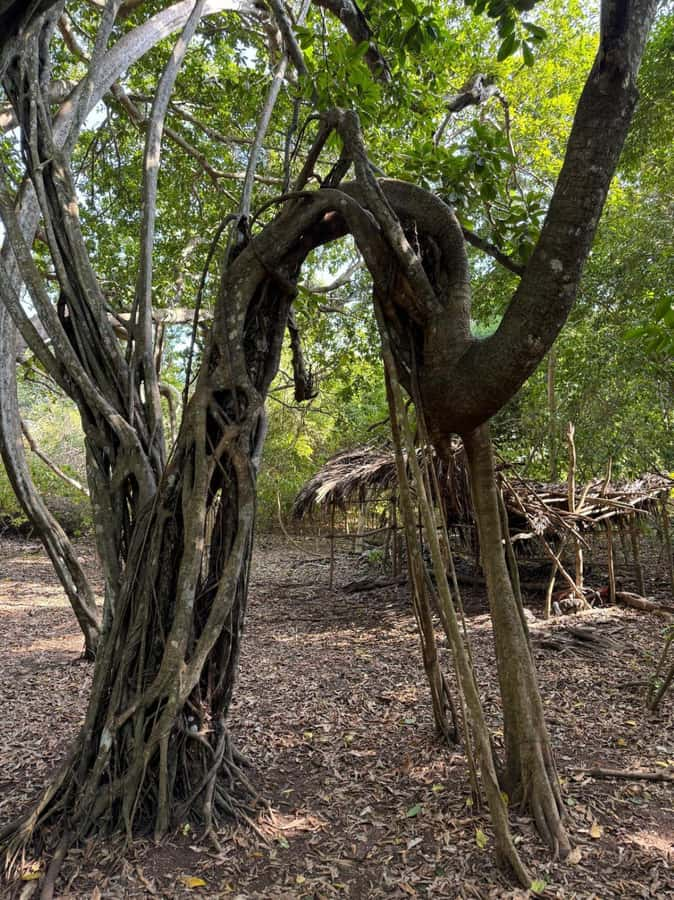
Kaya Kinondo is not simply a forest walk. It is a living spiritual site for the Digo people, where ancient trees, prayer places, shrines, and community customs still matter. A local guide leads you along the shaded trail, explaining why the forest is protected and how it connects the Digo people with their ancestors.
I like two things here: the strong cultural focus, which gives the walk real meaning, and the chance to see the forest at an easy pace while watching for monkeys, birds, and butterflies. The small group limit of eight should also make it easier to ask questions and hear the guide.
The main caution is transport. From Diani, the drive is described as about 30 minutes, but a pickup from farther away, such as Bamburi Beach, can become a long and poorly organized journey. The traditional clothing is also modest: expect a simple cloth wrap rather than a full costume.
Key points to know before you book
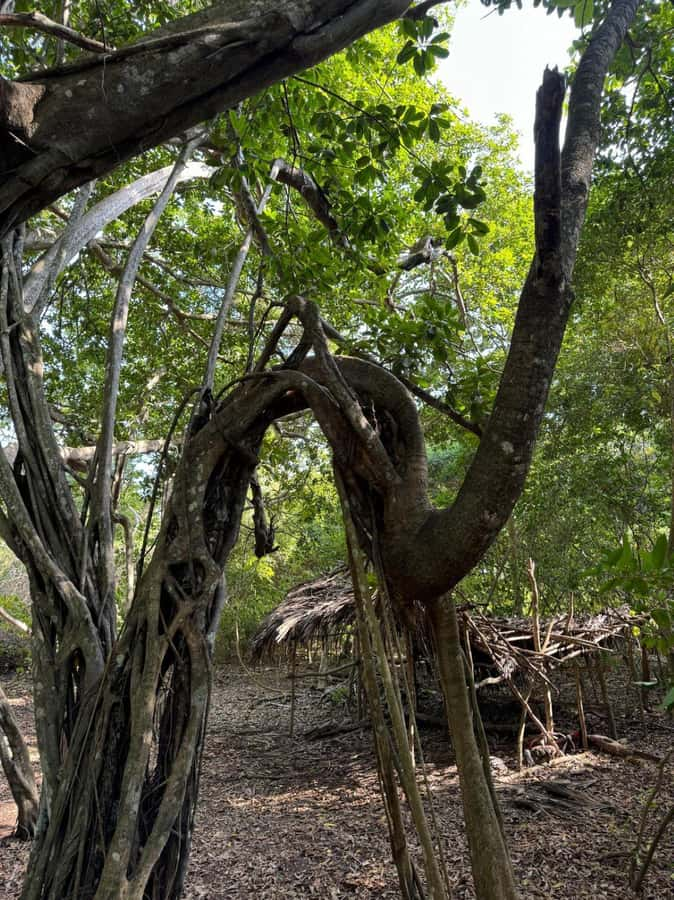
- A sacred Digo forest, not just a nature trail: Your guide explains the spiritual role of Kaya Kinondo and points out shrines and altars used for ceremonies.
- Local guidance is central: A guide from the local community leads the walk and explains traditions, trees, medicinal plants, and prayer customs.
- Wildlife is small but rewarding: Look for monkeys, birds, and colorful butterflies rather than expecting a major safari.
- Traditional attire is provided: You are given clothing to wear before entering the forest, though it may be only a simple piece of fabric.
- The outing can reach beyond the forest: Some schedules include a nearby village, school visit, singing, dancing, and a small community donation.
- Best value comes from the cultural access: At $60 per person, the fee includes transport from Diani, entry, water, and a multilingual guide.
Why Kaya Kinondo feels different from a normal forest walk
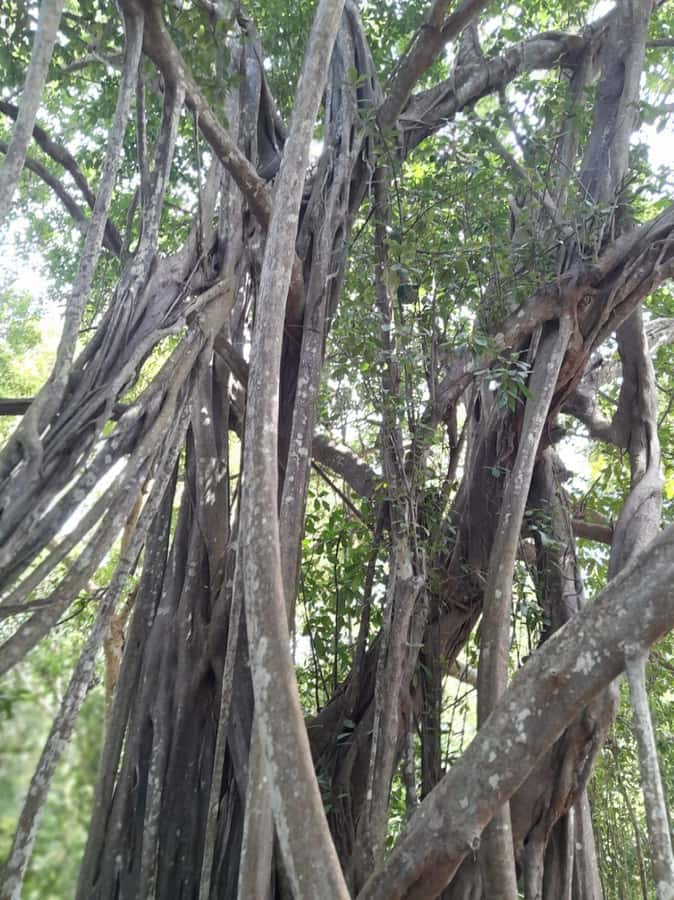
The appeal of Kaya Kinondo is the meaning attached to the place. The forest is sacred to the Digo people and linked with their ancestors. It is used as a spiritual setting for rituals, prayer, and community traditions, not simply kept aside as a patch of woodland.
That changes the way you experience the trail. You are not only looking for wildlife. You are listening for an explanation of why certain trees matter, where ceremonies take place, and how nature fits into Digo beliefs.
The forest itself is cool and shaded, with damp earth, thick undergrowth, and tall old trees. The path winds through the woodland and is described as well maintained. You should still expect an outdoor walk rather than a paved attraction, but the route is intended to be manageable for a broad range of visitors.
The best moments may be quiet ones. Your guide may pause beside an old tree, explain the use of a plant, or show you a place where offerings are left. One experience included a visit to a prayer tree, where the group was invited to embrace it. That sort of activity will appeal to you if you enjoy symbolic and reflective experiences. If you prefer a strictly factual nature tour, it may feel more personal and spiritual than expected.
More forest and nature walks around Diani Beach:
- Diani Beach: Kaya Kinondo cultural and nature experience
★ 4.7 · 6 reviews - Mombasa: Guided Nature Walk Amongst Giraffes
★ 4.8 · 48 reviews - Nairobi: From Nairobi-Karura Forest Guided Walking Tour
★ 5.0 · 21 reviews
Leaving Diani at 09:30
The tour begins with pickup from hotels and holiday properties around Diani. The stated departure time is 09:30, and the drive to Kaya Kinondo takes about 30 minutes under the normal arrangement.
The long list of pickup points covers much of the Diani area, from beach resorts to villas and smaller apartments. That is useful if you are staying outside a large resort, but you should confirm the exact meeting point when booking. A shared pickup can take longer than the direct driving time if the vehicle is collecting people from several properties.
The distance matters. A short transfer from southern Diani should leave you with plenty of time in the forest. A pickup from much farther north can be another story. One account from Bamburi Beach described several vehicle changes, a breakdown, a wait for replacement transport, and more than three hours before reaching the forest. That is not the normal Diani plan described here, but it is a useful warning: the closer you are to Diani, the better this tour fits its advertised three-hour duration.
Transport, entrance fees, water, and the guide are included in the $60 price. Meals are not included, though the scheduled outing is only three hours from Diani. If your pickup is early or delayed, carry a small snack rather than expecting food along the way.
The welcome hall and traditional clothing
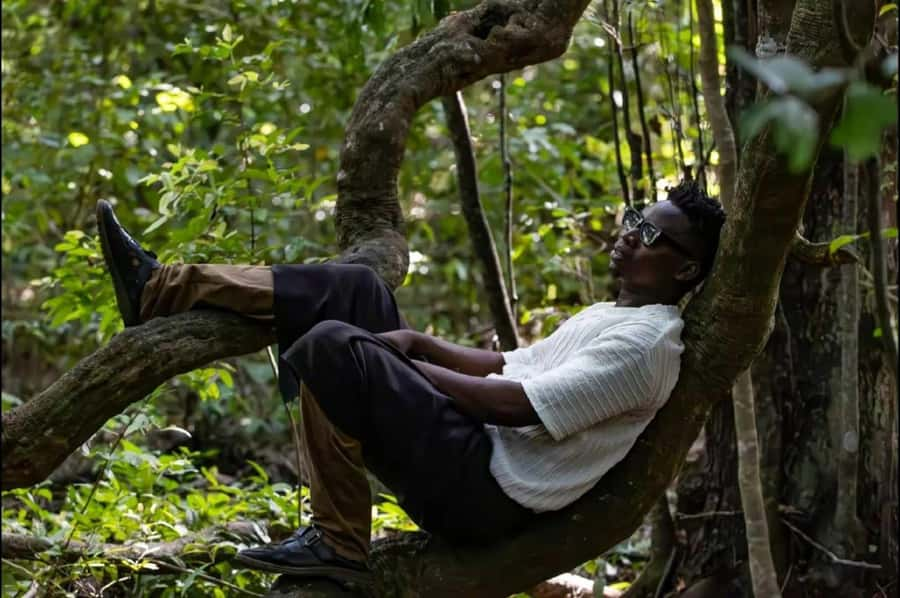
On arrival, you are taken to a hall for a briefing before entering the forest. This is an important part of the visit because the clothing and conduct are connected to the sacred nature of the site.
You receive traditional attire to wear during the walk. Keep your expectations sensible. The clothing may be a basic brown cloth tied around the waist, not a detailed ceremonial outfit. One visitor expected something more substantial and found the reality underwhelming.
Still, the point is not costume entertainment. The clothing marks the transition from an ordinary sightseeing trip into a place where local customs deserve respect. Listen carefully to the instructions, follow your guide, and avoid treating shrines or offerings as photo props.
This briefing also gives you a chance to ask questions before the walk begins. Guides are available in English, German, French, Spanish, Polish, and Italian, though the language arrangement should be confirmed in advance. One French-speaking booking had trouble getting the expected guide, so language requests are worth stating clearly rather than assuming they will happen automatically.
Walking among ancient trees and small wildlife
Once inside, the forest becomes quiet and shaded. The trail passes through dense vegetation and old trees that may have stood for centuries. The atmosphere is part of the experience: damp soil, fresh air, birdsong, and the feeling of being screened from the nearby coast.
You might see monkeys moving through the trees, along with birds and bright butterflies. The wildlife is a bonus, not the main event. This is not a game drive, and there is no promise of a particular species. Bring patience and look up into the branches as well as along the trail.
Birdwatching should suit you especially well if you enjoy short pauses and careful observation. The guide can point out plants and animals that you might miss on your own. You may also learn about medicinal plants, with the guide explaining traditional uses and, in some cases, letting you try or handle them.
The forest walk is likely to be most enjoyable in light clothing and comfortable shoes. The trail is said to be well maintained, but dense woodland can still mean uneven ground, damp soil, and insects. Water is included, and bringing your own camera or binoculars would make sense if those are part of your usual nature kit.
A few more Diani Beach trips worth comparing
- Dhow Adventure to Wasini Island & Kisite Marine Park
★ 4.6 · 337 reviews - PILLI PIPA DHOW, the genuine product, snorkeling tour to Kisite Marine Park
★ 4.5 · 217 reviews - Full-Day Special Wasini Island Tour with Snorkeling and Lunch
★ 4.5 · 184 reviews - Mombasa: Kisite Park Private Cruise with Breakfast and Lunch
★ 4.7 · 181 reviews
Shrines, altars, and Digo traditions
The most valuable part of the tour is the explanation of the sacred sites. Within the forest, you visit shrines and altars used for traditional ceremonies. Some are marked by offerings, and your guide explains how prayer and ritual work within the community.
This is where a local guide makes a major difference. Without explanation, a shrine might look like a quiet clearing or an arrangement beneath a tree. With context, you understand that the forest serves as a place of connection among people, ancestors, and the natural world.
The information is not presented as a museum lecture. You can ask questions as you go, and one guide encouraged a steady stream of questions about local culture. A few activities may be hands-on, including learning about medicinal plants or playing with forest vines. These moments can be fun, but the spiritual setting calls for a respectful tone.
A prayer tree may also be part of the route. The act of embracing it is not a standard sightseeing stop in the usual sense. It is a simple ritual-style gesture that some people find moving, especially if they value time in nature and quiet reflection. You do not need to share every belief to understand why the place matters to the Digo community.
The possible village and school visit
The forest experience may continue into a nearby village. The exact details are not fully fixed in the schedule, but one outing included an explanation of village layout, a school visit, and songs performed by children.
This can add a welcome human element to the day. You see that the forest is not isolated from local life. Its protection, traditions, and community identity are connected.
You should approach this part with care. Do not assume that children expect sweets or gifts, and do not photograph people without permission. If the guide confirms a school visit, ask what kind of support is appropriate. A small donation was made during one visit, and pencils or other school supplies may be more useful than candy if the local hosts specifically welcome them.
The village stop also means the three-hour outline may feel flexible. If you want a tightly timed forest-only walk, ask before setting out. If you enjoy meeting local residents and seeing how cultural traditions continue beyond the trees, the extra time can be a strong part of the experience.
Singing, dancing, and the human welcome
A village welcome may include singing and dancing with local residents. This is one of the more lively parts of the outing and gives the tour a social finish after the quiet forest walk.
You should not expect a staged professional show. The value is in the exchange, even if it feels informal or spontaneous. Participation is likely to be optional, so you can join in, watch, or simply enjoy the welcome at your own comfort level.
This portion may appeal to families and to anyone who wants more than scenery. It can also feel less comfortable if you prefer private, low-key cultural contact. A good guide should explain what is happening and keep the meeting respectful rather than turning it into a performance with no context.
Is $60 a fair price?
At $60 per person, the tour is not the cheapest way to spend a morning near Diani. The value depends on what you want from the outing.
You are paying for more than a forest entrance. The price includes hotel transfers, admission, water, and a multilingual guide. Most important, it provides access to a sacred cultural site with someone who can explain its meaning. That is difficult to arrange independently, especially when local customs and sacred places are involved.
The small group limit of eight is another advantage. A group this size should make it easier to hear the guide, ask about plants and rituals, and move through the forest without feeling like part of a large crowd.
The value drops if you judge the outing only by wildlife. You may see monkeys, birds, and butterflies, but this is not a safari and sightings are not guaranteed. The strongest reasons to book are culture, spirituality, conservation, and a guided nature walk.
The price also deserves a transport check. From a Diani hotel, the included transfer makes good sense. From outside the Diani pickup area, the time and reliability of the journey may not match the advertised three-hour format.
Who will enjoy Kaya Kinondo most?
I would recommend this tour to you if you want a break from beach resorts and a closer look at coastal Kenyan culture. It suits people who enjoy guided walks, local traditions, community stories, birdwatching, and quiet natural settings.
It is also a good fit for families, provided children can manage a forest walk and understand that the site is sacred. The monkeys, butterflies, vines, and village songs can keep younger visitors interested, while the cultural explanation gives adults more to think about.
You may want a different outing if your priority is a full wildlife safari, a polished theatrical performance, or a strictly scheduled excursion. You should also think twice if long road transfers cause problems, especially when staying outside Diani.
Wear comfortable clothes for walking and be ready to follow local guidance about the attire provided. Bring water even though a bottle is included, and consider carrying a small amount for an appropriate community donation only if your guide explains that one is welcome. Do not bring sweets for children as an automatic gift.
Booking, languages, and flexibility
The activity is offered as a small-group tour with a maximum of eight participants. Guides may speak English, German, French, Spanish, Polish, or Italian. Since language availability can affect the quality of a cultural tour, request your preferred language clearly before the day.
You can cancel up to 24 hours in advance for a full refund, and the reserve-now-pay-later option gives you some flexibility. Starting times should be checked when you book, although the stated Diani pickup is 09:30.
The number of hotel pickup and drop-off points is a practical strength. You do not need to arrange a separate taxi if your accommodation is included in the service area. Still, confirm both pickup and return details, especially if you are staying in a villa, apartment, or property with more than one entrance.
Should you book this sacred forest tour?
Book it if you want to understand a place rather than simply photograph it. The strongest parts are the local guide, the Digo cultural explanation, the shrines and prayer sites, and the chance to connect the forest with village life.
I would treat wildlife as an added pleasure, not the reason to come. I would also book from Diani rather than count on a smooth trip from much farther away. The simple traditional attire and possible schedule changes may disappoint you if you expect a polished cultural show.
For the right visitor, Kaya Kinondo offers a thoughtful half-day near the coast: a shaded walk, small wildlife sightings, spiritual places, and a direct look at traditions that still shape the community. At $60, that is fair value when the cultural side matters as much as the forest.
FAQ
How long does the Kaya Kinondo tour last?
The stated duration is three hours, including the guided forest experience and hotel transfers from the Diani area.
What time is pickup from Diani hotels?
Pickup is scheduled for 09:30 from participating Diani hotels and accommodations.
Is transportation included?
Yes. Hotel pickup and drop-off by vehicle are included for the listed Diani locations.
What wildlife might I see?
You might see monkeys, birds, and colorful butterflies. Wildlife sightings are possible but not guaranteed.
Is traditional clothing provided?
Yes. You are given traditional attire to wear before entering the forest. It may be a simple cloth wrap rather than a full costume.
Which languages are available?
The listed guide languages are English, German, French, Spanish, Polish, and Italian. You should confirm your preferred language when booking.
Are meals included?
No. Meals are not included, although water is provided.
Just added around Diani Beach
- 10-Days Kenya Wildlife Private Safari and Mombasa Diani Beach Holidays★ 5.0 · 5 reviews
- 2 Days Private Safari in Tsavo from Diani Beach with Pick Up★ 4.5 · 4 reviews
- Wasini Dolphin Snorkeling★ 3.5 · 8 reviews
- From Mombasa Airport: Diani transfer in a minivan (5 pax)★ 4.5 · 13 reviews
- Dolphin Watch & Snorkeling at Kisite Marine Park & Wasini Island★ 3.5 · 11 reviews
- Day Tour to Tsavo East National Park from Mombasa or Diani★ 5.0 · 5 reviews
- Overnight Safari to Tsavo East National Park from Mombasa/Diani★ 5.0 · 4 reviews
- 3 day Diani Beach To Tsavo East & West★ 5.0 · 5 reviews
Forest & Nature Walks, compared.


Nairobi: From Nairobi-Karura Forest Guided Walking Tour
Read our review →
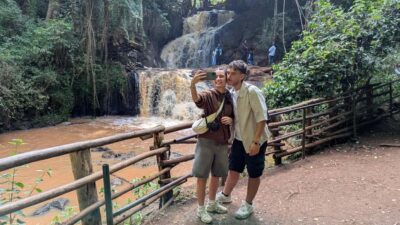
Karura Forest: Walking tour with Nature and Waterfalls.
Read our review →

Browse the lists this tour appears in