
Reviewed · WALKING TOURS
Mombasa: Guided Nature Walk Amongst Giraffes
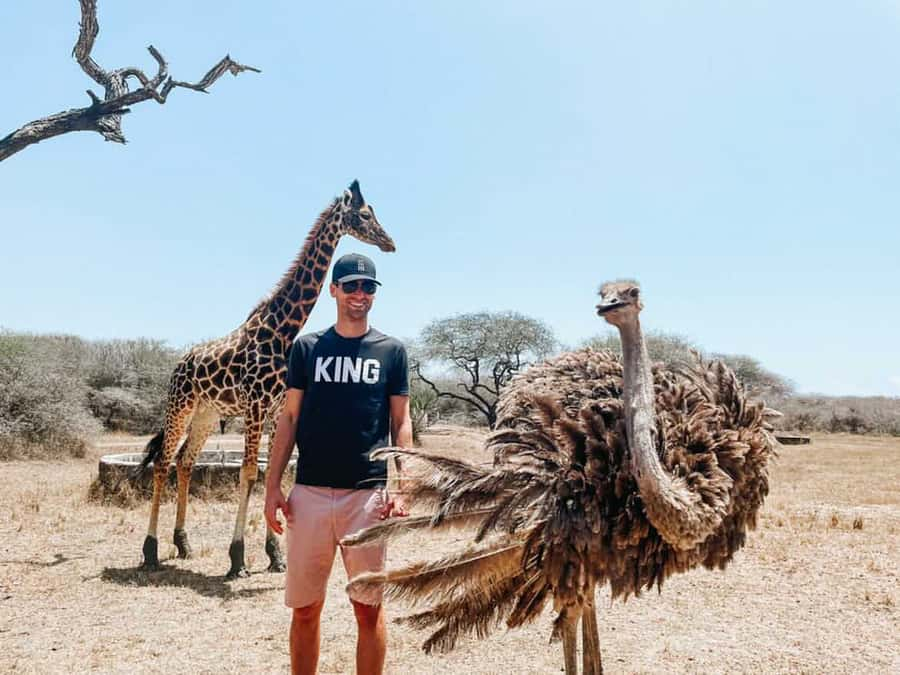
At Nguuni Nature Sanctuary, giraffes stroll freely through the grounds, and you can get close enough to study their long lashes and slow, careful movements. The visit feels more personal than a drive-through safari, with a guide explaining animal behavior, sanctuary safety, and conservation as you walk.
I like the close contact with the animals and the chance to support a place that also runs a community library, health centre, and auditorium. The $38 price includes entry, a guide, and food for the giraffes, making this a useful low-cost wildlife stop near Mombasa.
The main point to watch is the timing. The experience is sold as a one-day activity, but the planned walk is about 30 minutes, and one booking ended after roughly an hour. Also, food is provided for the giraffes by staff, so do not assume you will hand-feed them yourself.
Key points to know before you go
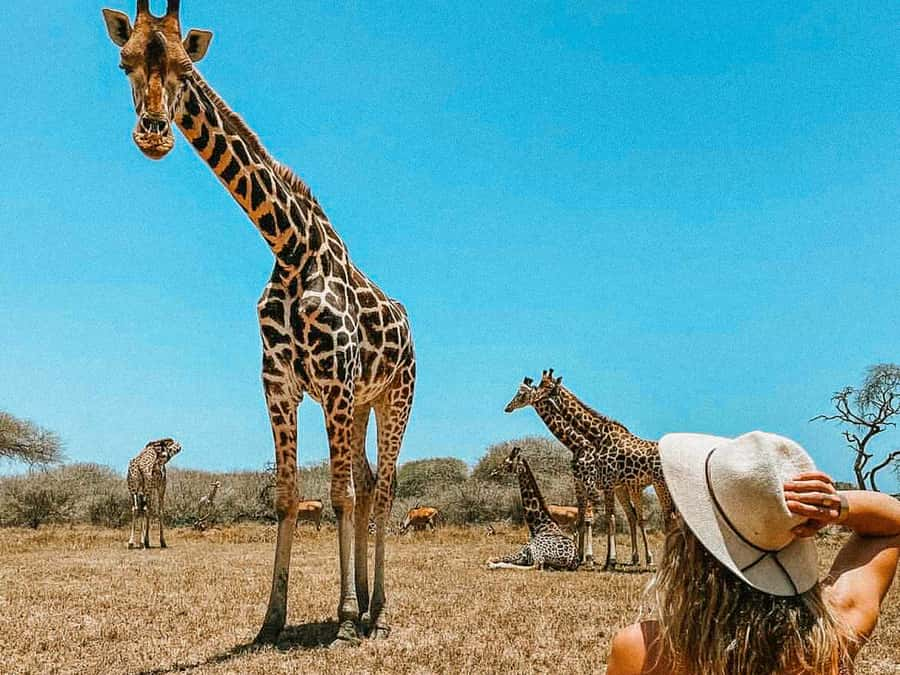
- Giraffes roam freely: You walk among giraffes rather than viewing them only from a vehicle.
- The walk is short: The scheduled sanctuary walk lasts about 30 minutes, with extra time to sit and observe.
- The guide matters: Meet the Travel4Purpose guide at reception for safety advice, animal facts, and directions around the grounds.
- Food is staff-controlled: Giraffe food is included, but it is handled by staff rather than handed to visitors.
- Bring your own basics: Transport, food, drinks, and comfortable footwear are not included.
- A community project is part of the visit: The sanctuary supports local jobs and community facilities as well as animal care.
Meeting giraffes at Nguuni Nature Sanctuary
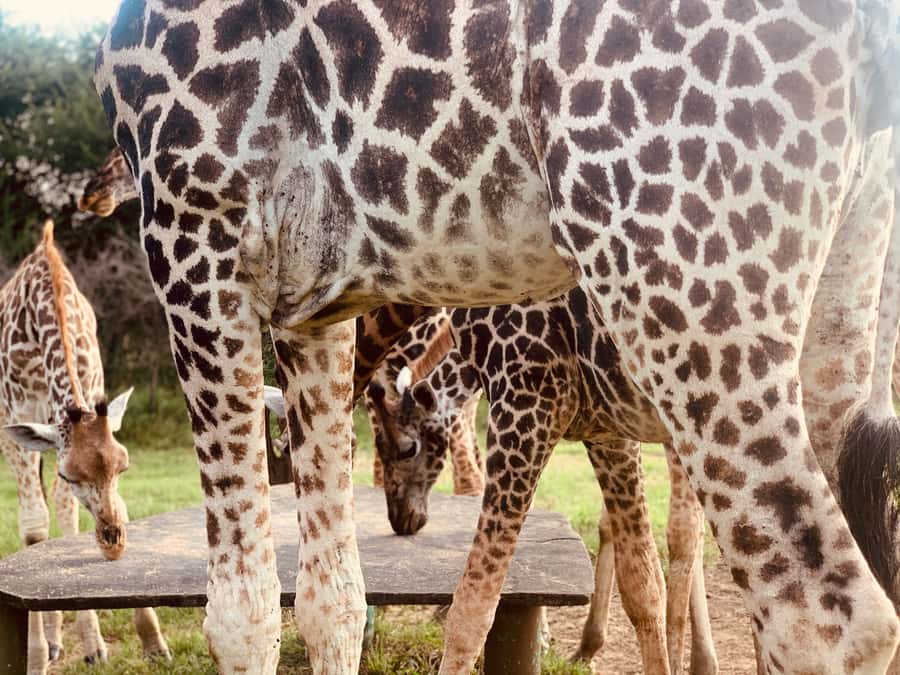
The appeal here is simple: you are on foot, outside, and close to animals that are not behind a standard zoo barrier. Nguuni Nature Sanctuary is in Kenya’s Coast Province, away from the usual Mombasa beach routine. You arrive at the sanctuary reception and ask for the Travel4Purpose guide.
Your guide begins with a briefing. Pay attention to this part. The rules are not filler. You are told how to behave around the animals, what safety measures to follow, and how to show respect in a place where wildlife has room to move.
Giraffes are the main attraction, but they are not the only animals here. The walk may bring you near ostriches, antelopes, and other sanctuary residents. Being on foot changes the pace. You can watch an animal’s movements, ask questions as they come to mind, and pause instead of simply passing by in a vehicle.
The setting also suits visitors who want a gentle wildlife experience rather than a full safari day. You do not need specialist equipment or a long list of animal sightings to enjoy it. The main reward is time spent observing animals at close range and learning how the sanctuary cares for them.
More forest and nature walks around Mombasa:
- Nature Walk with Giraffes in Mombasa
★ 5.0 · 18 reviews - Nairobi: From Nairobi-Karura Forest Guided Walking Tour
★ 5.0 · 21 reviews - Karura Forest: Walking tour with Nature and Waterfalls.
★ 5.0 · 12 reviews
A 30-minute walk with time to look around
The stated walking portion takes about 30 minutes. That is enough for an introduction to the sanctuary and a look at its main animals, but it is not a full-day safari or a long hiking route.
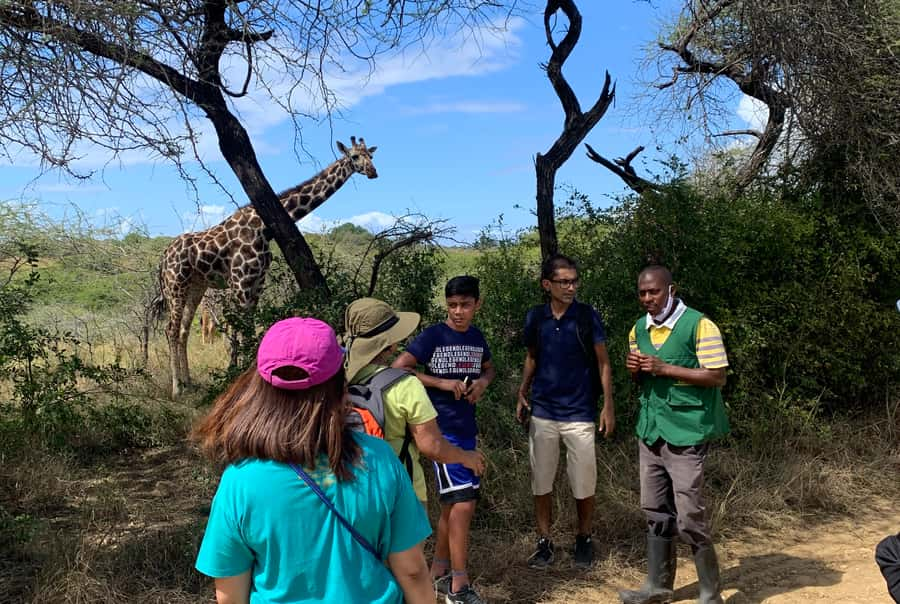
Your guide walks you around the grounds, points out the different animals, and shares facts about their behavior and conservation. The information is intended for a general audience, so this works well if you want an approachable introduction to African wildlife rather than a technical wildlife lecture.
After the walk, you can settle on benches and take in the surroundings. This slower period is useful. Children can rest, photographers can wait for a better animal pose, and anyone who prefers observation to constant walking gets a break.
A sanctuary tuk tuk may also be available to move people from place to place, depending on the weather and group. It is not guaranteed, so plan to walk and treat the tuk tuk as a possible convenience rather than part of the core experience.
The duration needs careful reading. The activity is valid for one day, but that describes the booking window, not necessarily a full day spent at the sanctuary. A practical expectation is a short guided walk, followed by time to sit and observe. Some visits have finished in about an hour, so ask about the expected schedule when you arrive if you need to plan transport or another activity afterward.
What close animal contact really means
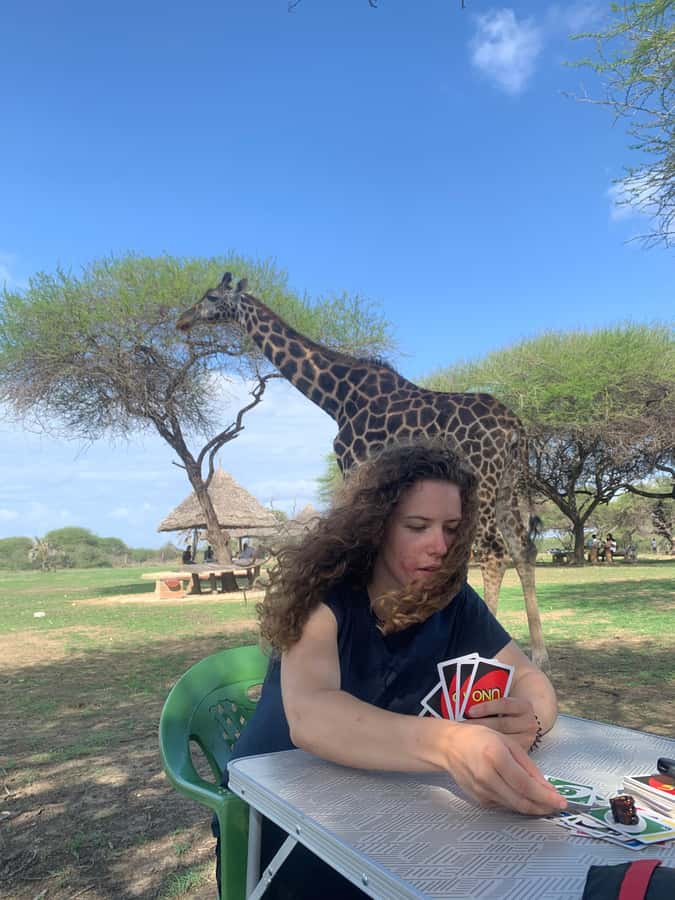
The phrase close to the giraffes is accurate in the sense that you can be only a few feet away. That creates excellent chances to see their size, posture, and facial details without a long camera lens.
It also means you need to follow the guide’s instructions. Giraffes may look calm, but they are large animals, and the whole point of a responsible sanctuary visit is to let them behave naturally. Do not crowd them, chase them, or reach out unless staff clearly direct you to do so.
Food for the giraffes is included, but the provided information says it is fed by staff. One visitor expected to feed the animals personally and found that this was not the case. To avoid disappointment, treat the feeding as something you watch unless the guide gives you a specific instruction.
This staff-controlled approach has a practical benefit. It helps keep feeding organized and reduces the chance of visitors offering unsuitable food or moving too close. You still get to see the giraffes respond to feeding time without assuming that direct contact is part of the deal.
Ostriches and antelopes add variety to the visit. They give you another reason to pay attention after the first excitement of seeing giraffes. The guide’s role is important here, since the smaller details can be easy to miss if you are focused only on the tallest animals in the sanctuary.
Conservation lessons without a classroom
The visit is designed to teach more than animal names. Your guide explains wildlife conservation in Africa and how to act responsibly around animals. That makes the experience useful for families and first-time visitors who want context along with photographs.
A sanctuary is not the same as a national park. You are visiting a managed space created for animal care and public learning, not setting out to find wild animals across a large protected reserve. The advantage is reliable, close observation. The tradeoff is that the experience is more controlled and compact than a traditional safari.
The project also links animal care with local community work. The sanctuary supports local employment, with staff receiving training and new skills. Its facilities include a community library, health centre, and auditorium intended to serve surrounding communities.
I like this wider purpose because your entry does not only buy a short animal encounter. It also helps maintain a place that connects conservation with local opportunity. Still, you should choose this experience for the animals and the guided walk first. The community work is an added benefit, not a reason to expect a long community tour during your visit.
More Walking Tours in Mombasa:
- Walking Tour Through Old Town Mombasa and Fort Jesus
★ 5.0 · 393 reviews - Mombasa walking tour
★ 4.9 · 28 reviews - Fort Jesus Museum Walking Tour in Mombasa
★ 5.0 · 25 reviews - Mombasa Old Town Walking Tour
★ 4.8 · 4 reviews
Is $38 good value?
At $38 per person, the experience offers fair value if you want a focused wildlife outing near Mombasa. The cost includes the entrance ticket, a live English-speaking guide, and food for the giraffes. You do not pay separately for the basic sanctuary admission.
The price does not include pickup or drop-off. You also need to cover your own food and drinks, and comfortable footwear is naturally your responsibility. That means your final cost depends on how you reach Nguuni Nature Sanctuary and how long you remain in the area.
For a visitor already arranging transport in Mombasa, $38 is easier to justify. You are paying for entry, personal guidance, and access to a close animal experience. For someone expecting a full-day safari with transport, meals, and hours of wildlife viewing, the value is weaker because this is a shorter, simpler outing.
Group size can affect the feel of the visit. One booking had only two people, which allowed plenty of time for questions and observation. A smaller group can make the guide’s explanations feel more personal, though group numbers are not specified in advance.
The overall rating is 4.8 from 48 bookings, with praise for the close animal contact, helpful answers, and the value for money. One lower-rated visit focused on a wrong meeting-point display and a shorter-than-expected duration. Those details point to the two things you should confirm before setting out: the exact reception location and the expected length of the visit.
Getting ready for the sanctuary
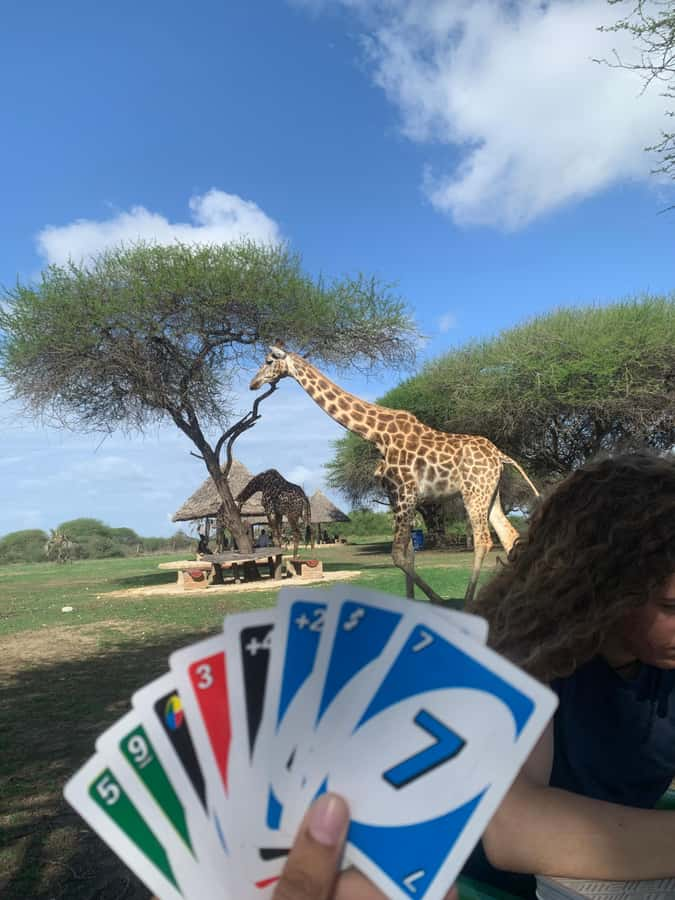
Wear comfortable shoes. The activity includes walking, and sandals or stiff footwear could make a short route less pleasant. Long trousers are recommended, along with comfortable clothes suited to outdoor conditions.
Sunscreen is essential. Bring water and any food you need, since meals and drinks are not included. You can bring your own food and drinks, then use the benches for a break after the walk.
The meeting point is the sanctuary reception. Ask specifically for the Travel4Purpose guide rather than waiting without identifying yourself. This is especially useful if you are arriving by taxi or ride-hailing service, since one booking was affected by a confusing meeting-point location and was dropped off incorrectly.
The activity is wheelchair accessible, but the experience still involves a nature walk. If you use a wheelchair or have limited mobility, confirm the route and tuk tuk arrangements at the time of booking. The tuk tuk may operate depending on weather and group conditions, so it should not be treated as guaranteed transport around the sanctuary.
The live tour is in English. If you need another language, this activity may not suit you, since only English is specified.
Who will enjoy this experience most?
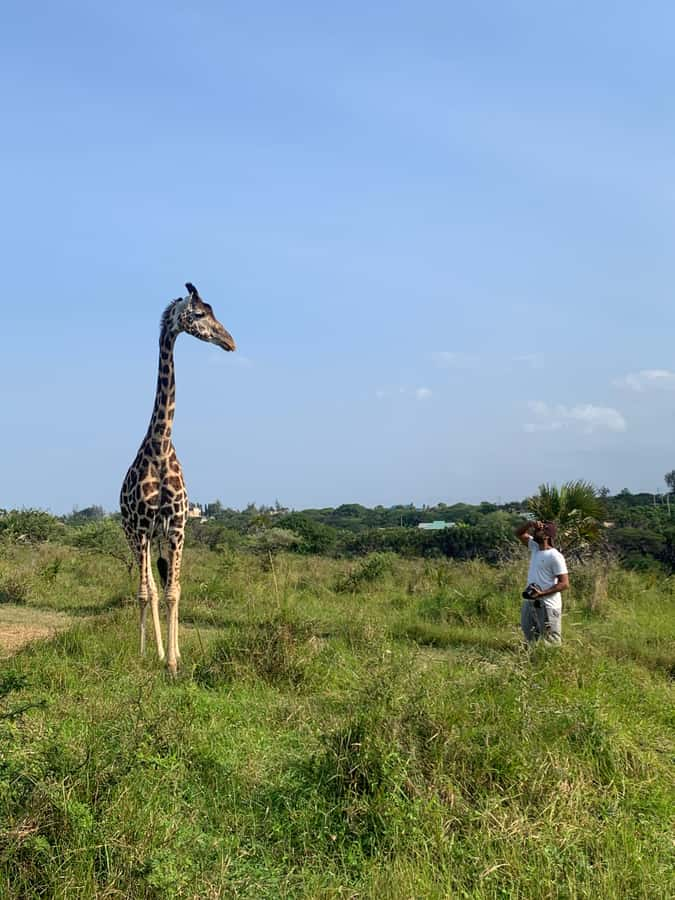
You will likely enjoy this visit if you want an easy introduction to wildlife, have limited time near Mombasa, or prefer walking close to animals instead of spending hours in a safari vehicle. Families can also benefit from the clear safety briefing and the chance to ask questions as animals appear.
It suits photographers who enjoy animal portraits and visitors who want to slow down after the walk. The benches give you time to watch instead of rushing from one sight to the next.
It is less suitable if you want a guaranteed full-day program. The core walk is short, and the actual visit may finish after about an hour. It is also not the right choice if your main goal is hands-on animal feeding, since staff control the giraffe food.
You should also think about transport. Since pickup and drop-off are not included, the experience is easiest when you already have a reliable way to reach the sanctuary and return afterward.
Booking, cancellation, and practical details
You can reserve the activity and pay later, which helps if your Mombasa plans are still changing. Free cancellation is available up to 24 hours before the activity for a full refund.
The ticket is valid for one day, and you need to check availability for starting times. The activity includes skip-the-line entry, so you can go to reception and identify the Travel4Purpose guide.
The organizer states that participants join at their own risk and that it is not liable for accidents, injuries, or losses. That makes the safety briefing, suitable clothes, and sensible behavior around the animals especially important.
Should you book the Nguuni giraffe walk?
Book it if you want a reasonably priced, close-up sanctuary visit with giraffes, ostriches, antelopes, and a guide who can explain what you are seeing. The best parts are the short walking distance to the animals, the chance to ask questions, and the project’s connection to local jobs and community services.
Set your expectations correctly. This is not a full-day safari, transport is not included, and you may not personally feed the giraffes. Confirm the meeting point, allow for a visit of roughly an hour or a little longer, wear proper shoes, and bring water.
For a compact wildlife experience near Mombasa, the $38 cost is sensible. For a full day of safari action, choose something longer and transport-inclusive instead.
FAQ
Where does the giraffe walk take place?
The activity takes place at Nguuni Nature Sanctuary in Kenya’s Coast Province.
Where do I meet the guide?
Meet the guide at the sanctuary reception and ask for the Travel4Purpose guide.
How long is the walking portion?
The scheduled sanctuary walk lasts about 30 minutes. The full visit may last longer, including time to sit and observe, but some visits have finished after about an hour.
What animals can I see?
The sanctuary includes free-roaming giraffes, ostriches, antelopes, and other animals.
Can I feed the giraffes?
Food for the giraffes is included, but it is fed by staff. Do not assume that visitors will personally hand-feed the giraffes.
Is transport included?
No. Pickup and drop-off are not included.
Should I bring food and drinks?
Yes, if you need them. Food and drinks are not included, but you may bring your own.
What should I wear?
Bring comfortable shoes, sunscreen, comfortable clothes, and long trousers.
Is the activity wheelchair accessible?
Yes, the activity is listed as wheelchair accessible. A sanctuary tuk tuk may be available depending on weather and group conditions.
Can I cancel for a refund?
Yes. You can cancel up to 24 hours in advance for a full refund.
Just added around Mombasa
- 7-Day Private Tour in Kenya National Parks From Nairobi / Mombasa★ 5.0 · 3 reviews
- Fort Jesus Sound and Light show Mombasa★ 4.0 · 17 reviews
- 4 Days Mount Kenya Trekking★ 5.0 · 6 reviews
- Shore Excursion: Full-Day Mombasa City Tour★ 4.5 · 11 reviews
- Swahili Street Food Tour★ 5.0 · 7 reviews
- Private Transfer from Mombasa★ 5.0 · 6 reviews
- Mombasa Full Day Tour★ 4.5 · 6 reviews
- Half day city tour of mombasa★ 5.0 · 13 reviews
Walking Tours, compared.
Nairobi: Historic and Modern Highlights Walking Tour
Read our review →
Walking Tour Through Old Town Mombasa and Fort Jesus
Read our review →
Nairobi Walking tour:Explore History Culture and Traditions
Read our review →

Nairobi City Walking Tour with Traditional Kenyan Lunch
Read our review →
Browse the lists this tour appears in