
Reviewed · FOOD & DRINK
Mombasa:Street food Experience
Mombasa’s best food stories are found on the street, not behind a hotel buffet. This 150-minute walk through Old Town links small food stops with local stories, giving you tastes of Swahili cooking alongside a look at everyday life. You may sample beef or chicken mshikaki, fresh sugarcane juice, seafood, spiced potatoes, and sweet coffee.
I like two things right away: all food and drinks are included, and the short walking route keeps the outing easy to manage. Guides such as Joan and Nicole add conversation about local culture, food preparation, and city life, rather than simply pointing out dishes and moving on.
The main thing to consider is that this is a genuine street-food outing, not a polished restaurant meal. Seating, pace, and food choices can vary, and one past guest found the guide’s manner uncomfortable. If warm, respectful conversation matters greatly to you, keep that in mind when deciding.
Key points to know before you book
- The food is the main event: Expect several small tastings rather than one formal meal, including mshikaki, seafood, bhajia or viazi karai, kachiri, and drinks.
- The route begins at Treasury Square Roundabout: From there, you walk between nearby Old Town food areas and finish in Mombasa.
- The tour is short but filling: It lasts about 150 minutes, and you are advised not to eat much beforehand.
- You can request suitable food: Vegetarian, vegan, pescatarian, and allergy-aware options are available when arranged in advance.
- Guiding is available in English or Swahili: Joan and Nicole are among the guides named in the experience, with cultural conversation forming a large part of the outing.
- There is no drop-off: You make your own way to the starting point and arrange your own transport afterward.
Why Mombasa Old Town is a good place to eat
Old Town works well for a food walk because the stops are close together. You are not spending most of the afternoon in a vehicle. Instead, you move on foot from one food area to the next, seeing how meals, snacks, drinks, and daily routines fit together.
That short route also makes the experience manageable in hot weather. The stated duration is 150 minutes, with only short walks between stops. You still need comfortable walking shoes, but this is not an exhausting city hike.
The food gives you a quick introduction to the coast’s Swahili kitchen. The menu combines grilled meat, seafood, potatoes, cassava, coffee, tea, and sugarcane juice. That range matters because it shows more than one side of local cooking. You get savory bites, crisp snacks, sweet drinks, strong coffee, and seafood in the same outing.
I would not book this expecting a lesson in every corner of Mombasa. The cultural and city commentary supports the food stops rather than replacing them. That is the appeal: you learn through what people eat, where they buy it, and how it is prepared.
More food tours in Mombasa:
- Mombasa Private City Tour & Haller park Sanctuary with sea food luch
★ 3.5 · 12 reviews - Swahili Street Food Tour
★ 5.0 · 7 reviews - Watamu Marine Park & Sudi Island Mangrove Forest Canoe Ride.With sea food lunch
★ 4.5 · 31 reviews
Starting at Treasury Square Roundabout
The meeting point is Treasury Square Roundabout. The walk begins with a short safety briefing, listed as about five minutes. That is useful in a busy urban setting, especially if you are new to Mombasa and want a few simple pointers before the tasting starts.
From here, the route continues through Old Town on foot. The exact order of the stops can depend on the food available and the guide’s plan for the day, so you should think of the menu as a selection of tastings rather than a fixed restaurant-style course.
The finish is listed simply as Mombasa, with no drop-off included. Plan your onward transport before you start, especially if you have a hotel booking, a ferry connection, or another timed activity.
Mshikaki, the first taste of the coast
Mshikaki is grilled beef or chicken served on skewers. It is a natural street-food introduction because it is easy to eat while walking and gives you a direct taste of grilled local food.
The guide can explain how the meat is prepared, which turns a quick snack into something more useful. You are not only tasting a skewer. You are learning enough about the method and ingredients to try making a version at home.
The portion sizes are not specified, so do not assume every item will be a full meal on its own. The idea is to sample several foods. Taken together, the skewers, potatoes, seafood, cassava, and drinks can leave you very full, so follow the practical advice to arrive with an empty stomach.
Fresh sugarcane juice and Swahili coffee
Juice ya miwa, or fresh sugarcane juice, brings a very different flavor and texture to the walk. It is pressed fresh rather than served as a packaged soft drink, making it one of the more distinctive tastings on the route.
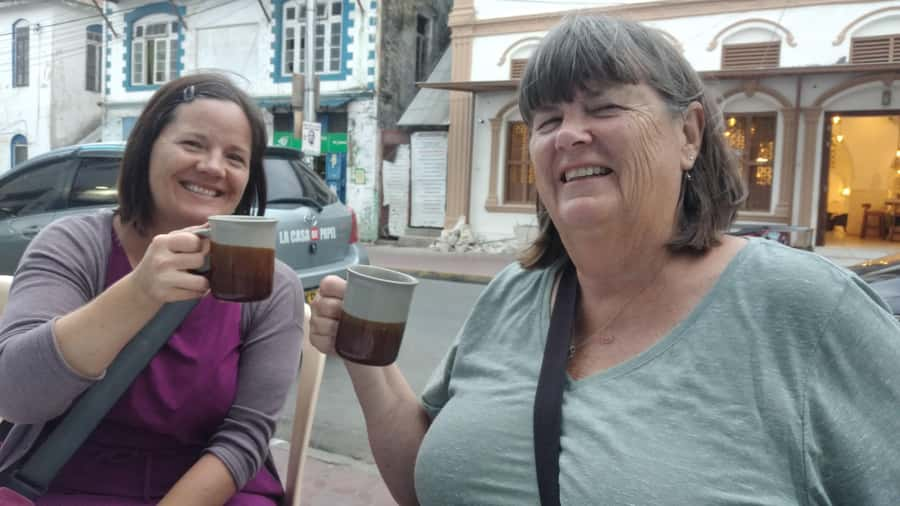
You also sample kahawa, a sweet Swahili coffee, along with chai, Swahili tea. These drinks help you notice how local food culture includes pauses for conversation and hospitality, not just quick bites.
The coffee and tea are also useful contrasts. One is sweet coffee, the other is spiced or locally styled tea, though the exact preparation is not specified. Ask your guide about the ingredients and process, especially if you have questions about sugar, spices, or caffeine.
One previous guest praised Joan for choosing a wide range of foods and explaining local culture along the way. Another described the experience with Nicole as similar to eating with a friend. Those details suggest that the guide can shape the day as much as the menu does.
A few more Mombasa trips worth comparing
- Walking Tour Through Old Town Mombasa and Fort Jesus
★ 5.0 · 393 reviews - Mombasa City Tour
★ 5.0 · 170 reviews - Mombasa: Tusks, Fort Jesus, Old Town, Beach and City Tour
★ 4.7 · 137 reviews - From Mombasa/Mtwapa/Diani/Tiwi: Tsavo East Full-Day Safari
★ 4.3 · 130 reviews
Viazi karai, bhajia, and the appeal of fried potatoes
The potato stop may include viazi karai or bhajia. These are the kind of filling, crisp street foods that help turn a series of tastings into a proper meal.
Viazi karai and bhajia are worth trying side by side if both are available. Their appeal is simple: potatoes, seasoning, and a crisp exterior make an easy crowd-pleaser, even for someone who is cautious about unfamiliar food.
This is also where you can ask questions about spices and preparation. One past guest had a disappointing interaction after asking about a spice, so do not be afraid to ask, but remember that guide communication can vary. The experience promises cultural explanation, yet no tour can guarantee the same personal style with every guide.
Seafood from the coast
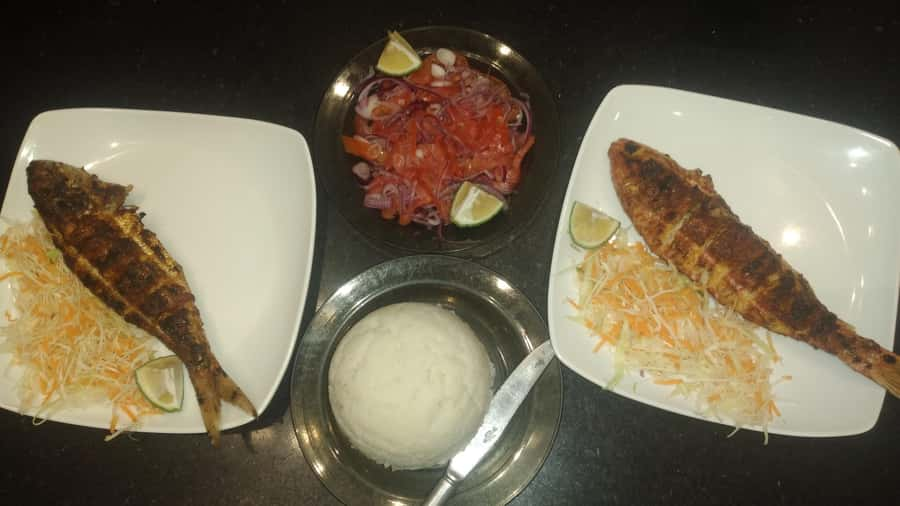
The seafood selection may include octopus, prawns, or fish. This is an important part of the experience because Mombasa’s coastal setting is reflected directly on the plate.
You may not receive every seafood item listed. The wording presents these as samples depending on taste and capacity, so the available choices can vary. If you have a strong preference, tell the guide early rather than waiting until the stop arrives.
Pescatarians have a clear advantage here, since seafood is part of the planned selection. Vegetarians and vegans are not left out either, with suitable options available when arranged in advance. People with allergies should contact the provider before arriving so the guide can work out the safest set of samples.
The seafood stop may be the most important reason to choose this tour over a general snack walk. It connects the street-food experience to the coast itself. If you do not eat seafood, the meat, potato, cassava, and drink tastings still provide plenty of variety.
Kachiri and the final crunch
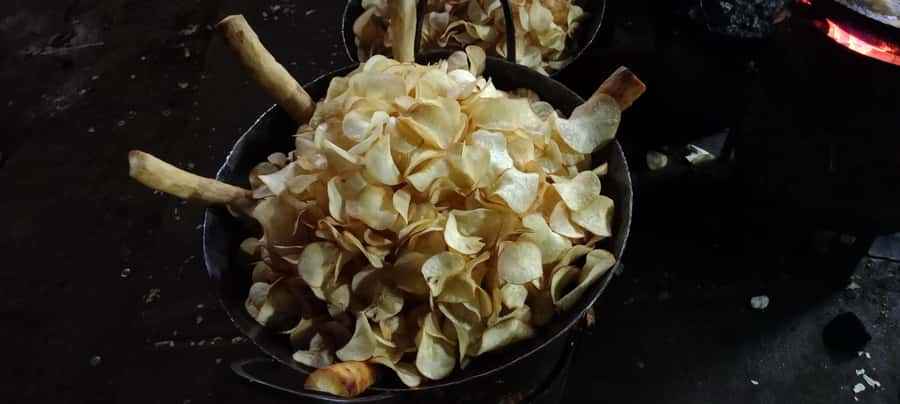
Kachiri is cassava chips or crisps. It offers another change in texture and ingredient, moving away from potatoes and grilled foods.
Cassava is a useful food to encounter on a local tasting walk because it is not always part of the standard international visitor menu. Here, you get to try it in a simple snack form and hear how it fits into local eating habits.
The combination of kachiri and the other dishes also explains why you should not eat heavily before the tour. Fried potatoes, cassava crisps, skewers, seafood, drinks, coffee, and tea add up quickly, even when each serving is modest.
What the guide adds beyond the food
The guide’s role is not only to lead you between stalls. You are meant to learn about local people, culture, food, and daily life as you walk. The tour also includes a food market visit and sightseeing, so the setting matters as much as the plate in front of you.
Joan is one named guide associated with the experience, and Nicole is another. Feedback about Joan describes her as relaxed, easy to talk to, and good at choosing a varied selection. Another account praises her cultural explanations and the fun atmosphere.
Nicole was also described as making the outing feel like a relaxed meal with a friend, while another guest appreciated learning about local life and the city’s past from the guide. These are useful clues about the experience at its best: informal, conversational, and tied to ordinary Mombasa life.
Still, I would keep expectations sensible. One guest rated the outing poorly because the guide’s jokes and responses to questions felt dismissive. That is a clear warning that the tone may not suit everyone. If you want a formal culinary lesson with carefully scripted explanations, this may feel loose. If you enjoy casual conversation and can adapt to a relaxed street setting, it is more likely to work for you.
Is $37 good value?
At $37 per person, the value depends on how much food you receive and how much you care about the cultural side of the walk. All listed food and drinks are included, so you are not paying the tour price and then adding a long bill at each stop.
You are also paying for a local guide, a walking route through Old Town, cultural explanation, sightseeing, and a food-market visit. If you tried to sample several different street foods on your own, you would save on guiding but might not know which places to choose or how to connect the food to local life.
The price is less attractive if you want a large, formal lunch or an extensive guided tour of Mombasa’s major sights. This experience is focused on small samples, conversation, and short walks. Its value comes from variety and context, not luxury or a set dining room.
I consider the price reasonable for someone who wants one compact food-focused activity and does not want to plan every stop independently. The included drinks help, since sugarcane juice, coffee, tea, and food are all part of the package.
Who will enjoy this walk most?
I would recommend it to curious eaters who want to try several coastal foods in one sitting. It is also a good fit if you like walking tours that include everyday life instead of only major monuments.
The 150-minute length suits you if your schedule is tight. It can fit into a day of sightseeing without taking over the whole afternoon. The short distances are helpful if you prefer a gentle walking pace.
This is especially suitable for:
- First-time visitors who want an easy introduction to Swahili food
- People who enjoy trying several small dishes
- Pescatarians and seafood fans
- Vegetarians, vegans, and people with allergies who arrange options beforehand
- Visitors who prefer English or Swahili guiding
- Anyone who wants local food with cultural conversation
You may want to skip it if you dislike street food, need a guaranteed fixed menu, or prefer a quiet restaurant with formal service. You should also consider another option if you are uncomfortable with an informal guide style or do not want to walk between food stops.
Practical advice for a smoother food walk
Arrive hungry, but not dehydrated. The provider specifically advises you not to eat a lot before coming, and that is sound advice given the range of samples.
Tell the guide about allergies before the tour. Do the same for vegetarian, vegan, or pescatarian needs, even though those options are available. Early notice gives the guide time to plan the most suitable tasting route.
Wear comfortable shoes and keep your belongings easy to manage while walking. You are moving through Old Town, not sitting in one place for the whole experience.
Ask questions about how each food is prepared. The tour is designed to explain preparation so you can try the dishes in your own city later. That turns the experience into more than a one-time meal.
Finally, leave some flexibility in your schedule. The listed duration is 150 minutes, but food walks can feel less exact than a museum visit, especially when several stops and conversations are involved.
Should you book the Mombasa street-food experience?
Book it if you want a short, filling, local food walk with a wide range of tastes. The strongest reasons are the mix of Swahili snacks, seafood, sugarcane juice, coffee, and tea, plus the chance to hear about food preparation and local life from an English or Swahili-speaking guide.
I would be most comfortable recommending it to flexible eaters who enjoy an informal atmosphere. Joan and Nicole have both been associated with warm, useful guiding, but one poor account shows that the personal tone can vary. That is the main risk.
For $37, the package makes sense if you value the guide and the chance to find several food stops without planning them yourself. Come hungry, report dietary needs early, and expect a real street setting rather than a polished restaurant. If that sounds like your kind of afternoon, this is a practical way to get a taste of Mombasa beyond the standard sightseeing route.
FAQ
Where does the Mombasa street-food experience start?
The tour starts at Treasury Square Roundabout in Mombasa.
How long does the experience last?
The stated duration is 150 minutes.
What language does the guide speak?
Guiding is available in English and Swahili.
What foods might I sample?
Possible tastings include beef or chicken mshikaki skewers, fresh sugarcane juice, Swahili sweet coffee, Swahili tea, viazi karai or bhajia, seafood such as octopus, prawns, or fish, and kachiri cassava chips or crisps.
Are food and drinks included?
Yes. All food and drinks are included in the price.
Are vegetarian, vegan, and pescatarian options available?
Yes. Vegetarian, vegan, and pescatarian options are available.
Can the tour accommodate food allergies?
Yes, but you should provide allergy information in advance so suitable samples can be arranged.
Should I eat before the tour?
You are advised not to eat a lot before coming because the experience includes several food and drink samples.
Is drop-off included?
No. Drop-off is not included, so you arrange your own transport after the walk.
Just added around Mombasa
- 7-Day Private Tour in Kenya National Parks From Nairobi / Mombasa★ 5.0 · 3 reviews
- Fort Jesus Sound and Light show Mombasa★ 4.0 · 17 reviews
- 4 Days Mount Kenya Trekking★ 5.0 · 6 reviews
- Shore Excursion: Full-Day Mombasa City Tour★ 4.5 · 11 reviews
- Swahili Street Food Tour★ 5.0 · 7 reviews
- Private Transfer from Mombasa★ 5.0 · 6 reviews
- Mombasa Full Day Tour★ 4.5 · 6 reviews
- Half day city tour of mombasa★ 5.0 · 13 reviews
Food & Drink, compared.

Watamu Marine Park & Sudi Island Mangrove Forest Canoe Ride.With sea food lunch
Read our review →
Coffee farm tour, coffee roasting and tasting experience
Read our review →
Mombasa Private City Tour & Haller park Sanctuary with sea food luch
Read our review →
Purple Tea Farm Tour from Nairobi City – Specialty Tea Tasting
Read our review →
Nairobi Food Tour – Street Food Experience Lunch
Read our review →
Nairobi: 1 Hour Gastronomic and Street Food tour of Nairobi
Read our review →Browse the lists this tour appears in