

Reviewed · HISTORICAL TOURS
Nairobi City: Walking tour with Lifestyle and History.
Nairobi’s best introduction may be on foot, where grand government buildings, matatu traffic, leafy gardens, mosques, markets, and ordinary city life all appear within a few blocks. Allan leads this three-hour central Nairobi walk, adding personal stories, Swahili phrases, and practical help as you move through the city.
I like the chance to see major sights and local life in one outing, especially the Maasai Market shopping stop and the wide city views from Kenyatta International Conference Centre. I also like that Allan can help with market bargaining, translation, an MPESA account, a local SIM, or later trip planning. The main consideration is simple: this is a sunny walking tour with a fair amount of time on your feet, and coffee, shopping, and KICC entry cost extra.
Key points to know before you book

- Allan gives the tour a personal touch: Expect history, current-life observations, family stories, and plenty of time for questions.
- The route covers central Nairobi’s major sights: See Jamia Mosque, Jevanjee Gardens, Parliament, the Supreme Court, Kencom, Holy Family Basilica, and KICC.
- Markets are a major part of the experience: City Market and Maasai Market offer handmade gifts, but carry cash and bargain firmly.
- Coffee is not included: You can stop at Java House on Mama Ngina Street and pay separately for coffee, tea, or chai.
- KICC entry costs $3: Pay by card or MPESA, since cash is not accepted at the entrance.
- Start and finish at CJ’s: The restaurant on Koinange Street provides an easy meeting point, seating, WiFi, coffee, and a possible meal afterward.
Why this walk is a smart first look at Nairobi

At $35 per person, this tour offers a useful orientation to central Nairobi without putting you in a vehicle and whisking you past the details. You walk through the city’s civic center, shopping streets, religious sites, public gardens, and markets while Allan explains what you are seeing.
That matters in Nairobi. A building can look like a quick photo stop until you understand its place in Kenya’s political life, colonial past, independence story, or modern business district. Allan’s role is not just to point at landmarks. He can explain the setting, translate when needed, and help you read the city around you.
The outing also works well for a first afternoon in Kenya. You can learn some basic Swahili, ask questions about local customs, get help with practical matters, and gain a clearer sense of where you are before setting off on a longer trip.
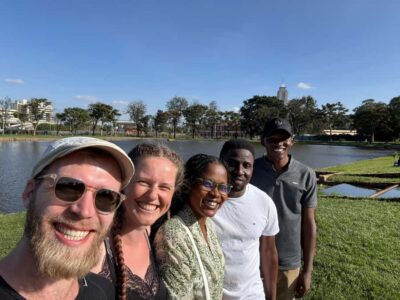
The tour is especially suited to people who like conversation. Allan is a student, and his work as a guide helps him get by. The experience can feel more like spending time with a local contact than following a scripted museum tour. That personal quality is a major part of its appeal.
More Walking Tours in Nairobi
- Nairobi: Historic and Modern Highlights Walking Tour
★ 4.8 · 703 reviews - Nairobi Historical Walking City Tour
★ 5.0 · 258 reviews - Nairobi Walking tour:Explore History Culture and Traditions
★ 4.8 · 222 reviews
Meeting Allan at CJ’s on Koinange Street
The tour begins at CJ’s restaurant on Koinange Street, one of the easiest parts of the plan. You can wait outside or sit inside with coffee before the walk. The restaurant has ample seating and WiFi, and it also gives you a simple place to return to afterward for coffee or lunch.
A five-minute safety briefing comes first. Use this moment to tell Allan what interests you most. You might care more about architecture, Kenyan politics, markets, photography, coffee, local life, or practical travel advice. The route has a set structure, but Allan has shown flexibility when people want to ask more questions or adjust the pace.
If you need help finding the meeting point, contact Allan on WhatsApp at +254 723 477 823. The tour starts and ends at CJ’s, so you do not need to arrange a second pickup point.
Jevanjee Gardens and the McMillan Memorial Library
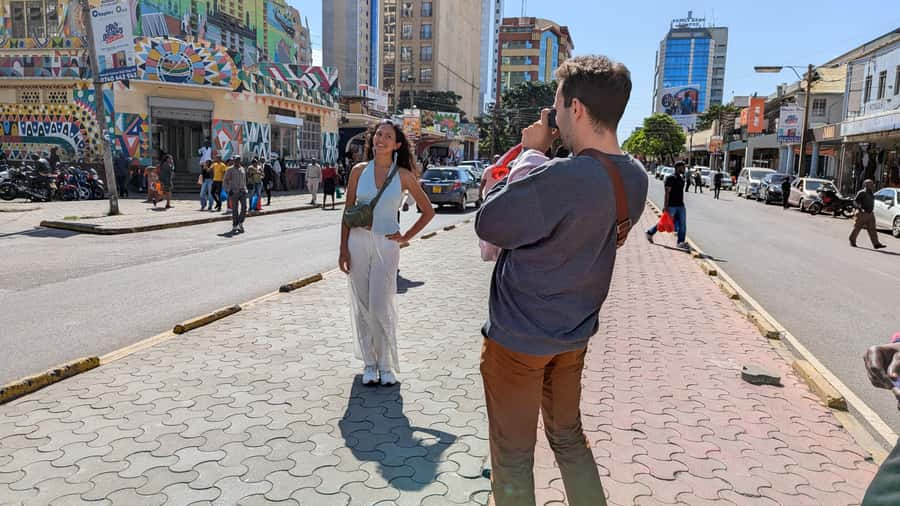
Jeevanjee Gardens is an early green pause in the city walk. You get a guided look at the gardens before continuing to McMillan Memorial Library. The library is mainly a sightseeing and pass-by stop, so do not expect a long interior visit based on the planned route.
These stops help break up the larger civic sights. You get a sense of how public spaces, older buildings, and commercial streets fit together rather than seeing Nairobi as a string of isolated landmarks. Allan can also add stories about how the city has developed and how modern life has changed the center.
The first part of the walk is a good time to learn a few Swahili words. Allan speaks English and Swahili, and the language element adds a friendly, practical layer to the tour. Even a handful of simple phrases can make later market conversations more enjoyable.
Jamia Mosque and Nairobi’s religious character
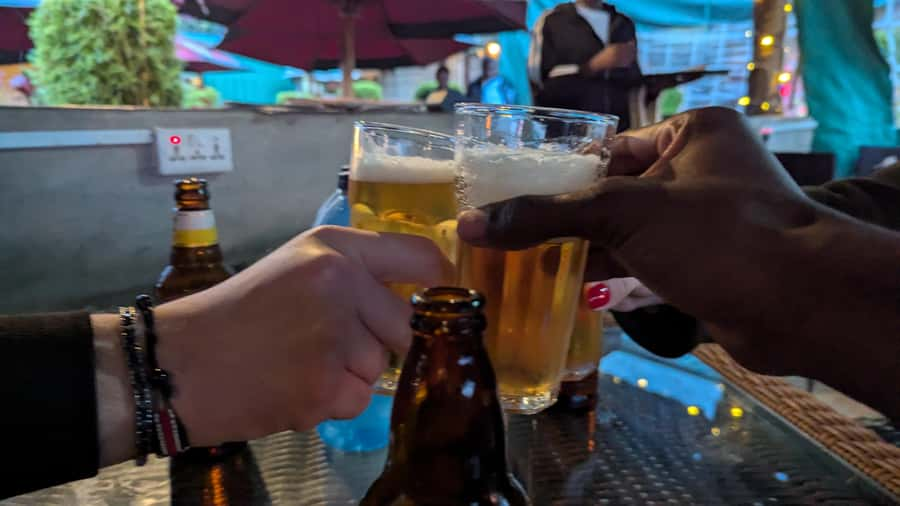
Jamia Mosque receives a photo stop and a short explanation. The building is one of central Nairobi’s most recognizable landmarks, and its presence helps show the city’s religious and cultural mix.
This is mainly an exterior stop, so dress respectfully and follow Allan’s guidance. The route does not promise an extended interior visit. For photographers, it is a useful chance to capture the architecture before the walk turns toward shopping and transport hubs.
One strength of a local walking tour is the chance to ask questions that a standard sightseeing route may skip. You can ask about daily life, languages, faith communities, food, public transport, or how different parts of Nairobi connect. Allan’s conversational approach gives you room to do that.
More history walks around Nairobi:
- Full Day Nairobi Cultural and Historical Tour
★ 5.0 · 153 reviews - Nairobi Cultural and Historical City Tour with a Local
★ 5.0 · 67 reviews - Nairobi souvenir Shopping and Historical Half day Tour
★ 5.0 · 61 reviews - Nairobi History and Modern Culture 3 Hours Tour
★ 4.5 · 31 reviews
City Market: crafts, food, and useful bargaining advice
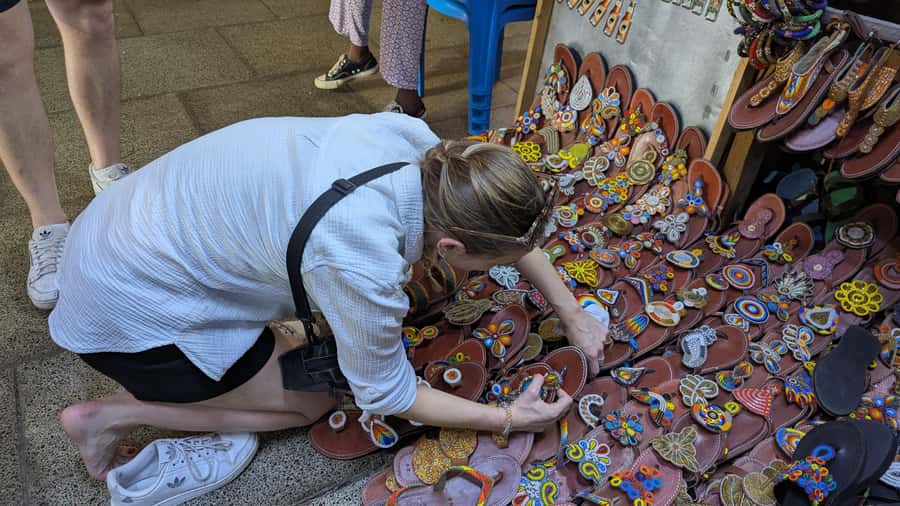
City Market receives about 35 minutes, making it one of the more substantial stops. You can browse, shop, and ask Allan to explain what you are seeing. If you want gifts, this is a practical place to begin comparing prices and styles.
Bring cash. Some vendors do not accept credit or debit cards, though some accept foreign currency. Nairobi has ATMs and currency exchange offices, but it is easier to arrive with a modest amount of Kenyan shillings if shopping is part of your plan.
Market prices are not fixed in the same way as supermarket prices. Allan can translate into Swahili, help you understand an opening price, and offer suggestions about purchases. Still, you should do the final bargaining yourself. One useful rule is to treat the first price as a starting point, stay polite, and be ready to walk away if the amount does not suit you.
Do not feel pressure to buy. The value of the stop is also in seeing how local commerce works and learning how to speak with sellers. If you do buy handmade items, leave room in your luggage.
Kencom House and the city’s everyday movement
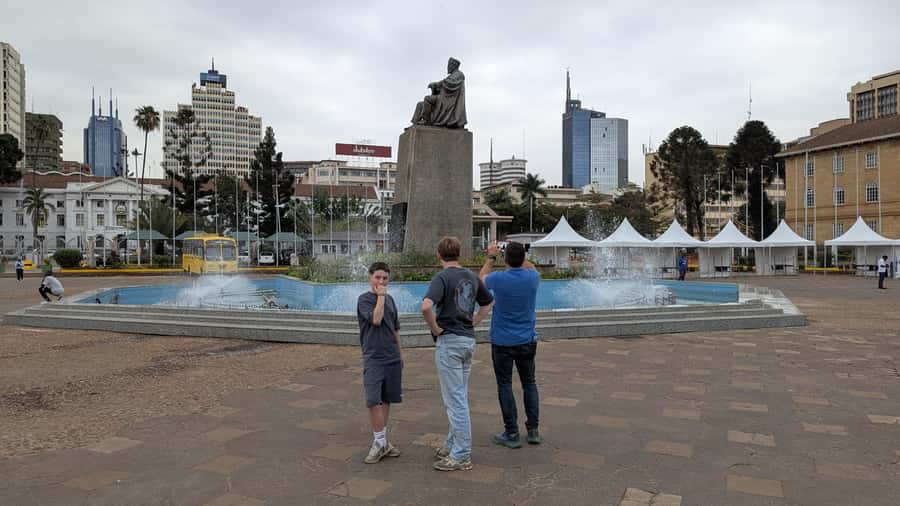
Kencom House is a short guided stop and pass-by. It brings you closer to the practical side of Nairobi, with its offices, shops, pedestrians, and transport activity.
The Kencom area is also associated with the city’s matatu system, so this part of the route helps explain how residents move around Nairobi. You are not taking a matatu as part of the tour, but Allan can give context about the city’s transport culture and the role of these minibuses.
This section is less about a single grand monument and more about seeing the center as a working city. That is useful if you plan to return on your own, shop, find transport, or simply understand the streets beyond the postcard views.
Maasai Market and choosing Kenyan souvenirs

The Maasai Market is the longest shopping stop, planned for about 40 minutes. Expect handmade gifts and souvenirs, with plenty of time to browse and compare. Allan’s presence is particularly useful here because not every trader speaks strong English.
You can ask him to translate, explain products, and help you judge what may make a good gift. He can also suggest a fair approach to bargaining. Prices may begin high, so do not accept the first offer automatically. One practical tip is to compare similar items at more than one stall before deciding.
The market can be exciting, but it is not a quiet craft gallery. You will need to stay alert to your belongings and keep track of your budget. If you dislike bargaining, tell Allan early so he can help keep the process comfortable.
The shopping portion makes this tour different from a pure architecture walk. You get a chance to take home something connected to Kenya, while also learning how local buying and selling works.
The Supreme Court, Parliament, and Kenya’s civic center
The route then moves through some of Nairobi’s most important government buildings. The Supreme Court is a guided sightseeing stop and pass-by. Parliament of Kenya receives a little more time, though the tour does not include an interior parliamentary visit.
These buildings make more sense after Allan explains Kenya’s political history and present-day government. You can ask about the roles of Parliament, the Senate, the courts, and national administration as you walk. The value here comes from context, not from entering every building.
The route also includes Nyayo House, Holy Family Basilica, and other central landmarks, even though the exact time at each may vary. You should expect some sights to be viewed from outside or while passing through rather than treated as full museum visits.
That is an important distinction. This tour gives you a broad look at central Nairobi, not a series of long indoor admissions. If you want detailed interior tours of government buildings, you will need separate arrangements.
Java House on Mama Ngina Street
Java House is the planned break, with about 40 minutes set aside. It is described as one of Kenya’s most popular coffee houses, and you can sample different coffees, tea, or chai.
Drinks are not included in the $35 price, so budget separately. This is a pleasant pause after the markets and city streets, especially if you want to ask Allan more questions in a seated setting.
The coffee stop also helps keep the pace manageable. Three hours on foot can feel much longer without a break, particularly in sunny weather. You can use the time to discuss places to eat, Kenyan customs, SIM cards, MPESA, or plans for the rest of your trip.
The listed route also allows time back at CJ’s, so confirm the exact timing with Allan when you book. The stops are flexible enough that conversation, traffic, and your interests may affect the pace.
KICC and the best city view on the route
Kenyatta International Conference Centre is the route’s major viewpoint. The planned visit includes guided time, free time, photos, and sightseeing, with about 45 minutes allocated.
The view from the top is a strong reason to choose this tour. It gives you a clearer sense of Nairobi’s size and layout after you have walked through its center. Bring a camera, but also take a moment to identify the streets and landmarks Allan has already explained.
Entry to KICC costs $3 and is not included. Payment must be made by card or MPESA. Cash is not accepted, so plan ahead. If you do not want to pay the entrance fee, confirm what part of the visit can still be included before the tour begins.
KICC also gives the day a satisfying finish. You have seen the city at street level, then looked across it from above. That combination is more useful than a viewpoint alone because the walk has already given the scene meaning.
Walking conditions, safety, and practical comfort
You should wear comfortable walking shoes and light, comfortable clothing. The tour takes place outdoors and may be sunny, so sunscreen and sunglasses are sensible. Carry water, though the supplied information does not specify whether the guide provides it.
The route is wheelchair accessible, but central city streets and market areas can still vary in ease of movement. If you use a wheelchair or have mobility concerns, contact Allan before booking so you can confirm the pace and route details.
The experience is not suitable for pregnant women or people with heart problems. It is also not suitable for anyone looking for a fully vehicle-based city tour. Drones, alcohol, and drugs are not allowed.
Personal safety is a repeated strength of the experience. Allan helps you navigate the markets, translates when needed, and gives practical guidance around the city. You should still use normal city habits: keep valuables secure, follow local instructions, and stay with the guide in crowded areas.
Extra help beyond the walking route
One useful feature is Allan’s practical support. He can help you get an eSIM or SIM card, though you need your passport for registration. He can also help book SGR train tickets to Mombasa.
That does not turn the tour into a full travel-planning service, but it can save time when you first arrive. You can also ask for advice about what to carry, how to use MPESA, or how to plan the next part of your Kenya trip.
Several people have chosen to extend their time with Allan for food or another outing. An African dinner after the walk or a separate visit to Karura Forest may be possible, but treat those as additional arrangements, not included parts of this tour.
Is $35 good value?
At $35, the price is reasonable if you want a local guide, a structured route, market help, language support, and a city viewpoint in one outing. The price covers Allan’s guiding fee, but not drinks, shopping, or the $3 KICC admission.
The strongest value comes from the human help. A map can show you Parliament, Jamia Mosque, and KICC, but it cannot bargain in Swahili, explain local customs, answer personal questions, or help you set up MPESA.
You should also understand what you are buying. This is not an expensive luxury tour with private transport or long indoor visits. It is an active city walk with flexible conversation and practical local support.
Should you book this Nairobi walking tour?
Book it if you want a friendly introduction to central Nairobi, enjoy walking, and value conversation more than a polished script. Allan’s personal stories, safety guidance, market help, and willingness to answer questions are the main reasons to choose it.
It is especially useful on your first day in Kenya, when you want to get your bearings, learn a few Swahili words, understand the city center, and pick up practical advice. It also suits solo visitors and anyone who would rather explore with a local than navigate the markets alone.
Skip it if you dislike outdoor walking, have health concerns that make a three-hour city route unsuitable, or want extensive interior tours. For most curious visitors who can handle the pace, this is a good-value way to meet Nairobi at street level.
FAQ
How long does the Nairobi walking tour last?
The tour duration is three hours. The route includes walking, sightseeing, market shopping, a coffee break, and time at KICC.
Where does the tour start and end?
The tour starts and ends at CJ’s restaurant on Koinange Street in Nairobi. You can wait outside or have coffee inside before the walk.
Who leads the tour?
Allan leads the tour. He speaks English and Swahili and can help with translation during market visits.
Is the KICC entrance fee included?
No. Entry to KICC costs $3 and must be paid by card or MPESA. Cash is not accepted.
Are coffee and tea included?
No. Coffee, tea, and chai at Java House are charged separately. You can sample different types during the break.
Should I bring cash?
Yes, bring cash if you plan to buy handicrafts or souvenirs. Some market vendors do not accept credit or debit cards, though some accept foreign currency.
Is the tour wheelchair accessible?
Yes, the activity is described as wheelchair accessible. Contact Allan before the tour if you need to confirm specific route or pace details.
Can I cancel the booking?
You can cancel up to 24 hours in advance for a full refund. You can also reserve now and pay later, keeping your plans flexible.
Just added around Nairobi
- Visit kibera Slum the chocolate city★ 4.8 · 3 reviews
- Day Tour to Nairobi national park, Elephants, and Giraffe Center★ 3.5 · 8 reviews
- Explore local Market matatu ride & Make Kenyan Cuisines with a home cook★ 5.0 · 8 reviews
- Kibera Slum Tour with a Local★ 5.0 · 15 reviews
- Urban Forest Tour in Nairobi★ 5.0 · 7 reviews
- Vegans special safari★ 4.5 · 4 reviews
- Private Mini Safari Tour in Nairobi★ 5.0 · 6 reviews
- Private Kenyan Cooking Class in Nairobi with a Local★ 5.0 · 3 reviews
Historical Tours, compared.
Nairobi: Historic and Modern Highlights Walking Tour
Read our review →
Nairobi Walking tour:Explore History Culture and Traditions
Read our review →

Nairobi Cultural and Historical City Tour with a Local
Read our review →
Nairobi souvenir Shopping and Historical Half day Tour
Read our review →

Half-Day Cultural Tour to Bomas of Kenya in Nairobi
Read our review →Browse the lists this tour appears in