

Reviewed · HISTORICAL TOURS
Nairobi Cultural and Historical City Tour with a Local
Nairobi’s best introduction may be its mix of city, culture, and conservation in one long day. You move from ancient fossils and colonial-era stories at the National Museum to a rooftop view over the capital, then on to handmade beads, African crafts, and traditional dances at Bomas of Kenya.
I like the personal transport and the range of stops. Guides such as Kelvin, Dennis, and Faith have been praised for being prompt, warm, and good at explaining local life. I also like the bead workshop, where women who lost work at the former Kazuri factory formed a new business to support their families.
The drawback is pace. Eight hours covers a lot of ground, and some stops can feel rushed, especially Bomas if the timing slips. The August 7th Memorial Park is optional and costs extra, while lunch is also on your own.
What makes this Nairobi day tour worth considering
- A rooftop view from KICC: The 28-story Kenyatta International Conference Center gives you a wide look across central Nairobi and its surrounding horizons.
- Ahmed the elephant at the National Museum: The famous elephant recalls Kenya’s fight against poaching in the 1980s.
- A women-run bead workshop: At KOBE Tough Beads and Leather, you see how handmade ceramics become finished jewelry and craft pieces.
- Two very different craft experiences: Utamaduni offers a large shopping stop, while KOBE shows the hands-on production behind Kenyan goods.
- Traditional performances at Bomas of Kenya: The final stop includes dances from Kenya’s many ethnic communities, including Samburu and Maasai performances.
- Private transport and hotel pickup: You stay with your own group instead of joining a large coach, which makes the long day easier to adjust.
A full Nairobi introduction in eight hours
This is not a slow museum day or a focused food tour. It is a broad sampler of Nairobi, designed for a first visit or a short stay. The route connects major sights with cultural stops, so you get some city orientation along with Kenya’s art, history, and performing traditions.
Pickup and drop-off at your hotel or residence are included. A private vehicle carries your group between stops, and bottled water is provided. The tour is listed at about eight hours, though traffic and the optional memorial visit can affect the exact rhythm of the day.
At $95 per person, the value depends on how much you want covered in one outing. The fee includes private transport, the National Museum, KICC, Bomas of Kenya, and hotel transfers. It does not include lunch, tips, or admission to the August 7th Memorial Park. For a solo visitor, the cost is fairly substantial. For a small group, the private format and number of included admissions make the price easier to justify.
More City Tours in Nairobi
- Nairobi Historical Walking City Tour
★ 5.0 · 258 reviews - Nairobi Walking Tour: Downtown & City Tour
★ 4.8 · 32 reviews - City Tour/Feel Like a local for a moment
★ 5.0 · 24 reviews
Nairobi National Museum: begin with Kenya’s story
Plan on about two hours at the Nairobi National Museum on Museum Hill. This is the strongest stop for anyone who wants more than photographs and dance performances. The museum brings together Kenya’s natural history, cultural traditions, and national story under one roof.
One of the memorable objects is Ahmed, a massive elephant connected with Kenya’s anti-poaching campaign. During the crisis of the 1980s, President Jomo Kenyatta placed Ahmed under round-the-clock protection. Seeing him here gives the conservation story a human and political dimension.
The permanent collection also includes the Hall of Kenya and displays from different ethnic communities. Look for the Kalenjin cloak made from Sykes monkey skins and the map of Kenya assembled from butterfly wings. These are unusual objects, and they help show how materials from the natural world have been used in clothing, art, and storytelling.
Your guide may walk through the museum with you, or a museum guide may take over for part of the visit. One important practical point comes from the mixed feedback about this stop: the quality of explanation can vary. A strong guide adds context and answers questions. A less engaging escort may simply repeat the placards, so ask questions when something catches your attention.
The museum is a good place to slow down before the busier parts of the day. If you care most about art, archaeology, wildlife, or Kenya’s national story, this may be the most valuable two hours on the schedule.
KICC and Uhuru Park: see Nairobi from above
The next city stop takes about 30 minutes and includes the Kenyatta International Conference Center. The building rises 28 stories along Harambee Avenue, in the center of Nairobi. Its rooftop offers a 360-degree view of the city and the surrounding horizon.
The view helps you understand Nairobi’s shape. From street level, the center can feel like a blur of roads, office blocks, and traffic. From above, the city’s layout becomes easier to read. Your guide can point out landmarks and explain how central Nairobi fits into the wider capital.
The tour also includes a look at Uhuru Park, a public recreation area with national importance. The park provides a useful pause between the high-rise view and the walk or drive through the Central Business District. Your guide is expected to explain the park’s role in Kenya’s development as an independent nation.
This section is short, so do not expect a long architectural tour or a detailed walking exploration of every downtown street. Its value is orientation. You get the skyline, a public park, and an introduction to the city’s pre-independence and post-independence story without spending half a day in traffic.
August 7th Memorial Park: a serious optional stop
The August 7th Memorial Park is an optional addition, and admission is not included. It sits at the former United States Embassy site, where the 1998 bombing killed many people and affected countless others.
The memorial includes a museum focused on those who died, those who survived, and the wider meaning of the event. This is a quiet, reflective stop rather than a light sightseeing break. If you want to understand a painful part of Nairobi’s modern history, it adds weight to the day.
Because the visit takes about 30 minutes and costs extra, you should decide in advance if it fits your interests. It may not suit every schedule or mood, especially if you want the day to focus on art and traditional culture. The tour description also labels it optional, so confirm with your guide whether you want to include it before the route gets busy.
More history walks around Nairobi:
- Nairobi: Historic and Modern Highlights Walking Tour
★ 4.8 · 703 reviews - Nairobi Walking tour:Explore History Culture and Traditions
★ 4.8 · 222 reviews - Full Day Nairobi Cultural and Historical Tour
★ 5.0 · 153 reviews - Nairobi souvenir Shopping and Historical Half day Tour
★ 5.0 · 61 reviews
KOBE Tough Beads and Leather: see the work behind the souvenir
The KOBE workshop takes about 30 minutes and admission is free. This is one of the more distinctive stops because you are shown the production process rather than simply entering a shop filled with finished goods.
The workshop makes beads and leather items, with a focus on handmade ceramics. You can watch the stages from the beginning of production through the finished object. If you enjoy craft, this is more useful than a quick shopping stop because it shows the skill, labor, and time behind the merchandise.
The social purpose matters, too. The center employs single mothers from a poorer neighborhood. It was started by women who had worked at Kazuri Beads after that factory closed during the pandemic. For them, the workshop provided a way to keep earning money and supporting their families.
You may find this visit especially worthwhile if you want your purchases to connect to local makers. It is still a commercial stop, so expect the chance to buy something. Yet the focus on the making process and women’s employment gives it more substance than a standard souvenir counter.
Utamaduni Craft Centre: shopping with a garden break
The Utamaduni Craft Centre takes about an hour. It is located in the greener Karen and Langata area, known for its links to writer Karen Blixen and views toward the Ngong Hills.
The shop occupies a converted Kikuyu house and contains 18 separate shops. You can browse African crafts, antiques, and art in one place. Staff can help pack or ship purchases, which is useful if you are buying fragile pieces or larger items and still have more of your trip ahead.
This is the tour’s main shopping opportunity. You will find more variety here than at the bead workshop, but the stop can feel commercial if you are not interested in buying. I would use it as a chance to compare styles and prices, then choose one meaningful piece rather than treating it as a compulsory shopping spree.
There is also a garden restaurant where you can have refreshments. Lunch is optional and paid separately. Since the day is long, this is a sensible place to eat if the timing works, but you should not assume the meal is part of the $95 price.
Bomas of Kenya: the grand cultural finale
The final major stop lasts about three hours at Bomas of Kenya. The center presents traditions from Kenya’s 53 ethnic communities through performances, displays, and reconstructed homesteads.
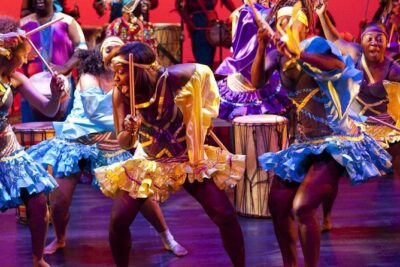
The dance program is the main attraction. Daily performances draw from more than 30 traditional dances, with Samburu and Maasai warrior performances among the most striking. Music, movement, dress, and group presentation make this a lively way to finish the day after the quieter museum and memorial stops.
The homesteads offer another angle. They are designed to show different forms of traditional domestic life, giving you a visual sense of how communities have organized homes and family spaces. Your guide can help connect the displays to the broader cultural picture.
Bomas works best when you treat it as a staged cultural presentation, not as a complete portrait of every community in Kenya. A performance center can introduce traditions, but it cannot replace time spent with people in their own communities. Still, for a visitor with only one day, it provides a clear and accessible overview.
Timing matters here. Two past experiences described the Bomas portion as rushed, so keep an eye on the clock earlier in the day. If the museum visit runs long, or traffic slows the route, you may have less time for the homesteads before the performance. Tell your guide if Bomas is a priority for you.
Guides can shape the entire day
The strongest part of this tour is often the person behind the wheel and beside you. Kelvin has been praised for prompt communication, clear explanations, and a friendly manner. Dennis has been described as punctual, courteous, and attentive, while Faith was noted for being helpful and sweet.
The setup can vary. Your main driver-guide may escort you between sites, while a local or volunteer guide leads part of the museum visit. That arrangement can work well, but it also means the depth of commentary may change from one stop to the next.
Ask direct questions. Nairobi has a complicated story involving colonial rule, independence, public parks, conservation, business, and many communities. You will get more from the day if you ask how a site connects to modern Kenya instead of waiting for a set speech.
The private format is helpful here. Your group can discuss where to spend extra time, and you are not tied to a large bus full of strangers. The tour is listed as suitable for most people, but you should still expect a full day with repeated walking, standing, and moving in and out of the vehicle.
Who should book this Nairobi tour?
I would recommend it to a first-time visitor who wants a broad introduction and has only one open day. It also suits couples, families, and small private groups who prefer a vehicle and guide rather than arranging several separate visits.
It is a good match if you want to combine:
- Museum displays and national history
- City views and basic Nairobi orientation
- Handmade crafts and shopping
- Traditional music and dance
- A private day with hotel pickup
I would choose another plan if you want a slow, scholarly museum visit, a food-centered experience, or a day spent entirely outdoors. The schedule covers a lot, but that breadth comes at the cost of lingering time.
Free cancellation is available up to 24 hours before the start time. Changes or cancellations inside that window are not accepted for a refund. The experience requires good weather, and poor conditions may lead to a new date or a full refund.
Should you book it?
Book this tour if you want Nairobi explained through several different windows in one day. The National Museum gives you substance, KICC gives you bearings, KOBE gives you a direct look at local work, Utamaduni gives you shopping and a break, and Bomas supplies the big cultural finish.
At $95, it is not the cheapest way to see Nairobi, especially once you add lunch and any memorial admission. But the private transport, included major entries, hotel pickup, and range of stops make it reasonable for a short visit. Ask for enough time at Bomas, confirm whether you want the memorial included, and tell your guide which subjects matter most to you. That small bit of planning can turn a rushed checklist into a useful first day in Nairobi.
FAQ
How long does the Nairobi Cultural and Historical City Tour last?
The tour lasts approximately eight hours.
What is included in the tour price?
The price includes hotel or residence pickup and drop-off, private transport, bottled drinking water, admission to Bomas of Kenya, admission to the Nairobi National Museum, and admission to the Kenyatta International Conference Center.
Does the tour include lunch?
No. Lunch is available for purchase and is not included in the tour price.
Is the August 7th Memorial Park included?
No. The August 7th Memorial Park visit is optional, and its admission ticket is not included.
Is this a private tour?
Yes. This is a private activity, so only your own group participates.
What can I see at Bomas of Kenya?
You can see traditional homesteads and attend performances featuring dances from Kenya’s ethnic communities. The program includes more than 30 traditional dances, with Samburu and Maasai performances among the featured acts.
Is hotel pickup available?
Yes. Pickup and drop-off are offered at your hotel or residence.
What is the cancellation policy?
You can cancel at least 24 hours before the experience starts for a full refund. Cancellations or changes made less than 24 hours before the start time are not accepted, and poor weather may result in a different date or a full refund.
Just added around Nairobi
- Visit kibera Slum the chocolate city★ 4.8 · 3 reviews
- Day Tour to Nairobi national park, Elephants, and Giraffe Center★ 3.5 · 8 reviews
- Explore local Market matatu ride & Make Kenyan Cuisines with a home cook★ 5.0 · 8 reviews
- Kibera Slum Tour with a Local★ 5.0 · 15 reviews
- Urban Forest Tour in Nairobi★ 5.0 · 7 reviews
- Vegans special safari★ 4.5 · 4 reviews
- Private Mini Safari Tour in Nairobi★ 5.0 · 6 reviews
- Private Kenyan Cooking Class in Nairobi with a Local★ 5.0 · 3 reviews
Historical Tours, compared.

Nairobi: Historic and Modern Highlights Walking Tour
Read our review →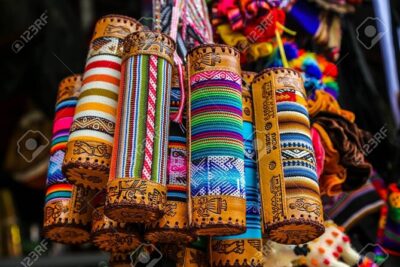
Nairobi Walking tour:Explore History Culture and Traditions
Read our review →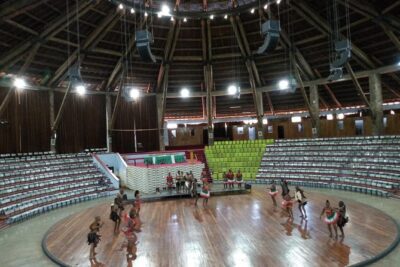

Nairobi souvenir Shopping and Historical Half day Tour
Read our review →
Half-Day Cultural Tour to Bomas of Kenya in Nairobi
Read our review →
Browse the lists this tour appears in