
Reviewed · HISTORICAL TOURS
Nairobi Walking Tours, Historic and Modern Highlights
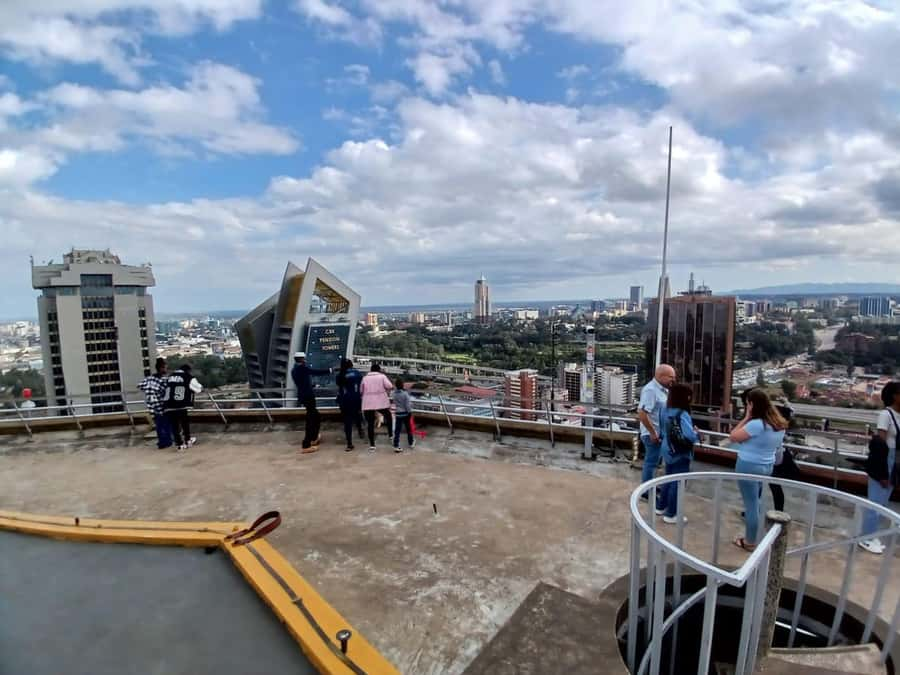
Nairobi’s best introduction may be on foot, where quiet Jevanjee Gardens, market stalls, government buildings, and the city skyline fit into one compact route. I like the mix of everyday city life and major sights, especially the City Market stop with street food and simple Swahili lessons. I also like that the tour ends high above town at KICC, giving you a clear sense of Nairobi’s size.
The $32 price is fair for three hours with hotel pickup, bottled water, portable Wi-Fi, and a guide. The main catch is that the KICC rooftop costs another $5 and may be unavailable during an event, so the final highlight is not fully guaranteed. Wear proper walking shoes, and expect a city tour rather than a polished museum program.
Key points at a glance
- Jevanjee Gardens starts the tour quietly: This green pocket gives you a calm place to begin before entering central Nairobi.
- City Market adds food and language: You can sample local street food, see handicrafts and produce, and learn useful Swahili phrases.
- The National Archives supplies context: Artifacts, photographs, and documents help explain Kenya’s past.
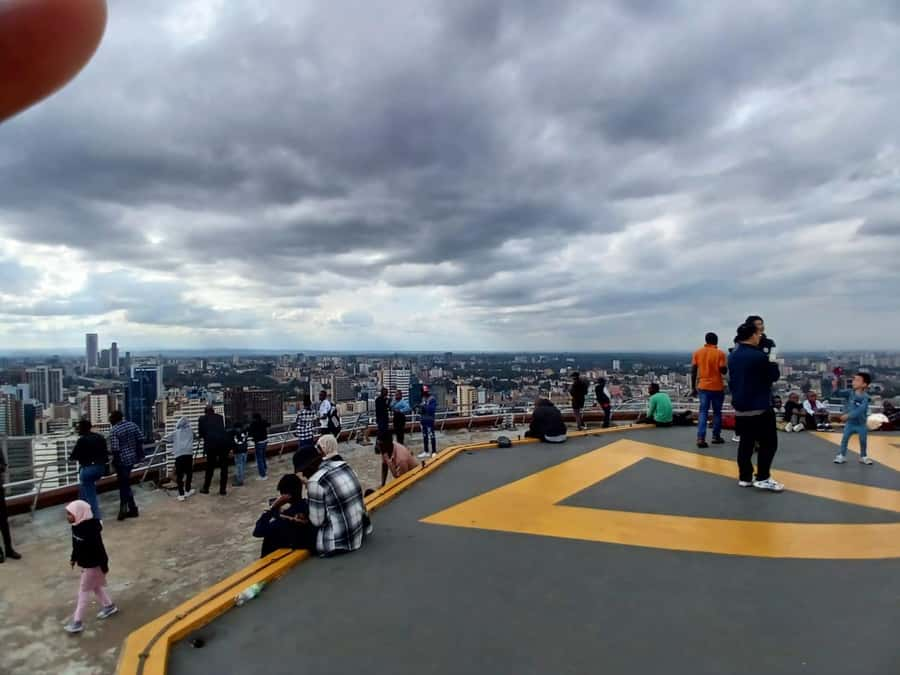
- KICC provides the big finish: The rooftop viewing deck offers broad views of Nairobi, weather and access permitting.
- The guides shape the day: Michael grew up in Nairobi, while David is noted for adjusting the walk around your priorities.
- Plan for a real city walk: Comfortable shoes and clothes matter, and personal food costs plus the $5 KICC fee are extra.
Starting quietly at Jevanjee Gardens
The three-hour walk begins at Jevanjee Gardens, a useful contrast to the traffic and office blocks around central Nairobi. The gardens give you a softer opening, with trees, plants, and places where local people gather to rest and talk.
I like starting here because it lets you ease into the city. You are not dropped straight into a crowded market or asked to absorb a list of dates. Instead, the guide can set the scene and introduce Nairobi through its public spaces and daily routines.
This is also a good place to pay attention to the pace. A walking tour works best when you are willing to stop, look around, and ask questions. The route is not a fast transfer between attractions. You will be on your feet for much of the three hours, so comfortable shoes are more than a minor suggestion.
The tour includes hotel pickup and drop-off, which helps if you are staying outside the central area. The supplied information does not specify the vehicle type or pickup time, so confirm those details when you book. Once the walk begins, the focus is on the streets themselves.
More Walking Tours in Nairobi
- Nairobi: Historic and Modern Highlights Walking Tour
★ 4.8 · 703 reviews - Nairobi Historical Walking City Tour
★ 5.0 · 258 reviews - Nairobi Walking tour:Explore History Culture and Traditions
★ 4.8 · 222 reviews
City Market, where food and language meet
From Jevanjee Gardens, the route continues to City Market. This is one of the most useful stops for getting a feel for Nairobi beyond its formal sights. You can see handicrafts, fresh produce, vendors, and food stalls in one place.
The food element is practical rather than a full meal. Street food and drinks are not included in the price, so bring money if you want to taste something. That arrangement gives you choice, but it also means you should not assume the $32 covers lunch or snacks.
The guide also introduces Swahili here. Even a few phrases can change the tone of a city visit. You get to connect language with the people and places around you instead of treating Nairobi as a series of buildings. Ask your guide to repeat words slowly and explain when they are used. The tour is offered in English, Swahili, and French, so language needs are worth confirming before you reserve.
City Market can feel busy and sensory, with vendor calls, food smells, colorful displays, and people moving through narrow spaces. That is part of its appeal, though anyone who prefers quiet, carefully arranged attractions may find this stop demanding. Keep your belongings close, and leave jewelry at the hotel. The rules specifically advise against wearing jewelry, and simple clothing is the sensible choice for a walking tour.
One strength of this stop is its room for personal choice. You can focus on food, produce, crafts, or conversation. David, one of the guides associated with the experience, has been described as asking about priorities and shaping the walk around them. That is exactly the approach I would want here. A market visit is better when the guide responds to your curiosity rather than rushing you through every aisle.
The National Archives puts Nairobi in context

The Nairobi National Archives follows the market. This stop shifts the tour from present-day street life to Kenya’s past, with artifacts, photographs, and documents.
The Archives matter because a city walk can otherwise become a string of impressions: a garden, a market, a tower, and a view. The collection gives those impressions some context. You can connect Nairobi’s public life and architecture to the people, events, and institutions that shaped the country.
How much you get from this stop will depend on your guide and the time available. The full tour lasts three hours, and it also includes a market visit and KICC. You should expect an introduction rather than an extended museum study. If a particular period or subject interests you, ask about it directly.
This is where guide quality becomes especially important. One guide received praise for growing up in Nairobi and explaining the city’s past in a personal way. Michael, a student guide, was able to add local perspective and explain what he knew about the city. That does not mean every guide will offer the same depth. One French-speaking guide was described as friendly and fluent but light on explanation, so you should make your questions clear and take an active role.
That variation is worth considering before you book. The tour is not built around an audio system, a fixed lecture, or a large professional guiding team. The person leading you can make the difference between a pleasant walk and a genuinely useful introduction to Nairobi.
Walking through the central business district

After the Archives, the route heads toward the Kenyatta International Conference Centre. This section lets you see Nairobi as a working capital, not only as a sightseeing destination.
The city center brings together offices, public buildings, shops, traffic, and pedestrian movement. You will see how the formal side of Nairobi connects with the markets and public gardens visited earlier. The value is in the change of setting. Within a few hours, you move from a green public space to food stalls, a cultural collection, and a major conference building.
The route follows central streets, so expect an urban walk rather than a nature outing. The information does not give a precise distance, accessibility details, or group size. If you have mobility concerns, ask before paying. The tour is not suitable for people over 95, and the emphasis on walking means you should judge it by your own comfort and stamina.
A pair of comfortable shoes is essential. Comfortable clothes are also recommended. Avoid alcohol and drugs, and do not wear jewelry. These rules are easy to follow and fit the practical nature of the tour.
The included bottled water is useful in a three-hour walk, while portable Wi-Fi can help you stay connected as you move around the city. Those extras are modest, but they add value if you are arriving without local connectivity. They do not replace bringing money for food or the KICC admission fee.
More history walks around Nairobi:
- Full Day Nairobi Cultural and Historical Tour
★ 5.0 · 153 reviews - Nairobi Cultural and Historical City Tour with a Local
★ 5.0 · 67 reviews - Nairobi souvenir Shopping and Historical Half day Tour
★ 5.0 · 61 reviews - Nairobi History and Modern Culture 3 Hours Tour
★ 4.5 · 31 reviews
KICC rooftop views, with one important condition

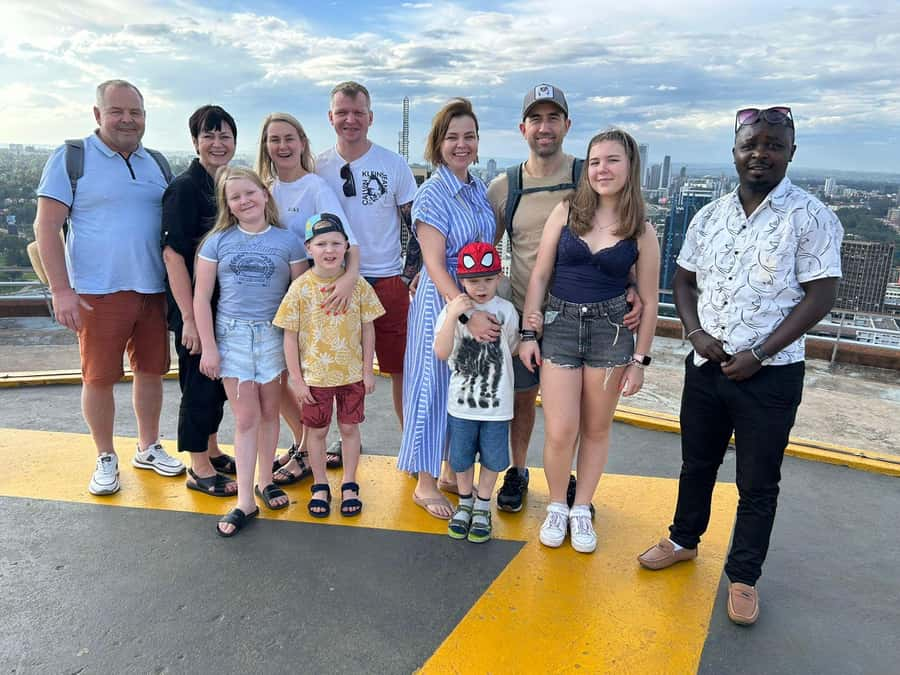
KICC is the visual finale. The building is one of Nairobi’s best-known modern landmarks, and the rooftop viewing deck gives you a broad look over the city.
I like ending here because the view helps you make sense of the route. From above, the streets, buildings, and public spaces you have just crossed become part of one picture. It is a stronger finish than simply returning to a hotel after the Archives.
The admission fee is not included. Budget an additional $5 per person for the rooftop. The tour information presents this as an expected extra, but an event has prevented access on at least one occasion. In that situation, the guide still continued with the city walk and tried to make the day worthwhile, but you should not book solely for the rooftop.
Weather and access can also affect what you see, although no specific weather policy is provided. Treat the viewing deck as an important benefit, not an absolute promise. If the tower is open, it should be one of the clearest moments of the tour. If it is closed, the market and Archives carry more of the day’s value.
What the $32 price really covers

At $32 per person, this is priced as a guided city introduction rather than a luxury private outing. The cost includes hotel pickup and drop-off, a guide, bottled water, portable Wi-Fi, and three hours of walking.
The pickup is valuable if you are unfamiliar with Nairobi or staying away from the starting point. It removes the need to arrange your own way to Jevanjee Gardens, though you should confirm the pickup details in advance. The guide is the central part of the value. A strong guide can connect the gardens, market, Archives, and KICC into one story.
The price does not include personal expenses, food, drinks, or the $5 KICC rooftop admission. If you want to eat at City Market, plan for that separately. The final cost remains reasonable, but it is not an all-inclusive food tour.
I would judge the value by your goals. If you want a broad first look at central Nairobi, local conversation, market time, and a skyline view, the package makes sense. If you want a long museum visit, extensive food tastings, or guaranteed access to KICC, you may find the format too limited.
You can reserve now and pay later, which helps if your plans are still changing. Cancellation is allowed up to 24 hours before the tour for a full refund. That flexibility is useful, especially since central-city access can sometimes change around events.
The guide can make or break the walk

This experience depends heavily on the person holding the conversation together. The supplied guide information names Michael and David in connection with successful outings, but it does not guarantee which guide you will receive.
Michael grew up in Nairobi and has a student background. His strength is local context and the ability to explain the city from personal experience. David is noted for being punctual, trustworthy, willing to ask about priorities, and open to adding an extra walk away from the main roads. He also handled a souvenir market without turning it into a hard-sell stop, which is a useful sign for anyone wary of pressured shopping.
There is also a more cautious lesson. French fluency alone does not guarantee a detailed tour. If your guide is not giving you enough context, ask specific questions about the buildings, market customs, and city history. The format gives you room to steer the discussion.
I would book this for someone who enjoys conversation and flexibility. You will get more from it if you ask questions and tell the guide what interests you. It is less suited to someone who wants a fixed script with the same depth at every stop.
Who should book this Nairobi walking tour
This tour suits a first visit to Nairobi, especially if you want to orient yourself in the central district within one morning or afternoon. It combines public spaces, food, culture, architecture, and views without requiring a full day.
It also suits people who prefer walking to sitting in a vehicle. You see the transitions between places, not just the attractions at either end. That gives you a more direct sense of central Nairobi, though it also requires energy and sensible footwear.
Food-minded visitors should like City Market, but remember that tasting is at your own cost. Language learners may enjoy the Swahili practice. History-minded visitors will value the Archives, though the limited three-hour schedule means you should not expect a full museum session.
I would be more cautious if your main goal is the KICC rooftop. The extra $5 is small, but access has been blocked by an event before. The tour remains worthwhile without it, yet the view should not be your only reason for booking.
Practical advice before you reserve

Wear shoes that can handle several hours of city walking. Choose comfortable, simple clothes, leave jewelry behind, and bring some money for food, drinks, and the KICC fee.
Confirm your preferred tour language and ask which guide is assigned if that matters to you. English, Swahili, and French are available, but the quality of explanation may vary by guide. If you have a particular interest, such as markets, architecture, or Kenya’s past, say so early.
Keep your schedule reasonably flexible. An event at KICC can change the rooftop portion, and city conditions may affect the exact flow of the walk. The reserve-now, pay-later option and 24-hour cancellation policy give you some room to adjust.
Should you book it?
Book this tour if you want a practical first look at Nairobi with real street time, a market stop, basic Swahili, a museum visit, and a possible rooftop view. The strongest parts are the central route and the chance to have a local guide shape the walk around your interests.
Go in with measured expectations. This is not a food-inclusive tour, a long museum visit, or a guaranteed KICC access pass. At $32, it offers solid value when your priority is seeing several sides of Nairobi in three hours, especially if you appreciate an informal guide and a genuine city walk.
FAQ
How long does the Nairobi walking tour last?
The tour lasts approximately three hours.
Where does the tour begin?
The walking portion begins at Jevanjee Gardens in central Nairobi.
What places are included in the route?
The route includes Jevanjee Gardens, City Market, the Nairobi National Archives, and the Kenyatta International Conference Centre, including its rooftop viewing deck when access is available.
Is the KICC rooftop entrance included?
No. The rooftop entrance costs an additional $5 per person.
Are food and drinks included?
No. Food, drinks, and personal expenses are not included. You can purchase street food and other items at City Market separately.
Which languages are available?
The tour is offered in English, Swahili, and French.
What should I bring?
Bring comfortable shoes and comfortable clothes. Jewelry, alcohol, and drugs are not allowed.
Just added around Nairobi
- Visit kibera Slum the chocolate city★ 4.8 · 3 reviews
- Day Tour to Nairobi national park, Elephants, and Giraffe Center★ 3.5 · 8 reviews
- Explore local Market matatu ride & Make Kenyan Cuisines with a home cook★ 5.0 · 8 reviews
- Kibera Slum Tour with a Local★ 5.0 · 15 reviews
- Urban Forest Tour in Nairobi★ 5.0 · 7 reviews
- Vegans special safari★ 4.5 · 4 reviews
- Private Mini Safari Tour in Nairobi★ 5.0 · 6 reviews
- Private Kenyan Cooking Class in Nairobi with a Local★ 5.0 · 3 reviews
Historical Tours, compared.

Nairobi: Historic and Modern Highlights Walking Tour
Read our review →

Nairobi Walking tour:Explore History Culture and Traditions
Read our review →

Nairobi Cultural and Historical City Tour with a Local
Read our review →
Nairobi souvenir Shopping and Historical Half day Tour
Read our review →

Half-Day Cultural Tour to Bomas of Kenya in Nairobi
Read our review →Browse the lists this tour appears in