
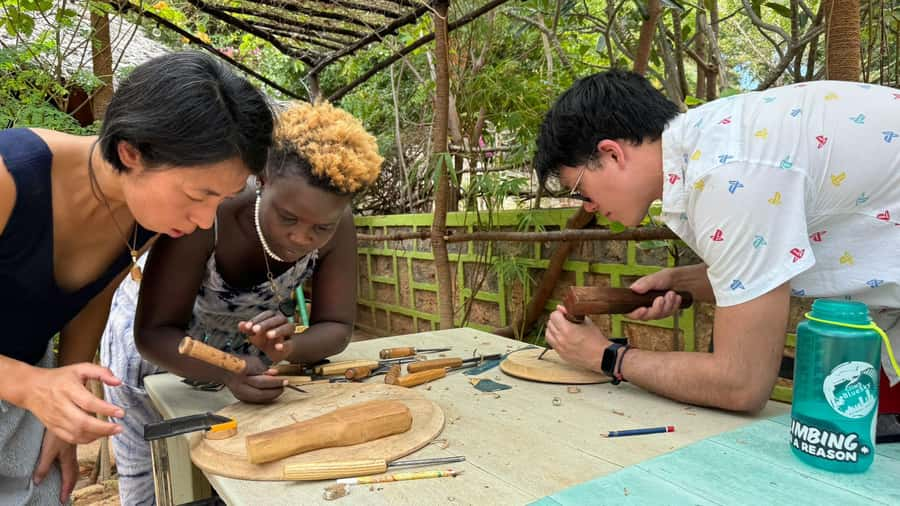
Reviewed · KENYA
Beginner Swahili Woodcarving Classes with Woman Woodcarver
The most unusual part of this Lamu experience is its teacher: Almasi is described as the only woman woodcarving teacher on Lamu Island. In a three-hour private class, she shows you traditional Swahili carving methods and helps you shape a handmade souvenir of your own.
I like two things here. First, you learn by doing, not by watching a quick demonstration and leaving with a factory-made trinket. Second, the class has a calm, personal feel, with refreshments included and the option to meet at the Earth Love Healing Center Garden in Shela or at your hotel. The main consideration is that woodcarving takes patience, and the class is not suitable for children under five or people with mobility impairments.
Key points to know before booking

- Learn from Almasi: You get direct instruction from Lamu’s only woman woodcarving teacher.
- Make your own souvenir: Each participant creates a handmade item to take home.
- Plan three quiet hours: The class is about patience, careful tool use, and steady progress.
- Choose your setting: Meet at the Earth Love Healing Center Garden in Shela, or request a class at your home or hotel.
- Bring simple sun protection: A hat, sunscreen, water, and comfortable clothing are recommended.
- Expect a private class: The activity is for a private group and is taught in English or Swahili.
A hands-on look at traditional Swahili carving
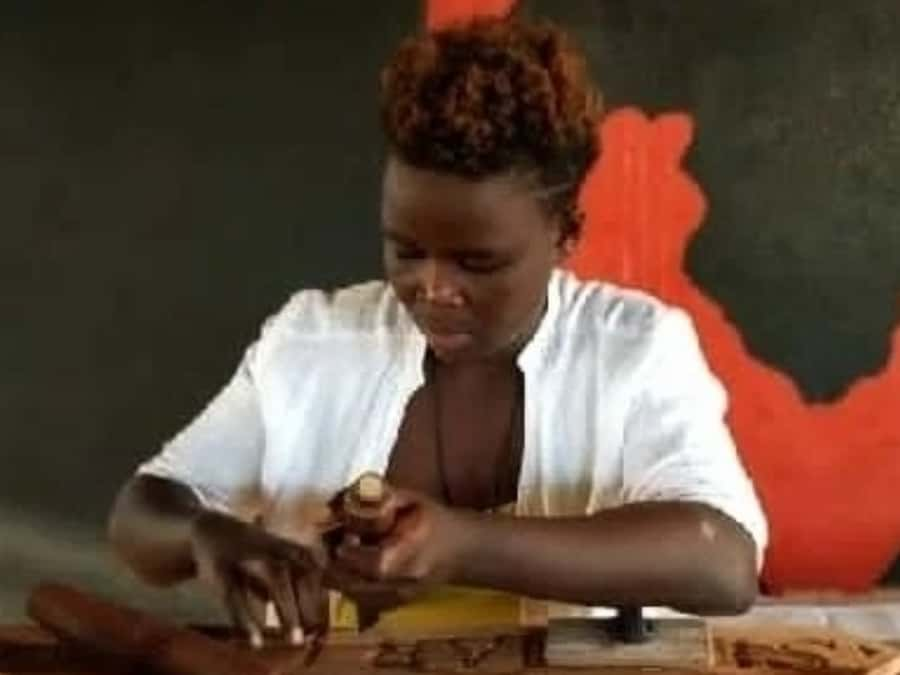
This is not a sightseeing stop with a short craft demonstration added on. You sit down with wood, tools, and a teacher, then work through the basics yourself.
Almasi teaches traditional Swahili woodcarving techniques passed through generations. The supplied details do not specify the exact design or type of wood used, so you should not book expecting one particular finished object. The useful point is that you create your own souvenir during the lesson, with guidance suited to beginners.
That makes the activity a good fit if you want a keepsake with a story attached. You will remember the time spent learning how to handle the tools, make careful cuts, and follow the shape of the wood. The finished piece may not look like a professional carving, and that is part of the charm. It shows your hand in the work.
The class is suitable for adults and children over five. Younger children are excluded, and the activity asks for enough patience and attention to use carving tools safely. Parents should consider their child’s ability to sit, listen, and work slowly before booking.
Other Kenya trips travellers book alongside this one:
- Nairobi National Park Half-Day Tour; Free Wi-Fi connection
★ 5.0 · 878 reviews - Nairobi: National Park & Optional Elephants & Giraffe Center
★ 4.8 · 874 reviews - NAI NAMI: Nairobi Storytelling Tour with Street Children
★ 5.0 · 792 reviews
Meeting Almasi at Peponi Hotel
The stated meeting point is Peponi Hotel. Ask at the counter, and staff will point out your guide.
This is a simple arrangement, but it matters in Shela, where a clear meeting point saves time. If you plan to attend at the Earth Love Healing Center Garden, confirm the exact meeting details and start time when booking. The activity page says starting times depend on availability.
You can also request that Almasi come to your home or hotel. That option is useful for families, couples, or small private groups who prefer not to arrange another meeting point. It may also suit you if you are already settled into accommodation and want to keep the day easy.
The class is listed as a private group experience. That gives you a more direct connection with the instructor than a large workshop would. It also makes the activity a practical choice for friends or family who want to work together without being placed with strangers.
The Earth Love Healing Center Garden in Shela
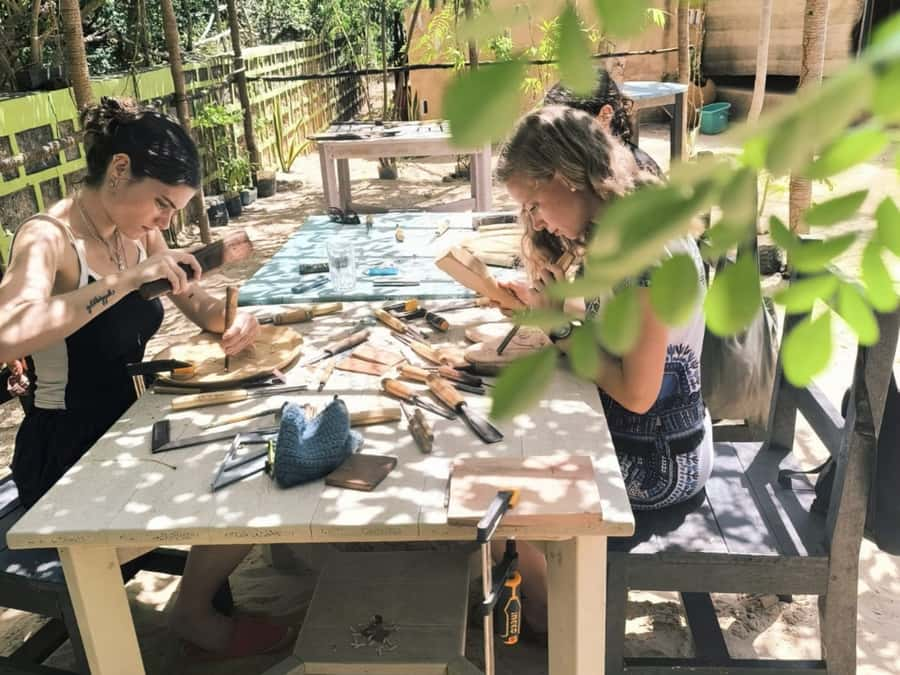
The usual class setting is the tranquil Earth Love Healing Center Garden in Shela, on Lamu Island. A garden setting fits the pace of woodcarving: quiet, focused, and removed from the rush of a packed sightseeing schedule.
You should expect the value of the location to come from atmosphere rather than from a long list of formal attractions. The class is about sitting down and paying attention to a local craft. If you have spent the morning walking around Lamu or exploring the coast, this gives you a slower change of pace.
The available information does not promise a particular garden view, shade level, or seating arrangement. Bring a hat, sunscreen, and water, especially if your class takes place outdoors. Comfortable clothes are sensible too, since you will be working with your hands for several hours.
If you prefer the convenience of your accommodation, ask for the hotel option in advance. The class can be conducted at your home or hotel upon request, but the details of the space and setup will need to be agreed with Almasi.
What happens during the three-hour lesson
The class lasts three hours, long enough to move beyond a quick introduction and spend real time practicing. You do not need prior carving experience. Almasi provides the necessary materials and tools, so you can arrive without assembling a craft kit.
A beginner lesson will likely involve an introduction to the tools and basic methods, followed by guided practice. The supplied information does not give a fixed minute-by-minute plan, so the exact pace may depend on your group, age, and progress. That flexibility is helpful if a child needs more explanation or an adult wants to take extra care with the work.
The central lesson is patience. Carving is not a task to rush, and the strongest part of this experience is the chance to work at a slower pace under calm guidance. Almasi’s teaching style is described as attentive, patient, warm, and serious about the craft. Those qualities matter when you are holding a carving tool for the first time.
Expect to ask questions as you work. The class is taught in English and Swahili, so you can choose the language that makes instruction clearest for your group. The goal is not only to finish an object, but also to understand something about the care and skill behind traditional Swahili carving.
Same corner of Kenya, a completely different kind of day:
- Nairobi National Park Half-Day Game Drive
★ 4.5 · 738 reviews - Nairobi: Historic and Modern Highlights Walking Tour
★ 4.8 · 703 reviews - Safari Tour; Nairobi National Park
★ 4.5 · 594 reviews - 3 Days Masai Mara Group Joining
★ 5.0 · 486 reviews
Why learning from a woman woodcarver matters
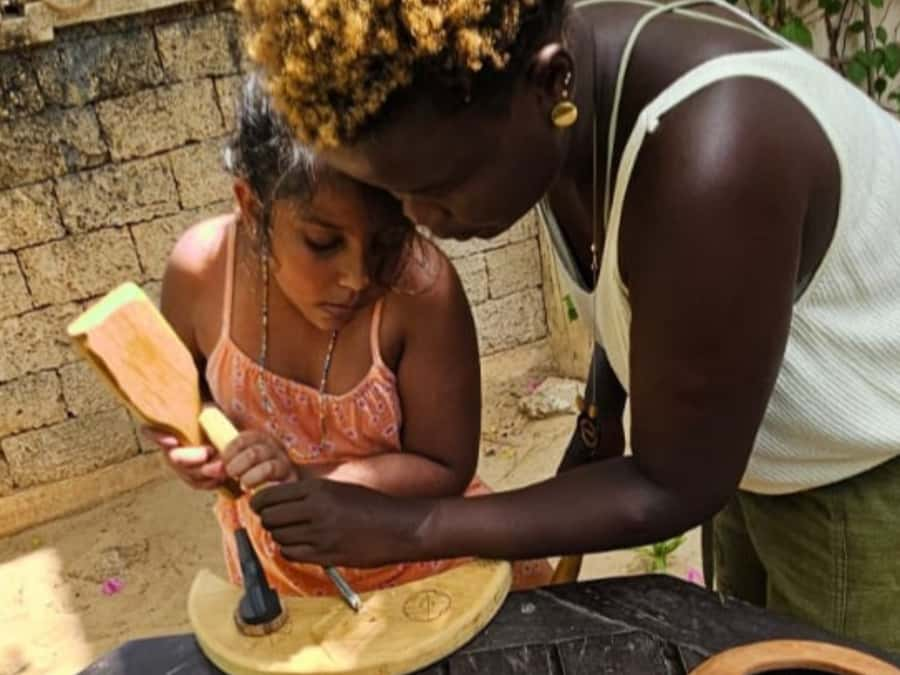
The activity’s most distinctive human detail is Almasi herself. She is presented as the only woman woodcarving teacher on Lamu Island, giving this class a perspective you are unlikely to get from a standard souvenir shop visit.
That does not mean the class turns into a lecture about gender or the craft trade. The focus remains on learning to carve. Still, meeting a local woman artist and supporting her teaching work adds meaning to the price and to the souvenir you take home.
Almasi’s role is both artist and instructor. Those are different skills. A talented maker is not always a clear teacher, but this class is built around explaining tool use and helping beginners gain confidence. The personal instruction is especially valuable if you have never worked with wood before.
You should also expect a lesson in working slowly. Wood does not respond well to force or haste. The experience can be grounding because it asks you to concentrate on one small task rather than trying to see everything Lamu has to offer in a single day.
Your handmade souvenir and what it is worth

At the end of the lesson, you keep your own handmade souvenir. This is a stronger memento than buying a carved object from a market because you know how it took shape and what you learned along the way.
The finished piece may be simple, especially if you are a first-time carver. Do not judge the experience only by whether your work looks polished. The point is to learn a traditional technique and leave with something connected to your own effort.
At $75 per person, the class is not the cheapest way to acquire a souvenir. If all you want is a carved object, a shop will likely be the more direct choice. The price makes more sense when you count the three hours of private instruction, the tools and materials, refreshments, and the finished piece.
It also covers something a shop cannot provide: time with a local artist. You are paying for access to a skill, not only for wood. For a couple, family, or group of friends, the private format can make the cost feel more worthwhile because you share the lesson and the finished memories.
The refreshments and the human touch
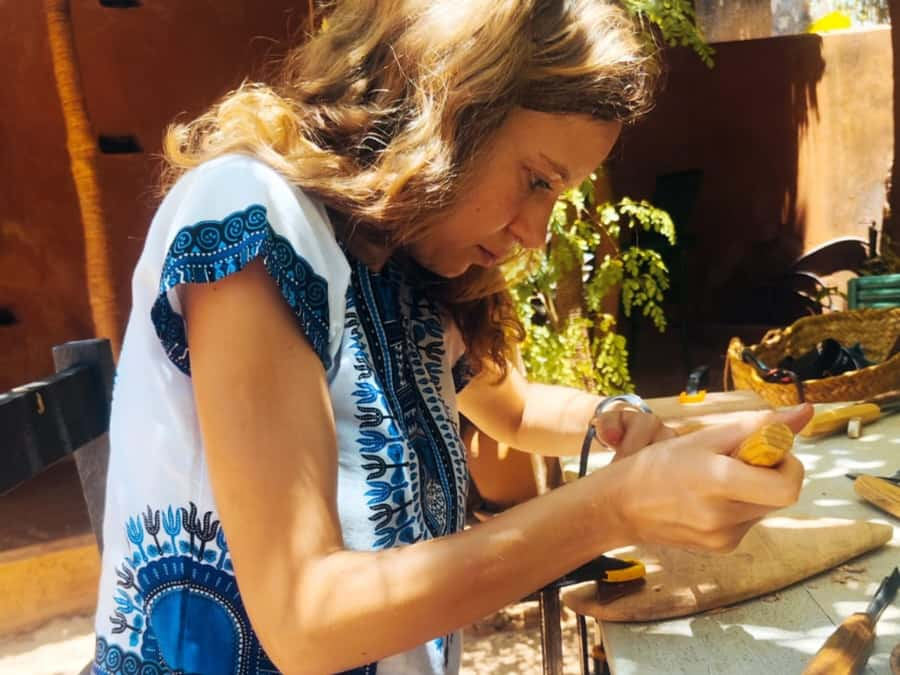
Refreshments are included, and they add a small but welcome social element. One class also included a snack shared by Almasi, which made the meeting feel warm and personal.
Do not expect a full meal. Refreshments are a modest inclusion, not a replacement for lunch. Plan your meals separately, especially if you book the class around other activities.
Still, this detail helps explain the character of the experience. The lesson is not presented as a rushed commercial transaction. There is room for conversation, a break, and a friendly connection with the person teaching you.
That warmth is worth noting because craft classes can vary widely. Some are tightly timed and impersonal. Here, the teaching style is described as supportive and patient, which should help nervous beginners feel at ease.
Who should book this class

I would recommend this class to several kinds of visitors:
- First-time carvers: You receive the tools, materials, and beginner instruction in one place.
- Families with older children: Children over five can take part, provided they can focus and use tools responsibly.
- Couples and friends: A private group gives you a shared project rather than another passive activity.
- Culture-focused visitors: You learn a traditional local craft directly from a Lamu teacher.
- Slow-travel fans: The three-hour pace rewards attention instead of rushing from one stop to another.
- Souvenir hunters who want meaning: Your keepsake is linked to your own work.
I would be more cautious if you have limited patience for repetitive handwork or want a short, high-energy activity. The class is not designed as a quick photo opportunity. You need to be comfortable with careful instruction and gradual progress.
The activity also has a stated restriction for people with mobility impairments. It is listed as wheelchair accessible, but that appears alongside the note that it is not suitable for people with mobility impairments. If access is important for you, contact the provider before booking and ask about the exact seating, surface, and tool setup.
Practical preparation for a comfortable class
Bring a hat, sunscreen, water, and comfortable clothes. These are simple items, but they matter if the class is held in the garden or another outdoor setting.
You do not need to bring carving tools or materials. Almasi supplies what is needed for the lesson. That makes the experience easy to add to a Lamu stay, particularly if you are traveling light.
Wear clothes you can work in without worry. The class involves wood and tools, and comfortable clothing will help you stay focused. The available details do not state whether protective equipment is supplied, so ask about safety arrangements if you have concerns.
The activity is offered in English and Swahili. If your group includes children, tell Almasi their ages when arranging the class. The lesson is for beginners, but the pace and explanation style may be adjusted more easily when she knows who is coming.
Timing, cancellation, and booking flexibility
The class runs for three hours, with start times based on availability. Allow enough room in your day so you do not need to cut the lesson short for another reservation.
You can cancel up to 24 hours in advance for a full refund. The reserve now and pay later option also helps if your Lamu schedule is still taking shape. These policies are useful on a coastal trip, where weather and transport plans can affect the day.
Because the activity is private, it is sensible to confirm the group size, meeting point, class location, and hotel visit option before your date. The standard meeting point is Peponi Hotel, but you may ask for the garden or your accommodation.
What the strongest praise tells you
The clearest strength is Almasi’s teaching manner. She is described as attentive, patient, kind, and calm, with a willingness to explain how to use each tool. That is exactly what a beginner needs.
The second strength is the reflective nature of the work. Carving requires patience and cannot be rushed. If you want an activity that gets you away from a phone and into a physical task, this class has a real advantage.
The third is the personal welcome. Refreshments and a shared snack add a friendly touch, but the larger value is the chance to meet the artist and hear about a craft passed down through generations.
The small sample of ratings is perfect, with three five-star ratings. That is encouraging, though it is still a small number of responses. I would treat the consistent praise for Almasi’s patience and warmth as the most useful signal, rather than assuming every participant will produce a professional carving.
Should you book the Swahili woodcarving class?
Book it if you want a personal cultural activity, enjoy making things with your hands, and value a souvenir that carries your own effort. The three-hour private format, direct teaching from Almasi, included materials, and refreshments make the $75 price reasonable for a craft lesson rather than a simple purchase.
Skip it if you want a fast activity, dislike careful handwork, or only need a cheap gift. Families should also check that children are over five and ready to work patiently with tools.
For most visitors who want to slow down and connect with Lamu through a local craft, this is a thoughtful choice. Confirm the accessibility details and meeting location before you go, then arrive ready to work slowly. That is where the value lies.
FAQ
Where does the woodcarving class take place?
The class is held at the Earth Love Healing Center Garden in Shela, Lamu Island. You can also request the class at your home or hotel.
Where do I meet the instructor?
The stated meeting point is Peponi Hotel. Ask at the counter, and staff will point out the guide.
Who teaches the class?
Almasi teaches the class. She is described as the only woman woodcarving teacher on Lamu Island.
How long does the class last?
The class lasts three hours.
How much does the class cost?
The price is $75 per person.
Is the class suitable for beginners?
Yes. The class is designed for beginners and is suitable for both adults and children over five.
Are tools and materials provided?
Yes. Almasi provides all necessary materials and tools for the class.
Do I take home something I make?
Yes. Each lesson includes your own handmade souvenir to take home.
What languages are spoken during the class?
The class is offered in English and Swahili.
What should I bring?
Bring a hat, sunscreen, water, and comfortable clothes.
Can I cancel the booking?
You can cancel up to 24 hours in advance for a full refund.
Is the class wheelchair accessible?
The activity is listed as wheelchair accessible, but it also says it is not suitable for people with mobility impairments. Contact the provider before booking to confirm whether the setup meets your needs.
Just added around Kenya
- Watamu: Learn Kenyan Cusine with Jonathan★ 4.1 · 8 reviews
- WATAMU: MALINDI: SARDEGNA ISLAND & MALINDI MARINE PARK★ 4.5 · 9 reviews
- Watamu: Sunset Mangrove Canoe Tour with Coconut Drink★ 3.6 · 8 reviews
- Visit kibera Slum the chocolate city★ 4.8 · 3 reviews
- Tsavo East National Park: 2-Day Tour from Mombasa★ 3.9 · 5 reviews
- Lake Nakuru Day Trip Safari – & Optional Lake Naivasha Boat★ 5.0 · 5 reviews
- Lake Nakuru NP Half-Day Safari★ 4.0 · 4 reviews
- Tsavo East and Tsavo West Sanctuary Safari★ 5.0 · 3 reviews