
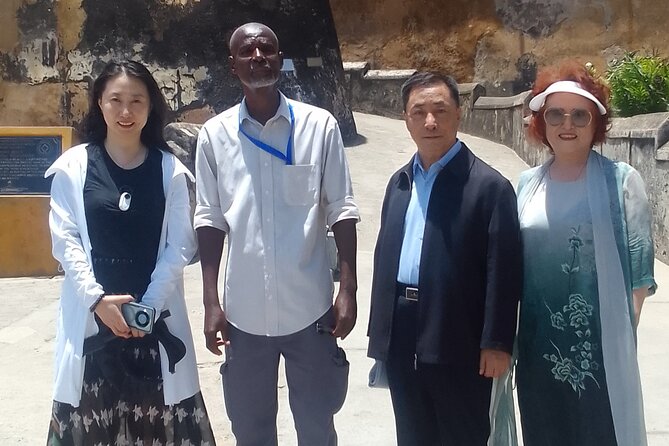
Reviewed · FORT JESUS & OLD TOWN TOURS
Visit to Fort Jesus and the Old Town of Mombasa
Fort Jesus is the heart of this Mombasa outing, but the best part is how quickly the tour moves beyond the fort walls. You’ll pass through Old Town’s narrow lanes, see the old port, browse Mackinnon Market, and finish beneath the city’s famous elephant tusks. Omar Juma leads the experience in English and French.
I like the mix of major sights and ordinary city life. I also like the small group limit of 10, which gives you room to ask questions and set a comfortable pace. The main drawback is that Fort Jesus admission costs extra, and the walking can feel hot, crowded, and tiring for young children.
Key points to know before you book
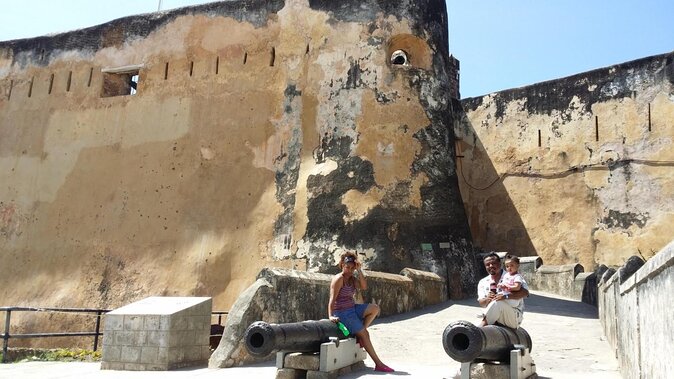
- Fort Jesus anchors the tour: See the Portuguese fort built in 1593 and visit its museum, with admission costing KSH 1,200.
- Old Town is explored on foot: Walk narrow lanes shaped by Swahili, Arab, Portuguese, British, and Indian influences.
- Omar Juma is the named guide: He speaks English and French and is praised for clear explanations, patience, humor, and flexibility.
- The route covers more than the fort: Stops include the old port, Mackinnon Market, a Hindu temple, and the Elephant Tusks.
- Tuk-tuk transport is included: This helps connect the stops and saves you from walking every stretch between them.
- Plan for a morning outing: The tour begins at 9:00 a.m., lasts about 3 to 4 hours, and ends near the Elephant Tusks on Moi Avenue.
Why Fort Jesus is the right place to begin
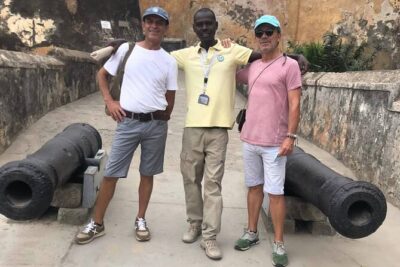
Mombasa’s story comes in layers, and Fort Jesus gives you the clearest first chapter. The Portuguese built the fort in 1593 to control the harbor and protect their interests along the East African coast. Today, it is a museum and a UNESCO World Heritage site, added to the list in 2011.
The stop is scheduled for about 40 minutes. That is enough time for an introduction to the fort and the city, but not enough for a slow, room-by-room museum visit if you want to read every display. I would treat this as a guided orientation rather than a full museum day.
Omar’s role matters here. A fort can be a pile of old walls unless someone explains who built it, who fought for it, and why its position mattered. The supplied information describes a guide who gives clear background on Mombasa, Kenya, local customs, and the people who shaped the coast. You should expect the strongest value from his storytelling and answers to questions, not just from pointing out the architecture.
The admission fee is KSH 1,200 and is not included in the $40 tour price. Bring this extra amount in your budget. The fort is the one stop where you pay separately, while the remaining listed stops are free.
More Fort Jesus and Old Town walks in Mombasa:
- Walking Tour Through Old Town Mombasa and Fort Jesus
★ 5.0 · 393 reviews - Mombasa: Tusks, Fort Jesus, Old Town, Beach and City Tour
★ 4.7 · 137 reviews - Fort Jesus Museum Walking Tour in Mombasa
★ 5.0 · 25 reviews
Walking through Old Town’s narrow lanes
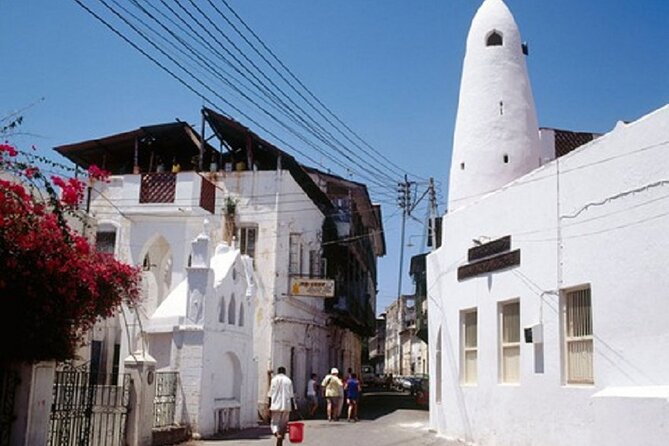
After the fort, the tour moves into Old Town for about 40 minutes. This is where the outing becomes less like a standard monument visit and more like a look at how Mombasa works as a living city.
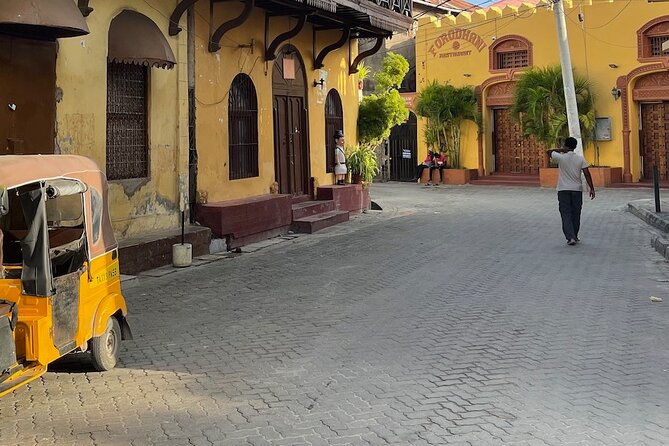
You’ll walk through tight streets toward the old port. The area reflects Swahili and Arab design, with older buildings, carved details, and streets that can feel confusing if you are seeing them for the first time. A guide is especially useful here because the lanes do not present their story in a neat order. Omar is described as someone who knows the passages well and can connect the buildings to the city’s past and present.
I like that this part is not limited to polished landmarks. You’ll see areas where people live and work, rather than only the pieces of Mombasa prepared for visitors. That gives the tour a more grounded feel. You can ask about current life in the Old Town as well as earlier Portuguese, Arab, and British influence.
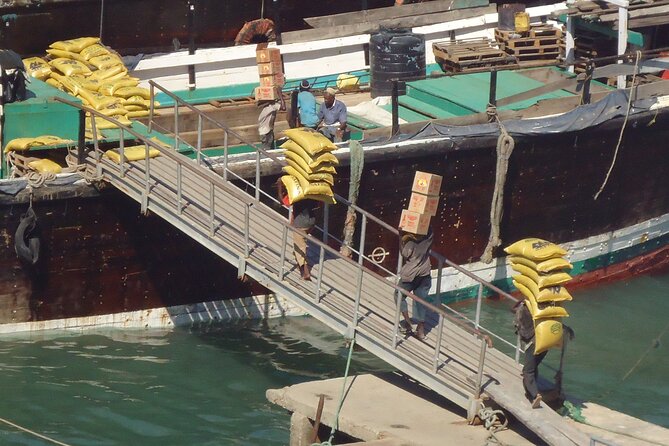
The old port is another useful stop because it explains why Mombasa mattered long before modern tourism. The route gives you a view of the historic harbor area, linking the fort to trade, travel, and the city’s place on the coast. The available details do not promise a long waterfront visit, so think of this as a short look rather than a harbor cruise or extended port walk.
The walk is free, but it is not effortless. Wear shoes that are comfortable on uneven streets, and expect heat. Omar has been described as attentive to shade, drinks, and the pace of the group, which is useful in a city where a short walk can feel much longer under the midday sun.
Mackinnon Market and the everyday side of Mombasa
Mackinnon Market receives about 35 minutes. This is the stop for seeing legumes, fruit, and spices, and it adds color and smell to a tour that could otherwise lean heavily toward stone buildings and historical dates.
The market was built by the English in 1914 and is presented as one of the liveliest places on the route. The exact shopping experience is not specified, so I would not book this expecting a formal food tasting or a dedicated shopping session. Instead, use the time to look closely at the produce, ask about local ingredients, and watch the daily exchange between sellers and customers.
Market visits are often where a city becomes easier to understand. Fort Jesus explains power and military control. Mackinnon Market shows what people buy, sell, cook, and carry. That contrast is one of the tour’s best features.
Keep your belongings secure and stay aware of other people in the market. The tour is small, but the setting may feel busy. If you want extra time for photographs or purchases, ask Omar early. The guide is described as flexible and willing to adjust the outing to personal interests when possible.
A Hindu temple that broadens the story
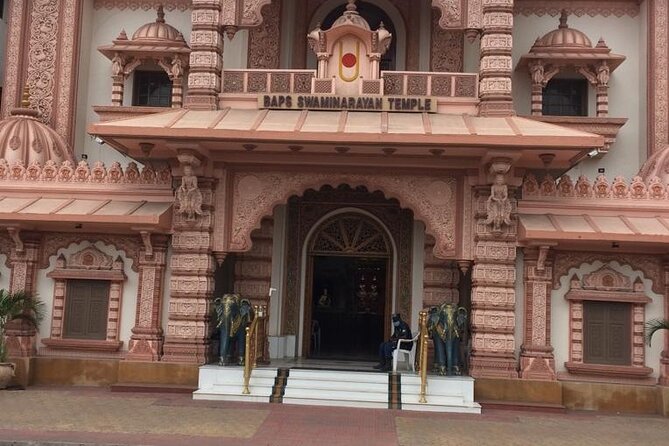
The Shri Cutch Satsang Swaminarayan Temple is scheduled for about 35 minutes. This stop introduces another strand of Mombasa’s identity, the Indian influence that is part of the city’s wider coastal story.
It is easy to think of Mombasa only through Portuguese forts and Swahili architecture. A Hindu temple makes the route more balanced. It reminds you that the city has long been shaped by movement across the Indian Ocean, not by one culture alone.
The available information identifies the stop as a visit to the temple but does not specify the entry rules, dress requirements, or whether a temple interior visit is always possible. Dress respectfully and follow any instructions given at the site. If the visit is mainly an exterior stop on your date, it can still help you see how several faiths and communities fit into Mombasa’s urban story.
For me, this is a worthwhile inclusion because it keeps the tour from becoming a simple Portuguese-British timeline. You get a broader view of the city’s cultural mix without adding another major ticket cost.
A few more Mombasa trips worth comparing
- Mombasa City Tour
★ 5.0 · 170 reviews - From Mombasa/Mtwapa/Diani/Tiwi: Tsavo East Full-Day Safari
★ 4.3 · 130 reviews - Half-Day Scenic Bike Tour
★ 5.0 · 75 reviews - Mombasa: Guided Nature Walk Amongst Giraffes
★ 4.8 · 48 reviews
Pembe Mbili and the Elephant Tusks
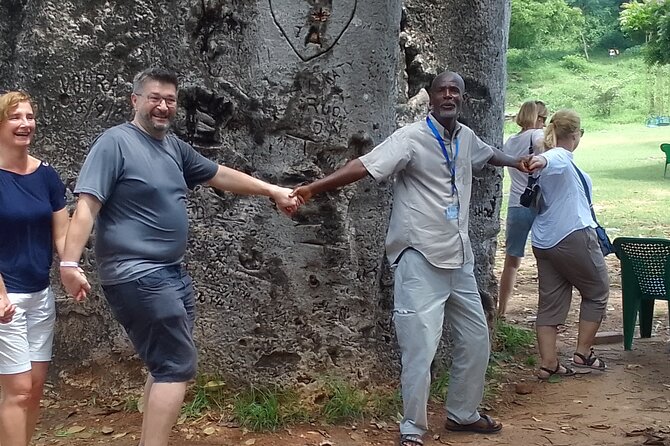
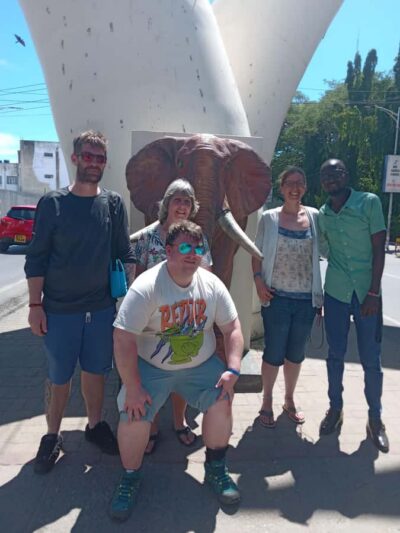
The final stop is Pembe Mbili, also known as the Four Elephant Tusks. The landmark sits on Moi Avenue, opposite Uhuru Gardens, and the tour ends there after about 30 minutes.
The tusks were erected in 1952 for the arrival of Queen Elizabeth II. They are among Mombasa’s most recognizable public symbols and make an easy final stop because they sit along a major city road. You’ll have a chance to see the monument, take photographs, and finish close to central Mombasa rather than returning to Fort Jesus.
This ending also gives the tour a useful change of scale. Fort Jesus is enclosed and defensive. Old Town is intimate and full of side streets. The Elephant Tusks are large, open, and built for public display. Together, the stops show how Mombasa presents different periods of its past.
The name Pembe Mbili can be confusing because the landmark is commonly known as the Four Elephant Tusks. Confirm the exact meeting and ending point when booking so you know you are heading to Moi Avenue opposite Uhuru Gardens, not back to the fort.
What the guide adds to the experience
The named guide is Omar Juma, and he is the main reason this tour appears suited to curious visitors rather than people who only want a quick photo stop. He guides in English and French, and the information supplied about his work emphasizes his calm manner, clear speech, humor, and patience with questions.
That combination is important. Mombasa’s past includes several outside powers, changing traditions, and cultural details that can be hard to sort out on your own. A good guide can keep the timeline understandable while also explaining present-day life.
You can also expect a conversational tour. Omar is described as adjusting the pace, responding to questions, taking photographs, and paying attention to practical needs such as shade and drinks. Some participants have asked to add places, and he has accommodated those requests when possible. Do not assume every extra stop is guaranteed, but it is reasonable to explain your priorities at the start.
The guide’s French is a useful bonus for French-speaking visitors. English is also listed, and the feedback provided describes his English as fluent and easy to follow. If you are traveling alone, the personal, question-friendly format may be more comfortable than joining a large bus group.
How the tuk-tuk changes the pace
Transportation by tuk-tuk is included. This is a practical detail, not just a novelty. The route combines walking in Old Town with several separated stops, so the tuk-tuk reduces the amount of street walking between sights.
You will still walk for about 40 minutes in Old Town and spend time moving through the fort and market. The tuk-tuk does not turn this into a sightseeing ride where you remain seated. It simply makes the three to four-hour route more manageable.
The group maximum is 10 people. That is small enough for a guide to hear your questions and keep the group together, though the exact number on your date may vary. A small group also helps in narrow Old Town streets, where a large crowd would be awkward.
The starting point is Fort Jesus at 9:00 a.m. The published end point is Pembe Za Ndovu, the Elephant Tusks, on Moi Avenue. Since the tour starts and ends in different places, plan your onward transport from the final stop. The route is near public transportation, which helps if you are continuing into central Mombasa.
Is $40 a fair price?
At $40 per person, this is a reasonable price if you want a guide, tuk-tuk transport, and several connected sights in one morning. The cost becomes more attractive for visitors who would otherwise need to arrange separate transport between Fort Jesus, Old Town, the market, the temple, and Moi Avenue.
You must add KSH 1,200 for Fort Jesus admission. The other listed admission charges are free, so this is the main extra cost to plan for. The tour does not include food, drinks, or shopping, and no meal or tasting is promised.
Value depends on what you want. If you only want to see Fort Jesus and take a few photographs, booking a three to four-hour guided route may be more than you need. If you want context, local streets, a market, and a guide who can answer questions about Kenyan and Mombasa life, the price makes more sense.
I especially like that the tour does not stop at the most famous monument. The old port, Mackinnon Market, Hindu temple, and Elephant Tusks give you a wider view for the same guiding fee.
Who should book this Mombasa tour?
I would recommend it to first-time visitors who want an introduction to Mombasa without arranging each stop themselves. It suits history-minded visitors, photographers, solo travelers, and anyone who prefers a conversation with a local guide over a large scripted group.
It is also a good choice if you speak French or English and want to ask plenty of questions. Omar’s patience and willingness to follow the group’s pace are especially useful for visitors who want explanation rather than a rushed checklist.
I would think twice if you are traveling with small children. The experience is specifically not recommended for children, and the combination of heat, walking, narrow streets, and market traffic may be tiring. Anyone with limited tolerance for walking should also ask about the route before booking, since the tuk-tuk does not eliminate the walking sections.
Book at least a day ahead if your plans are firm. The experience is often reserved well in advance, with an average booking lead time of 36 days. You can cancel for a full refund up to 24 hours before the 9:00 a.m. start. Cancellations or changes within 24 hours are not refunded or accepted.
Should you book it?
Book this tour if you want Mombasa explained through both monuments and daily life. Fort Jesus is the anchor, but the market, old port, temple, and Old Town streets are what give the morning its range.
Skip it if you want a private museum visit, a beach outing, or a slow tour focused only on architecture. For most first-time visitors, though, the combination of Omar’s clear guiding, tuk-tuk transport, and a small group offers a practical way to meet Mombasa in three to four hours.
FAQ
How long does the Fort Jesus and Old Town tour last?
The experience lasts approximately 3 to 4 hours.
What time does the tour begin?
The tour begins at 9:00 a.m. at Fort Jesus Museum on Nkurumah Road in Mombasa.
Is Fort Jesus admission included?
No. Admission to Fort Jesus costs KSH 1,200 and must be paid separately. The other listed stops have no admission fee.
Where does the tour end?
The tour ends at Pembe Za Ndovu, also called the Four Elephant Tusks, on Moi Avenue opposite Uhuru Gardens.
Is transportation included?
Yes. Tuk-tuk transportation and guide fees are included in the tour price.
How many people can join the tour?
The maximum group size is 10 people.
Can I cancel for a full refund?
Yes. You can cancel at least 24 hours before the local start time for a full refund. Cancellations and changes made less than 24 hours before the start are not accepted and are not refunded.
Just added around Mombasa
- 7-Day Private Tour in Kenya National Parks From Nairobi / Mombasa★ 5.0 · 3 reviews
- Fort Jesus Sound and Light show Mombasa★ 4.0 · 17 reviews
- 4 Days Mount Kenya Trekking★ 5.0 · 6 reviews
- Shore Excursion: Full-Day Mombasa City Tour★ 4.5 · 11 reviews
- Swahili Street Food Tour★ 5.0 · 7 reviews
- Private Transfer from Mombasa★ 5.0 · 6 reviews
- PRIVATE: MOMBASA FULL DAY TOUR and EXCURSUION★ 4.5 · 3 reviews
- Mombasa Full Day Tour★ 4.5 · 6 reviews
Fort Jesus & Old Town Tours, compared.
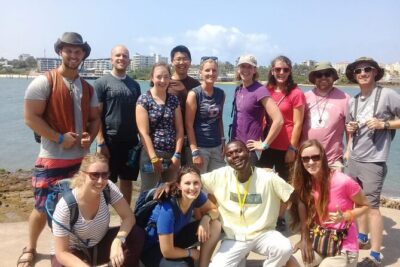
Walking Tour Through Old Town Mombasa and Fort Jesus
Read our review →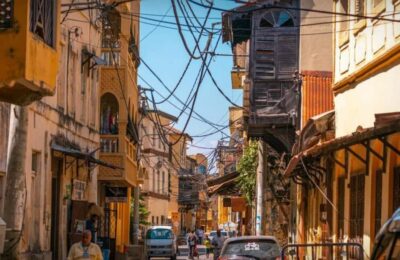
Mombasa: Tusks, Fort Jesus, Old Town, Beach and City Tour
Read our review →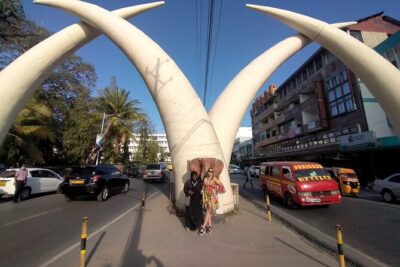
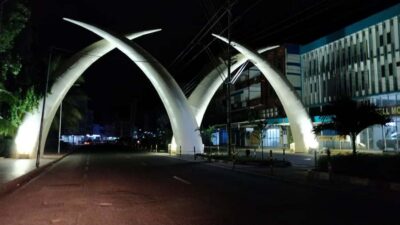
Mombasa: Private City Tour with Fort Jesus & Haller Park
Read our review →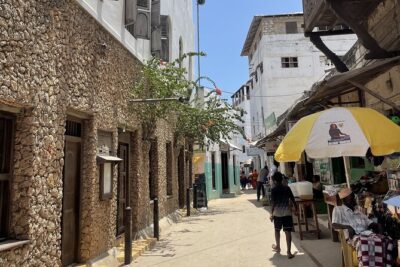
Mombasa Half-Day City Tour with Fort Jesus and Haller Park
Read our review →
Mombasa City Tour,Fortjesus,Oldtown,Tusks and Spice Market.
Read our review →Browse the lists this tour appears in