
Reviewed · WALKING TOURS
Nairobi city walking tour
Nairobi reveals itself best at street level, where old colonial buildings, busy markets, memorials, and modern towers share the same few blocks. This three-hour walk with Michael gives you a clear introduction to the city’s past, its changing public spaces, and the people who use them today. You finish around the Kenyatta International Conference Centre, with time for views if you pay the optional entrance fee.
I like the small private-group format, which lets you ask questions and set a comfortable pace. I also like the mix of places: City Market and Maasai Market give you room to browse handmade goods, while Kipande House, McMillan Memorial Library, and Soldiers of War add historical weight. The main drawback is that it is a walking tour through central Nairobi, so it is not suitable for wheelchair users or people with visual impairments.
Key points to know before you book
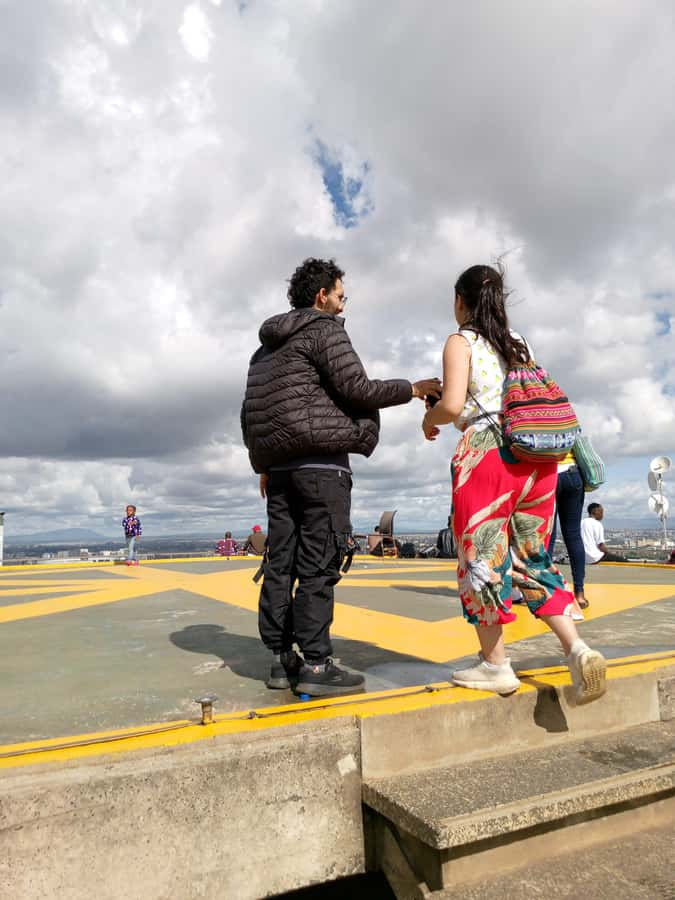
- Michael leads a personal city walk: You get a live guide in English or Swahili rather than a large group moving from stop to stop.
- Jeevanjee Gardens is the meeting point: The route begins in a central public garden and returns there according to the tour details.
- The stops mix history and shopping: Expect City Market, Maasai Market, Kipande House, McMillan Memorial Library, Soldiers of War, and Nairobi Gallery.
- KICC costs extra: The optional entrance fee is 500 Kenyan shillings, so bring this separately if you want to go up.
- Three hours is enough for an introduction: You will see several central landmarks, but the tour is not designed for long museum visits or extended shopping.
- Bring your own water: A bottle is not included, and Nairobi’s walking streets can make a drink useful.
Why this Nairobi walk works as a first introduction
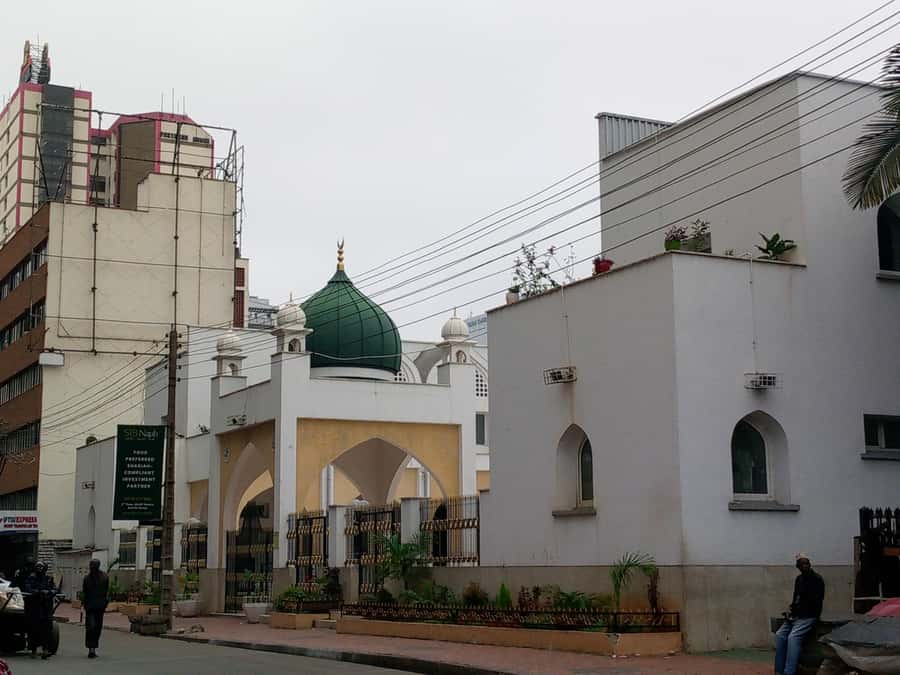
Nairobi can feel difficult to read when you first arrive. Modern offices, older public buildings, markets, memorials, and traffic all occupy the same central district. A walking guide helps connect those pieces instead of leaving you with a list of names and photographs.
The tour begins at Jeevanjee Gardens, a practical place to meet in central Nairobi. From here, Michael introduces how Nairobi developed and became Kenya’s capital. The value is not just in hearing dates. You get a basic map of the city in your head, along with an explanation of why certain buildings matter and how they are used now.
I would choose this experience early in a Nairobi stay. It can help you recognize places you may pass later on your own. It also gives you a first chance to ask about Kenyan culture, learn a few Swahili words, and understand the difference between seeing a building and knowing why it is there.
The walk is conducted in English or Swahili, and the private format gives it a more flexible feel than a fixed large-group outing. Previous bookings gave Michael especially strong marks for making people feel safe and for explaining Kenyan and Nairobi history clearly. That matters in a city where you may prefer having a local guide during your first walk through the center.
More Walking Tours in Nairobi
- Nairobi: Historic and Modern Highlights Walking Tour
★ 4.8 · 703 reviews - Nairobi Historical Walking City Tour
★ 5.0 · 258 reviews - Nairobi Walking tour:Explore History Culture and Traditions
★ 4.8 · 222 reviews
Jeevanjee Gardens and the story of Nairobi
Jeevanjee Gardens is both the starting point and the stated return point. Beginning in a garden gives the walk a calmer opening than meeting beside a busy road, though you should still confirm the exact meeting instructions when booking.
This is where the guide sets the scene. You learn how Nairobi grew and how it became the capital city of Kenya. The tour then moves into the central business district, where the past is visible in older structures and civic spaces.
The gardens are not presented as a long sightseeing stop. Think of them as your orientation point. You meet Michael, learn the basic plan for the walk, and begin moving through the city. Wear shoes you can walk in for several hours, and keep your belongings secure in crowded public areas.
City Market: time for souvenirs and handmade goods

City Market adds a practical, everyday side to the tour. You can browse souvenir goods and handmade items rather than simply passing another government building. This makes the stop useful if you want to take home a small reminder of Kenya, but the half-day schedule does not allow unlimited shopping.
I would treat this as a chance to look first and buy second. Prices and products can vary, and you may prefer to compare what you see here with the later Maasai Market stop. Having Michael nearby can also help you understand what you are looking at and how the market fits into central Nairobi life.
Shopping is included as part of the route, but purchases are not included in the $17 price. Keep some spending money separate from your tour fee. If you are hoping to buy several larger items, remember that the walk continues afterward, so smaller, easy-to-carry goods make more sense.
Kipande House and Nairobi’s older buildings
Kipande House is one of the stops that gives the walk its historical purpose. The guide explains buildings left from the colonial period, how they functioned in the past, and how Kenyan people use them today.
That context is important. Nairobi’s central district can look like a collection of offices and stone facades if you walk through it alone. With an explanation, an older building becomes part of a larger story about administration, identity, and the city’s growth.
The tour does not promise long interior visits at every site. Much of the experience is guided sightseeing from the street, with the value coming from Michael’s explanation. If you prefer architecture, city planning, and local history to formal attractions, this part should suit you well.
Same corner of Kenya, a completely different kind of day:
- Nairobi National Park Half-Day Tour; Free Wi-Fi connection
★ 5.0 · 878 reviews - Nairobi: National Park & Optional Elephants & Giraffe Center
★ 4.8 · 874 reviews - NAI NAMI: Nairobi Storytelling Tour with Street Children
★ 5.0 · 792 reviews - Nairobi National Park Half-Day Game Drive
★ 4.5 · 738 reviews
McMillan Memorial Library and Soldiers of War
McMillan Memorial Library is included among the stops, along with Soldiers of War. These sites add different layers to the route. The library points toward Nairobi’s civic and educational past, while the war memorial gives the walk a place to discuss conflict and remembrance.
The tour information does not specify an extended indoor library visit, so plan to see the location as part of a guided city route rather than a dedicated library tour. The same applies to the memorial. You will get the guide’s explanation and a chance to look closely, but the schedule keeps moving.
I like this pairing because it prevents the walk from becoming only a shopping outing. Markets show how the city operates today. Libraries, memorials, and older buildings help explain the forces that shaped it. In three hours, that balance gives you more than a quick photo tour.
Nairobi Gallery and the changing city center
Nairobi Gallery is another named stop. The gallery adds an arts and cultural angle to a route otherwise focused on streets, buildings, and markets.
The available details do not promise a long gallery visit or a specific exhibition. If you are interested in going inside, ask Michael what time is available and whether an entrance charge applies. The listed extra fee is specifically for KICC, while other entrance arrangements are not stated.
As a sightseeing stop, Nairobi Gallery helps show that central Nairobi is not only about business and government. The route links public culture with the city’s older architecture and current street life. You should see it as part of the wider introduction, not as a separate museum visit.
KICC: the high point of the walk
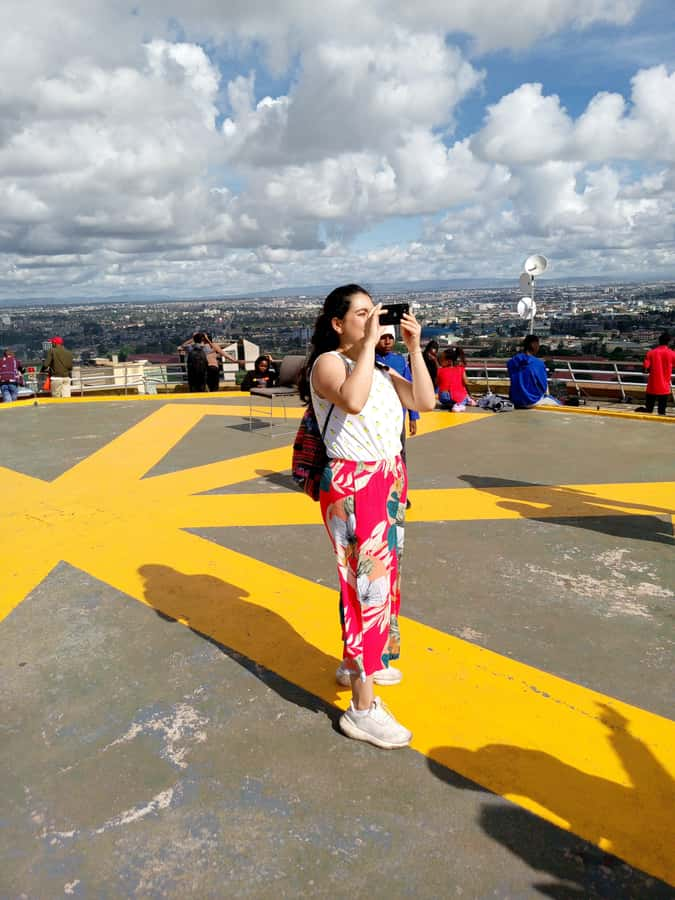
The Kenyatta International Conference Centre is the major modern landmark on the route. It is listed as a late stop, with time for a visit, a break, free time, sightseeing, and sunset views. Another description says the walk ends at the top of KICC, while the route details also list a return to Jeevanjee Gardens. Because of that difference, confirm whether your group returns to the gardens after the KICC visit.
The optional entrance fee is 500 Kenyan shillings. It is not included in the tour price, so decide in advance if the view is important to you. The KICC stop can work well as a pause after several hours on foot, especially if you want photographs of Nairobi from above.
The sunset timing is mentioned in the route, but the actual light will depend on your starting time and the day you book. Check the available start times rather than assuming every departure reaches KICC at sunset.
KICC also gives the tour a clear finish. You have moved from a public garden through markets and historic buildings to one of Nairobi’s best-known modern structures. That contrast helps you see the city as both old and current, rather than as a place defined by one period.
Maasai Market and buying local handicrafts
Maasai Market is included as a visit, photo stop, guided stop, and shopping opportunity. You may find handmade artifacts and souvenir goods here, with time to browse and take pictures.
The schedule allows about 30 minutes at this point. That is enough for a first look and a few purchases, but not enough for a slow, detailed shopping session. If buying crafts is your main aim, plan to focus on a short list and ask about prices before committing.
The guide can also help place the market in the broader culture of Kenya. You will learn some Swahili words during the experience, and the market gives you a natural setting to use a simple greeting or thank-you. The emphasis is on participation and conversation, not just photographing stalls.
As with City Market, shopping money is separate from the tour price. A small day bag is more practical than anything bulky, since you still have walking to do.
What the three-hour timing really means

The experience is advertised at three hours, with the listed schedule adding stops of roughly 30 minutes at KICC and Maasai Market, plus shorter sightseeing periods. This is a compact overview of central Nairobi, not a full-day historical tour.
You will cover several places, but some visits may be guided from outside or kept brief. That is the tradeoff for seeing a broad selection in one morning or afternoon. I would choose it if you want orientation, local explanation, and a few shopping chances. I would not choose it if you want to spend hours inside museums, bargain at length, or examine every building at leisure.
The private-group arrangement helps. If your party wants more time at one stop, you can ask Michael what is possible. The tour still has a planned duration, so flexibility should not be confused with an open-ended schedule.
Bring water because it is not included. The tour also does not include the 500 Ksh KICC entrance fee. Comfortable walking shoes, light belongings, and a little spending money are sensible preparations.
Safety, access, and who should choose it
The strongest practical point from the feedback is Michael’s ability to help people feel safe while explaining the city. That does not remove the normal need to watch your belongings, but a local guide can make the central streets easier to approach during a first visit.
This is a private group tour, which suits couples, families with older children, friends, or solo visitors who prefer direct contact with a guide. It is also a good match for anyone who wants to learn a few Swahili words and ask questions about Kenyan history and culture as the walk unfolds.
The activity is not suitable for wheelchair users or people with visual impairments. Baby strollers and crutches are not allowed, and alcohol and drugs are prohibited. The supplied information also says to confirm the access conditions before booking if anyone in your group has mobility needs.
The tour offers free cancellation up to 24 hours before the start and allows you to reserve while paying later. Those terms are useful if your Nairobi plans may change, but the main decision should still be based on the walking route and access limits.
Is this Nairobi walking tour worth $17?
At $17 per person, the value is strong if you want a guided introduction to central Nairobi rather than a private vehicle tour. The price covers a local guide and a route that combines historic buildings, memorials, public spaces, art, shopping, and KICC. You are paying for interpretation and organization, not for expensive admissions or a long list of included extras.
The extra KICC fee is modest, but remember to add 500 Ksh if the viewpoint is part of your plan. Water and shopping are also your responsibility. These costs are easy to manage, but they mean the advertised price is not the complete spending total.
I would book this tour if you have only a short time in Nairobi, want to understand the central district, or prefer a private walk with a guide who can answer questions. The perfect five-out-of-five score from four bookings supports the experience’s main strengths: Michael, safety, and clear explanations of Nairobi’s past.
I would skip it if you cannot comfortably walk for three hours, need step-free access, or want a dedicated museum or shopping excursion. For most able-bodied visitors seeking a first look at the city, it is a useful and fairly priced starting point.
FAQ
How long is the Nairobi city walking tour?
The tour lasts three hours. The route includes guided walking, sightseeing, shopping stops, and a visit around KICC.
Where does the tour start?
The stated starting point is Jeevanjee Gardens in central Nairobi.
Where does the tour finish?
The route information places the KICC visit near the end and also lists a return to Jeevanjee Gardens. Confirm the exact finish arrangement with the provider before booking.
Is the KICC entrance fee included?
No. Entrance to KICC costs 500 Kenyan shillings and is not included.
What languages does the guide speak?
The live guide speaks English and Swahili.
Is this a private tour?
Yes. The group type is listed as a private group.
Is the tour suitable for wheelchair users?
No. The activity is not suitable for wheelchair users or people with visual impairments. Baby strollers and crutches are also not allowed.
Just added around Nairobi
- Visit kibera Slum the chocolate city★ 4.8 · 3 reviews
- Day Tour to Nairobi national park, Elephants, and Giraffe Center★ 3.5 · 8 reviews
- Explore local Market matatu ride & Make Kenyan Cuisines with a home cook★ 5.0 · 8 reviews
- Kibera Slum Tour with a Local★ 5.0 · 15 reviews
- Vegans special safari★ 4.5 · 4 reviews
- Urban Forest Tour in Nairobi★ 5.0 · 7 reviews
- Private Mini Safari Tour in Nairobi★ 5.0 · 6 reviews
- Private Kenyan Cooking Class in Nairobi with a Local★ 5.0 · 3 reviews
Walking Tours, compared.

Nairobi: Historic and Modern Highlights Walking Tour
Read our review →
Walking Tour Through Old Town Mombasa and Fort Jesus
Read our review →

Nairobi Walking tour:Explore History Culture and Traditions
Read our review →

Nairobi City Walking Tour with Traditional Kenyan Lunch
Read our review →

Browse the lists this tour appears in