
Reviewed · FORT JESUS & OLD TOWN TOURS
Fort Jesus Museum Walking Tour in Mombasa
Fort Jesus is the heart of this Mombasa walk, a sturdy Portuguese fort where the city’s Portuguese, Arab, and British chapters come together. From there, you follow narrow Old Town streets toward Mackinnon Market, stopping for carved doors, balconies, spices, shops, and local life.
I like the small-group feel, with no more than 15 people, and I like how the tour connects major sights with ordinary streets. Guide Bishamba Hamisi Juma is known for her warm manner, plant and fruit knowledge, and help with local food. Antony may lead the walk if Bishamba is unwell.
The main drawback is that the $35 price excludes admission, and the market portion may feel less useful if you are not interested in shopping or spices. The four-hour walk also calls for comfortable shoes and a willingness to keep moving.
Key points to know before you book
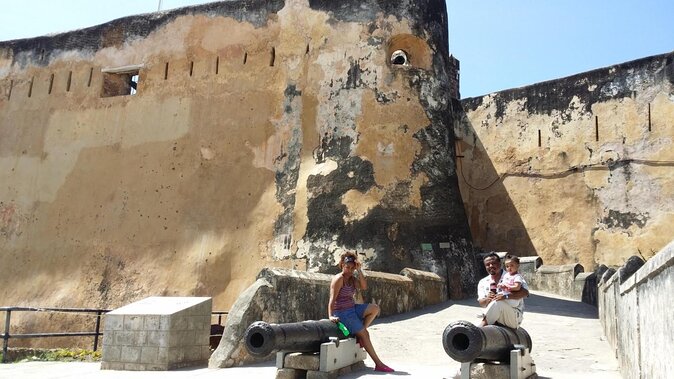
- Fort Jesus leads the story: Learn about Portuguese, Arab, and British rule at Mombasa’s best-known historic site.
- Old Town is a walking lesson: Look for Arab-influenced balconies, carved wooden doors, and Swahili design.
- Mackinnon Market adds local color: See the spice trade and the narrow streets linking the old city to the market.
- Bishamba makes the tour personal: She is praised for her friendly approach, plant knowledge, local food suggestions, and careful pacing.
- Admission costs extra: Non-resident adults, youths, and seniors pay $12, while non-resident children pay $6.
- The tour ends where it begins: You meet at Fort Jesus Museum and return to that meeting point after about four hours.
Starting at Fort Jesus, Mombasa’s stone history book
The tour begins at Fort Jesus Museum, where you meet the guide at the main meeting point. Bishamba Hamisi Juma is the named guide for the experience. If she is unavailable, Antony may lead instead.
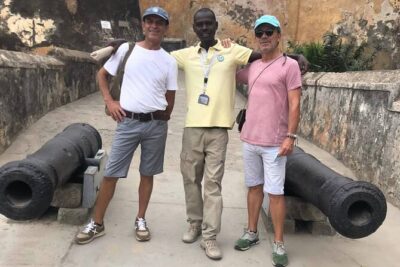
Fort Jesus gives you the clearest introduction to Mombasa’s past. The site recalls the Renaissance period and the long contest for control of the coast. Inside and around the fort, the story moves through Portuguese rule, Arab influence, and the later British era.
That sequence matters because Mombasa is not a city with one simple identity. Its buildings, language, food, and trade all reflect contact between different powers and cultures. A good guide helps you connect what you see in the fort with what appears later in Old Town.
Admission is not included in the tour price. For non-residents, adults, youths, and seniors pay $12, while non-resident children pay $6. Resident admission is listed as $4 for adults, youths, and seniors, and $2 for children. Bring this extra cost into your budget before you arrive.
Bishamba has helped visitors complete the admission form, which can make the start easier. The pace is described as comfortable rather than rushed, giving you time to listen and look around. That is useful at Fort Jesus, where racing from one room or wall to the next would miss the point.
You will also find shops within the fort area. They may appeal if you want to browse for a small souvenir, but remember that shopping is not the main reason to visit the site. The real value here is the historical setting and the way it frames the rest of the walk.
More Fort Jesus and Old Town walks in Mombasa:
- Walking Tour Through Old Town Mombasa and Fort Jesus
★ 5.0 · 393 reviews - Mombasa: Tusks, Fort Jesus, Old Town, Beach and City Tour
★ 4.7 · 137 reviews - Visit to Fort Jesus and the Old Town of Mombasa
★ 5.0 · 47 reviews
Mombasa Old Town and its carved wooden details
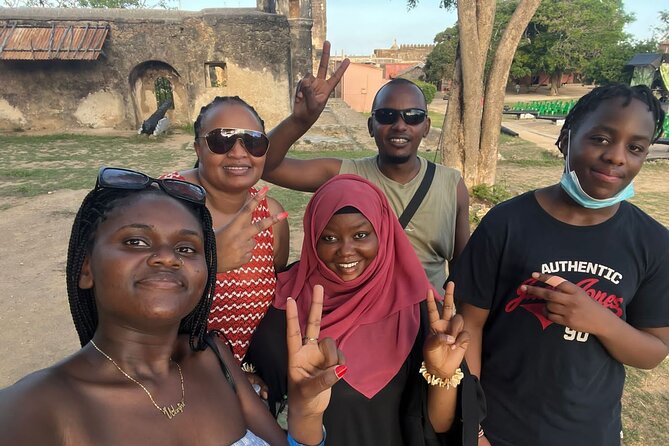
From Fort Jesus, the walk continues into Mombasa Old Town. This is where the tour shifts from a single historic monument to a living part of the city.
The streets reveal Swahili culture and Arab architectural influence. Pay close attention to the wooden doors and balconies. Their carvings and designs show how Arab connections shaped the town from the 16th century onward.
I like this part because the details are easy to miss if you explore without context. A guide can point out why a doorway matters, how a balcony fits the building, or how the street plan reflects the area’s past. You are not simply looking at old walls. You are seeing how history remains part of the city’s daily setting.
The walking route also lets you notice the sounds and movement of ordinary Mombasa. You may see artisans at work, local shops, and people going about their day. The tour is not presented as a sealed museum visit. It is a chance to see historic architecture alongside present-day life.
Bishamba’s friendly style appears to be a major part of the experience. She is described as punctual and easy to communicate with before the walk, and the tone of the tour allows plenty of questions. That can matter in Old Town, where the most useful information often comes from small observations rather than a long formal speech.
You should still keep your expectations realistic. Old Town is not a polished open-air museum where every building is preserved for visitors. The appeal comes from the mix of architecture, commerce, people, and history. Some streets or sights may feel more interesting than others.
Following the narrow streets to Mackinnon Market
The Old Town streets lead toward Mackinnon Market, which is known for natural spices. The route gives you a gradual change of scene, from historic buildings and carved doors to a more commercial market setting.
The market was built for slave trade by the British in 1914, according to the tour information. That is a serious part of the site’s past, and it deserves a thoughtful explanation rather than a quick shopping stop. Ask questions if you want more context about how the market fits into Mombasa’s colonial and trading history.
Spices are the main draw today. You may see or smell products connected with the coast’s trading traditions, and the guide can help you make sense of what is being sold. If you enjoy food, plants, and local produce, this section may be one of the most engaging parts of the walk.
Bishamba is especially praised for her knowledge of trees and fruits, as well as for helping people try local street food. That makes the market more than a place to buy a packet of spice. It gives you a way to connect food and trade with the wider story of the coast.
Still, the market will not suit everyone equally. One person found this part less worthwhile, especially for the money. If you do not plan to shop and prefer monuments over markets, you may see it as a weaker section of the four hours. If you enjoy food, everyday commerce, and meeting local people, it may feel like a useful change of pace.
Curio shops, souvenirs, and the elephant tusks
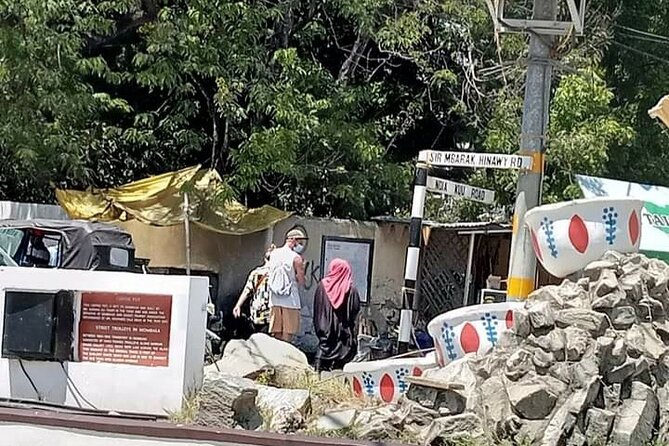
As you walk through Old Town, you will pass many curio and gift shops. These are useful if you want a small reminder of Mombasa, but shopping is optional.
The guide can help you understand what you are seeing and may point out places where artisans are working. That is more interesting than simply being led from one shop to another. You can look at the craft, ask questions, and decide for yourself if anything is worth buying.
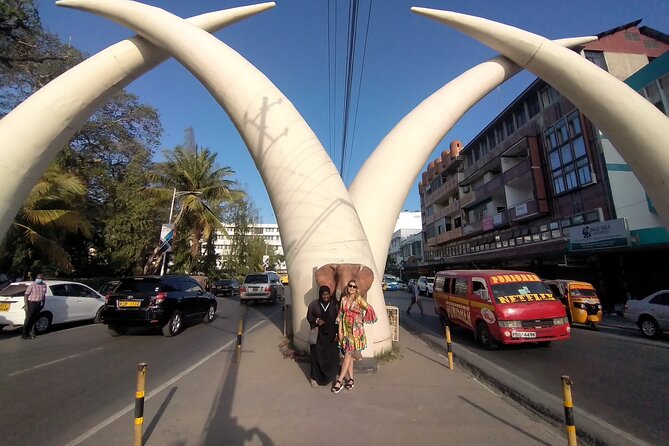
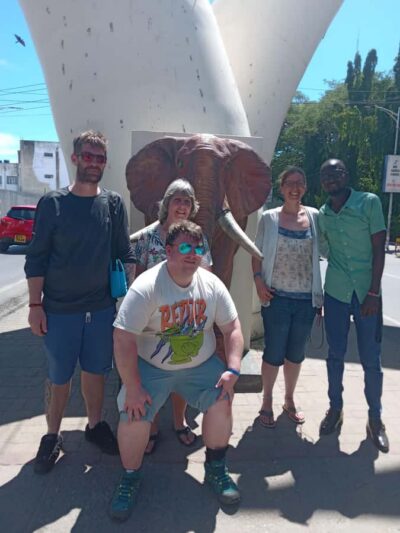
The route also includes the famous elephant tusks. They are among Mombasa’s recognizable city sights and provide a change from the older streets and fort walls. The information provided does not give a longer stop description, so treat this as a brief landmark along the city walk rather than a separate museum visit.
One review also mentions visiting an Hindu temple during the four-hour historical center tour. Because this stop is not clearly listed as a standard part of the published route, you should ask the guide at the start if it is included on your date.
More museums and galleries in Mombasa:
- Mombasa City Tour: Fort Jesus Museum, Old Town & Haller Park
★ 4.4 · 9 reviews - Day tour to Giraffe Center and Karen Blixen Museum
★ 4.5 · 168 reviews - Nairobi National Park,Giraffe Centre, Karen Blixen Museum.
★ 5.0 · 127 reviews - Giraffe Center and Karen Blixen Museum Tour from Nairobi
★ 4.6 · 43 reviews
A guide who adds food, plants, and conversation
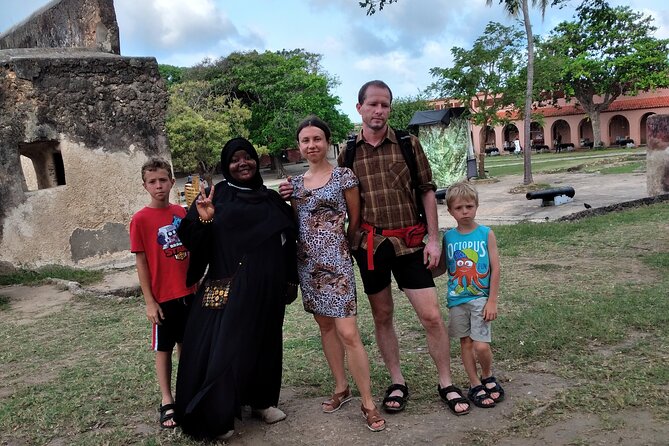
The strongest reason to choose this experience is the guide’s role. Bishamba is not described only as someone who gives dates and names. She helps with the practical side of the visit, keeps the pace manageable, and brings personal knowledge of local plants, fruits, food, and streets.
That makes a difference in Mombasa. Fort Jesus can explain the broad political story, but Old Town and Mackinnon Market need local interpretation. A guide can help you move from Portuguese fortifications to Arab-influenced architecture, then to spices and street food without treating each stop as an unrelated attraction.
The tone also seems social. People have felt comfortable asking questions about the city and its history. Antony, who may substitute for Bishamba, is described as able to answer historical and geopolitical questions and to make people feel safe while walking through the city.
That does not mean the tour is a private scholarly lecture. The experience includes shops, markets, food, and conversation. You will likely get the most from it if you enjoy asking questions and responding to the guide, rather than expecting a fixed script with every minute planned.
The maximum group size is 15 people. That is small enough for a more personal walk than a large coach tour, though it is not necessarily a private experience. If you want individual attention, ask how many people are booked when you make your reservation.
Is four hours the right amount of time?
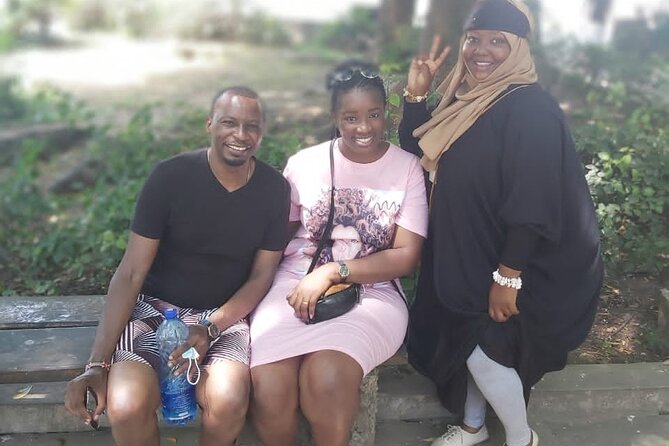
Four hours gives the tour room to cover Fort Jesus, Old Town, the market, shops, and city landmarks without making the visit a quick photo stop.
The length is also the main physical consideration. You will be on foot for much of the experience, moving through narrow streets and market areas. The listing says most people can participate and that the meeting point is near public transportation, but it does not provide a detailed accessibility description.
Wear comfortable shoes and plan to stay with the group. A four-hour walk can feel easy when the route is interesting, but market streets and historic areas are better handled at a steady pace. If you have mobility concerns, contact the provider before booking and ask about the exact route.
The walk starts and ends at Fort Jesus Museum. That makes planning simpler, especially if you are arranging other activities in Mombasa. You do not need to organize a separate return transfer through the tour provider.
What the $35 price really includes
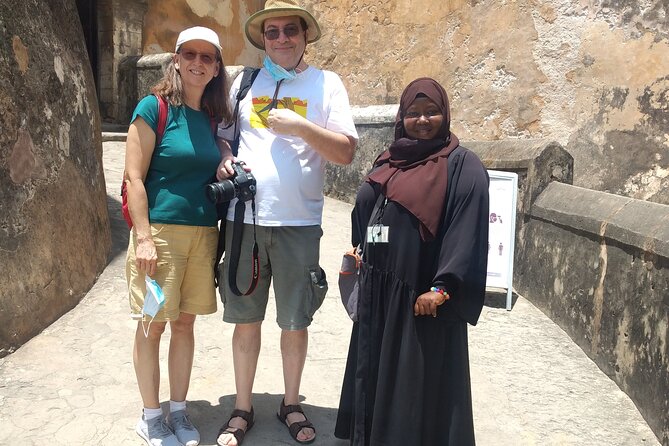
The tour costs $35 per person and includes a licensed tour guide. Fort Jesus admission is not included, so a non-resident adult should budget another $12. That brings the basic cost to $47 before any shopping, food, or other personal spending.
For a four-hour guided walk, the value depends on how much you want interpretation. If you only want to see Fort Jesus from the outside and stroll Old Town independently, the price may feel high. If you want help connecting the fort, architecture, market, food, and city history, the guide is the main product you are paying for.
The tour is also a reasonable choice for a first visit to Mombasa. You get an introduction to several central areas in one morning or afternoon, then you can return later to the parts that interest you most. The personal guidance may save you from missing the small details that make Old Town worthwhile.
Shopping can change the final cost. Curio shops and spice stalls are part of the route, but you are not required to buy anything. Set a budget before you go so the market portion remains enjoyable rather than pressuring.
Who will enjoy this Mombasa walk most?
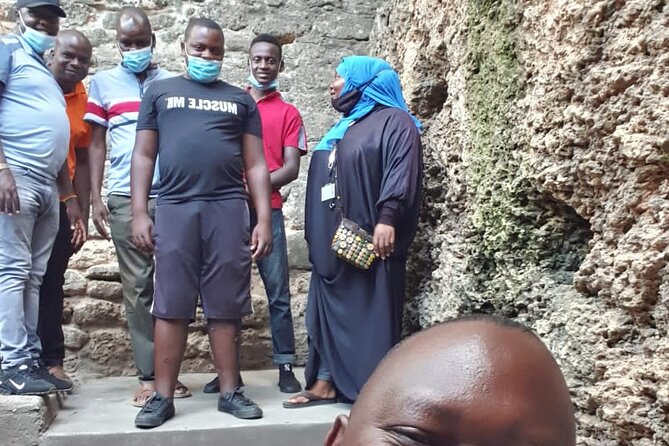
I would recommend this tour to you if you want a compact introduction to Mombasa’s history and city life. It suits people who enjoy walking, asking questions, looking at architecture, and trying local food.
It is especially useful for:
- First-time visitors who want Fort Jesus and Old Town in one outing
- People interested in Swahili and Arab architectural details
- Food lovers curious about spices, fruits, and street snacks
- Visitors who prefer a local guide to exploring markets alone
- Small groups or solo visitors who want a social but limited-size tour
- Anyone who enjoys history with a strong connection to present-day city life
You may want to skip it if your main goal is a quiet museum visit, a private luxury experience, or a shopping-free historical tour. The market and curio stops are part of the character of the walk, even if they are not equally appealing to everyone.
Booking is flexible, with free cancellation up to 24 hours before the start time for a full refund. Changes or cancellations within 24 hours are not accepted for a refund.
Should you book the Fort Jesus Museum Walking Tour?
Book it if you want more than a quick look at Fort Jesus. The best part is the combination of fort, Old Town architecture, market life, spices, local food, and conversation with a guide who knows the city personally.
I would be more cautious if your interest is limited to formal history or if you dislike shopping areas. In that case, the market may feel like an unnecessary part of the route. But for a first visit to Mombasa, the tour offers a useful four-hour overview at a fair price once you account for the extra Fort Jesus admission.
Ask before starting whether Bishamba or Antony will lead, whether the Hindu temple is included, and how much time will be spent at the market. If those details match your interests, this is a personable way to get your bearings in Mombasa.
FAQ
Where does the tour start?
The tour starts at Fort Jesus Museum in Mombasa, Kenya.
Where does the tour end?
The activity ends back at the Fort Jesus meeting point.
How long does the walking tour last?
The tour lasts approximately four hours.
What places are included?
The route includes Fort Jesus Museum, Mombasa Old Town, Mackinnon Market, curio or gift shops, and the famous elephant tusks. A Hindu temple is also mentioned as a possible stop, so confirm this with the guide.
Is Fort Jesus admission included?
No. Admission is paid separately.
How much is admission for non-residents?
Non-resident adults, youths, and seniors pay $12. Non-resident children pay $6.
Who guides the experience?
The listed provider is Bishamba Hamisi Juma. Antony may guide the tour if Bishamba is unwell.
How many people can join the tour?
The maximum group size is 15 people.
Can I cancel for a full refund?
Yes. You can cancel at least 24 hours before the start time for a full refund. Cancellations or changes made less than 24 hours before the start time are not accepted.
More Walking Tours in Mombasa
- Mombasa: Guided Nature Walk Amongst Giraffes
★ 4.8 · 48 reviews - Mombasa walking tour
★ 4.9 · 28 reviews - Nature Walk with Giraffes in Mombasa
★ 5.0 · 18 reviews - Mombasa Old Town Walking Tour
★ 4.8 · 4 reviews
Just added around Mombasa
- 7-Day Private Tour in Kenya National Parks From Nairobi / Mombasa★ 5.0 · 3 reviews
- Fort Jesus Sound and Light show Mombasa★ 4.0 · 17 reviews
- 4 Days Mount Kenya Trekking★ 5.0 · 6 reviews
- Shore Excursion: Full-Day Mombasa City Tour★ 4.5 · 11 reviews
- Swahili Street Food Tour★ 5.0 · 7 reviews
- Private Transfer from Mombasa★ 5.0 · 6 reviews
- Half day city tour of mombasa★ 5.0 · 13 reviews
- PRIVATE: MOMBASA FULL DAY TOUR and EXCURSUION★ 4.5 · 3 reviews
Fort Jesus & Old Town Tours, compared.
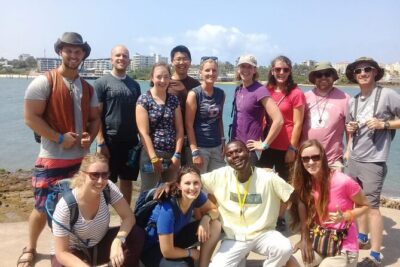
Walking Tour Through Old Town Mombasa and Fort Jesus
Read our review →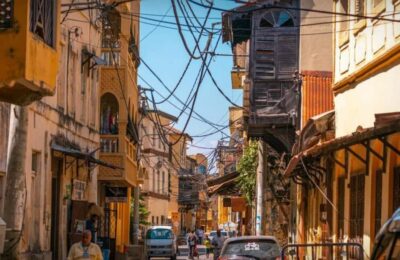
Mombasa: Tusks, Fort Jesus, Old Town, Beach and City Tour
Read our review →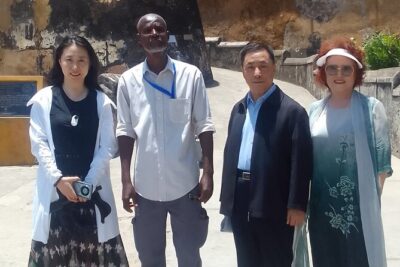

Mombasa: Private City Tour with Fort Jesus & Haller Park
Read our review →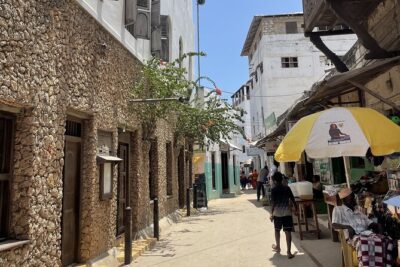
Mombasa Half-Day City Tour with Fort Jesus and Haller Park
Read our review →
Mombasa City Tour,Fortjesus,Oldtown,Tusks and Spice Market.
Read our review →Browse the lists this tour appears in