
Reviewed · FOOD & DRINK
Diani: Market and Street Food Walking Tour
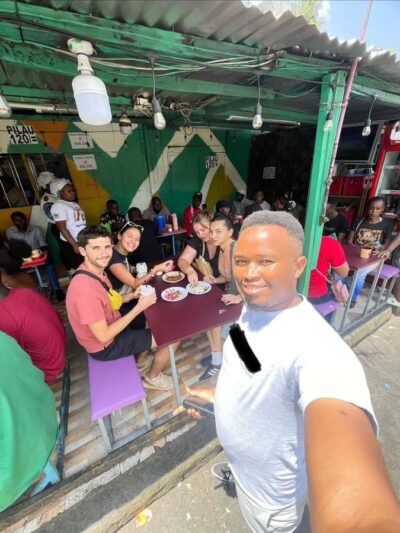
Diani’s best food stories are found away from hotel buffets, in the market stalls, neighborhood kitchens, and small bars where daily life carries on. This 90-minute walking tour takes you through Ibiza Market, into a local restaurant for a full tasting, and then to a bar for palm wine.
I like the mix of food and culture here, especially the chance to try a traditional Swahili dera and hear how local traders and tailors work. I also like the small-group limit of 10 people, which makes it easier to ask questions. The main drawback is the heat: you’ll be walking outdoors, and the restaurant and bar are deliberately very local rather than polished tourist stops.
Key points to know before you book
- A market walk with real local context: You learn how people trade at Ibiza Market rather than simply passing through for photographs.
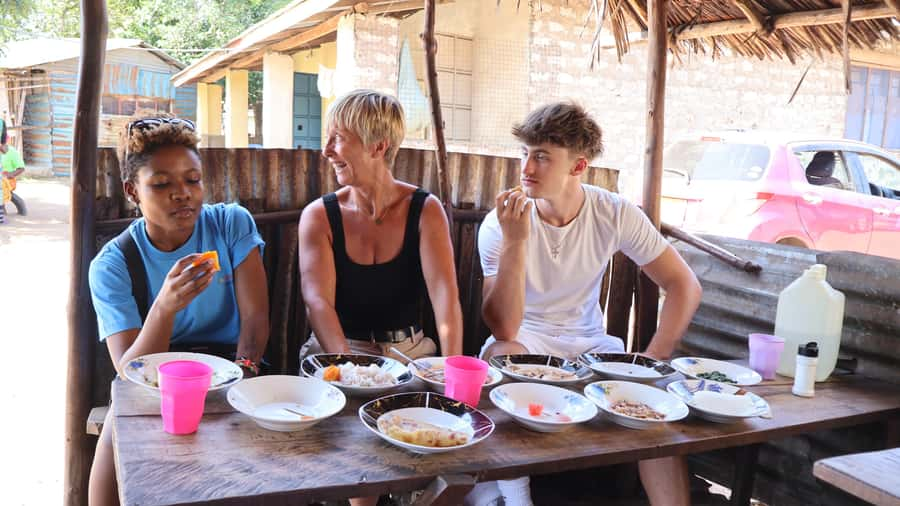
- A substantial tasting menu: Try Swahili porridge, chapati or coconut rice, coconut beans, ugali, sukumawiki, and viazi karai.
- A hands-on clothing stop: Sample a dera at a tailoring shop and hear how the work began.
- Palm wine is part of the route: The final stop is a local bar, where you can taste the drink and buy more if you wish.
- A compact small-group outing: The tour lasts 90 minutes, costs $30 per person, and accepts no more than 10 participants.
- A hot, active walk: Bring water, a hat, and comfortable shoes. The route is not suitable for wheelchair users or people with food allergies.
Starting at Tsunami Garden Cafe
Your meeting point is Tsunami Garden Cafe. A woman will wait in front of the cafe and greet you by name, so arrive with the booking name easy to provide. The tour ends back at the same cafe, which keeps the outing simple if you are staying nearby in Diani.
There is no hotel pickup or drop-off. You’ll need to make your own way to the cafe, and the price does not cover extra food, drinks, or personal purchases. That is worth remembering if you plan to buy a dress, souvenirs, or more palm wine along the way.
The guide speaks English, and the group is limited to 10 participants. That size suits this sort of walk. Markets can be crowded, and a large group would make it harder to hear explanations or stay together.
A short briefing comes first. Use it to tell the guide about any food concerns and to understand the pace. The tour is not suitable for people with food allergies, and the food tasting is a central part of the experience rather than an optional extra.
More market and craft shopping in Diani Beach:
- Traditional Kenyan Cooking Class & Local Market Tour
★ 5.0 · 129 reviews - Nairobi souvenir Shopping and Historical Half day Tour
★ 5.0 · 61 reviews - Memorable Daily KIBERA Slums/Toi Market Tour with Locals (2 hours)
★ 5.0 · 29 reviews
Walking through Ibiza Market
The first main stop is Ibiza Market, where you spend about 30 minutes learning how local people buy and sell goods. The value here is the explanation. A market can look like a blur of stalls if you walk through it alone, but a guide gives you a clearer sense of how the place functions and who depends on it.
You’ll hear about the market’s background and the people who trade there. Expect a working market rather than a staged cultural show. That means the surroundings may feel busy, warm, and informal. Keep your belongings close, stay with the group, and ask before taking close-up photographs of people.
This is also where the tour connects food with daily life. The dishes you taste later are not isolated restaurant creations. They are part of the ordinary cooking and eating habits the market helps support.
The market visit is short, so don’t expect a long shopping session or a detailed tour of every stall. Its purpose is to give you a local setting and some context before the meal. If you want to browse, your time may feel limited, especially if the group stops often for explanations.
Trying on a Swahili dera
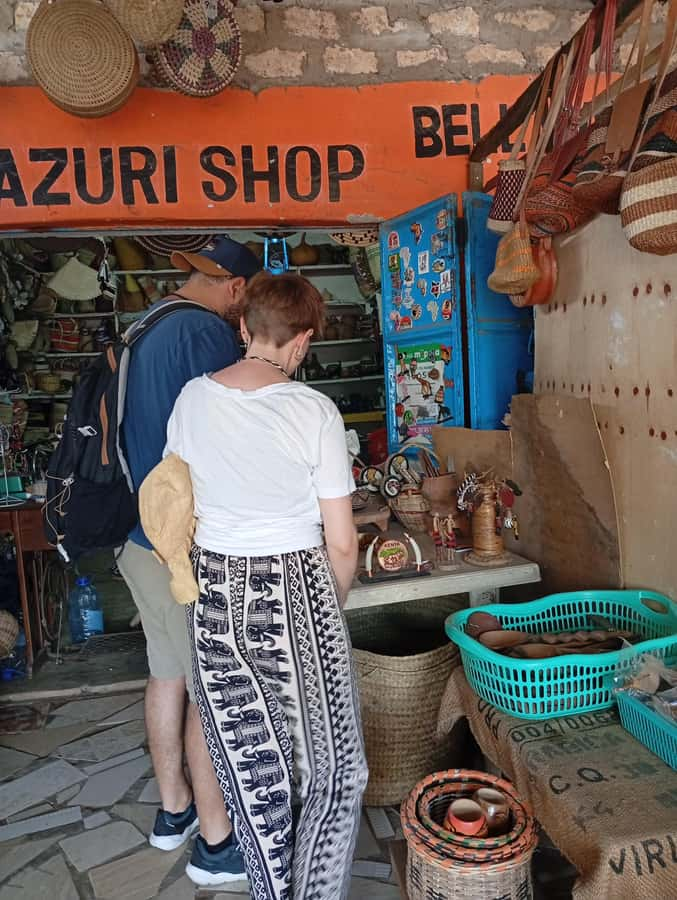
Along the way, you pass a souvenir shop and a tailoring shop. The tailoring stop adds a useful detail that many food walks leave out: clothing is also part of local culture and business.
You can sample a dera, a loose Swahili dress for women, and learn about the tailoring process. You’ll get a glimpse of how the garments are made and how the tailor started the work. This is more than a shopping stop because the guide helps explain the trade behind the finished clothing.
If you like practical souvenirs, this may be the point where you want to spend extra time or money. Purchases are not included in the $30 price, so bring a payment method and keep your expectations clear. The tour gives you the opportunity to shop, but it does not promise that you will buy anything or that a particular design will be available.
For photographers, this stop can also be more interesting than a standard souvenir shop. A garment tells you something about local dress, tailoring, and social customs. Still, be respectful when trying on clothing and follow the guide’s advice about what is appropriate.
A full plate of Swahili comfort food
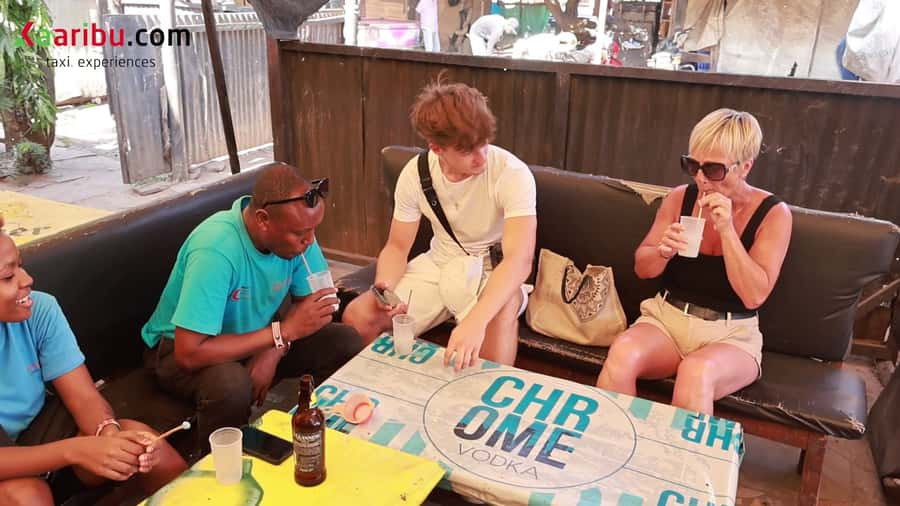
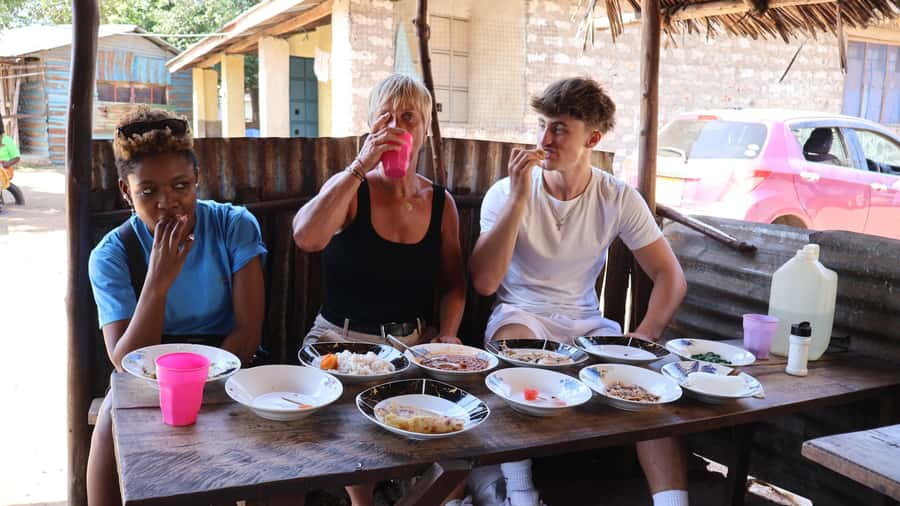
The food stop takes place at a local restaurant and lasts about 30 minutes. This is not a single-bite tasting. You receive several dishes that give you a broad introduction to familiar coastal flavors.
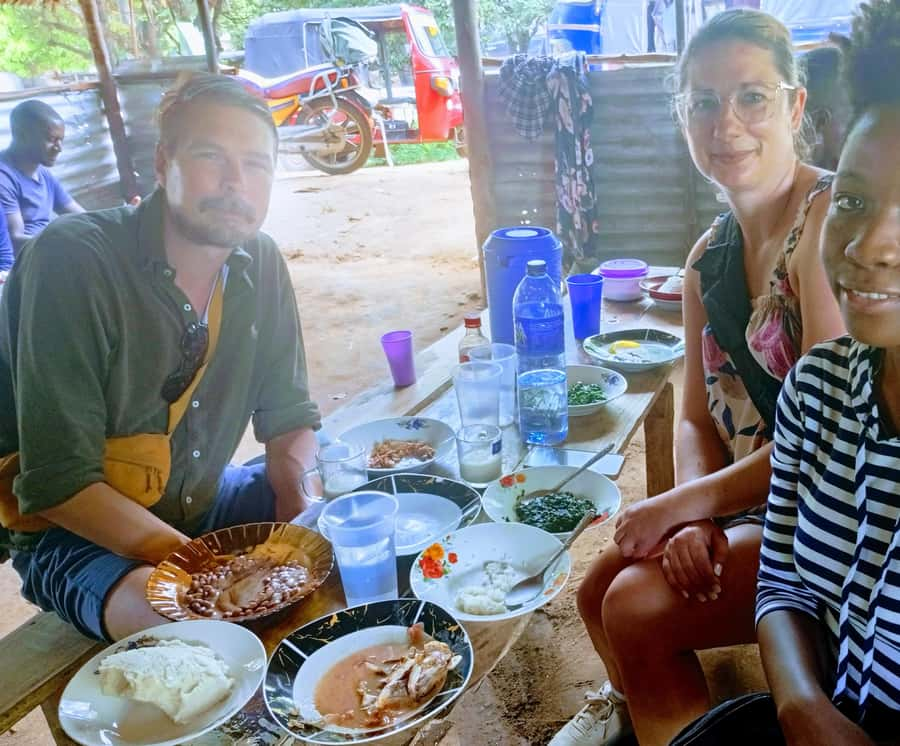
The first taste is Swahili porridge, made with wheat, cardamom, and coconut milk. It offers a gentle start, with sweetness and spice from the cardamom and a creamy coconut base. It is the kind of dish that helps you notice how often coconut and fragrant spices appear in coastal cooking.
For the main food, you try chapati or coconut rice with coconut beans. Chapati brings a soft, layered bread texture, while coconut rice offers a more fragrant and delicate base. The coconut beans show how a simple pulse can become a filling meal when cooked with coastal ingredients.
You also get ugali with sukumawiki. Ugali is a firm maize staple, while sukumawiki is cooked greens. Together they make a plain, hearty combination that is quite different from the lighter porridge or rice. The point is not luxury dining. It is learning what a satisfying everyday plate can look like.
The final snack is viazi karai, fried potatoes coated in a spiced batter. This is likely to be one of the easiest dishes for cautious eaters to enjoy because it is familiar in form while still carrying local seasoning.
The tasting is a strong part of the value. At $30, you are paying for a guide, the market visit, the clothing stop, several foods, and palm wine, not just for one meal. The portions and preparation can vary, but the range of dishes makes the price reasonable for someone who wants an introduction to Diani’s food culture in a short period.
If you have allergies or strict dietary needs, this is not the right tour. The activity is specifically marked as unsuitable for people with food allergies, and the food is not presented as a customized menu. Ask questions before eating, but do not assume substitutes will be available.
More food tours in Diani Beach:
- Watamu Marine Park & Sudi Island Mangrove Forest Canoe Ride.With sea food lunch
★ 4.5 · 31 reviews - Coffee farm tour, coffee roasting and tasting experience
★ 5.0 · 20 reviews - Mombasa:Street food Experience
★ 4.7 · 14 reviews - Purple Tea Farm Tour from Nairobi City – Specialty Tea Tasting
★ 4.5 · 12 reviews
Palm wine at a local bar

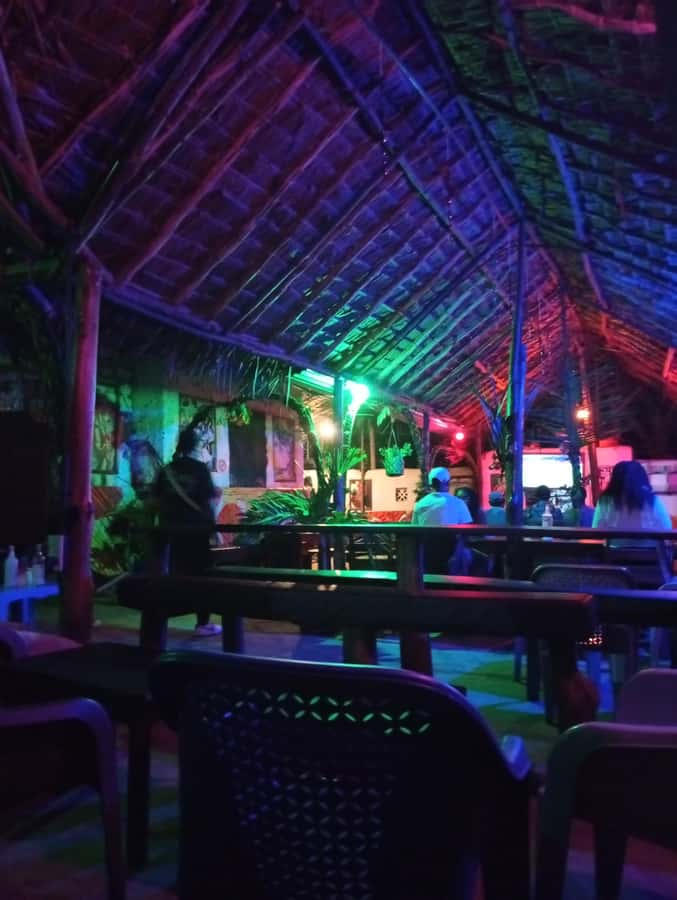
The final 30 minutes take you to a local bar for palm wine tasting. This changes the mood from market and meal to a more social neighborhood stop.
Palm wine is made from the sap of palm trees and is known for its fresh, fermented character. The tour gives you a taste rather than a full drinking session. If you want more, you can purchase additional palm wine at your own expense.
This stop will suit you if you enjoy trying drinks in their everyday setting. It is less suitable if you expect a formal tasting room, detailed technical notes, or a polished bar. The setting is described as extremely local, so comfort levels may vary. Go with an open mind, but you do not need to buy more than the included taste.
Alcohol and drugs are not allowed as part of the activity rules, so follow the guide’s instructions and drink responsibly. The tasting is one element of the walk, not the whole purpose.
What the 90-minute schedule really means
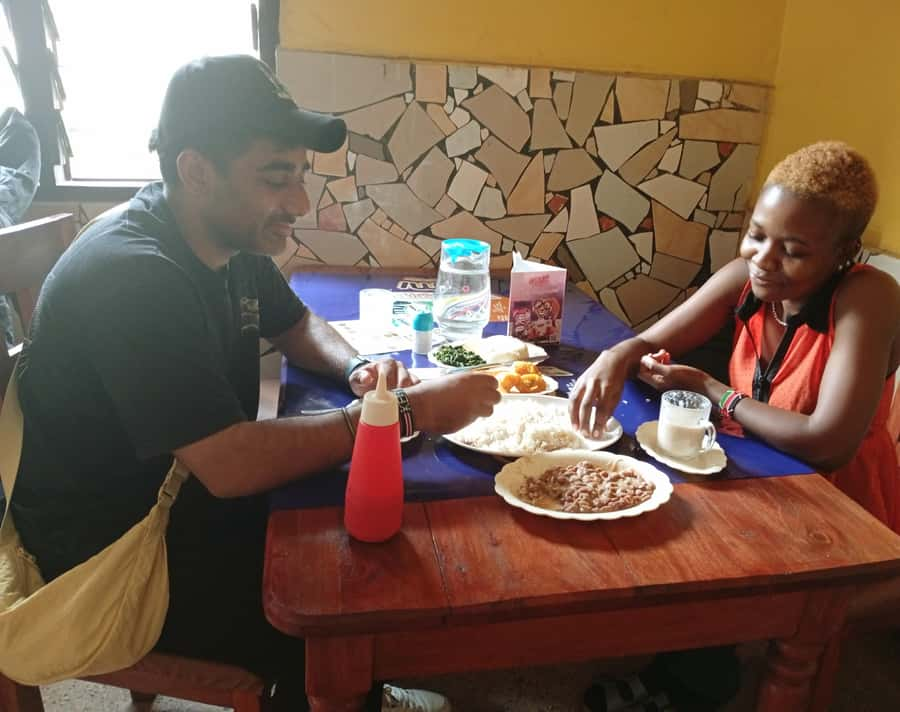
The timing is neat: roughly 30 minutes at the market, 30 minutes for food, and 30 minutes for palm wine. That makes the tour easy to fit into a morning or afternoon in Diani.
It also means the experience moves quickly. You’ll get a useful sample of several places, but you will not have long to linger at any one stop. If you want an in-depth market study, an extended cooking class, or a slow evening out, choose a longer activity.
I see the short length as a strength for many visitors. You can learn about local food without committing half a day, and you still have time afterward for the beach or other plans. The same schedule may feel rushed if you ask many questions or want to shop at the market and tailoring stop.
The walk can be hot. One person described the outing as a hot walk, and that is practical advice worth taking seriously. Wear light clothing, carry water, use sun protection, and choose shoes that are comfortable on foot. A camera is useful, but do not let photography distract you from watching where you walk or respecting local customs.
Guide style and group atmosphere
Your guide is the key to the experience because the route itself is straightforward. Tina has led recent departures and is described as friendly and good at explaining the market, food, and local life. If Tina is assigned to your group, expect a warm, conversational approach rather than a formal lecture.
The English-language format makes it easy to ask about ingredients, trading, clothing, and customs. With no more than 10 people, you should have a reasonable chance to speak directly with the guide.
The most praised parts of the experience are the guide’s manner, the market visit, and the chance to taste typical dishes and drinks. That combination matters. A food tour can be disappointing if it gives you food without context. Here, the meal makes more sense because you have already walked through the place where local commerce happens.
Still, this is a local outing, not a luxury experience. You should be comfortable with simple surroundings and some uncertainty in the pace. The restaurant and bar are chosen for their everyday setting, not for decoration or high-end service.
Is $30 a fair price in Diani?
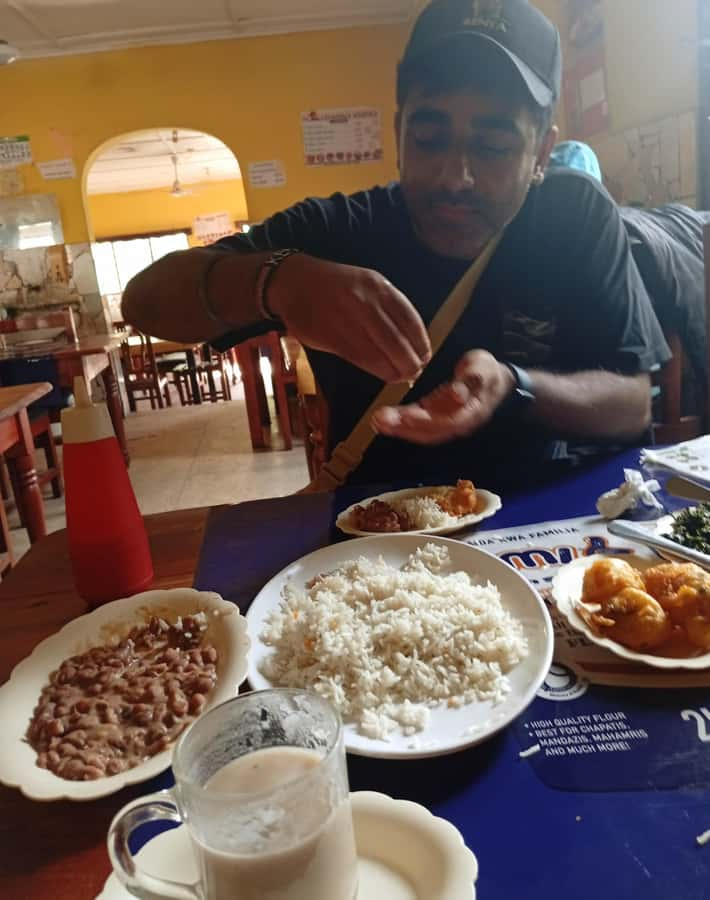
At $30 per person, the tour offers solid value if you want several small experiences bundled together. You receive a local guide, a market walk, a tailoring visit, a multi-dish food tasting, palm wine, and a souvenir-shopping opportunity.
The price does not include transportation, extra drinks, purchases, or additional food. If you are staying far from Tsunami Garden Cafe, add the cost and time of getting to the meeting point. You should also budget for a possible souvenir or more palm wine only if you want them.
The main value is convenience. Instead of arranging separate visits to a market, restaurant, tailor, and bar, you get a guided route that links them together. For a first introduction to Diani’s local food scene, that is a sensible use of 90 minutes.
A rating of 4.2 from six reviews suggests a generally positive experience with some unevenness. The one very poor rating gives no useful detail, so I would not draw a strong conclusion from it. The clearer pattern is that people liked the guide, the food, and the chance to see ordinary local life, while the heat and simple settings require the right expectations.
Who should book this walk?
I would recommend it to you if you want a short cultural outing with plenty of tasting. It suits first-time visitors to Diani, curious eaters, couples, small groups of friends, and anyone who wants more than resort food without spending a full day on a tour.
It is especially useful early in a stay. You can pick up ideas about local dishes, see a market, and learn which foods you may want to seek out again. The guide can also help you understand what you are eating rather than leaving you to guess.
You should think twice if you dislike heat, walking, alcohol tastings, simple local venues, or unfamiliar textures. It is not suitable for children under three, babies under one, wheelchair users, or people with food allergies. The activity also asks you to respect local customs and regulations, which is important at both the market and the clothing stop.
Cancellation is flexible up to 24 hours before the start for a full refund, and you can reserve now and pay later. Check the available start times before booking, since the 90-minute length does not mean every departure runs at the same hour.
My booking call
Book this tour if you want a compact, food-focused look at everyday Diani and you are willing to trade polished surroundings for local settings. The best parts are the variety of dishes, the market explanation, the dera tailoring stop, and the palm wine tasting.
Skip it if your idea of a food tour means a long gourmet meal, air-conditioned transport, or a carefully controlled tasting room. For everyone else, $30 is a fair price for a guided introduction that gives you several flavors and a clearer sense of how local life works beyond the beach resorts.
FAQ
Where does the Diani Market and Street Food Walking Tour begin?
The tour begins at Tsunami Garden Cafe. A woman will stand in front of the cafe and greet you by name.
Where does the tour end?
The tour returns to Tsunami Garden Cafe after the market, food, and palm wine stops.
How long does the tour last?
The experience lasts 90 minutes. The schedule allows about 30 minutes for the food market, 30 minutes for food tasting, and 30 minutes for palm wine tasting.
What food is included?
You can taste Swahili porridge made with wheat, cardamom, and coconut milk, plus chapati or coconut rice with coconut beans, ugali with sukumawiki, and viazi karai.
Is palm wine included?
Yes. Palm wine tasting is included. You may buy more at the local bar if you want additional drinks.
Is transportation included?
No. Hotel pickup and drop-off are not included. You must make your own way to Tsunami Garden Cafe.
Can I cancel the booking?
Yes. You can cancel up to 24 hours in advance for a full refund. Reserve now and pay later is also available.
More Walking Tours in Diani Beach
- Nairobi: Historic and Modern Highlights Walking Tour
★ 4.8 · 703 reviews - Walking Tour Through Old Town Mombasa and Fort Jesus
★ 5.0 · 393 reviews - Nairobi Historical Walking City Tour
★ 5.0 · 258 reviews - Nairobi Walking tour:Explore History Culture and Traditions
★ 4.8 · 222 reviews
Just added around Diani Beach
- 10-Days Kenya Wildlife Private Safari and Mombasa Diani Beach Holidays★ 5.0 · 5 reviews
- 2 Days Private Safari in Tsavo from Diani Beach with Pick Up★ 4.5 · 4 reviews
- From Mombasa Airport: Diani transfer in a minivan (5 pax)★ 4.5 · 13 reviews
- Wasini Dolphin Snorkeling★ 3.5 · 8 reviews
- Dolphin Watch & Snorkeling at Kisite Marine Park & Wasini Island★ 3.5 · 11 reviews
- Day Tour to Tsavo East National Park from Mombasa or Diani★ 5.0 · 5 reviews
- Overnight Safari to Tsavo East National Park from Mombasa/Diani★ 5.0 · 4 reviews
- 3 day Diani Beach To Tsavo East & West★ 5.0 · 5 reviews
Food & Drink, compared.

Watamu Marine Park & Sudi Island Mangrove Forest Canoe Ride.With sea food lunch
Read our review →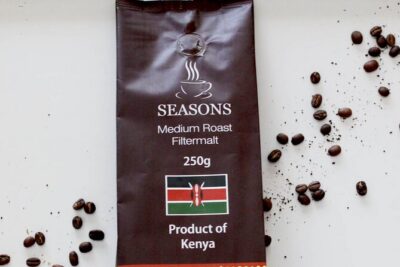
Coffee farm tour, coffee roasting and tasting experience
Read our review →

Mombasa Private City Tour & Haller park Sanctuary with sea food luch
Read our review →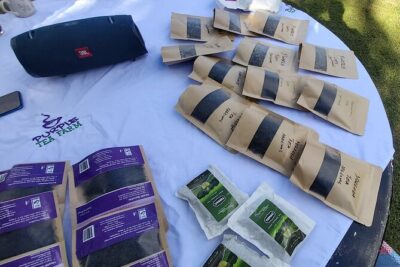
Purple Tea Farm Tour from Nairobi City – Specialty Tea Tasting
Read our review →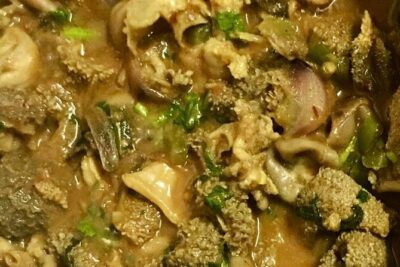
Nairobi Food Tour – Street Food Experience Lunch
Read our review →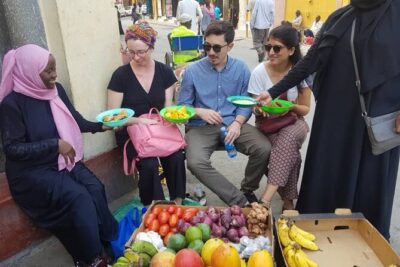
Nairobi: 1 Hour Gastronomic and Street Food tour of Nairobi
Read our review →Browse the lists this tour appears in