
Reviewed · KIBERA SLUM TOURS
Memorable Daily KIBERA Slums/Toi Market Tour with Locals (2 hours)
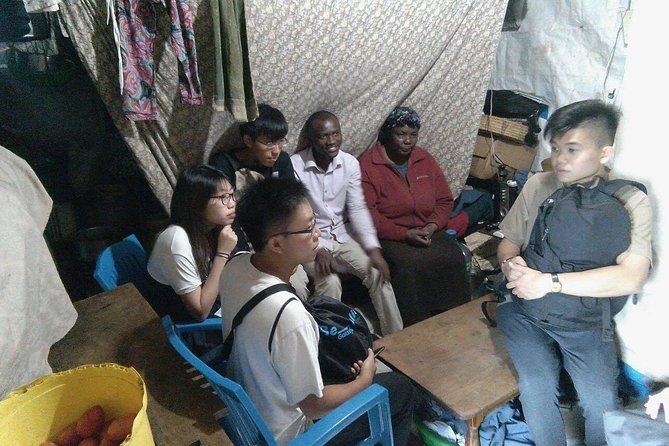
Kibera is not a staged attraction. It is a home, workplace, school district, and community for an estimated one million people living within roughly 2.5 square kilometers. This tour takes you there with a local youth guide, often someone such as Bramwel or Frederick who has personal ties to the area, rather than with a guide reading a script from a bus.
I like two things in particular. First, the tour explains Kibera through daily life and the informal economy, not just poverty. Second, it connects you with projects involving housing, education, and health, including a visit to Olympic Primary School. The main consideration is simple: this is a serious, sometimes uncomfortable walking tour, and you must treat people’s homes with care.
Key points to know before booking
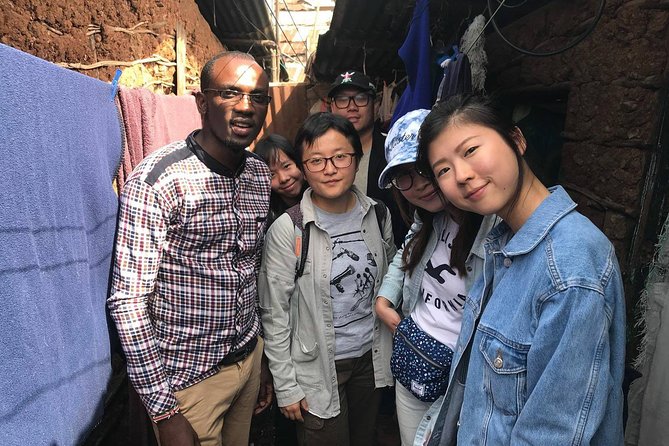
- Local guides with personal connections: Bramwel and Frederick are praised for knowing the community and helping visitors feel at ease.
- A walk through a living neighborhood: You see homes, businesses, streets, and community projects rather than a display made for tourists.
- Olympic Primary School finale: The tour ends at one of Kibera’s major public schools, known for helping families improve their prospects.
- Useful community focus: Part of the operator’s work supports local youth employment and rural girl-child education through the MAKLWETA charity.
- Allow two to three hours: The advertised walk is about two hours, but the wider schedule can run closer to three.
- Wear practical shoes: Mud and wet ground are possible, so sturdy footwear matters more than looking polished.
What this Kibera walk is really about
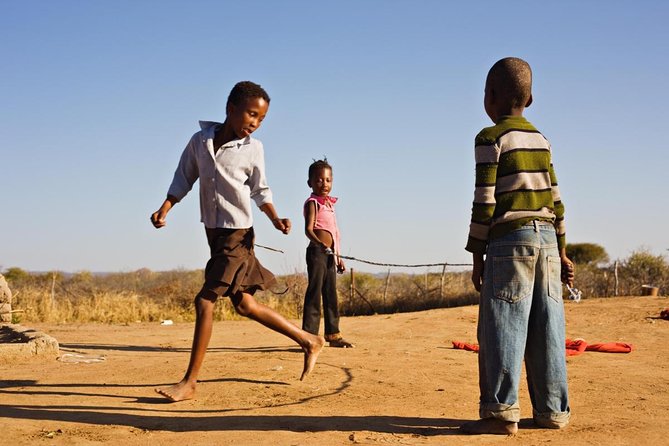
The word slum can make a place sound like a museum exhibit. Kibera is not one. It is a dense urban community where people work, raise families, attend school, trade goods, and organize local projects.
That distinction matters. You are not simply being shown hardship. You are being introduced to the pressures and resourcefulness of a neighborhood that is often discussed from a distance. The local guide gives context about how people live and earn money, while also explaining efforts aimed at better housing, schooling, and health.
The tour company is locally owned and employs young Kenyans. That gives the experience a clear practical purpose. Kenya has a serious youth unemployment problem, and booking a tour with a local firm helps create paid work for guides. The company also says that part of its proceeds supports MAKLWETA, a charity connected with rural girl-child education.
I would still approach the outing with humility. A community benefit does not give you permission to photograph people freely or treat the area as a backdrop. The best experience comes when you listen, ask before taking pictures, and remember that residents are going about ordinary business.
More guided Kibera walks:
- Nairobi: Explore Kibera Slum with Local Guides
★ 4.9 · 365 reviews - Kevins Kibera Slum Tours
★ 5.0 · 213 reviews - Nairobi: Kibera Slum storytelling tour with a Local
★ 5.0 · 185 reviews
Meeting your guide at Olympic Primary School
The meeting point is Olympic Primary School, at MQQH+3FJ in Nairobi. Round-trip transfers from the designated meeting point are provided, and the walk also ends there.
The school is not just a convenient place to gather. It is part of the story. Olympic Primary School is described as Kenya’s largest public primary school and was once among the country’s best-performing schools. Its role in helping families move out of poverty gives the final stop more meaning than a quick photo opportunity.
Guide quality is central here. Bramwel, also spelled Bremwal in some information, grew up in Kibera, later moved out of the deepest part of the settlement, and remains connected to the area through local relationships and football. Frederick is also praised for his friendly manner and for helping guests arrange meeting details, including same-day bookings.
You should expect a personal introduction rather than a formal lecture. Guides explain what different buildings and spaces mean, answer questions, and adjust the conversation to your interests. That makes a large difference in a place where outside visitors can easily misunderstand what they see.
Walking through Kibera with local context
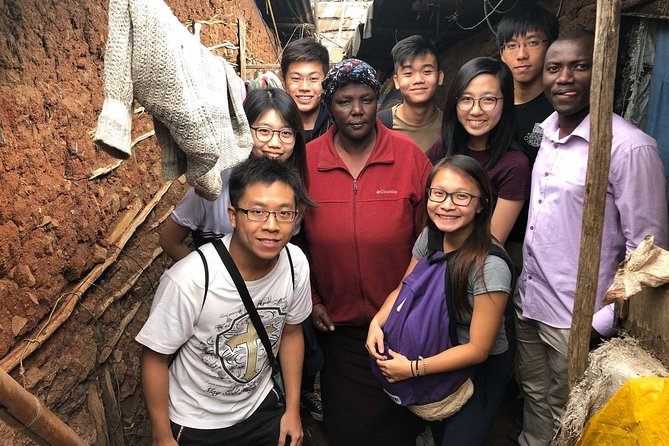
The main stop is Kibera itself, with about two hours devoted to walking and conversation. The route is intended to show the community as it functions day to day.
You may learn about the informal economy, which includes the small businesses and services that support residents when formal employment is limited. The value of this section is that it moves beyond the easy assumption that Kibera is defined only by poor housing. People are trading, working, studying, building businesses, and supporting one another.
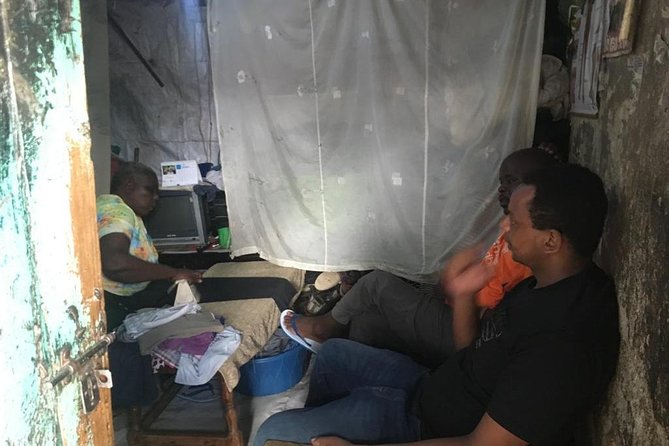
The guide also explains local housing and living conditions. One particularly personal form of the tour may include seeing where the guide grew up or visiting the home of someone he knows, if the situation is appropriate. That is not something to demand. It depends on consent and local circumstances, but it can help you understand the scale and layout of everyday housing more clearly than statistics can.
Some guides know many people in the neighborhood. That familiarity can make the walk feel relaxed and safer, but you should not mistake friendliness for a guarantee of complete control over every situation. Keep your belongings secure, stay with the guide, and follow instructions.
The physical conditions are another practical point. One detailed account advises wearing sturdy shoes that can get wet or muddy. This is not a polished city-center stroll, so trainers or walking shoes that you do not mind dirtying are a better choice than sandals or dress shoes.
Meeting residents respectfully

The strongest part of the experience can also be the part that requires the most care. You may meet residents who are willing to speak about their lives, and a guide with local ties can create a natural introduction. That can lead to genuine conversation rather than a passing glance at a row of buildings.
Still, you are entering someone else’s neighborhood. Put the camera away unless you have clear permission. The most respectful approach is to ask before photographing people, homes, schoolchildren, shops, or religious spaces. If someone invites you to talk, listen more than you speak.
The tour’s tone is described as friendly and personal, but the subject is not light entertainment. You may hear about difficult living conditions, limited opportunities, or the ways families cope with poverty. The point is not to feel superior or guilty. It is to understand how people build ordinary lives under difficult circumstances.
A good guide will help you see both sides: the hardship and the human warmth, the problems and the efforts to solve them. That balance is one of the tour’s real strengths.
More market and craft shopping in Nairobi:
- Traditional Kenyan Cooking Class & Local Market Tour
★ 5.0 · 129 reviews - Nairobi souvenir Shopping and Historical Half day Tour
★ 5.0 · 61 reviews - Nairobi Cultural Shopping Experience
★ 5.0 · 21 reviews - Half-Day Nairobi National Park and Maasai Market with Pick up
★ 5.0 · 16 reviews
Community projects, schools, and the search for progress
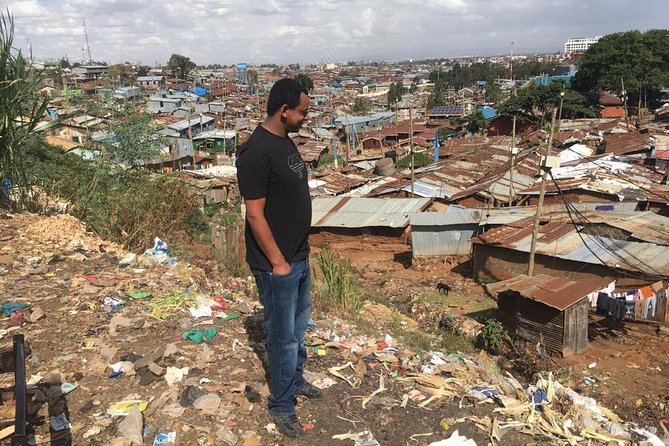
The tour includes information about NGO projects working on housing, education, and health. Some projects may be presented as successful, while others have struggled because of corruption or poor management. That frankness is useful. Development work is not a neat success story, and money alone does not fix structural problems.
You can expect the guide to explain how these projects affect residents and why education is so important. The focus on schooling is especially clear at Olympic Primary School, where the tour ends. The school’s history of helping families move toward better opportunities gives you a concrete example of how local institutions can change lives.
The company also connects its work to broader community support. In addition to employing local youth as guides, it contributes to MAKLWETA, its rural education charity. That does not mean every dollar of the $25 price goes directly to community projects, but it does give the booking a wider purpose than a standard sightseeing walk.
I appreciate that the tour presents both local initiative and outside assistance. You will not be asked to believe that one NGO or one visitor can solve Kibera’s challenges. Instead, you get a closer look at the slow, uneven work of improving housing, health, education, and employment.
Why the $25 price can be good value
At $25 per person, this is inexpensive by Nairobi tour standards, especially because the price includes all fees and taxes and round-trip transfers from the meeting point. Lunch and drinks are not included, but local restaurants can be visited at your request.
The value depends on what you want. If you are looking for a quick photo stop or a tightly scheduled sightseeing attraction, this may feel too serious and too open-ended. If you want local explanation, direct conversation, and a better understanding of Nairobi beyond its central districts, the price is fair.
The small details matter. A local guide who knows the neighborhood can explain things that would be hard to understand alone. The company’s local ownership and youth employment model also add a social benefit. You are paying for time, guidance, and access, not just transportation.
Group size can reach 50 people, which is larger than ideal for personal conversation. The most personal accounts involve guides such as Bramwel or Frederick leading visitors through familiar parts of the community. If your group is large, stay close and make a point of asking questions when the guide pauses.
Timing, transport, and what to bring

The experience is advertised as lasting around two hours, with the broader timing described as two to three hours. Plan your Nairobi schedule with some space around it rather than booking a tightly timed airport transfer immediately afterward.
The tour starts and ends at Olympic Primary School. The mobile ticket is convenient, and confirmation is provided at booking. The meeting point is near public transportation, though the supplied details do not specify a particular bus route or pickup point outside the school.
Bring only what you need. Comfortable shoes are essential, and they should be able to handle mud or wet ground. Modest clothing is sensible because you are entering a residential community and may visit a school or private home.
You can bring a phone or camera, but use it carefully. The best souvenir from this walk may be a better understanding of Nairobi, not a collection of photographs taken without permission.
Service animals are allowed, and most people can participate. The operator lists a maximum group size of 50. If you have mobility concerns, ask for current route details before booking, since the supplied information does not describe the walking surface or step-free access.
The one serious warning: communication matters
The tour has a strong record overall, with a 4.8 rating and 97 percent recommendation figure, but one serious complaint involved a missed meeting and poor communication during a pandemic lockdown. The company explained that the problem came from confusion during Nairobi restrictions and said the customer received a full refund.
That incident appears tied to an unusual period, but it offers useful advice. Confirm the meeting time and location before setting out, especially if you book on the same day. Keep the operator’s contact details available, and do not wait indefinitely without trying to clarify the arrangement.
The company promotes a flexible pay-as-you-go approach and says advance payment is not always required. That may feel convenient, but you should confirm the exact payment arrangement when booking. Free cancellation is available up to 24 hours before the start time for a full refund. Cancellations or changes within 24 hours are not refunded or accepted.
Who will enjoy this experience most
I would recommend this walk to you if you want to understand Nairobi through local voices and are ready for an honest look at poverty, work, education, and community life.
It suits curious visitors who ask questions, listen well, and can accept that the experience may feel emotionally demanding. It is also a good fit if you value local employment and want your sightseeing money to support a Kenyan-owned company and related education work.
I would think twice if you want a polished attraction with fixed scenery, private space, and predictable comfort. The group limit of 50 may also feel too large if you want long, quiet conversations with the guide.
Families may need to judge the tone carefully. Most people can participate, but the subject matter and physical setting may not suit very young children. The operator does not provide enough detail to make a firm age recommendation.
Should you book the Kibera tour?
Book it if you want a direct, guided introduction to one of Nairobi’s most misunderstood communities. The best reasons are the local guides, the discussion of work and development projects, the school visit, and the chance to support youth employment.
Go with the right attitude. Do not book it to collect dramatic photographs or to treat poverty as entertainment. Book it to listen, observe respectfully, and learn how people live and work in Kibera.
At $25, the tour offers solid value, but its success depends heavily on the guide and on your own conduct. Confirm the meeting details, wear shoes that can get muddy, keep your camera discreet, and allow up to three hours. If those terms suit you, this can be one of Nairobi’s most revealing and worthwhile neighborhood experiences.
FAQ
How long does the Kibera tour last?
The walking tour is described as lasting about two hours, while the full experience may take two to three hours. Allow extra time so you are not rushing to your next activity.
How much does the tour cost?
The listed price is $25 per person. All fees and taxes are included.
Where does the tour start and end?
The tour starts and ends at Olympic Primary School, MQQH+3FJ, Nairobi, Kenya.
Is transportation included?
Round-trip transfers from the designated meeting point are provided. The meeting point is also near public transportation.
Who leads the tour?
The tour uses local youth guides. Guides named in the supplied information include Bramwel, also written as Bremwal, and Frederick. Bramwel has personal roots and ongoing connections in Kibera.
What will I see during the tour?
You will walk through Kibera, learn about daily life and the informal economy, hear about housing, education, and health projects, and finish with a visit to Olympic Primary School.
Are food and drinks included?
No. Lunch and drinks are optional and are not included. Local restaurants can be visited at your request.
What should I wear?
Wear comfortable, sturdy shoes that can get wet or muddy. Modest, practical clothing is also appropriate for visiting a residential community and school.
Can I cancel for a refund?
You can cancel at least 24 hours before the start time for a full refund. Cancellations or changes made within 24 hours are not refunded or accepted.
Just added around Nairobi
- Visit kibera Slum the chocolate city★ 4.8 · 3 reviews
- Day Tour to Nairobi national park, Elephants, and Giraffe Center★ 3.5 · 8 reviews
- Explore local Market matatu ride & Make Kenyan Cuisines with a home cook★ 5.0 · 8 reviews
- Kibera Slum Tour with a Local★ 5.0 · 15 reviews
- Urban Forest Tour in Nairobi★ 5.0 · 7 reviews
- Vegans special safari★ 4.5 · 4 reviews
- Private Mini Safari Tour in Nairobi★ 5.0 · 6 reviews
- Private Kenyan Cooking Class in Nairobi with a Local★ 5.0 · 3 reviews
Kibera Slum Tours, compared.



Nairobi: Kibera Slum Tour with Local Social Entrepreneurs
Read our review →



Browse the lists this tour appears in