

Reviewed · COOKING CLASSES
Traditional Kenyan Cooking Class & Local Market Tour
Nairobi’s most memorable food lesson may begin far from a kitchen. This experience takes you through a local farmers market, onto a music-filled matatu, and into Nimoh’s home to prepare a Kenyan meal from scratch. You do not just eat the finished dish. You see where the ingredients come from and learn how they fit into daily life.
I like two things right away. First, the market visit gives you a practical look at Kenyan produce, spices, meats, and street food. Second, the matatu ride adds a real slice of Nairobi transport culture before the cooking starts. The main consideration is that this is a social, hands-on outing, not a polished restaurant demonstration, so you should be comfortable with public transport and a little kitchen mess.
- Market shopping comes first: Pick out fresh ingredients and learn what to look for when buying produce.
- The matatu is part of the lesson: Ride local public transport with your host instead of moving between tourist stops by private vehicle.
- You cook at Nimoh’s home: Prepare a main dish, side dish, and vegetables, then sit down to eat together.
- The food is tied to family and culture: Nimoh shares stories about Kenyan customs, cooking, and everyday Nairobi life.
- The $50 price includes groceries: You are paying for a market visit, transport experience, cooking class, meal, and personal hosting.
- The format is flexible: You may skip the market and go straight to the home meal, and dietary requests can be arranged in advance.
A Kenyan Food Lesson That Starts at the Market
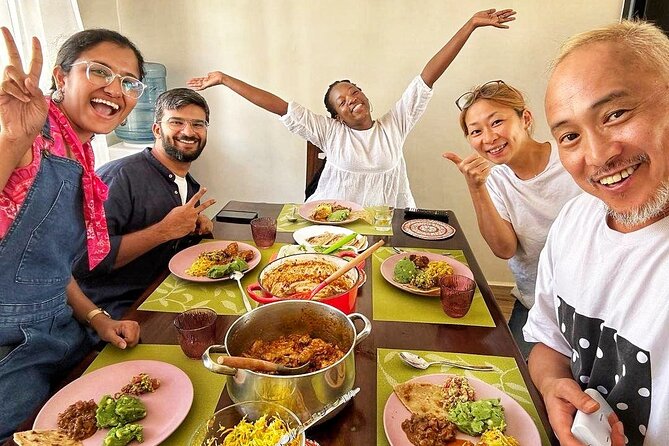
This is best understood as three connected experiences rather than a standard cooking class. You meet near Westlands Square on Ring Road in Parklands, then head to a farmers market to buy the ingredients for the meal.
That first stop matters. A recipe on a printed card can tell you how much onion to chop, but a market visit shows you how food is bought and discussed. Nimoh explains the produce, helps you choose ingredients, and points out the foods used in the dish you will prepare later.
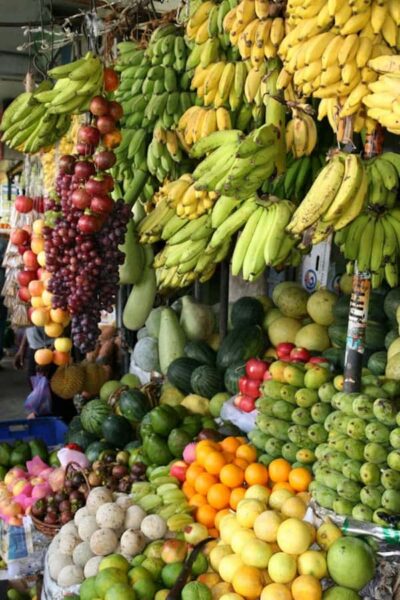
You might see fresh vegetables, meats, spices, and street food options. The market is also a chance to interact with people going about ordinary shopping, not simply look at displays arranged for visitors. If you want to understand what Kenyan cooking means in daily life, this is the strongest part of the opening.
The market can also feel less tidy and predictable than a supermarket. You are shopping in a real local setting, and the pace depends on the market and the group. That is part of the point, but it is worth knowing if you prefer a quiet, highly controlled class.
Learning to Read Nairobi’s Produce
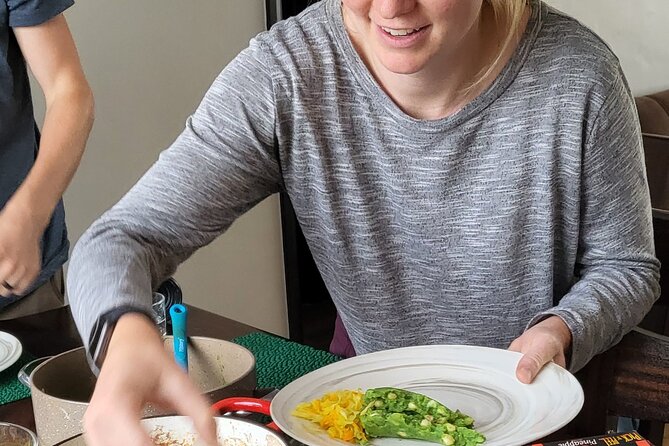
One detail I particularly value is the attention given to choosing ingredients. Nimoh does not simply buy whatever is needed and move on. She explains how to look for good produce and discusses the foods and spices used in Kenyan cooking.
That makes the class useful beyond the meal you prepare that day. You begin to understand why certain ingredients appear together and how home cooks make choices at the market. Several of the dishes mentioned in the experience are connected to Nimoh’s own tribe and family traditions, giving the meal a personal angle rather than presenting Kenyan food as one fixed national menu.
The exact dish can vary, since the meal is built around available ingredients and the choices made during shopping. The stated format is a complete Kenyan meal with a main dish, a side dish, and vegetables. Past menus have included chapati, stewed goat, and side dishes, but you should not assume those exact items will be served on your date.
If you have a food preference, say so when booking. Vegetarian, pescatarian, and gluten-free options are available with advance notice. That is far better than arriving at the kitchen and hoping the menu can be changed at the last minute.
More Kenyan cooking classes:
- Authentic Kenyan Cooking Class & Market Tour in Nairobi
★ 5.0 · 12 reviews - Private Traditional Kenyan Cooking Class with Lunch in Nairobi
★ 5.0 · 10 reviews - Market Tour and Traditional Kenyan Cooking Class in Nairobi
★ 4.8 · 6 reviews
The Matatu Ride Is Part of the Story
After shopping, you take a matatu to Nimoh’s home. For many visitors, this is the most unusual part of the afternoon. Matatus are a familiar form of public transport in Kenya, and this ride gives you a direct look at how people move around Nairobi.
The setting can be lively. One account describes music playing during the ride, which gives you a taste of matatu culture rather than a quiet transfer between activities. Nimoh accompanies you, helping turn what might otherwise feel confusing into a manageable introduction to the system.
I like this because the transport is not treated as dead time. It is part of the cultural lesson. You see another side of Nairobi, and you do it in the company of someone who knows the route and can explain what is happening.
Still, a matatu is public transport, not a private sightseeing vehicle. It may feel crowded, noisy, or less predictable than a taxi. If you have mobility concerns, ask for details before booking, even though the cooking location itself has lifts and is wheelchair accessible. Service animals are allowed.
Cooking in Nimoh’s Home
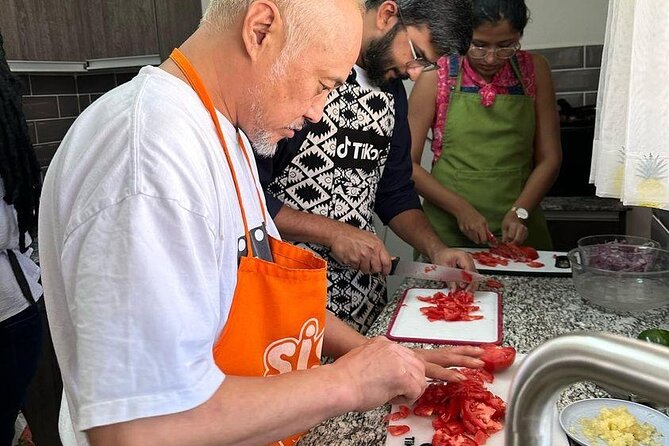
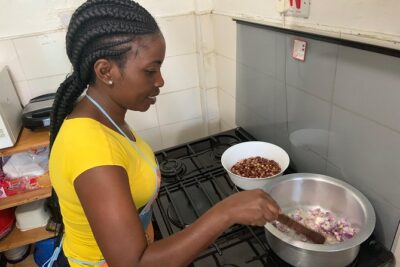
The cooking session takes place at Nimoh’s home, where the group prepares the meal together. This home setting is a major reason the activity feels different from a commercial cooking studio.
You will chop, mix, season, and cook under Nimoh’s direction. You can take an active role, or you can watch if you would rather not handle every step. The description is clear about the mood: be ready to have fun and get your hands dirty.
The class lasts about three to three and a half hours in total, including the market and transport portions. That gives you enough time to cook at a relaxed pace and talk along the way, though the amount of hands-on time will depend on the group size and the menu.
The maximum group size is 15. That is not an intimate one-on-one lesson, but the home setting and the host’s personal involvement should keep it more conversational than a large commercial class. If you are hoping for detailed instruction at every burner, a smaller group would be easier. If you enjoy meeting other people and sharing a meal, the group format may suit you well.
Nimoh’s role extends beyond showing you a recipe. She talks about Kenyan customs, family life, local history, markets, and food. The meal becomes a way to discuss how people cook and eat, not just a sequence of kitchen tasks.
Sitting Down to Eat What You Made
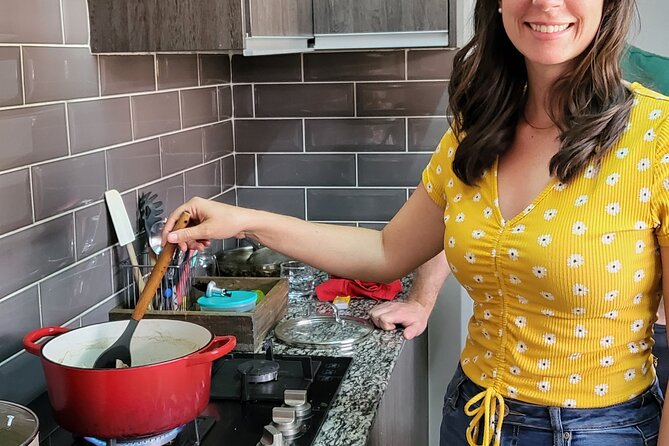
The payoff is a shared meal at the end. You eat the food you helped prepare, which makes the flavors easier to understand. You have seen the raw ingredients, made the choices at the market, and followed them through the cooking process.
This is also where the home setting earns its keep. The meal is not presented as a formal tasting with a strict finish time. It is built around conversation and hospitality. The tone described by the activity is closer to enjoying lunch with a welcoming local host than attending a restaurant appointment.
You may also carry the prepared food with you afterward. That is useful if the cooking runs toward the end of your day or if you want to save part of the meal for later. The information does not promise a specific quantity, packaging style, or take-home menu, so consider this a bonus rather than the main reason to book.
The social side will matter as much as the food. If you want a quiet class where you work alone and leave with a recipe booklet, this may not be your best choice. If you like asking questions and sharing stories over food, the format works well.
More market and craft shopping in Nairobi:
- Nairobi souvenir Shopping and Historical Half day Tour
★ 5.0 · 61 reviews - Memorable Daily KIBERA Slums/Toi Market Tour with Locals (2 hours)
★ 5.0 · 29 reviews - Nairobi Cultural Shopping Experience
★ 5.0 · 21 reviews - Half-Day Nairobi National Park and Maasai Market with Pick up
★ 5.0 · 16 reviews
Why the $50 Price Makes Sense
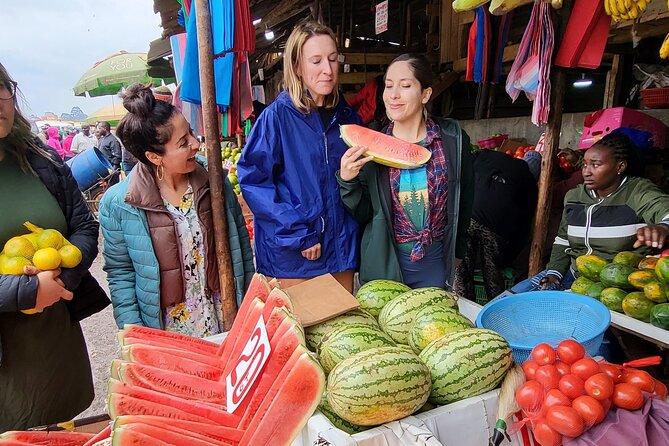
At $50 per person, this is reasonably priced for what is included. The fee covers the groceries for the meal, the market visit, the matatu experience, the cooking instruction, and the meal itself.
You are also paying for access to a local setting that would be difficult to arrange on your own. A market visit is easy to organize in theory, but knowing where to go, what to buy, how to move safely, and how to turn the ingredients into a traditional meal takes time and local help.
The value is strongest if you take part in all three sections. Skipping the market is allowed, but doing so removes one of the most useful parts of the outing. You would still have the home cooking session, yet you would miss the shopping decisions and the first look at local food culture.
The experience has a 4.9 rating from 129 ratings and is recommended by 98 percent of bookers. Those figures suggest a consistently strong experience, especially for people seeking local contact rather than a standard sightseeing tour. They do not mean every person will enjoy the same aspects. The transport and market require some flexibility, and the group size can affect how much individual attention you receive.
Who Will Enjoy This Nairobi Experience Most
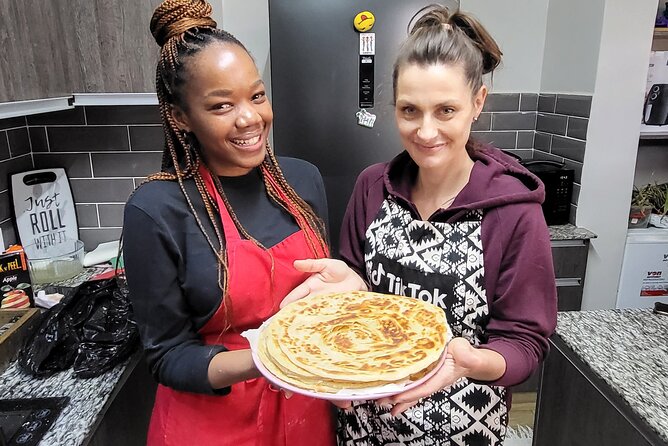
I would recommend this for a first visit to Nairobi, especially if you want an early introduction to food, transport, and everyday customs. Several people have used it near the start of their stay, and the host has offered suggestions for other things to do in the city.
It also suits people who like food but do not need advanced culinary training. You will learn practical preparation and cooking tips, yet the focus is on sharing Kenyan food and culture rather than mastering restaurant techniques.
This is a good fit for:
- Couples who want a meal with a local connection
- Solo visitors who enjoy social activities
- Families and friends who like cooking together
- People interested in public transport and daily city life
- Vegetarians, pescatarians, and gluten-free diners who give notice
- Visitors who want a home meal instead of a formal restaurant
I would think twice if you dislike public transport, want a fully private outing, or prefer a quiet, polished class. You may also want to contact the provider before booking if you need a highly specialized diet or extensive mobility support during the market and matatu portions.
Meeting Point, Timing, and Practical Details
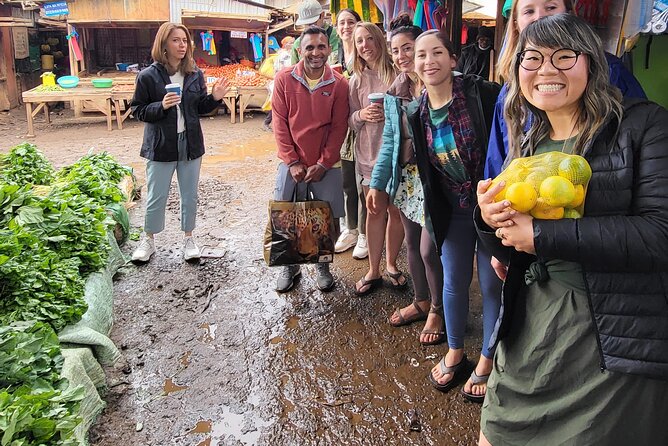
The listed meeting point is Westlands Square on Ring Road in Parklands, Nairobi. The activity ends back at the meeting point, although the exact sequence and final timing are shared after booking.
The total duration is about three hours and 30 minutes. Plan to give yourself room before and after the activity, since market shopping and public transport do not always move at the pace of a private car.
Mobile tickets are supported, and confirmation is provided when you book. The experience is generally booked about 30 days ahead, so reserving early is sensible if your Nairobi dates are fixed.
The cancellation policy is generous up to 24 hours before the start time, when you can receive a full refund. Within 24 hours, cancellations and changes are not accepted for a refund. The activity also depends on good weather and a minimum number of participants. If the provider cancels for either reason, you can choose another date or receive a full refund.
The cooking location has lifts and is wheelchair accessible. That does not automatically mean every part of the market route or matatu ride is suitable for every mobility need, so ask before booking if you need specific arrangements.
My Take: Book It for the Local View
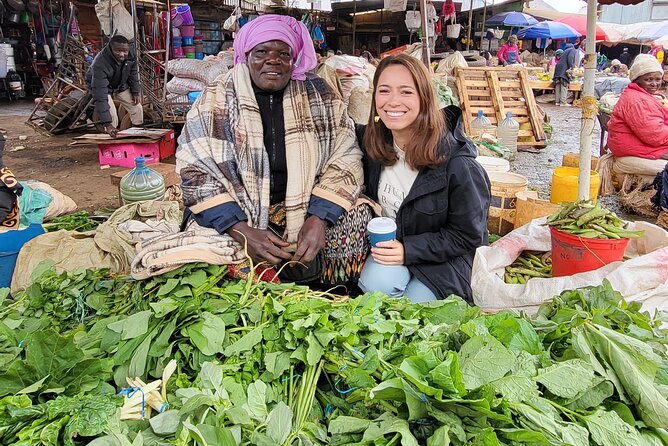
Book this if you want more than a recipe. The real strength is the way the day connects a market, a matatu, a home kitchen, and a shared Kenyan meal. Nimoh’s warm hosting and clear interest in food and culture give the activity its shape.
The best plan is to take part in the full outing, arrive ready to shop and cook, and keep your schedule flexible. You will get the most from it if you treat the market and transport as part of the class, not obstacles before lunch.
Skip it if you want private car transport, a formal culinary school, or a fixed menu with restaurant-style service. For everyone else, $50 buys a practical and personal introduction to Nairobi life, with something good to eat at the end.
FAQ
Where does the experience start?
It starts at Westlands Square on Ring Road in Parklands, Nairobi.
Where does the experience end?
The activity ends back at the meeting point.
How long does the experience last?
It lasts approximately three to three and a half hours.
What does the $50 price include?
The price includes the market grocery shopping, the matatu experience, the cooking class, and the prepared meal.
Can I skip the market visit?
Yes. You may skip the market and go directly to the home cooking and meal portion if you are not feeling up to the market visit.
Is the matatu ride included?
Yes. The itinerary includes a local matatu, or public transport, experience between the market and the cooking location.
Can dietary requirements be accommodated?
Vegetarian, pescatarian, and gluten-free options are available when requested in advance.
Is the cooking location wheelchair accessible?
Yes. The building has lifts and the cooking location is described as wheelchair accessible. The market and matatu portions may require separate accessibility planning.
What is the cancellation policy?
You can cancel at least 24 hours before the start time for a full refund. Cancellations or changes made within 24 hours are not refunded or accepted. If poor weather or an insufficient number of participants causes the provider to cancel, you can select another date or receive a full refund.
Just added around Nairobi
- Visit kibera Slum the chocolate city★ 4.8 · 3 reviews
- Day Tour to Nairobi national park, Elephants, and Giraffe Center★ 3.5 · 8 reviews
- Explore local Market matatu ride & Make Kenyan Cuisines with a home cook★ 5.0 · 8 reviews
- Kibera Slum Tour with a Local★ 5.0 · 15 reviews
- Urban Forest Tour in Nairobi★ 5.0 · 7 reviews
- Vegans special safari★ 4.5 · 4 reviews
- Private Mini Safari Tour in Nairobi★ 5.0 · 6 reviews
- Private Kenyan Cooking Class in Nairobi with a Local★ 5.0 · 3 reviews
Cooking Classes, compared.
Authentic Kenyan Cooking Class & Market Tour in Nairobi
Read our review →
Private Traditional Kenyan Cooking Class with Lunch in Nairobi
Read our review →
Market Tour and Traditional Kenyan Cooking Class in Nairobi
Read our review →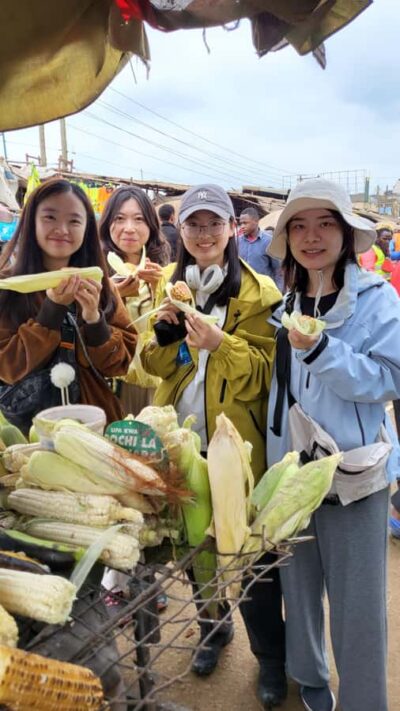
Local Market Tour and Traditional Meal Cooking Class
Read our review →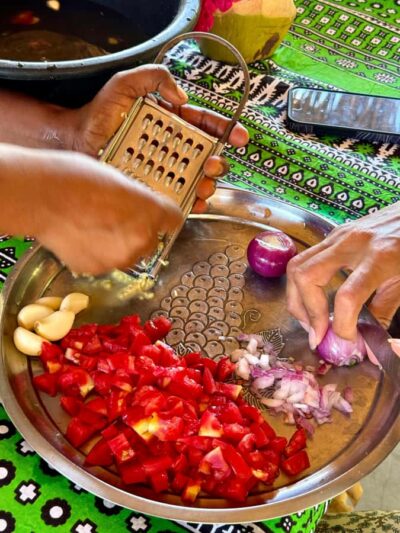
Private Kenyan Cooking Class in Nairobi with a Local
Read our review →Browse the lists this tour appears in