
Reviewed · SHOPPING TOURS
Explore local Market matatu ride & Make Kenyan Cuisines with a home cook
Nairobi’s everyday food culture comes into focus on this four-hour outing. You ride a matatu, shop for fresh ingredients at a local market, then cook in Josephine Rukaria’s home. It is a direct look at how food moves from market stall to family table.
I like the private format, since Josephine can give your party her full attention. I also like the mix of Kenyan and Indian cooking, including curries and ugali, rather than a class built around one familiar dish. The main consideration is comfort: you will use public transport, shop in a local market, and take part in hands-on cooking, so this is less polished than a restaurant demonstration.
Key points to know before booking
- Matatu travel is part of the experience: You ride local public transport between Westlands, the market, and the home setting.
- Josephine Rukaria leads the class: She offers step-by-step guidance and shares family cooking methods and Kenyan cultural context.
- You shop before you cook: Fresh produce is bought at the market, giving the meal a clear connection to daily Nairobi life.
- The meal has five courses: Kenyan and Indian influences may include curries and ugali, with the food prepared by your own group.
- It is a private activity: Only your party participates, which suits families, couples, or friends who want personal instruction.
- The price includes the practical extras: Equipment, transport to and from the market, water, fruit, lunch, coffee, and tea are provided.
From Westlands to a Nairobi market by matatu
The outing begins in the Westlands area, with the published meeting information directing you to start at Mall Westlands. From there, Josephine takes you by matatu to a local market to buy the produce needed for the meal.
A matatu is not simply a sightseeing vehicle. It is part of Nairobi’s normal transport system, and riding one gives you a small but useful view of how residents get around the city. You should expect a more ordinary public transit experience rather than private air-conditioned transport. That is precisely the point, though it also means you should be ready for a less controlled ride.
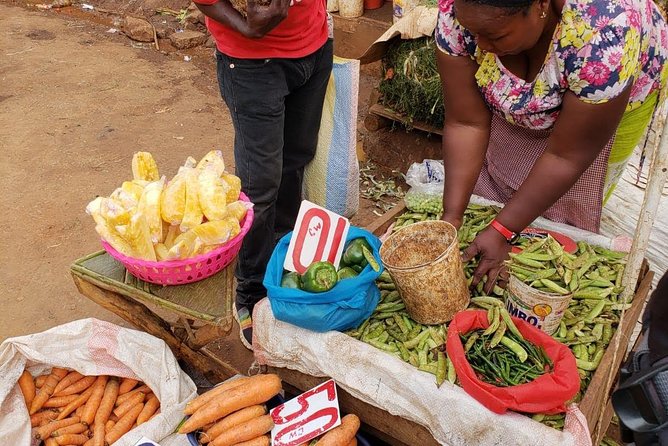
At the market, Josephine helps choose the ingredients. The value here is not just watching someone shop. You can see the produce before it reaches the cooking pot, ask questions about what is being purchased, and connect the final dishes to ingredients used in Kenyan homes.
The exact market is not named in the information provided, so you should not book this expecting a famous food hall or a fixed tourist attraction. Its appeal is the local shopping stop itself. You get a practical look at buying vegetables and other fresh items, with Josephine acting as your guide and interpreter.
This portion also gives the experience a natural rhythm. You do not arrive at a kitchen and find every ingredient already measured. You first see the food in its everyday setting, then carry that understanding into the lesson.
More market and craft shopping in Nairobi:
- Traditional Kenyan Cooking Class & Local Market Tour
★ 5.0 · 129 reviews - Nairobi souvenir Shopping and Historical Half day Tour
★ 5.0 · 61 reviews - Memorable Daily KIBERA Slums/Toi Market Tour with Locals (2 hours)
★ 5.0 · 29 reviews
Why the private format matters
The class is limited to your own party. That changes the pace in a useful way. You can ask Josephine to repeat a step, spend more time on a spice technique, or adjust the conversation to your interests without waiting for a large group.
Private instruction also suits mixed-age groups. Josephine has experience working with children, and her warm, patient manner makes the activity a reasonable choice for a family that wants more than a standard sightseeing stop. Still, children need to be comfortable with public transport, a market visit, and hands-on food preparation.
Couples and friends may prefer this arrangement because the cooking remains social without becoming crowded. You can work together, make mistakes without an audience, and sit down to eat with only your own group. The setting is personal, but it is not presented as a luxury culinary studio. You are visiting a real home and taking part in a home-style lesson.
Josephine is described as patient, funny, and attentive. Those qualities matter in a cooking class, where the best parts often come from small questions: how much spice to use, when a dish is ready, or how a family recipe changes from one cook to another.
Cooking Kenyan and Indian food at home
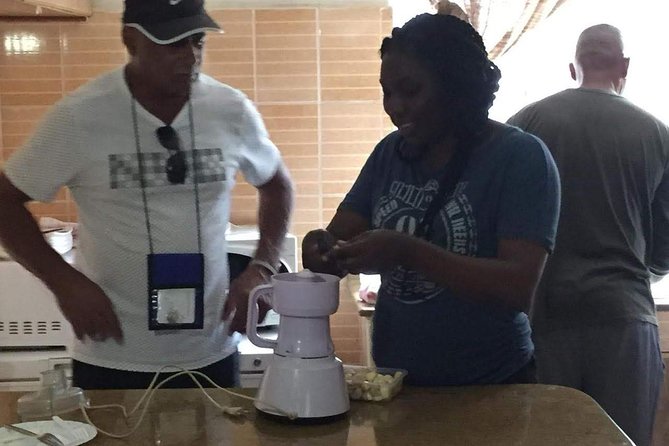
After the market, you head to Josephine’s home by matatu. The home setting is central to the activity. Instead of learning in a commercial school, you cook in an authentic Kenyan home and see how food and hospitality fit together in daily life.
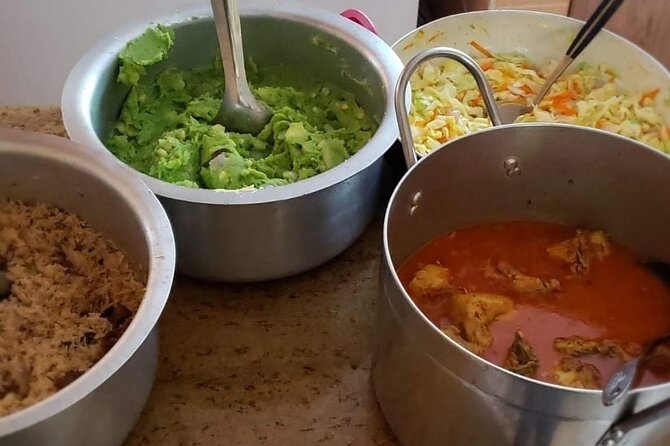
The planned meal has five courses and combines Kenyan and Indian influences. Curries are part of the stated range, and ugali, a cornmeal staple, is also highlighted. The precise menu can vary with the ingredients selected and the group’s food needs, so it is sensible to ask Josephine what dishes are planned if you have a strong preference.
Ugali is especially useful in a lesson because it is more than a side dish on a plate. Learning how to prepare it gives you a connection to a basic part of Kenyan food culture. The Indian influence also reflects the wider food traditions found in Kenya, especially through the use of spices and curry-style cooking.
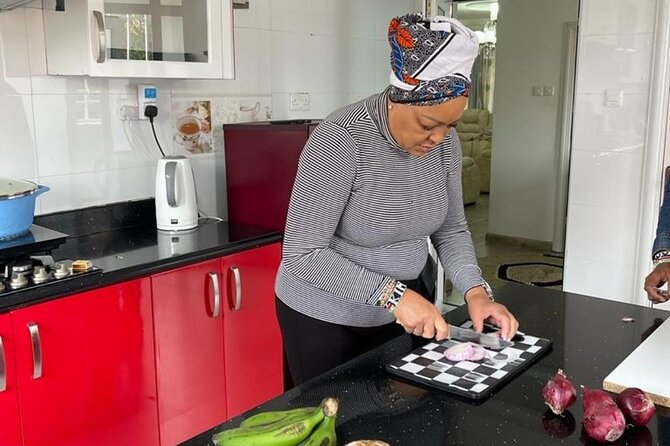
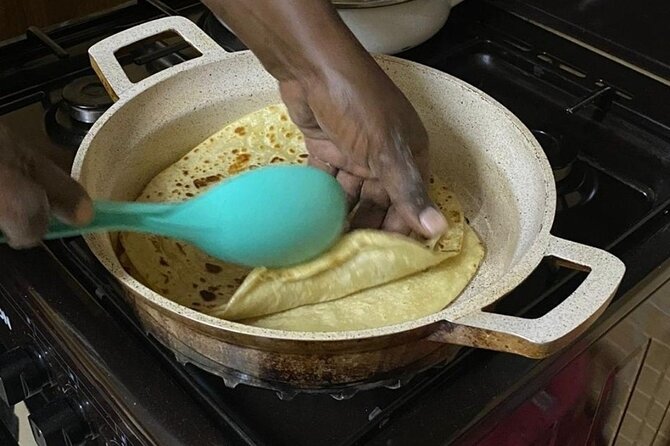
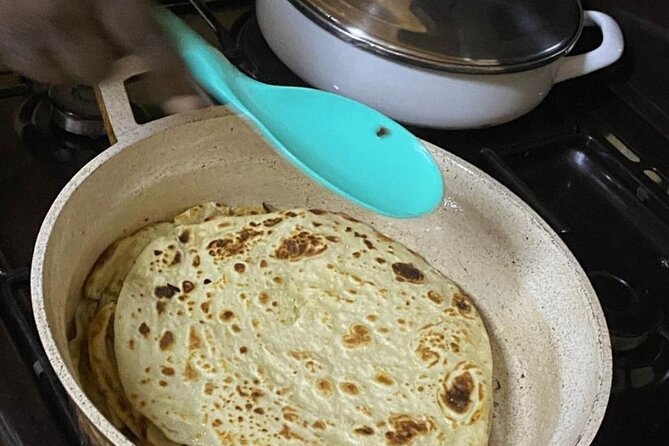
You are expected to take part, not simply watch. Josephine demonstrates the process step by step, and you get your hands dirty as you prepare the food. That makes the class useful for home cooks who want techniques they can repeat later, although you should not expect a formal culinary qualification or a professional kitchen setup.
The focus is on family recipes and practical methods. Josephine has hundreds of tried and tested recipes to draw from, so the food lesson has a personal quality. You are not just following a printed recipe card. You are learning how one Kenyan cook uses spices, balances flavors, and prepares food for people in her home.
The meal is part of the lesson
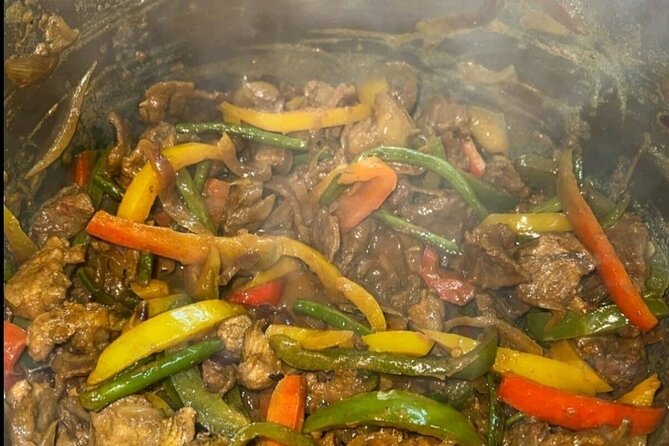
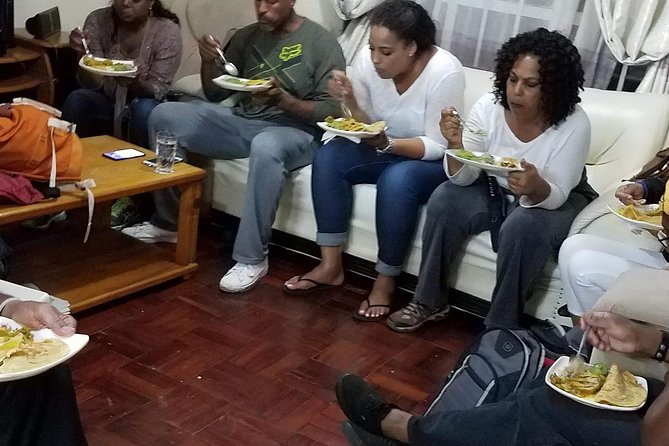
Once the cooking is finished, you eat what you have prepared. The meal is described as a five-course Kenya and Indian lunch, with fruit, water, coffee, and tea included.
I like this part because it gives the class a proper ending. You can taste the results while the methods are still fresh in your mind. If a dish turns out differently than expected, that becomes part of the experience rather than a problem hidden behind a restaurant kitchen door.
The meal is private, and the home is described as peaceful and tranquil. This creates a slower finish after the market and matatu ride. Josephine also presents the home as a place to experience Kenyan hospitality, so conversation and cultural exchange are likely to be as important as the food itself.
Do keep your expectations practical. The price is $60 per person, and that covers a four-hour private outing with market transport, ingredients, instruction, a five-course meal, fruit, water, coffee, and tea. For someone who would otherwise pay separately for a meal, a cooking class, and a guided local activity, that is a fair package.
The value is strongest if you care about the process. If you only want to eat Kenyan food, a restaurant may be simpler. Here, your payment also covers Josephine’s time, the market visit, the transport, the equipment, and the chance to prepare the meal yourself.
A few more Nairobi trips worth comparing
- Nairobi National Park Half-Day Tour; Free Wi-Fi connection
★ 5.0 · 878 reviews - Nairobi: National Park & Optional Elephants & Giraffe Center
★ 4.8 · 874 reviews - NAI NAMI: Nairobi Storytelling Tour with Street Children
★ 5.0 · 792 reviews - Nairobi National Park Half-Day Game Drive
★ 4.5 · 738 reviews
What the matatu ride adds, and what it does not
The matatu ride is one of the most distinctive parts of the outing. Many food classes keep you inside one venue. This one connects the market and the meal through Nairobi’s public transport system.
That connection makes the experience feel grounded in ordinary city life. You see how a local food purchase fits into a normal day, rather than treating Kenyan cuisine as something separated from the people who cook it.
The tradeoff is predictability. A matatu is public transportation, not a private vehicle arranged around your preferred schedule. If you want a quiet, controlled trip with no change in pace, this may not be your best choice. If you want a more direct contact with Nairobi’s routines, it is a worthwhile feature.
Transportation to and from the market is included. Hotel pickup and drop-off are not, so you need to arrange your own way to the starting point and your return from David Osieli Road in Nairobi. The meeting information also refers to Mall Westlands and gives a P.O. Box address, so confirm the exact meeting place with Josephine before the day of the activity.
Food allergies and practical planning
Tell Josephine about food intolerances when you book. This matters because the class involves buying ingredients and preparing several dishes, not simply selecting one item from a restaurant menu.
The provider states that most people can participate, and the activity is near public transportation. The supplied details do not give a full accessibility assessment, so anyone with mobility concerns should ask directly about the matatu ride, market conditions, and movement inside the home.
You do not need to bring cooking equipment. Equipment and ingredients are provided, along with water, fruit, lunch, coffee, and tea. You may still want to bring a phone for photos, but there is no need to arrive with special supplies.
The activity lasts about four hours. That gives enough time for the market visit, transport, cooking, and meal, but it is not a full-day food tour. Keep the rest of your schedule flexible enough for ordinary delays in public transport and the natural pace of a home kitchen.
The experience is usually booked about 18 days ahead. That suggests you should reserve before arriving in Nairobi, especially if you have only a few days in the city or need a particular date.
Who will enjoy this Nairobi cooking experience?
I would choose this for a family, couple, or small group that values contact with local life more than polished presentation. It works especially well if you enjoy asking questions, trying unfamiliar foods, and taking part in the preparation.
Families may appreciate the private setting and Josephine’s ability to work with children. Friends who cook together at home will also get more from this than from a simple meal, since everyone can share the preparation and then sit down together.
It is less suitable for anyone who dislikes public transport, wants a fixed menu confirmed in advance, or prefers to observe rather than participate. The market may be the least comfortable part for visitors who want a quiet and highly organized food class.
The experience also suits visitors who want Kenyan cuisine explained through personal stories. Josephine shares insight into Kenyan culture while teaching, and the home setting gives those conversations a natural place to happen. You get a food lesson, but also a look at how a host cooks and entertains family and friends.
Should you book it?
Book this experience if you want your Nairobi food outing to include a local market, a matatu ride, and a real home kitchen. The strongest features are the private instruction from Josephine Rukaria, the chance to shop for the ingredients, and the five-course Kenyan and Indian meal you help prepare.
At $60 per person, the price is sensible when you count the transport to the market, cooking equipment, ingredients, meal, fruit, drinks, and personal guidance. The main question is not value. It is whether you like the style of experience.
Choose it if you want informal, hands-on, and personal. Skip it if you want hotel pickup, private vehicle transport, or a restaurant-style class with a firm menu and professional kitchen. For curious eaters who want to meet a local cook and leave with a better sense of Kenyan home food, this is a strong choice.
FAQ
How long does the experience last?
The activity lasts approximately four hours, including the market visit, matatu transportation, cooking lesson, and meal.
Where does the experience begin?
The stated itinerary begins at Mall Westlands in Nairobi. The meeting information also provides a P.O. Box address, so confirm the exact meeting point with Josephine before the activity.
Where does the experience end?
The listed end point is David Osieli Road in Nairobi.
Is hotel pickup and drop-off included?
No. Hotel pickup and drop-off are not included. Transportation to and from the local market is included.
Is the activity private?
Yes. Only your group participates in the activity.
What food will be prepared?
You will prepare a five-course meal with Kenyan and Indian influences. The stated examples include curries and ugali, a cornmeal dish.
Are ingredients and cooking equipment provided?
Yes. Ingredients and cooking equipment are provided. Water, fruit, lunch, coffee, and tea are also included.
Can food intolerances be accommodated?
You should tell Josephine about any food intolerance when booking. The provider specifically asks for this information in advance.
What is the cancellation policy?
You can cancel at least 24 hours before the local start time for a full refund. Cancellations or changes made less than 24 hours before the start time are not accepted for a refund.
Just added around Nairobi
- Visit kibera Slum the chocolate city★ 4.8 · 3 reviews
- Day Tour to Nairobi national park, Elephants, and Giraffe Center★ 3.5 · 8 reviews
- Kibera Slum Tour with a Local★ 5.0 · 15 reviews
- Urban Forest Tour in Nairobi★ 5.0 · 7 reviews
- Vegans special safari★ 4.5 · 4 reviews
- Private Mini Safari Tour in Nairobi★ 5.0 · 6 reviews
- Private Kenyan Cooking Class in Nairobi with a Local★ 5.0 · 3 reviews
- Tour Giraffe Centre, David Shedrick, Karen Blixen & city tour.★ 5.0 · 3 reviews
Shopping Tours, compared.

Traditional Kenyan Cooking Class & Local Market Tour
Read our review →
Nairobi souvenir Shopping and Historical Half day Tour
Read our review →
Memorable Daily KIBERA Slums/Toi Market Tour with Locals (2 hours)
Read our review →
Mombasa City Tour,Fortjesus,Oldtown,Tusks and Spice Market.
Read our review →
Half-Day Nairobi National Park and Maasai Market with Pick up
Read our review →
Authentic Kenyan Cooking Class & Market Tour in Nairobi
Read our review →
Nairobi cultural souvenir shopping tour with a local
Read our review →Browse the lists this tour appears in