
Reviewed · COOKING CLASSES
Authentic Kenyan Cooking Class & Market Tour in Nairobi
The best part of this four-hour Nairobi experience is the move from local market to Tabitha’s family home. You are not simply shown a plate of Kenyan food. You help choose ingredients, cook them, and sit down for lunch while Tabby, as she is also known, shares stories about daily life and food in Kenya.
I like the practical cooking and the human contact. You can learn why ugali, sukuma wiki, pilau, chapati, and kuku kienyeji matter at the table where they are made. I also like the modest price: $64 per person covers the host, market transport, cooking lessons, lunch, soda, water, and tea.
The main point to consider is the setting. This is a home kitchen on the outskirts of Nairobi, with limited space rather than a polished cooking school. That makes the visit personal, but it may feel close and informal if you prefer a large, highly structured class.
Key points at a glance
- Meet Tabitha at K-MALL Komarocks: The stated meeting point is the parking lot, where you begin the trip to the market.
- Shop before you cook: The market visit gives you a look at local buying habits and lets you select fresh ingredients.
- Cook Kenyan staples by hand: Expect lessons involving ugali, pilau, chapati, sukuma wiki, kachumbari, and other dishes, with some sessions also including mukimo, githeri, or kuku kienyeji.
- Eat in a private home: Lunch is served at Tabitha’s home, creating time for conversation with her and her husband.
- Useful inclusions: Market transport, instruction, lunch, soda, water, and tea are included.
- Plan for a simple cultural visit: Bring comfortable shoes, comfortable clothing, a camera, and some cash. Alcohol is not included.
Starting at K-MALL Komarocks
Your meeting point is the K-MALL Komarocks parking lot. From there, Tabitha takes you toward a local market before the cooking begins. Confirm the exact starting time when you book, since the activity lasts four hours but the available start times can vary.
This location matters because the class is not presented as a downtown Nairobi food demonstration. You are heading into a residential part of the city and seeing a more ordinary side of Nairobi. One person described the drive through the city as part of the pleasure of the day, since it offered a first look at local life before the cooking even started.
Transport to and from the market is included. The information also says transportation can be arranged for convenience, but Uber or other transportation fees are not included. I would clarify your pickup plan before setting out, especially if you are staying far from Komarocks.
The neighborhood is described as secure, which helps make the home visit feel easier for a first-time visitor. Still, this is a city outing, not a resort transfer. Wear shoes that can handle walking and clothes that are comfortable for moving around a kitchen.
More Kenyan cooking classes:
- Traditional Kenyan Cooking Class & Local Market Tour
★ 5.0 · 129 reviews - Private Traditional Kenyan Cooking Class with Lunch in Nairobi
★ 5.0 · 10 reviews - Market Tour and Traditional Kenyan Cooking Class in Nairobi
★ 4.8 · 6 reviews
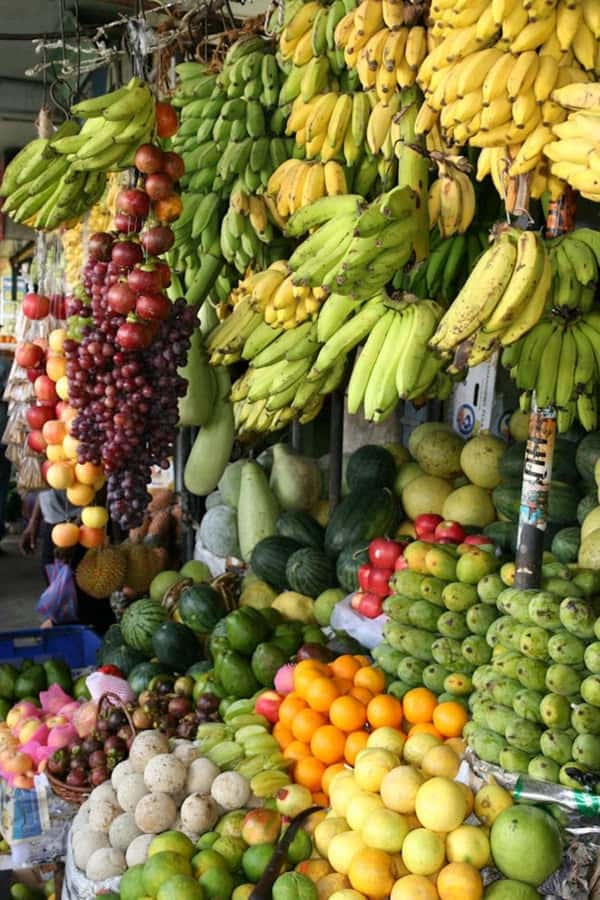
Buying ingredients in a Nairobi market
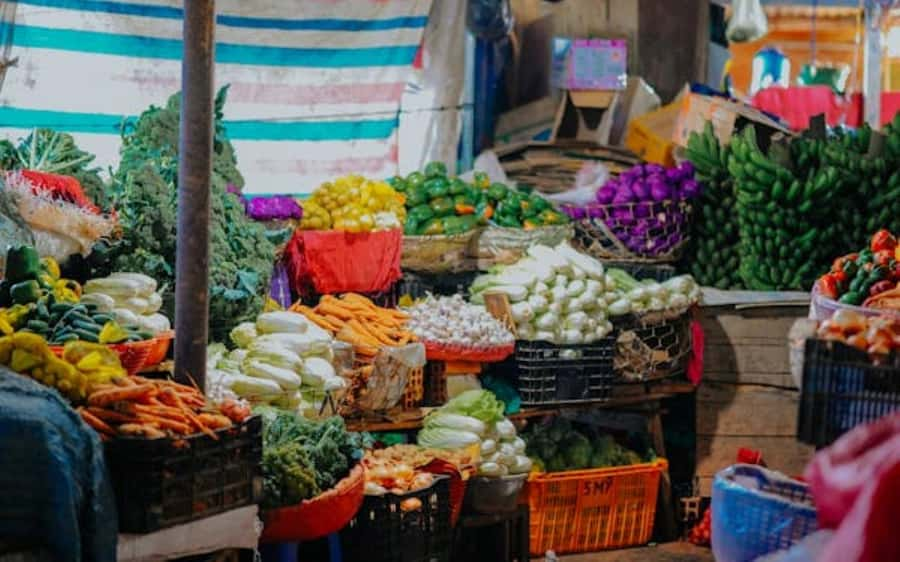
The market is the first real lesson. Instead of meeting pre-measured ingredients on a counter, you see where the meal begins and take part in choosing fresh produce and other supplies.
This is useful because Kenyan cooking is closely tied to ordinary shopping. You can see the color, shape, and scale of ingredients before they are cleaned, chopped, seasoned, and cooked. You also get a chance to interact with local people, although the amount of conversation will depend on the market, the group, and the comfort of everyone involved.
The market can be busy and sensory, so keep your belongings secure and bring some cash as requested. A camera is welcome, but ask before photographing people. In a market, you are looking at daily life, not a staged photo stop.
The visit also helps you understand the food on the lunch table. Sukuma wiki, for example, is not just a menu phrase. Seeing greens and other produce before they enter the kitchen gives the meal a clear link to local shopping and home cooking.
Cooking Kenyan food in Tabitha’s home
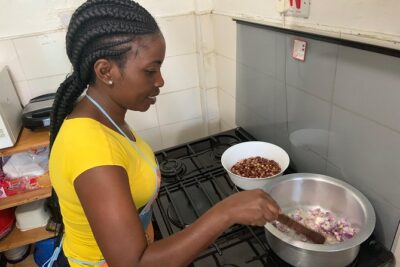
After shopping, you head to Tabitha’s home on the outskirts of Nairobi. The class takes place in her kitchen, where space is limited. That limitation is worth knowing in advance: this will not be a large room with a separate workstation for every person.
The tradeoff is personal attention and a more natural setting. You get chances to help, taste food as it cooks, and ask questions while Tabitha explains ingredients and methods. The exact amount of hands-on work may depend on the number of people attending and the kitchen space, but the activity is designed as a participation-based class rather than a demonstration only.
You may work with several well-known Kenyan dishes:
- Ugali: A firm maize meal staple commonly served with vegetables, meat, or stew.
- Sukuma wiki: Cooked leafy greens, a familiar part of everyday Kenyan meals.
- Kachumbari: A fresh salad that adds a crisp contrast to heavier dishes.
- Chapati: Flatbread prepared as part of the meal.
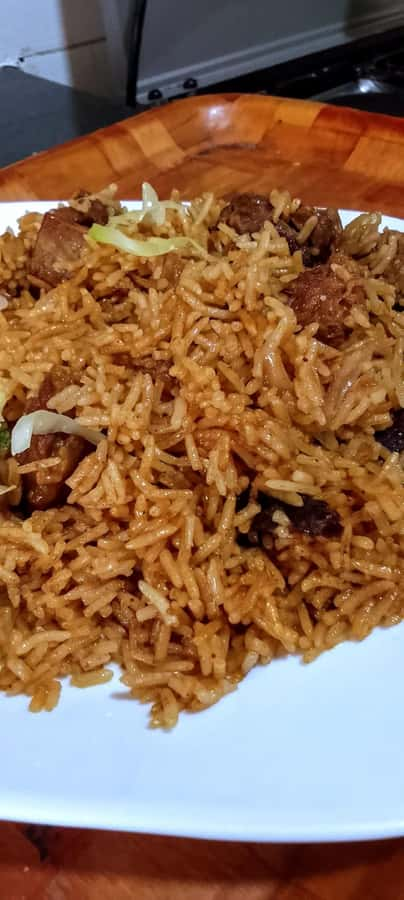
- Pilau: Spiced rice with a distinctive savory flavor.
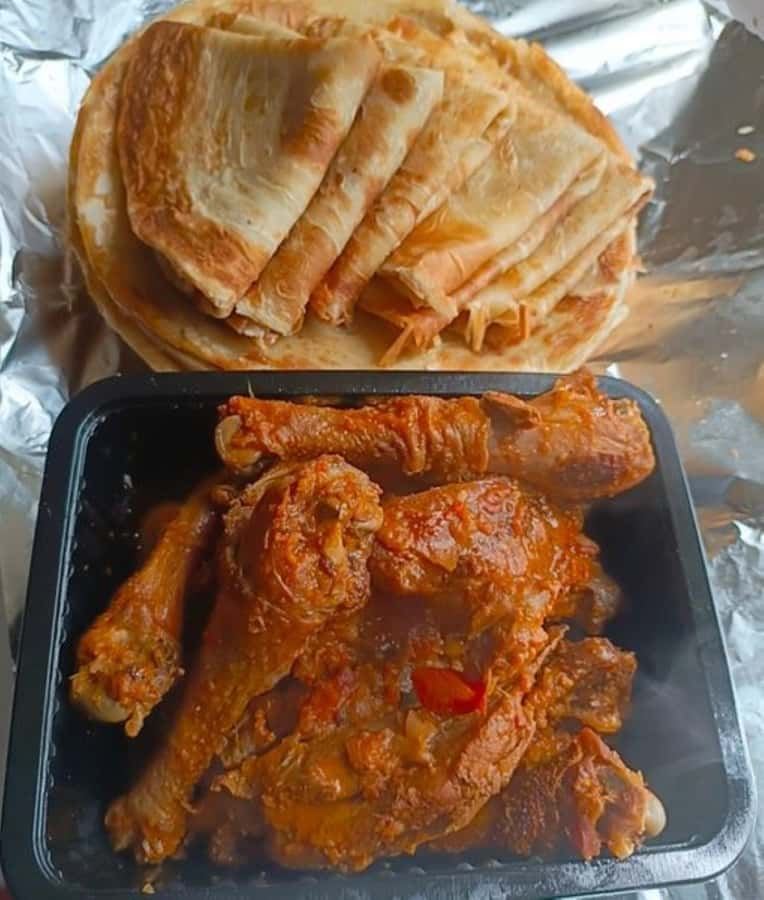
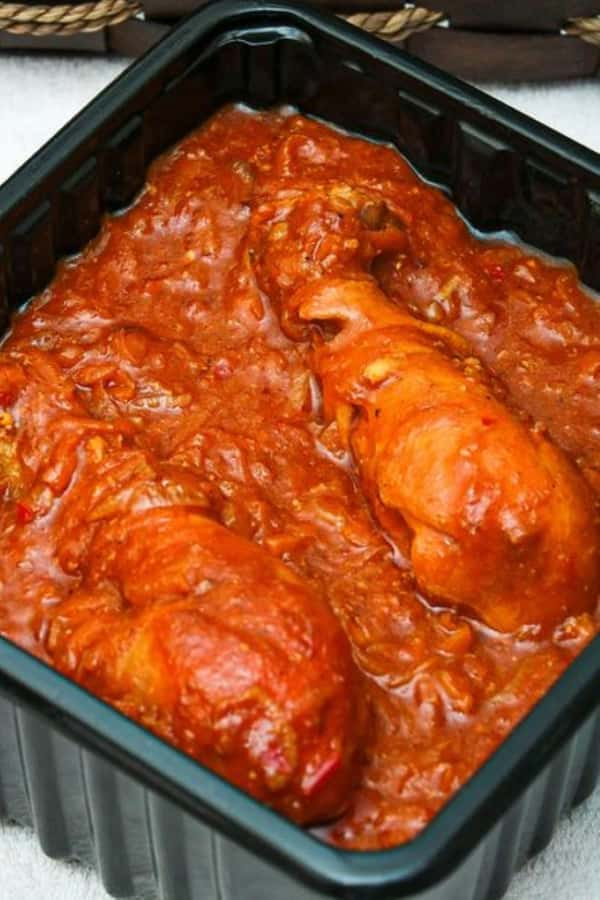
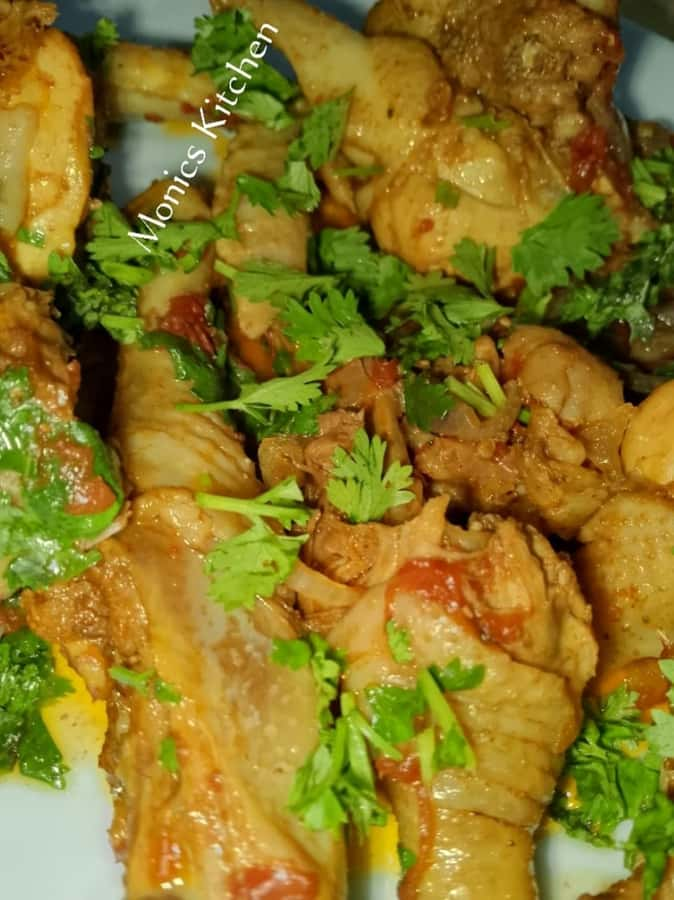
- Kuku kienyeji: Traditionally raised chicken, included in some versions of the meal.
- Mukimo and githeri: Additional Kenyan dishes listed as possible parts of the cooking session.
You may not prepare every dish on every visit. The description names several foods, including a special focus on kachumbari, sukuma wiki, ugali, chapati, pilau, and some kienyeji chicken, while mukimo and githeri are also mentioned in the broader cooking plan. Ask Tabitha what is planned for your date if one particular dish matters to you.
The value here is not only learning a recipe. It is learning how a family meal comes together. You can taste along the way, see the pace of a working kitchen, and ask about the place each dish has in Kenyan food culture.
Sharing lunch and conversation
The cooking leads to lunch in Tabitha’s home. This is the part that gives the outing its emotional weight. You are not rushed from a kitchen back to a bus. There is time to sit, eat, and talk with Tabitha and her husband.
Several visitors described the welcome as warm and the conversation as a major part of the day. One Italian visitor found the personal stories especially meaningful, including discussion of everyday joys and challenges in Kenyan life. That kind of exchange cannot be guaranteed in a fixed script, but the design of the visit leaves room for it.
I would come ready to listen as well as cook. Ask about ingredients, household meals, Nairobi life, and the dishes you are preparing. The languages offered are English and Swahili, so communication is accessible for English speakers, while a little Swahili can make the market interaction more enjoyable.
Lunch includes beverages such as soda, water, and tea. Alcoholic drinks are not included. If you have dietary restrictions, take the warning seriously: this activity is not suitable for people with food allergies. The information does not promise substitutions or an allergy-safe kitchen, so you should contact the host before booking if food safety is a concern.
More market and craft shopping in Nairobi:
- Nairobi souvenir Shopping and Historical Half day Tour
★ 5.0 · 61 reviews - Memorable Daily KIBERA Slums/Toi Market Tour with Locals (2 hours)
★ 5.0 · 29 reviews - Nairobi Cultural Shopping Experience
★ 5.0 · 21 reviews - Half-Day Nairobi National Park and Maasai Market with Pick up
★ 5.0 · 16 reviews
What the $64 price really covers
At $64 per person, this is priced above a simple meal and below many private cultural outings. The useful question is what you receive for the fee. Here, the price includes local host services, transport to and from the market, cooking instruction, lunch, soda, water, and tea.
That package gives the cost real value if you want several parts of Nairobi life in one half-day: a market visit, a home setting, a cooking lesson, and a shared meal. You are also paying for Tabitha’s time and for the chance to ask questions in a relaxed setting.
The price is less attractive if you only want to eat Kenyan food or take a quick market walk. You could find simpler ways to do either. This experience makes sense when you want participation and conversation, not just sightseeing.
Children under 10 receive free entrance, according to the activity information. The class may suit families if children are comfortable in a small kitchen and can follow food-safety instructions, though the information does not give a specific child-focused format.
The small-group feel and possible limitations
The home kitchen is part of the appeal, but it also sets expectations. Limited space may mean that you take turns, stand close to other people, or watch certain steps rather than handling every task yourself.
That is not a flaw so much as a choice. A home kitchen feels more genuine than a studio built for tourism, yet it cannot offer the same room or polished production as a professional cooking school. If you want a quiet, formal lesson with printed recipes and individual cooking stations, this may not be your ideal match.
The four-hour length is well judged for a market-and-meal visit. It gives you enough time to shop, cook, talk, and eat without turning the day into an all-day commitment. Traffic and the pace of the market can affect how the hours feel, so keep your schedule after the class reasonably open.
The experience is also not suitable for people over 95, as stated in the activity details. No other accessibility information is provided, so ask directly about walking, seating, stairs, and kitchen access if those points affect your decision.
Who will enjoy this Nairobi food experience
I would choose this outing if you want to meet a local host and see how food connects to home life. It is especially suitable for:
- People who prefer personal cultural activities over formal tourist attractions.
- Food lovers who want to prepare, taste, and share Kenyan dishes.
- Couples, families with younger children, and small groups who enjoy conversation.
- Visitors looking for a secure residential setting away from central city noise.
- Anyone who wants a practical introduction to Kenyan staples before exploring more of the country.
It may be less suitable if you have serious food allergies, dislike market crowds, want a spacious cooking studio, or need a tightly timed schedule. It is also not a good fit if you expect alcohol, since alcoholic drinks are not part of the package.
Bring comfortable shoes and clothes, since the day includes a market and cooking. A camera is useful, and cash is recommended. Weapons and sharp objects are not allowed, which is worth remembering when packing for the outing.
Booking flexibility and language
You can cancel up to 24 hours before the activity for a full refund. The reserve-now, pay-later option can help if your Nairobi plans are still shifting, though you should still check the available start times before confirming.
Tabitha provides the experience in English and Swahili. If you want to learn a few food words in Swahili, this is a natural place to do it. The class is not presented as a language lesson, but shopping and cooking create plenty of easy moments for simple phrases.
The host’s name is worth noting when you meet at K-MALL Komarocks. Tabitha is also called Tabby, and the personal connection is central to the outing. You are going to her home, not joining an anonymous group demonstration.
Should you book the Kenyan cooking class?
Book it if you want a human-scale Nairobi experience built around food, conversation, and ordinary daily life. The market gives you context, the cooking gives you something practical to do, and lunch gives you time to connect with the host.
Skip it if you need a large professional kitchen, have food allergies, or want a short tasting with no hands-on work. For everyone else, $64 is a fair price for four hours that combine transport, a market visit, instruction, a home meal, and drinks. Come hungry, leave room in your schedule, and expect the best part to be the conversation around the food.
FAQ
Where does the activity begin?
Meet at the K-MALL Komarocks parking lot. From there, you proceed to a local market before going to Tabitha’s home for the cooking session.
How long does the cooking class and market tour last?
The full activity lasts four hours. Starting times vary, so check availability when booking.
What food will I learn to prepare?
The activity focuses on dishes such as kachumbari, sukuma wiki, ugali, chapati, pilau, and kuku kienyeji. Mukimo and githeri are also listed as possible dishes.
Are transport and lunch included?
Transport to and from the market, cooking lessons, lunch, soda, water, and tea are included. Uber and other transportation fees are not included.
What languages does the host speak?
The activity is offered in English and Swahili.
Can children join the activity?
Children under 10 receive free entrance. The information does not specify a separate children’s program.
What should I bring, and are there restrictions?
Bring comfortable shoes, comfortable clothes, a camera, and cash. Weapons and sharp objects are not allowed. Alcoholic drinks are not included, and the activity is not suitable for people with food allergies or people over 95.
Just added around Nairobi
- Visit kibera Slum the chocolate city★ 4.8 · 3 reviews
- Day Tour to Nairobi national park, Elephants, and Giraffe Center★ 3.5 · 8 reviews
- Explore local Market matatu ride & Make Kenyan Cuisines with a home cook★ 5.0 · 8 reviews
- Kibera Slum Tour with a Local★ 5.0 · 15 reviews
- Urban Forest Tour in Nairobi★ 5.0 · 7 reviews
- Vegans special safari★ 4.5 · 4 reviews
- Private Mini Safari Tour in Nairobi★ 5.0 · 6 reviews
- Private Kenyan Cooking Class in Nairobi with a Local★ 5.0 · 3 reviews
Cooking Classes, compared.

Traditional Kenyan Cooking Class & Local Market Tour
Read our review →
Private Traditional Kenyan Cooking Class with Lunch in Nairobi
Read our review →
Market Tour and Traditional Kenyan Cooking Class in Nairobi
Read our review →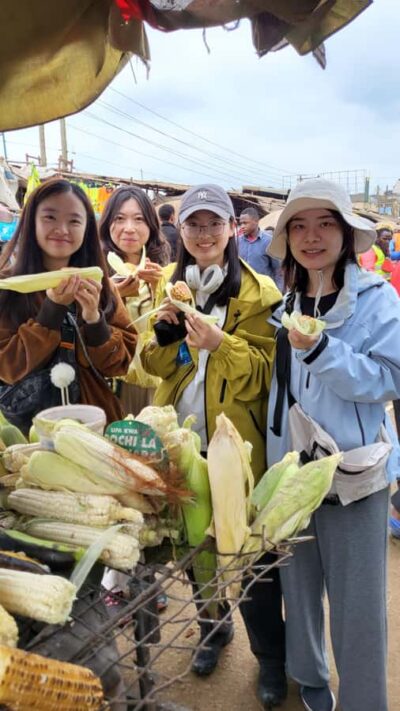
Local Market Tour and Traditional Meal Cooking Class
Read our review →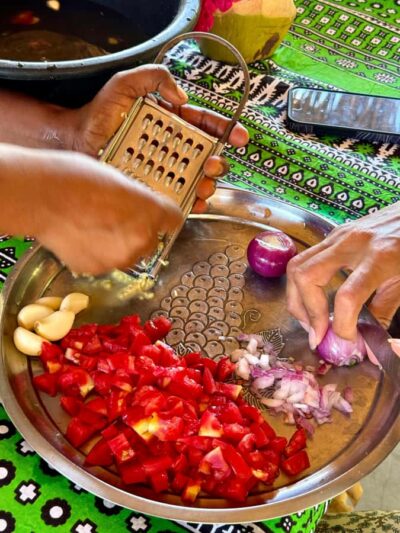
Private Kenyan Cooking Class in Nairobi with a Local
Read our review →Browse the lists this tour appears in