
Reviewed · FORT JESUS & OLD TOWN TOURS
Lamu Old Town Walking Tour
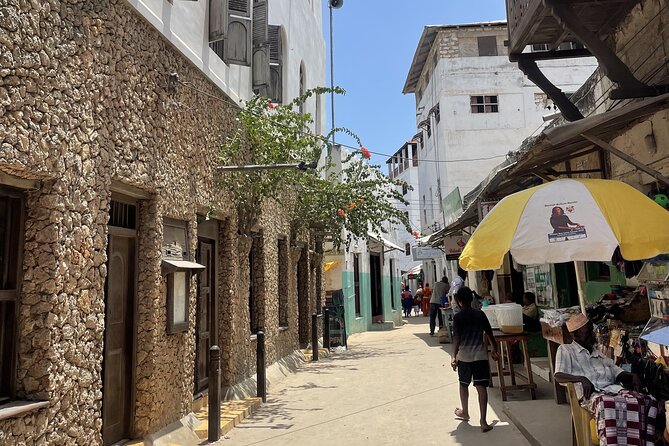
Lamu Old Town is best understood on foot, one narrow lane at a time. This tour takes you past coral-stone houses, carved wooden doors, craft shops, the seafront, and working corners of town that are easy to miss if you only follow the main sights. Guide Kassim also helps connect the buildings to Swahili culture, music, and Lamu’s mixed past.
I like the way the walk combines major stops with ordinary local life. I also like the practical help: Kassim can point you toward local food, places to stay, souvenir shops, sailing and fishing trips, and the route to Takwa Ruins. The main drawback is that entrance fees are extra, and two hours can feel short if you want a full museum visit and plenty of time in the shops.
Key points at a glance

- See Lamu’s carved doors and coral houses: The walk focuses on the details that give the old town its character.
- Visit key historic sights: The route includes Lamu Fort, Lamu Museum, the market, town square, German post office, and Swahili House Museum.
- Meet local working traditions: You can see wood carving, silversmithing, and weaving, including wave knitting.
- Get useful local advice: Kassim can suggest Swahili food, accommodation, sailing, fishing, and visits to Takwa Ruins.
- Keep the cost low: At $20 per person, the tour offers a guided introduction without including museum or fort admission.
- Expect a small group: The maximum is 15 people, with a two to three hour walking time.
Starting at Lamu Town Square
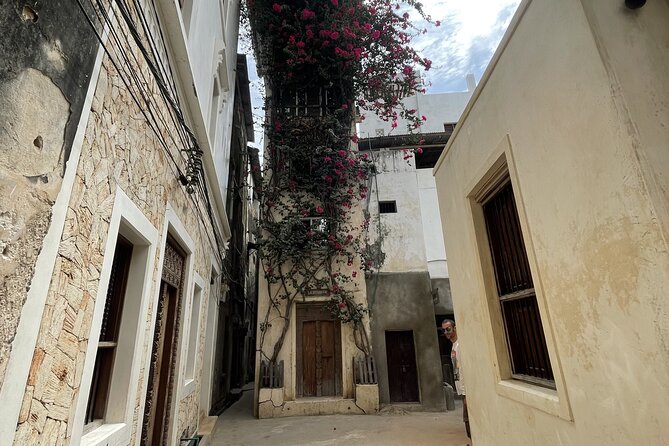
The tour begins at Lamu Town Square, listed at location code PWJ2+FWW in Lamu. It also ends back at the meeting point, which makes the walk easy to fit into a day of independent exploring.
Starting in the square gives you a useful orientation before entering the old town’s tighter lanes. You can get your bearings, then follow the guide through streets where the most interesting details are often above eye level or tucked beside a doorway.
The timing is listed as about two hours, while the general tour duration is given as two to three hours. Plan for the longer end if the group spends time at craft workshops, pauses for questions, or stops to look at the historic buildings. The listed operating window covers Monday through Wednesday from 8:00 in the morning to 5:00 in the afternoon.
The group can include up to 15 people. That is not a private walk, but it is still small enough for a guide to explain details and answer questions. If you want an especially quiet visit inside the museums, remember that admission is not part of the $20 price.
More Fort Jesus and Old Town walks in Mombasa:
- Walking Tour Through Old Town Mombasa and Fort Jesus
★ 5.0 · 393 reviews - Mombasa: Tusks, Fort Jesus, Old Town, Beach and City Tour
★ 4.7 · 137 reviews - Visit to Fort Jesus and the Old Town of Mombasa
★ 5.0 · 47 reviews
Walking Lamu’s narrow streets
The strongest part of this experience is the walking itself. Lamu’s old town is not presented as a collection of isolated monuments. Its streets, doorways, homes, shops, and waterfront all form part of the visit.
You will see houses built with coral, a local building material that gives many streets their pale, textured appearance. The carved wooden doors are another main feature. They are not simply decoration. They show the care placed into entrances and offer a direct way to notice local design traditions as you move through town.
I like tours that help you read a place rather than only photograph it. Here, the guide explains Swahili culture, music, architecture, and craft work while you walk. That connection matters because Lamu’s character is easier to understand when you see historic buildings beside active workshops and everyday streets.
The lanes are narrow and full of turns. That makes a guide useful for orientation, especially at the beginning of your stay. Kassim is also described as friendly and approachable, with a habit of helping people find shortcuts and recommending good places to buy souvenirs. Those small bits of advice can save time later in your visit.
Lamu Market and Town Square
The market gives the tour a change of pace from the formal historic sights. You can see local trade in a working setting, then compare it with the quieter lanes and older buildings nearby.
The route also includes Lamu Town Square, where the walk begins and returns. Together, the square and market help you understand how the old town functions as a living center rather than a museum set aside for visitors.
The market is a good place to ask the guide about local products and food. The tour specifically includes recommendations for Swahili cuisine and places to eat. That is useful if you are unsure where to try local dishes after the walk, though the tour price does not include a meal.
Do not expect a long shopping session to be built into the schedule. The walk has many stops, and the focus is on learning about Lamu as a whole. If you want to spend serious time comparing souvenirs, set aside another part of your day.
Lamu Fort and the story of power
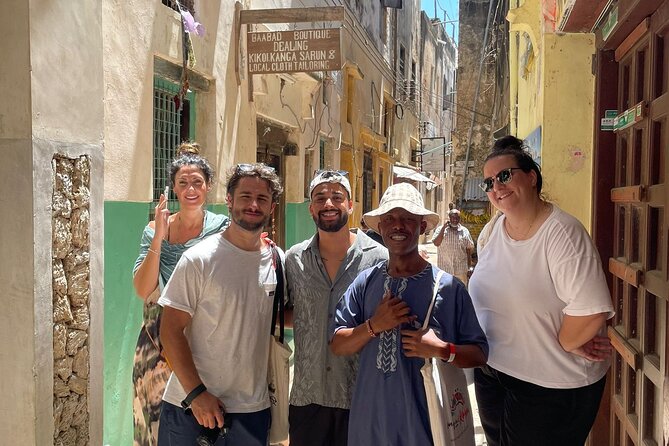
Lamu Fort is one of the central historic sights on the route. You will see the fort from the outside, and you may enter if you pay the separate admission fee.
The fort’s history reflects the changing powers that shaped Lamu. It first served as a palace for the Oman King. During British rule, it became the headquarters of the Imperial British East African Company. It was later converted into a museum.
Outside the museum area are cannons connected with the bombing of the Sultanate at Witu. Details like these give the stop more weight than a quick photograph from the street. They point to the political struggles behind the town’s architecture.
Since entrance is not included, decide before you arrive how much you want to spend on admissions. The $20 covers the guide for the time of the tour, not entry to the fort or museums. That keeps the basic price reasonable, but your final cost will be higher if you want to go inside.
More Walking Tours in Kenya:
- Nairobi: Historic and Modern Highlights Walking Tour
★ 4.8 · 703 reviews - Nairobi Historical Walking City Tour
★ 5.0 · 258 reviews - Nairobi Walking tour:Explore History Culture and Traditions
★ 4.8 · 222 reviews - Nairobi Downtown Walking Tour
★ 4.7 · 208 reviews
Museums, the German post office, and Swahili architecture

The route includes Lamu Museum, the German post office, and Swahili House Museum. Each stop adds a different piece to the town’s story.
Lamu Museum helps place the town’s objects and traditions in a wider setting. Swahili House Museum focuses on distinctive architecture, giving you a closer look at how homes were designed and used. The German post office adds another reminder that Lamu’s history includes outside commercial and political connections.
The exact amount of time spent inside is not specified. That is important when planning your expectations. This is a walking introduction with several stops, not a museum-focused tour with hours in each collection.
I would treat the museums as anchors for the walk. You see enough to understand why they matter, then continue into the streets, workshops, and waterfront. If one museum captures your interest, you may want to return independently after the guided walk.
Wood carving, silversmithing, and weaving
The craft stops are among the most useful parts of the experience because they connect cultural history to current local work. You can see wood carving shops, silver workshops, and weaving, including wave knitting.
The carved doors are especially easy to appreciate after seeing the people who work with wood. Instead of viewing the doors as old visual details, you begin to notice the skill and patience behind them. The same applies to silver work and other local products.
These stops also give you a chance to buy something with a clearer understanding of its connection to Lamu. Kassim can recommend places to shop for souvenirs, which is helpful if you want to compare items without wandering aimlessly.
Keep your expectations practical. The experience includes visits to local working shops, but it is not described as a hands-on craft class. You should expect to observe, ask questions, and learn about the work rather than make an item yourself.
The seafront and traditional Swahili music
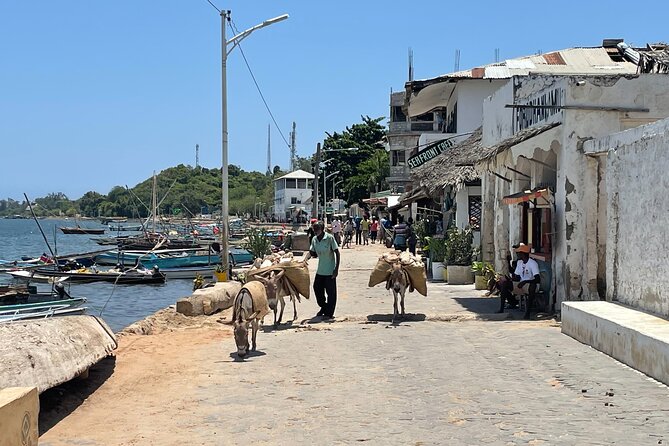
Lamu’s seafront gives the walk breathing room after the close lanes of the old town. You will have a chance to enjoy the waterfront and hear traditional Swahili music as part of the cultural focus.
The contrast is one reason the route works well. Inside the old town, you are looking closely at doors, walls, workshops, and streets. Along the seafront, the setting opens up and gives you a different view of the town.
Music is included as part of the cultural experience, but the details of any performance are not specified. It is best to think of this as an introduction to traditional sound and culture rather than a separate concert.
The waterfront also makes a good point to ask about other activities. Kassim can offer advice about sailing tours and fishing trips, giving you a practical way to build the rest of your time in Lamu.
The donkey sanctuary and daily life
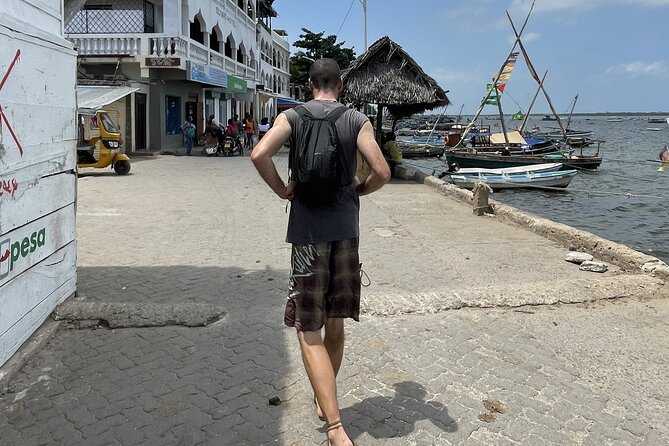
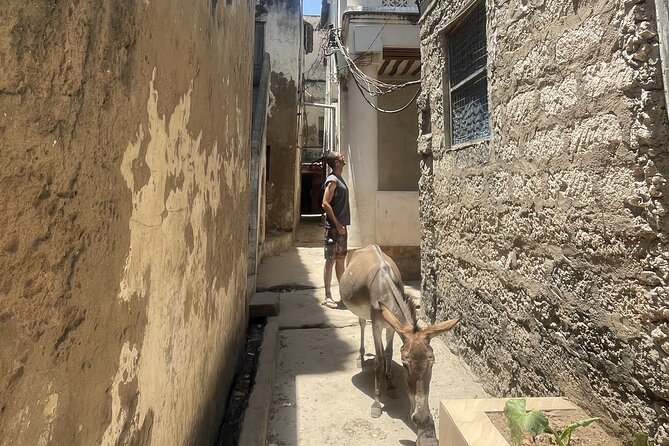
The donkey sanctuary is another unusual stop. Its inclusion helps show an aspect of town life that a standard monument-only walk might leave out.
The tour does not provide detailed information about the sanctuary or specify how long you will stay there. You can still expect it to add a more local, everyday element to the route, especially when set beside the fort, museums, and formal historic buildings.
This variety is one of the tour’s strengths. In a few hours, you move between history, architecture, crafts, music, markets, animals, and the waterfront. The possible weakness is pace. With so many subjects, no single stop can receive a very long explanation.
What the $20 price really gives you
At $20 per person, the price is fair if you want a guided introduction to Lamu rather than a private, museum-heavy visit. The guide’s role is the main value: you get help finding the streets, context for the buildings, an explanation of local traditions, and advice for the rest of your stay.
The price does not cover admission to the fort or museums. It also does not include food, shopping, sailing, fishing, or other activities suggested during the walk. Think of the fee as payment for the guide’s time and local direction.
A maximum group size of 15 keeps the cost lower than a private tour while avoiding a very large group. If you want a personal schedule or long stops at each museum, ask about private arrangements before booking. No private option is specified here, so do not assume one is included.
Who will get the most from this walk
I would choose this tour early in a Lamu visit. The meeting point is central, the route covers many major sights, and the practical recommendations can help you decide what to do next.
It suits you especially well if you want:
- A short introduction to Lamu Old Town
- Help with orientation in narrow streets
- Context about Swahili culture and mixed cultural influences
- A look at local wood, silver, and weaving work
- Suggestions for food, accommodation, shopping, and later activities
- A tour led in English
It may be less suitable if you want a long, quiet museum visit or a private itinerary. The route covers a lot in two to three hours, and the fort and museum admissions cost extra.
Confirmation is provided when you book. Service animals are allowed, and the tour is near public transportation. Most people can participate, though the supplied information does not describe the walking surface, distances, or specific arrangements for mobility needs. Ask the operator if those details matter to you.
Booking and weather details
The experience is often booked about 17 days ahead, so booking early is sensible if your dates are fixed. The tour requires good weather. If poor weather causes cancellation, you can receive a different date or a full refund.
You can cancel for a full refund up to 24 hours before the start time. Cancellations or changes inside that 24-hour window are not refunded or accepted. The cut-off follows local time in Kenya, so check the clock before making changes.
Should you book the Lamu Old Town Walking Tour?
Book it if you want to understand Lamu through its streets, crafts, buildings, and people rather than simply tick off a fort and a museum. Kassim’s local advice is a real benefit, especially if you want help choosing Swahili food, souvenirs, sailing, fishing, accommodation, or a trip to Takwa Ruins.
The $20 price works well for a first look, but budget extra for admission fees. If you have only a short time in Lamu, this walk gives you a useful foundation. If you prefer a slow, highly detailed museum tour, you may find the broad route too brisk.
FAQ
Where does the Lamu Old Town Walking Tour start?
The tour starts at Lamu Town Square, listed at PWJ2+FWW, Lamu, Kenya.
Where does the tour end?
The activity ends back at the meeting point in Lamu Town Square.
How long does the walking tour last?
The tour lasts about two to three hours. The itinerary also lists a two-hour walking portion.
What sights are included?
The route includes Lamu Market, Lamu Town Square, Lamu Fort, Lamu Museum, the German post office, Swahili House Museum, the donkey sanctuary, the seafront, and local wood carving, silversmithing, and weaving workshops.
Are fort and museum admission fees included?
No. Entrance fees inside the fort and museums are not included in the tour price.
How much does the tour cost?
The listed price is $20 per person.
How many people can join the tour?
The maximum group size is 15 people.
Is the tour offered in English?
Yes. The tour includes a professional guide fluent in English, identified as Kassim from Kassim Tours & Holiday Dreams.
Just added around Kenya
- Watamu: Learn Kenyan Cusine with Jonathan★ 4.1 · 8 reviews
- WATAMU: MALINDI: SARDEGNA ISLAND & MALINDI MARINE PARK★ 4.5 · 9 reviews
- Watamu: Sunset Mangrove Canoe Tour with Coconut Drink★ 3.6 · 8 reviews
- Visit kibera Slum the chocolate city★ 4.8 · 3 reviews
- Tsavo East National Park: 2-Day Tour from Mombasa★ 3.9 · 5 reviews
- Lake Nakuru Day Trip Safari – & Optional Lake Naivasha Boat★ 5.0 · 5 reviews
- Lake Nakuru NP Half-Day Safari★ 4.0 · 4 reviews
- Tsavo East and Tsavo West Sanctuary Safari★ 5.0 · 3 reviews
Fort Jesus & Old Town Tours, compared.

Walking Tour Through Old Town Mombasa and Fort Jesus
Read our review →
Mombasa: Tusks, Fort Jesus, Old Town, Beach and City Tour
Read our review →


Mombasa: Private City Tour with Fort Jesus & Haller Park
Read our review →
Mombasa Half-Day City Tour with Fort Jesus and Haller Park
Read our review →
Mombasa City Tour,Fortjesus,Oldtown,Tusks and Spice Market.
Read our review →Browse the lists this tour appears in