
Reviewed · CITY TOURS
City Tour/Feel Like a local for a moment
Nairobi feels different when you move through it by matatu, stop at places where people shop for daily meals, and ask a local guide what you are seeing. This six-hour tour gets you out of the usual sightseeing bubble and into the city’s working rhythm. It includes lunch, market visits, and a small group capped at eight.
I like the chance to ask questions as you go, rather than simply follow a guide from one monument to the next. I also like the practical help at Maasai Market, where guides such as Harriet and Winnie can help you bargain for fair local prices. The main consideration is comfort: shared minibuses, walking, busy public places, and a full day on your feet may not suit everyone.
Key points
- Ride Nairobi’s matatus: Use shared minibuses between parts of the city instead of staying inside a private tour vehicle.
- Keep the group small: A maximum of eight people gives you room to speak with guides and ask for explanations.
- See everyday shopping: City Market and the local food stops show how Nairobi residents buy meat, snacks, and household goods.
- Shop with local help: Maasai Market shopping is included, with guides helping you negotiate prices.
- Eat along the way: Lunch is included, and an optional street-food tasting adds another taste of Nairobi.
- Plan for practical restrictions: Wear proper shoes, carry passport identification, and use a phone rather than bringing a camera.
Nairobi by Matatu: A City Tour That Uses the City
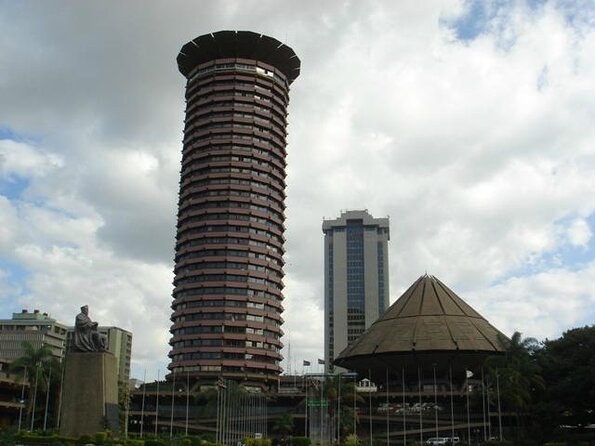
This is not a standard drive-by sightseeing trip. The point is to understand Nairobi through the ways people move, shop, eat, and spend time in the city. You travel by public matatu, a shared minibus used by locals, and move between central Nairobi and outlying areas.
That choice matters. A private vehicle keeps you comfortable and saves time, but it can also make the city feel like scenery outside a window. A matatu puts you closer to daily life. You deal with the same transport system used by residents, then get off to walk through markets and commercial areas with a guide who can explain what you are seeing.
The group limit of eight is a real advantage. It gives you a better chance to speak with your guide, and it keeps the outing from turning into a slow-moving crowd. The guides named in the feedback include Harriet, Daisy, Henrietta, Maxine, Winnie, and Harriett. The repeated praise for their care, local knowledge, humor, and attention to safety suggests that the guide makes a major difference here.
More City Tours in Nairobi
- Nairobi Historical Walking City Tour
★ 5.0 · 258 reviews - Nairobi Cultural and Historical City Tour with a Local
★ 5.0 · 67 reviews - Nairobi Walking Tour: Downtown & City Tour
★ 4.8 · 32 reviews
Starting at the Kenyatta International Conference Center
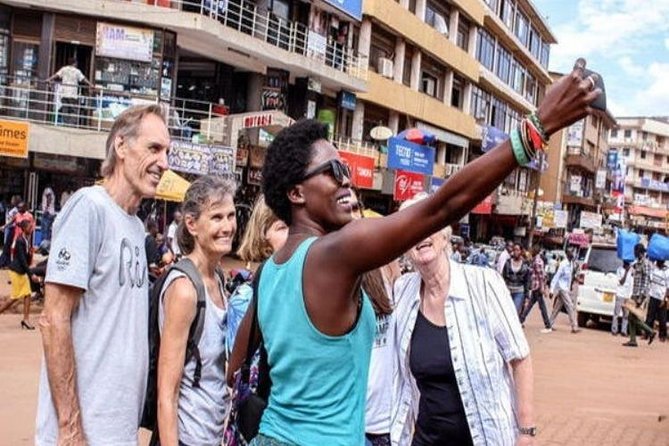
The day begins at 8:00 a.m. at BataWatalii Lane, with the first listed stop at the Kenyatta International Conference Center. You have about 15 minutes here for a picture at the Kenyatta Monument.
This is a short orientation stop, not a long building tour. It gives you a central reference point and a chance to begin with one of Nairobi’s best-known public landmarks. If you want extensive time at the conference center itself, this tour is not designed for that. The value is in setting the scene before moving into markets and neighborhoods.
A quick stop also helps keep the day focused. You are not spending the morning on one formal attraction. Instead, the tour uses the monument as a starting marker before showing you how the city functions around it.
City Market and the Practical Side of Nairobi
Next comes City Market, with about 15 minutes set aside to see the meat-shopping area. This is one of the more useful stops for anyone who wants to understand ordinary food buying in Nairobi.
The market is not presented as a polished attraction. That is part of its value. You see a working place connected to daily meals and local commerce, rather than a display arranged only for sightseers. Your guide can provide context and answer questions about what is being sold and how the market fits into city life.
Keep your expectations practical. Fifteen minutes is enough for a look and an explanation, but not for a leisurely market visit. You should also follow the instructions about photography. The tour information says not to bring a camera because photography in town is not allowed, although your phone is fine. Ask before taking pictures, and avoid making people or businesses feel as if they are exhibits.
Two Rivers Mall and a Different Kind of Local Stop

The route then includes 45 minutes at Two Rivers Mall, described as the biggest mall in Kenya. The purpose here is to see another side of local shopping.
That may sound less adventurous than a market, but it gives the day useful contrast. Nairobi is not only street stalls, public transport, and traditional shopping areas. A large modern mall shows how residents also shop, meet, and spend leisure time. The stop lets you compare formal retail with the market activity earlier in the day.
Do not expect a long shopping session unless you choose to spend your own money. Admission is included, but purchases are not. The stop is best treated as a look at Nairobi’s modern commercial life, not as the central reason to book the tour.
The broader tour description also refers to visits across three suburbs. The exact order may depend on the day’s route, transport, and timing. That flexibility is normal for a public-transport outing, but you should be ready for the day to feel more like a guided city day than a tightly choreographed museum program.
Same corner of Kenya, a completely different kind of day:
- Nairobi National Park Half-Day Tour; Free Wi-Fi connection
★ 5.0 · 878 reviews - Nairobi: National Park & Optional Elephants & Giraffe Center
★ 4.8 · 874 reviews - NAI NAMI: Nairobi Storytelling Tour with Street Children
★ 5.0 · 792 reviews - Nairobi National Park Half-Day Game Drive
★ 4.5 · 738 reviews
Maasai Market: Buy Carefully and Bargain With Help

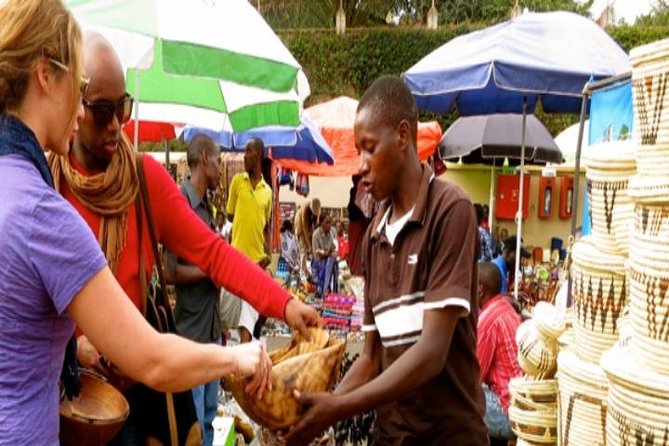
The Maasai Market gets about an hour, making it the longest listed stop. Shopping is included as part of the tour, and the guides help you seek local prices and bargain.
This is where a guide can save you both money and stress. Bargaining can be awkward when you do not know reasonable prices or how strongly to negotiate. Having Harriet, Winnie, Daisy, or another guide handle the local rhythm gives you a more relaxed way to shop. You still decide what to buy, but you are not left to guess at every exchange.
Keep your purchases sensible. The tour advises against carrying valuables such as flashy jewelry, and that is good advice for the whole day. A small amount of spending money, a secure bag, and restraint are better than arriving with expensive accessories.
The market is also a good place to practice respectful shopping. Bargain firmly but politely, listen to your guide, and remember that a very low price is not always the only goal. The point is to buy something you like while taking part in a local commercial tradition without turning it into a contest.
Lunch, Street Food, and the Best Part of the Day
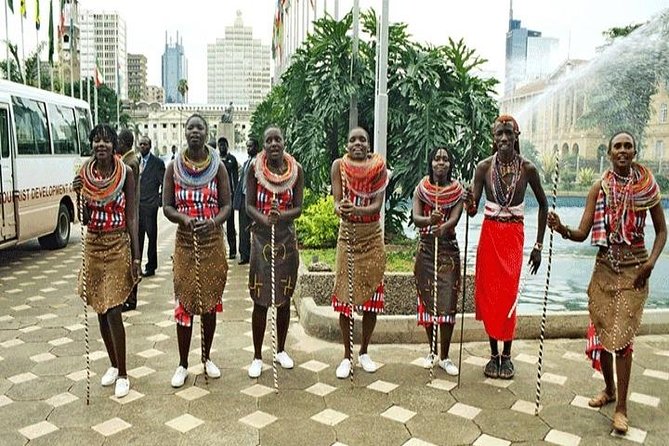
Lunch is included, along with bottled water and public transportation fees. That makes the $55 price easier to assess. You are paying for about six hours of guiding, transport between stops, a meal, and a small-group format, not just a quick ride past landmarks.
The optional street-food tasting may be the most memorable food element for you. One account of the tour describes Kenyan food and street food as a strong part of the day. Still, it is listed as optional, so you should not assume every participant will have the same tasting or eat every item.
If you have food allergies, dietary restrictions, or strong dislikes, ask your guide before eating. The supplied details do not promise a specific menu, restaurant, or street-food selection. Lunch is included, but alcoholic beverages are not.
Food also gives the guide a natural opening to explain local habits. Instead of hearing a general lecture about Kenya, you can ask what people eat, where they shop, and how meals fit into daily life. That sort of conversation is one reason the small group matters.
The Guides Make the Difference

The strongest part of this tour is the human element. Harriet is described as both reassuring and easygoing, with particular care for safety. Henrietta is described as fun and well informed. Daisy led visits that included the former U.S. Embassy Memorial, the Kenya National Archives, a food shop, lunch, and souvenir shopping. Maxine is described as friendly and caring, while Harriet and Winnie are praised for making the outing feel like being shown around by family.
Some of those places are not in the short listed itinerary, so the exact route may vary. The reliable expectation is a local guide, public transport, markets, lunch, and plenty of conversation. Additional stops may depend on the day and the guide’s route.
This is not the right tour if you want to remain anonymous in a private vehicle. It is a good fit if you like asking questions and want a guide who can explain small details instead of only naming monuments. The repeated emphasis on feeling safe is useful, especially if you are new to Nairobi.
What the $55 Price Really Buys
At $55 per person, this is reasonably priced for a six-hour guided outing that includes lunch, bottled water, public transport, and a group of no more than eight. You also receive help at the Maasai Market, where local bargaining support can add practical value.
The price is less attractive if you plan to skip public transport, avoid markets, or prefer a private car. You are choosing access to ordinary city routines over maximum comfort and speed. The value comes from the guide’s explanations and the chance to see Nairobi through several kinds of public and commercial spaces.
Group discounts may be available, which could make the tour a better choice for friends or families. The activity is commonly booked well ahead, with an average booking lead time of 59 days. If your dates are fixed, early planning is sensible.
Practical Advice for a Smoother Day

Wear good walking shoes. The tour specifically advises against sandals and high heels, and that fits the day’s mix of walking, public transport, markets, and standing.
Carry a copy of your passport’s main page and the page showing your visa stamp, or carry your original passport. This is an important requirement, so do not leave it to chance.
Use your phone for pictures, but follow the photography instructions. Do not bring a separate camera, and avoid photographing in town unless your guide says it is acceptable. Leave flashy jewelry and unnecessary valuables at your accommodation.
Pickup is offered, but the stated meeting point is BataWatalii Lane in Nairobi, and the tour ends back at the meeting point. Confirm the pickup details when booking so you know where to start the morning.
Most people can participate, and service animals are allowed. The tour requires good weather. If poor weather cancels the outing, you can receive a different date or a full refund.
Cancellation is free up to 24 hours before the start time. Changes or cancellations made inside that 24-hour window are not refunded.
Should You Book This Nairobi City Tour?
Book it if you want Nairobi explained from the street level. The matatu rides, City Market, Two Rivers Mall, Maasai Market, lunch, and optional street food create a useful mix of ordinary life and major city stops. The small group and strong guide attention add more value than a large coach tour.
Skip it if you need a private vehicle, a fixed museum itinerary, or a quiet day with little walking and no public transport. The schedule is active, the photography rules are strict, and the experience depends on being comfortable in public places.
For most curious first-time visitors, I would choose it early in a Nairobi stay. It can help you understand how the city moves and give you a better feel for where you are. Just wear sturdy shoes, keep your valuables discreet, and let the guide lead the way through the busy parts.
FAQ
How long does the Nairobi city tour last?
The tour lasts approximately six hours and begins at 8:00 a.m.
How many people can join the tour?
The group is limited to a maximum of eight people.
Is lunch included?
Yes. Lunch and bottled water are included. Alcoholic beverages are not included.
Does the tour use public transportation?
Yes. The tour uses shared matatus, or public minibuses, and public transportation fees are included.
What should I bring?
Wear good shoes and carry either your original passport or copies of the main page and visa-stamp page. The tour advises against bringing a camera and valuable jewelry. Your phone is allowed for photography.
Can I cancel for a full refund?
Yes, if you cancel at least 24 hours before the local start time. Cancellations or changes made less than 24 hours before the tour are not refunded or accepted.
Just added around Nairobi
- Visit kibera Slum the chocolate city★ 4.8 · 3 reviews
- Day Tour to Nairobi national park, Elephants, and Giraffe Center★ 3.5 · 8 reviews
- Explore local Market matatu ride & Make Kenyan Cuisines with a home cook★ 5.0 · 8 reviews
- Kibera Slum Tour with a Local★ 5.0 · 15 reviews
- Urban Forest Tour in Nairobi★ 5.0 · 7 reviews
- Vegans special safari★ 4.5 · 4 reviews
- Private Mini Safari Tour in Nairobi★ 5.0 · 6 reviews
- Private Kenyan Cooking Class in Nairobi with a Local★ 5.0 · 3 reviews
City Tours, compared.

Mombasa: Tusks, Fort Jesus, Old Town, Beach and City Tour
Read our review →
Nairobi Cultural and Historical City Tour with a Local
Read our review →

Mombasa: Private City Tour with Fort Jesus & Haller Park
Read our review →

Mombasa Half-Day City Tour with Fort Jesus and Haller Park
Read our review →Browse the lists this tour appears in