
Reviewed · SHOPPING TOURS
Nairobi: Explore Maasai Market for Unique Souvenirs
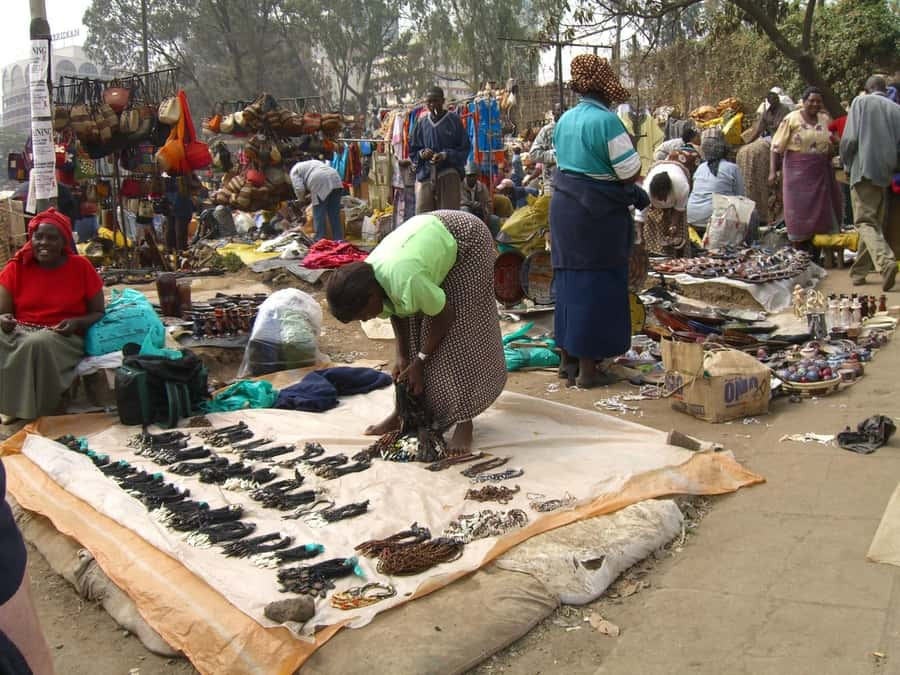
Nairobi’s Maasai Market is not a single fixed shop. It moves around the city, and the best stalls can be hard to find on your own. This $10 tour gives you a local guide who knows the sellers, helps you bargain without guesswork, and explains what you are buying. I especially like the chance to meet the people who make the crafts and the help spotting quality before you hand over your cash.
I also like that the walk can include city-center gift shops, wholesale outlets, and other craft workshops if you want more shopping. Guide Erick, also written as Eric, is praised for listening to what you want and helping two women feel safe while shopping. The main drawback is that the market can be crowded and sellers may approach you often, so this is better for people who enjoy browsing and conversation than for anyone seeking a quiet, fixed-price shop.
Key points to know before you go
- The market changes location: Maasai Market moves on different days, except on weekends, so your guide helps you reach the right place.
- Bargaining is part of the visit: You get help with prices, translation, and polite ways to negotiate.
- The guide adds practical value: Erick or Eric can help check quality, explain items, and carry bulky purchases.
- You meet more than stall sellers: The route may include gift shops, artisans, social-impact entrepreneurs, and wholesale craft outlets.
- The price is low for a personal shopping guide: At $10 for two hours, the advice can save time and reduce costly buying mistakes.
- Bring cash and wear walking shoes: Card payment may not be available, and much of the outing is on foot.
Why Nairobi’s Maasai Market is worth your time
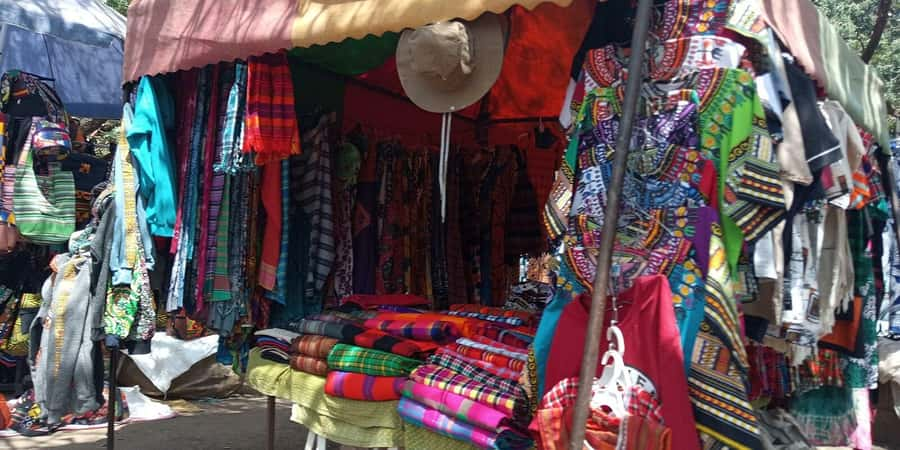
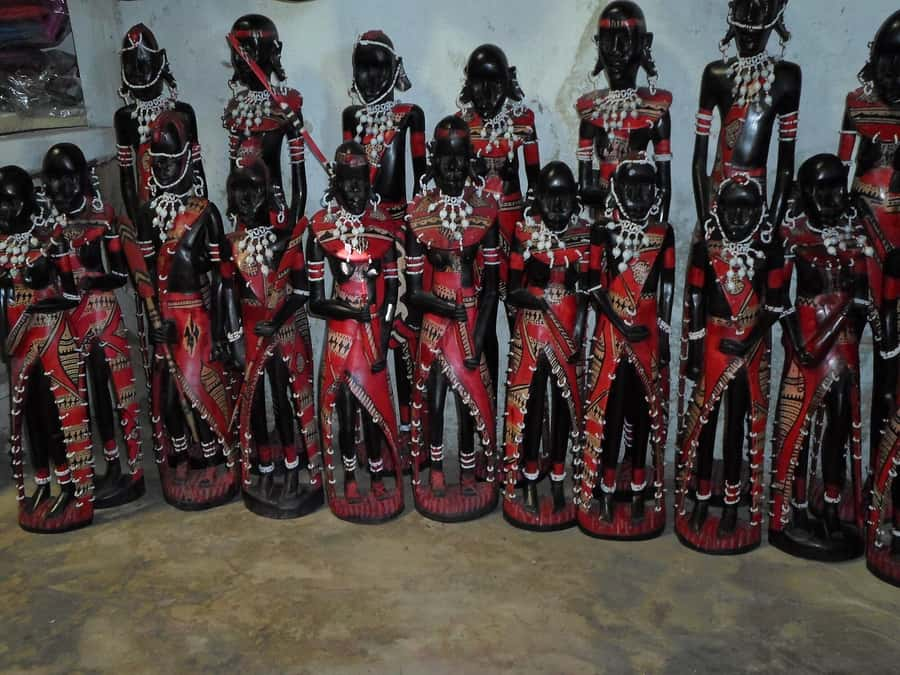
If you want a Kenyan souvenir with a story behind it, a market walk is more useful than wandering through a row of hotel shops. The Maasai Market brings together handmade jewelry, beadwork, textiles, carvings, paintings, and other crafts. You can look closely at the materials, ask how an item was made, and speak with the people selling or producing it.
That human contact is the heart of this experience. You are not simply handed a polished object and sent to the register. You can ask about the meaning of a design, learn which products are made locally, and decide what feels right for your budget and suitcase.
The market is also a good place to practice the social side of shopping in Kenya. Prices may be open to discussion, but bargaining works best when it stays friendly. Your guide can show you how to make an offer, when to stop, and how to avoid turning every purchase into a tense contest.
The market’s changing location makes local help especially useful. A market that moves during the week is not always easy to locate from a guidebook or map. Meeting at Hilton Arcade along Mama Ngina Street gives you a clear starting point in central Nairobi, then the guide can take you toward the day’s shopping area.
More market and craft shopping in Nairobi:
- Traditional Kenyan Cooking Class & Local Market Tour
★ 5.0 · 129 reviews - Nairobi souvenir Shopping and Historical Half day Tour
★ 5.0 · 61 reviews - Memorable Daily KIBERA Slums/Toi Market Tour with Locals (2 hours)
★ 5.0 · 29 reviews
Meeting at Hilton Arcade on Mama Ngina Street
The meeting point is at Hilton Arcade along Mama Ngina Street, near the Bata starting point listed for the walk. From there, expect to travel on foot through the city center rather than sit in a private vehicle. Comfortable shoes matter more than smart clothes here.
The first part of the outing may include local gift shops and craft stores. This is a useful opening because it gives you a sense of the types of goods available before you reach the larger open-air market. You can compare prices, styles, and finishes instead of buying the first appealing item you see.
It also gives you a chance to tell the guide what you want. If you are looking for small gifts, jewelry, textiles, carvings, paintings, or something that will fit in hand luggage, say so early. The itinerary is flexible, and the guide can shape the walk around your interests.
The city-center setting adds a little sightseeing as well. If time allows, you can take a short walking tour after shopping. This is not a full Nairobi city tour, but it makes the experience feel like more than a shopping errand.
Finding the right Maasai Market
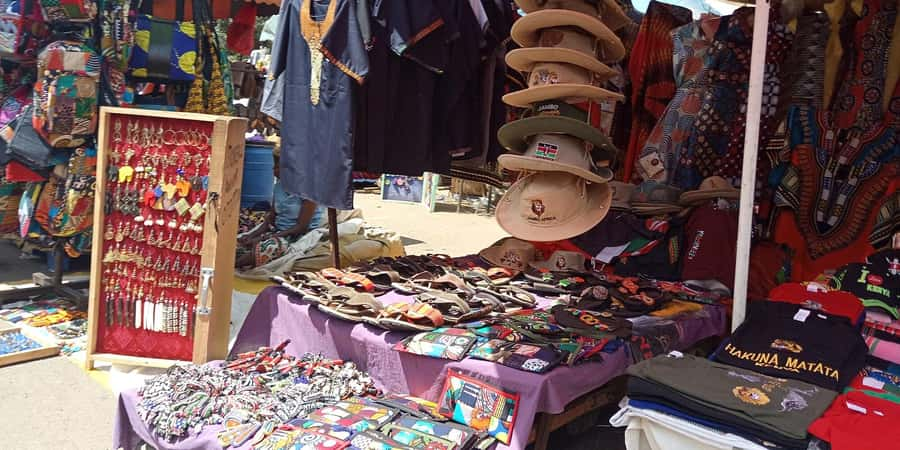
The main market is an open-air collection of vendors, not a permanent indoor hall. That means the exact feel of the visit can change with the day, the weather, and the market’s location.
One useful detail is that the market moves on different days except during the weekend. This is the kind of practical matter that can turn a good plan into a wasted morning if you do not know where to go. Your guide handles that part and takes you to the active market rather than sending you to a quiet or incorrect location.
Once you arrive, expect many stalls and plenty of choice. You might see beaded jewelry, carved figures, painted work, woven or printed textiles, and other handmade goods. The selection can be exciting, but it can also be hard to compare quickly. A guide who knows the sellers helps you slow down and focus on what you actually want.
Sellers may approach you as you browse. Keep your tone warm and firm. A smile and a clear no thank you are usually more useful than a long explanation. If you are interested, let your guide help you discuss the price and the item’s construction.
Learning to bargain without losing the fun
Bargaining is one of the tour’s clearest practical benefits. You are not left to guess whether a price is fair or how strongly to negotiate. The guide can translate, suggest a price range, and give you feedback before you commit.
That does not mean every item has one correct price. Handmade goods vary in size, materials, detail, and time required. Instead, your guide helps you understand the conversation and avoid paying far more than you intended.
I would set a total shopping budget before you arrive. Decide how much you can spend on a larger item, then keep smaller purchases within a separate amount. With so many colorful objects in front of you, it is easy to buy three gifts when you planned to buy one.
A good bargain should leave both sides comfortable. Treat the seller as a craftsperson, not an obstacle. Ask questions, make a reasonable offer, and walk away politely if the price does not work for you.
A few more Nairobi trips worth comparing
- Nairobi National Park Half-Day Tour; Free Wi-Fi connection
★ 5.0 · 878 reviews - Nairobi: National Park & Optional Elephants & Giraffe Center
★ 4.8 · 874 reviews - NAI NAMI: Nairobi Storytelling Tour with Street Children
★ 5.0 · 792 reviews - Nairobi National Park Half-Day Game Drive
★ 4.5 · 738 reviews
Meeting artisans and finding better-made souvenirs
The experience is more than a market circuit. The guide may introduce you to artisans, craft producers, and social-impact entrepreneurs working in the handmade trade. These meetings can help you see how an item moves from workshop to shop.
Ask about the materials, where the product was made, and how to care for it. For textiles, check the fabric and stitching. For beadwork and jewelry, look at the joins, clasps, and finish. For carvings, inspect the surface and ask whether the piece is meant for display or regular use.
Your guide can help with quality checking, but you should still choose items you genuinely like. A locally made souvenir does not need to be expensive or elaborate. A small piece of beadwork or a simple textile can be more useful than a large object that spends the rest of your trip taking up space.
The chance to buy directly also matters. You can ask who made the item and support small businesses more directly than you might through a generic souvenir counter. The tour does not promise that every product is handmade, so ask questions and use your guide’s advice.
Beyond the market: gift shops and wholesale outlets
If you want to keep shopping after the main market, the guide can take you to other craft production and selling centers. The route may include local gift shops or a wholesale store where small local retailers buy their stock.
This wholesale stop can be useful if you want several gifts or are comparing prices. It may feel less personal than meeting an individual maker, but it can show you how the same types of goods are sold at different points in the supply chain. Ask the guide which items are a good buy and which are better purchased directly from an artisan.
The extra stops are optional in spirit because the experience is flexible. If you have found what you need, you can finish with a short city-center walk. If you want to shop more, ask for additional craft centers.
Keep an eye on the clock. The advertised duration is two hours, and the Maasai Market visit itself is listed at about one hour. The rest of the time is used for walking, city-center shops, and other stops. You can get a good introduction in that time, but you should not expect an all-day craft expedition.
Safety, weather, and carrying your purchases
The market is crowded enough that you should keep your phone, wallet, passport, and other valuables secure. A crossbody bag worn in front is sensible, and you should avoid displaying large amounts of cash.
Bring cash because not every vendor accepts cards. Small notes can make purchases easier, though you should still ask the price and agree before paying. If you buy something large or heavy, the guide can help you carry it, which is a small service that becomes valuable quickly.
Nairobi weather can change, so bring a hat and sunscreen for sunny conditions and a light jacket for cooler weather. The walk is outdoors and on foot, so supportive shoes are the right choice.
The activity does not allow smoking, alcohol in a vehicle, food in a vehicle, or littering. Since the outing is primarily a walking experience, the vehicle restrictions may not affect your plans much, but respectful behavior matters at the market and around the artisans.
What the $10 price really gives you
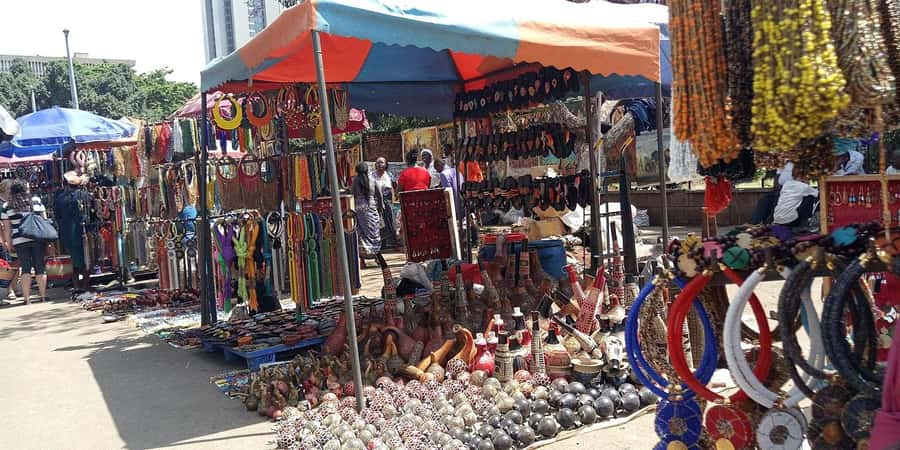
At $10 per person, this is inexpensive for a two-hour guided shopping walk. The value is not just the movement from one stall to another. It comes from the local language help, price advice, quality checks, and knowledge of where the market is operating that day.
A guide can also save you time. Without help, you may spend part of your morning searching for the market, comparing vendors, and trying to work out whether a price is reasonable. If you are only in Nairobi briefly, that guidance has real value.
The price does not include your purchases, so budget for those separately. It also does not turn the market into a fixed-price, quiet shopping center. You are paying for help in a lively and sometimes demanding setting.
The strongest reason to book is if you want several gifts, feel unsure about bargaining, or prefer to support small craft businesses directly. If you already know exactly what you want and are comfortable negotiating alone, you may not need a guide.
Who will enjoy this experience most
I would recommend this outing to first-time visitors to Nairobi, shoppers looking for handmade gifts, and anyone who wants cultural contact without committing to a full-day tour. It suits solo visitors and small groups who want to ask questions as they go.
It is also a good choice for people who value a flexible plan. You can focus on jewelry, textiles, carvings, paintings, or other crafts, then switch to sightseeing if you have finished shopping.
The experience may be less suitable if you dislike being approached by vendors, find bargaining stressful, or want guaranteed fixed prices. The market is social and active. It asks you to participate, not simply browse in silence.
The personal attention from Erick or Eric is another reason to consider it. He is described as attentive, reliable, and willing to adjust the outing to your wishes. That matters when two people want different things, when you need help with an errand, or when you want to feel more secure in an unfamiliar market.
Should you book the Maasai Market walk?
Book it if you want handmade Kenyan souvenirs and would rather have a local guide help you find the market, judge quality, and negotiate prices. The two-hour format is short enough to fit into a busy Nairobi schedule, while the flexible route lets you add gift shops, wholesale shopping, or a little city sightseeing.
The $10 fee is especially good value for first-time visitors and anyone traveling with limited time. Bring cash, wear comfortable shoes, protect your belongings, and leave room in your luggage.
Skip it if you want a silent, fixed-price shopping trip or already know Nairobi’s craft markets well. For everyone else, this is a practical way to shop with more confidence and meet the people behind the goods.
FAQ
Where does the tour begin?
The meeting point is at Hilton Arcade along Mama Ngina Street in central Nairobi, near the Bata starting location.
How long does the experience last?
The advertised duration is two hours. The Maasai Market visit is listed at about one hour, with additional time for walking, gift shops, and other stops.
What language does the guide speak?
The live guide speaks English.
Is the Maasai Market in one permanent location?
No. The market moves on different days except during the weekend, so the guide helps you find the correct location.
Does the tour include shopping assistance?
Yes. The guide can help with bargaining, translation, quality checking, shopping suggestions, and carrying heavy or bulky purchases.
Should I bring cash?
Yes. Not every vendor may accept credit cards, so cash is recommended for purchases.
Can the itinerary be adjusted?
Yes. The experience is flexible and can be shaped around your shopping interests, additional craft centers, local errands, or a short city-center walking tour.
What should I wear and bring?
Wear comfortable walking shoes. A hat and sunscreen may help on sunny days, and a light jacket is useful in cooler weather. Keep your belongings secure in crowded areas.
Just added around Nairobi
- Visit kibera Slum the chocolate city★ 4.8 · 3 reviews
- Day Tour to Nairobi national park, Elephants, and Giraffe Center★ 3.5 · 8 reviews
- Explore local Market matatu ride & Make Kenyan Cuisines with a home cook★ 5.0 · 8 reviews
- Kibera Slum Tour with a Local★ 5.0 · 15 reviews
- Urban Forest Tour in Nairobi★ 5.0 · 7 reviews
- Vegans special safari★ 4.5 · 4 reviews
- Private Mini Safari Tour in Nairobi★ 5.0 · 6 reviews
- Private Kenyan Cooking Class in Nairobi with a Local★ 5.0 · 3 reviews
Shopping Tours, compared.

Traditional Kenyan Cooking Class & Local Market Tour
Read our review →
Nairobi souvenir Shopping and Historical Half day Tour
Read our review →
Memorable Daily KIBERA Slums/Toi Market Tour with Locals (2 hours)
Read our review →

Mombasa City Tour,Fortjesus,Oldtown,Tusks and Spice Market.
Read our review →
Half-Day Nairobi National Park and Maasai Market with Pick up
Read our review →
Authentic Kenyan Cooking Class & Market Tour in Nairobi
Read our review →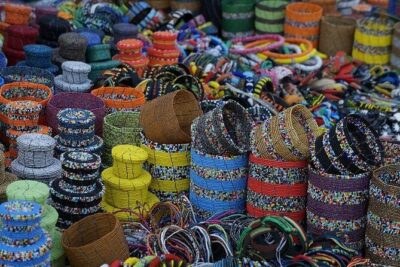
Nairobi cultural souvenir shopping tour with a local
Read our review →Browse the lists this tour appears in