

Reviewed · SHOPPING TOURS
Nairobi Guided Cultural Shopping Experience Day Tour
Nairobi shopping gets much easier when someone helps you sort handmade work from tourist tat. This eight-hour cultural shopping tour links galleries, craft centers, a bead factory, City Market, and the Maasai Market when its schedule allows.
I like the door-to-door transport, which saves you from figuring out several Nairobi stops alone. I also like the personal touch: guide Stephen is praised for being patient with a solo shopper, never rushing, and helping with good-value purchases.
The main caution is that the route can change. One unhappy customer expected a large Maasai Market visit but was taken to other shops instead, and another objected to intrusive questions from the guide. Set your priorities clearly at the start.
Key points to know before booking
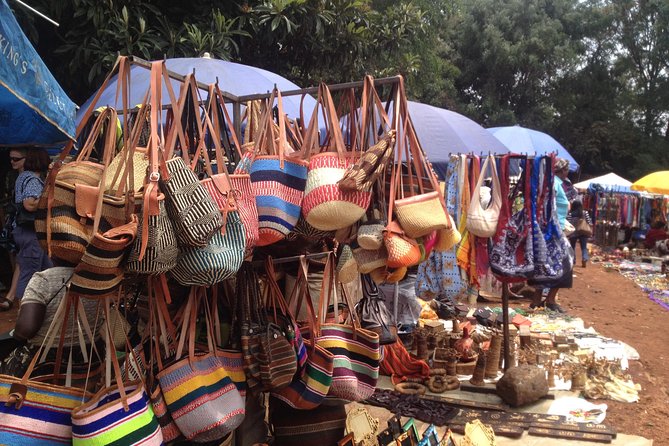
- Kazuri Beads Factory gives the day its clearest sense of place: You can see handmade ceramic beads, jewelry, and pottery connected to a working local craft business.
- The Maasai Market is not guaranteed: You visit it only if it is operating on the day of your tour.
- Stephen is a guide worth requesting: His patient manner and willingness to tailor the pace earned especially strong praise.
- The group is intended to be small: The booking information gives a maximum of seven people, though another description mentions groups of up to 15.
- You get shopping help, not a free shopping spree: The $90 price includes transport and a professional guide, but lunch and your purchases cost extra.
- The route covers several kinds of shopping: Expect fixed-price galleries, craft centers, a factory, and markets where bargaining is part of the deal.
Why guided shopping helps in Nairobi
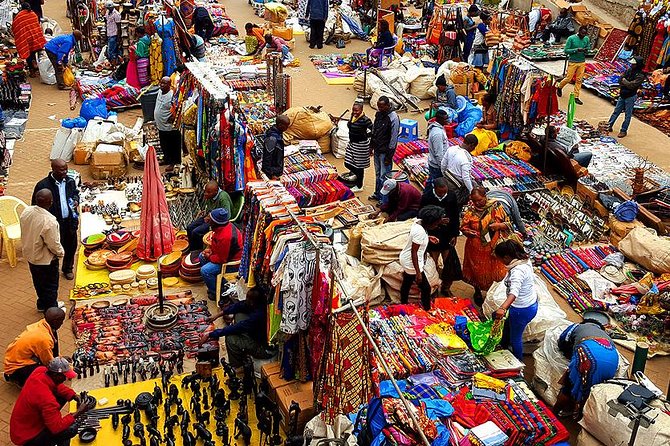
Nairobi is a good place to buy African art and craft, but it is not always easy to know what you are buying or how much you should pay. A guided day gives you several settings for comparison, from a polished gallery to a market stall where negotiation is expected.
That comparison matters. A fixed-price shop can help you judge workmanship and set a rough price range before you bargain elsewhere. A market can offer more room to negotiate, but you need patience and a clear idea of what you want.
I like the format because it is not just one shopping stop with a gift shop at the end. You move through different kinds of businesses and see beads, masks, ceramics, jewelry, carvings, furniture, textiles, clothing, and homewares. That makes the day useful for a serious buyer as well as someone looking for a few gifts.
The tour costs $90 per person. That is fair if you value private hotel pickup and drop-off, an all-day vehicle, and help choosing between several stops. It is less appealing if you only want a quick market visit or prefer to shop alone. Your purchases and lunch are not included, so budget for both.
More market and craft shopping in Nairobi:
- Traditional Kenyan Cooking Class & Local Market Tour
★ 5.0 · 129 reviews - Nairobi souvenir Shopping and Historical Half day Tour
★ 5.0 · 61 reviews - Memorable Daily KIBERA Slums/Toi Market Tour with Locals (2 hours)
★ 5.0 · 29 reviews
African Heritage House and its African Trader Gallery
The first stop is African Heritage House, at the Carnivore grounds. The shopping focus is the African Trader Gallery, where you can look through African textiles, sculpture, and unusual handicrafts.
This is a good opening stop because it gives you time to look without the immediate pressure of market bargaining. You can get a feel for styles, materials, and price levels before reaching the more negotiable stalls later in the day.
The planned visit lasts about an hour, and admission is listed as free. Do not expect a full museum tour to fill the whole morning. The value here is the chance to begin with a more organized selection and ask your guide about items that catch your eye.
If you are buying large sculpture, furniture, or fragile pieces, this kind of gallery setting may be easier than a crowded market. If you want low-cost souvenirs, you may find the selection more than you need. Tell your guide early if you are hunting for a particular item rather than simply browsing.
Utamaduni Craft Centre, one roof and many choices
Utamaduni Craft Centre offers a wide spread of African curios under one roof. The listed selection includes masks, rugs, furniture, ebony furniture, antiques, jewelry, dolls, safari clothing, kikoy, sarong, beads, and other handicrafts.
I see this as the most useful stop for shoppers who have not yet decided what they want. You can compare homewares, clothing, decorative pieces, and gifts in one place instead of spending the day chasing one type of item.
The upside is range. The drawback is also range. A shop with this much merchandise can feel less personal than a small studio, and it is easy to buy something simply because the choice is large. I suggest arriving with a short list: a gift under a certain amount, a piece of jewelry, a textile, or something for your home.
The visit is planned for about an hour, with no separate admission charge. Ask your guide to help you judge materials and construction, but keep your own budget in view. The guide can advise you, but the final decision is yours.
Kazuri Beads Factory in Karen
Kazuri Beads Factory is in the Karen area on Mbagathi Ridge, a short distance from the Karen Blixen Museum. The name Kazuri means small and beautiful in Swahili, and the workshop makes handmade ceramic beads, jewelry, and pottery.
This is the strongest stop for understanding how a souvenir is made. You are not just choosing from finished objects on a table. You are visiting a place associated with the production of the beads and ceramics themselves.
The planned stop lasts one hour and admission is free. I would give this visit priority even if you are not a keen shopper. The handmade focus gives your purchase a clearer connection to Nairobi than a generic imported trinket.
Kazuri is also a practical place to buy gifts because beads and jewelry are easier to pack than furniture or large carvings. Pottery may need more care in your luggage, so ask about packing if you choose something fragile.
One customer specifically found the bead factory excellent, which matches the logic of the stop: it combines shopping with a visible craft process. If you want the day to include more than sales counters, this is the part most likely to satisfy you.
A few more Nairobi trips worth comparing
- Nairobi National Park Half-Day Tour; Free Wi-Fi connection
★ 5.0 · 878 reviews - Nairobi: National Park & Optional Elephants & Giraffe Center
★ 4.8 · 874 reviews - NAI NAMI: Nairobi Storytelling Tour with Street Children
★ 5.0 · 792 reviews - Nairobi National Park Half-Day Game Drive
★ 4.5 · 738 reviews
Nairobi City Market and the art of bargaining
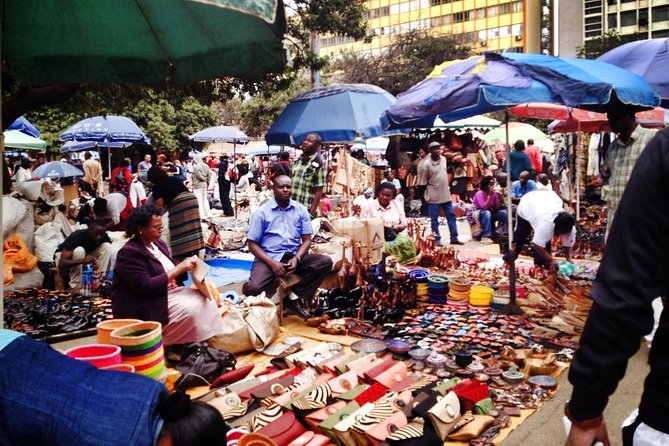
City Market on Muindi Mbingu Street brings you into a different kind of shopping experience. The complex began as an aircraft hangar and now contains stalls selling curios and souvenirs along with food vendors.
Here, bargaining is part of the activity. You should expect a less fixed-price approach than at the galleries and craft centers. The guide can help you understand the local shopping rhythm, but you should still decide what an item is worth to you before making an offer.
I like having City Market later in the route because you have already seen other merchandise and can make better comparisons. If you spotted a similar carving, textile, or piece of jewelry earlier, you have a reference point. That does not guarantee the lowest price, but it makes the negotiation less blind.
The planned visit lasts about an hour, and admission is free. The market can also be a natural point to think about lunch, since food vendors are present. Lunch itself is not included, though one especially positive account praised Stephen for choosing a good meal during the day.
Do not treat bargaining as a test you must win. A fair purchase is better than spending too long arguing over a small difference. If you dislike bargaining, tell your guide. You can focus on fixed-price stops instead.
The Maasai Market depends on the calendar
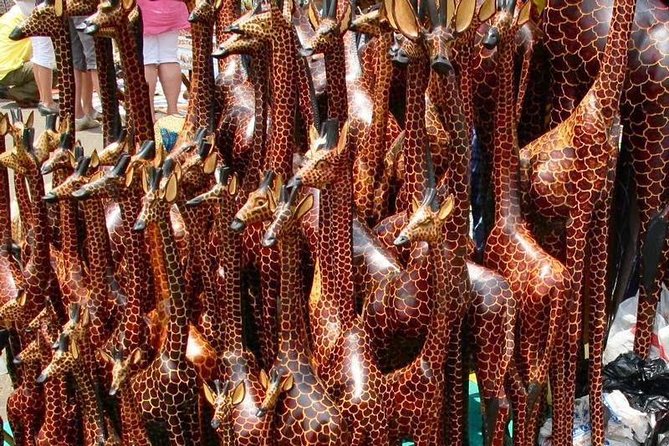
The Maasai Market is the most important scheduling detail in the whole experience. You visit it only if it happens to be operating on that day.
The market began with Maasai women selling directly to visitors and now offers arts and crafts, wooden carvings, and beadwork. For many people, this is the stop they picture when they book a Nairobi shopping day, so the uncertainty deserves attention.
If the market is open, it can give you the direct vendor experience that galleries cannot. You may see more beadwork, carvings, and handmade objects in a setting built around market selling. You will also need to bargain and make quick choices.
If the market is not open, the route may use other stores or stops. One disappointed customer expected a large Maasai Market and instead visited three other shops, along with a lunch stop and the Giraffe orphanage. That shows why you should confirm the day’s route with the guide at pickup, especially if the Maasai Market is your main reason for booking.
I would not book this tour solely for the Maasai Market. Book it for the wider mix, then treat the market as a welcome extra when the timing works.
The guide can shape the whole day
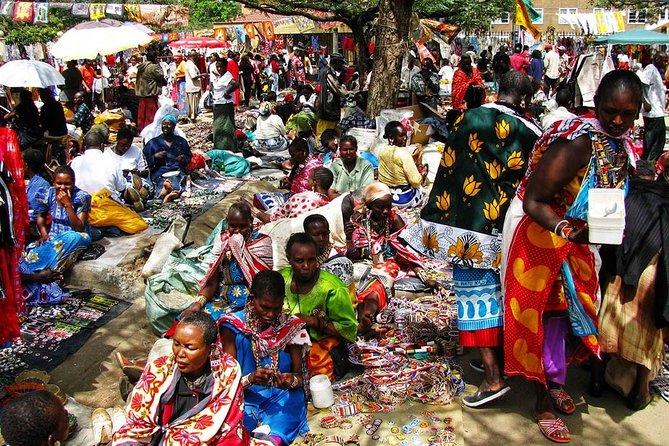
A shopping guide is only useful if the interaction feels respectful and focused. Stephen receives the clearest praise in the available feedback. He is described as patient, friendly, professional, and willing to let a solo shopper browse without pressure.
That matters more here than on a simple sightseeing drive. Shopping takes time, and you may need help comparing materials, asking questions, bargaining, or deciding when to walk away. A rushed guide can turn the day into a sequence of forced purchases.
At the same time, one very negative account describes the driver-guide asking intrusive questions about work and salary. I would handle this simply: set your boundaries early. You can say that you prefer to focus on shopping and the route. You can also tell the guide which stops matter most and how much time you want in markets versus fixed-price shops.
The tour is advertised as a small group. The detailed booking information gives a maximum of seven people, while another description refers to groups of up to 15. I would expect a small group, but confirm the final number if personal attention is important to you.
Eight hours on the road, with lunch extra
The tour begins at 9 a.m. and lasts about eight hours, including hotel pickup, transfers, shopping stops, and the return to your hotel. Each listed stop is planned for about one hour, though traffic and changes to the route can affect the actual timing.
Door-to-door transport is a real benefit. Nairobi shopping areas are spread across different parts of the city, including the Carnivore grounds, the Utamaduni center, Karen, central Nairobi, and the Maasai Market. Having one vehicle connect them is easier than arranging separate rides.
The tradeoff is that a full day can feel long if you do not enjoy shopping. You should wear comfortable clothes, keep your purchases organized, and avoid filling your bags at the first stop. A small amount of restraint early on makes it easier to compare later.
Lunch is not included. The itinerary includes food vendors at City Market, and one positive account praised a lunch choice made by Stephen, but the meal remains your own expense. Ask about the lunch plan early so you are not trying to bargain while hungry.
Children must be accompanied by an adult, and most people can participate. The available information does not promise special access arrangements, so you should raise any specific needs when booking.
Who will get the most from this tour
I would recommend this experience to you if you want several shopping styles in one day and would rather have transport handled for you. It is especially useful for a first visit to Nairobi, a solo shopper who wants company, or anyone buying gifts and home items but unsure where to start.
It also suits you if craft production matters. Kazuri offers a stronger connection to making than a normal souvenir shop, while African Heritage House and Utamaduni provide more room to compare styles and prices.
I would be more cautious if your main goal is one specific Maasai Market. The market is conditional, and the route can shift. I would also think twice if you dislike bargaining, do not want to spend most of a day shopping, or prefer complete control over where you go.
The strongest praise goes to the personal service, especially Stephen’s patience and the relaxed pace given to a solo shopper. The sharpest criticism concerns the route not matching expectations and a guide’s overly personal questions. Those are not minor details, so use the pickup conversation to make your wishes clear.
Should you book this Nairobi shopping day?
Book it if you want a practical introduction to Nairobi’s craft scene, value hotel transfers, and like the idea of comparing galleries, a factory, and markets in one day. At $90, the price makes sense when the guide’s advice and transport save you time and uncertainty.
Do not book it expecting a guaranteed Maasai Market visit or a fixed route with no substitutions. Ask for Stephen if possible, state your shopping priorities at the start, and bring extra money for lunch and purchases. Cancel at least 24 hours before the 9 a.m. start if your plans change, since cancellations inside that window are not refunded.
FAQ
What does the Nairobi cultural shopping tour cost?
The tour costs $90 per person. Lunch and all purchases are extra.
How long does the experience last?
The tour lasts about eight hours, beginning at 9 a.m.
Is hotel pickup included?
Yes. Professional hotel pickup and drop-off are included.
Which places does the tour visit?
The listed stops are African Heritage House, Utamaduni Craft Centre, Kazuri Beads Factory, Nairobi City Market, and the Maasai Market if it is open.
Is the Maasai Market guaranteed?
No. You visit the Maasai Market only if it is operating on the day of your tour.
How large is the group?
The additional booking information gives a maximum of seven people. Another description mentions groups of up to 15, so you may wish to confirm the final group size.
Is lunch included?
No. Lunch is not included, although food vendors are available at City Market and a lunch stop may be arranged during the day.
Can children join the tour?
Yes, but children must be accompanied by an adult.
What is the cancellation policy?
You can receive a full refund if you cancel at least 24 hours before the start time. Cancellations or changes made within 24 hours are not accepted for a refund.
Just added around Nairobi
- Visit kibera Slum the chocolate city★ 4.8 · 3 reviews
- Day Tour to Nairobi national park, Elephants, and Giraffe Center★ 3.5 · 8 reviews
- Explore local Market matatu ride & Make Kenyan Cuisines with a home cook★ 5.0 · 8 reviews
- Kibera Slum Tour with a Local★ 5.0 · 15 reviews
- Urban Forest Tour in Nairobi★ 5.0 · 7 reviews
- Vegans special safari★ 4.5 · 4 reviews
- Private Mini Safari Tour in Nairobi★ 5.0 · 6 reviews
- Private Kenyan Cooking Class in Nairobi with a Local★ 5.0 · 3 reviews
Shopping Tours, compared.

Traditional Kenyan Cooking Class & Local Market Tour
Read our review →
Nairobi souvenir Shopping and Historical Half day Tour
Read our review →
Memorable Daily KIBERA Slums/Toi Market Tour with Locals (2 hours)
Read our review →

Mombasa City Tour,Fortjesus,Oldtown,Tusks and Spice Market.
Read our review →
Half-Day Nairobi National Park and Maasai Market with Pick up
Read our review →
Authentic Kenyan Cooking Class & Market Tour in Nairobi
Read our review →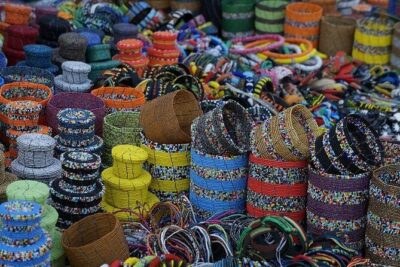
Nairobi cultural souvenir shopping tour with a local
Read our review →Browse the lists this tour appears in