
Reviewed · SHOPPING TOURS
Nairobi Walking Tour, GiraffeCentre & Souvenir Shopping Tour
Nairobi reveals its best surprises when you move between its busy streets, high rooftop views, animal sanctuary, and working craft shops in one compact day. This private tour with Alex gives you a useful first look at the capital without locking you into shopping if that is not your priority.
I especially like the 360-degree city view from KICC and the chance to see a distinctive type of giraffe at the Giraffe Centre. I also like the flexible guide style: Alex can focus on Nairobi’s story, cut back the shopping, or make room for a local meal. The main consideration is cost. The $40 price excludes the $15 Giraffe Centre fee, the $5 KICC rooftop fee, and food, so your actual spending will be higher.
Four useful things to know before you book
- This is a private Nairobi sampler: You get a driver and guide, hotel pickup, and hotel drop-off rather than a large group schedule.
- The walking portion takes about two hours: Expect central Nairobi, the downtown area, and Kenyatta Avenue before moving on by vehicle.
- The giraffe visit is brief but hands-on: The planned stop is about 20 minutes and includes feeding the animals and learning about them.
- Shopping is flexible: Kazuri Beads Factory, The Golden Eagle Art Gallery, and Utamaduni Craft Centre are included in the planned route, with Maasai Market options depending on the day.
- The Maasai Market changes location: Saturday is at the High Court parking lot behind the Hilton, while Sunday is at Yaya Centre in Hurlingham. It generally runs from 8 a.m. to 6 p.m.
- Budget at least $20 extra: Add the $15 giraffe admission and $5 KICC rooftop fee, before buying lunch or souvenirs.
Nairobi on foot: two hours around the city center
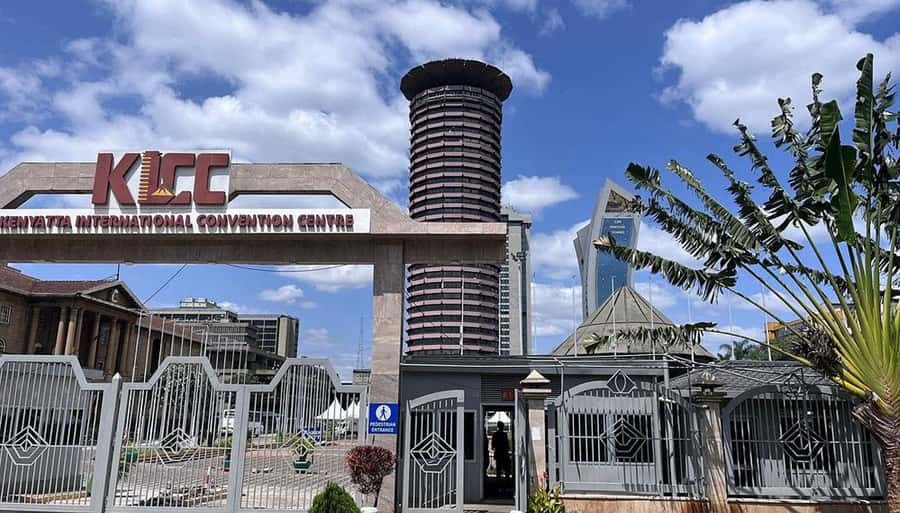
The tour begins with pickup in Nairobi and a guided walk through the central area. Two hours is enough time to get your bearings, see downtown streets, and hear about Nairobi’s history, culture, and daily life without turning the day into a long march.
Kenyatta Avenue is part of this city walk. Having a private guide matters here because the value comes from explanation, not just passing buildings. Alex can shape the conversation around what interests you, including Nairobi’s people, history, and culture.
I would use this first section to ask practical questions about the city. Ask Alex where to find certain crafts, how the Maasai Market moves, and which parts of the route are most useful for a short stay. A private tour gives you more room for those questions than a fixed public group.
The walking segment is also the most active part of the day. Wear comfortable shoes and bring water, since you will be on foot for around two hours before the vehicle-based stops begin. The tour is listed as wheelchair accessible, but the amount of walking and the exact street conditions may still be worth discussing when you book.
More Walking Tours in Nairobi
- Nairobi: Historic and Modern Highlights Walking Tour
★ 4.8 · 703 reviews - Nairobi Historical Walking City Tour
★ 5.0 · 258 reviews - Nairobi Walking tour:Explore History Culture and Traditions
★ 4.8 · 222 reviews
KICC rooftop views over Nairobi
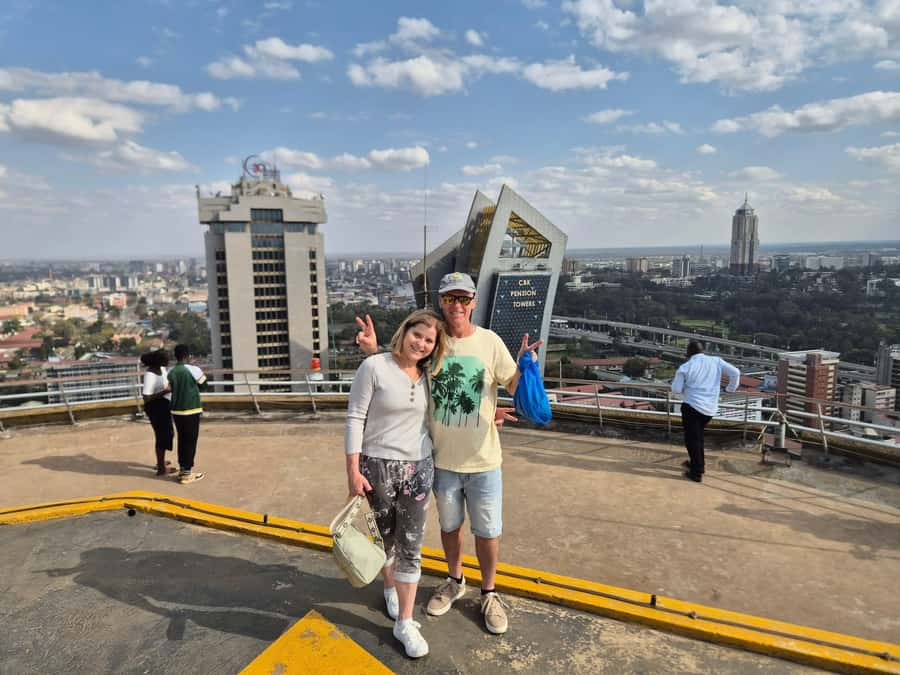
The KICC rooftop is one of the tour’s clearest visual rewards. For an extra $5, you can go up for a 360-degree view of Nairobi. The height changes the way the city makes sense, giving you a broad look at the capital after seeing it at street level.
I like the order of these two experiences. First, you walk through the center and absorb the city close up. Then you rise above it and see how the streets, buildings, and wider urban area fit together.
The rooftop fee is not included in the $40 price, so decide in advance if the view matters to you. For many first-time visitors, it is a worthwhile small addition, especially if you want photographs or a quick visual introduction to Nairobi. If you are watching every dollar, the walking tour still remains part of the experience without this extra charge.
The timing can vary. The overall tour lasts five hours, and the KICC stop appears as part of the city portion rather than a separately timed itinerary item. Tell Alex early if the rooftop is important to you so the day can be paced around it.
Meeting the Rootchild giraffes at the Giraffe Centre

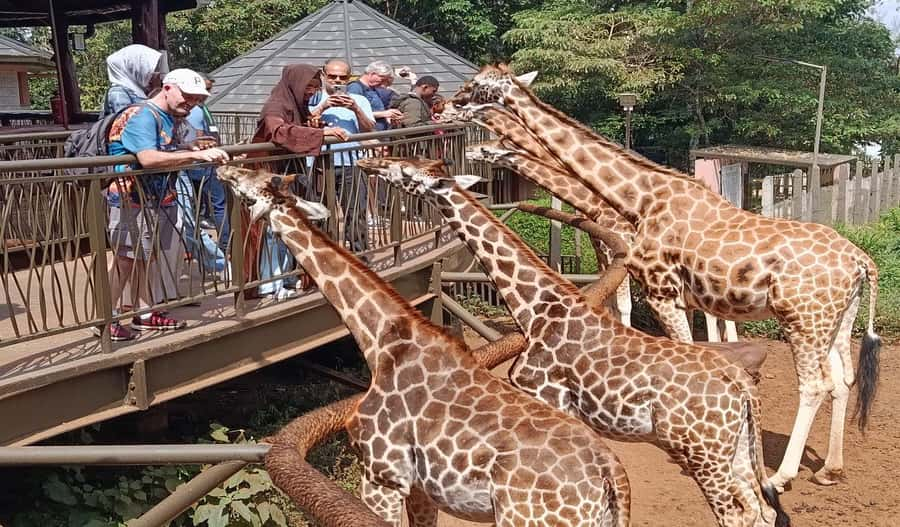
After the city walk, the route continues to the Giraffe Centre. The planned visit lasts about 20 minutes, making it a short but memorable stop rather than a long wildlife outing.
You can feed the giraffes and learn more about them. The tour description identifies the animals as a unique type called Rootchild, so this is more specific than simply stopping to see common zoo animals. The close feeding encounter is the main reason to include this stop.
The $15 admission fee is not included. Add it to the tour price when working out your budget. This means the base tour plus the Giraffe Centre and KICC fees comes to $60 per person before meals or purchases.
The route to and from the centre passes an informal settlement area. That view is part of Nairobi’s real urban setting, but it should be approached with care and respect. Alex can provide context rather than leaving you to make quick judgments from a vehicle window.
The short timing is both a benefit and a limitation. You get a lively animal encounter without giving up the rest of the day, but you should not book this expecting a full wildlife visit. If the giraffes are your main reason for booking, ask about the exact time available and what the entry covers.
Kazuri Beads Factory and the work behind the souvenirs

Kazuri Beads Factory is one of the planned shopping stops. The point is not only to buy a keepsake. You can learn about the making of local handicrafts and see how a finished souvenir connects to skilled handwork.
This gives the shopping a little more purpose. Instead of moving through anonymous gift shops, you have a chance to understand what you are buying and why a handmade item may cost more than a mass-produced trinket.
The tour allows about 30 minutes here. That is enough for a focused look and a purchase, but not for an unhurried browsing session across every item. If you already know you want beads or small gifts, use the time efficiently.
Shopping is not compulsory. Alex has shown flexibility when a visitor did not need to shop, so you can ask to shorten this section and spend more time on the city or another interest. That flexibility is important because souvenir stops can either be useful or tiring, depending on your plans.
More market and craft shopping in Nairobi:
- Traditional Kenyan Cooking Class & Local Market Tour
★ 5.0 · 129 reviews - Nairobi souvenir Shopping and Historical Half day Tour
★ 5.0 · 61 reviews - Memorable Daily KIBERA Slums/Toi Market Tour with Locals (2 hours)
★ 5.0 · 29 reviews - Nairobi Cultural Shopping Experience
★ 5.0 · 21 reviews
The Golden Eagle Art Gallery and a possible local lunch

The Golden Eagle Art Gallery is another planned 30-minute stop. It combines shopping with a possible meal, making it different from a simple craft outlet.
A local meal here can add a useful food experience to the day, but budget for it separately. One meal cost more than 1,200 Kenyan shillings, so this is not a cheap snack stop. The food was described as good, but the price is worth checking before you order.
I would treat this as an optional convenience rather than part of the tour price. If you want to try a local meal and do not mind paying extra, it can make the day feel more connected to Nairobi’s everyday food culture. If you have already arranged lunch or are keeping costs down, tell Alex before stopping.
The 30-minute schedule gives you time to browse and possibly eat, though a full meal may require a little adjustment. This is another place where the private format helps. Alex can adapt the timing instead of forcing everyone through the same plan.
Utamaduni Craft Centre and Nairobi’s handmade goods

Utamaduni Craft Centre is the third named shopping stop, with about 30 minutes set aside. The focus is Kenyan handicrafts and souvenirs, so it is a useful place to compare styles, prices, and types of goods after seeing the bead-making process.
I like having several different craft stops because it lets you look before buying. You may find that one shop suits your budget while another offers the design or material you prefer. The guide can also help explain what you are seeing and direct you toward items that fit your interests.
Three half-hour shopping stops can feel like a lot if you are not shopping. That is the tour’s biggest pacing concern. The good news is that the shopping is flexible, and the guide can reduce or skip sections when you do not need more souvenirs.
Bring a clear idea of what you want to take home. Small gifts, handmade decorations, and local crafts are easier to compare when you have a budget and luggage space in mind. You do not need to buy at every stop.
Finding the Maasai Market on the right day

The Maasai Market is part of the typical shopping plan, but its location changes during the week. This detail matters because showing up at the wrong place can waste valuable time.
On Saturday, the market is at the High Court parking lot in the city center, behind the Hilton. On Sunday, it moves to Yaya Centre in Hurlingham. The market generally operates from 8 a.m. to 6 p.m. at each location.
Ask about the market location when booking, since the stated route may depend on the day of your tour. The changing venue also explains why a private guide is useful. Alex can help fit the correct location into the route instead of treating the market as a fixed downtown stop.
Markets can be more crowded and less structured than craft centres. That is part of their appeal, but it also means you should compare items carefully and keep track of your belongings. The tour gives you a chance to see a more active shopping setting after the more organized craft stops.
What the $40 price really covers

At $40 per person, the tour gives you five hours, a private English-speaking guide, driver, hotel pickup, and hotel drop-off. You are paying for a mixed experience rather than a single attraction: city orientation, rooftop views, a giraffe encounter, and craft shopping.
The important extra costs are clear:
- Giraffe Centre admission: $15
- KICC rooftop: $5
- Food and drinks: not included
- Souvenirs: not included
If you choose both paid attractions, your minimum activity cost becomes $60 per person before food and shopping. That is still reasonable if you want several separate Nairobi experiences in one half-day, but it is not an all-inclusive $40 outing.
The value improves if you want a private guide and hotel transport. You do not need to arrange separate rides between central Nairobi, the Giraffe Centre, and the shopping stops. The value is lower if you only want the giraffes or only want a city walk, since you will be paying for a broader route.
The current rating is 5 out of 5 from four ratings, and the most consistent praise concerns Alex’s flexibility, humor, communication, and ability to explain Nairobi. Those qualities matter here because the itinerary includes several different kinds of stops rather than one fixed attraction.
Who will get the most from this Nairobi tour
This experience suits a first-time visitor who wants a quick introduction to Nairobi and prefers a private guide. It is also a good match for someone with only half a day who wants to combine city sights, animals, and shopping.
You will likely enjoy it most if you:
- Want a guide who can adjust the plan
- Like learning about local crafts before buying them
- Want a brief giraffe encounter rather than a full safari
- Prefer hotel pickup and drop-off
- Enjoy walking through the city center
- Have room in your budget for entrance fees and souvenirs
It may be less suitable if you dislike shopping stops or want a long wildlife visit. The giraffe section is only about 20 minutes, and the planned craft stops can occupy a large part of the remaining time. You can reduce the shopping, but you should state that preference clearly at the start.
The tour is also a good choice for visitors who want a gentle introduction before spending more time in Kenya. You get a view of the capital’s streets, crafts, animals, and city scale in one organized outing.
Booking details that affect the day
The tour is private, conducted in English, and includes hotel pickup from vocational homes and hotels in Nairobi. Free cancellation is available up to 24 hours before departure, and you can reserve now and pay later.
The total duration is five hours, though the exact starting time depends on availability. Since the Maasai Market moves by day, confirm the market location and the planned rooftop stop before you set your schedule.
The tour is listed as wheelchair accessible. Still, the two-hour walking section means you should discuss your needs with the provider in advance, especially if you need a particular route or extra time at stops.
Should you book this Nairobi experience?
Book it if you want a private, flexible introduction to Nairobi and like the idea of mixing a city walk with giraffes and Kenyan crafts. Alex’s ability to adjust the plan is especially useful if you are unsure how much shopping you want.
Think twice if your priority is a full wildlife experience, a low-cost city walk, or a day with no commercial stops. The actual cost rises to at least $60 when you add the giraffe and rooftop fees, and meals and purchases come separately.
For a first Nairobi day, I find the combination appealing. Just budget honestly, confirm the Maasai Market location, and tell Alex which matters most to you: the city, the giraffes, the view, or the shopping.
FAQ
How long does the Nairobi tour last?
The activity lasts five hours, including the city walk, Giraffe Centre visit, craft stops, and transport.
Is hotel pickup included?
Yes. Hotel pickup and hotel drop-off in Nairobi are included.
Is the tour private?
Yes. It is offered as a private group experience.
What language does the guide speak?
The live tour guide speaks English.
Is the Giraffe Centre entrance fee included?
No. The Giraffe Centre fee is $15 per person and must be paid separately.
Is the KICC rooftop fee included?
No. The KICC rooftop costs $5 per person and is not included in the tour price.
How long is the walking tour?
The guided Nairobi walking portion lasts about two hours.
How long is the Giraffe Centre visit?
The planned visit lasts about 20 minutes and includes feeding the giraffes and learning about them.
Where is the Maasai Market located?
The market location changes by day. On Saturday, it is at the High Court parking lot behind the Hilton in central Nairobi. On Sunday, it is at Yaya Centre in Hurlingham.
Just added around Nairobi
- Visit kibera Slum the chocolate city★ 4.8 · 3 reviews
- Day Tour to Nairobi national park, Elephants, and Giraffe Center★ 3.5 · 8 reviews
- Explore local Market matatu ride & Make Kenyan Cuisines with a home cook★ 5.0 · 8 reviews
- Kibera Slum Tour with a Local★ 5.0 · 15 reviews
- Urban Forest Tour in Nairobi★ 5.0 · 7 reviews
- Vegans special safari★ 4.5 · 4 reviews
- Private Mini Safari Tour in Nairobi★ 5.0 · 6 reviews
- Private Kenyan Cooking Class in Nairobi with a Local★ 5.0 · 3 reviews
Shopping Tours, compared.

Traditional Kenyan Cooking Class & Local Market Tour
Read our review →
Nairobi souvenir Shopping and Historical Half day Tour
Read our review →
Memorable Daily KIBERA Slums/Toi Market Tour with Locals (2 hours)
Read our review →
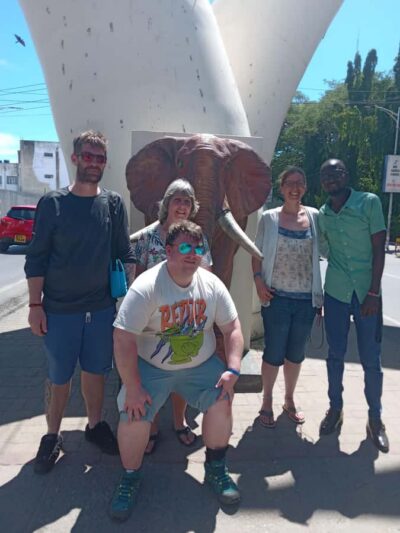
Mombasa City Tour,Fortjesus,Oldtown,Tusks and Spice Market.
Read our review →
Half-Day Nairobi National Park and Maasai Market with Pick up
Read our review →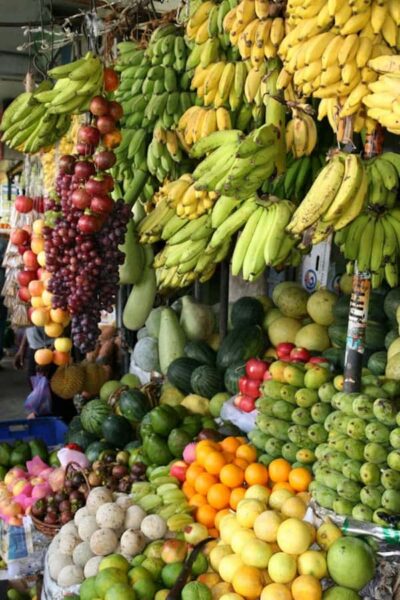
Authentic Kenyan Cooking Class & Market Tour in Nairobi
Read our review →
Nairobi cultural souvenir shopping tour with a local
Read our review →Browse the lists this tour appears in